tech-founder
(26)
Ari Rabban Built for the Small Business Everyone Else Put on Hold
A lawyer turned telecom operator spent nearly two decades making sophisticated phone tools feel ordinary. His enduring bet was simple: tiny businesses deserve serious infrastructure without an IT department.

Justin Talerico
Justin Talerico is the CEO of Automox, a Boulder, Colorado company building cloud-native autonomous endpoint management software. He stepped into the top job in May 2025 after four years as the company's chief marketing officer, a stretch in which he helped quadruple growth. A lifelong builder who started coding at age nine, Talerico co-founded the interactive content platform ion interactive in 2007 and sold it to ScribbleLive in 2017, and later held leadership roles at Linux Academy and A Cloud Guru. He and his wife Anna run Beacon9, a SaaS best-practices advisory.

Johnny Monsarrat
Johnny Monsarrat co-invented the MMO genre at Turbine in 1994 - the studio behind Asheron's Call, Lord of the Rings Online, and Dungeons & Dragons Online before Warner Bros. acquired it for $160M. Now as founder and CEO of Monsarrat, he is building Landing Party, the world's first outdoor AR roleplaying game, with 7 patents, $2.7M raised, and advisors including the former CEOs of PlayStation and Blizzard.

Susan Sly
Susan Sly is an award-winning AI entrepreneur, two-time tech founder, keynote speaker, and bestselling author based in Phoenix, Arizona. She is Founder and CEO of The Pause Technologies, an AI platform for women's care, and previously co-founded and co-led RadiusAI, a computer vision company whose work won VentureBeat's 2022 AI Innovator at The Edge award against finalists like Boston Dynamics and Ford. A graduate of MIT executive programs, she hosts the globally downloaded podcast Raw and Real Entrepreneurship and has been named among the top women to watch in real-time AI.
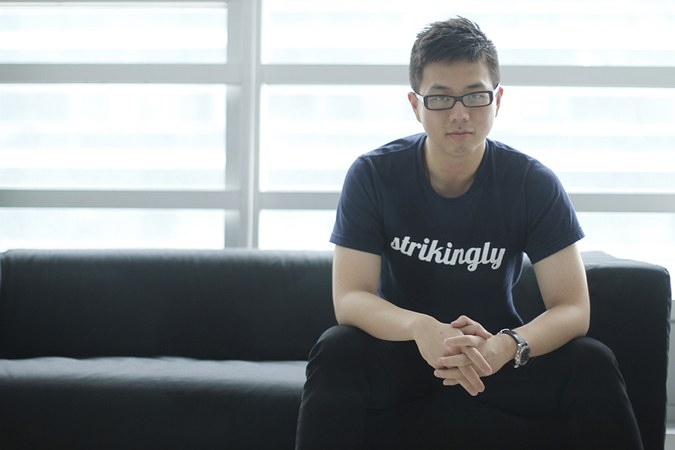
David Haisha Chen
David Haisha Chen is the co-founder and CEO of Strikingly, a Y Combinator-backed website builder that lets anyone publish a mobile-optimized site in minutes. He left the University of Chicago in 2012 to move to Silicon Valley with co-founders Dafeng Guo and Teng Bao, was rejected by Y Combinator on the first try, got in on the second, and built a company that became the first Chinese startup to graduate from YC. He runs Strikingly with a product-first, superfan-driven philosophy from offices split between Shanghai and San Francisco.

Eric Olden
Eric Olden is the co-founder, chairman, and CEO of Strata Identity, the Boulder-based company behind the Maverics identity orchestration platform. With more than 25 years in the identity field, he co-authored the SAML federation standard, built the first web single sign-on product and the first Identity-as-a-Service company, and led Oracle's global identity and security division before launching Strata. He has been called the father of modern identity management and holds 13 US patents.

Ben Springwater
Ben Springwater is the Co-Founder and CEO of Matter, a beautifully designed reading app that consolidates articles, newsletters, and emails into one distraction-free experience. A Stanford MBA and former Nextdoor product lead, Ben built Matter through Y Combinator's Summer 2020 batch and raised $9.15M from Google Ventures and others. Known for his philosophy that 'the details add up,' he steers Matter toward slow, steady growth for discerning readers rather than chasing scale - a conviction tested and hardened by personal health challenges in 2024 that led him to reimagine both his company and his life.

Adarsh Hiremath
Adarsh Hiremath is the Co-Founder and CTO of Mercor, the AI-powered talent marketplace connecting domain experts with AI labs for model training, evaluation, and data creation. At 22, he dropped out of Harvard, received a Thiel Fellowship, and co-built Mercor from a São Paulo hackathon idea into a $10 billion company generating over $500 million in annual revenue - making him one of the world's youngest self-made billionaires alongside co-founders Brendan Foody and Surya Midha.
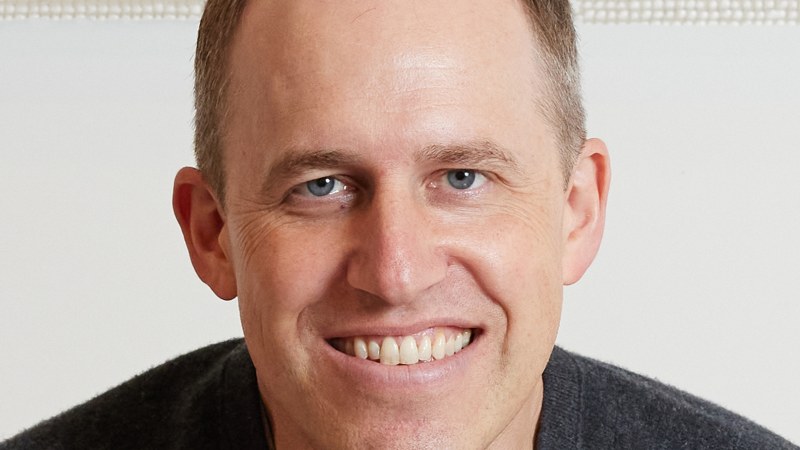
Bret Taylor
Bret Taylor is the co-founder and CEO of Sierra, an enterprise AI agent platform valued at $15.8 billion following its $950M Series E in May 2026. A Stanford computer science graduate, he co-created Google Maps, helped invent Facebook's Like button, served as Facebook CTO, co-founded Quip (acquired by Salesforce), and rose to co-CEO of Salesforce before founding Sierra in 2023. He also chairs the OpenAI board, having stabilized the company after Sam Altman's brief ouster in November 2023. Forbes recognized him as a billionaire in 2025, and Silicon Valley has nicknamed him the 'Forrest Gump of Silicon Valley' for his uncanny presence at every landmark moment in the internet age.
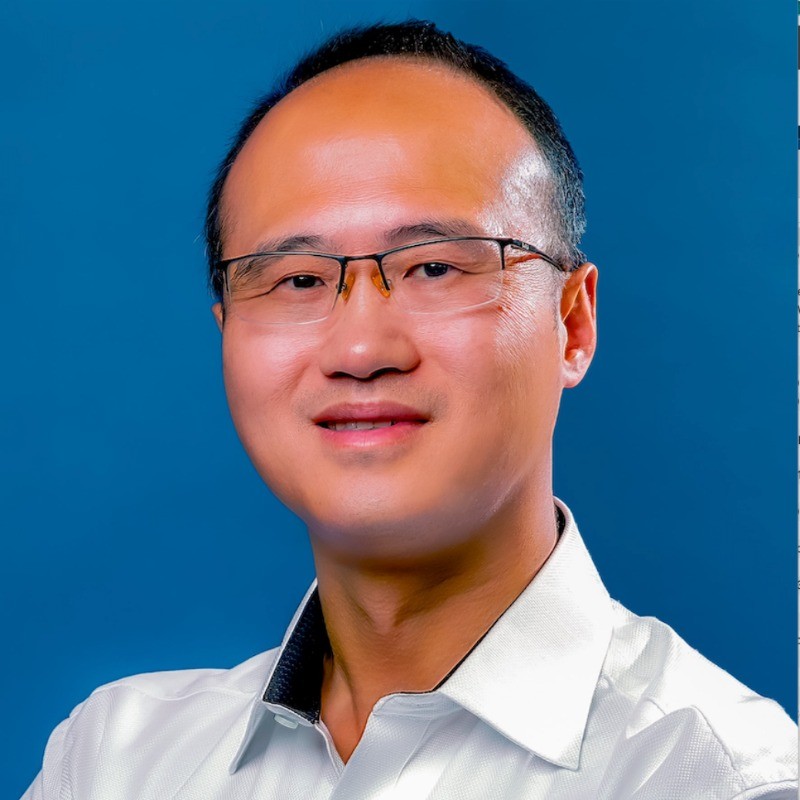
Hao Zhong
Hao Zhong is the CEO and Co-Founder of ScaleFlux, a San Jose-based fabless semiconductor company that builds computational storage drives and CXL memory solutions for cloud, AI, and data center workloads. With 20+ years in flash storage and LDPC technology — including stints at LSI, SandForce, and Fusion-io — Zhong co-founded ScaleFlux in 2014 to rethink what a storage device can do: compress data in hardware, cut write amplification, and deliver 4x effective capacity at roughly half the price of standard NVMe SSDs. ScaleFlux has raised $288M in funding and posted record-breaking growth in 2024.
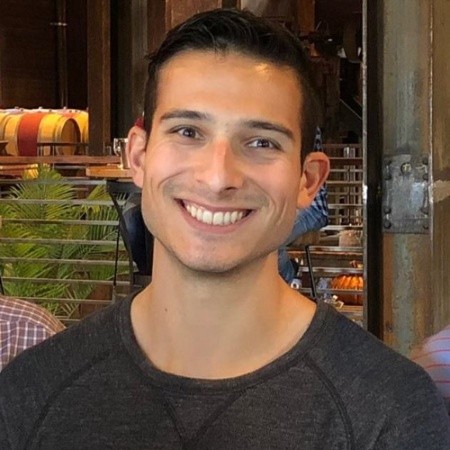
Graham Gaylor
Graham Gaylor is the co-founder and CEO of VRChat Inc., the social virtual reality platform he built from a single Reddit-recruited room in 2014 into a $500M company with millions of custom avatars and hundreds of thousands of user-created worlds. A Vanderbilt-trained mathematician and software engineer who backed the original Oculus Kickstarter, Gaylor has spent over a decade building the infrastructure for human connection in virtual space - a platform where avatars meet, worlds multiply, and the line between game and community blurs entirely.

Sam Hodges
Sam Hodges is co-founder and CEO of Vouch Insurance, a tech-enabled insurance platform built specifically for high-growth startups and venture-backed companies. A serial fintech entrepreneur with 20+ years at the intersection of technology and financial services, Hodges previously co-founded and led the U.S. operations of Funding Circle to a 2018 London Stock Exchange IPO. He holds an MBA and MS from Stanford and a magna cum laude degree from Brown University, and is a Fellow of the inaugural Finance Leaders Fellowship at the Aspen Institute. Under his leadership, Vouch has raised over $229M in total funding, serves 6,000+ companies, and completed a Series D round in early 2025 alongside its acquisition of StartSure Insurance Services.
Sumir Meghani
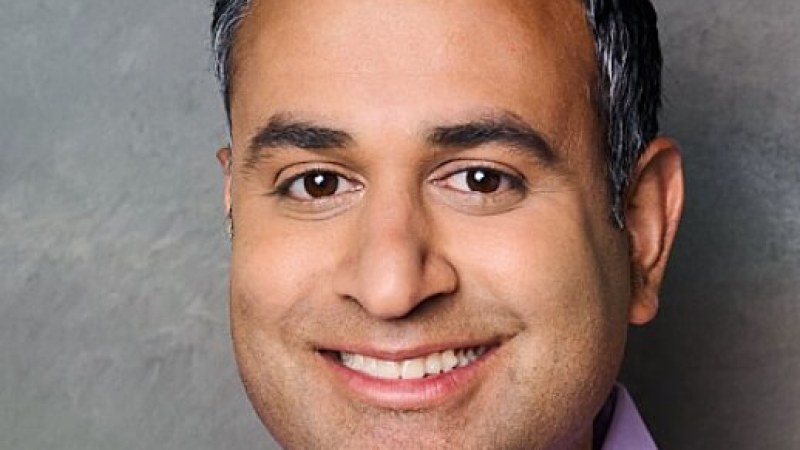
Sumir Meghani is the CEO and Co-Founder of Instawork, a San Francisco-based on-demand staffing platform connecting over 4 million skilled hourly workers with businesses across hospitality, light industrial, and warehousing sectors. A Stanford and Harvard Business School alumnus and Paul & Daisy Soros Fellow, Meghani built Instawork from a Y Combinator S15 startup into a $171.8M-funded company operating in 30+ markets across the U.S. and Canada, earning the EY Entrepreneur of the Year 2023 Bay Area Award and back-to-back Inc. 5000 rankings.
Advay Mengle
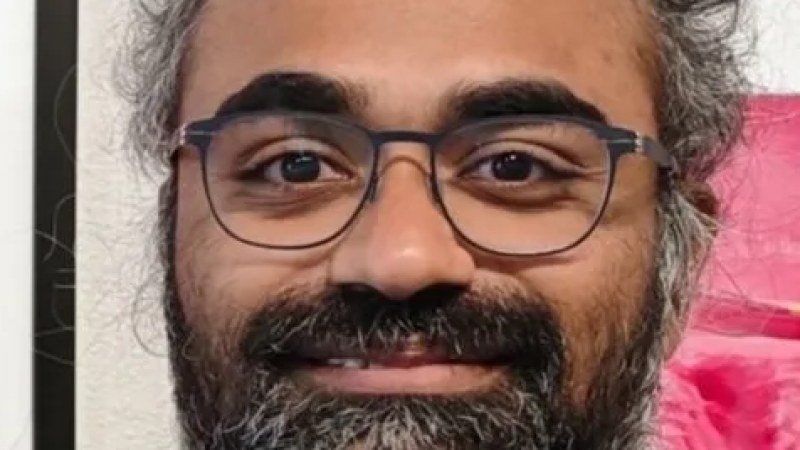
Advay Mengle is a San Francisco Bay Area-based tech founder, engineer, and self-taught fine artist living a genuinely rare double life. As CEO and founder of a stealth-mode startup, he brings over 25 granted patents and deep experience at Google and Microsoft to bear on whatever he's building next. Simultaneously, in 2025 alone - his first year exhibiting - he was accepted into over 18 juried art exhibitions across the US, Spain, UK, France, and Japan, earning an Award of Excellence at Magnum Opus 2026 for his painting 'The City'. Born in Los Angeles in 1989, he holds a degree from MIT and previously served as VP Engineering at Talos Robotics before founding Holvonix LLC, a game and app studio.

Tim Wagner
Tim Wagner is the co-founder and CEO of Vendia, and the inventor of AWS Lambda - the service that launched the global serverless computing movement. With a PhD from UC Berkeley and stints at AWS (as GM of Lambda, API Gateway, and Serverless App Repository) and Coinbase (as VP Engineering), Wagner brings a rare double expertise in serverless infrastructure and blockchain. At Vendia, he has combined both disciplines to build a platform that enables secure, real-time data sharing across companies, clouds, and ecosystems - positioning it as the operating layer for the AI data era.

Tony Xia
Tony Xia is a computer vision engineer turned venture scout and startup founder who built his technical chops at DJI, AutoX, and Arraiy (acquired by Matterport) before co-founding Crema Social - a video-call-meets-food-delivery international dating platform that amassed over 1 million signups in 8 months. After graduating from a16z speedrun's Cohort 003, he became a Scout for a16z speedrun, backing pre-seed founders with $10K checks and a direct path into one of Silicon Valley's most competitive accelerators.
Alexandr Wang
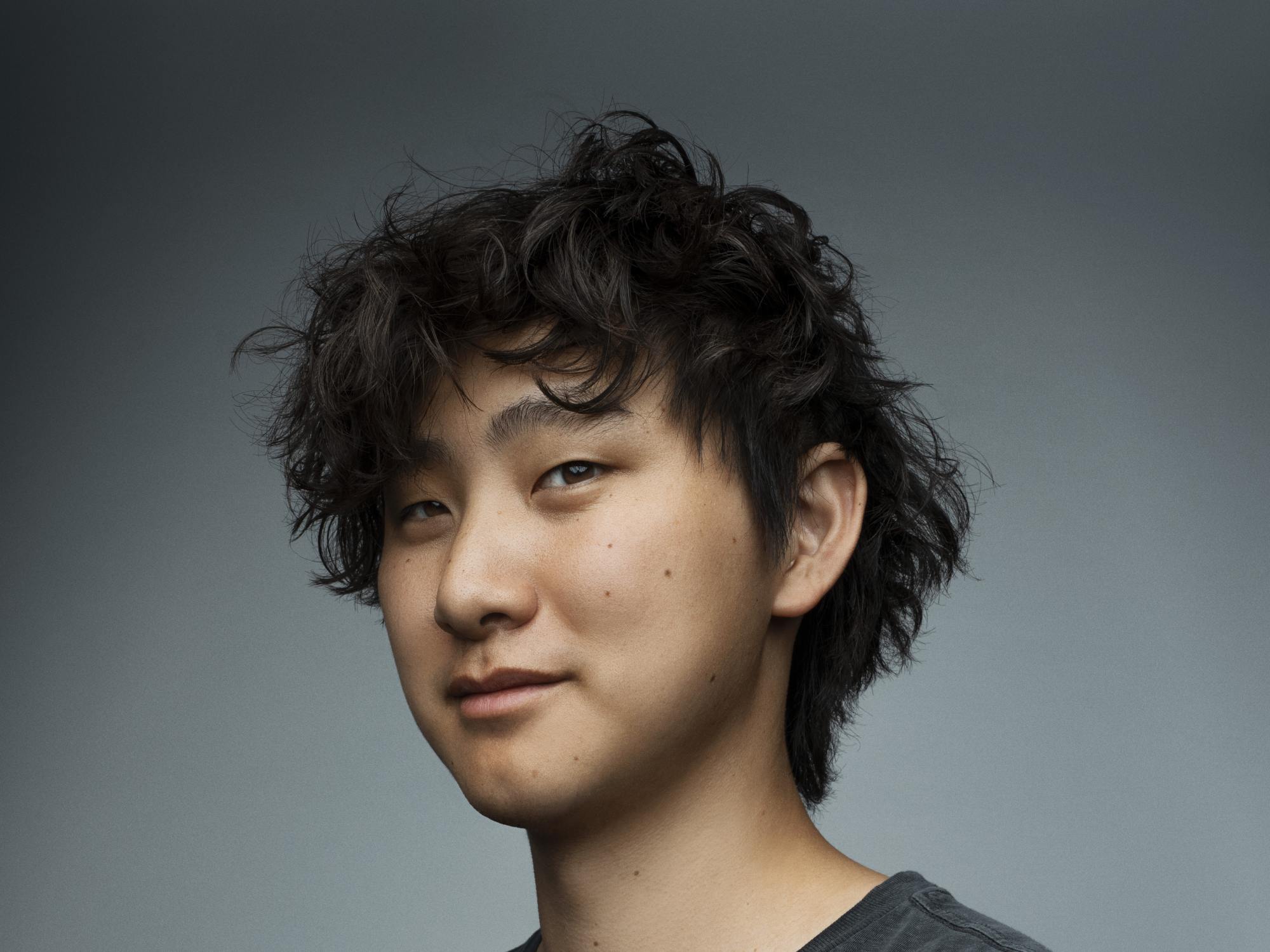
Alexandr Wang is the co-founder of Scale AI and current Chief AI Officer at Meta Platforms. Born in 1997 to Chinese immigrant physicists in Los Alamos, New Mexico, he dropped out of MIT at 19 to build Scale AI, which became the backbone of AI training data infrastructure for companies like OpenAI, Google, Meta, and the U.S. Department of Defense. By 24, he was the world's youngest self-made billionaire. Scale AI grew to a ~$29B valuation after Meta's $14.8B strategic investment in 2025, and Wang now leads Meta's AI superintelligence efforts.
Chad Hurley
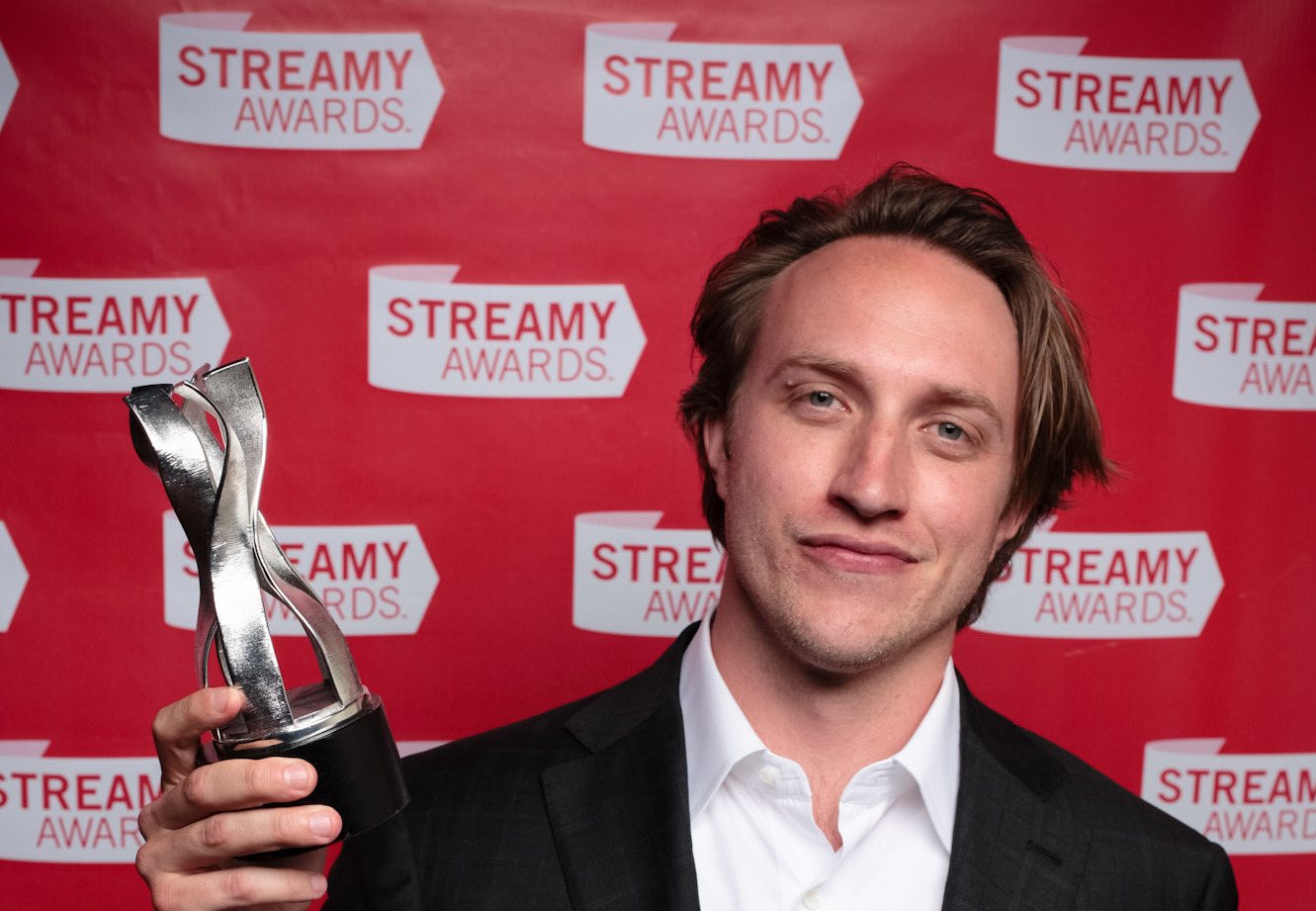
Chad Meredith Hurley (born January 24, 1977, Reading, PA) is an American entrepreneur and tech visionary best known as the co-founder and first CEO of YouTube, which he built alongside Steve Chen and Jawed Karim in 2005 and sold to Google in October 2006 for $1.65 billion - just 18 months after launch. Armed with a Fine Arts degree from Indiana University of Pennsylvania rather than a computer science background, Hurley's design instincts shaped YouTube's iconic UI and pioneered the embeddable video player that fueled viral growth; he had previously designed the original PayPal logo during his job interview. After stepping down from YouTube in 2010, he co-founded AVOS Systems and MixBit, launched the sports gaming platform GreenPark Sports (which raised $53M+), and in 2023 founded EyeTell, an AI-powered video script generation startup. He holds minority ownership stakes in the Golden State Warriors (NBA), LA Football Club (MLS), and Leeds United (EPL), and received a Lifetime Achievement Emmy in 2019. Estimated at $700-800 million in net worth, Hurley remains a prolific investor and quiet force in Silicon Valley, famously reclusive despite his outsized impact on how the world creates and consumes video.

Jawed Karim
Jawed Karim is the co-founder of YouTube and the man behind the internet's most historically significant 19 seconds of footage — 'Me at the zoo,' uploaded on April 23, 2005. Born in East Germany to a Bangladeshi father and German mother, Karim built YouTube's anti-fraud infrastructure at PayPal alongside Chad Hurley and Steve Chen before pivoting to change how humanity watches video. After Google acquired YouTube for $1.65 billion in 2006, Karim quietly enrolled at Stanford, co-founded early-stage fund Y Ventures, and became one of Airbnb's first investors. He communicates publicly almost exclusively through the description box of his single YouTube video.
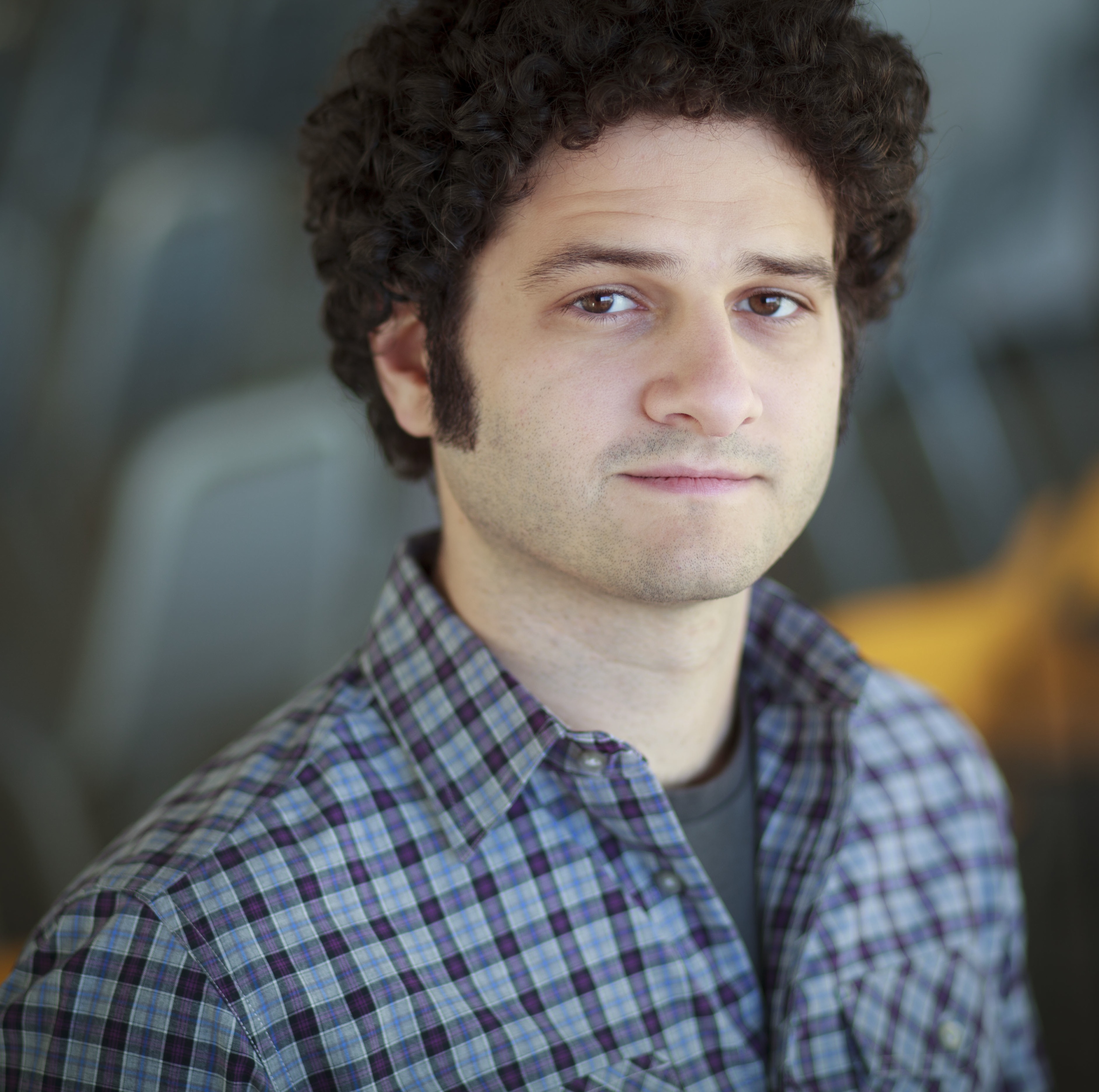
Dustin Moskovitz
Dustin Moskovitz co-founded Facebook in a Harvard dorm room in 2004, then quietly built Asana into a billion-dollar project management company while giving away billions through Open Philanthropy (now Coefficient Giving). The youngest self-made billionaire in the world when Forbes first named him in 2011, Moskovitz has spent the years since turning wealth into what he believes are the most high-impact charitable causes on Earth - from malaria nets to AI safety - alongside his wife Cari Tuna.
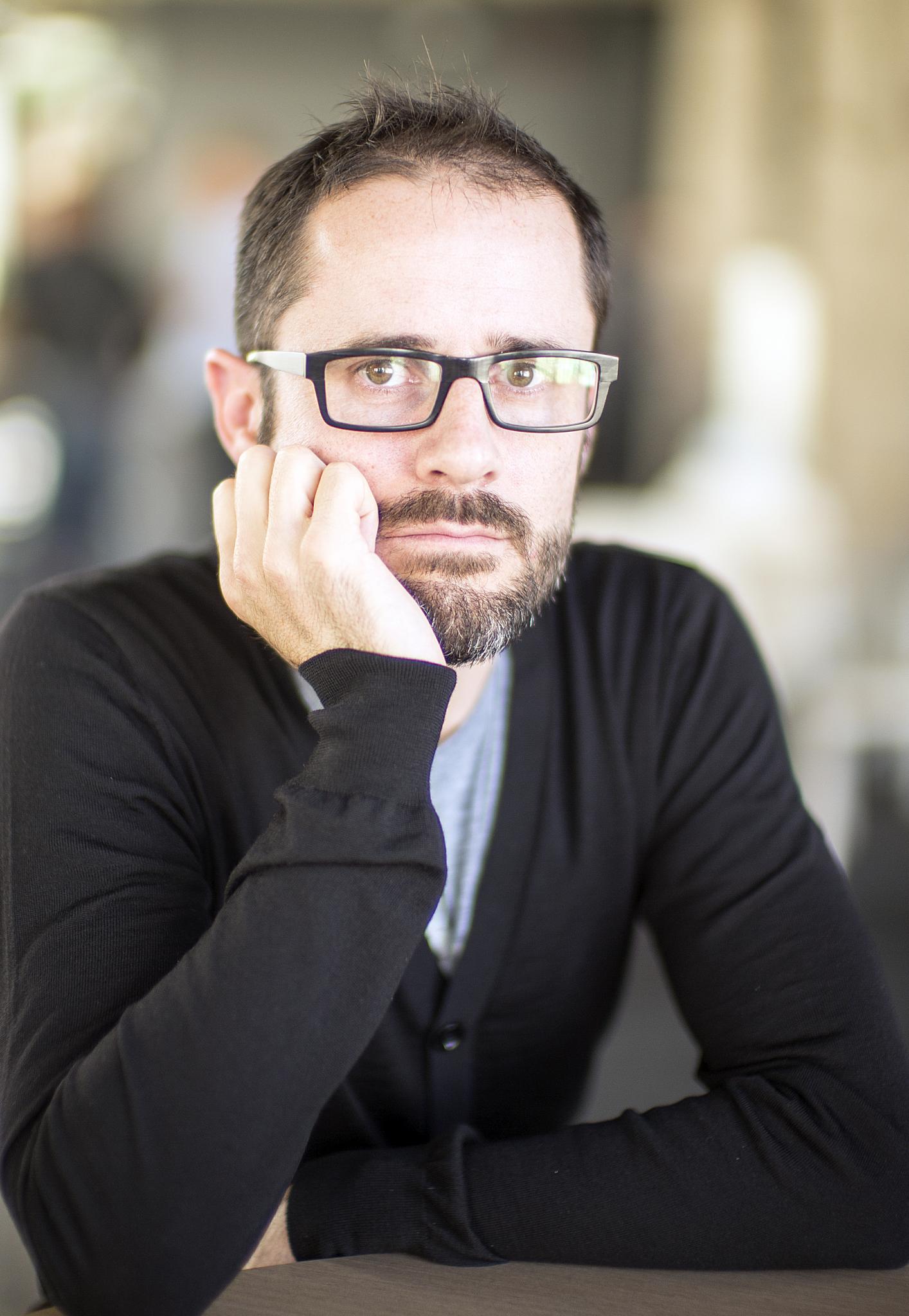
Ev Williams
Ev Williams is the Nebraska farm boy who accidentally invented blogging, co-founded Twitter, built Medium, and is now trying to make social media actually social again with Mozi. A serial founder who has shaped how the world communicates - and who openly regrets some of what that meant - he remains one of tech's most quietly consequential figures, running Obvious Ventures, a B Corp impact fund with $585M in assets, while incubating his next idea from San Francisco.
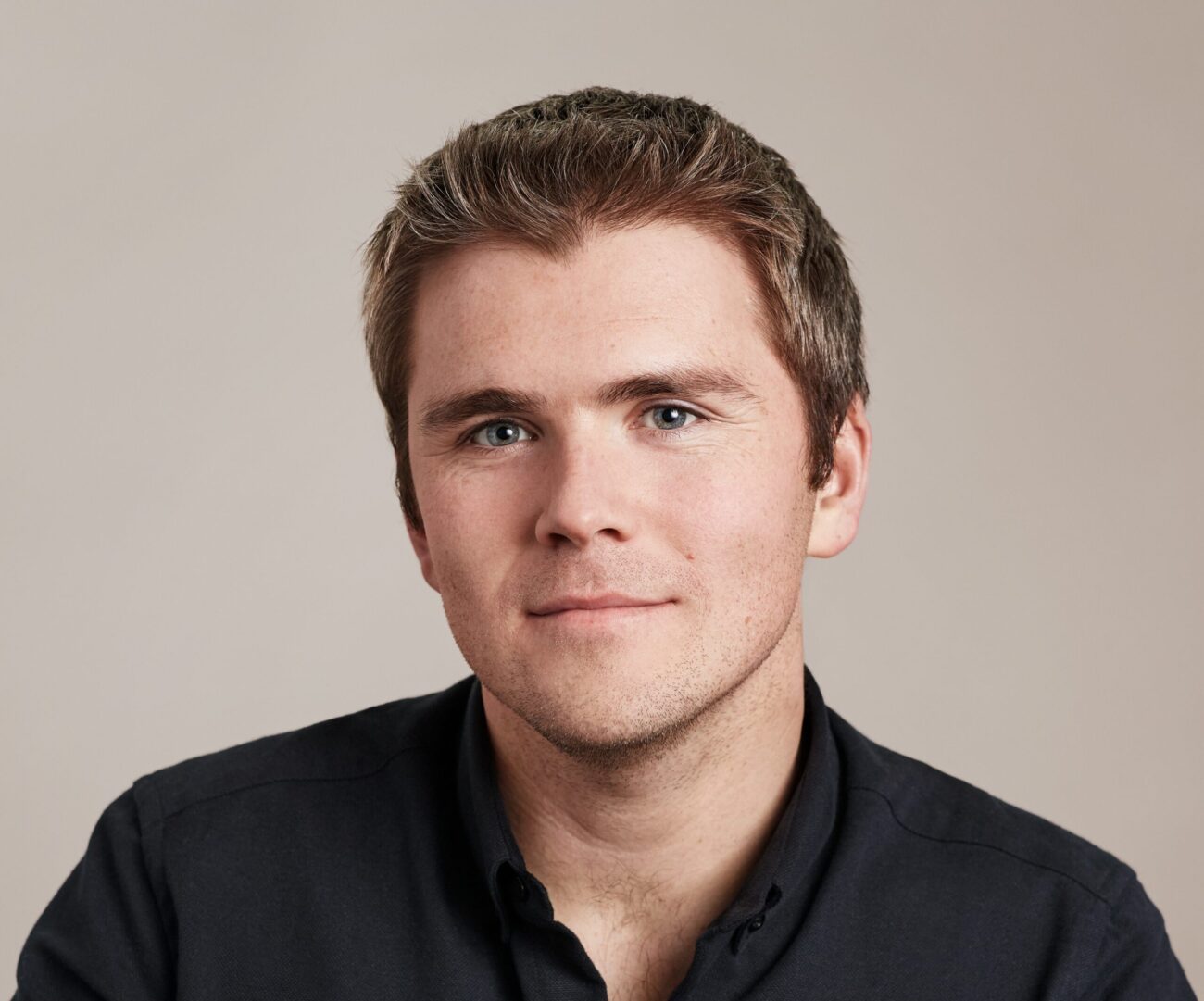
John Collison
John Collison is the President and co-founder of Stripe, the Irish-American payments giant he built with his brother Patrick from their rural Tipperary roots into a $159 billion fintech colossus processing $1.9 trillion annually. He sold his first company at 17, dropped out of Harvard at 19, and by 26 was the world's youngest self-made billionaire - all while maintaining the understated disposition of someone who grew up in a village of a few hundred people on Lough Derg.

Tony Hsieh
Tony Hsieh was the visionary CEO of Zappos who turned a struggling online shoe store into a $1.2 billion acquisition by Amazon, not by selling shoes but by relentlessly selling happiness - to customers, employees, and a disbelieving corporate world. A Harvard computer science grad who sold his first company (LinkExchange) to Microsoft for $265 million at 24, Hsieh spent two decades proving that culture isn't a perk but the entire product. He wrote the bestselling 'Delivering Happiness,' bet $350 million on reviving downtown Las Vegas, and died in November 2020 at age 46, leaving behind a philosophy that still shapes how companies think about their people.
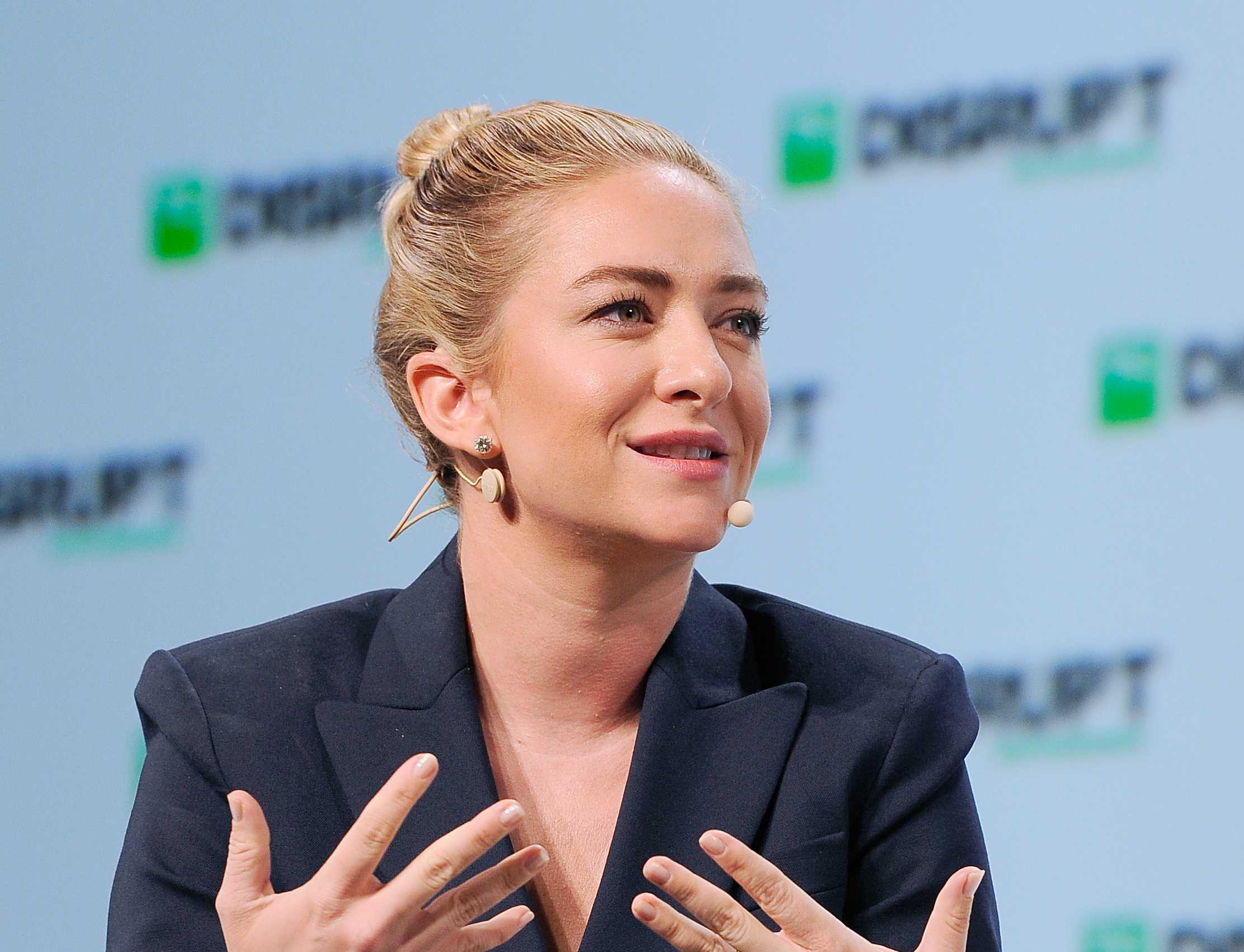
Whitney Wolfe Herd
Whitney Wolfe Herd co-founded Tinder, sued it for sexual harassment, and turned that lawsuit into Bumble - the dating app where women make the first move. By 31, she became the world's youngest female self-made billionaire and the youngest woman to take a self-founded company public in U.S. history. After stepping down as CEO in 2023 and experiencing what she calls an 'ego death,' she returned to lead Bumble in 2025 with a new vision: rebuilding it as 'The Love Company.'

Tobi Lutke
Tobias 'Tobi' Lütke is the German-Canadian co-founder and CEO of Shopify, one of the world's largest e-commerce platforms. Born in 1980 in Koblenz, Germany, he received a computer at age six and left school after 10th grade to complete a programming apprenticeship, never attending university. After emigrating to Canada in 2003, he built an online snowboard shop called Snowdevil and — finding every existing e-commerce platform inadequate — coded his own solution in Ruby on Rails in two months. That solution became Shopify, which he launched as a standalone product in 2006. Shopify went public in 2015, and as of 2025 processes over $1.6 trillion in cumulative gross merchandise volume for millions of merchants across 175+ countries, commanding over 14% of the US e-commerce market. Lutke is known for his radical candor, his open-source roots, and his unusual interests for a tech CEO: competitive racing driver, avid skier, and serious gamer who credits strategy games with shaping his business thinking. His April 2025 internal memo mandating AI proficiency as a baseline expectation became one of the most widely-discussed corporate AI policy statements of the year.

Gabriel Weinberg
Gabriel Weinberg is the founder and CEO of DuckDuckGo, the privacy-focused search engine he built from his basement in Valley Forge, Pennsylvania starting in 2008 - while simultaneously being a stay-at-home dad. A former MIT physicist who sold his first social network for $10 million just before Facebook made it obsolete, Weinberg turned DuckDuckGo into a billion-dollar company processing over 100 million searches daily, without tracking a single user. He is also the co-author of 'Super Thinking' and 'Traction', two widely-read books on mental models and startup growth.