iot
(327)
Middleby knows what happens before dinner
Behind the menu sits a second business: the machines that make a kitchen work. Middleby built a portfolio around that business, then began cutting away the parts that no longer fit.
Synaptics puts AI within touching distance
The touchpad pioneer is teaching devices to see, hear, and respond on their own. Its next test is turning four decades of interface know-how into a business that reaches beyond the screen.
ViitorCloud makes the demo do the work
A lamp lit by phone. A property deal untangled. A credential checked at the gate. ViitorCloud’s most revealing work happens where software meets a stubborn human process.

OneData Software Solutions: The work behind the AI
An exposed password. An unanswered solar inquiry. OneData Software Solutions builds its cloud and AI business around the small operational gaps that become expensive problems.

Spireon finds the money in empty space
A trailer can be exactly where the map says it is and still be useless. Spireon built a business around the questions a GPS dot cannot answer.

Karan Bakshi and the things a shelf won’t tell you
A trade-show conversation about missing visibility helped shape Karan Bakshi’s retail business. From connected coolers to shelf simulations, the Vision Group Retail founder keeps returning to the details that distant decision-makers miss.
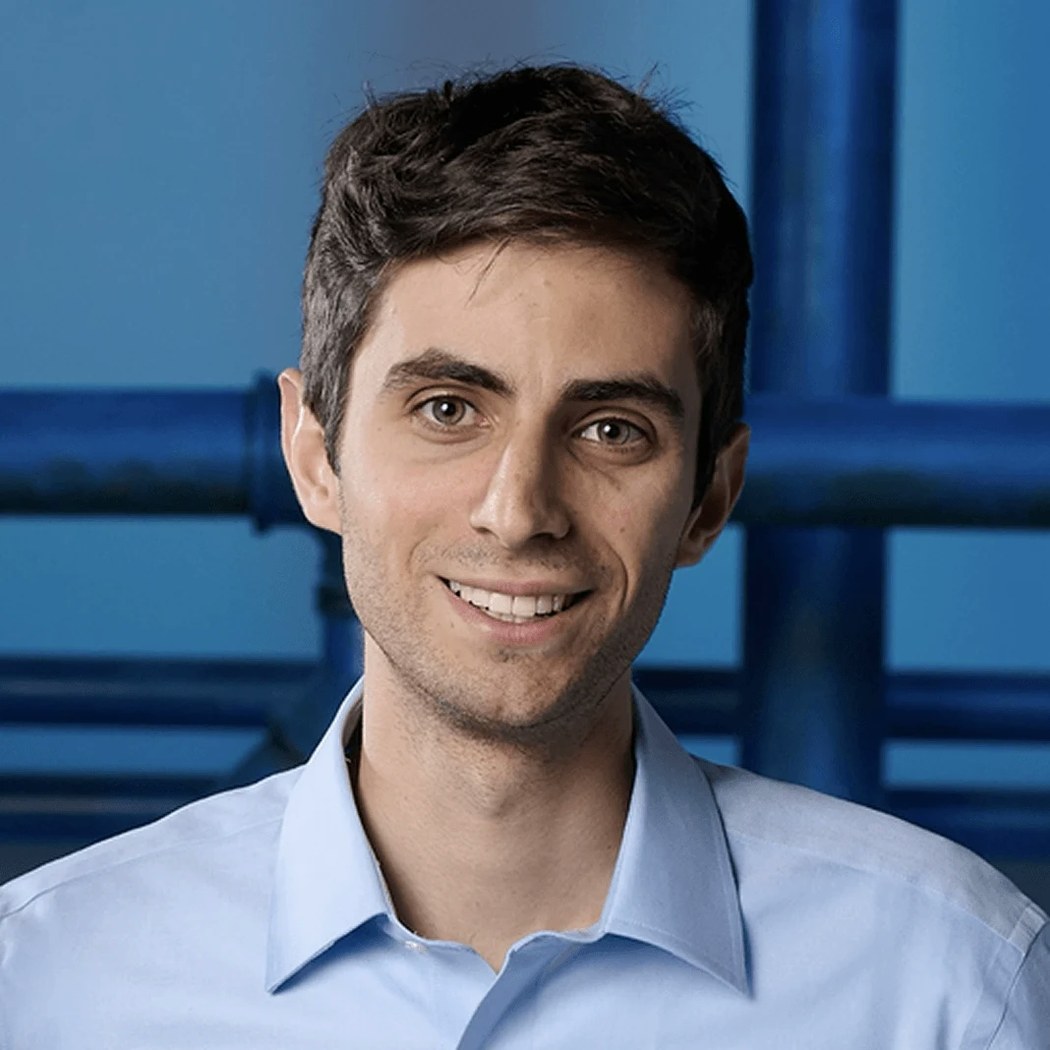
Igor Marinelli and the value of an uneventful day
His father spent 35 years keeping factory machinery running. Igor Marinelli built Tractian around the people who get called when it stops.

Vassar Labs connects the dots before the water rises
A reservoir, a farm and a city pipe share the same water. Vassar Labs builds software to help the people managing them see the same picture.
AAIT wants the whole IT problem.
From office networks to barge-tracking software, AAIT sells a broad promise: fewer gaps between the people who build your technology and the people who keep it running.

Plasma and the money hiding in the handoffs
A crop-protection rebate. A missing service ticket. An inventory report that arrives too late. Plasma builds software for the awkward gaps where enterprise systems leave people doing the connecting.
ThisFish Inc. gives fish a paper trail. Without the paper.
A seafood traceability project found its real problem on the factory floor. Now ThisFish turns scales, scanners and cameras into a running account of what a fish is worth - and where it came from.

Sanjay Sharma and the Trouble Beyond the Warehouse Door
He built a business around knowing where things were. With Roambee now called Decklar, Sanjay Sharma is pursuing the harder question: what should happen next?

Rohin Parkar and the trouble with doors
After twelve years in the US wireless industry, Rohin Parkar returned to India to build Spintly with Malcolm Dsouza. Their starting point was a room full of controllers, cables and an awkward question about how buildings work.

Sensitech and the secret life of a shipment
A delivery can arrive on time and still arrive ruined. Sensitech follows the temperature, the journey and the evidence that tells a shipper what to do next.

Solution Analysts and the art of getting unstuck
A banking app, a remote machinery expert, a finance team waiting on its data. Solution Analysts builds software around the awkward constraints that decide whether technology gets used.
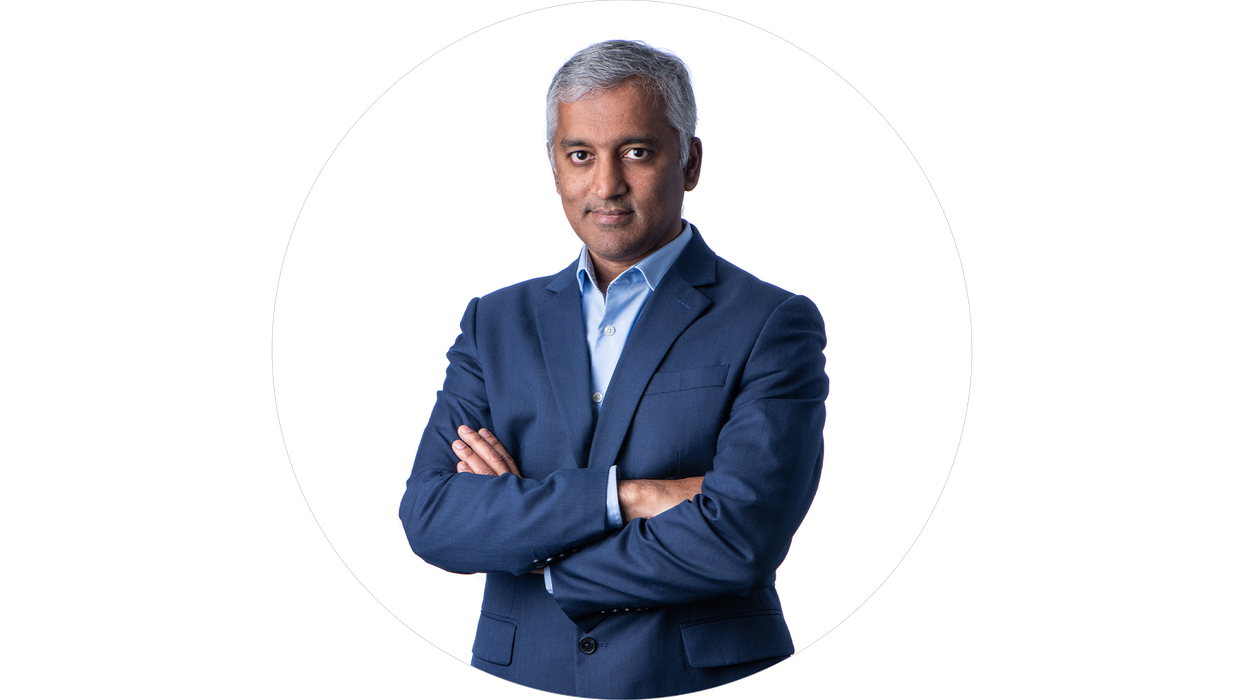
Raj Krishnamurthy and the office that could count
An engineer trained in nuclear science turned his attention to the everyday office. At Freespace, Raj Krishnamurthy is asking what happens when buildings pay attention to the people inside them.

The shelf has a secret.
Vision Group Retail turns shelf photos and cooler signals into instructions people can use. Its bigger bet: a better view of the aisle can change the decisions made far beyond it.

Platform Science wants your truck to think like a smartphone
A truck can outlive several generations of software. Platform Science is building a way for fleets to change the apps without changing the machinery.

Spanidea makes the pieces work together
A chip, a sensor, and an AI model can each work beautifully. Spanidea builds the engineering between them - the part that turns a clever demonstration into a connected product.

Randall Schwartzentruber and the question inside the bin
A former youth minister went looking for a sensor and found a business. Randall Schwartzentruber’s path to BinSentry runs through home automation, a childhood friendship and the awkward business of measuring a pile of feed.
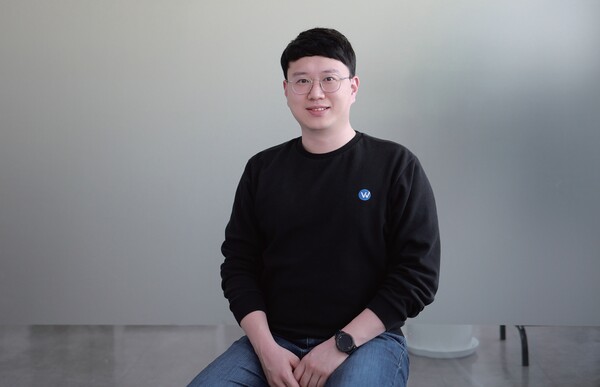
Sunghoon Bae and the missing middle of a delivery
Before he co-founded Willog, Sunghoon (Ben) Bae worked in food distribution and saw how little a shipment could reveal about its journey. His answer began with a QR code and grew into a business built around evidence.
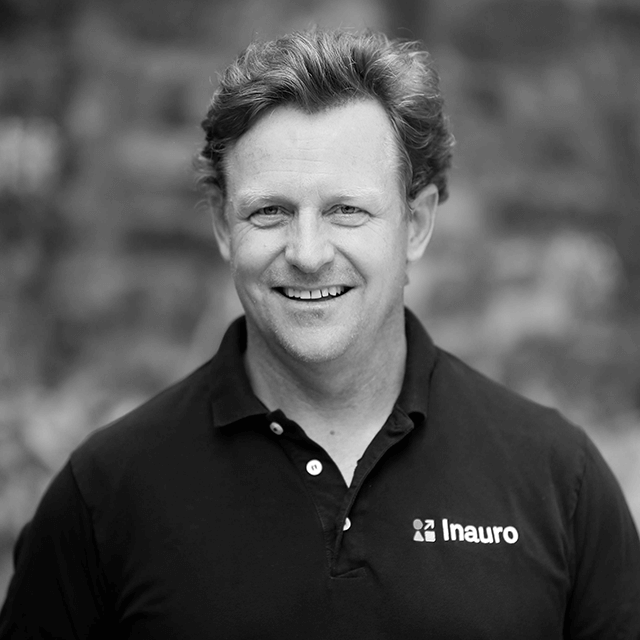
Angus Kennard and the art of starting again
A family name opened a door. Branch work, specialist equipment and an independent software venture gave Angus Kennard reasons to keep walking through new ones.
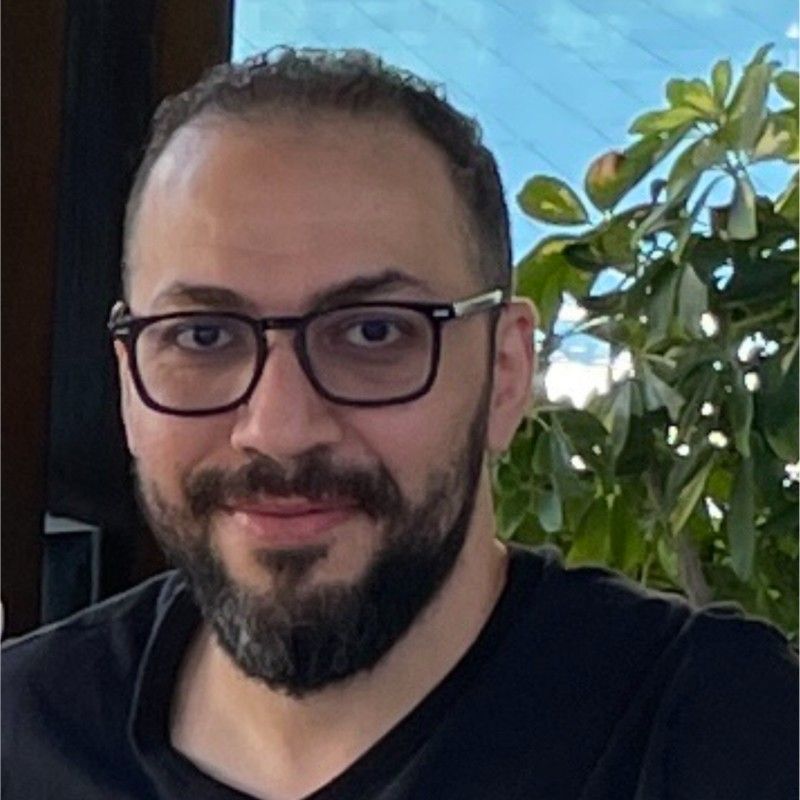
Mohannad Alhaj and the distance between a truck and a decision
Starting in a small warehouse in Al Khobar, Mohannad Alhaj built Saferoad around the work of understanding vehicles. His career follows a practical question: what happens after a moving dot appears on a screen?

Daniel J. Yun and the missing minutes inside the box
Before co-founding Willog, Daniel J. Yun ran warehouses and trucks. Now he is building a record of what cargo experiences - and connecting that evidence to the decisions, disputes, and insurance that follow.
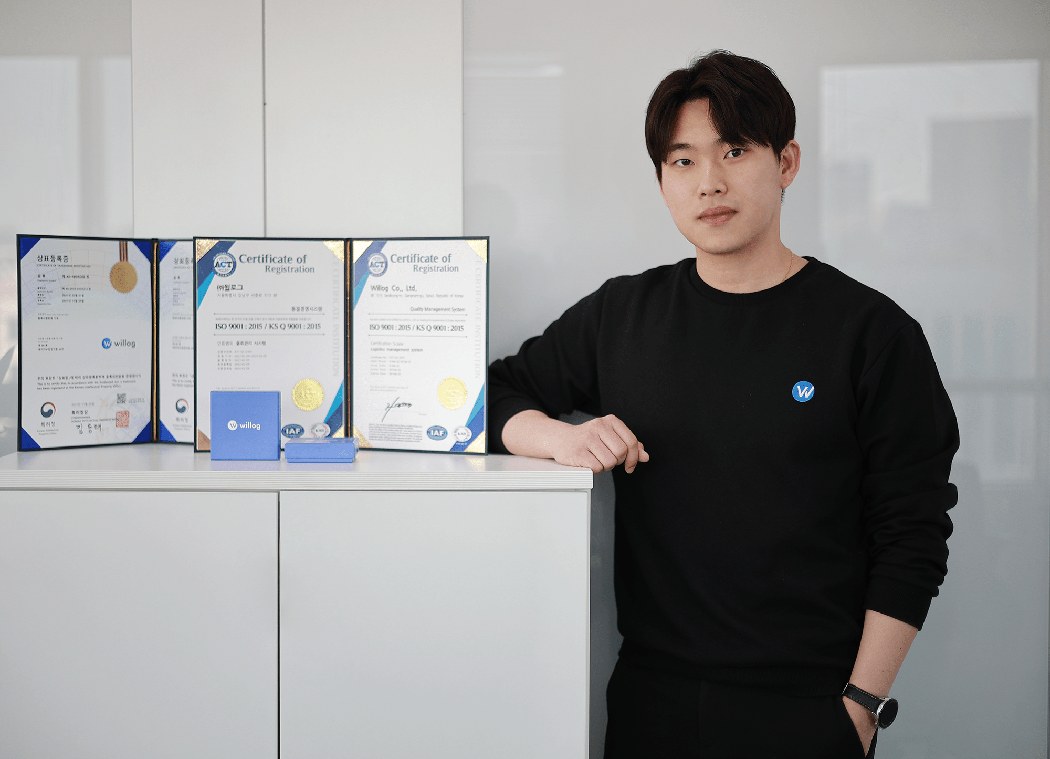
Jihyun Yoon and the trouble with a perfect record
In food distribution, Jihyun Yoon discovered that a tidy temperature log could conceal a messy journey. His work at Willog now connects cargo evidence to the decisions people make - and the losses insurance can cover.

Pasi Leipala and the team that outlasted the job
When Nokia closed an Oulu unit in 2012, Pasi Leipala helped turn its engineering talent into Haltian. Twelve years later, he handed over the CEO role with a company operating across six countries.

Stevie Ooi and the value of knowing where
A SIM card gave Stevie Ooi an opening into location technology. His work at W-Locate now reaches into the moving drums, waiting trucks and everyday decisions of the concrete business.
Synergy Technology makes the circuit board only the beginning
A Thai electronics manufacturer is connecting the things it builds to the decisions its customers make. The route runs from automotive lighting to solar-heated water, rice fields, and a platform called SynExta.
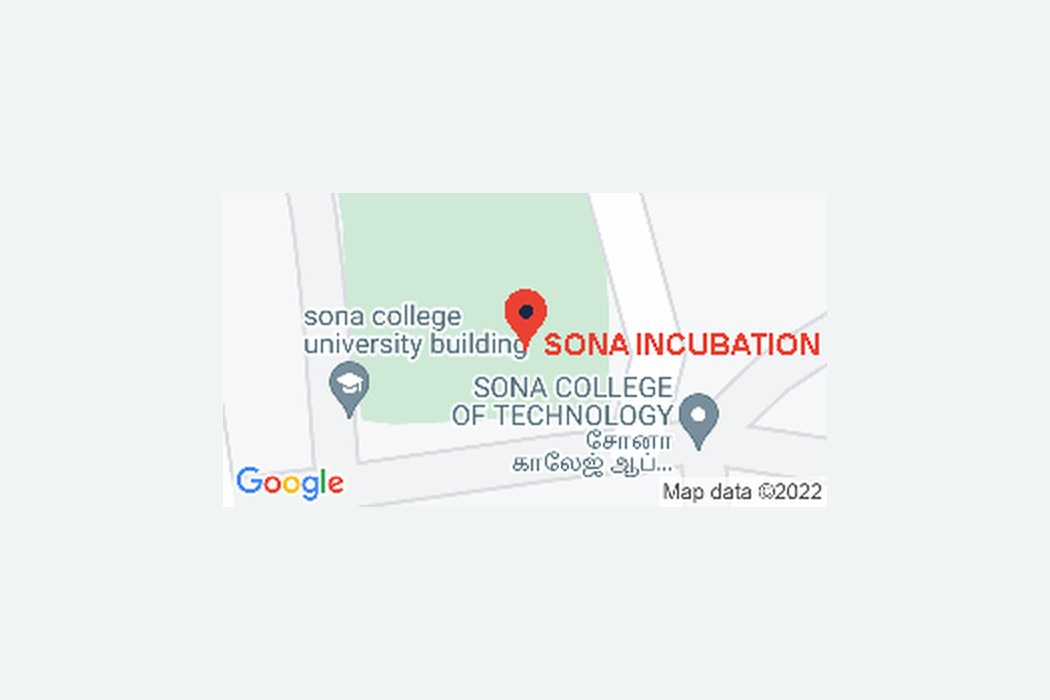
Sona Incubations puts a machine shop behind the startup pitch
In Salem, a campus incubator pairs fabrication tools with an IIT Madras connection. Its proposition is practical: give early founders somewhere to build, someone to question them, and a route to seed support.
IoT Valley starts with the catastrophe
In Labège, a community of B2B startups asks industrial companies to bring their awkward problems. The useful innovation begins before anybody chooses a sensor.