sephora
(13)
Summer Fridays turned a blue tube into a beauty habit
Marianna Hewitt and Lauren Ireland made skincare feel like time off. Building the business meant learning retail, reworking a hit formula and giving a $24 lip balm somewhere else to go.
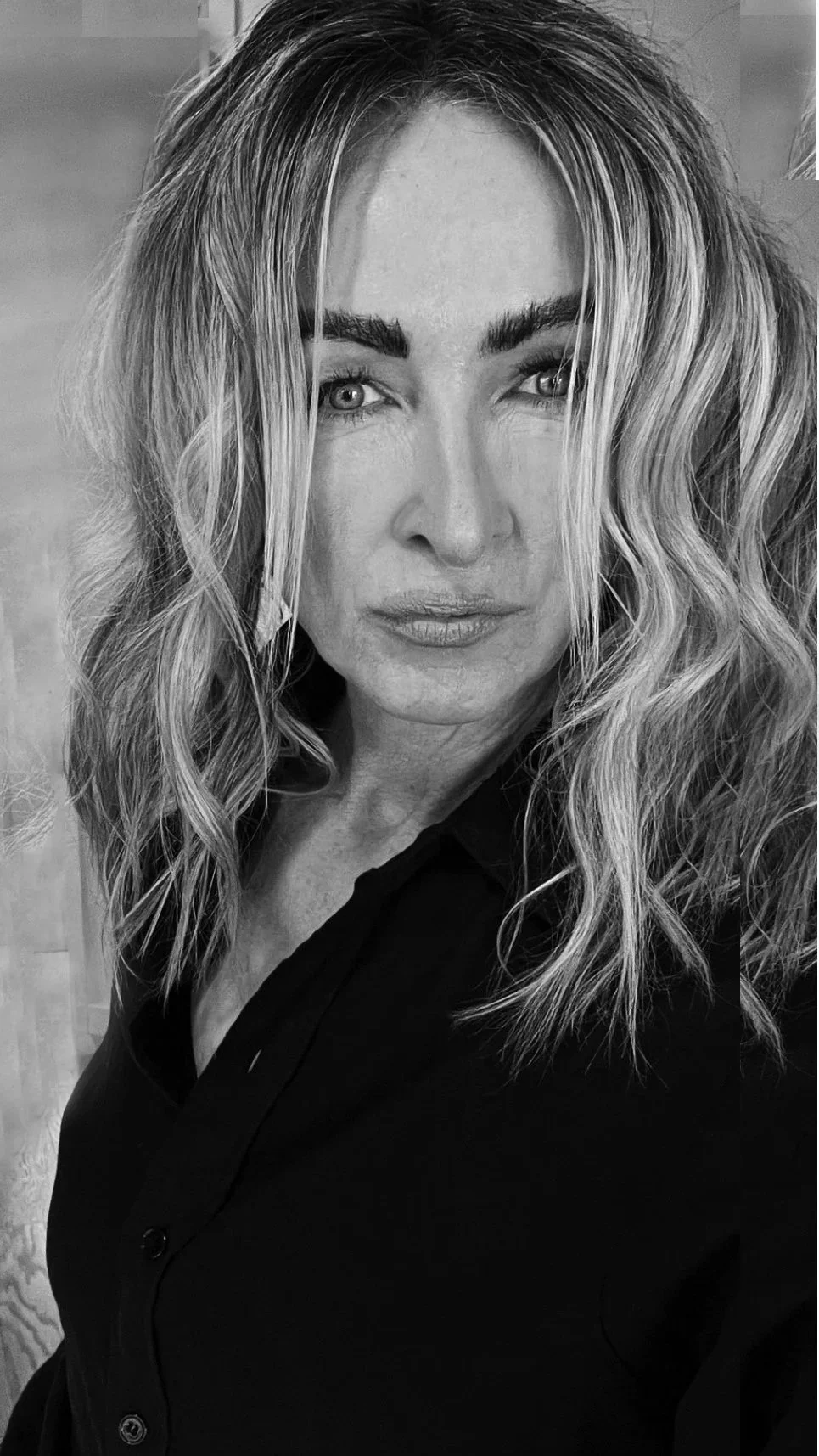
Bernadette Fitzpatrick Knows a Brand Is More Than Its Marketing Plan
After helping Sephora turn content into retail infrastructure, Bernadette Fitzpatrick built a career around a deceptively hard idea: creative judgment and commercial discipline should sit at the same table.

Ben Jones Bet Haus Labs Could Learn Its Way Back
The Haus Labs CEO took a celebrity beauty launch through an unusually public reset. His useful idea is simple: distribution creates reach, but patient product work earns a second act.
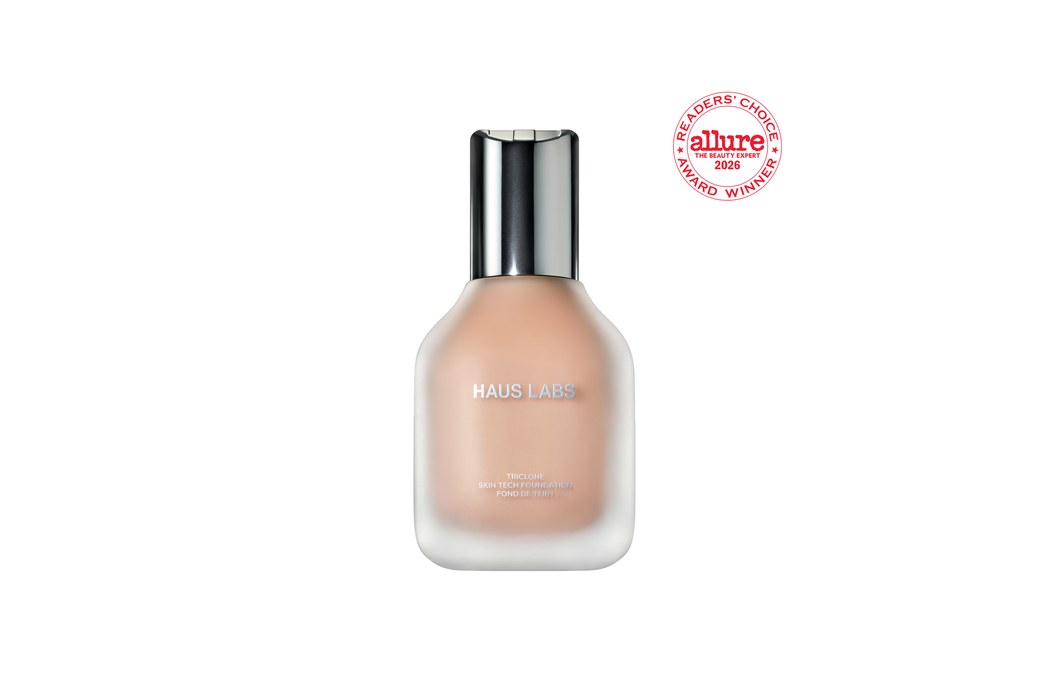
Lady Gaga Burned Down Her Own Makeup Brand - Then It Grew 400%
Haus Labs failed quietly on Amazon. Then Gaga and CEO Ben Jones threw out every formula, moved to Sephora, and bet the company on fermented arnica and 51 shades.
Glossier Built the Comment Section Into a Beauty Counter. Then the Counter Moved.
Born from a beauty blog and built for Instagram, Glossier made customers part of the product team. Its second act is a harder experiment: keeping that intimacy while selling wherever beauty shoppers already are.

Briogeo Put Skincare Logic in the Shampoo Aisle
Nancy Twine turned family beauty recipes, a finance career and one stubborn consumer problem into a nine-figure haircare business. Briogeo's cleverest move was treating every scalp and strand like a specific case, not a generic hair type.
Makeup by Mario Turned the Makeup Chair Into a Global Counter
Mario Dedivanovic spent two decades teaching people how to sculpt a face. His company packages that know-how into products, instructions and an unusually tight partnership with the retailer where he got his first beauty job.
Rare Beauty
Selena Gomez built a makeup company where a blush that sells every three seconds funds therapy for teenagers. Here is how Rare Beauty turned self-acceptance into a business worth around $2 billion.
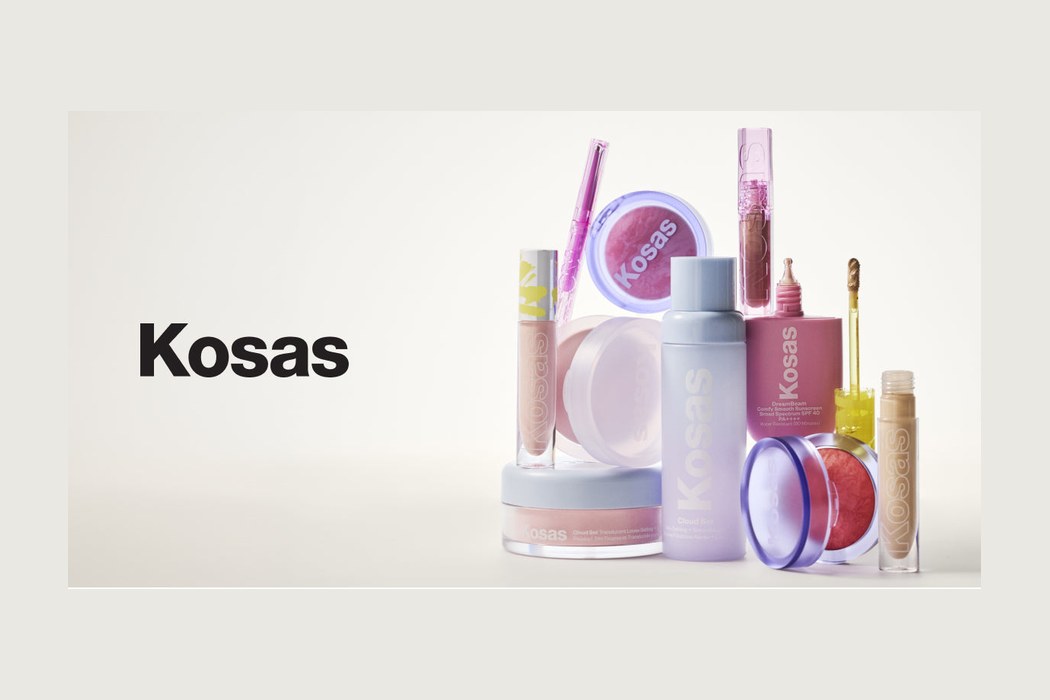
Kosas
A bug taxonomist turned four kitchen-table lipsticks into a $150 million makeup company - by insisting cosmetics do the work of skincare.

Memebox Corp (YC W14)
Memebox Corp (operating as MBX) is a global multi-brand K-beauty and personal care company founded in Seoul in 2012 by Hyungseok 'Dino' Ha. Now headquartered in Los Angeles, it builds and scales its own portfolio of Korean-made beauty brands - I Dew Care, Kaja, Pony Effect, I'm Meme and nooni - using data-driven product development and partnerships with retailers like Sephora, Ulta and Amazon. It was the first Korean company accepted into Y Combinator (W14) and has raised over $200M in venture funding.

Kohl's
Kohl's is one of the largest department store chains in the United States, operating roughly 1,100 off-mall stores across 49 states plus Kohls.com. Founded in Wisconsin, it sells moderately priced apparel, footwear, accessories, beauty, and home goods to value-conscious families, anchored by its Kohl's Cash and Kohl's Rewards loyalty programs. In recent years it has leaned on partnerships - hosting Sephora shops inside its stores and accepting Amazon returns - to drive traffic while working to reverse a multi-year sales decline.
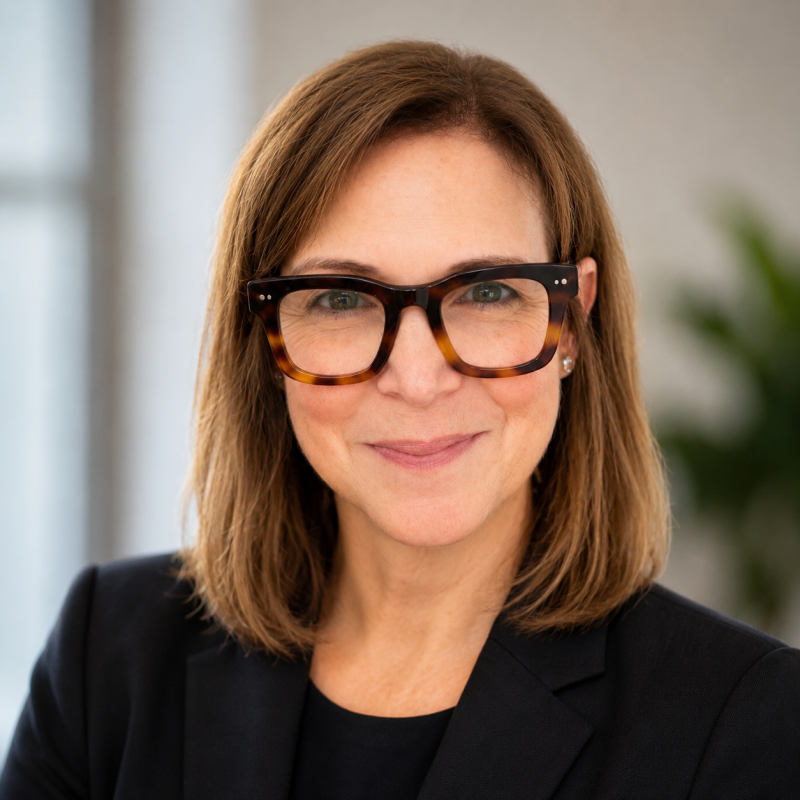
Vivian Alhorn
Vivian Alhorn is Chief Marketing Officer at Torrid, the plus-size apparel retailer serving women in sizes 10 to 30. She joined Torrid in 2021 as VP of Digital Experience, was promoted to Chief Digital Officer in 2022, and stepped into the CMO seat in March 2023. Her career has moved through some of the country's most recognizable specialty retailers, including Gap Inc., Banana Republic, Pottery Barn, Sephora and Gymboree, giving her a rare mix of merchandising, ecommerce and brand fluency.
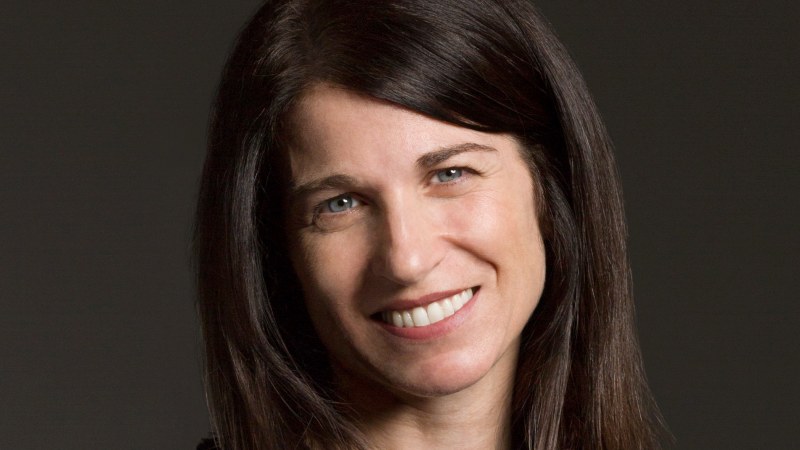
Julie Bornstein
Julie Bornstein is the founder and CEO of Daydream, an AI-powered shopping search engine that raised $50M in seed funding in 2024 and publicly launched in 2025. A serial entrepreneur and e-commerce pioneer, she grew Nordstrom.com from $10M to $350M in sales, transformed Sephora's digital business and launched Beauty Insider, scaled Stitch Fix to $1B as COO, and sold her AI fashion startup The Yes to Pinterest in 2022. With a Harvard BA and HBS MBA, Bornstein has spent 25+ years at the intersection of retail, technology, and artificial intelligence.