portland
(51)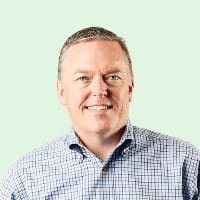
Andrew Bane and the satisfaction of a finished fence
Before he became Vetsource’s CEO, Andrew Bane spent years making the business work behind the scenes. A day spent building a fence offers a useful way into his unusually varied career.
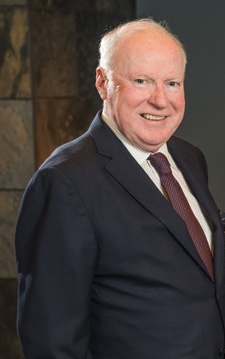
R. Philip Silver and the value of an ordinary can
He co-founded Silgan in 1987 and helped turn everyday packaging into a lasting business. In Portland, Phil Silver and his family found another use for patient commitments: helping young people move forward.
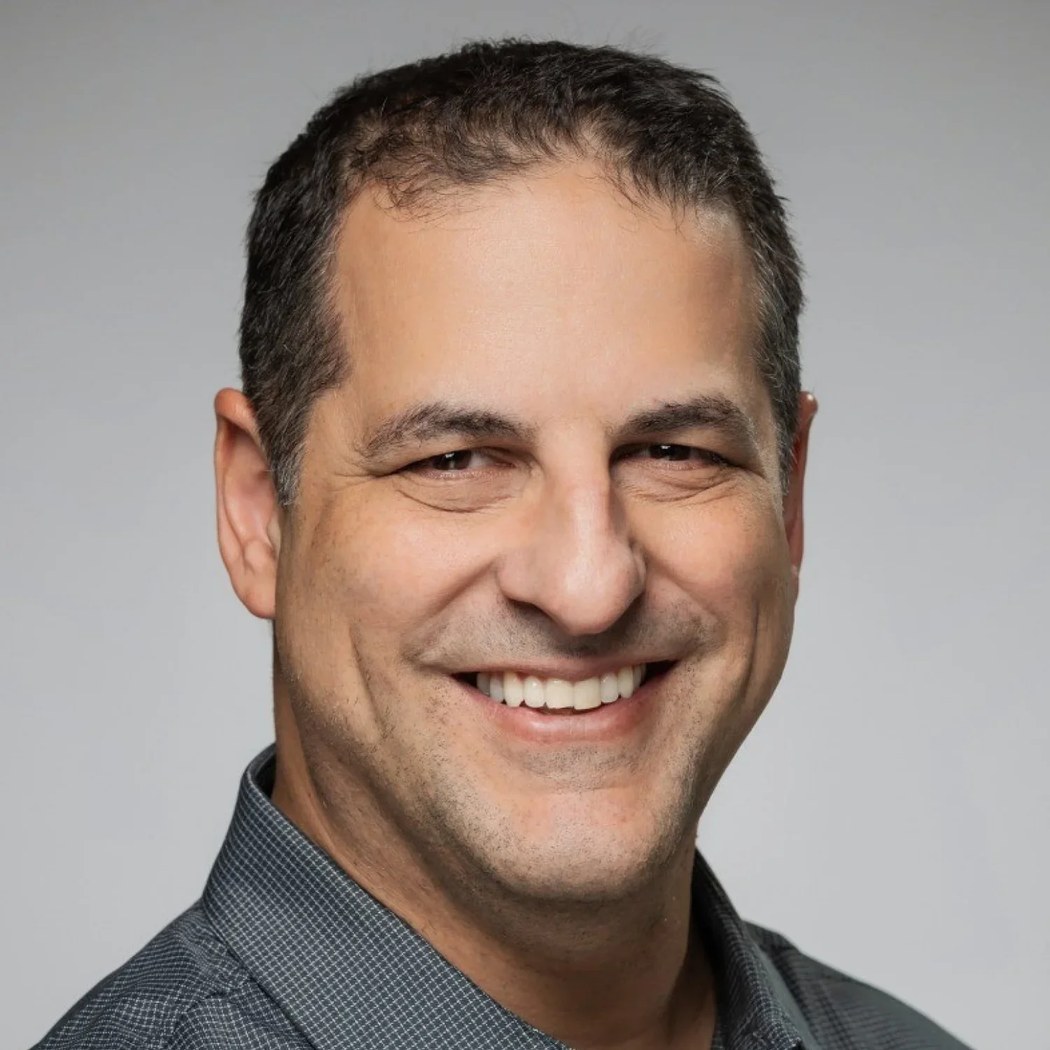
Marty Kagan and the bill that wouldn't go away
At Cedexis, the cost of keeping the evidence became a problem of its own. Marty Kagan carried that problem into Hydrolix, then found that changing how software is sold could matter almost as much as changing how it works.
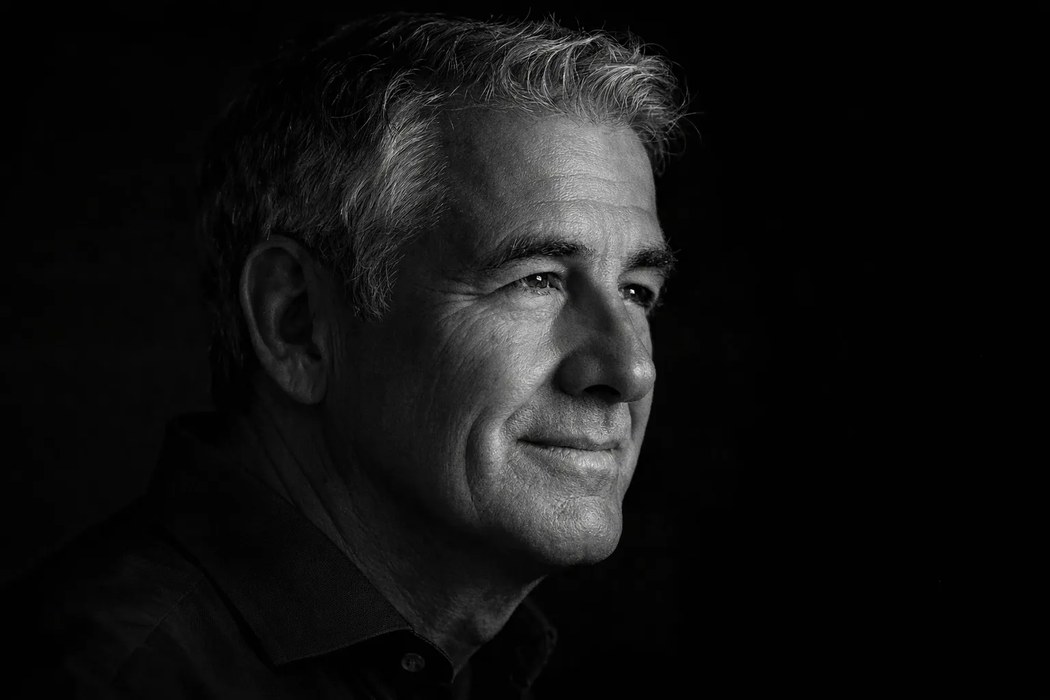
Michael Barrett and the art of letting go
He started Unosquare in a spare bedroom after losing his job in 2009. Building a company across borders taught Michael Barrett about trust, cash, and the delicate business of handing over the keys.
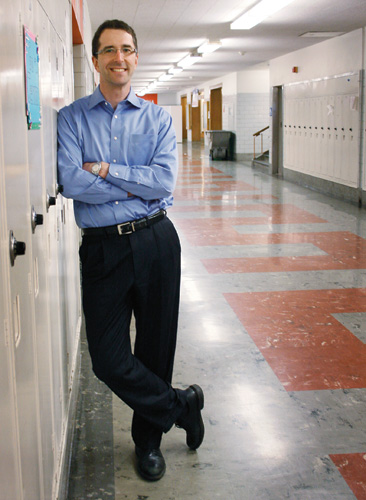
Kevin Stone and the work between the breakthroughs
After co-founding BeVocal, Kevin Stone brought his engineering background and school-board experience to EdCaliber. His career offers a close look at the unglamorous work of making software useful.
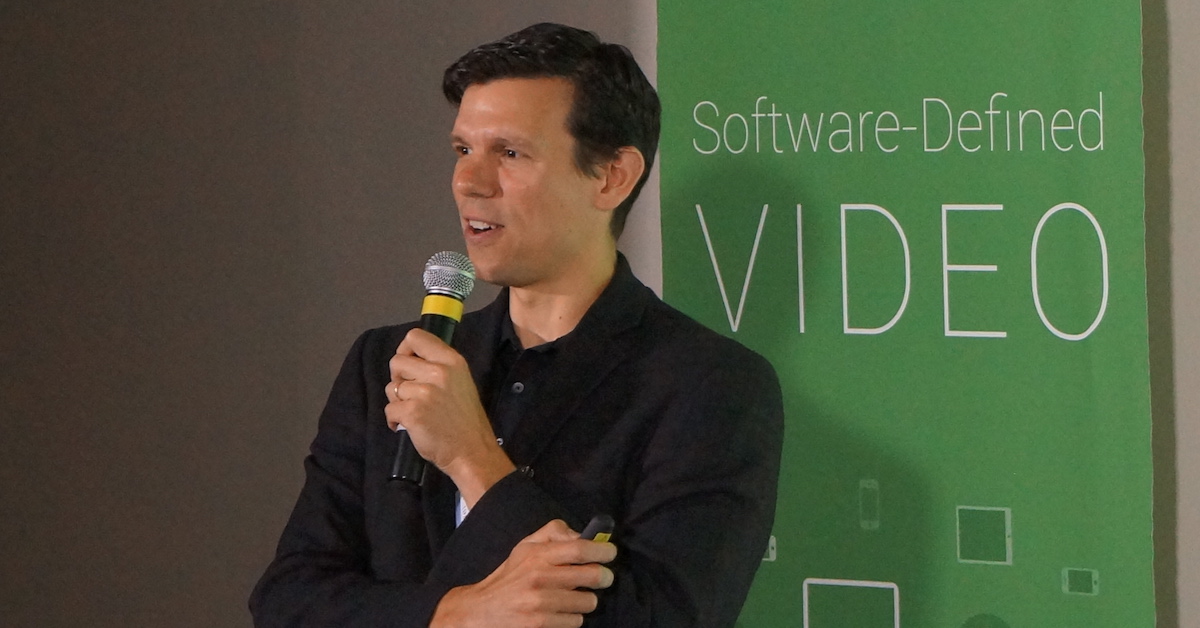
Sam Blackman and the company a city could share
Sam Blackman helped put Portland inside the streaming-video business. His other project was making sure that success found its way back into the city.

Hydrolix wants you to keep everything.
The expensive part of a log file is deciding you can live without it. Hydrolix is building a business around making that decision unnecessary.
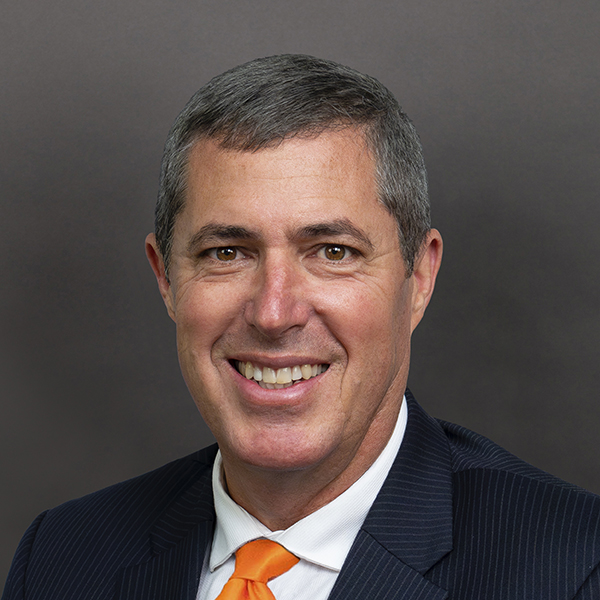
Brian Gray and the education of a rock tester
Brian Gray started in an Oregon laboratory, testing rock for asphalt. Three decades later, he leads Knife River - with a training campus behind him and a public-market test ahead.
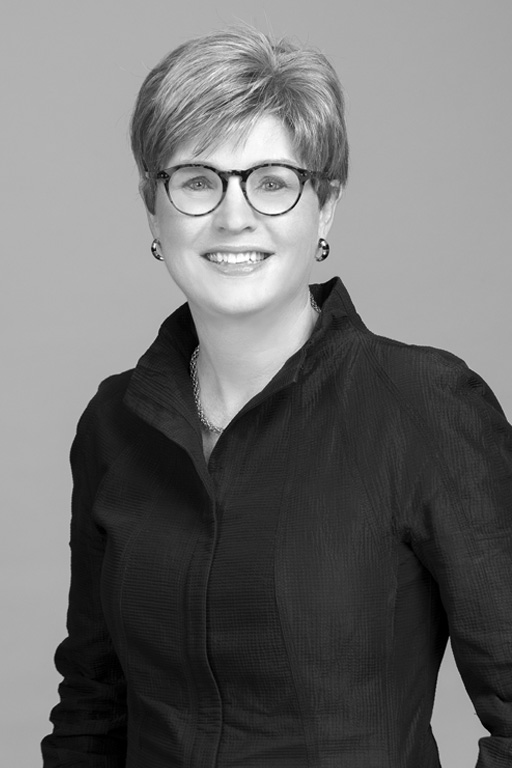
Maria Pope and the trouble with an ordinary light switch
A banker became a power operator, then took charge of Portland General Electric. Maria Pope’s next assignment is to make a changing electricity system feel dependable to the people paying for it.
Portland General Electric is buying time.
The Oregon utility is learning to move electricity through the day as carefully as it moves it across the state. The experiment involves giant batteries, household thermostats and some expensive lessons.
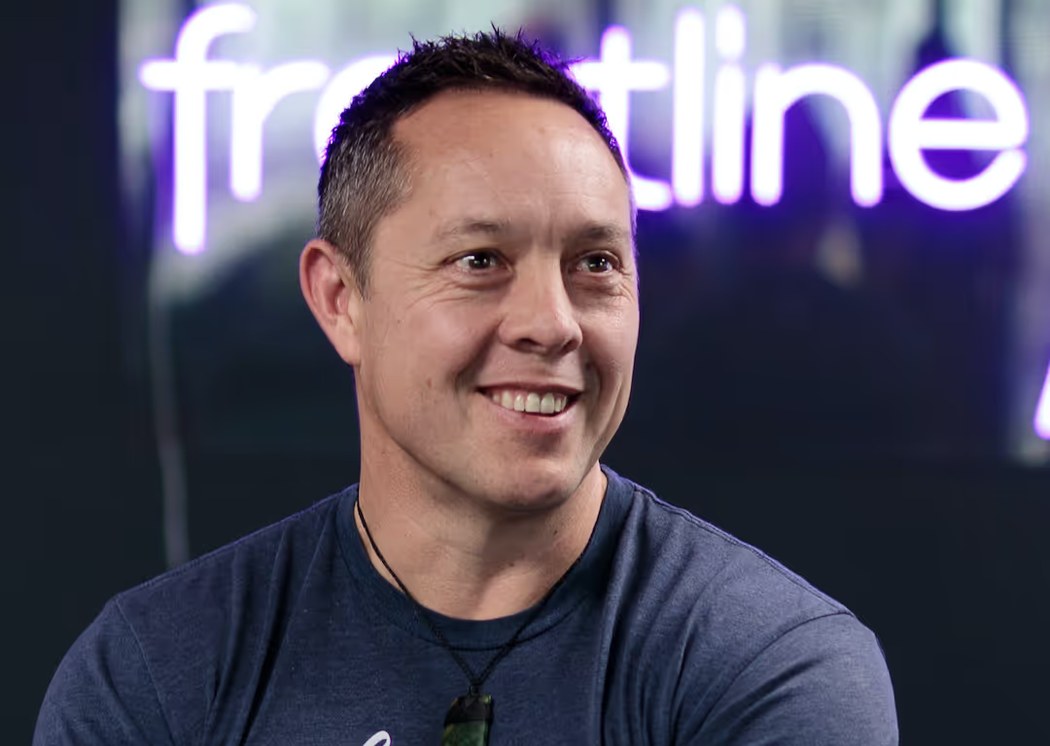
Aaron Ward and the trouble with good advice
His father suggested accounting. Aaron Ward eventually found his way to an Auckland garden shed, a global software business, and a question he is still trying to answer: how do people discover what they are good at?
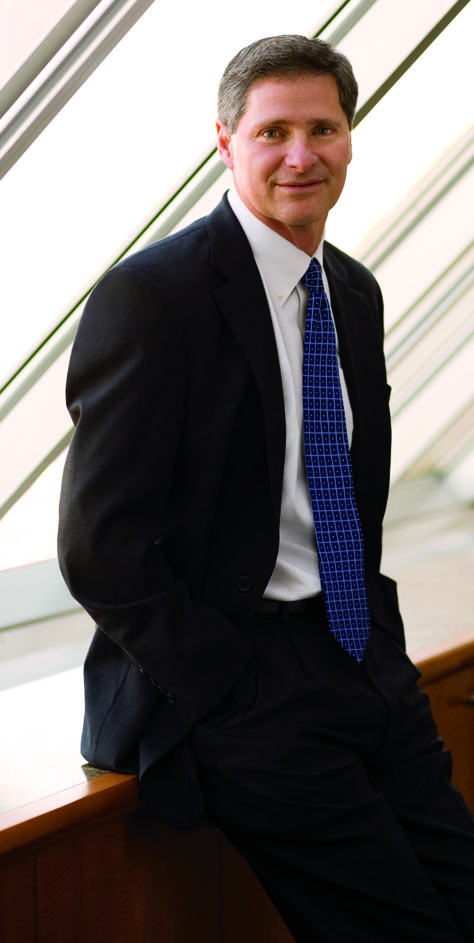
Gregg Kantor and the art of finding common ground
The former NW Natural CEO worked where private business met public life. From conservation tariffs to Portland’s gardens and neighborhoods, Gregg Kantor kept returning to the question of how different interests could share a future.
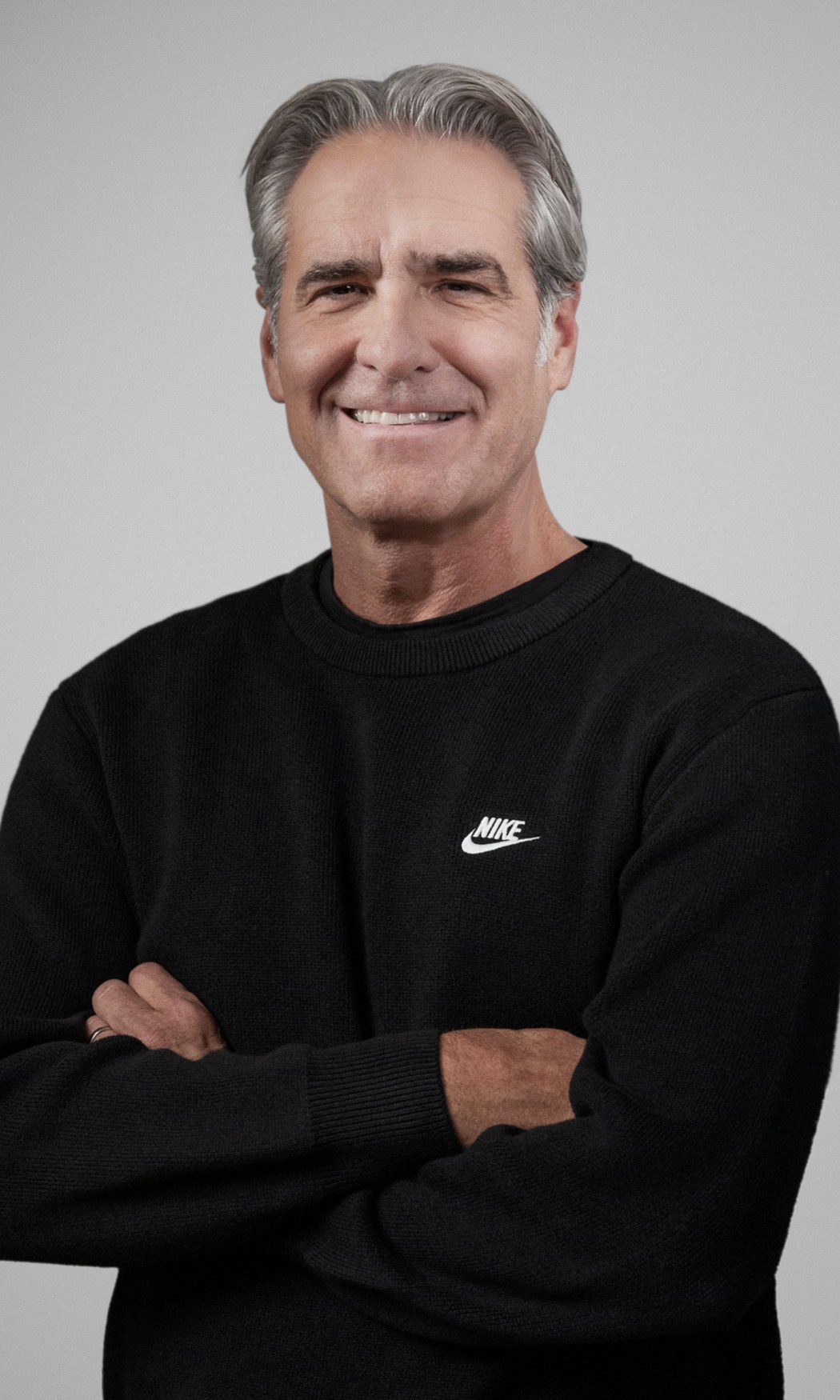
Elliott Hill’s Second First Day
He spent 32 years learning Nike, then four years away from it. Now Elliott Hill is testing how much a company can recover by remembering the people who made it matter.
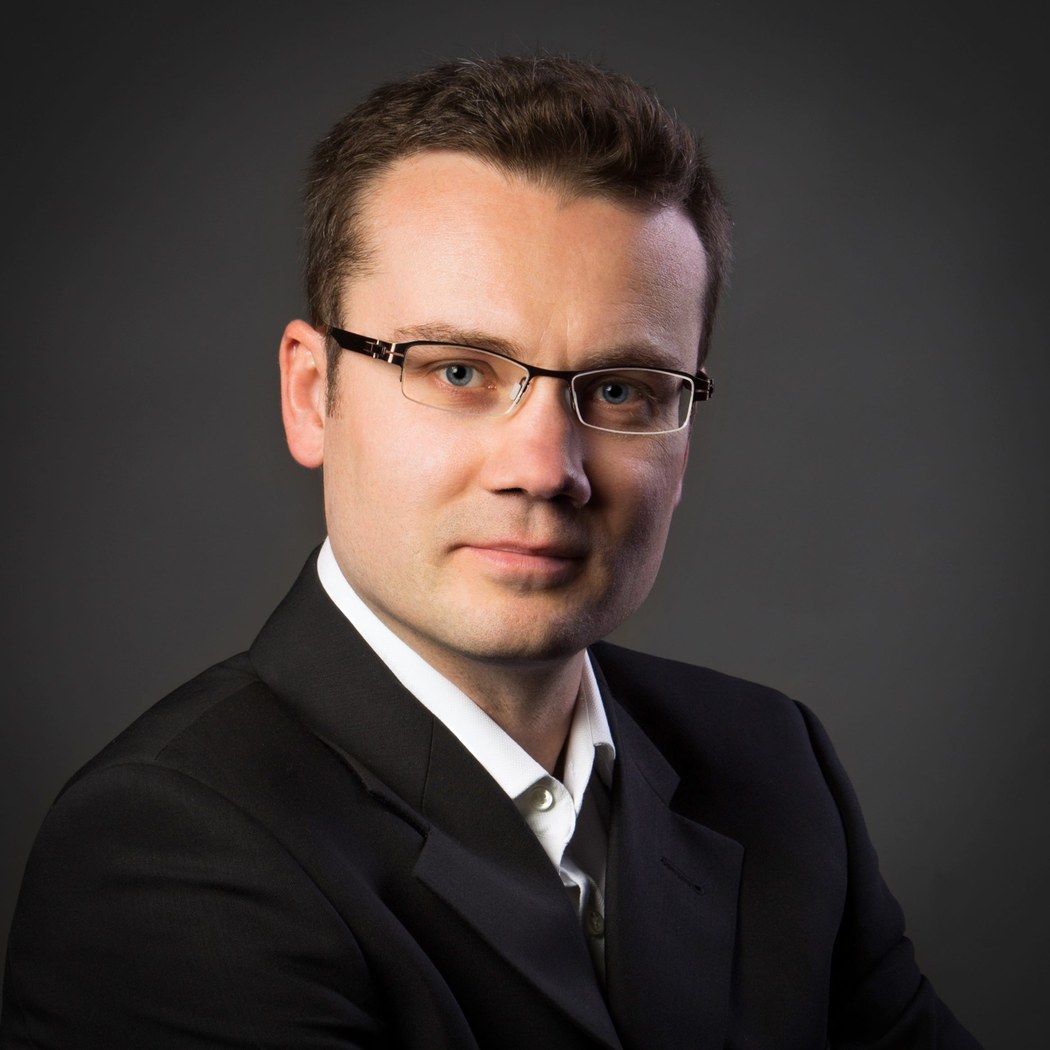
Yuriy Bulygin and the computer beneath your computer
The Eclypsium co-founder built a career inspecting the code most people never see. His question has followed him from Intel to the AI data center: what, exactly, are we trusting?
Give teachers their time back.
Performio Solutions, Inc., doing business as EdCaliber, built Lessoneer around the work between a curriculum and a classroom. Its story turns on a practical question: who makes good teaching materials usable?
Knapsack gives AI a company memory
The Portland software company built a shared home for design and code. Now it wants AI to work from the same instructions as everyone else.
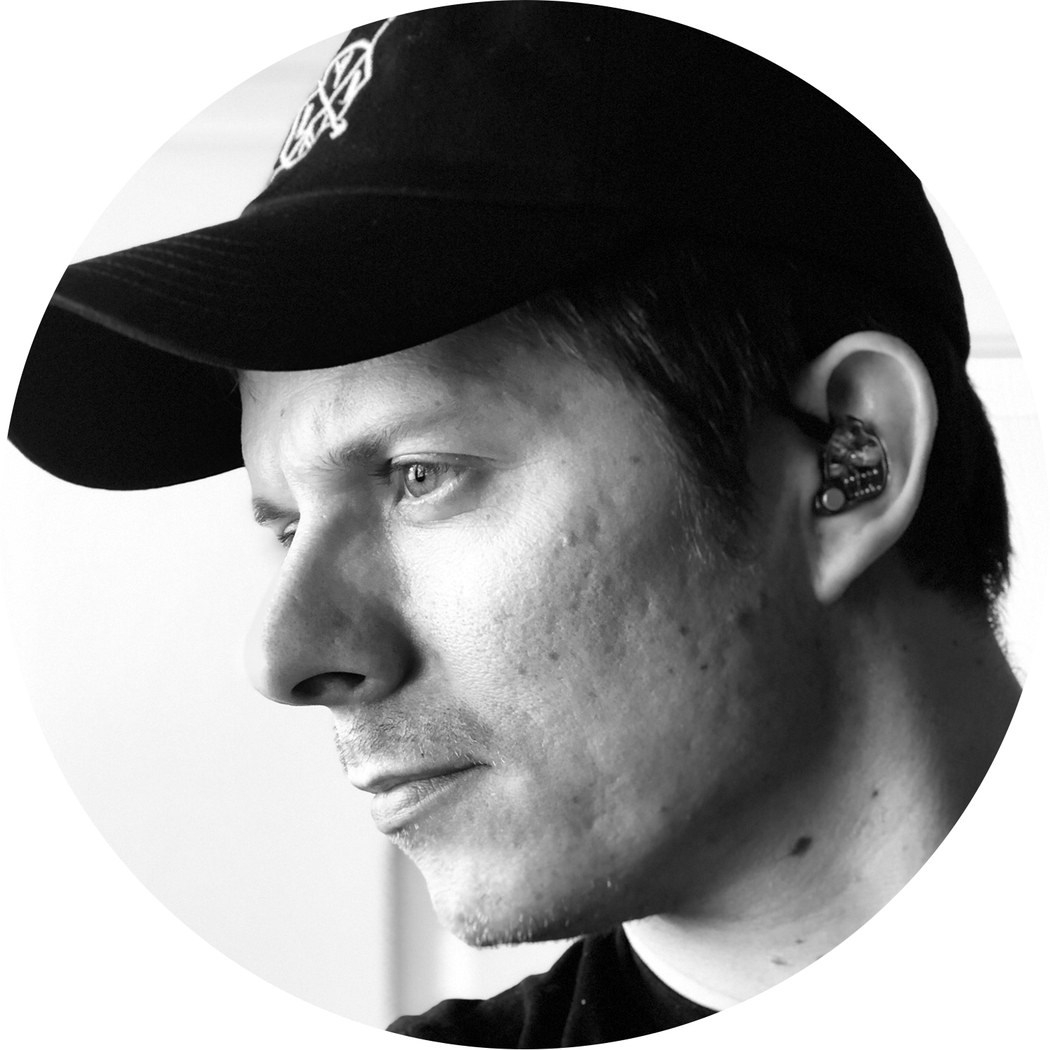
Vitaliy Belonozhko and the business of taking things apart
A pair of monitors for his wife became 64 Audio. Sixteen years after founding the company, Vitaliy Belonozhko is making another adjustment: handing over the daily running of the business while keeping a hand in its direction.
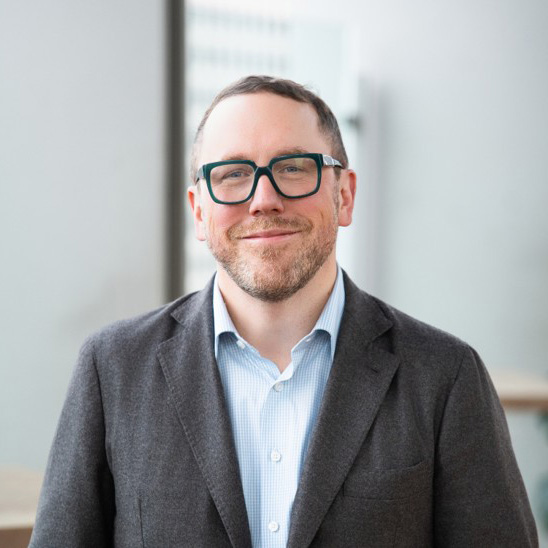
Rob Coppedge and the case for a crowded table
From a venture firm’s file room to a decade leading Echo Health Ventures, Rob Coppedge has built a career around getting people to work together. His investment model gives the relationships around a deal a place in the deal itself.
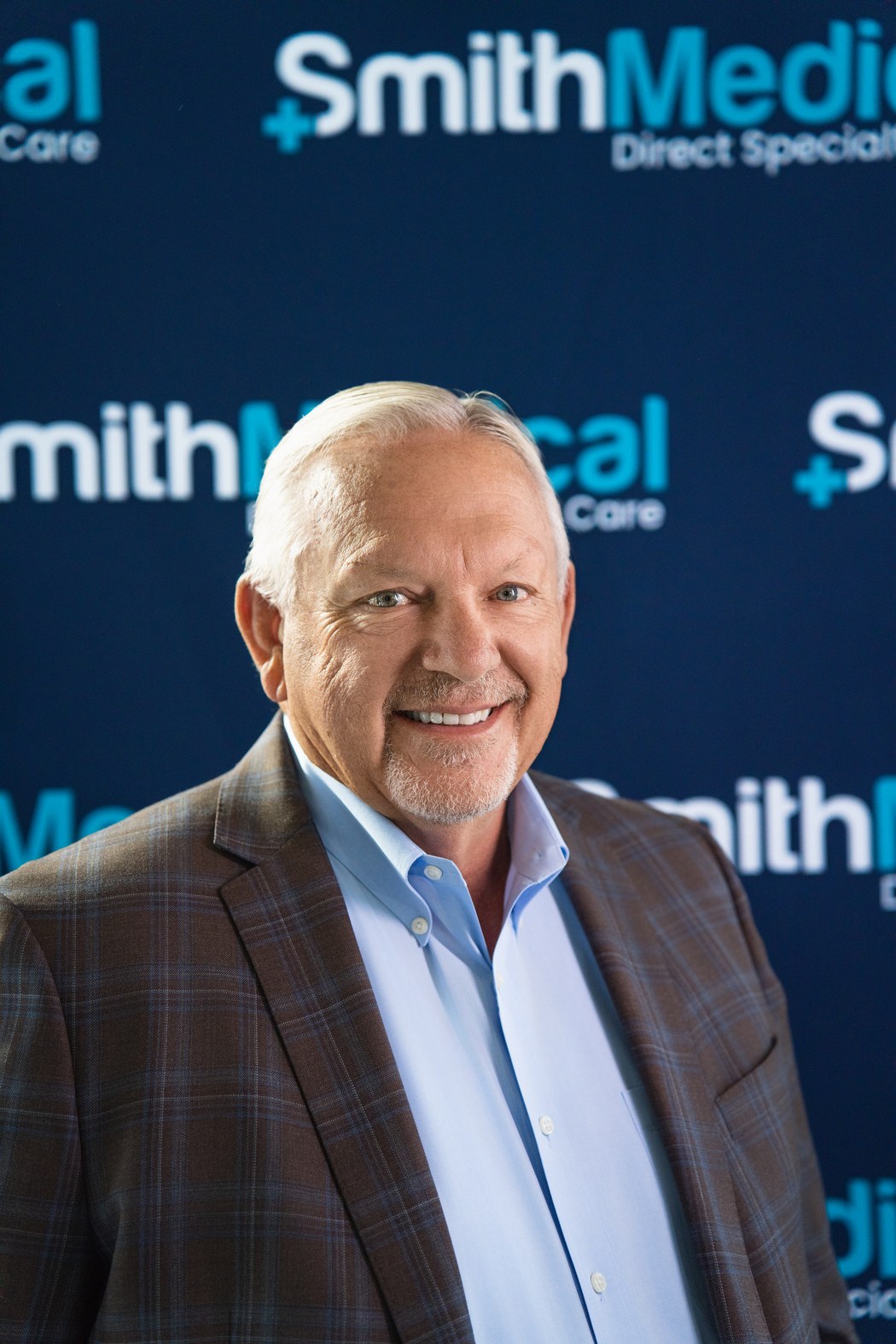
Roy Rose and the art of keeping the keys
After decades of buying and restructuring businesses, Roy Rose is working on a different kind of deal: giving independent owners access to capital while they keep control.
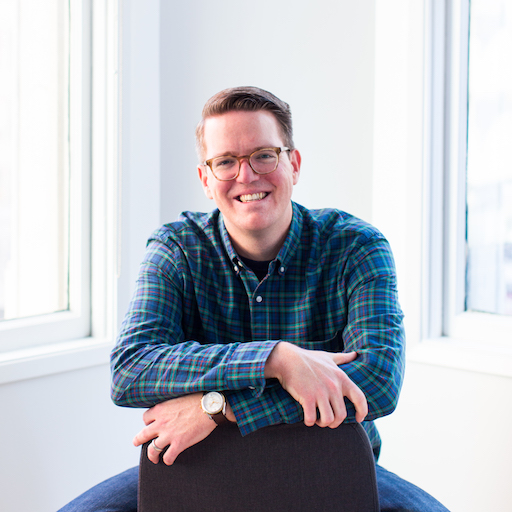
Sean Conaty followed a thread
A favorite plaid shirt became a software project. For the Portland engineer behind PlaidMaker, the interesting details are often the smallest ones: a pixel, a space, a change worth keeping.
Pendleton’s real inheritance is a working loom
A closed Oregon mill became a family business whose blankets travel between bedrooms, ceremonies and national parks. The interesting part is how much of the making Pendleton still controls.
Act-On and the art of never losing the next conversation
A sale can take months. A relationship can last years. Act-On sells marketers a way to keep both moving, without asking them to replace their entire software stack.
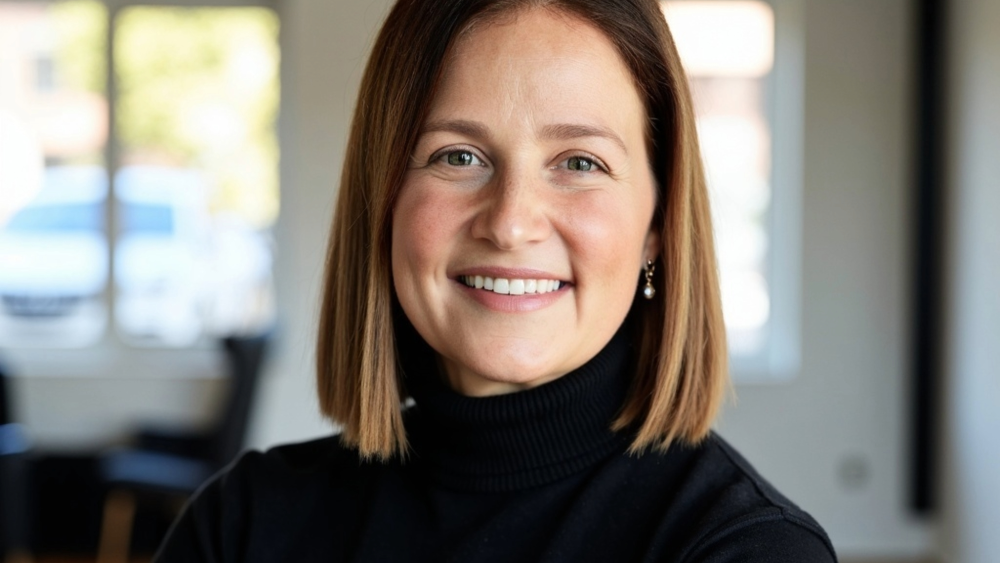
Jennifer Ingraffea and the Quiet Work of Making Heritage Move
A trader turned merchant now leads a 163-year-old wool company. Her wager is that the future of an American heritage brand begins with patient observation, sharper choices and the nerve to keep its history useful.
The Advertising Agency That Made Staying Put Its Most Radical Idea
R\West sells the usual agency ingredients - strategy, creative, media, PR and digital - but its revealing metric is 17 years. That is the average tenure of its marquee client relationships, long enough to turn a jar of jam, a credit union and a mustard-colored clog into lessons about compounding attention.
The Publicists Behind the Pixels
Liaison found a narrow problem hiding inside a gigantic industry: the people building the future in 3D were not always good at explaining it. For more than 25 years, Heidi Lowell's Portland agency has made the pixels legible.

The Agency That Chose Three Verbs
For three decades, Portland's Sasquatch Agency has organized its business around a suspiciously simple appetite: eat, drink, play. The trick is what happens after choosing a narrow lane - and learning every shelf, trail and tap handle inside it.

The Quiet Advantage of Listening Before You Post
Most social agencies begin with something to say. Leadtail begins with someone worth understanding - then works backward from buyers, experts and the conversations already in motion.
The Kids Who Learned to Move City Hall
CivCom began with teenagers calling out tobacco marketing. Now it helps public-health coalitions turn local voices, research and stubborn follow-through into policies that stick.

Medley Communications knows what makes an editor call back
A bottle cap, an electric bicycle, a muddy race: Gary Medley’s PR work starts with the detail someone else can turn into a story.
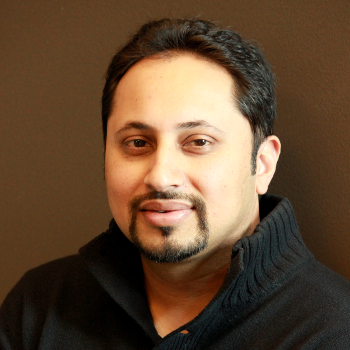
Rushang Shah’s Quiet Case for Marketing Built on Trust
A former mobile-software marketer and editing-service founder found his subject in an old Oregon software company: how to turn customer trust, clear choices and good stories into a durable brand.