charlotte
(58)
Sunlight Financial and the price of saying yes
Sunlight Financial put home improvement loans at the kitchen table. Its rise, restructuring, and second act reveal what happens when instant credit meets the slower business of building things.

The best candidate isn’t looking.
Search Solution Group built its business by calling people who already had jobs. Its real product is a shorter, better-considered list of people worth meeting.
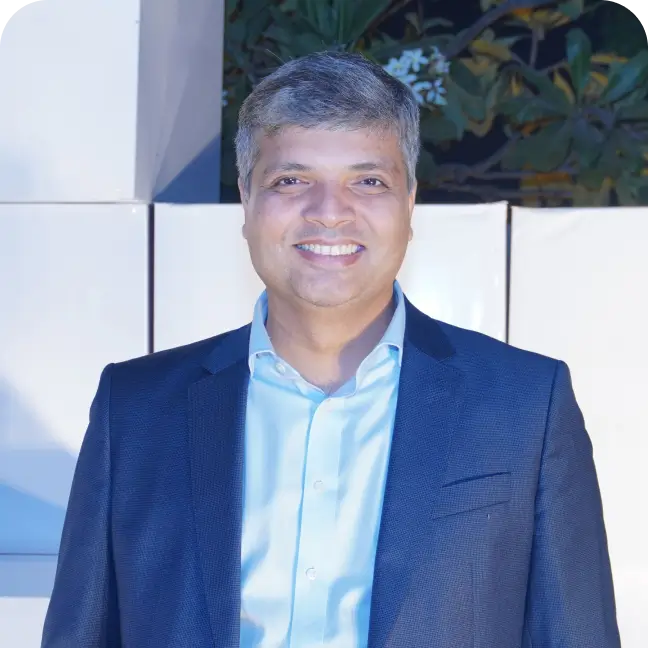
Jayesh Mori and the patience of the customer
He built a consulting business, then a CRM with two former classmates. Now Jayesh Mori is bringing the same question to AI commerce: how much work should software ask of the person using it?

Natalie Norcross knew a beautiful room needed an introduction
She built a career designing interiors, then helped other designers get their work into print. Natalie Norcross turned the practical business of being noticed into A Design Partnership.
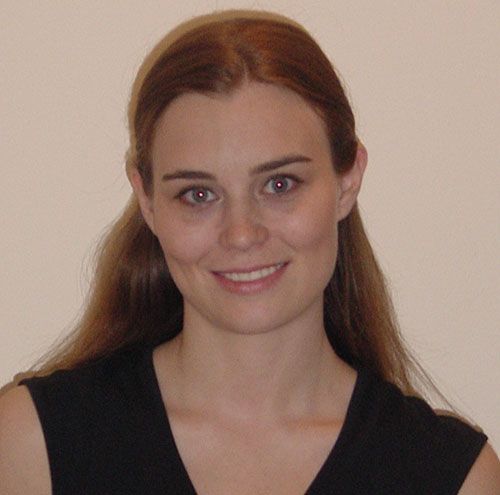
Anne Marie Holder and the art of a better conversation
She started SPARK Strategic Ideas at a coffee-shop table in 2008. The Charlotte founder has spent the years since making a business out of listening carefully, asking awkward questions and choosing her company.
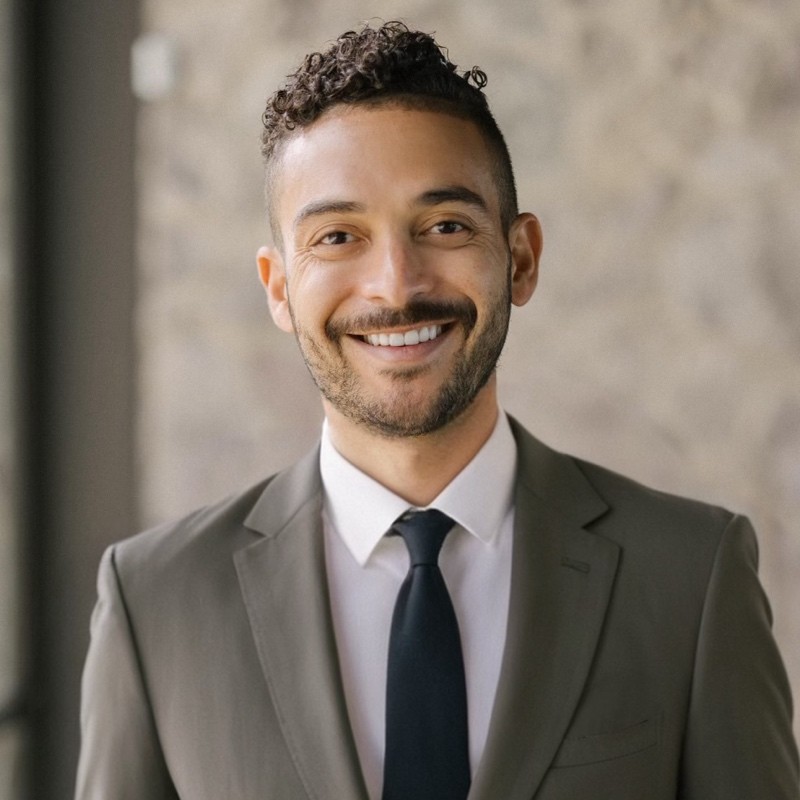
Khristian Gutierrez and the education of a parking lot
Before helping cities run their curbs, Passport’s co-founder leased a parking facility to learn the job. His route from investment banking to municipal software has kept returning to the same question: what happens when the technology meets the people who use it?

Metrix IT Solutions sells the missing team
A Charlotte consultancy connects software delivery with the people needed to do it. Its most useful idea is giving clients more than one way to close a technical skills gap.
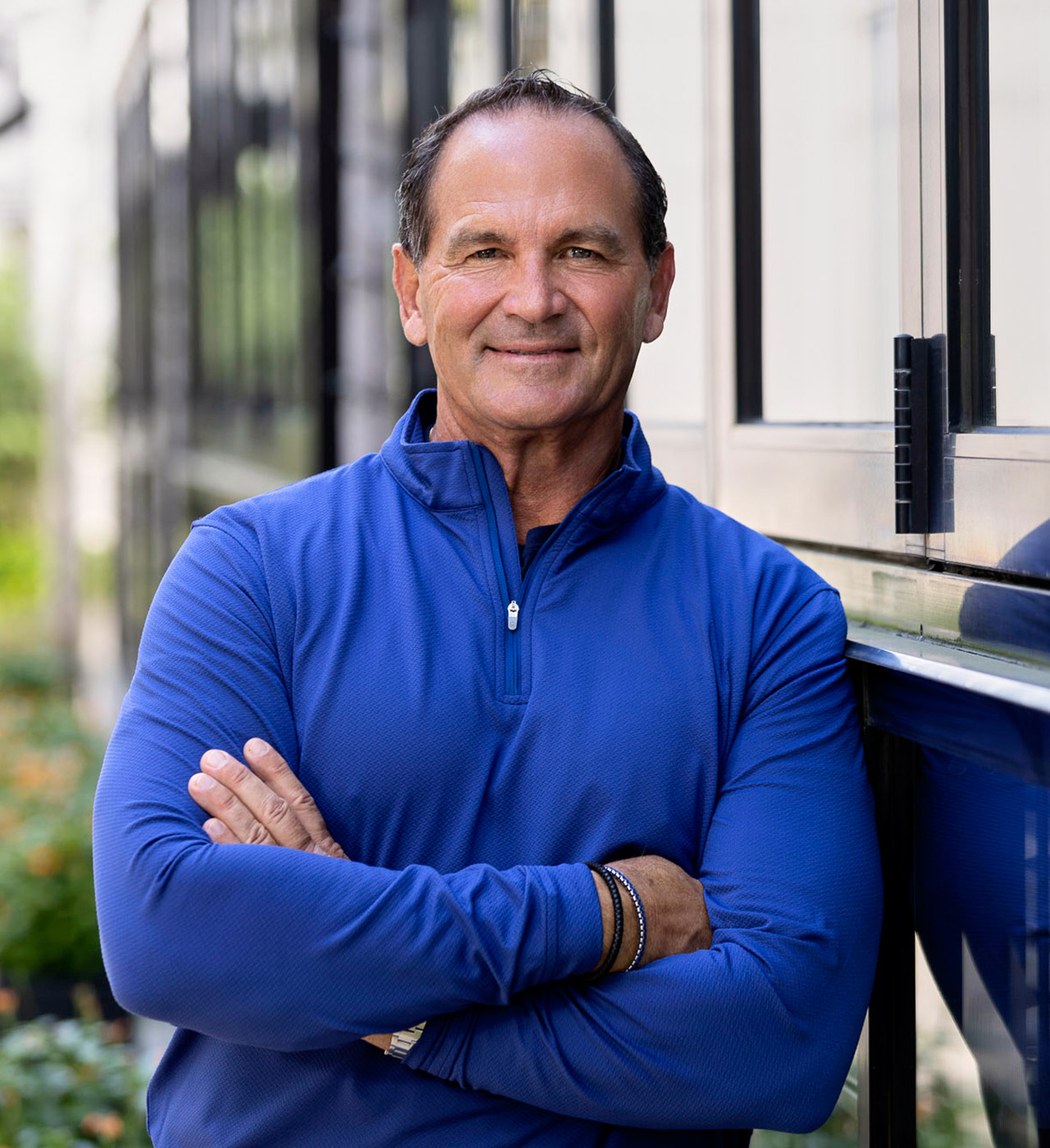
Michael Vadini and the price of keeping faith
At TITAN, Michael Vadini gave investors more shares and reduced his own stake. Through SignUpGenius, the family business behind Glew, and Infocenter’s sale to Insight, his career keeps returning to the people behind the systems.

Buffy McCoy Kelly and the trouble with a sensible idea
A mile of rubber ducks. A two-story vacuum cleaner. A snack cake with an attitude. Buffy McCoy Kelly built a career giving familiar brands unexpected things to say - then rewrote her own job.
Velocity Technology and the cloud's dirty work
Payroll, purchase orders, factory systems: Velocity built its business around the software companies could least afford to break. Its story shows why moving to the cloud is only the beginning.

Michael Axelrod and the business behind the label
From condiments and Mexican meals to salty snacks, Michael Axelrod has built a career inside the businesses behind the supermarket shelf. At BellRing Brands, his next assignment pairs familiar brands with a demanding operating brief.

Martina McIsaac and the value of starting again
She left a manufacturing career, spent nearly five years away, and returned to learn the construction business. Now leading MSC Industrial Supply, Martina McIsaac brings the experience of both sides of the factory gate.
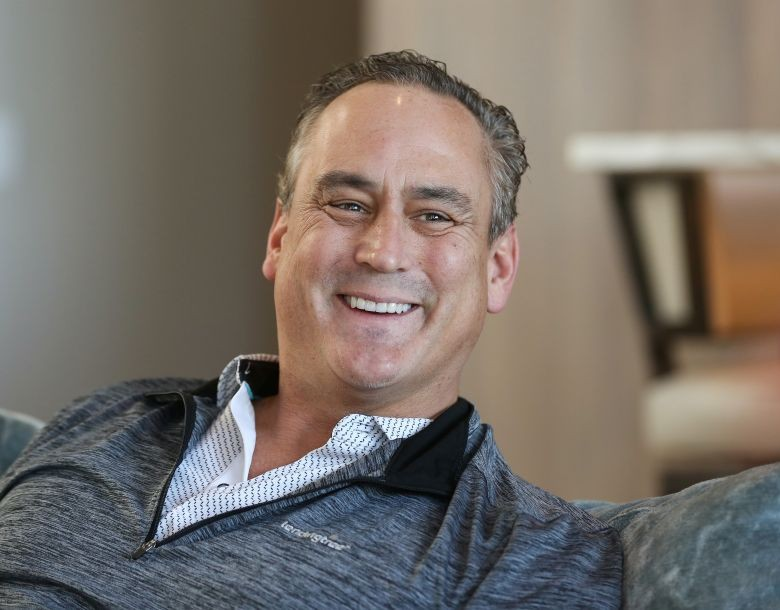
Doug Lebda and the price of asking twice
A $55,000 condo sent a young accountant looking for a mortgage. Doug Lebda spent the next three decades asking why the banks weren’t competing for him.

Jameka S. Whitten and the Art of Being Seen
Before she built a career helping other people get noticed, Jameka S. Whitten was asking what it meant to be seen. Twenty years into JSW Media Group, that question still connects her work in music, media and the life of Charlotte.

Rick Manley and the business of starting again
After four decades in banking, Rick Manley took on a familiar challenge with a new name above the door: building a North Carolina business for ServisFirst Bank. His career offers a close look at how regional banking grows, one local team at a time.
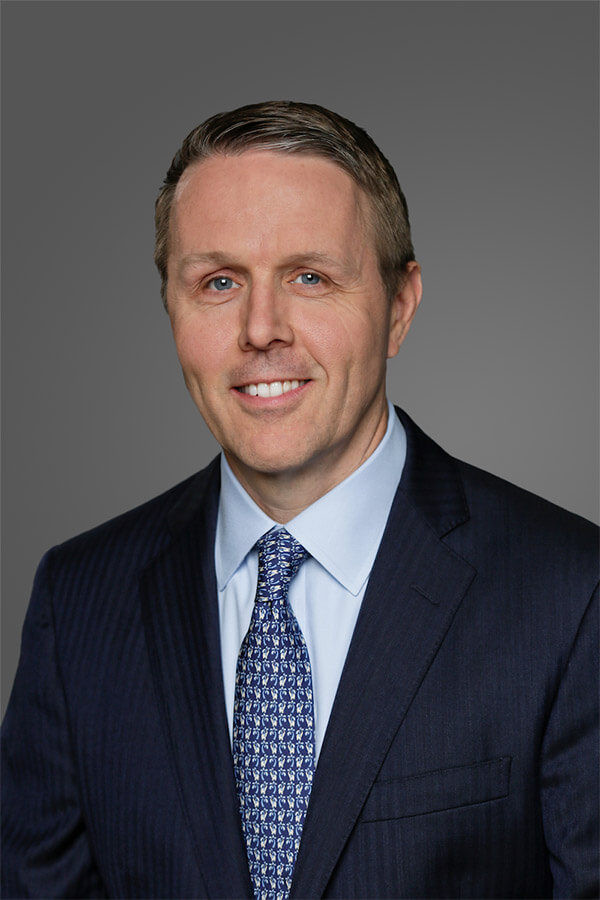
Gene Lowe and the value of keeping things cool
Before data centers made cooling a headline business, Gene Lowe was already running it. His route to the top of SPX helps explain a company built around the equipment that keeps everyday life working.
Duke Energy and the price of always on
A cannon once helped Duke Energy reconnect a flooded river. Today, its $103 billion investment plan faces a harder problem: keeping power dependable while deciding who pays for the next wave of demand.
Coca-Cola Consolidated makes the last mile count
A familiar label gets the attention. Coca-Cola Consolidated does the expensive, intricate work of making sure the drink is there when you reach for it.

Brighthouse Financial sells a little less uncertainty.
The MetLife spinoff built a retirement business around a precise bargain: accept limits on growth in exchange for a measure of protection. Its next test is a pending $4.1 billion takeover.

Sonic Automotive learned to grow smaller.
A used-car chain ran short of the right used cars. Sonic’s response reveals the awkward arithmetic behind making car buying feel easy.

Sam F. Khashman’s case for less work
A customer helped give ImagineSoftware its name. A quarter-century later, its founder is still asking how much unnecessary work a piece of software can remove.
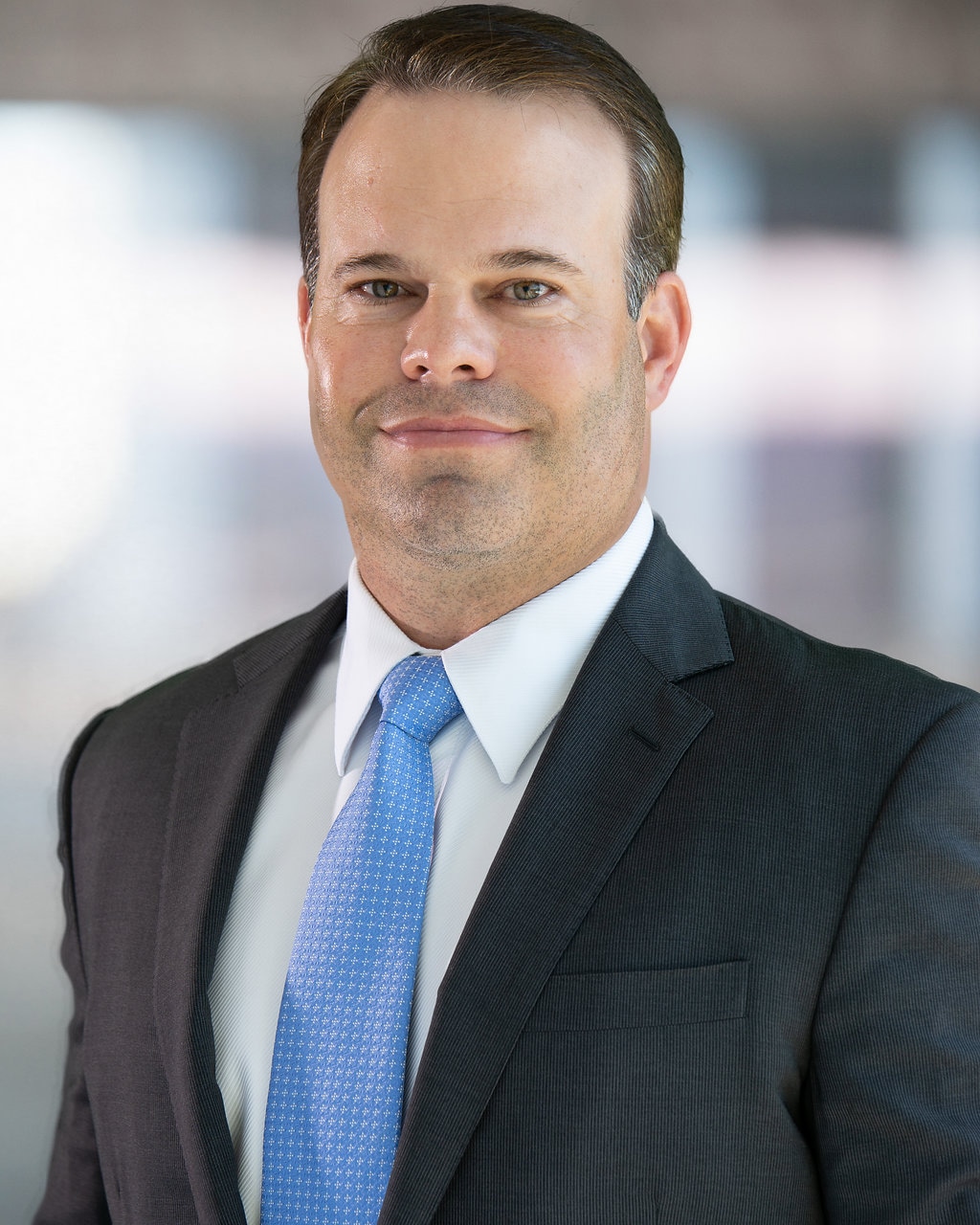
David Smith and the arithmetic of a second chance
At Sonic Automotive, David Smith inherited a family name and took responsibility for a public company. EchoPark’s retreat, recovery and arrival on a NASCAR speedway tell the more interesting part of his story.

Michael Rhodes and the ambition of doing less
An engineer by training and a banker by experience, Michael Rhodes arrived at Ally with a long résumé in credit cards. Then he sold the card business. His next chapter is a study in choosing what deserves to stay.
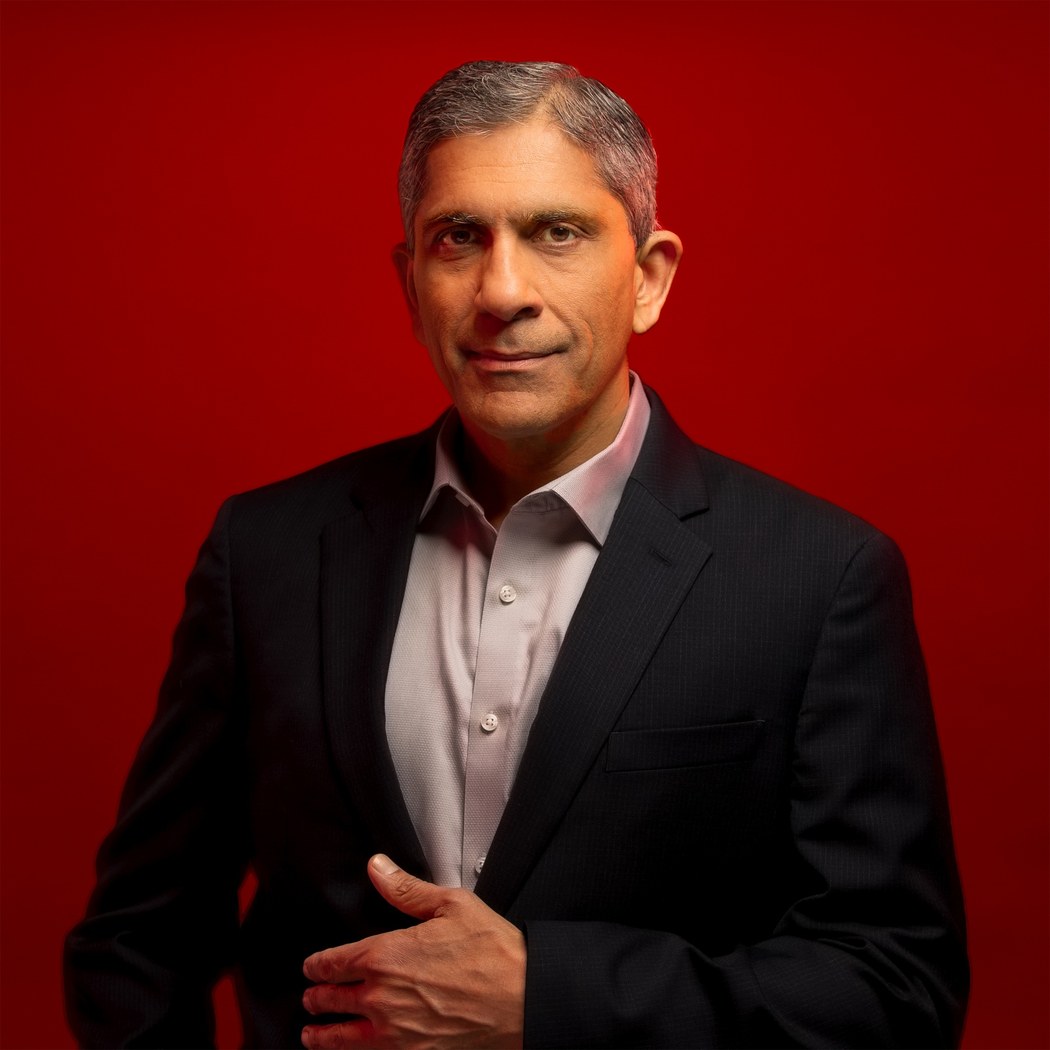
Vimal Kapur and the case for taking things apart
He spent more than three decades learning Honeywell from the inside. Then Vimal Kapur reached the top and helped turn one industrial conglomerate into three companies.

Harry Sideris and the long apprenticeship to keeping the lights on
A tailor’s son from Asheville answered a newspaper ad and spent nearly three decades learning the power business. Now Duke Energy’s CEO has to make an expensive new era of electricity add up for the people paying the bills.
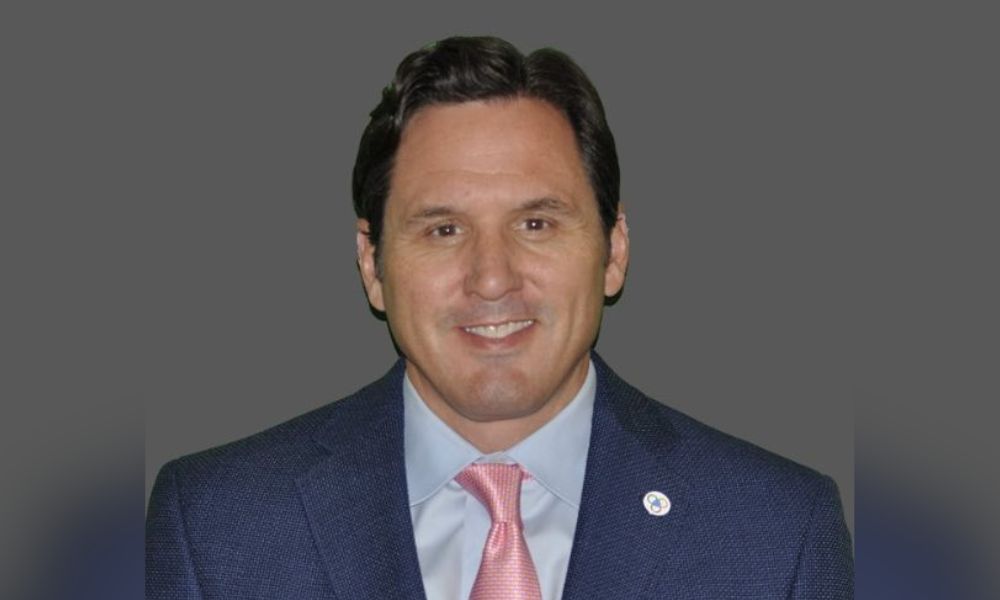
John Tournet and the business of getting people to stay
From regional leadership to the U.S. helm of Gallagher’s Benefits & HR Consulting Division, John Tournet has kept returning to a practical question: what makes an employer worth staying with?
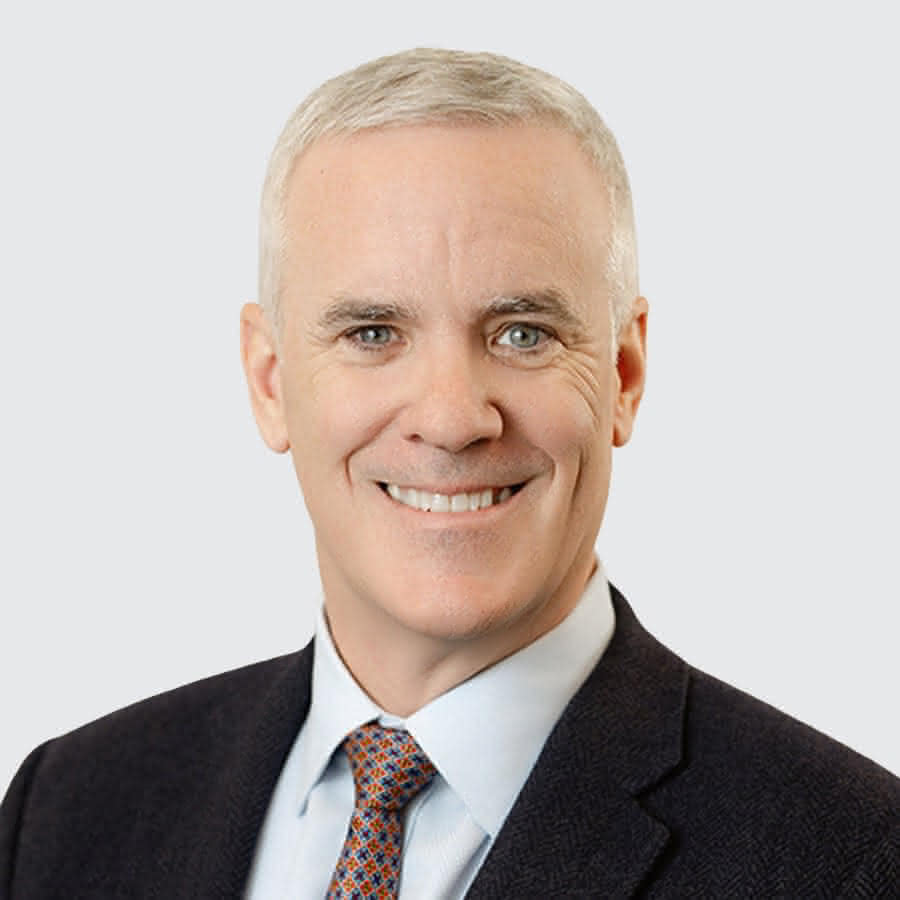
Conor Murphy and the business of keeping promises
Before he became CEO of F&G, Conor Murphy helped put his family’s Donegal shop on the internet. His route from handwritten thank-you notes to retirement finance is a story about what happens after a customer says yes.

Xu Xuan and the art of getting people in the room
Before he became Equitable’s Head of Life Insurance, Xu “Vincent” Xuan edited newsletters, organized volunteers and learned to fly. Across those pursuits runs a recurring interest: bringing people together to do difficult work.

Robert Chambless and the value of staying in the room
He joined Coca-Cola Consolidated in 1986. Four decades later, Robert Chambless is preparing to pass on a business education measured in stores, sales teams, restaurant counters, and the occasional drag race.
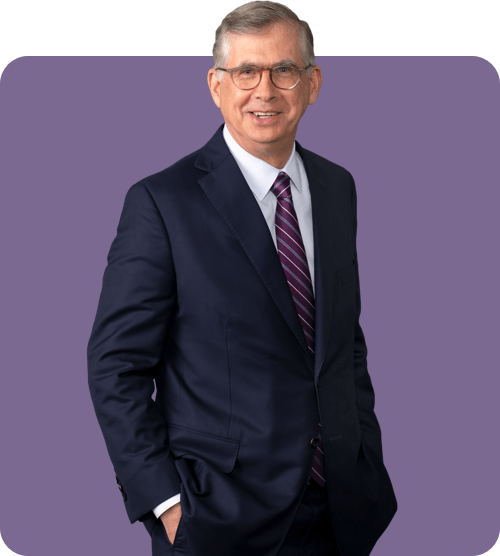
Bill Rogers and the corner that kept getting bigger
He started in commercial banking in 1980 and helped bring SunTrust and BB&T together. As Bill Rogers hands over the CEO’s chair at Truist, a small personal idea offers a way to read a very large career.