A supermarket shelf is a crowded place to have a career. Michael Axelrod has spent more than three decades working on the businesses behind it: condiments, internationally inspired foods, refrigerated Mexican meals, salty snacks and, now, protein shakes. The packages change. The recurring question is how to take something customers already want and build a company capable of delivering more of it.
On July 29, 2026, he became president and chief executive officer of BellRing Brands and joined its board. He arrived from Snak King, following earlier chief executive roles at Del Real Foods and Passport Food Group. For someone whose working life began in consulting, it is a decidedly tangible résumé. Strategy eventually has to fit inside a packet, survive distribution and earn another purchase.
There is an appealing lack of glamour to that test. A presentation can enjoy a very good afternoon. A food business has to get through Tuesday, and then do it again on Wednesday.
A career on both sides of the label
Axelrod studied at the University of Western Ontario’s Ivey Business School, earning an honors bachelor’s degree, and at Northwestern University’s Kellogg School of Management, where he earned his MBA. His early work at Boston Consulting Group involved strategy assignments for consumer and retail clients. The people buying products, and the businesses selling them, were part of his professional education from the beginning.
Operating roles followed across Kraft Foods, McCain Foods, Pactiv and Whirlpool. That combination puts food alongside packaging and appliances, a wider consumer-business background than his recent succession of food-company jobs might suggest. His later appointments brought manufacturing, distribution and customer relationships into the same brief.
At TreeHouse Foods, he served as president of the condiments division and chief operating officer of Bay Valley Foods. The division was described as a $1.5 billion business when Passport announced his appointment in 2018. Before he became a serial chief executive, he had already worked with substantial scale.
His route also crossed the boundary between products carrying a manufacturer’s own name and products sold under a retailer’s label. It is a useful way to read the career. A shopper sees competing packages. An operator has to understand who commissions them, who makes them and which business holds the relationship with the customer.
Passport’s invitation to dinner
In March 2018, Passport Food Group named Axelrod its chief executive. The company manufactured and distributed internationally flavored foods to restaurants and retailers across North America. Swander Pace Capital had acquired it the previous year.
Axelrod’s introduction to the job dwelt on the company’s history. Passport had developed from a local supplier to Asian restaurants into a business reaching multiple cuisines and sales channels. He spoke about expanding its brand and market share. Here was a company whose origins were specific, even as its ambitions became broader.
Heather Smith Thorne, then a managing director at Swander Pace, emphasized his experience across manufacturing, marketing and distribution. Her description of the appointment connected cost control with growth and changing customer preferences. Those are sometimes treated as separate departments in a business story. In this one, they were the reasons for hiring the same person.
The appointment established a pattern that would recur: Axelrod entering an existing company with an established history, outside investment and room to expand. He was joining a story already in progress. The assignment was to help it travel further.
The recipes were there before he arrived
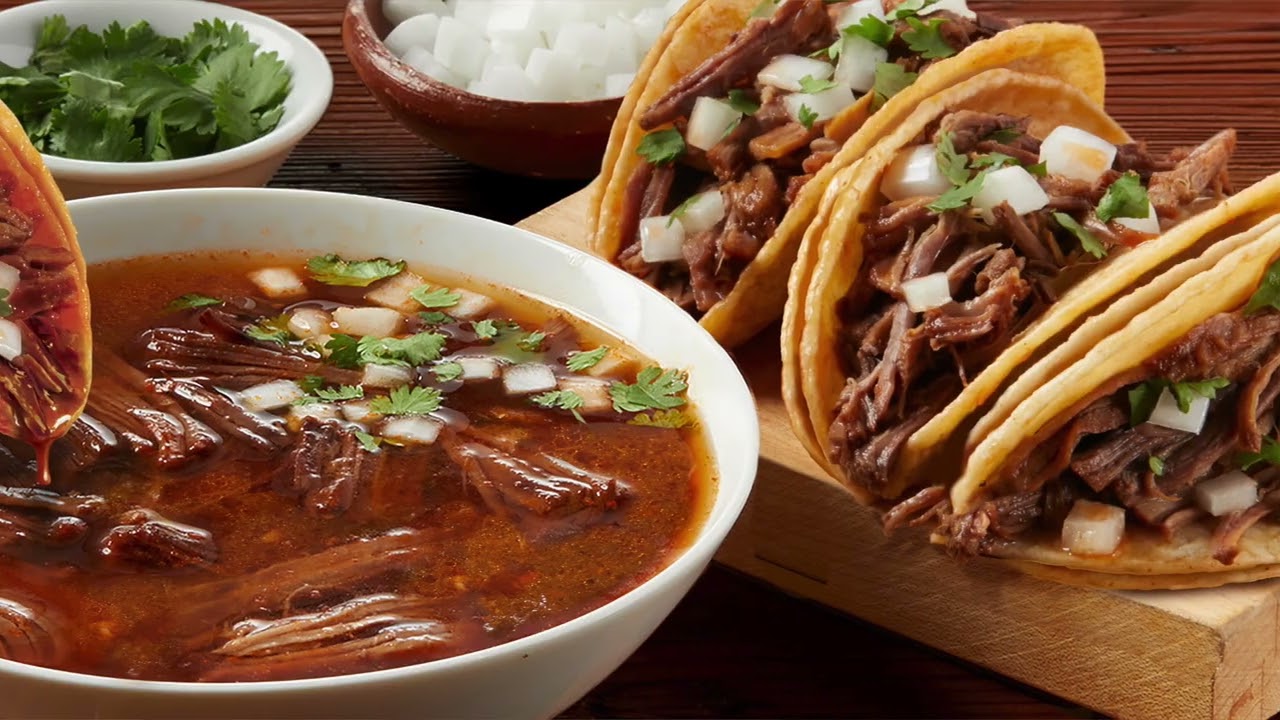
Del Real Foods appointed him CEO in October 2019. It made refrigerated, heat-and-serve Mexican foods, including carnitas, tamales, pupusas, salsas and side dishes. The Cardenas family, its founders, owned the business alongside a fund affiliated with Palladium Equity Partners.
At the time of his appointment, Del Real had recently doubled manufacturing capacity and expanded distribution. A new Oklahoma plant was already part of that expansion. The distinction matters: Axelrod stepped into a business that had made investments before his arrival. His task began with what those investments could make possible.
Executive chairman Ed Lambert described him as focused on people and customers. Axelrod, in turn, emphasized the brand, its growing audience and its capacity to develop products. The fit was presented in practical terms: an experienced operator joining a business with a recognizable culinary identity and more room to produce.
He remained CEO through a further ownership change. In October 2024, CMI announced an agreement to acquire a significant equity stake, with the Cardenas family and Palladium retaining minority interests. Axelrod publicly welcomed the partnership; Palladium thanked him and the wider leadership team for their work.
There was continuity inside the transaction. The founding family would remain invested, as would the previous financial partner. A new owner brought another set of relationships and resources. Axelrod’s contribution belonged to a collective effort involving the family, employees, fellow executives and investors. The company’s growth was larger than any one job title.
 WATCH THE DEL REAL CHAPTER ↗
The bag of chips gets complicated
Snak King announced Axelrod’s appointment in October 2025. He succeeded Barry Levin, whose four decades leading the company had taken it from a one-room, one-machine pork-rind manufacturer into an international business. Levin continued on the board. Once again, Axelrod was following a long-established leader.
The portfolio included tortilla chips, popcorn, potato chips and other snacks, made for retailers, co-manufacturing customers and the company’s own brands. Falfurrias Capital Partners had invested in 2024. Axelrod acknowledged Levin’s legacy and described an ambition to build on it with the existing team.
A November 2025 interview supplied a more detailed view of his thinking. Private label, he argued, had become more sophisticated. Retailers wanted manufacturers who understood shoppers and could help shape a product range. His emphasis was on data, category knowledge and finding the right assortment for a particular customer.
He also discussed automation, adaptable packaging and investment in manufacturing. The details connect his commercial thinking to the factory: changing a product or its package has consequences for the equipment needed to make it. His enthusiasm came with a selection rule.
“There’s a lot of innovation but you need to focus”
Michael Axelrod, November 2025
He wanted to expand Snak King’s distribution and manufacturing scale, and said there was room for organic growth within its existing market. Acquisitions remained a possibility. It was an ambitious agenda, expressed through the fairly unromantic vocabulary of capacity and capital plans. The chips, apparently, were entitled to a strategy of their own.
- 2018Passport Food GroupInternational cuisines
- 2019Del Real FoodsRefrigerated Mexican foods
- 2025Snak KingBranded and private-label snacks
- 2026BellRing BrandsConsumer brands at global scale
A new desk, an inherited set of numbers
BellRing announced his selection on July 8, 2026, following an external search. He succeeded Darcy Davenport, who moved into a senior advisory role. Chairman Robert Vitale pointed to Axelrod’s customer relationships, strategic experience and operating record. The company had grown to more than $2.3 billion in sales under Davenport.
Axelrod’s introduction stressed customer focus, product innovation and disciplined execution. His background offers a plausible explanation for the choice: repeated exposure to the relationship between what retailers want and what a manufacturer can deliver. At BellRing, he would apply that experience to a business with an international distribution network.
The first quarterly results released after his arrival made the operating challenge concrete. On August 4, BellRing reported $570.4 million in sales for the quarter ended June 30, up 4.2% from a year earlier. Gross margin fell to 28.6% from 35.4%. Costs, freight and a charge for excess bottle inventory weighed on the figures.
That quarter ended before Axelrod took charge. It describes the business he inherited, rather than a verdict on his management. The distinction gives his opening remarks their context: he spoke about strengthening execution and producing more consistent profitable growth while beginning meetings with employees, customers and partners.
Sales rose. Margins narrowed.
Gross profit as a share of sales. Quarter ended June 30, 2026, before his July 29 appointment.
Growth can make a company look busy while leaving difficult questions about cost and inventory unanswered. BellRing’s figures put both subjects on the same page. For Axelrod, the next chapter involves turning the operating disciplines that recur throughout his résumé into results at his new company.
Charlotte, with time for a round
Away from the portfolio of brands, Axelrod lives in Charlotte, North Carolina. He enjoys time with his family, golf and travel. Those are ordinary pleasures, and a welcome bit of scale in a biography otherwise populated by divisions, distribution networks and ownership changes.
His career has repeatedly placed him between a company’s history and its plans. At Del Real, the founding family remained involved. At Snak King, the outgoing leader stayed on the board. At BellRing, Davenport agreed to advise during the transition. He arrives with experience, but also with people around him who know what came before.
The next set of packages will carry familiar brand names. Behind them, Michael Axelrod has a new version of a long-running assignment: understand the customer, work with the team and make the business capable of keeping its promises.