food-and-beverage
(153)
Theodore Gailas and the Hundred-Cookie Hour
A childhood rivalry produced a tiny Astoria cookie shop. Theodore Gailas turned the weekly menu, the waiting line and even the smell from the oven into a brand people knew how to follow.

Barak Bar-Cohen Put the Factory on Wheels
The former Bai operator turned a stubborn variety-pack problem into a mobile manufacturing company. Its name carries a clue from Mars, and its machines are designed to arrive where the work already is.

Robert Wheatley Put Trust Back on the Label
The Chicago strategist has spent a career asking food and lifestyle brands to prove what they promise. His answer keeps returning to the same scarce ingredient: trust.

Dave Ritterbush and the Fine Art of Inheriting the Future
He learned brand-building in the ice-cream aisle, helped take a protein company to a $1 billion sale, and now runs Califia Farms with a deceptively simple rule: inherit the past, then build for what comes next.
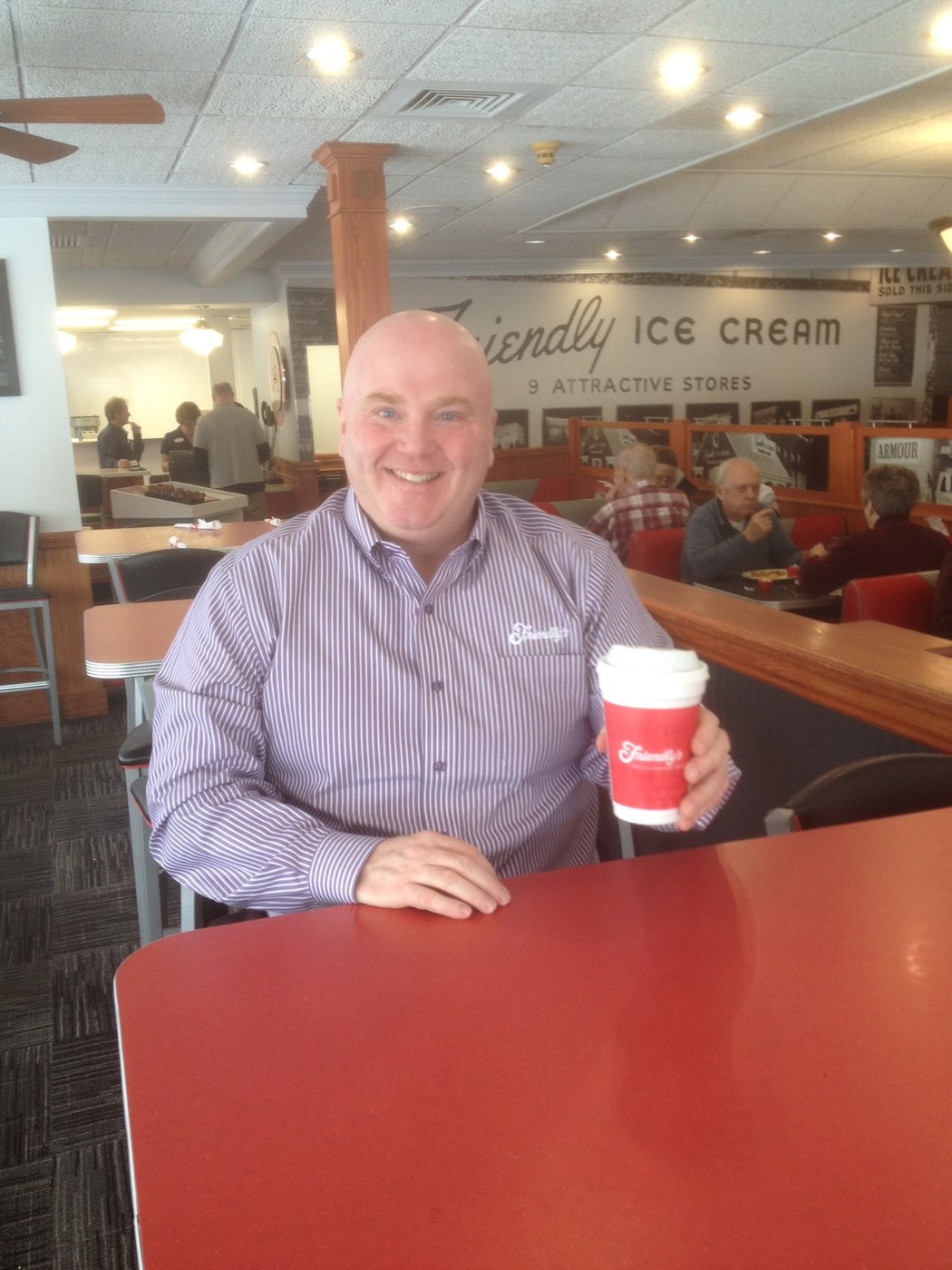
John Maguire and the Long Way Back to the Oven
He studied the science of bread, learned scale at Panera, tried to make Friendly's friendly again, and returned to his bakery roots at Levain. John Maguire's career is a lesson in fixing what customers can see - and what companies prefer not to.

The Coffee Shop That Outgrew Its Own Idea
Blank Street conquered the coffee run by making the cafe smaller, faster and easier to repeat. Then the customers arrived with a different request: somewhere to stay.

The Brand Guild Built an Agency Around a Useful Disagreement
Barbara Martin believes in the power of no. Jayne Sandman tends to say yes. Their 16-year experiment suggests that a brand may need both instincts in the room.

The Boxer in the Corner Office
Punch Media inherited its emblem from a 1920s prizefighter. Its real advantage is more modern: knowing how restaurants, hotels, drinks, and the stories around them travel through a city.
The Friendship Business: How Eleventh House Makes Restaurants Talkable
Eleventh House sells no physical product. It makes restaurants, drinks, openings and odd little moments easier to notice - using a deceptively old technology called knowing the right people.
The PR Firm That Put the Receipt Before the Reach
Corner Market Communications sells stories for things people eat. Its cleverest move is also its least glamorous: begin with the business result, then work backward until the publicity earns its shelf space.
The Ice Cream Test: How Mix+Shine Turns Attention Into Action
The Virginia Beach agency built its reputation on a simple idea: a post is only useful if it leads somewhere. Sometimes that somewhere is a DM. Sometimes it is the freezer aisle at Lowes Foods.

The Small List That Makes CONTENTO Matter
A boutique Atlanta PR firm has built its case on a wonderfully unfashionable idea: the right story, sent to fewer people, can travel much farther.

The Agency That Turned a Lime Into a Deadline
MULTIPLY does not begin with the ad. It begins with the thing that might make somebody lean across a table and say, “You have to see this.”
The San Diego PR Firm That Made Boring Things Travel
For half a century, Nuffer, Smith, Tucker has sold an unfashionable advantage: knowing the subject before trying to make it famous. Its best work turns lubricant, citrus pests and downtown office space into stories people actually pass along.
The PR Agency That Learned to Pitch the Person, Not the Product
Crier Communications has spent nearly three decades making ordinary products reportable. Its trick is simple enough to borrow: find the human story, outside proof, or timely argument that makes the product matter.

The Restaurant Publicists Who Start Before the Doors Open
JS2 PR has spent 25 years learning that a restaurant opening is not a date. It is a sequence - story first, pictures second, tastings third, attention last.
SUGO Communications gives brands something to do
A knife lesson, a holiday recipe, a dessert timed to a television premiere. Inside the Los Angeles and Toronto agency that turns everyday products into occasions worth talking about.
Startr Co. turns the grocery aisle into a news beat
A bag of fruit jerky, a box of cereal, a shortbread Advent calendar. Inside the PR agency that gives everyday products a reason to make headlines.
CarryOn Communication found a story in your recipe search
For Allrecipes, CarryOn helped turn kitchen curiosity into a consumer-trend publication. Its work with beer brands and professional hockey reveals an agency interested in giving familiar names a fresh reason to be discussed.
RKPR takes the story all the way to the grocery cart
Rachel Kay built a communications agency around the things people eat, drink and buy. Its most useful lesson is hiding in the distance between a good headline and a stocked shelf.

McLean helped create Monster by questioning the can
Hansen’s wanted a bigger energy drink. McLean proposed a different kind of brand. Its work since then reveals when packaging should shout, and when it should leave well enough alone.

Truly Creative knows which parts of the package to keep
A bag of fries. A box of pasta. A parent scanning the wellness aisle. Truly Creative builds brands for the moment someone has to choose.

Studio 707 knows a good wine needs a second story
Ashley Teplin revived her mentor’s Napa agency with a broader brief: turn wine, food and hospitality into stories people can encounter anywhere. Then the events disappeared, and the brief got a real-world test.

Konnect Agency takes the story out of the press release
A farm visit, a cooking class, a summer-camp signup: the Los Angeles agency builds campaigns around things people can actually do. Its own growing pains explain why that takes more than a clever pitch.

Noble West sells the story behind your dinner
A fifth-generation farmer built an agency for the people who grow our food. Its real assignment: make the difference between two bags of rice matter to the person buying one.
JESSUP knows why a guitar story might need an elephant
The Los Angeles PR agency works with drinks, snacks and musical instruments. Its portfolio makes a useful argument: the audience for a product can be much bigger than the audience for its specifications.

Lately knows what happens before you hit publish
A brand wants attention. A creator wants a fair deal. Lately Collective has built a business around understanding both sides of the same conversation.

Perspective: Branding thinks your next rebrand should change less
The California design agency has a pointed proposition for food and beverage brands: keep what shoppers know, fix what they miss, and give the package a job beyond looking pretty.

Honey knows what makes a brand worth a second helping
The Sacramento studio turns food, farming, and a sense of place into brands people can recognize and use. Its work runs from the salsa shelf to school lunch, local news, and the next train home.

EDG Gives Hotels a Story Worth Staying For
A fictional heir in Santa Monica. Working artists in Scottsdale. A quieter kind of luxury in Sedona. EDG connects hospitality branding to the rooms, restaurants and small decisions that guests actually experience.