The Corner Store's Best-Kept Secret Is 108 Years Old
For more than a century, a New Orleans wholesaler has quietly kept America's corner stores stocked. Now Imperial Trading is betting that the future of the convenience store isn't the shelf - it's the kitchen.
Walk into a gas station off a Louisiana highway and buy a bag of chips, a fountain soda, and a slice of hot pizza. You have just interacted with three companies. One made the chips. One made the soda. And one - the one you have never heard of - stocked the shelf, laid out the aisle, and put the pizza on the menu. That last company, more often than you would guess across the Gulf South and the Midwest, is Imperial Trading.
Imperial Trading is a wholesale distributor. It buys consumer goods by the truckload and resells them, store by store, to the independent convenience retailers that national chains often overlook. It is not a household name because it was never built to be one. Its customers are the stores; the shoppers are, at most, an afterthought. But the business is old, large, and - in an industry defined by thin margins and thinner glamour - remarkably durable.
The OriginTwo immigrants, a century apart
The company was founded in 1916 by C.H. Pelias, a Greek immigrant who set up as a wholesale grocer for the independent shops of New Orleans. It has stayed in the family for three generations and is now owned by John Georges, the Louisiana businessman whose holdings also include the city's newspapers. Day to day it is run by President and CEO Wayne Baquet, Jr.
There is a symmetry to how Imperial grew up. In 2018 it acquired S. Abraham & Sons, a Michigan distributor founded more than 90 years earlier by Sleyman Abraham, a Lebanese immigrant. Two family businesses, both started by immigrants a century apart, folded into one. The deal roughly doubled Imperial's size and, by industry accounts, made the combined company one of the five largest convenience-store distributors in the country.
What They SellDistribution is the floor, not the ceiling
The catalog is what you would expect from a convenience-store supplier: more than 10,000 products across tobacco, candy, snacks, packaged beverages, grocery, and general merchandise. Trucks roll out of distribution centers in Elmwood and Bossier City, Louisiana; Cedartown, Georgia; and New Albany, Mississippi - with the S. Abraham & Sons network adding Grand Rapids, Michigan, and Indianapolis to the map.
But Imperial's pitch to a store owner is not really about the truck. It is about everything that surrounds it. The slogan - "We Do More For Your Store" - is the whole strategy compressed into four words. A single independent operator cannot afford a category analyst, a store designer, or an IT department. Imperial rents those functions out across thousands of retailers at once.
The ModelThe 5-point system
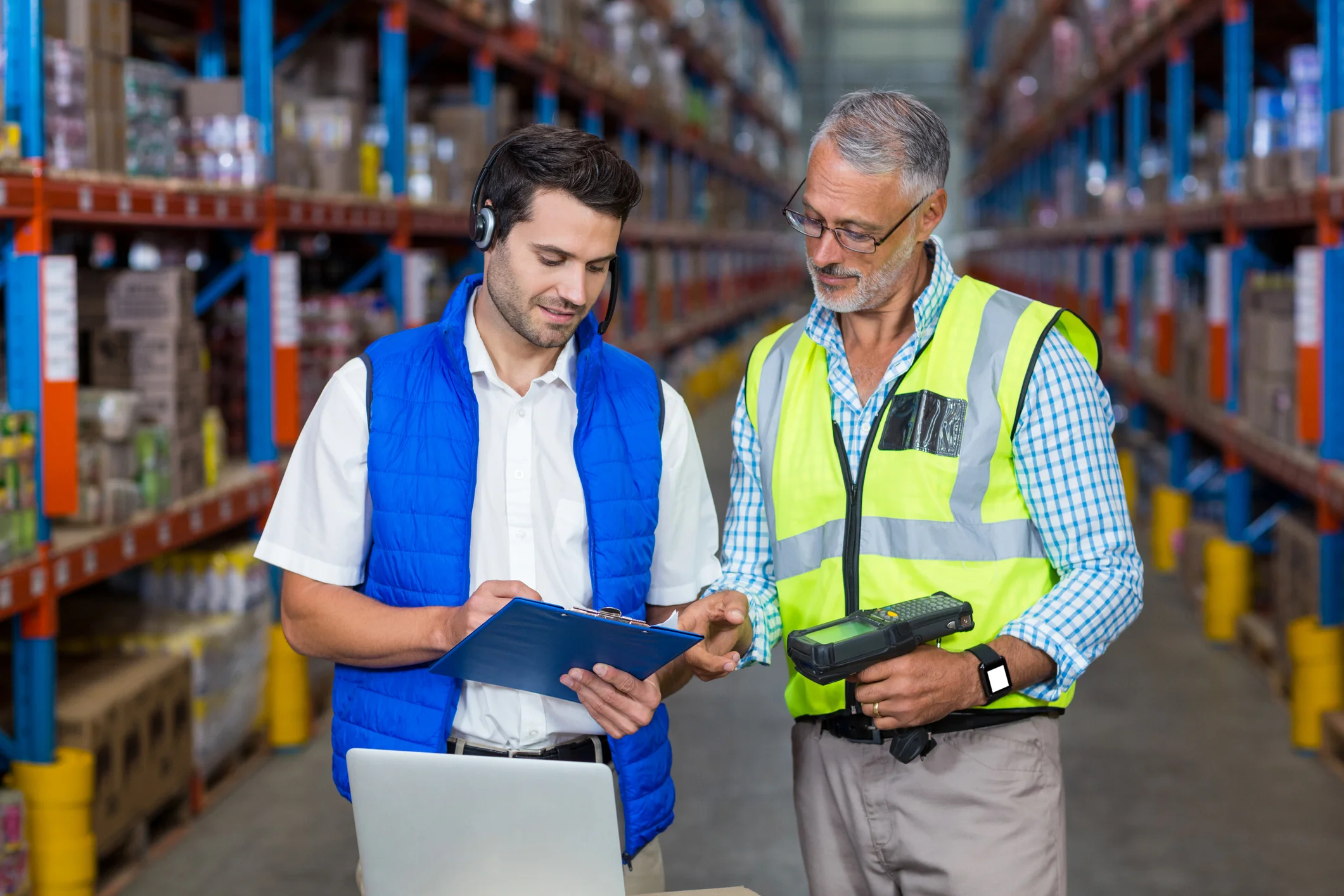
Imperial packages its services into what it calls a 5-Point Go To Market Support System - a way of describing the layers of help a retailer gets on top of the weekly delivery. The specifics matter less than the shape of the idea: sell the box, then sell the reasons to keep buying the box.
Benchmark analysis that shows an operator how their store stacks up.
Store design, layout, and category plan-o-grams tailored per location.
Turnkey hot-food programs, from concept to menu to execution.
Inbound receiving support, automation, and in-store ordering devices.
A dedicated IT team, analytics, and custom digital menu boards.
It is a defensible position. National giants like McLane and Core-Mark compete hard on price and scale. What a regional, family-owned distributor can offer instead is attention - the store designer who actually shows up, the analyst who knows the local market, the account rep who answers the phone. For a corner store trying to compete with a branded chain down the road, that service is the product.
The BetSelling the kitchen, not the shelf
The most interesting thing about Imperial right now is where it is pointing. Packaged goods are a mature, low-margin business. Hot, fresh, made-in-store food is not. Prepared food carries fatter margins and pulls foot traffic that a bag of chips never will, which is why the modern convenience store increasingly looks like a small restaurant.
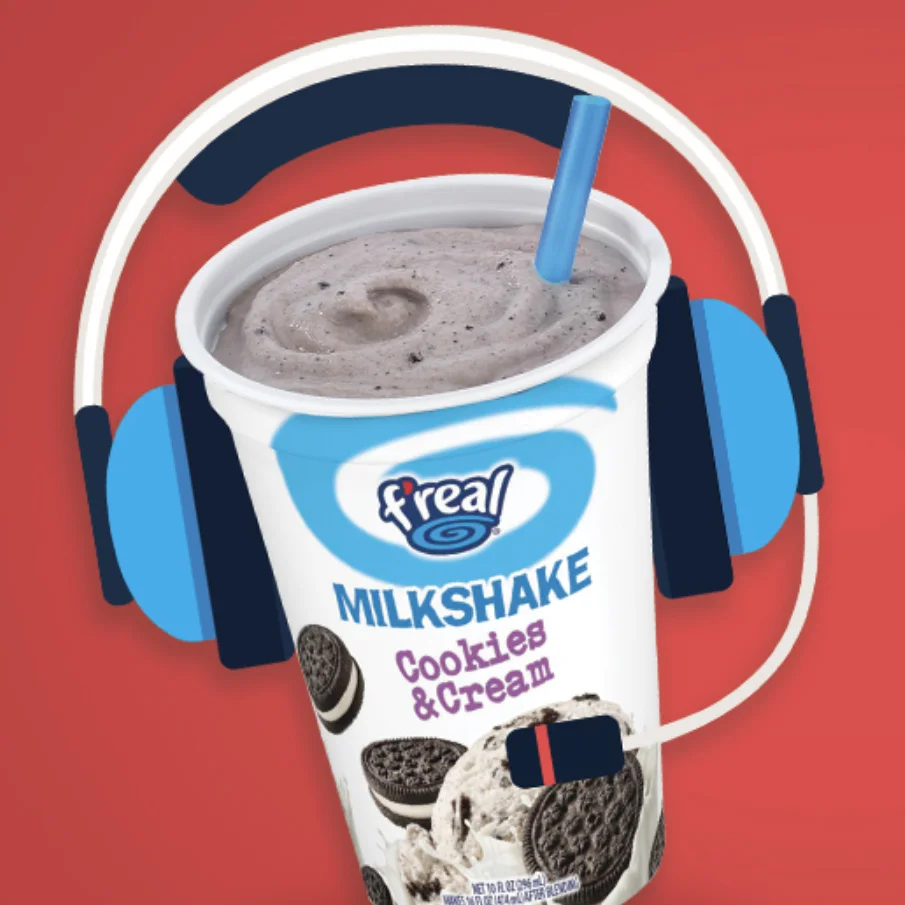
Imperial runs a foodservice test kitchen in New Orleans where retailers can sample menu concepts before committing. It distributes branded programs - names like Champs Chicken, Piccadilly Pizza, f'real milkshakes, and Minh Asian - and its foodservice team walks operators from a basic concept all the way to training, marketing, and execution. For a distributor, foodservice is stickier than tobacco: once a store builds its identity around your fried chicken program, it does not switch suppliers on a whim.
Where Imperial reaches / distribution footprint by region
Illustrative. Combined Imperial + S. Abraham & Sons network spans 21 states, from the Gulf of Mexico to the U.S./Canadian border.
By The NumbersHow big, exactly?
Precise figures depend on who is counting. Data providers list Imperial Trading on its own at roughly $188 million in annual revenue with about 300 employees. Georges Enterprises describes the business as grossing over $1 billion in annual sales. And industry coverage of the S. Abraham & Sons merger put the combined group's annual sales volume near $2.5 billion. The gap reflects how these things get measured - a single legal entity versus a full distribution group - more than any contradiction.
The Long GameWhy boring lasts
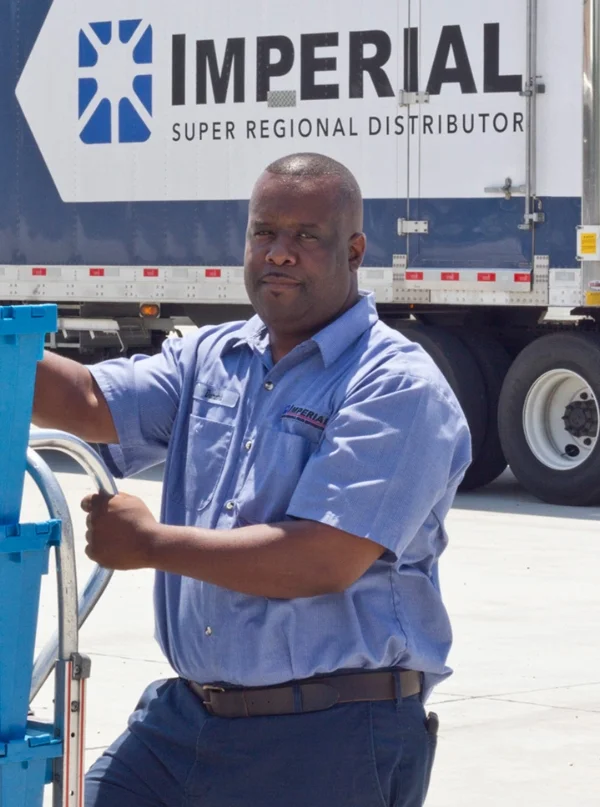
There is a version of this story that treats a 108-year-old grocery wholesaler as a relic. The more accurate reading is the opposite. Distribution is one of the most defensible businesses in retail precisely because it is unglamorous: the trucks, the warehouses, the relationships, and the local knowledge are hard to replicate and easy to underestimate. Imperial has spent a century compounding all four, then added warehouse automation, analytics, and a test kitchen on top.
The independent convenience store is not going away, and neither is its need for someone to keep it stocked, laid out, and, increasingly, fed. Imperial Trading has been that someone since 1916. The bet now is that being that someone is worth more when the store starts cooking.