supply-chain
(834)
Shaily Garg and the Distance Between an Order and a Promise
Raised around a family quartz business, Shaily Garg helped build GlobalFair into a cross-border supplier for U.S. construction. Her route from factory floors to Walmart runs through customer visits, a wedding-eve funding close, and the work of getting things where they belong.
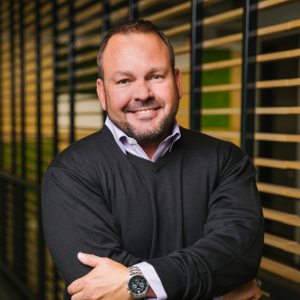
Brent Yeagy and the job he had 24 hours to accept
He planned to pass through Wabash on his way to somewhere else. A move into manufacturing changed Brent Yeagy’s career - and gave the future CEO a different way to think about the trailer behind the truck.

Ric Phillips and the value of a second conversation
From consulting to the factory floor, Ric Phillips has made a career of learning unfamiliar businesses. At Kimball Electronics, the next chapter starts with the people already in the room.

Spencer Penn and the car that arrived with an attachment
Helping launch Tesla’s Model 3 left Spencer Penn with a lasting question about the way manufacturers buy parts. At LightSource, he is building a business around the work hidden inside the inbox.

Anirudh Reddy and the Art of Getting There Sooner
From electric-vehicle batteries to grid equipment, Anirudh Reddy has built a career around getting complicated things made. At Ayr Energy, his wager is that the electricity business can learn a few lessons from the assembly line.
Symbotic knows where the box goes.
The clever part of Symbotic’s warehouse robots is what happens after the warehouse. Every mixed pallet is a plan for the store at the other end.
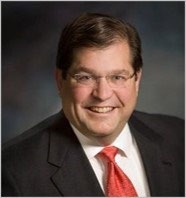
James Drexinger and the value of a familiar name
At American Construction Source, James Drexinger helped assemble a national business from local lumberyards. At Associated Materials, his next chapter has involved new investment, separate business leaders and a different kind of building work.

Felix Lin and the distance between a menu and a meal
Before he led HF Foods, Felix Lin worked through the machinery of a school-bus company. Now his job is to connect specialty ingredients, independent restaurants, and a distribution business stretching into Canada.

AAR’s next big move starts on the ground
AAR built a business around the unglamorous work that keeps aircraft flying. Now it is buying more hangar capacity, adding software, and walking away from revenue that ties up too much cash.

Sanjay Sharma and the Trouble Beyond the Warehouse Door
He built a business around knowing where things were. With Roambee now called Decklar, Sanjay Sharma is pursuing the harder question: what should happen next?

Tim Krug and the Trouble With One More Answer
His team tried AI to find a new company name, then hired people to finish the job. At Daybreak, Tim Krug is working on the larger question that episode exposed: who should own a decision?

Glenn Trout and the business hiding in the paperwork
After the dot-com crash, Glenn Trout built a business around documents people still needed. His path from MSDSonline to VelocityEHS and Source Intelligence follows a stubbornly practical idea: make complicated information easier to use.
Campbell’s big idea: leave the water out.
A lighter soup can helped build a pantry business. A costly detour into fresh food, a $2.7 billion sauce deal, and a new round of cuts show how hard that simple idea is to repeat.

Henry Schein sells the stuff. Then it runs the office.
A box of gloves gets Henry Schein through the door. Software, service, and a working knowledge of the dental chair give it reasons to stay.

Boeing’s future is built one bolt at a time.
Boeing can design an airplane that crosses an ocean. Its harder assignment is making sure every ordinary step on the factory floor happens exactly as it should.
Advance Auto Parts has a smaller-store theory
The parts retailer spent decades getting bigger. Now its comeback depends on a more demanding trick: putting the right part closer to the person who needs it.
Albertsons Companies: The neighborhood store is a national machine
Safeway, Vons, Jewel-Osco. Different signs, one grocery business. After a $24.6 billion merger fell apart, Albertsons must make the machinery behind the neighborhood store work harder.
CSX. Think inside the tunnel.
A freight railroad can span 20,000 miles and still be held back by a few inches. CSX’s Baltimore tunnel shows how a network earns its keep - and what happens when efficiency outruns service.
PriceSmart: The business of buying less
Fewer choices. Bigger packs. A reason to renew. PriceSmart took the warehouse club south - and built a business around the discipline of leaving things out.
J.B. Hunt took the train.
A trucking company found a better way to cross America: let the railroad do the long haul. The business it built around that decision now reaches from freight terminals to the living room.
Norfolk Southern and the price of a handoff
A freight railroad makes its money connecting things. Norfolk Southern’s next chapter turns on what happens between them: a container transfer, a warning signal, and an $85 billion merger still under review.
The billion-dollar business beneath your feet
Core & Main turns pipes, valves and local know-how into a $7.6 billion business. Its real product is getting the right parts to the people who cannot afford to wait.
Fastenal sells the part. And saves the trip.
A failed vending-machine idea became a business built around getting closer. Fastenal’s real product is the distance between needing something and having it.

Avnet makes the missing pieces fit
A working prototype is only the beginning. Avnet built a business around everything that has to happen before an electronic idea can ship by the thousand.
Sysco owns the road to dinner.
The restaurant gets the applause. Sysco supplies the ingredients, the equipment, and the delivery. Its next bet is a $29.1 billion deal for the moment a kitchen runs short.
Coca-Cola Consolidated makes the last mile count
A familiar label gets the attention. Coca-Cola Consolidated does the expensive, intricate work of making sure the drink is there when you reach for it.
GXO Logistics makes the boring bits work.
Behind the brands you recognize is a company paid to make millions of small decisions go right. GXO’s warehouse floor offers a practical test of what robots, software and outsourcing are actually worth.

International Paper thinks inside the box
After buying DS Smith, International Paper is redrawing its own boundaries. The humble shipping box explains both the ambition and the awkward economics behind the change.
Stanley Black & Decker is learning what to leave out.
The company behind DEWALT and CRAFTSMAN built a vast tool business. After a $6.6 billion inventory pileup, its next chapter depends on making that business simpler - and its tools more useful.
Watsco sells the minutes back
A broken air conditioner creates a race against the clock. Watsco built a distribution business around helping the contractor win it - then put software in the contractor’s pocket.