sustainable-manufacturing
(34)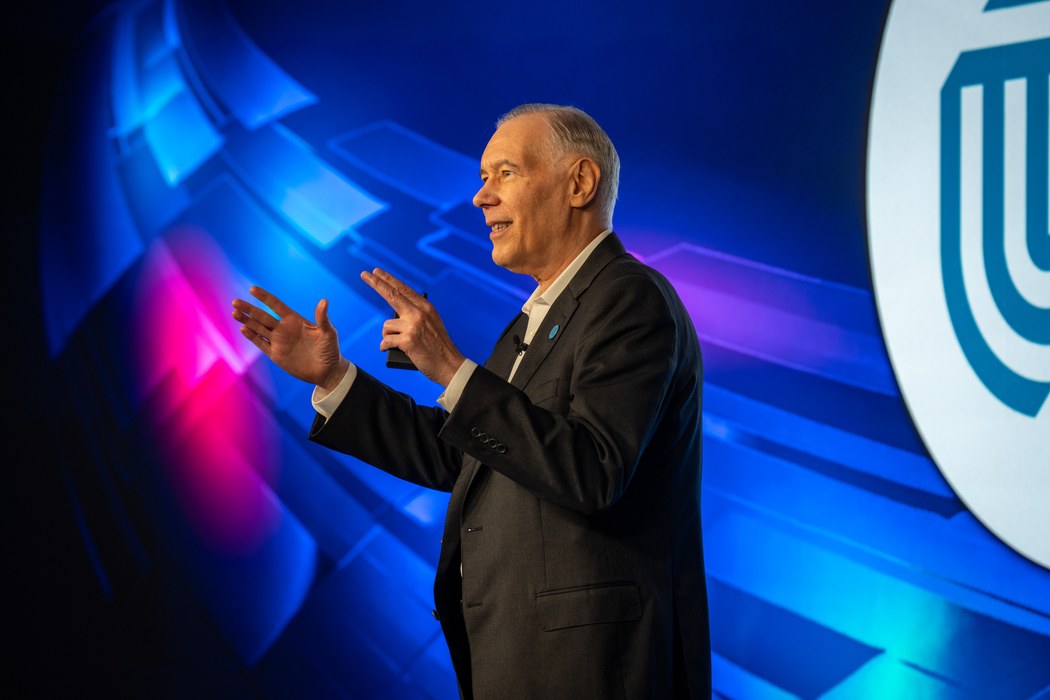
Gary Dickerson and the distance between an idea and a chip
After decades inside the machinery of chipmaking, Gary Dickerson is betting on a shorter route from discovery to production. His $5 billion EPIC Center puts that conviction under one roof.
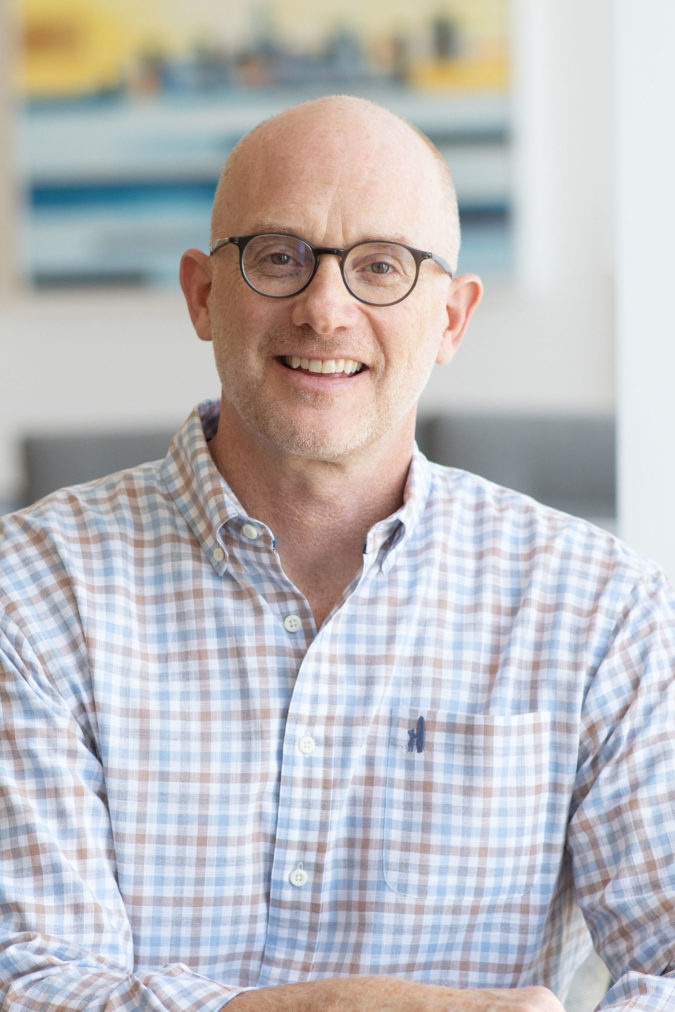
Drew Fraser and the business of keeping Method weird
Drew Fraser spent a decade leading Method through growth, changing ownership, and a Chicago factory with a farm on its roof. At Main Post Partners, the former CEO now brings his consumer-business experience to portfolio operations.
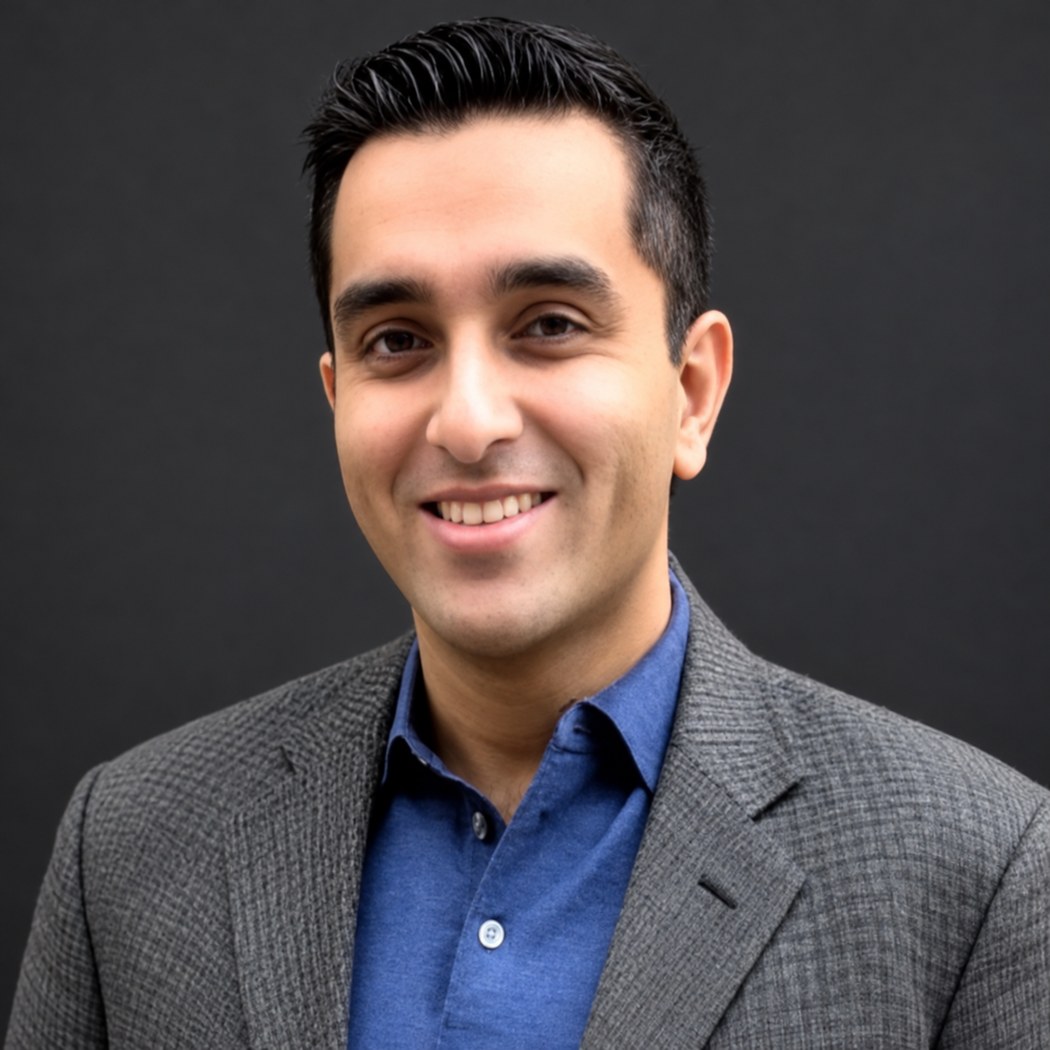
Vipin Raghavan Is Teaching Old Factories New Instincts
He left a career in corporate finance to put hard-won factory judgment into software. A decade later, Haber's argument is still refreshingly practical: artificial intelligence earns its place on the plant floor one measurable improvement at a time.
Trentino Sviluppo Gives Old Factories a New Job
In northern Italy, a publicly owned company puts workshops, research and business coaching under one roof. Its bet: the next industrial chapter needs somewhere to build.
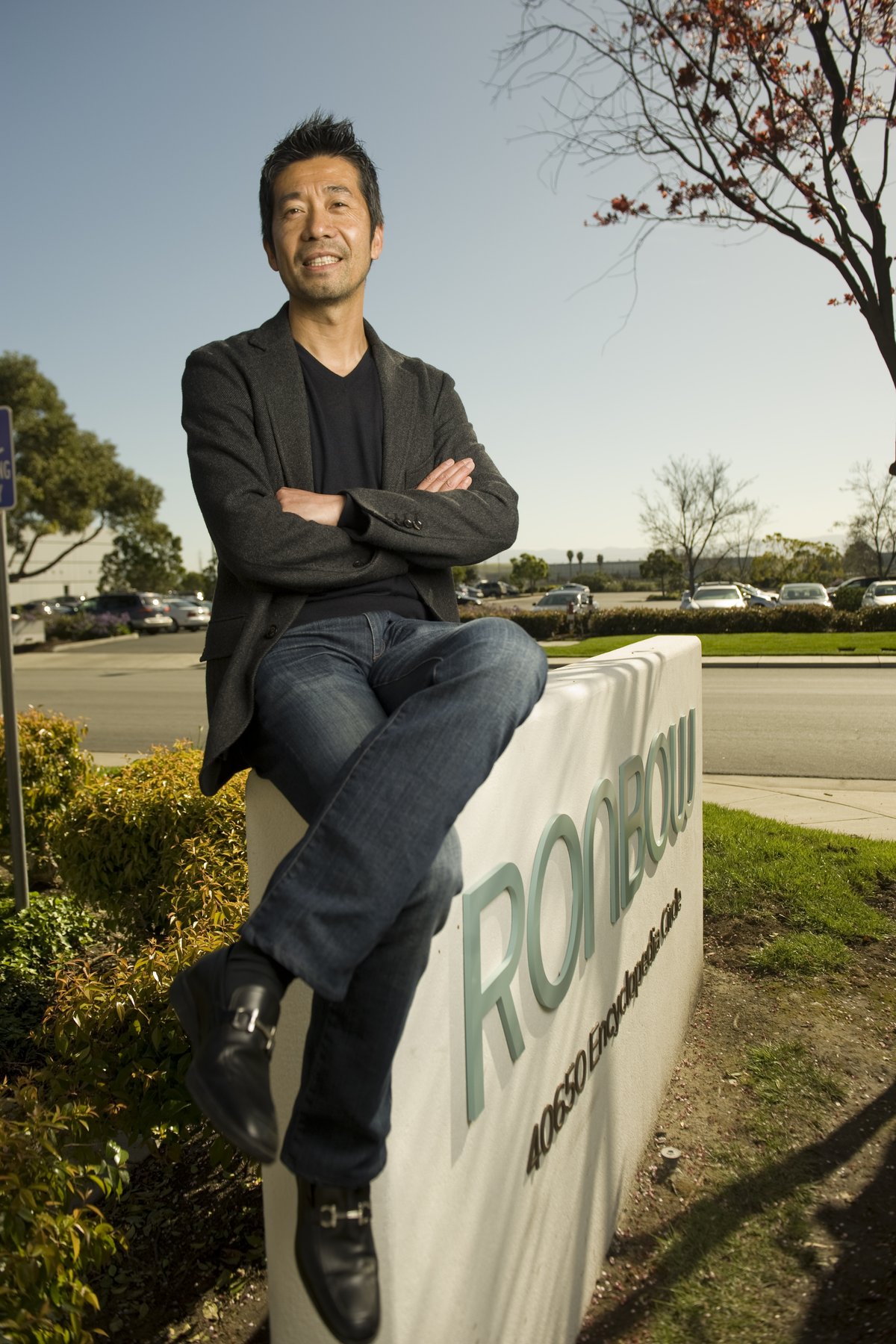
Jason Chen Put the Cabinet Shop on a Software Clock
After two decades in luxury home furnishings, the Ronbow founder made an unfashionable bet: custom cabinets could move at the speed of software without losing the touch of a craft business.

Ben Schuler Bet That the Electric Motor Wasn't Finished Yet
A lesson about 30 seconds on a factory line led Ben Schuler toward a much larger question: what if the ordinary motor could do more with less material, power and waste?
Andrew Vrbas Put a Soap Factory Inside an Argument About Business
A bus ride in Peru gave Andrew Vrbas an idea. A borrowed crockpot made it tangible. The more interesting work came later: turning a college experiment into a national brand without reducing purpose to a slogan.

Thomas Bishop Wants the Humble Battery to Earn Its Keep
After building snowboards, headphones and connected hardware, the Paleblue founder chose a product people tend to notice only when it fails - and made reuse the convenient option.

Dillon Baxter Bet on a Fork That Could Disappear
A college golfer sold straws door to door, quit banking after one month, lost an $8 million commitment, and kept building. Now PlantSwitch is trying to make the useful life of plastic match the life of the thing it serves.
MITO Spent a Decade Making Graphene Boring Enough for the Factory Floor
Graphene had extraordinary lab results and an ordinary factory problem: it clumped, wandered and asked manufacturers to change too much. MITO built its business around the unglamorous fix - make the wonder material behave like an additive people can actually use.

The Company That Sold You the Bag, the Dock, and Everything In Between
Targus made the first laptop case 40-plus years ago. It survived by owning the boring, essential stuff everyone forgets to buy until they need it - and by turning old bottles into backpacks.
Diageo Owns the Labels. Its Real Product Is the Shelf.
The company behind Guinness, Johnnie Walker and Don Julio is less a distiller than a global operating system for taste - one now being rewired for slower growth, sober-curious drinkers and a more demanding balance sheet.
The Factory Behind the Internet's Oddly Specific Orders
A missing car-wash sign became a portfolio of 12 brands and more than 10,000 customizable products. Group Bayport's real product is the machinery that turns one-off requests into repeatable ecommerce.

The Family That Has Been Making Strings Since Before the Guitar
A 300-year-old Italian craft, a Long Island factory, and the strings on a very large share of the world's guitars. Inside how D'Addario turned a family trade into the industry's workhorse.
The 130-Year-Old Foundry That Turned a Skillet Into a System
Lodge does not merely sell heavy pans. From two Tennessee foundries, it has built a loop of manufacturing, education, mass retail, collecting, and care that keeps a 19th-century material useful in a nonstick age.
Every Pokemon Card Runs Through a Belgian Town You've Never Heard Of
The name on the box is Pokemon, Hasbro or Disney. The company that actually prints, cuts and packs the cards is a 250-year-old Belgian manufacturer most players have never heard of.
The Plate That Refuses to Leave the Restaurant
Steelite International turned a fragile object into operational equipment. Its real product is not merely a good-looking plate - it is fewer chips, cleaner service, easier replacement and a reliable canvas for a chef's work.
The $5.1 Billion Company Hiding in Plain Sight on 30 Million Cars
Axalta’s name is rarely visible, but its chemistry sits on millions of vehicles, factory parts and buildings. Now the coatings specialist is turning paint into a system of color data, robotics and manufacturing efficiency - just as a pending merger could redraw its market.
Bimbo Bakeries USA
Bimbo Bakeries USA is the company hiding in plain sight across the bread aisle. Its advantage is not one famous loaf, but a portfolio of old brands tied to a daily system for baking, forecasting and delivering freshness at national scale.
At One Ventures
At One Ventures is betting that climate technology wins when it is cheaper, better and difficult for incumbents to ignore. Its $525 million experiment stretches from honeybee vaccines to underground ammonia reactors.
Catherine Kniker
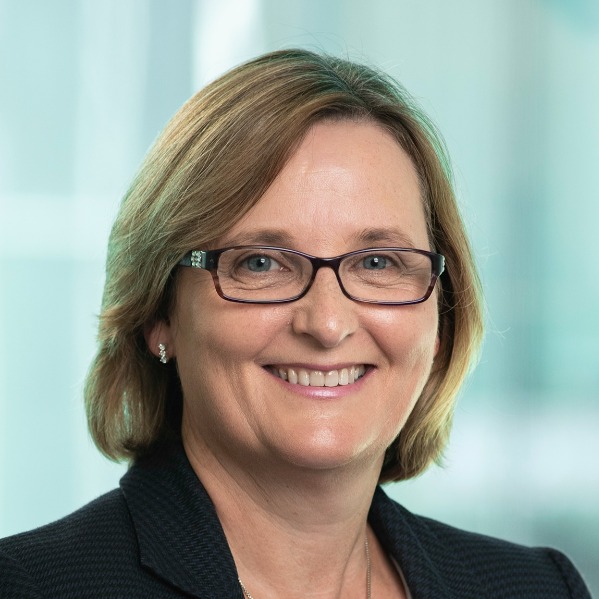
Catherine Kniker began by decoding crashed computers. Now the Irish-born PTC executive is working on a larger systems problem: helping manufacturers connect product data, business strategy and sustainability before the first part reaches the factory floor.

Syenta
Syenta is an Australian deep-tech semiconductor company building next-generation chip-to-chip interconnects for the AI era. Spun out of the Australian National University, it has developed a proprietary process called Localized Electrochemical Manufacturing (LEM) that deposits and patterns metal in a single step, producing micron-scale interconnects across large packages with fewer process steps. The technology targets the 'memory wall' that limits AI and high-performance computing, aiming to raise interconnect density and bandwidth while cutting manufacturing cost and waste. Headquartered in Sydney with a new development facility in Tempe, Arizona, Syenta has raised more than A$37 million, with former Intel CEO Pat Gelsinger joining its board.
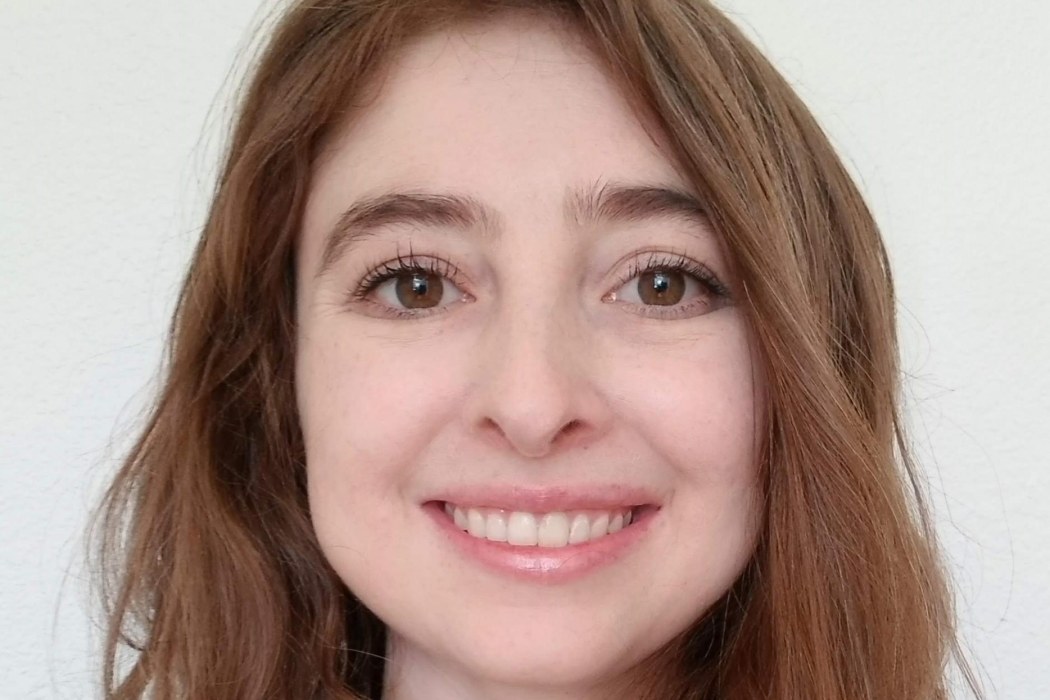
Tina Boville
Tina Boville is the co-founder and CEO of Aralez Bio, a Berkeley-based biotechnology company using directed evolution to make noncanonical amino acids - the building blocks behind a growing share of modern medicines. A biochemist trained at the University of Colorado and Caltech, where she worked in Nobel laureate Frances Arnold's lab, Boville turned an engineered enzyme platform into a company that can produce over 100 amino acids in single-step reactions, cutting manufacturing waste by up to 99%. She has been named to MIT Technology Review's Innovators Under 35, is an Activate Fellow, and in 2024 raised a $12 million Series A to scale production to tons per year.

6K
6K is a North Andover, Massachusetts advanced materials company that uses its proprietary UniMelt microwave plasma technology - which reaches roughly 6,000 degrees, hence the name - to produce battery cathode materials and additive-manufacturing metal powders faster, cleaner, and with fewer processing steps than conventional methods. Spun out of research at MIT and the University of Connecticut, the company operates through two divisions, 6K Energy (battery cathode active materials) and 6K Additive (sustainably sourced metal powders), and is building a domestic U.S. supply chain for critical materials backed by federal grants and more than $348 million in venture funding.

Infinitum
Infinitum is an Austin, Texas company reinventing the electric motor. Founded in 2016 by Ben Schuler, it replaced the century-old iron-and-copper stator with a printed circuit board (PCB) stator, producing air core motors that are roughly 50% smaller and lighter, use 66% less copper, and consume about 10% less energy than conventional motors. Its Aircore EC motor system integrates a variable frequency drive and targets HVAC fans and pumps, data center cooling, industrial equipment, power generation and mobility. Backed by more than $385M in funding and partners such as Rockwell Automation, Infinitum was named to Fast Company's 2025 list of the World's 50 Most Innovative Companies, ranking No. 1 in energy.
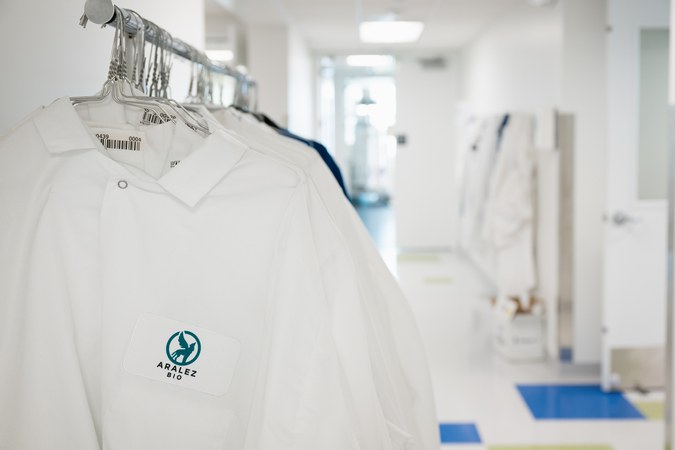
Aralez Bio
Aralez Bio is a Berkeley, California biotechnology company that uses engineered enzymes and directed evolution to manufacture noncanonical amino acids (ncAAs) - the specialized building blocks used in peptide drugs and other pharmaceuticals. Spun out of Nobel Laureate Frances Arnold's Caltech lab in 2019, the company runs biocatalytic reactions that produce enantiopure ncAAs in a single step with water as the main byproduct, expanding the amino acid toolbox roughly 1,000-fold. Aralez sells a catalog of thousands of exclusive amino acids and offers custom synthesis and ton-scale production for pharmaceutical customers, including partners among the world's largest drug companies.
Tailored Industry
Tailored Industry is a Brooklyn-based on-demand knitwear manufacturer that pairs industrial 3D 'wholegarment' knitting machines with a proprietary software platform. It lets fashion brands of any size produce seamless sweaters and knit staples with zero minimums and near-zero waste, matching supply to actual demand instead of guessing seasons in advance.
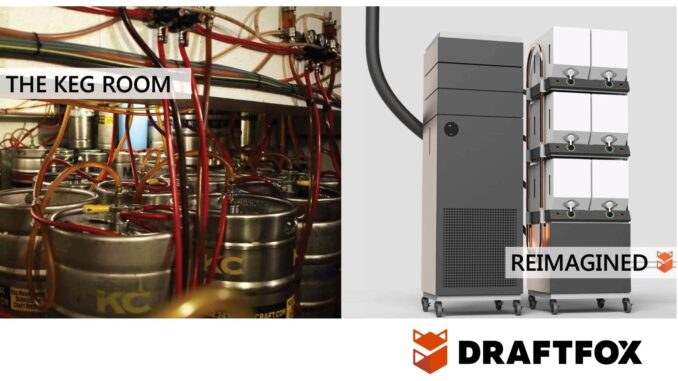
Porifera
Porifera builds forward osmosis membrane systems that concentrate beverages and treat wastewater without heat or pressure. Its proprietary PFO technology removes water from juices, coffee, beer and wine while preserving flavor, aroma and color - cutting energy use up to 80% versus conventional evaporators. In 2025 the company launched Draftfox, a beer concentration and Microkeg dispense system that shrinks a keg by 6x.
Alex Cooper
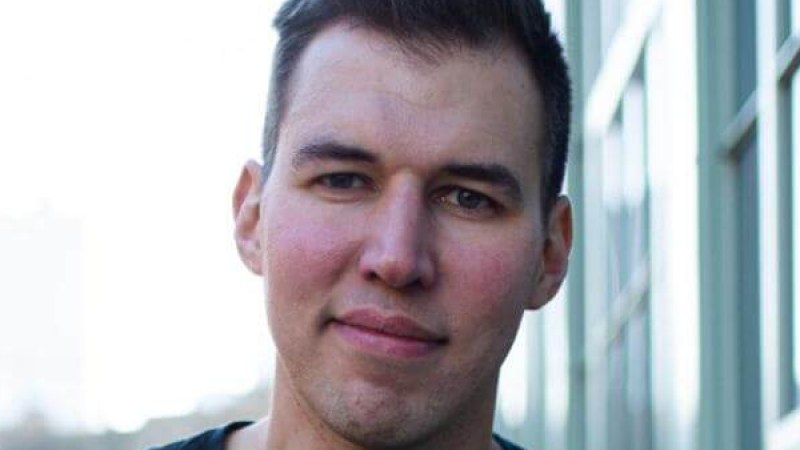
Alex Cooper is the co-founder and co-CEO of Pathways, a New York climate-AI company building the data layer for sustainable manufacturing. Pathways automates the creation of real-time Life Cycle Assessments (LCAs) and Environmental Product Declarations (EPDs) for building-material producers - turning a slow, costly, manual six-to-twelve-month process into something that takes weeks. A decade scaling consumer and data startups (Uber, Clutter, Two Chairs) left Cooper convinced that the manufacturers responsible for roughly 40% of global CO2 deserved software as good as the apps on everyone's phone. He teamed up with Harvard classmate Leise Sandeman in 2022 to prove it.
Dirk Buikema
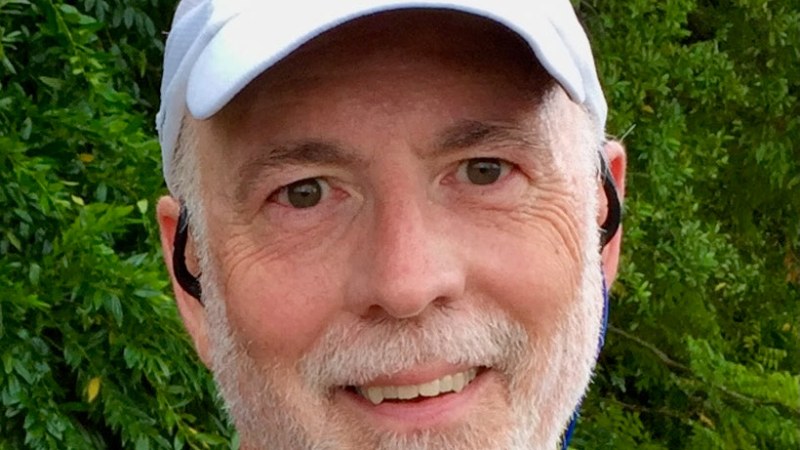
Dirk Buikema is the founder and CEO of Hyperwear, an Austin-based functional fitness company he started in 2011. A former corporate attorney and semiconductor strategist turned inventor, he holds multiple US patents for training gear including the SandBell sandbag, the Hyper Vest adjustable weighted vest, and the SteelBell. Under his lean, research-driven, direct-to-consumer approach, Hyperwear grew 85% from 2022 to 2024 and landed on the 2025 Inc. 5000 list of America's fastest-growing private companies.