sustainable-manufacturing
(13)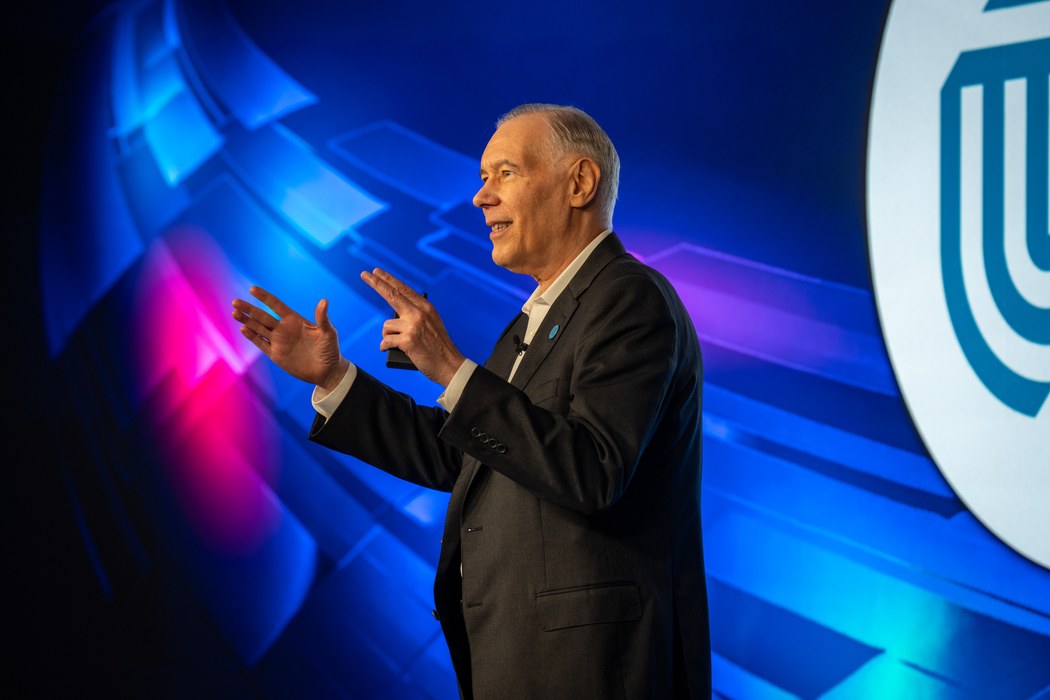
Gary Dickerson and the distance between an idea and a chip
After decades inside the machinery of chipmaking, Gary Dickerson is betting on a shorter route from discovery to production. His $5 billion EPIC Center puts that conviction under one roof.
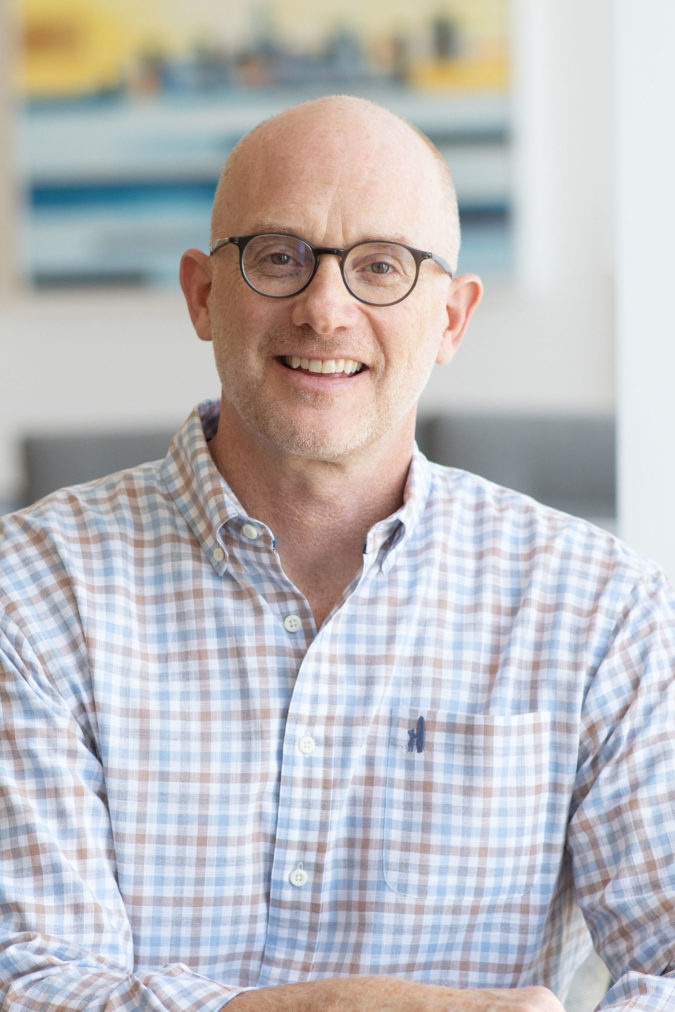
Drew Fraser and the business of keeping Method weird
Drew Fraser spent a decade leading Method through growth, changing ownership, and a Chicago factory with a farm on its roof. At Main Post Partners, the former CEO now brings his consumer-business experience to portfolio operations.
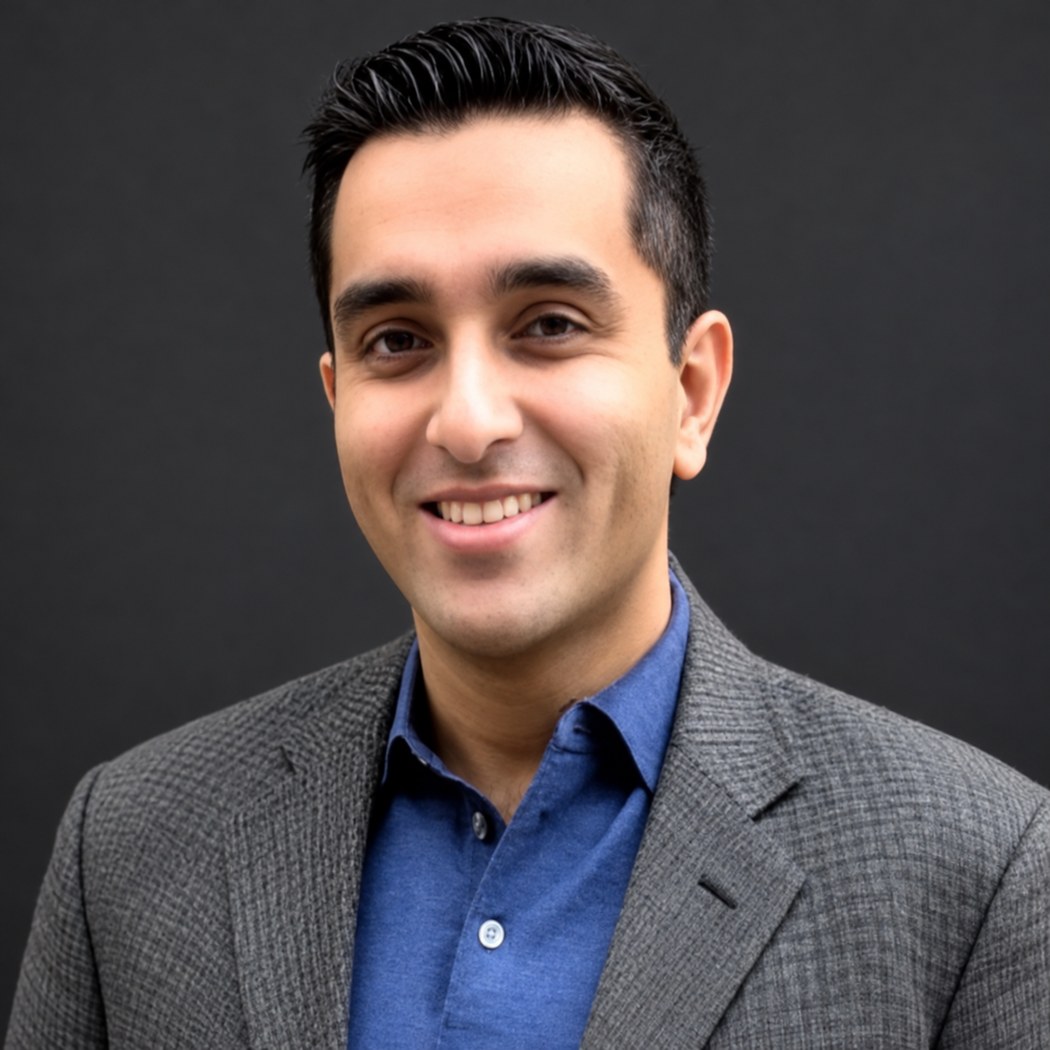
Vipin Raghavan Is Teaching Old Factories New Instincts
He left a career in corporate finance to put hard-won factory judgment into software. A decade later, Haber's argument is still refreshingly practical: artificial intelligence earns its place on the plant floor one measurable improvement at a time.
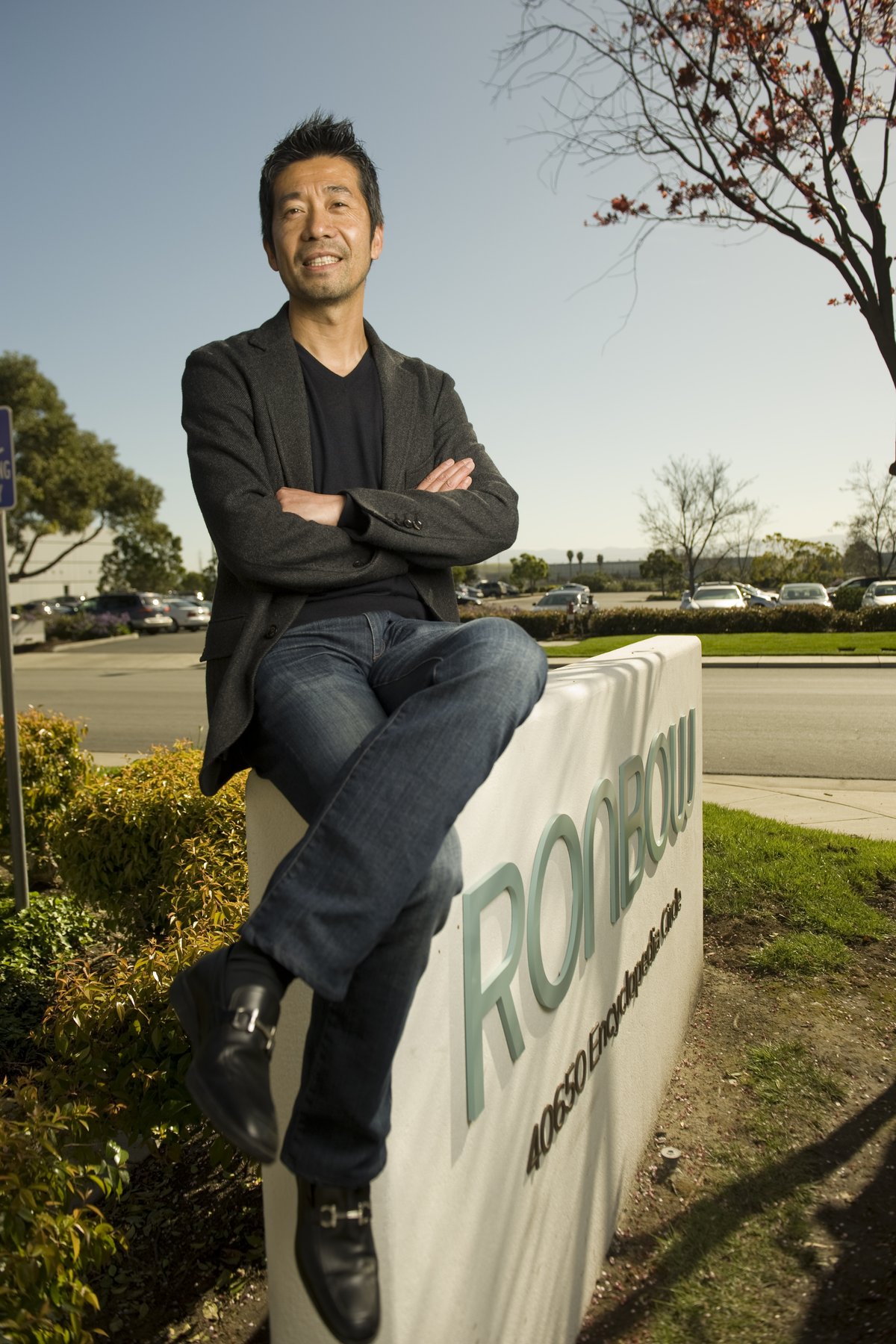
Jason Chen Put the Cabinet Shop on a Software Clock
After two decades in luxury home furnishings, the Ronbow founder made an unfashionable bet: custom cabinets could move at the speed of software without losing the touch of a craft business.

Ben Schuler Bet That the Electric Motor Wasn't Finished Yet
A lesson about 30 seconds on a factory line led Ben Schuler toward a much larger question: what if the ordinary motor could do more with less material, power and waste?
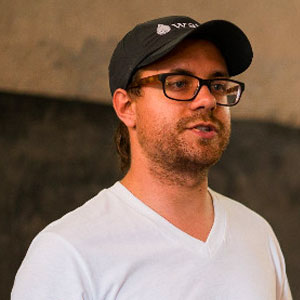
Andrew Vrbas Put a Soap Factory Inside an Argument About Business
A bus ride in Peru gave Andrew Vrbas an idea. A borrowed crockpot made it tangible. The more interesting work came later: turning a college experiment into a national brand without reducing purpose to a slogan.

Thomas Bishop Wants the Humble Battery to Earn Its Keep
After building snowboards, headphones and connected hardware, the Paleblue founder chose a product people tend to notice only when it fails - and made reuse the convenient option.

Dillon Baxter Bet on a Fork That Could Disappear
A college golfer sold straws door to door, quit banking after one month, lost an $8 million commitment, and kept building. Now PlantSwitch is trying to make the useful life of plastic match the life of the thing it serves.
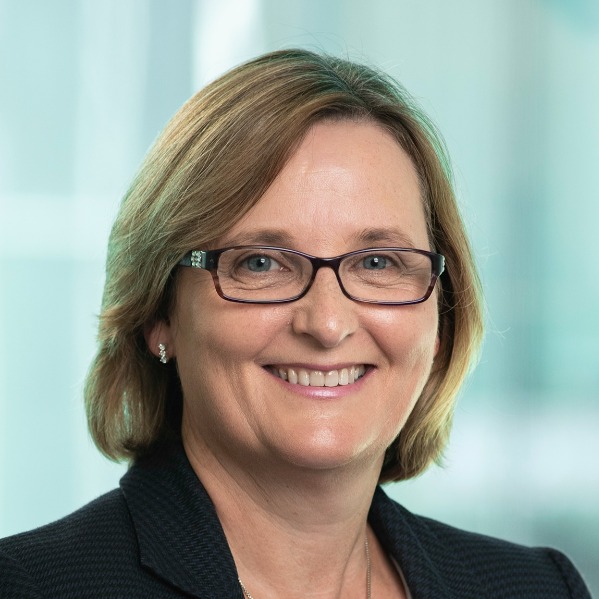
Catherine Kniker
Catherine Kniker began by decoding crashed computers. Now the Irish-born PTC executive is working on a larger systems problem: helping manufacturers connect product data, business strategy and sustainability before the first part reaches the factory floor.
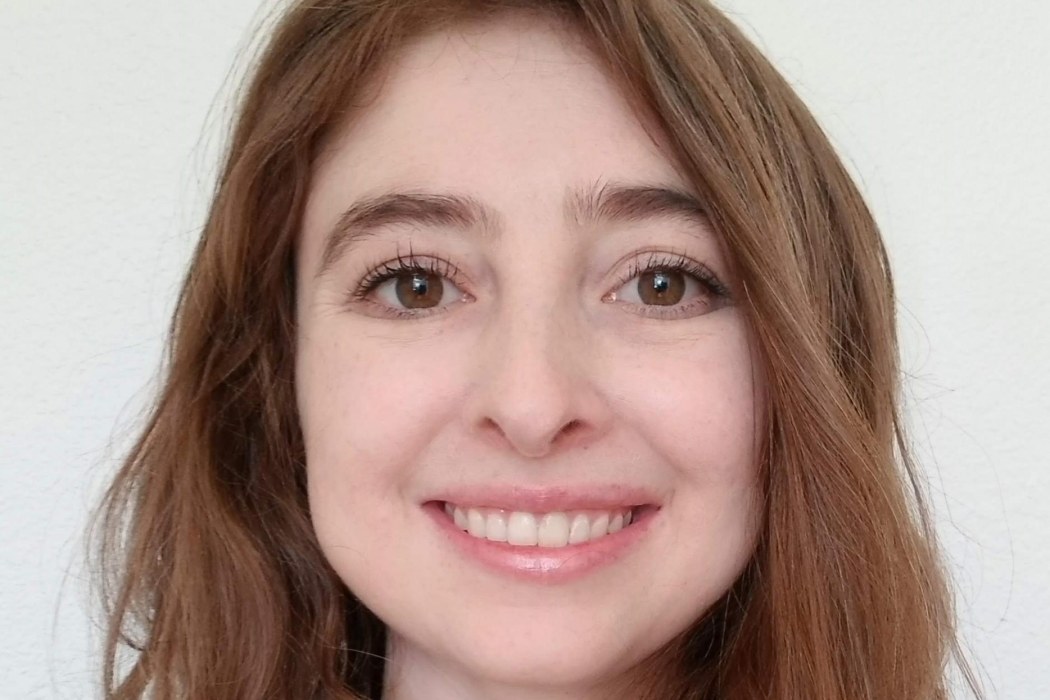
Tina Boville
Tina Boville is the co-founder and CEO of Aralez Bio, a Berkeley-based biotechnology company using directed evolution to make noncanonical amino acids - the building blocks behind a growing share of modern medicines. A biochemist trained at the University of Colorado and Caltech, where she worked in Nobel laureate Frances Arnold's lab, Boville turned an engineered enzyme platform into a company that can produce over 100 amino acids in single-step reactions, cutting manufacturing waste by up to 99%. She has been named to MIT Technology Review's Innovators Under 35, is an Activate Fellow, and in 2024 raised a $12 million Series A to scale production to tons per year.
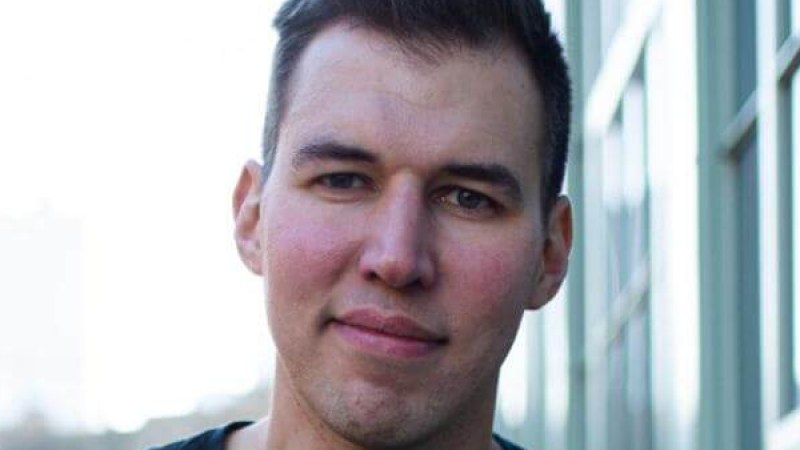
Alex Cooper
Alex Cooper is the co-founder and co-CEO of Pathways, a New York climate-AI company building the data layer for sustainable manufacturing. Pathways automates the creation of real-time Life Cycle Assessments (LCAs) and Environmental Product Declarations (EPDs) for building-material producers - turning a slow, costly, manual six-to-twelve-month process into something that takes weeks. A decade scaling consumer and data startups (Uber, Clutter, Two Chairs) left Cooper convinced that the manufacturers responsible for roughly 40% of global CO2 deserved software as good as the apps on everyone's phone. He teamed up with Harvard classmate Leise Sandeman in 2022 to prove it.

Dirk Buikema
Dirk Buikema is the founder and CEO of Hyperwear, an Austin-based functional fitness company he started in 2011. A former corporate attorney and semiconductor strategist turned inventor, he holds multiple US patents for training gear including the SandBell sandbag, the Hyper Vest adjustable weighted vest, and the SteelBell. Under his lean, research-driven, direct-to-consumer approach, Hyperwear grew 85% from 2022 to 2024 and landed on the 2025 Inc. 5000 list of America's fastest-growing private companies.

Eric Abbate
Eric Abbate is a synthetic-biology scientist turned CEO who led Solar Biotech, a Virginia-based startup building solar-powered, water-neutral fermentation plants to make biodesigned cosmetics, food ingredients and bioelectronic components. A UC Berkeley-trained molecular and cell biologist, he ran high-throughput genome-engineering and analytical biochemistry teams at Inscripta and was corresponding author on a widely cited paper on optimizing strain engineering for industrial-scale production. He steered Solar Biotech from lab science toward a modular 'BioNodes' manufacturing model before the company entered Chapter 11 in 2024 with plans to sell its assets and reboot.