palantir
(41)
Matthew Wong Is Building a Company Around Three Useful Words: “We Don’t Know”
The Poth Labs co-founder went from listening for movement beneath Los Angeles to mapping what customers actually mean - and built his young career around evidence, uncertainty, and better questions.

RRE Ventures Has Been Playing the Long Game Since 1994 - and It Shows
The New York firm wrote early checks into Palantir, Datadog and Venmo, then stayed in the boardroom for the parts that actually get hard.
Stas Sokolin
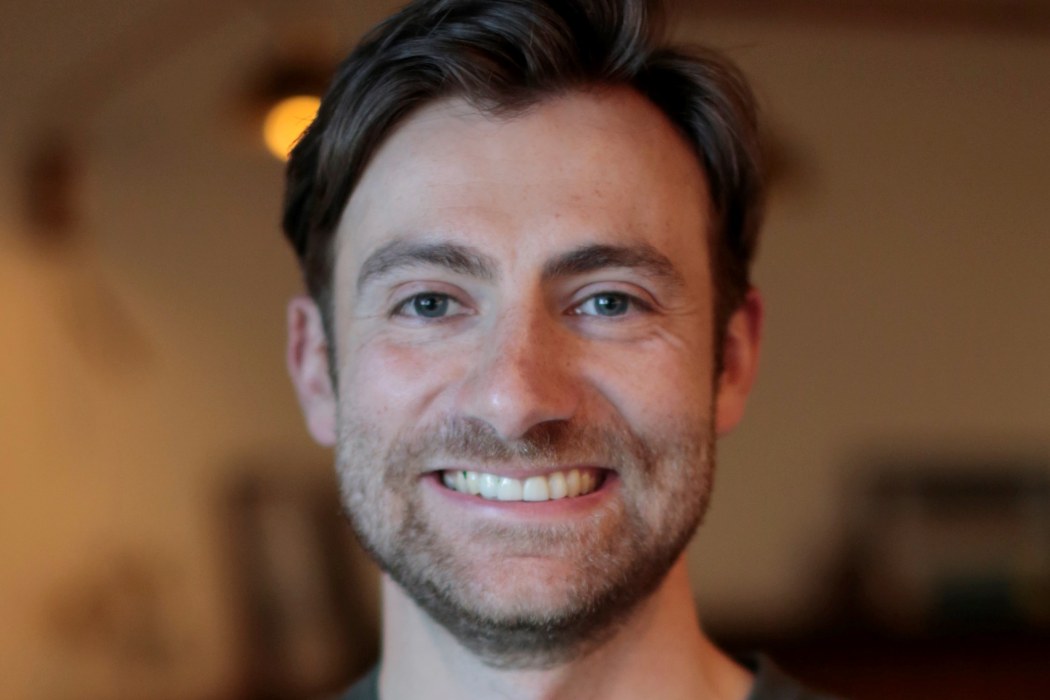
Stas Sokolin is the co-founder and CEO of Amae Health, a specialty integrated-care company for people with severe mental illness. A former impact investor at the Chan Zuckerberg Initiative with earlier stints at Google X and the American Medical Association's Health2047, he started his career as an investment banking analyst at BNP Paribas before setting out to rebuild how the hardest cases in behavioral health are treated - using in-person clinics, multidisciplinary teams, and a data platform built on Palantir. In November 2025 Amae raised a $25 million Series B led by Altos Ventures, pushing its total funding past $50 million.
Dan Woods
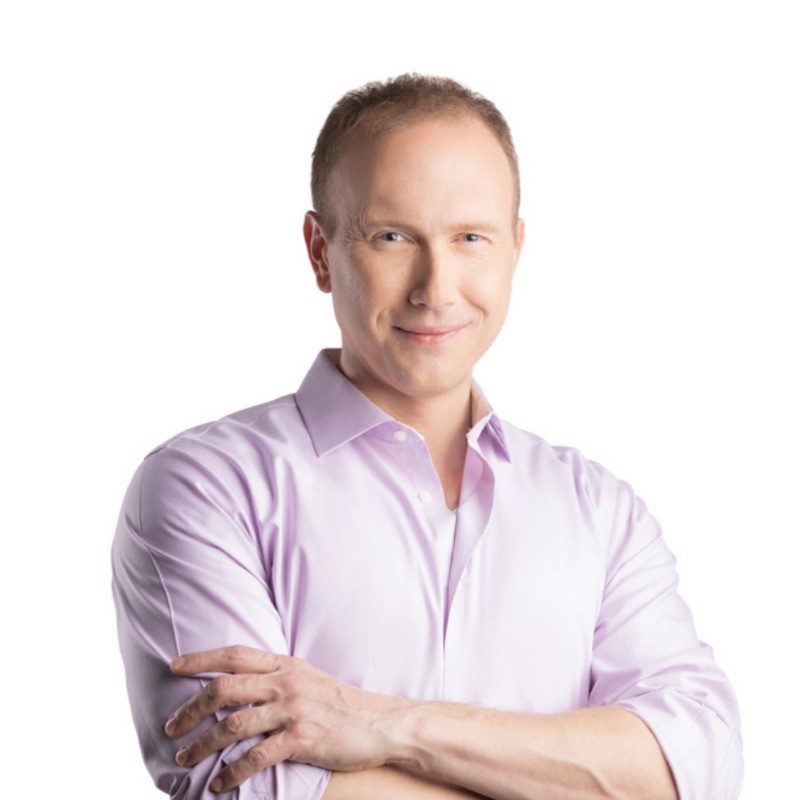
Dan Woods is the Founder and CEO of Socotra, the AI-native cloud-native insurance core platform he built from scratch starting in 2014. A Stanford AI researcher and former Palantir engineer (employee #20), he left the data-intelligence world to fix insurance technology - an industry he describes as 'a decade behind banking.' Under his leadership, Socotra has raised $87M+ in total funding including a $50M Series C led by Insight Partners, and powers carriers and insurtech MGAs who can now launch insurance products in weeks instead of years.
James Ding
James Ding is the co-founder and CEO of Draftwise, a New York-based legal AI company building contract drafting, review, and negotiation software for elite law firms. A former engineering lead at Palantir with a computer science degree from Emory University, Ding started Draftwise in 2020 after interviewing about 100 lawyers and concluding that repetitive contract work was ripe for automation. The company went through Y Combinator, raised a $5M seed in 2023 and a $20M Series A led by Index Ventures in 2024, and now serves clients among the world's top-tier law firms from offices in New York and London.
Palantir Technologies
Palantir Technologies builds software platforms that integrate large, messy data sets and put them to work for decision-making. Founded in 2003 in the shadow of PayPal's fraud-detection work, the company sells four flagship products - Gotham, Foundry, Apollo, and the Artificial Intelligence Platform (AIP) - to governments, defense and intelligence agencies, and commercial enterprises in finance, healthcare, energy, and manufacturing. Led by co-founder and CEO Alex Karp, Palantir has grown from a controversial government contractor into a fast-growing public company riding demand for operational AI.
Alvaro Morales
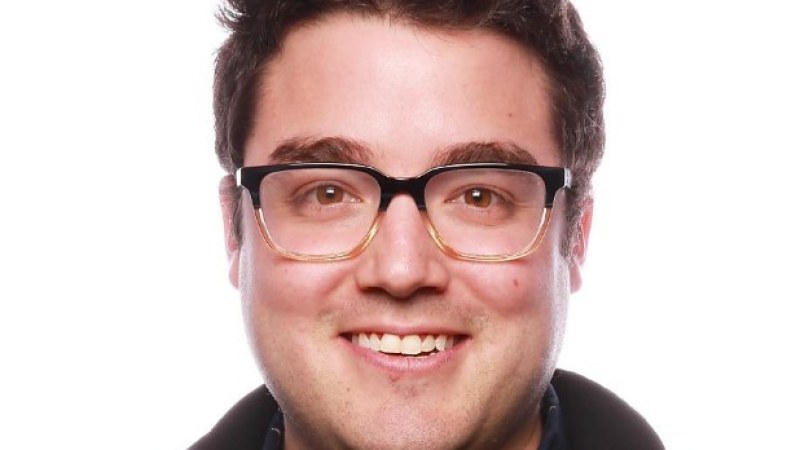
Alvaro Morales is the co-founder and CEO of Orb, the flexible billing engine behind companies like Vercel, Perplexity and Replit. Raised in Lima, Peru and trained as a computer scientist at MIT, he built products at Yahoo, Palantir and spent five years as an engineering leader at Asana, where he watched pricing changes that should have taken minutes drag on for months. In 2021 he and CTO Kshitij Grover founded Orb to let companies ship pricing as fast as they ship product. In June 2026, payments giant Adyen agreed to acquire Orb for $335 million.
Milo Krastev
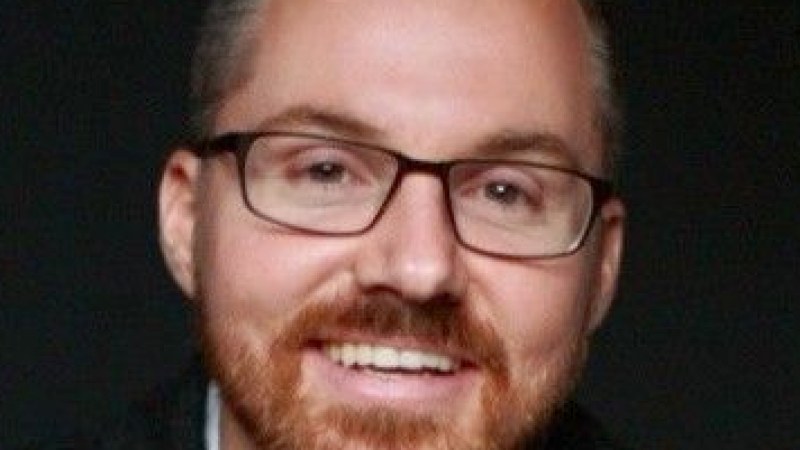
Milo Krastev is the co-founder of Foodsmart (formerly Zipongo), the San Francisco company that turned nutrition into a covered health benefit for more than three million Americans. He spent a decade as the company's CFO and Head of Growth before handing off the finance chair in 2025 to run strategy and business development full time. Before Foodsmart he moved through the rooms where big money gets allocated - investment banking at Bank of America Merrill Lynch, activist investing at ValueAct Capital, and financial strategy at Palantir - then bet the whole resume on the idea that food, not just pills, belongs on a prescription pad.

Jan-Felix Schneider
Jan-Felix Schneider is the co-founder and CEO of Arlo, a New York health insurance company rebuilding coverage for small and mid-sized businesses from the ground up. A former Palantir deployment strategist and McKinsey consultant who grew up in Germany, he pairs a Columbia data science background with a plain conviction that people should not go broke while insured. Under his lead, Arlo underwrites its own level-funded plans, supports members directly, and builds its own technology - scaling to tens of thousands of covered lives and hundreds of employer groups, reaching profitability, and raising a $4M seed in 2025.

Jarren Reid
Jarren Reid is the 21-year-old CEO and co-founder of Usul, a Y Combinator (S24) startup building an AI platform that helps companies find, pursue, and win government contracts. Usul monitors roughly $8 trillion in annual government spending across 60+ nations, matching companies to opportunities in defense, IT, energy, and healthcare. Reid worked for defense contractors including Palantir and MITRE while still young, dropped out of Stanford to build Usul after seeing how broken the acquisition process was, and has become one of the youngest CEOs working with the U.S. government today.
Kris Sandor
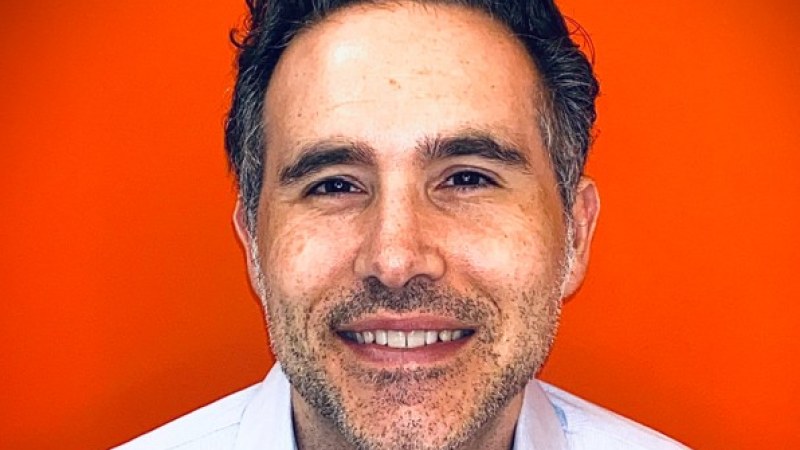
Kris Sandor is the co-founder and CEO of Readyly, an agentic AI platform automating customer support and public services for governments and enterprises. A former U.S. Navy nuclear submarine officer turned McKinsey consultant, Palantir business lead, and CEO of Citi Bike (acquired by Lyft in 2018), he now builds AI agents that replace decision-tree chatbots across voice, chat, and email.

August Chen
August Chen is the co-founder and CEO of Hazel, a Y Combinator-backed startup building AI-native procurement software for U.S. federal, state, and local government. A Harvard mechanical engineering and computer science graduate who built wildfire-prevention software at Palantir, Chen now aims his company at the $2.7 trillion public procurement market, helping overworked civil servants draft compliant solicitations in five minutes instead of five months. Hazel counts customers from K-12 school districts to the U.S. Navy and, in 2025, signed the City of Dallas as the first major Texas city to adopt AI for procurement.

Gleb Chuvpilo
Gleb Chuvpilo is an American serial entrepreneur, engineer, and venture investor who is co-founder and CEO of Thor Dynamics, the maker of Laser Armor, an AI-driven directed-energy system built to detect, track, and burn drone swarms out of the sky within seconds from a kilometer away. A graduate of MIT's Computer Science and Artificial Intelligence Lab and the Wharton School, he was an early Palantir engineer, traded quant strategies at Lehman Brothers and Goldman Sachs, invested alongside Peter Thiel at Thiel Macro, and co-founded startups including Authy (Y Combinator 2012, acquired by Twilio), Ride, and Pager. He also runs deep-tech VC firm Thundermark Capital and is known in AI circles for his annual AI Research Rankings analyzing publication output at NeurIPS and ICML.

Hirsh Jain
Hirsh Jain is the co-founder and CEO of Percepta, a General Catalyst Transformation Company that embeds AI engineers, researchers, and product managers directly inside large enterprises to move them past pilots and into AI-native operations. He spent seven years at Palantir Technologies as a senior vice president leading its healthcare and civilian-government business, and previously worked at Google, Jane Street, and the U.S. Department of Defense. A Harvard computer-science and mathematics graduate and published machine-learning author, he launched Percepta in 2025 with General Catalyst CEO Hemant Taneja and a founding team drawn from Palantir, MIT, Meta FAIR, Google, and Citadel. Shortly after launch, Palantir sued him and other former employees, putting the New York startup at the center of one of the year's most-watched AI talent fights.
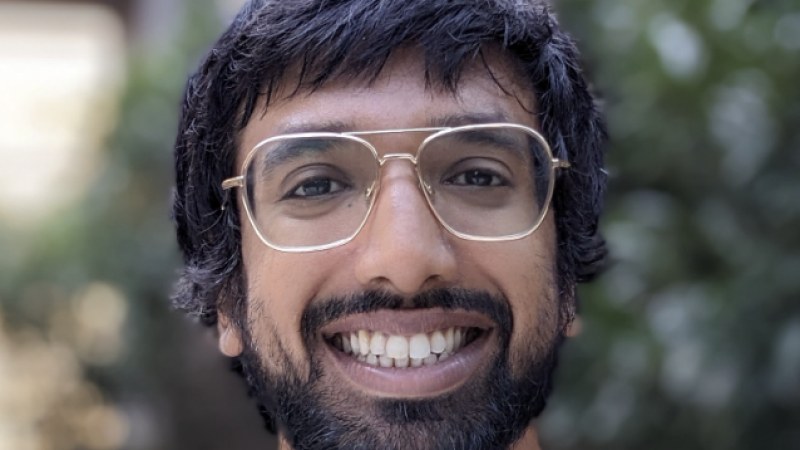
Ravin Thambapillai
Ravin Thambapillai is the co-founder and CEO of Credal.ai, a New York security-first platform that lets large, regulated enterprises deploy AI agents without leaking the data those agents touch. A philosophy-politics-economics graduate from Oxford who taught himself to code into a job at Google, he spent seven years at Palantir building AI systems for banks, life-sciences firms, and public-health institutions before starting Credal in 2022, months ahead of the ChatGPT wave. Backed by Y Combinator and a $4.8M seed led by Spark Capital, Credal serves customers like MongoDB, Wise, Checkr, and the US government, processing over a million LLM queries a month.
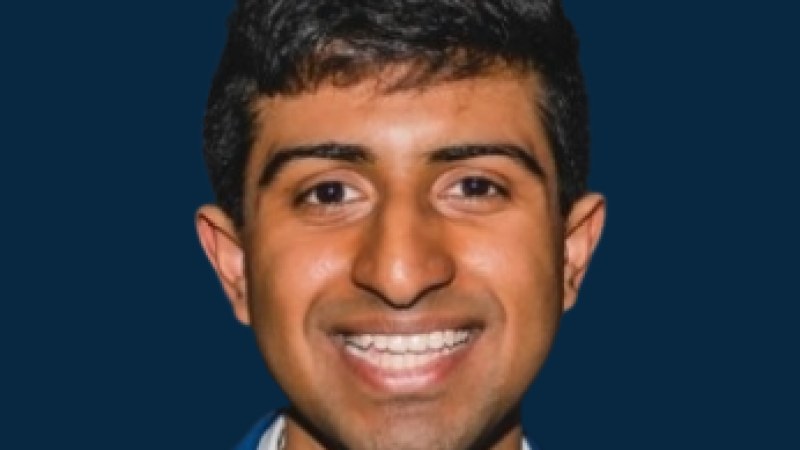
Sami Senapathy
Sami (Sahitya) Senapathy is the solo founder and CEO of Endeavor AI, a San Francisco startup applying generative AI agents to the back-office and front-office grind of American factories and distributors. He started coding as a kid, built a FEMA disaster-response app in sixth grade, worked at the Air Force Research Lab at 16, interned at AWS, and shipped Palantir's first commercialized generative AI product in 2023 before launching Endeavor from his University of Pennsylvania dorm room and raising a $7M seed led by Craft Ventures.
Simanta Gautam
Simanta Gautam is the co-founder and CEO of Alpen Labs, a startup building zero-knowledge infrastructure to make Bitcoin scalable, private, and programmable. An MIT-trained engineer who earlier founded the airport-security computer-vision company Synapse Technology (acquired by Palantir, where he became AI Lead), he now leads a team turning Bitcoin's intentionally limited base layer into rails for global money. The mission traces to a personal detail: founders with roots in Nepal, where roughly a quarter of GDP arrives as remittances, saw firsthand how much money is lost to middlemen.
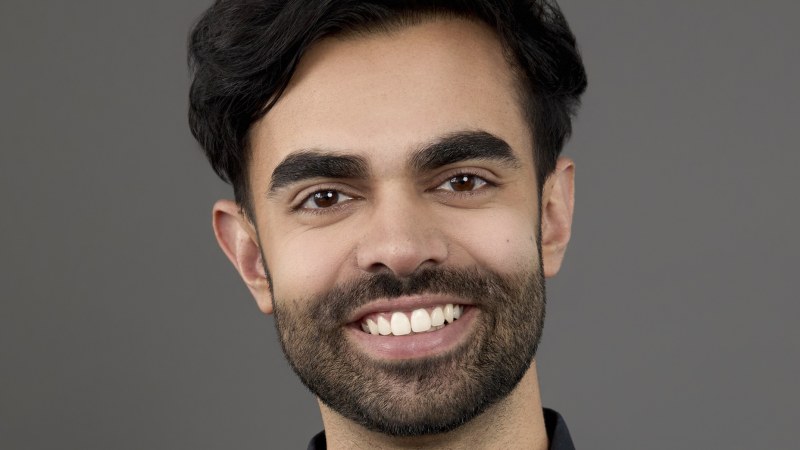
Alex Dhillon
Alex Dhillon is the founder and CEO of Outtake, a New York-based cybersecurity company building autonomous AI agents that detect, investigate, and remove digital threats like impersonation, phishing, and brand abuse in hours rather than weeks. A UC Berkeley triple major who spent nearly five years at Palantir on its experimental product team reporting to the CEO and CTO, Dhillon left in 2023 to bet that security needed a reset built around agents instead of alerts. Outtake has raised over $56 million across its rounds, counts OpenAI, AppLovin, Pershing Square, and federal agencies among its customers, and is backed by Iconiq, CRV, and angels including Satya Nadella, Nikesh Arora, Bill Ackman, and Shyam Sankar.
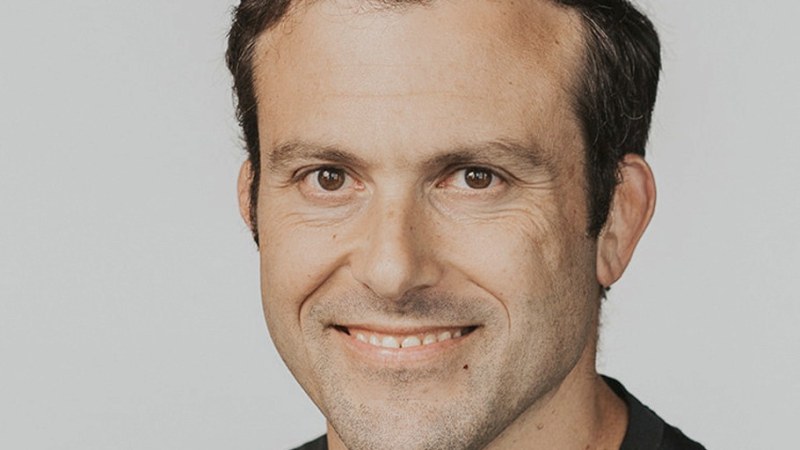
Andy Markoff
Andy Markoff is the co-founder and CEO of Smack Technologies, an El Segundo defense startup he calls the first frontier AI lab built for national security. A former Marine Raider who served as an operations officer during the Battle of Mosul and later worked on Palantir's strategy team, Markoff is building AI products - Omega for the command center and Alpha for the edge - aimed at compressing military planning from days into minutes. In March 2026 the company announced $32 million in combined Seed and Series A funding led by Geodesic Capital and Costanoa Ventures, behind a thesis Markoff sums up bluntly: 'Decision Dominance will be the deciding factor in preventing WWIII because it's the only goal achievable before 2027.'
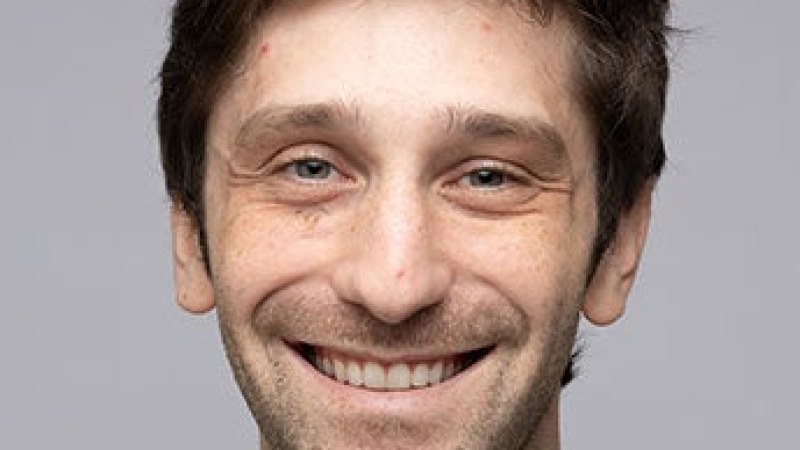
Cobi Blumenfeld-Gantz
Cobi Blumenfeld-Gantz is the CEO and co-founder of Chapter, an AI-powered Medicare navigation platform he started in 2020 after watching his own parents struggle to enroll. Built with co-founder Vivek Ramaswamy and early backing from J.D. Vance, Chapter crossed $100 million in annual recurring revenue and raised a $100 million Series E in April 2026 at a roughly $3 billion valuation. A former Palantir government-team lead with degrees from Wharton and Cambridge, he calls himself one of the most hated people in the Medicare brokerage business precisely because Chapter's advisors are paid to recommend the best plan rather than the most lucrative one.
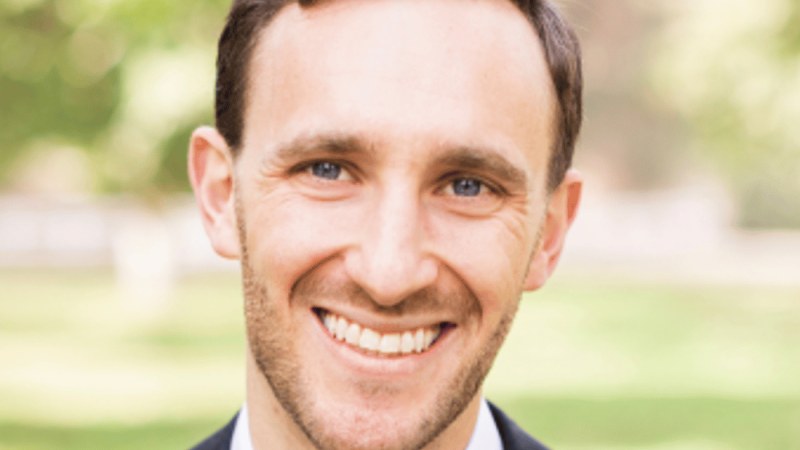
Daniel Bardenstein
Daniel Bardenstein is the CEO and co-founder of Manifest, a cybersecurity company building the platform that tells organizations what is actually inside their software and AI systems. He started Manifest in the wake of the Log4Shell crisis, when the world's biggest institutions discovered they could not answer a simple question: what code are we running? Before Manifest, he was chief of technology strategy at CISA, ran cybersecurity programs at the Pentagon's Defense Digital Service including Hack the Pentagon, co-led cyber protection for Operation Warp Speed's COVID-19 vaccine effort, and built products at Palantir and Exabeam. He treats software like an ingredients list the public has a right to read.
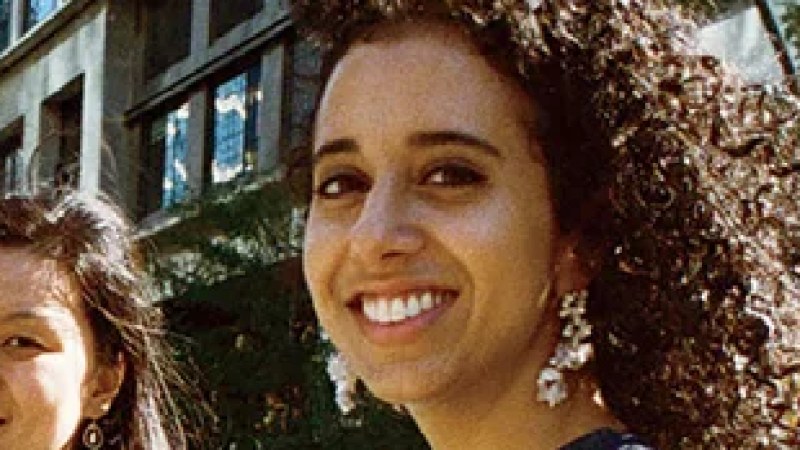
Shreya Murthy
Shreya Murthy is the cofounder and CEO of Partiful, the text-first party invitation app that became Gen Z's default way to gather. Launched in 2020 during pandemic lockdowns, the New York company has grown past millions of users, raised a $20M Series A led by Andreessen Horowitz, won Google's Best App of 2024, and landed Murthy on the 2025 TIME100 Next list. A Princeton politics grad and ex-Palantir operator, she left mission-fatigued tech jobs to build the social layer for offline life, betting that parties are not frivolous but infrastructure for community.

Will Kim
Will Kim is the co-founder and co-CEO of Karat Financial, the West Hollywood fintech that treats YouTubers, streamers and TikTokers as the businesses they actually are. After watching top creators with great credit scores get rejected for ordinary credit cards because banks called their income 'risky,' Kim and co-founder Eric Wei built a credit card, then a bank, underwritten on social-media metrics instead of W-2s. Karat has issued more than $1.5 billion in credit and advances, counts Alexandra Botez, Ludwig and Nick DiGiovanni on its roster, and raised a $70M Series B in 2023 backed by Union Square Ventures, SignalFire, Will Smith's Dreamers VC, Biz Stone and Steve Chen.
Alex Atallah
Alex Atallah is the CEO and co-founder of OpenRouter, the unified API and marketplace that routes developer requests across hundreds of large language models. He previously co-founded OpenSea, the NFT marketplace, where he was CTO before leaving in 2022 to build from zero to one again. A Stanford computer scientist and Palantir alum, he turned a side project that connected browsers to AI models into infrastructure now routing roughly 25 trillion tokens a week, and raised a $113M Series B in 2026.
Pratap Ranade
Pratap Ranade is the CEO and co-founder of Arena (Arena Physica), a New York startup building Atlas, an AI hardware engineer grounded in applied physics that helps semiconductor, aerospace, automotive, medical-device and defense companies design and test physical hardware. A Stanford and Columbia-trained physicist who left a PhD to join McKinsey, he previously co-founded Kimono Labs (acquired by Palantir) and led engineering and machine learning at Enigma. Arena raised a $30M Series B in April 2025 and counts AMD, Bausch & Lomb and Anduril among its partners.
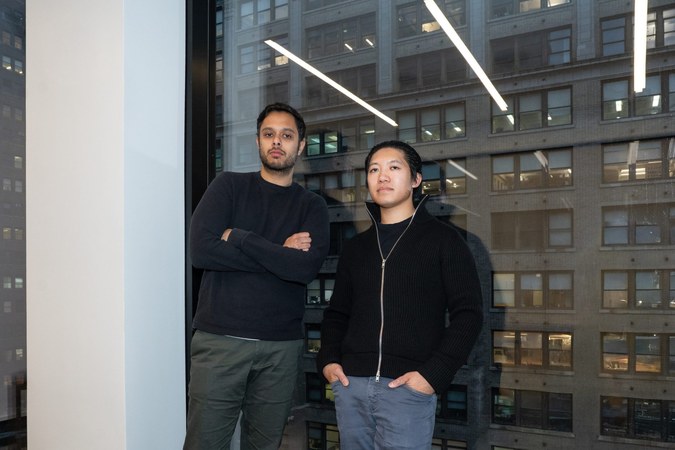
Anirban Gangopadhyay
Anirban Gangopadhyay is the co-founder and CTO of Angle Health, an AI-native health insurance platform serving small and mid-sized businesses across 44 U.S. states. A Columbia University computer scientist and former Palantir machine learning engineer, he previously served as a Stokes Scholar at the U.S. Department of Defense and co-founded Zircon Technologies - an AI-enabled clinical trial recruitment startup that was acquired - before building Angle Health through Y Combinator's W20 batch. Angle Health raised $134 million in a December 2025 Series B and has grown revenue 26x since its Series A, with a mission to redesign healthcare delivery through AI-first technology.

Eliot Hodges
Eliot Hodges is the CEO of Anduin Transactions, a Silicon Valley fintech company building critical infrastructure to modernize the $14 trillion private capital markets. A Harvard and Kellogg MBA graduate fluent in five languages, Hodges came up through Palantir, Blend, and Anchorage before being recruited by Palantir co-founder Joe Lonsdale to lead Anduin. Under his leadership, the platform has grown to serve 510+ funds and facilitate $55B+ in capital raises for 27,000+ investors globally.
Erez Cohen
Erez Cohen is the Co-Founder and Co-CEO of August Health, a San Francisco-based healthtech company building the modern EHR platform for senior living communities. A serial founder and former Apple engineering leader, Cohen sold his first company, Mapsense, to Apple for approximately $25-30 million in 2015. He founded August Health in 2020 after meeting physician co-founder Dr. Justin Schram at a San Francisco playground - both pushing their two-year-olds on the swings - and the company has since raised $44 million in total funding, with a $29 million Series B led by Base10 Partners in August 2025.
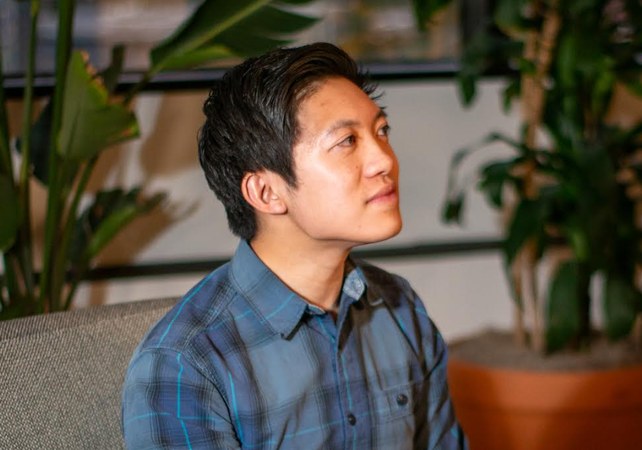
Tylon Wang
Tylon Wang (Ty Wang) is the Co-Founder and CEO of Angle Health, an AI-native health insurance platform that builds custom, full-service health plans for small and medium-sized businesses across 44 states. A former Palantir deployment strategist and Y Combinator alumnus, Wang founded Angle Health in 2019 after watching his immigrant parents navigate a healthcare system that wasn't built for people like them. Under his leadership, Angle Health has raised nearly $200 million in funding — including a $134 million Series B in December 2025 — and grown revenue 26x since its 2022 Series A, now serving more than 3,000 employers.
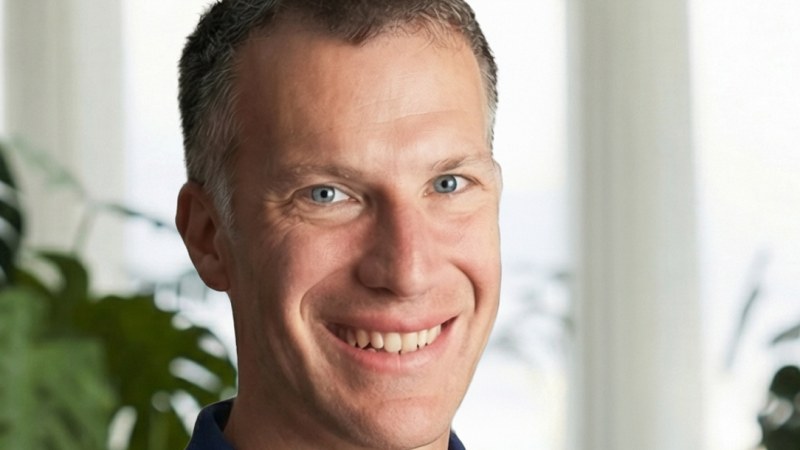
Eric Rosenblum
Eric Rosenblum is a General Partner at Xora Innovation, a Temasek-backed early-stage venture firm investing in AI infrastructure, applied AI, and deep tech. Based in Silicon Valley, he is the firm's first US-based GP, bridging Southeast Asian capital with American innovation. Before Xora, he built Foothill Ventures into a leading deep-tech seed fund and spent his career as an operator at Google, Palantir, and as founder/executive at two acquired startups. A Harvard and MIT Sloan graduate raised in Steubenville, Ohio, he brings a rare combination of big-tech product leadership, China market experience, and hands-on startup scaling to his role as investor.