voice-ai
(333)
Varun Vummadi and the year the idea kept changing
He turned down a Stanford PhD offer to build with his college friend. Finding something worth building took longer: a tutor, a model business, and a year of uncomfortable revisions before Giga found its way into customer support.
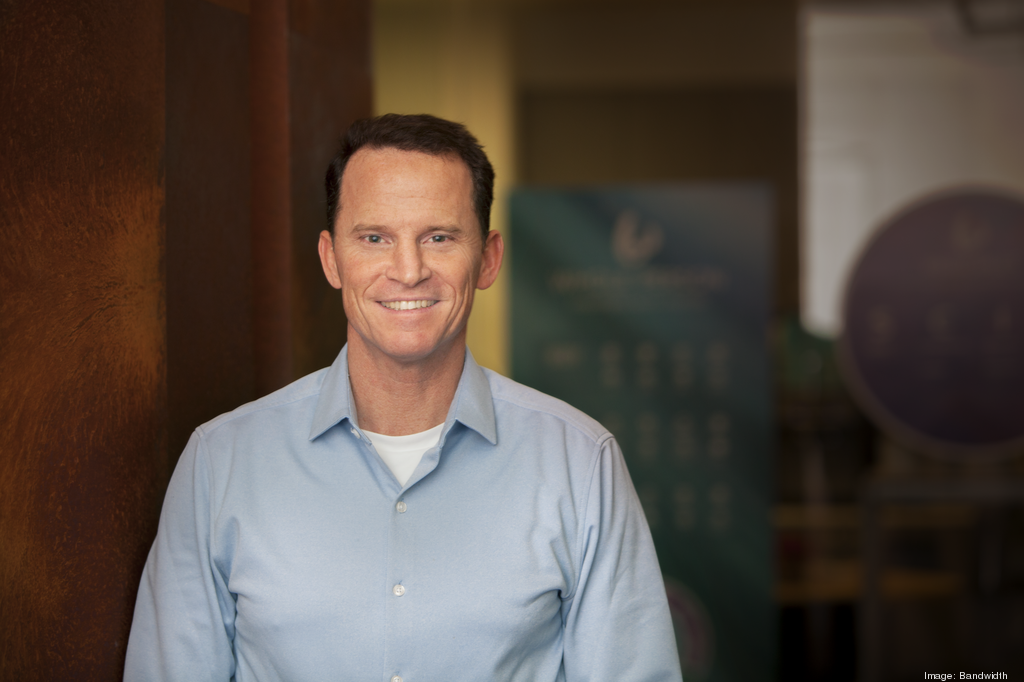
David Morken and the value of a missed call
He built a business around keeping people connected, then made going unreachable a company rule. For Bandwidth cofounder David Morken, knowing when to answer has always been part of the job.
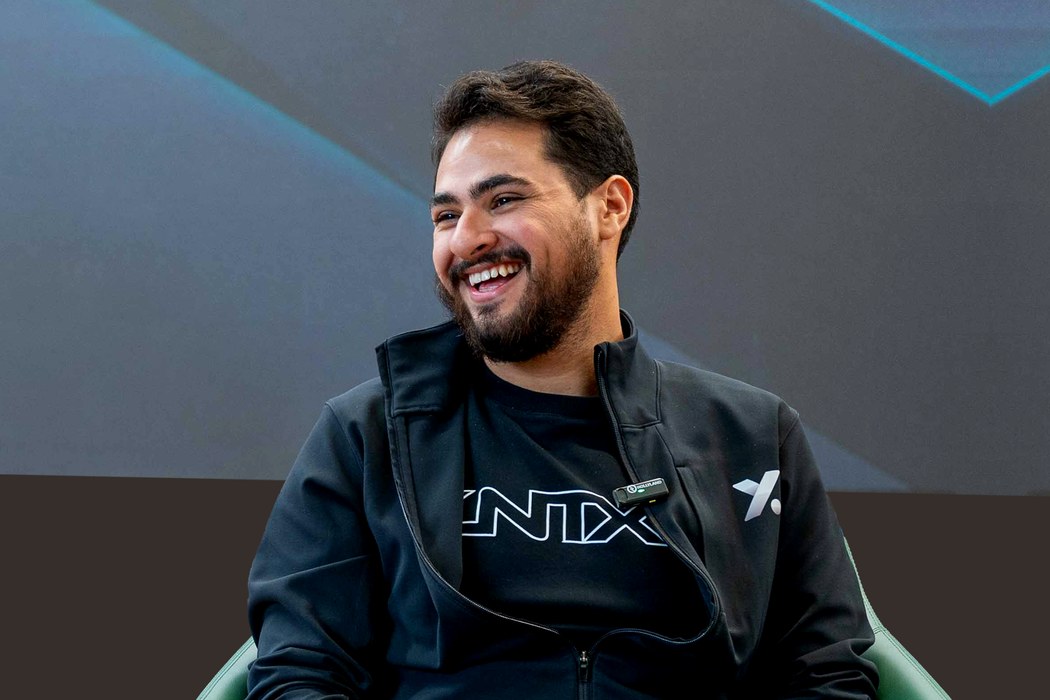
Mohammad Abu Sheikh and the Art of Being Understood
Before CNTXT AI, Mohammad Abu Sheikh built places to exchange ideas and tools to make Arabic knowledge easier to reach. His next bet is that AI will travel further when it learns to listen locally.
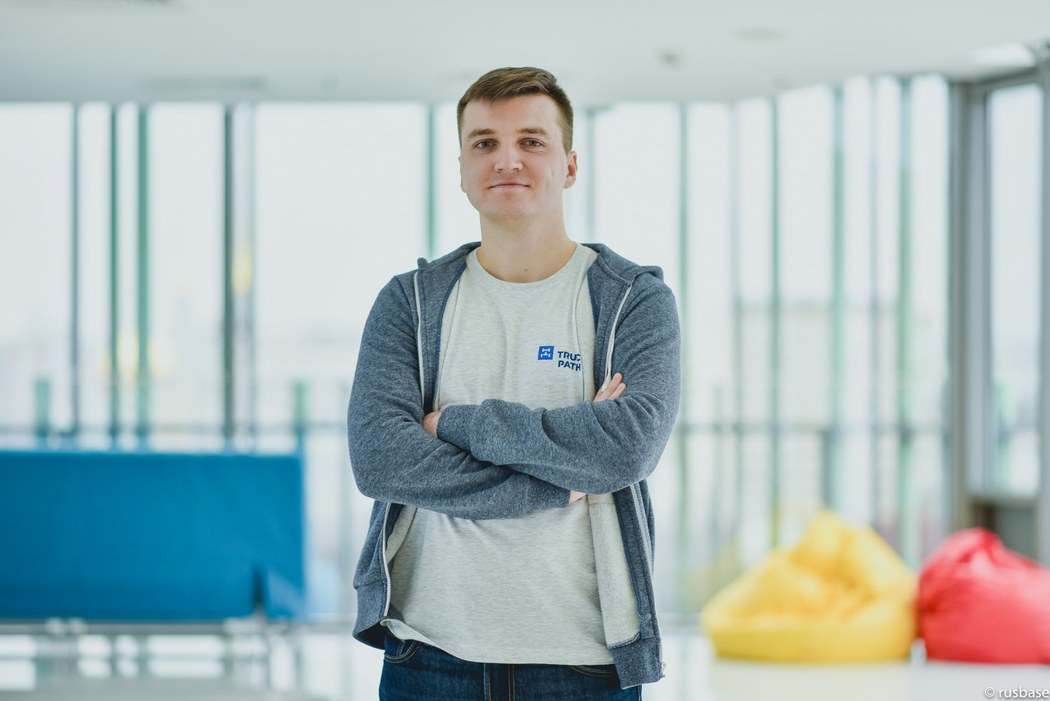
Ivan Tsybaev and the trouble with an empty parking space
Trucker Path’s founding CEO helped drivers find somewhere to stop. After a complicated sale and an education startup, he is back in freight, working on the conversations that keep it moving.

Shannon Wu Wants the Computer to Let You Get On With Your Life
Before OpenHome, Shannon Wu helped bring decentralized identity and finance to market. Now she is building voice technology around a familiar conviction: people should have more say in how their tools work.

Wonders found the bottleneck. It was ringing.
The restaurant technology company, now called Tarro, built its business around a stubborn habit: people still call for takeout. Its answer combines human order takers, AI assistance, and a kitchen printer.
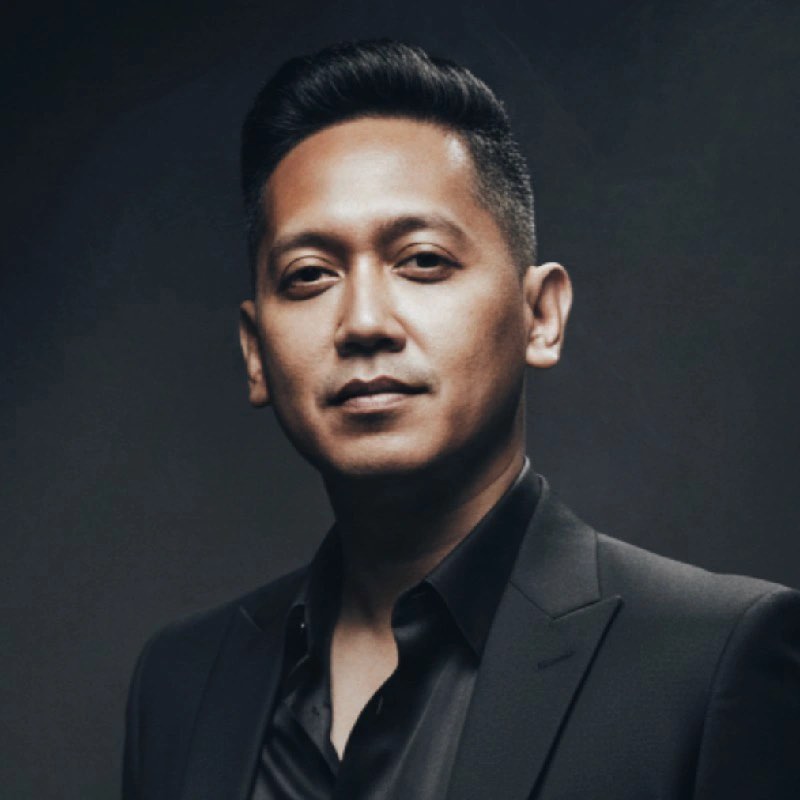
Ditto Anindita and the Customer Who Would Rather Chat
He made airline booking simpler. Customers kept asking questions anyway. Ditto Anindita built Botika around that stubborn preference, then followed the conversation from travel agents to railway stations and voice AI.

Neil Hammerton and the three-minute contact centre
A roomful of volunteers, a new phone number and a bottle of wine: the Natterbox co-founder made a business telephone system work in three minutes. His longer project is making the call easier for everyone else.
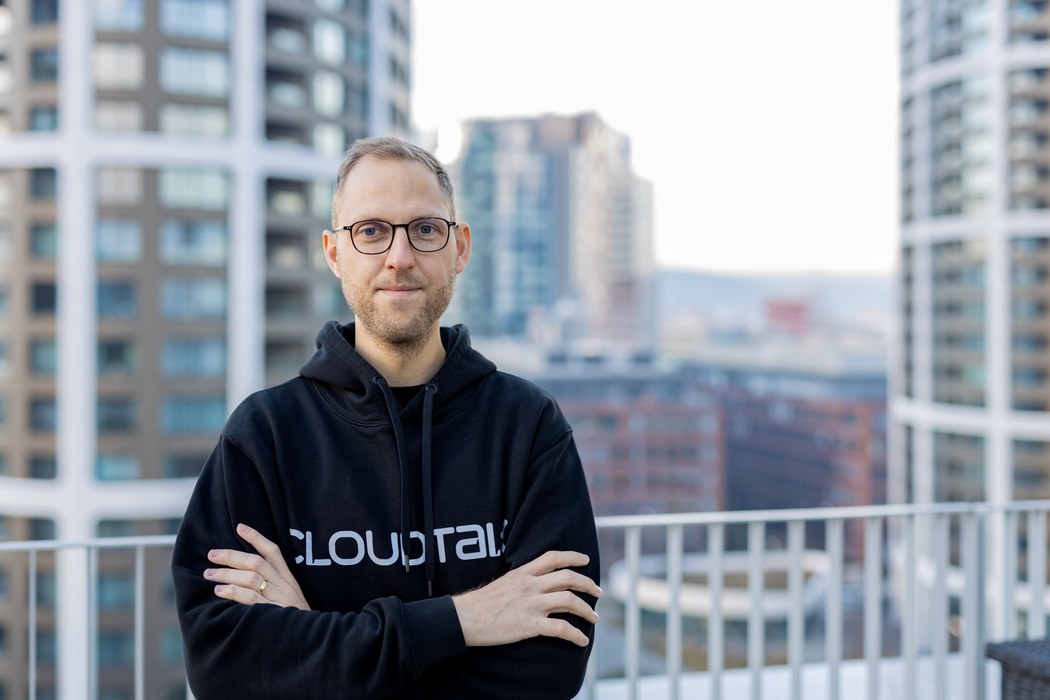
Martin Malych and the business of picking up
A customer asked for a simpler phone system. Martin Malych helped turn the request into CloudTalk - and has spent the years since learning how much work sits on either side of a conversation.
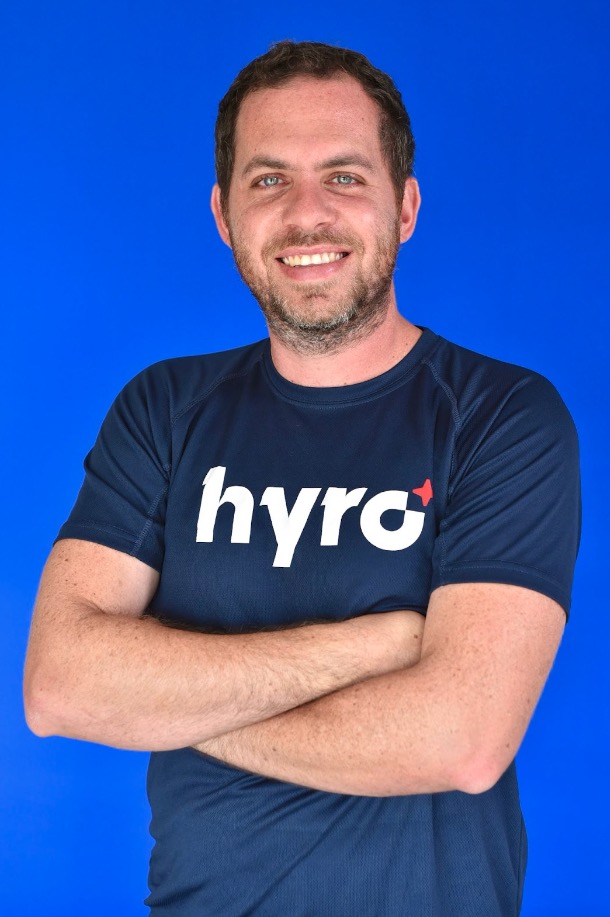
Israel Krush and the trouble with easy answers
A childhood bargain bought him time with Mario. A machine-learning elective introduced him to his co-founder. For Hyro’s Israel Krush, curiosity has a habit of becoming a job.

Grok has entered the office.
It began as a chatbot with a rebellious streak. Now Grok wants to write the code, answer the call, and find the money hiding in your software bill.

Tarro makes the phone worth answering
The dinner rush exposes a small restaurant’s weakest link: somebody has to pick up. Tarro puts trained people, assisted by AI, between the ringing phone and the kitchen.

Alianza gives the phone company a second act.
The company behind the carrier’s brand is moving phone networks into the cloud. Its next bet: keeping the phone number at the center of the AI conversation.

Szymon Niemczura and the art of letting go
He helped take Kontakt.io from Kraków to customers around the world. Along the way, Szymon Niemczura learned that building a company means giving other people room to build it too.

Braden Ream and the business hiding inside the bedtime story
Before Voiceflow built tools for AI agents, it made children’s stories for Alexa. Braden Ream’s education began when the stories attracted an audience and the tools attracted a business.

Chris Chuang Built a Button. His Customers Changed the Plan.
A father of four helped create a screen-free communicator for children. Then businesses started ordering it, sending the Relay co-founder toward hotel corridors, factory floors, and a different idea of what a radio could do.

RunBuggy takes the waiting out of moving cars
A car can cross the country on a truck. Getting its paperwork, people and payments to travel together is the harder problem. RunBuggy is building the software for that journey.
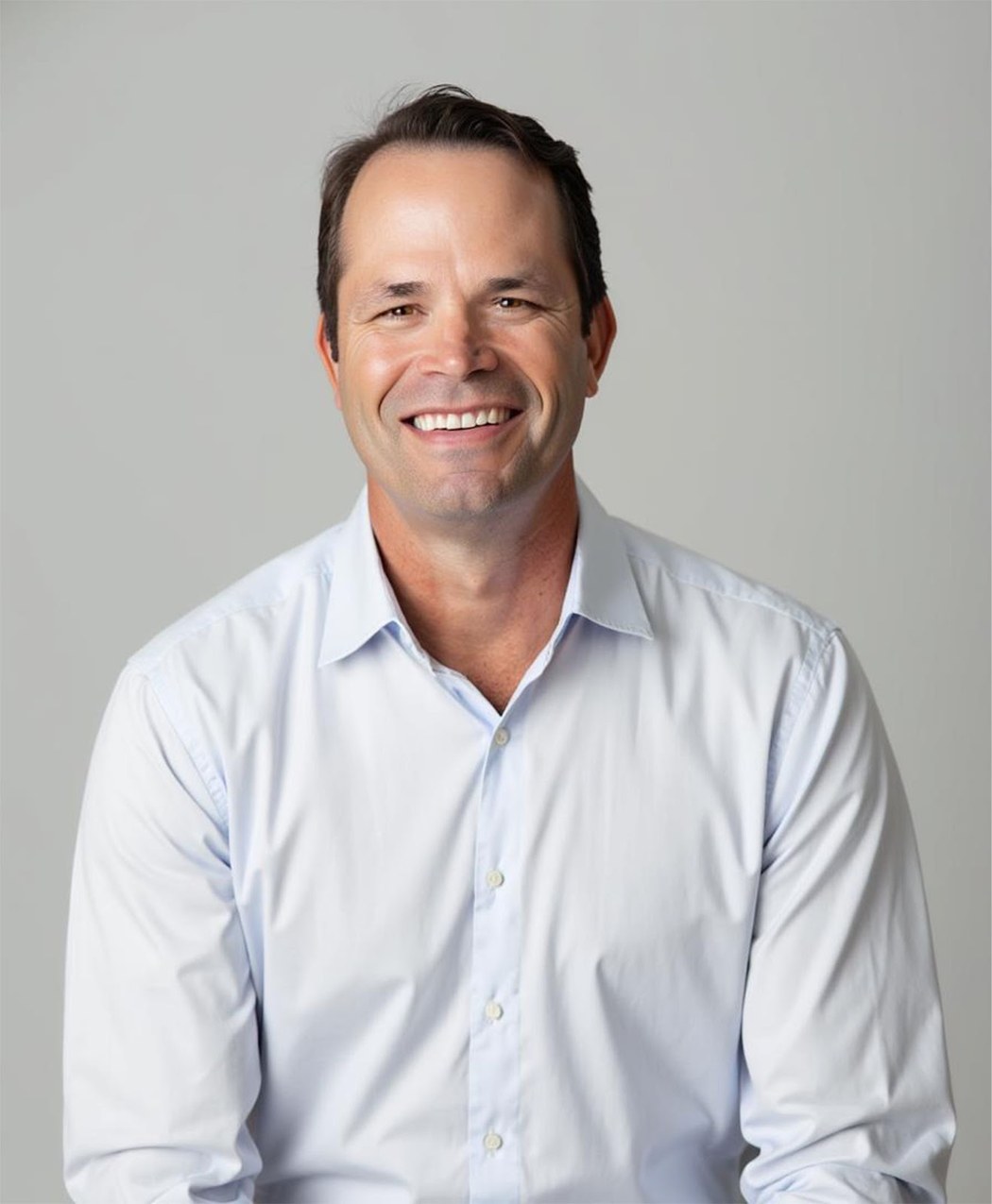
Craig Walker keeps answering the same call
He helped turn one Dialpad into Yahoo Voice and GrandCentral into Google Voice. With another Dialpad, Craig Walker is still working on a familiar irritation: why talking to a business takes so much work.

Jianfeng Lu and the art of being understood
He began WIZ.AI in Singapore with global ambitions. Getting there meant taking local speech seriously, then asking a less glamorous question: does the customer’s problem actually get solved?

Davit Baghdasaryan wanted his evenings back
A noisy call between Armenia and California gave Davit Baghdasaryan a problem worth solving. Krisp grew from that irritation; his work now reaches into venture capital, education, and the future of voice.
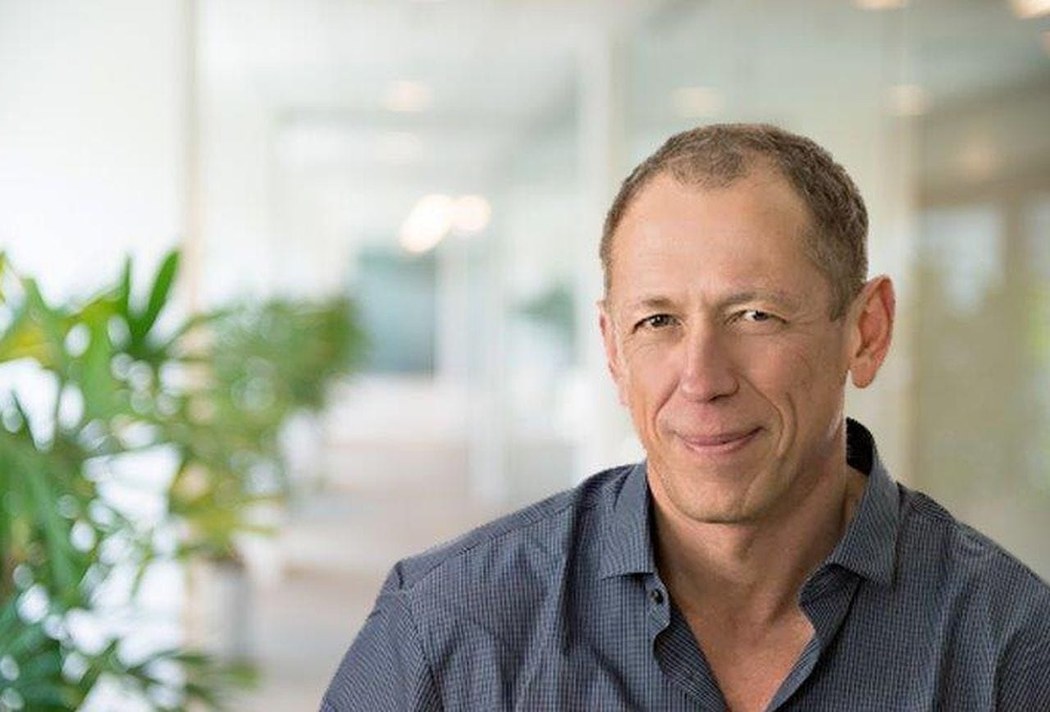
Vlad Shmunis and the art of being almost ready
A teenage immigrant learned to code, taught Windows one chapter ahead of his class, and built RingCentral around a monthly phone bill. His career turns on a surprisingly difficult judgment: when to ship, and when to wait.

Vladislav Chernyshov and the trouble with a perfect conversation
Before he built voice software, Vladislav Chernyshov tried to make construction more predictable. At Dasha, his attention has turned to the pauses, interruptions and awkward little exchanges that make conversation human.
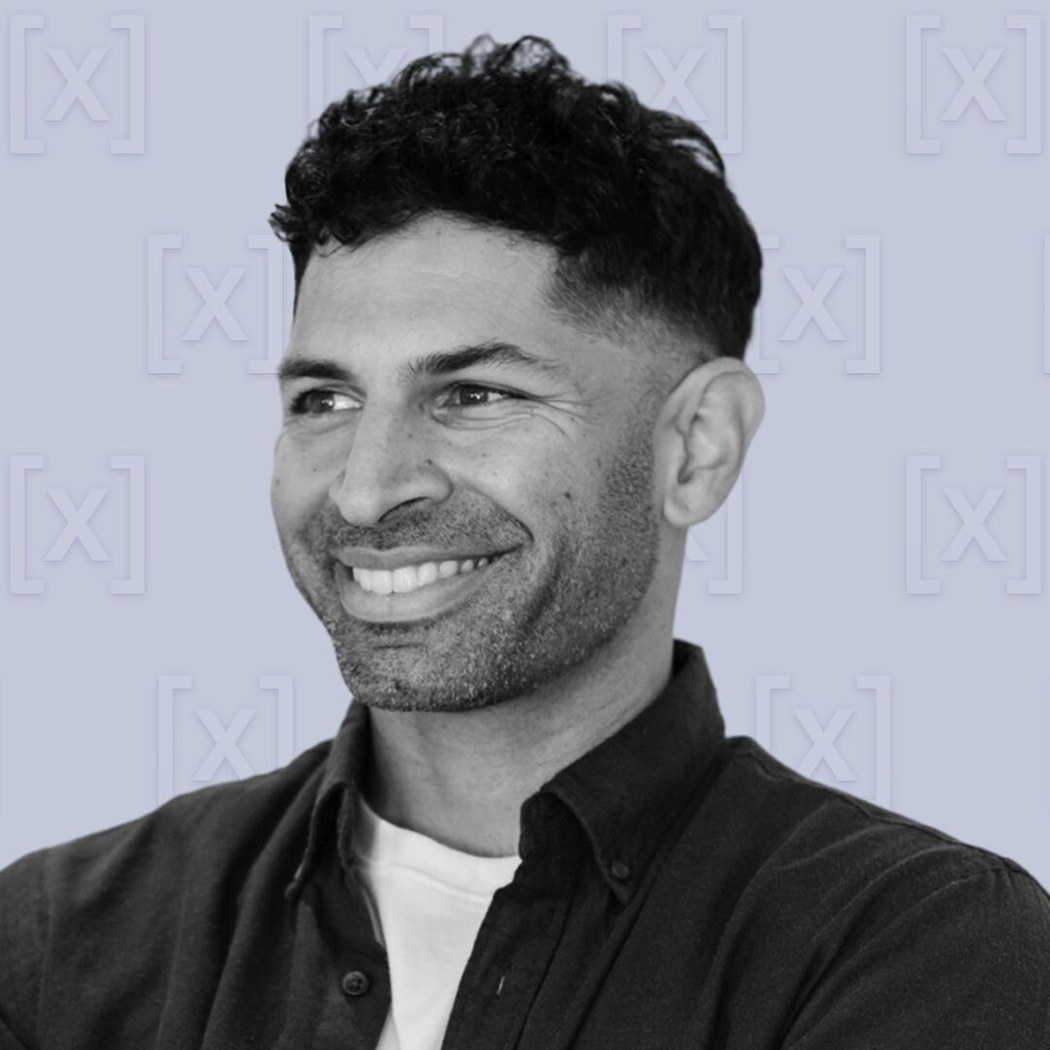
Russ d'Sa wanted to build an app. The plumbing had other plans.
A side project sent Russ d'Sa looking for better audio infrastructure. After years of building consumer products, the LiveKit co-founder found a business in the machinery that lets people - and now AI - talk to each other.

Bing Wu and the seven-second problem
Before Retell AI answered business calls, Bing Wu’s team built a dubbing tool that kept listeners waiting seven seconds. His voice-AI company took shape around a deceptively difficult question: when should a machine speak?
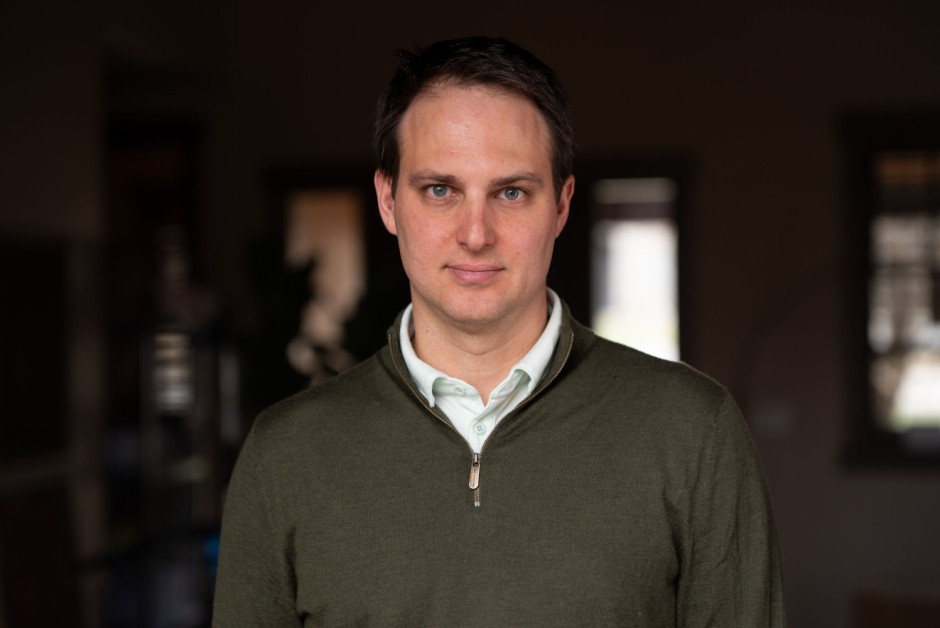
Alex Levin and the question a website couldn’t answer
At Handy and Angi, Alex Levin found that some customers needed a conversation before they could click “buy.” With Rebecca Greene, he built Regal around that unfinished exchange - and is now putting voice AI on the line.

Abdulrahman Jamjoom and the art of making the parts fit
From a drawing robot at Harvard to a debit card for neighborhood shops, Abdulrahman Jamjoom kept building things that had to work in the real world. At Arini, that habit now shapes how he builds AI with his longtime collaborator Rami Rustom.
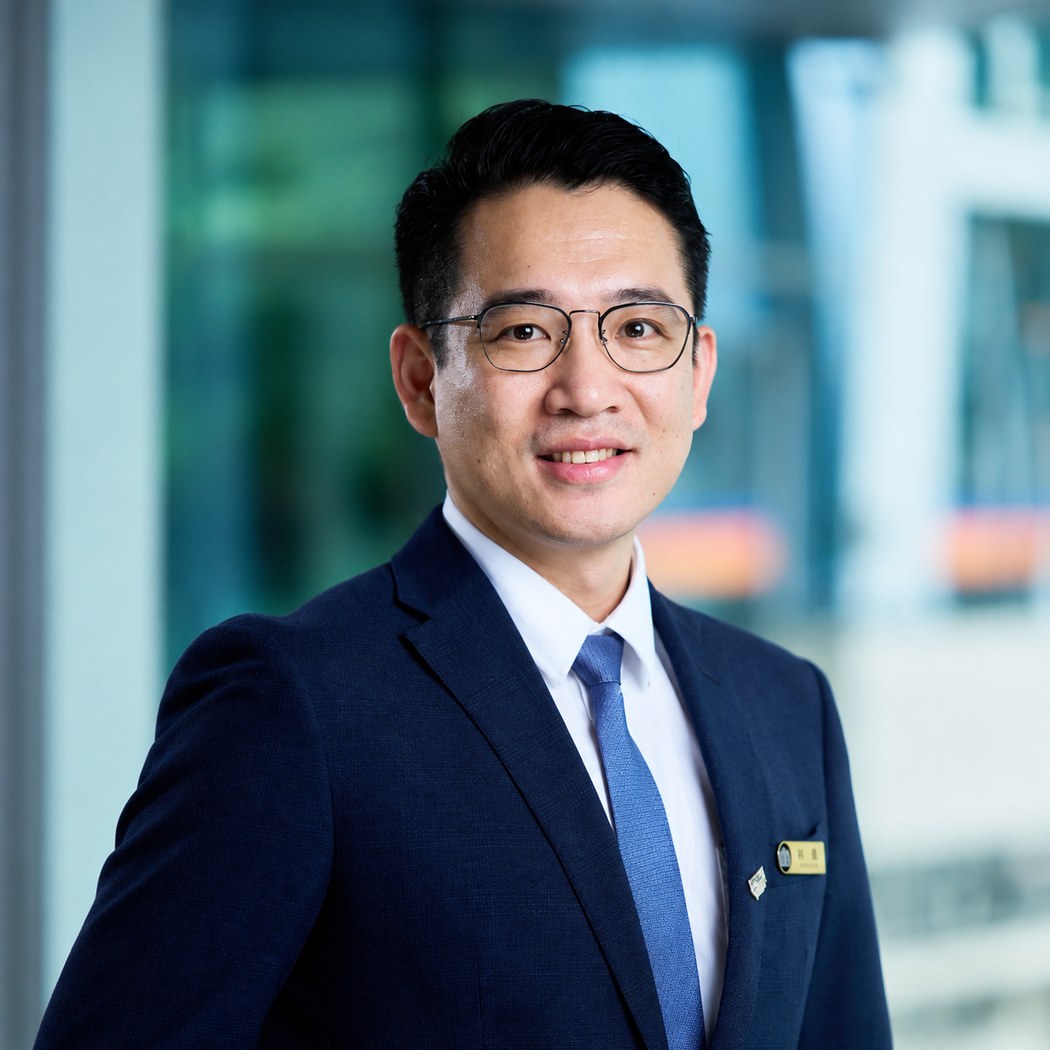
Teng Ren and the languages too big to ignore
Before AI Rudder, Teng Ren built the engine behind a smartphone keyboard. His next company took him to Indonesia, where the business of being understood became a lesson in building across borders.

Olivier Pailhes and the six-dollar finish line
At 9 p.m. on the last day of 2015, Aircall was six dollars short of its monthly revenue goal. Olivier Pailhes’s journey from steel factories to cloud telephony has been a long education in what numbers can measure - and what people have to do.

Dimitris Vassos and the long conversation that began with a clap
A childhood experiment with sound-controlled lights became a career in teaching machines to understand people. Omilia’s co-founder is still working on the same problem, from bank calls to drive-through orders.

Philipp Heltewig and the teddy bear that outgrew its stuffing
Philipp Heltewig wanted computers to talk like they did in science fiction. A talking-toy idea became Cognigy, a $955 million acquisition, and a new job making AI useful inside the everyday machinery of customer service.