A ringing telephone is an odd kind of restaurant asset. It announces a customer who wants to spend money, then demands that somebody stop doing something else. The cook needs a ticket. The person at the counter needs change. The caller wants to know whether dinner can arrive without mushrooms. Somewhere in that collision sits the business Wonders decided to build.
- Wonders now operates as Tarro, serving independent restaurants.
- Human agents use AI assistance to take phone orders.
- The service connects calls with kitchen tickets, delivery, and marketing.
Its proposition is unusually easy to picture: keep the restaurant’s number, route the call to an order taker, and send the result back to the kitchen. The customer gets a conversation. The cook gets something printable. For an owner who has spent the evening bouncing between both jobs, that arrangement has an appeal a software feature list cannot quite convey.
First, learn what the ringing interrupts
The company traces its instincts to the family restaurant. Its current origin story says Steve Lin began working there at fourteen, taking calls and making deliveries. In summer 2012, he told his parents he was leaving Harvard to pursue the business. Formal company profiles give 2015 as the founding year. The decision and the corporate date belong to different parts of the story.
Steve and co-founder Dennis Lin initially answered calls themselves and recorded orders in a spreadsheet, according to Tarro’s account. That beginning matters because it put them inside the task they wanted to sell. A menu is a collection of promises: ingredients, prices, substitutions, availability. Taking an order means turning those promises into instructions somebody else can execute.
The early lesson a reader can borrow is modest: do the repetitive work before automating its handoffs. A spreadsheet can expose what a sales presentation conceals. Which questions recur? Which changes cause mistakes? Which piece of information must reach the kitchen? Those are useful product questions even if your business never sells a dumpling.
A person answers. A ticket prints.
Wonders’ original Voice Platform describes a device that transfers calls while allowing the restaurant to retain its telephone number. An order taker sees the menu and restaurant details, speaks with the customer, and handles the order and payment. A ticket prints at the restaurant. The familiar endpoint is part of the design: the kitchen can keep working through tickets.
- 01Customer
calls - 02Agent
takes order - 03Kitchen
gets ticket - 04Pickup or
delivery
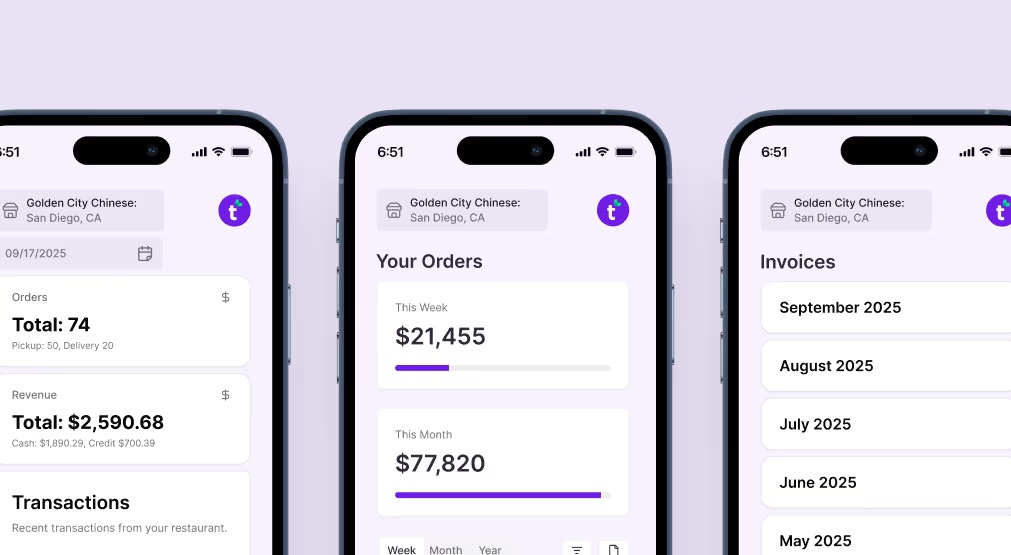
Today’s Tarro product pages explicitly describe real people assisted by AI. They also describe an app for reports, invoices, unavailable items, and delivery restrictions. The expertise is a mixture of telephone infrastructure, software, training, and restaurant operations. Calling the whole thing a voice bot would miss the human service customers are buying.
That distinction places Wonders between several alternatives. An owner can staff the phone internally, outsource calls, adopt voice automation, or direct more orders through delivery marketplaces. Wonders bundles work around the restaurant’s existing direct customer relationship. The tradeoff is operational dependence: agents need an accurate menu, prices, and current availability. Better call handling cannot rescue stale instructions.
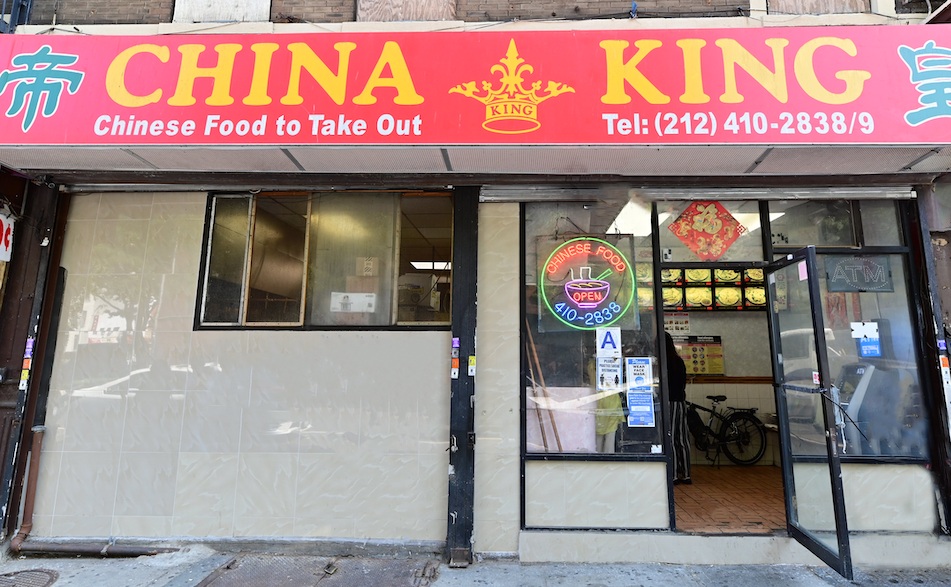
Wonders’ customer stories give the problem recognizable names and places: China Garden in Orange, New Jersey; No. 1 Kitchen in the Bronx; China King in New York. These are businesses with their own menus and returning customers. The service has to learn those local details while delivering a repeatable process. That combination makes training and updated restaurant information part of the product itself.
The next bottleneck was outside
Once an order is captured, another problem begins. In a September 2024 product-team interview, Tarro’s Nate Ren described the awkward cases delivery software must handle: a driver unwilling to visit a neighborhood, or a customer changing the address after the driver has departed. These are small exceptions with very large consequences for one cooling bag of food.
Tarro Delivery extends the phone-ordering workflow into dispatch and route management. Its product page advertises a radius of up to fifteen miles, while its FAQ currently says the service supports phone orders. That boundary matters to an owner assessing fit. A restaurant whose business arrives mainly through online checkout should examine the actual supported workflow before assuming everything connects.
“They answer our calls and take customer orders”
Winnie Ming, No. 1 Kitchen, Bronx
Company-published customer testimonial
Marketing completes a different circuit. Tarro manages SMS campaign planning, writing, and delivery to bring existing customers back. The older Wonders offering also includes telephone and in-person payments through Wonders Pay. Together, these services show the company’s preferred territory: the repeatable work surrounding a meal, from the next order’s arrival to its eventual handoff.
Ask what the saved minute is worth
The financial pitch needs restaurant-level arithmetic. Wonders describes fees based on processed sales; current Tarro pages offer customized packages and advertise no setup costs or contracts. Full-time and part-time options let the service cover different staffing patterns. The sensible comparison is the quoted charge against labor that can actually be reassigned, orders recovered, and mistakes avoided.
A published savings percentage is a starting hypothesis. Track missed calls before switching. Compare refunds and order corrections afterward. Look at total contribution after service fees and delivery expenses. If answering more calls simply pushes an already full kitchen past capacity, the bottleneck has moved. A quieter counter and a longer preparation queue can coexist.
Promotions deserve the same attention. Tarro’s marketing FAQ offers new full-time clients a one-year SMS trial, advertised as an $8,500 value. An introductory offer is useful, but an owner still needs to understand the continuing package. Put the service period, included work, and renewal price beside the order economics. A free first year does not tell you what a second year should be worth.
A bigger ambition, written into the name
Tarro stands for Technology All Restaurants Run On. The name was public by 2024; a February 2025 company article explained the expansion across ordering, delivery, marketing, and cuisines. Current pages claim more than 3,000 restaurant customers. Steve’s company biography says the first institutional funding arrived in 2022 at a $450 million valuation, a historical company-reported figure.
There is a useful discipline underneath that ambition. Follow a single order. Find the interruption. Make the handoff easier. Check whether the owner has gained time or money. Wonders began with a phone because the phone was where the work arrived. As Tarro adds services, that remains a good place to judge it: somebody is hungry, somebody is cooking, and the instructions have to get through.