human-in-the-loop
(68)
SuperAnnotate and the Art of Deciding What Counts
A tool born to trace the edge of a pixel now helps companies decide whether an AI answer is any good. The hard part was never drawing the line; it was agreeing where the line belonged.

Venkat Rangapuram and the Art of Making AI Leave the Laboratory
He turned a corporate carve-out into Centific, raised $60 million to take its AI data foundry worldwide, then handed over the chief executive's chair. His enduring argument is refreshingly earthbound: intelligent systems become useful only when data, context, and human judgment survive contact with reality.

The Last Mile of AI Has a Signature
Nexus FrontierTech spent a decade teaching machines to read the paperwork of finance. Its sharper insight was that the final product is not intelligence. It is an answer someone is willing to sign.
The Company That Hired the Missing Middle
BackOps found a lucrative place to put AI: the awkward stretch between spotting a supply-chain problem and actually fixing it. Its agents do not merely point at the fire - they gather the paperwork, cross the portals, ask for approval, and close the loop.

Pallet’s Five Rules for Letting AI Agents Take the Wheel
AI agents can move freight work faster, but autonomy without boundaries is just a faster way to make expensive mistakes. Pallet’s governance playbook shows how to give software real authority without giving up control.

Left Right Mind wants AI to check the fine print
From a $30,000 home-services app to NASA search tools, Left Right Mind has built a business around making information useful. Its next pitch: catching the gaps between what companies promise and what they actually do.

CommVersion Wants the Customers Your Ads Already Paid For
Its SmartChat service pairs AI targeting with human conversation to catch website visitors before they leave. The sales pitch: more qualified enquiries from the traffic you already bought.

DataEQ turns customer complaints into a better to-do list
The company formerly known as BrandsEye pays people to teach its AI what customers mean. For banks, insurers and service teams, the payoff is knowing which complaint needs action - and what keeps causing it.
Enate Wants to Make the Shared Inbox Obsolete
The British software company sits above the bots, agents, inboxes and spreadsheets that run global services - then tells each one what to do next. Its wager is that AI needs an air-traffic controller more than another clever pilot.

Rossum Taught the Machines to Read the Paperwork Nobody Could Kill
The Czech-born document-AI company made peace with the invoice, trained a specialist model to understand it, and sold the result to enterprises drowning in exceptions. Coupa’s 2026 acquisition turns that stubborn paperwork layer into part of a much larger spend-management machine.

StackAI Wants the Boring Work - and Knows When to Ask a Human
The enterprise agent builder turns documents, models, approvals, and business systems into visible workflows. It is built for the awkward stretch between a clever demo and software an audit committee might actually approve.
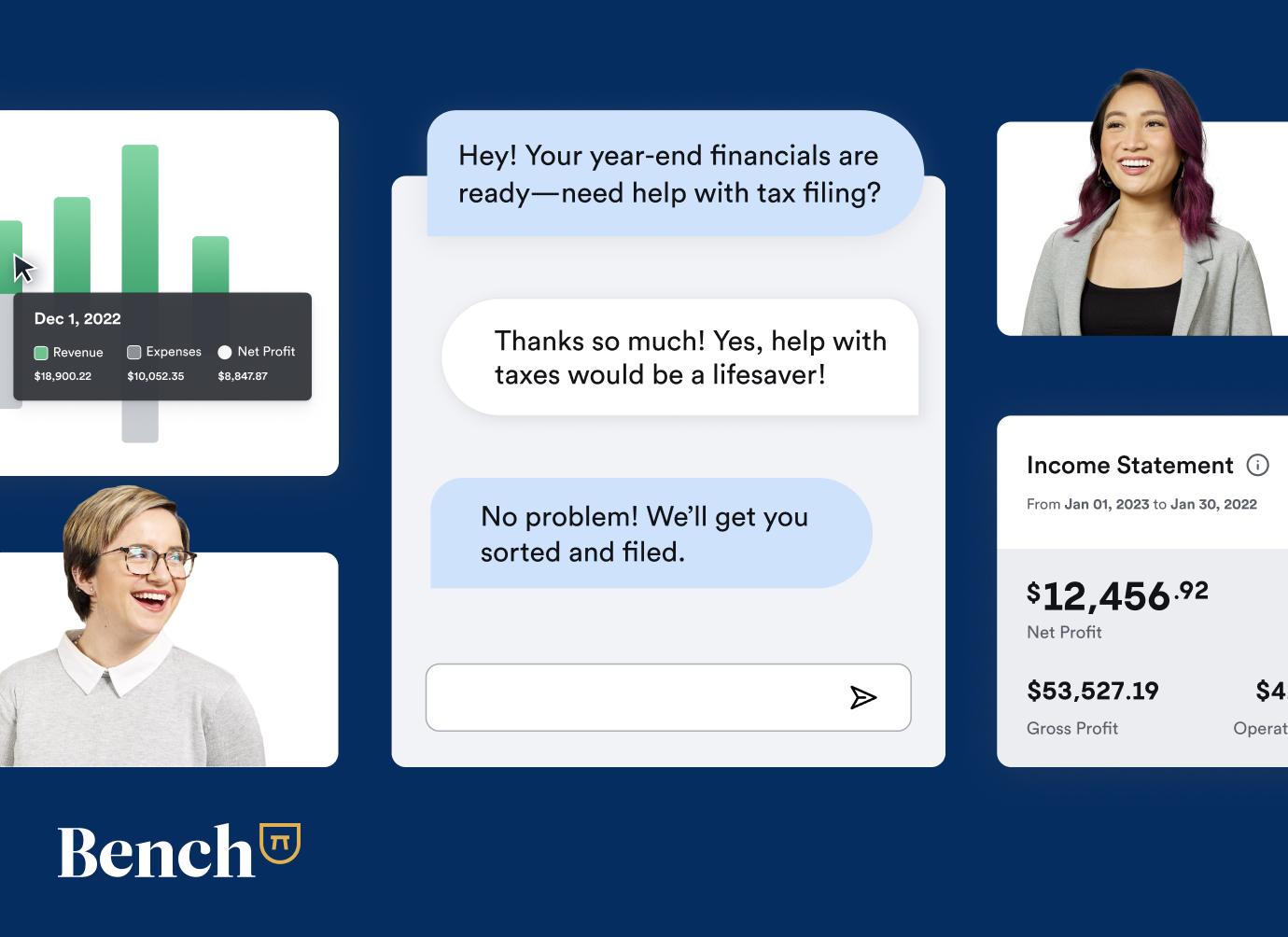
Bench Wants Your Books - and Your Trust
Bench offers something many owners want badly: clean books without a second job. After an abrupt shutdown and rapid relaunch, the service is useful again - but choosing it now means weighing convenience against control.
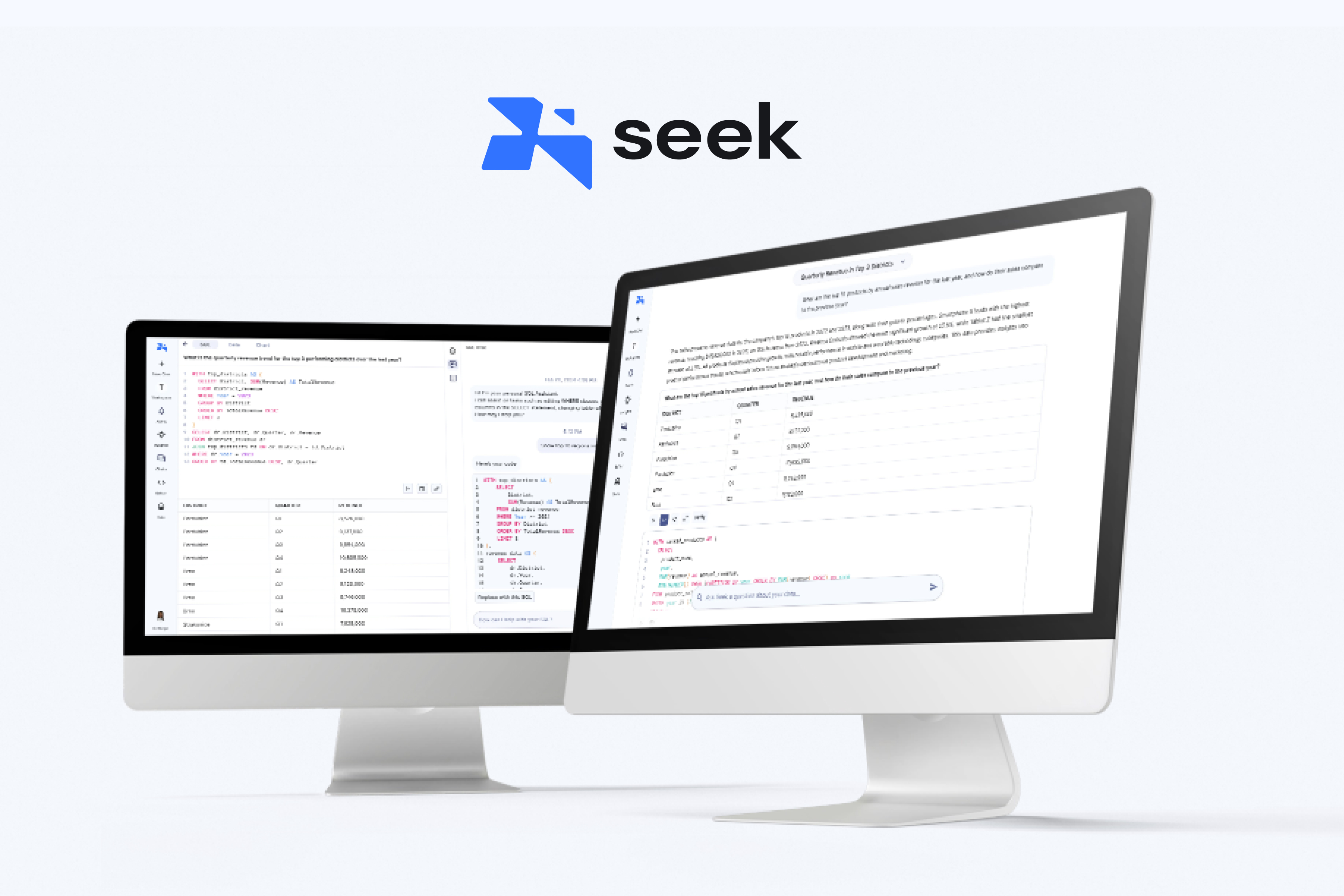
Seek AI Taught Databases to Answer Back
It gave curious colleagues a way around the analytics ticket queue, while keeping SQL and human review close at hand. Then IBM came calling.

Relay.app Built the Humane Automation Tool. Then It Pulled the Plug.
Relay.app made business automation feel less like plumbing and more like teamwork. Its shutdown leaves a useful product lesson - and a September 14 deadline for paying customers to export everything.

Invisible Lost $10,000 on Every Client. Then It Built the AI Assembly Line Enterprises Actually Buy
A failed executive-assistant service taught Invisible Technologies the lesson now haunting corporate AI: the model is rarely the whole problem. Its answer is a five-part platform that cleans the data, maps the work, recruits the experts, tests the model and puts agents into production.

Angela Heindl-Schober Is Selling the One Thing AI Can’t Automate: Judgment
After three decades marketing enterprise technology across borders, Synack’s CMO has arrived at a timely conviction: AI can accelerate the work, but people still have to own the result.

Konstantina Psoma Turned a Cathedral-Sized Headache Into Kaedim
A crashed laptop, a stubborn student project and six Y Combinator applications led from Athens to San Francisco. Her more useful lesson was simpler: when the AI fell short, put an artist in the loop.

Angela McNeal Is Building for AI’s Messy Middle
After a decade putting machine learning to work inside complex institutions, the Thread AI co-founder has a clear thesis: the clever model is only the beginning. The consequential work is making it useful, governed and dependable.

Michael Malyuk Is Building the Judgment Layer AI Forgot
The HumanSignal co-founder turned a shared frustration with bad training data into Label Studio. His next wager is that smarter AI will need better human judgment, not less of it.

The startup teaching AI to hire humans
A former DeepMind scientist and a SoftBank operator built voice AI that interviews people about what they are actually good at - then sells that expertise to hedge funds, AI labs and consultancies. Andreessen Horowitz just put in $22.75M.

Your Company Has Two AI Strategies. Velatir Raised €5 Million to Govern the One You Can't See
Employees adopted AI before management wrote the rules. The Danish startup is betting that a browser-level map, enforceable guardrails and a human yes-or-no can turn shadow AI from a security problem into usable infrastructure.

Tim Cherkasov
Tim Cherkasov is the co-founder and CEO of Trace (YC S25), an AI-native workflow orchestration platform that routes tasks between human teams and AI agents. A serial founder since age 17 with a fintech and data science background, he built and shut down the crypto-portfolio startup Clustr before pivoting into Trace, which topped the YC Launchpad leaderboard for the Summer 2025 cohort and raised a $3M seed round in early 2026.

Zakariea Sharfeddine
Zakariea Sharfeddine is the co-founder and CEO of InLoop Robotics (YC P26), a startup building AI-native warehouse fulfillment powered by robotic arms you hire by the month. A KIT-trained informatics engineer who did machine learning work at Bosch and BMW and reinforcement learning research at RoboTUM, he now leads a team deploying bimanual robots that pack, kit, and fulfill orders, with remote human operators stepping in on edge cases so the line never stops.

Avea Robotics
Avea Robotics builds Sentinel, ultra-low-latency software that lets a human operator step into a robot from anywhere in the world. When an autonomous robot gets stuck on an edge case, an operator teleoperates it back on track - keeping fleets running and capturing the intervention data that makes the next model better. Founded in 2026 by UIUC engineers Ary Indarapu and Vikram Vadrevu and backed by Y Combinator (P26), the company reports roughly $18K MRR and has helped deploy close to 30 robots.

Invofox
Invofox is an AI document-processing platform that turns invoices, receipts, payslips, and shipping papers into clean, structured JSON through a single API. Built for software companies rather than end users, it pairs high-accuracy OCR and machine-learning models with human-in-the-loop verification so fintechs, accounting platforms, lenders, and logistics operators can automate payments and bookkeeping without anyone re-typing a document. Founded by three Spanish mathematics and computer-science graduates, backed by Y Combinator (S22), and now processing tens of millions of documents a year.
LumiBot
LumiBot (YC W22) builds AI copilots for factories. Its current product uses a camera and computer vision to watch operators' hands during manual assembly, catching mistakes in real time before a defective unit moves down the line. Founded by Aswin Andrison and backed by Y Combinator, Monk's Hill Ventures, Alpha JWC and Goodwater Capital, the company grew out of earlier work automating repetitive back-office and procurement workflows for industrial and e-commerce operators.
Trace
Trace is a workflow orchestration platform that gives AI agents shared context about how a company actually works, then routes each task to whichever worker fits best - human or AI. Founded in 2025 by Tim Cherkasov and Artur Romanov and backed by Y Combinator's Summer 2025 batch, Trace connects to tools like Slack, Jira, and Notion, builds a knowledge graph of the organization, and turns plain-English process descriptions into visual workflows with AI-automated steps and human approval gates. It raised $3M in seed funding and was the most upvoted startup in the YC S25 cohort.
Alaffia Health
Alaffia Health is a New York-based healthtech company that uses agentic AI paired with expert clinicians to help health insurers detect and stop waste, fraud, and abuse in medical claims. Its Autodor platform forensically reviews complete patient medical records against submitted claims to power payment integrity, utilization management, and appeals workflows - reviewing complex facility claims up to 20x faster than manual processes while keeping humans in the loop for defensible, explainable outcomes.

Autonomize AI
Autonomize AI is an Austin-based healthcare technology company building an AI-native platform - the 'Autonomize Intelligence Platform' - that embeds governed, agentic AI directly into clinical and operational workflows for health plans, providers, and life sciences organizations. Founded in 2022 by Ganesh Padmanabhan and Kris Nair, the company turns mountains of unstructured healthcare data into structured intelligence, deploying pre-built AI agents and copilots for tasks like utilization review, prior authorization, care management, and clinical chart review. It says its systems save roughly 36,000 clinical hours per month across Fortune 100 healthcare customers, and it raised a $28 million Series A in June 2025 led by Valtruis, The Cigna Group Ventures, and Tau Ventures.

RapidCanvas
RapidCanvas is an Austin-based enterprise AI company that helps businesses move from concept to production-ready AI solutions in weeks rather than months. Founded in 2021 by veterans of Simility (acquired by PayPal), it pairs a proprietary agentic AI platform with human experts through what it calls the Hybrid Approach - AI agents automate data preparation, modeling and workflow execution while human specialists handle strategy and governance. The company targets non-technical business users across manufacturing, financial services, retail, energy and logistics, and has raised over $23.5M including a $16M Series A led by Peak XV Partners.