restaurant-technology
(80)
Avi Goren and the Restaurant That Begins Before the Door
He learned restaurant discovery from a neon sign, garlic knots and the Yellow Pages. Now the Marqii co-founder is trying to make thousands of restaurants legible to search engines, review sites and AI without misplacing the human welcome.

Flapjack thinks your side dishes deserve a better address
The San Francisco menu-design company charges $299 a month to rethink what diners notice. Its most revealing work starts with the dishes already in the kitchen.

EatClub wants to sell the hour before dinner
An empty table has a sell-by time. EatClub turns that awkward fact into dining deals - and its bet on invisible discounts has become a business spanning Australia and Britain.

Vita Mojo Built a Restaurant. The Software Ate the Business.
The London foodtech company began with personalised lunches and no cashiers. Then restaurant operators made the founders an offer they could not ignore: forget the bowls, sell us the operating system.

Katie Fairchild Runs Marketing by the Numbers - and Keeps Finding Another Gear
The first CMO of Buyers Edge Platform has spent nearly two decades turning complicated software into useful stories. Her résumé has an unexpected metronome: a mathematics master’s, four faster marathons, and a habit of making growth measurable.

Kevin Bryla Wants Restaurant Tech to Know When to Leave the Table
The SpotOn marketing chief has spent three decades selling complex systems. His clearest idea is disarmingly simple: let technology handle the friction so restaurants can get back to hospitality.

Wyatt Ozmore Left Wall Street to Give Main Street a Marketing Department
After learning to price risk in finance and growth in software, Owner.com’s CMO is applying both disciplines to a stubborn problem: helping independent restaurants compete with chains that can outspend them.

Qu Is Rebuilding the Restaurant Stack Around the Moment the Wi-Fi Dies
The restaurant-tech company won enterprise chains by treating downtime, menu sprawl and disconnected orders as one systems problem. Now it is turning that plumbing into an AI and payments business.
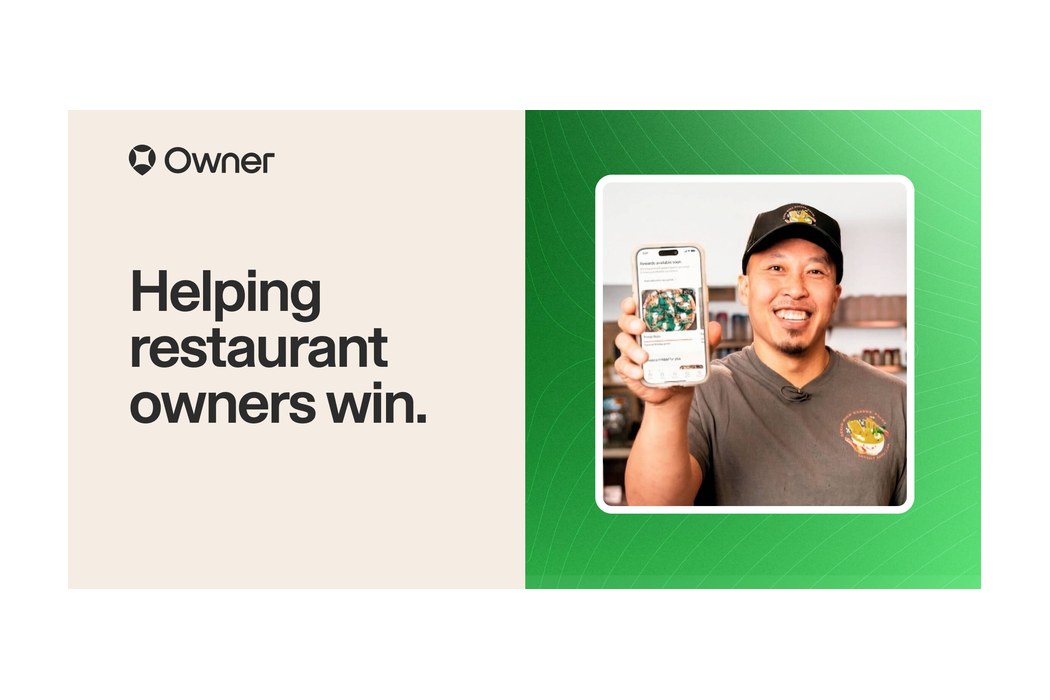
Owner.com Lost Every Dollar of Revenue. Then It Built the Digital Front Door for 10,000 Restaurants
The pandemic erased Owner.com's original business. Six years later, its tightly controlled restaurant stack has crossed $100 million in recurring revenue - by asking operators to trade customization for conversion.

Jenifer Kern Is Teaching Restaurant Tech to Think Beyond the Register
The four-time CMO turned a pandemic-era microphone into an industry listening post. Now her argument is simple: restaurants do not need more shiny systems - they need connected data, sharper focus, and a little more empathy.

SpotOn Spent $415 Million Going Wide. Its Restaurant Reset Is the More Interesting Bet
The payments unicorn tried to own everything from neighborhood dining rooms to NFL concessions. Then it sold the stadium business, kept the useful code, and returned to a harder, cleaner question: can one system give independent restaurants their margin and customer relationships back?

The $100 Billion Back Office: How Buyers Edge Turned Coffee-Stained Invoices Into Restaurant Leverage
Restaurants came for the rebates. Buyers Edge built its advantage from the mess underneath them: invoices, product codes and purchasing signals that the rest of the industry struggled to read.

Hannah Kelly Is Turning the Reservation Into a Relationship
At Resy, Hannah Kelly is making a case that the smallest rectangle on your phone can lead to something much larger: discovery, loyalty, and a table people remember.

Hope Neiman Knows the Kiosk Is Never Just a Kiosk
Across four decades of consumer technology, Hope Neiman has kept asking one useful question: what does the customer experience when the strategy meets the screen?

Tillster Bet the Restaurant Would Become Software. Now It Quietly Runs 180 Million Orders a Year.
The Los Angeles company spent two decades turning the humble order screen into a commerce engine. Its real trick is less visible: making kiosks, apps, loyalty, delivery and aging restaurant systems behave like one machine.
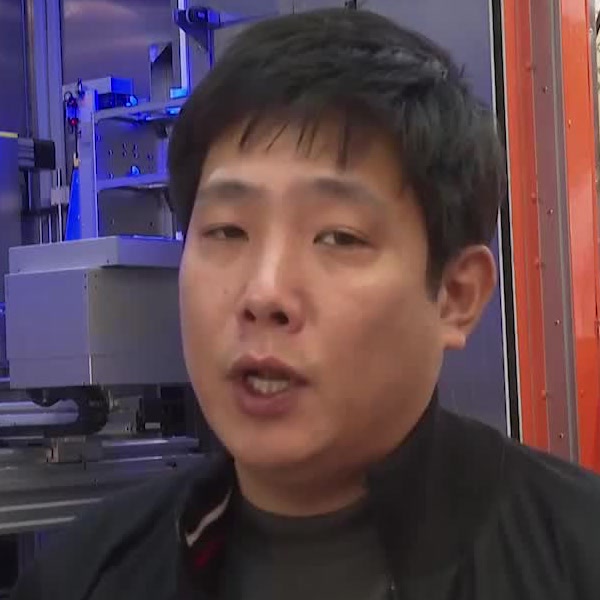
Kish Shin Is Teaching a Kitchen to Arrive Right on Time
His robotic food truck cooks Korean barbecue while it moves. The more revealing idea is quieter: technology earns its place in a kitchen only when the meal arrives hot, consistent, and worth eating again.

Adit Chhabra Wants the Camera You Already Own to Start Taking Notes
The Wobot AI co-founder spent years studying how work gets measured. His answer is disarmingly practical: keep the cameras, teach the software what matters, and turn hours of ignored footage into a useful prompt.
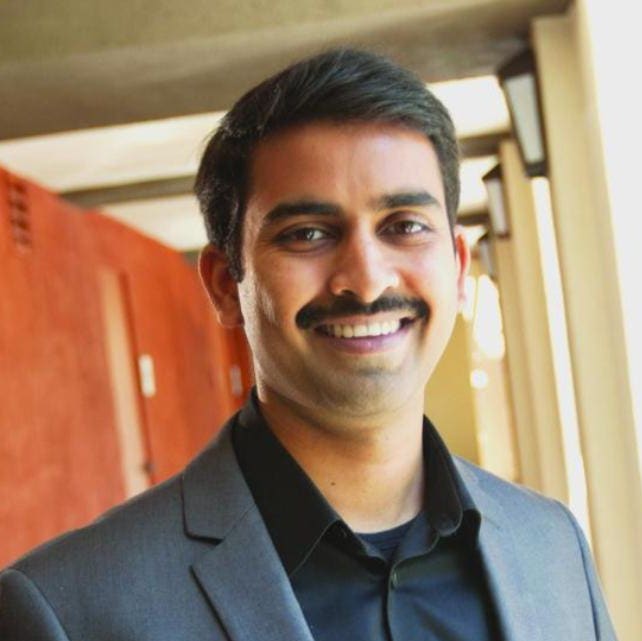
Sriram Subramanian Spent Four Years Finding the Business Hidden Between the Apps
The LinkToAny founder left a comfortable PayPal career, followed a stubborn problem through four years of experiments, and built a company around the expensive gaps between business software.

Andy Chen Is Building the Operating System Behind Your Dinner
The former banker and MIT entrepreneur found his arena in the least theatrical corner of a restaurant: the machinery that makes dinner run on time.

Bruce Bennett Has Spent Nearly Four Decades Making the Cash Register Disappear
Long before “mobile commerce” became a category, Bruce Bennett was building the plumbing behind it. His career is a study in patient reinvention - from digital services and fishing e-commerce to software that slips modern payments into stubborn old systems.

Michael DiBenedetto Put the Delivery Apps on One Menu
A late-night takeout argument gave Michael DiBenedetto a durable idea: make delivery services compete before dinner gets cold. FoodBoss became his experiment in price transparency, patient aggregation, and the underrated craft of removing one small annoyance.

Brice Gumpel Found a Business in the Empty Chairs
A college food account taught Brice Gumpel what restaurant owners fear after the dinner rush. He turned the empty table into a product, then had to reinvent that product when every dining room closed.
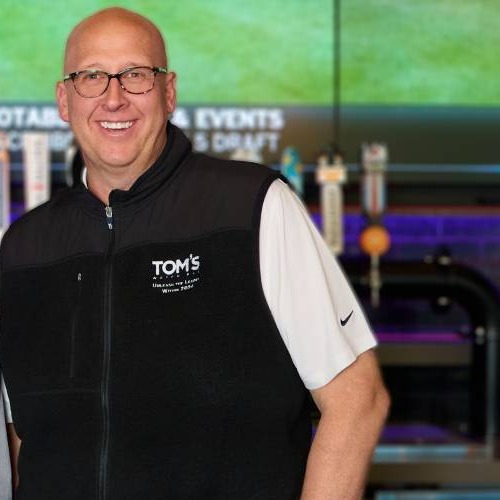
Shannon McNiel Is Building a Sports Bar for the $200,000 Friday
At Tom's Watch Bar, a quiet Wednesday can become a six-figure Friday. Shannon McNiel's answer is part forecasting, part choreography, and a stubborn belief that people come before concrete.

Justin Holmes Learned to Build Systems Where Shifts Get Messy
Before Justin Holmes sold restaurant operators on better scheduling, he had already lived the problem - at tables, in gyms, and inside a fast-growing ecommerce company. His career is a study in turning coordination headaches into systems people can actually use.

Pizza Pizza Turned One Bad Digital Stat Into a 750-Store Feedback Machine
Canada’s orange pizza chain discovered that one in three digital-delivery customers had a problem. Its response - simplify the order, test in public and turn every menu launch into measurable theatre - is a playbook operators can actually copy.
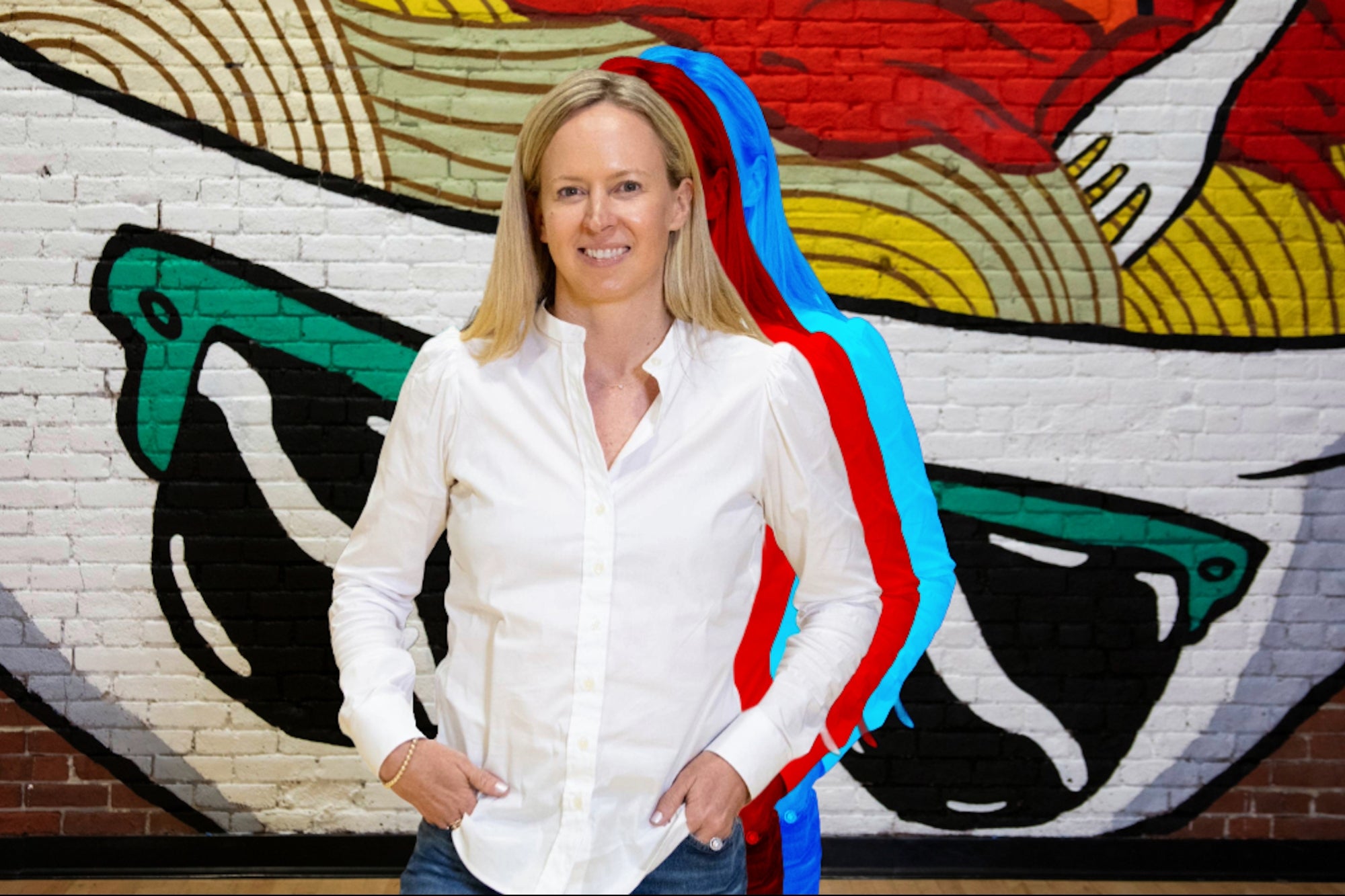
Kelly Esten Keeps Toast Close to the Table
A sales-floor education, a four-and-a-half-year detour through Europe, and years beside restaurant operators shaped an executive who treats marketing and operations as two views of the same customer.
Brian Hassan Found a Fintech Company Inside the Tip Jar
An armored truck outside a San Francisco restaurant exposed a stubborn payment problem. Brian Hassan and his longtime co-founder turned that small contradiction into Kickfin - software built to move restaurant tips as quickly as the dinner check.

The Marketer Who Sells the Trucks, Not the Cereal Box
She markets a company with no cereal box on the shelf - just 30,000 people, a fleet of trucks, and a promise to show up. Here is how a music major became the voice of a $39 billion foodservice giant.

The $2.5 Billion Business Behind the Moment a Restaurant Oven Goes Dark
Parts Town turned the unglamorous emergency of a broken fryer, refrigerator or rooftop unit into a high-tech distribution machine. Now it is connecting the part, the repair and the data around both.

Slim Chickens Built a 300-Store Flock on One Surprisingly Sticky Idea: Choice
The Fayetteville chain turned garage-tested tenders, 14 sauces and table-side hospitality into a mostly franchised global business. Its next test is harder: preserving that sense of choice and care while opening in more formats, markets and countries.