restaurant-technology
(39)
Avi Goren and the Restaurant That Begins Before the Door
He learned restaurant discovery from a neon sign, garlic knots and the Yellow Pages. Now the Marqii co-founder is trying to make thousands of restaurants legible to search engines, review sites and AI without misplacing the human welcome.
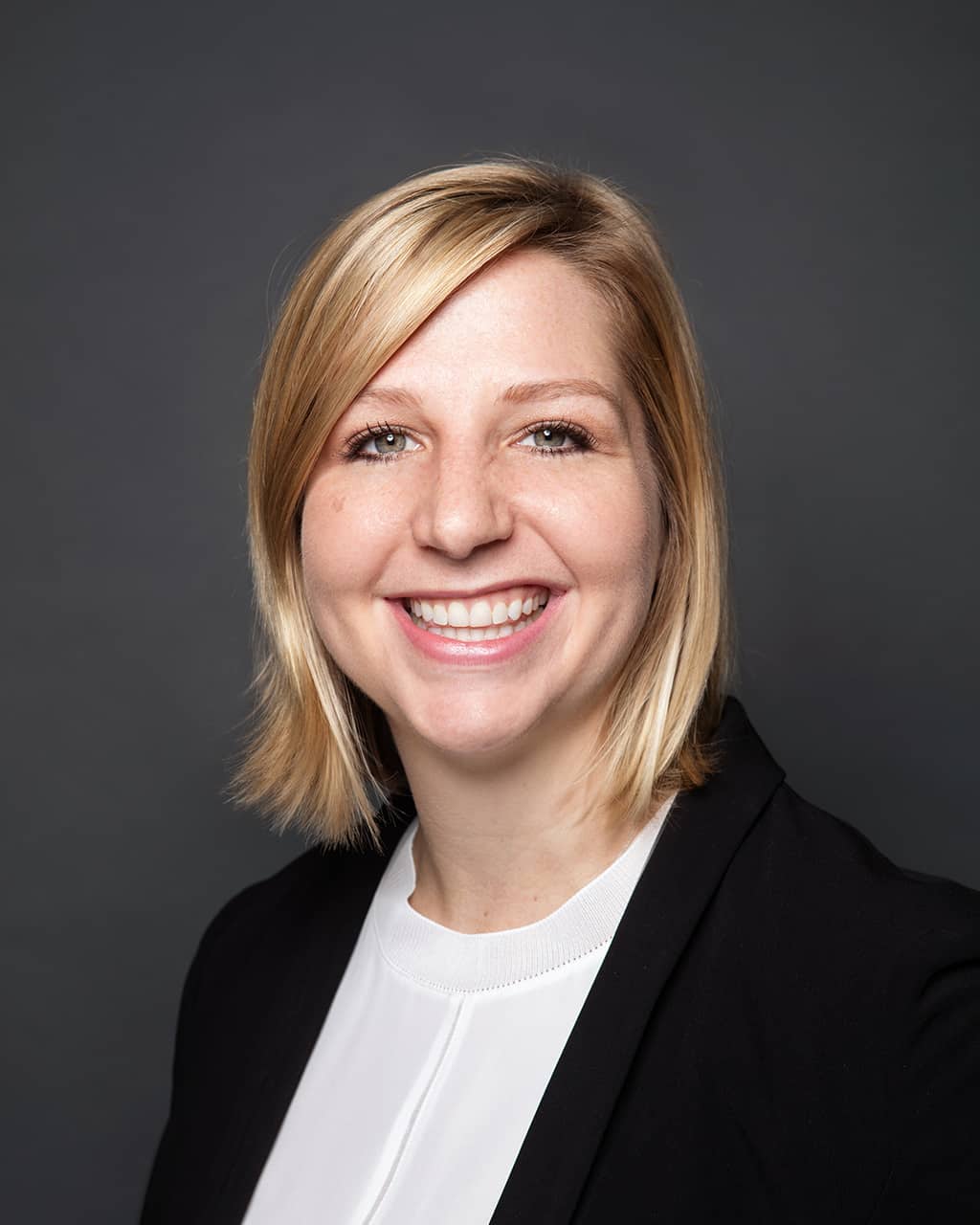
Katie Fairchild Runs Marketing by the Numbers - and Keeps Finding Another Gear
The first CMO of Buyers Edge Platform has spent nearly two decades turning complicated software into useful stories. Her résumé has an unexpected metronome: a mathematics master’s, four faster marathons, and a habit of making growth measurable.

Kevin Bryla Wants Restaurant Tech to Know When to Leave the Table
The SpotOn marketing chief has spent three decades selling complex systems. His clearest idea is disarmingly simple: let technology handle the friction so restaurants can get back to hospitality.

Wyatt Ozmore Left Wall Street to Give Main Street a Marketing Department
After learning to price risk in finance and growth in software, Owner.com’s CMO is applying both disciplines to a stubborn problem: helping independent restaurants compete with chains that can outspend them.

Jenifer Kern Is Teaching Restaurant Tech to Think Beyond the Register
The four-time CMO turned a pandemic-era microphone into an industry listening post. Now her argument is simple: restaurants do not need more shiny systems - they need connected data, sharper focus, and a little more empathy.

Hannah Kelly Is Turning the Reservation Into a Relationship
At Resy, Hannah Kelly is making a case that the smallest rectangle on your phone can lead to something much larger: discovery, loyalty, and a table people remember.

Hope Neiman Knows the Kiosk Is Never Just a Kiosk
Across four decades of consumer technology, Hope Neiman has kept asking one useful question: what does the customer experience when the strategy meets the screen?
Kish Shin Is Teaching a Kitchen to Arrive Right on Time
His robotic food truck cooks Korean barbecue while it moves. The more revealing idea is quieter: technology earns its place in a kitchen only when the meal arrives hot, consistent, and worth eating again.
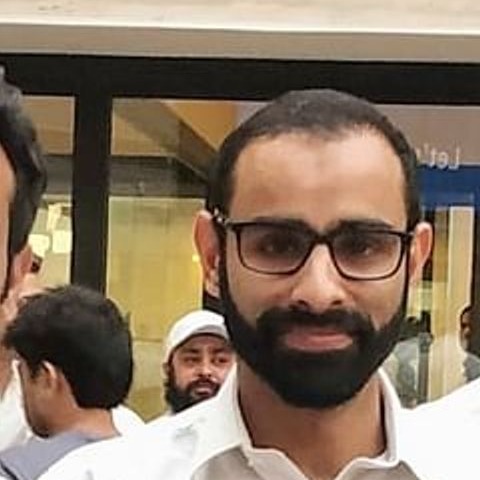
Adit Chhabra Wants the Camera You Already Own to Start Taking Notes
The Wobot AI co-founder spent years studying how work gets measured. His answer is disarmingly practical: keep the cameras, teach the software what matters, and turn hours of ignored footage into a useful prompt.
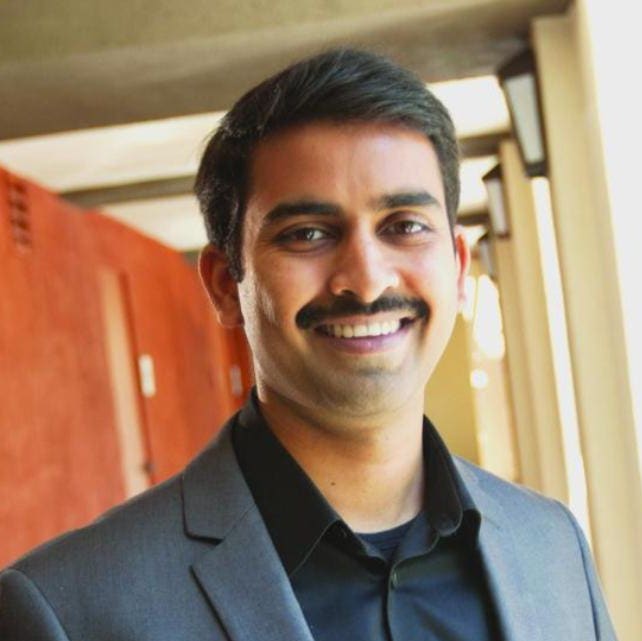
Sriram Subramanian Spent Four Years Finding the Business Hidden Between the Apps
The LinkToAny founder left a comfortable PayPal career, followed a stubborn problem through four years of experiments, and built a company around the expensive gaps between business software.
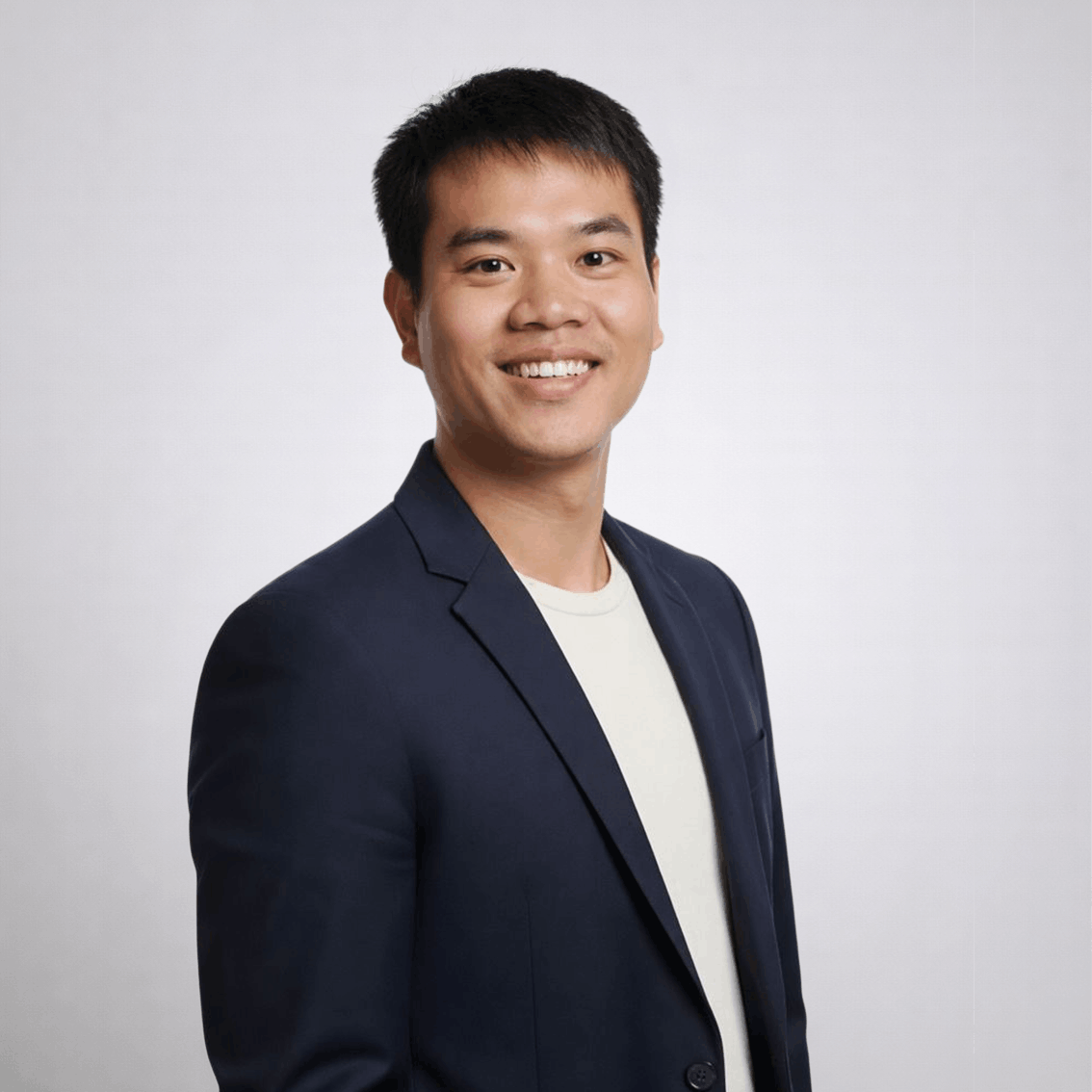
Andy Chen Is Building the Operating System Behind Your Dinner
The former banker and MIT entrepreneur found his arena in the least theatrical corner of a restaurant: the machinery that makes dinner run on time.

Bruce Bennett Has Spent Nearly Four Decades Making the Cash Register Disappear
Long before “mobile commerce” became a category, Bruce Bennett was building the plumbing behind it. His career is a study in patient reinvention - from digital services and fishing e-commerce to software that slips modern payments into stubborn old systems.
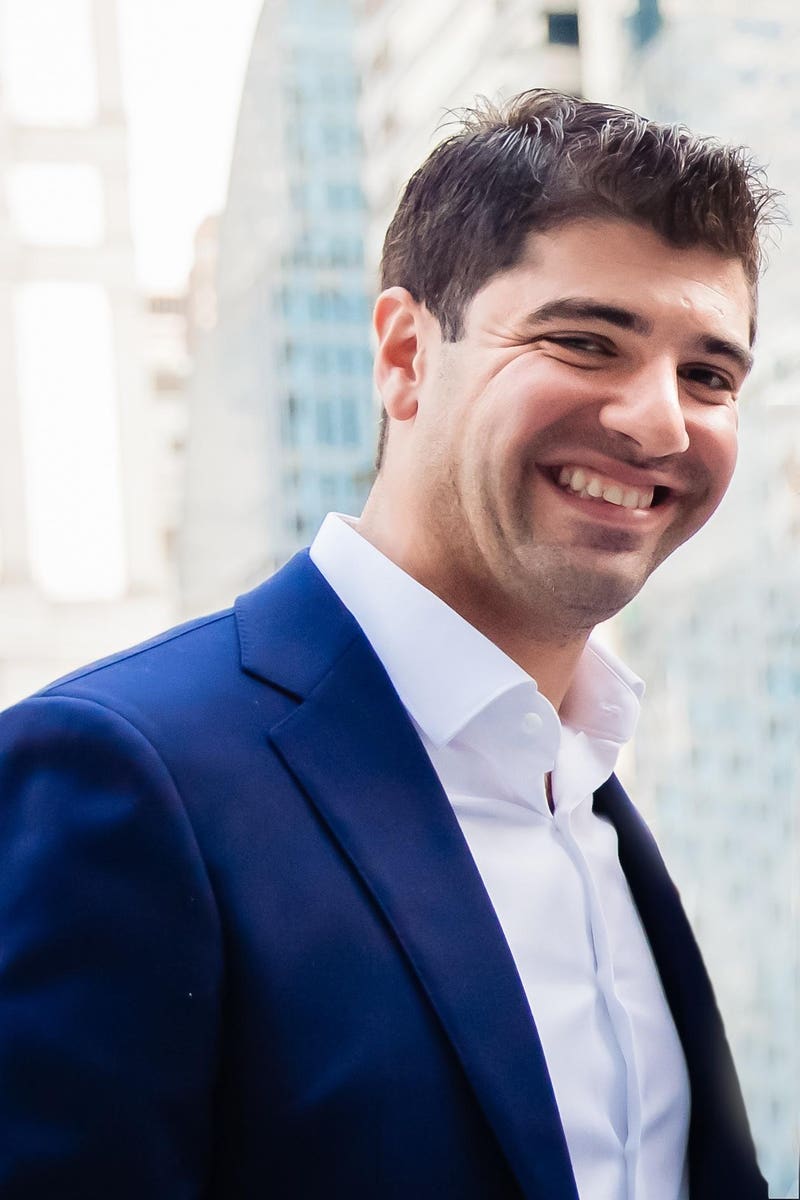
Michael DiBenedetto Put the Delivery Apps on One Menu
A late-night takeout argument gave Michael DiBenedetto a durable idea: make delivery services compete before dinner gets cold. FoodBoss became his experiment in price transparency, patient aggregation, and the underrated craft of removing one small annoyance.
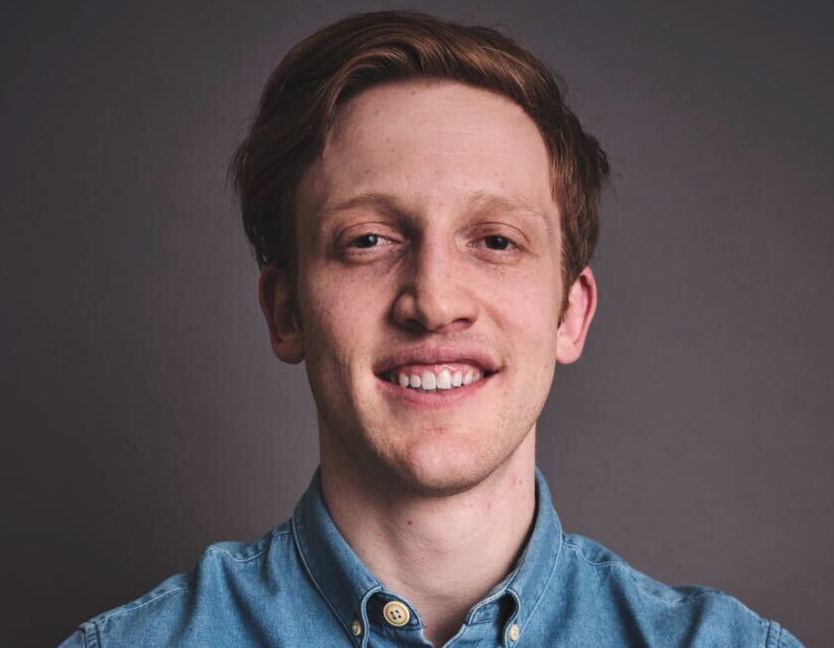
Brice Gumpel Found a Business in the Empty Chairs
A college food account taught Brice Gumpel what restaurant owners fear after the dinner rush. He turned the empty table into a product, then had to reinvent that product when every dining room closed.
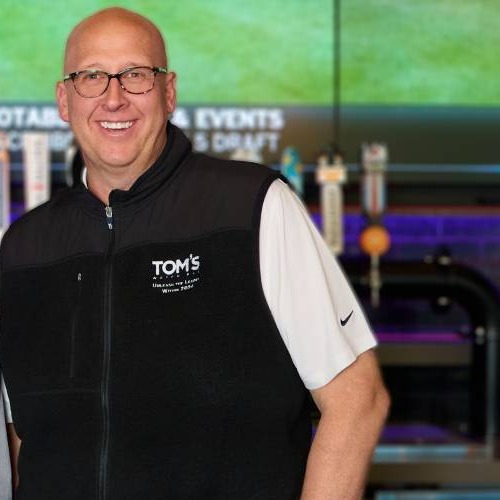
Shannon McNiel Is Building a Sports Bar for the $200,000 Friday
At Tom's Watch Bar, a quiet Wednesday can become a six-figure Friday. Shannon McNiel's answer is part forecasting, part choreography, and a stubborn belief that people come before concrete.

Justin Holmes Learned to Build Systems Where Shifts Get Messy
Before Justin Holmes sold restaurant operators on better scheduling, he had already lived the problem - at tables, in gyms, and inside a fast-growing ecommerce company. His career is a study in turning coordination headaches into systems people can actually use.
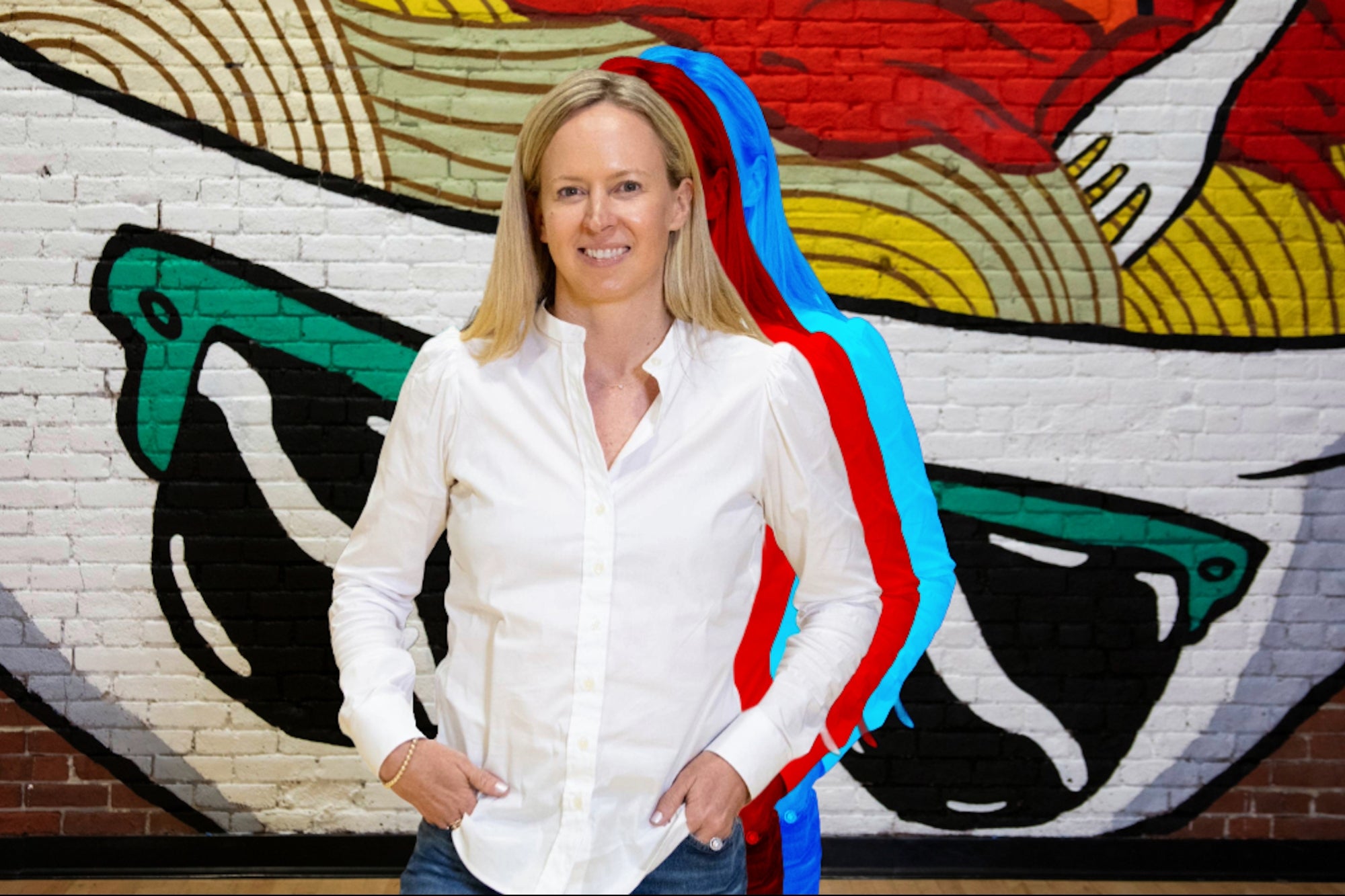
Kelly Esten Keeps Toast Close to the Table
A sales-floor education, a four-and-a-half-year detour through Europe, and years beside restaurant operators shaped an executive who treats marketing and operations as two views of the same customer.
Brian Hassan Found a Fintech Company Inside the Tip Jar
An armored truck outside a San Francisco restaurant exposed a stubborn payment problem. Brian Hassan and his longtime co-founder turned that small contradiction into Kickfin - software built to move restaurant tips as quickly as the dinner check.
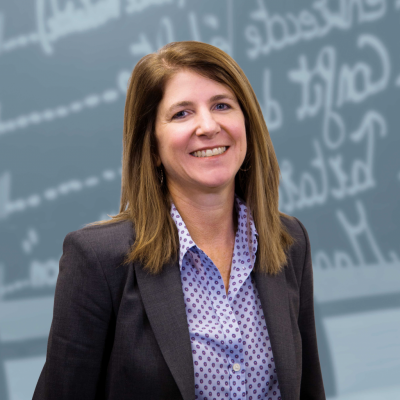
The Marketer Who Sells the Trucks, Not the Cereal Box
She markets a company with no cereal box on the shelf - just 30,000 people, a fleet of trucks, and a promise to show up. Here is how a music major became the voice of a $39 billion foodservice giant.

Abhinav Kapur
He spent his nights doing food deliveries and his days reading equity research. Then he built the software his mother-in-law never had - so every restaurant could remember its regulars.
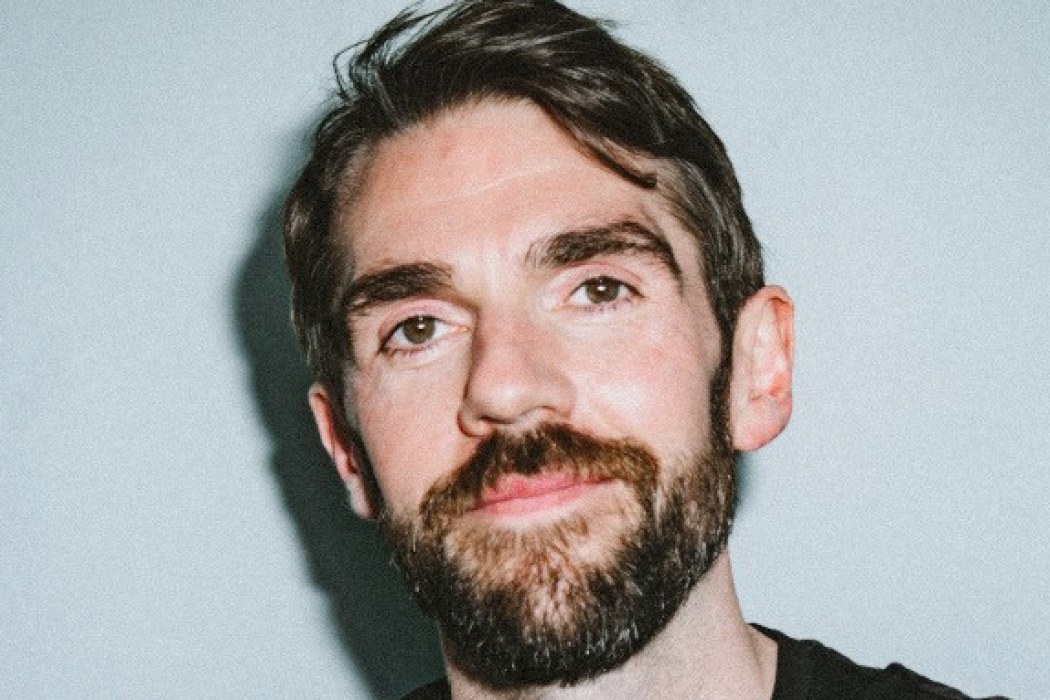
Conor Sheridan
Conor Sheridan is the founder and CEO of Nory, an AI-native operating system for the hospitality industry. A former quantitative trader and investment strategist, he left finance to build Mad Egg, one of Ireland's fastest-growing fried chicken chains, then created Nory to solve the operational problems he faced running restaurants. Nory now helps operators manage inventory, workforce, payroll, procurement and finance, and raised a $37m Series B in 2025 led by Kinnevik, bringing total funding to roughly $62.6m.

Li-ran Navon
Li-ran Navon is the founder and CEO of Sauce, a white-label ordering, delivery, and AI-driven retention platform that lets independent restaurants own their online ordering, delivery logistics, and customer data instead of surrendering margin and relationships to third-party marketplaces. A serial entrepreneur who earlier built the voice-ordering startup Say2eat through Coca-Cola's incubator, Navon has grown Sauce from scratch to eight figures in revenue with a remote-first team spread across four continents, and says Sauce helped restaurants avoid more than $20 million in third-party fees in 2024.

Luke Fryer
Luke Fryer is the founder and CEO of Harri, a New York-based workforce management and human capital management platform built for the hospitality industry and other service-driven businesses. A former restaurateur who opened Australia's first Burger King franchise and later held the Australian rights to wagamama, Fryer moved to New York in 2007 and co-founded Harri in December 2011 to fix the fragmented, low-tech process of finding, hiring, scheduling and retaining frontline workers. Today Harri serves over 500 enterprise customers across 35,000+ restaurant and hotel locations and roughly four million hospitality employees, and in 2023 it raised $43 million in growth equity to expand its AI capabilities and move into retail and healthcare.
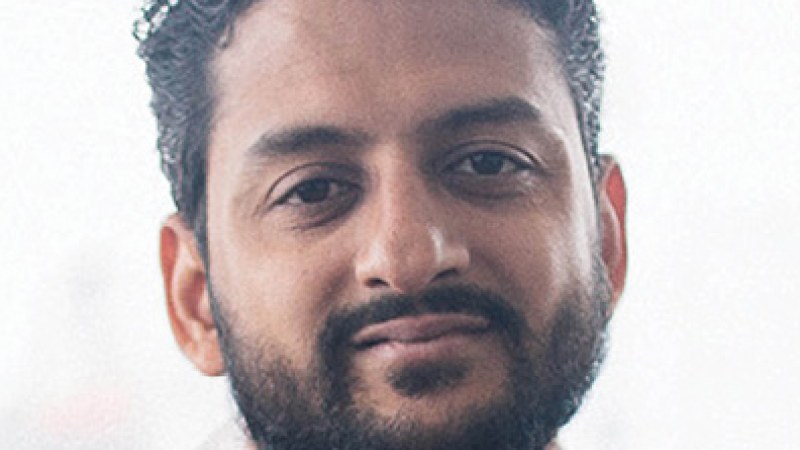
Vishal Agarwal
Vishal Agarwal is the founder and CEO of Checkmate (itsacheckmate.com), a New York restaurant technology company that pipes online orders from delivery apps straight into restaurant point-of-sale systems and centralizes menu management across platforms. He started the company in 2016 after waiting too long for a check at a San Francisco airport restaurant, and grew it from a bill-splitting idea into a full digital operations suite used by brands from independent eateries to Arby's and Wendy's. A former Citigroup analyst and Choxi.com marketing chief, Agarwal built Checkmate past 100 million processed orders and, backed by Inspire Brands, expanded into kiosks, reconciliation, and voice AI.
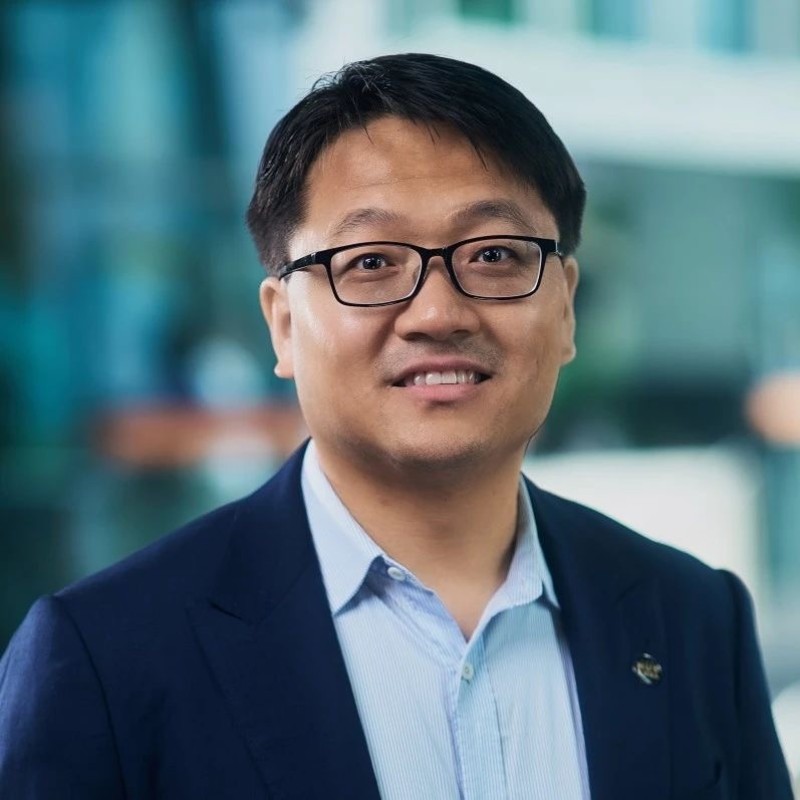
William Wang
William Wang is the founder and CEO of MenuSifu, a New York-based restaurant technology company that started by dragging Asian restaurant owners off paper order pads and onto cloud point-of-sale, and now runs an AI-and-automation ecosystem serving 15,000-plus restaurants across all 50 states. Built 'by restaurant people, for restaurant people,' MenuSifu closed a $40 million Series B in 2025 and is pushing into kitchen robotics, smart beverage automation, payments and restaurant financing.

Yu Li
Yu Li is the co-founder and COO of MenuSifu, the New York restaurant technology company that has become the top point-of-sale provider for Asian restaurants in North America. Starting in 2013 as a POS system for independent Asian restaurants, MenuSifu has grown into an integrated ecosystem of payments, online ordering, financing, and AI-driven automation serving more than 15,000 restaurants across all 50 states. Under Yu Li's operating leadership the company raised a $40 million Series B in 2025, powers MIXUE's U.S. expansion, and Yu Li himself was featured on the Nasdaq Times Square billboard as part of the 2025 Asia Milestone Makers Cohort.

Bo Davis
Bo Davis is the co-founder and CEO of MarginEdge, an Arlington, Virginia restaurant management and bill-payment platform he launched in 2015 with fellow restaurateur Roy Phillips. Before software, Davis ran restaurants - he founded Wasabi, a group of conveyor-belt sushi spots in D.C. and Boston. Before restaurants, he sold an education software company, Prometheus, to Blackboard in 2002 and served in the Peace Corps in Macedonia. MarginEdge, which turns a shoebox of restaurant invoices into real-time cost data, has raised more than $120 million and serves thousands of restaurants across North America.

Adam Dougherty
Adam Dougherty is the co-founder and CEO of Blizzfull, a Glendale, California restaurant-technology company that builds branded websites and online ordering tools so restaurants keep their customers instead of renting them from third-party apps. A USC film-school graduate who crossed over from Hollywood into software engineering, Dougherty channels a self-described obsession with aesthetics into ordering software, an industry not known for good looks. He and co-founder Zach Zurn started Blizzfull around 2011-2012 after struggling to order office lunch, and in 2023 retooled the platform around AI for menu descriptions, marketing suggestions, and one-click website generation.
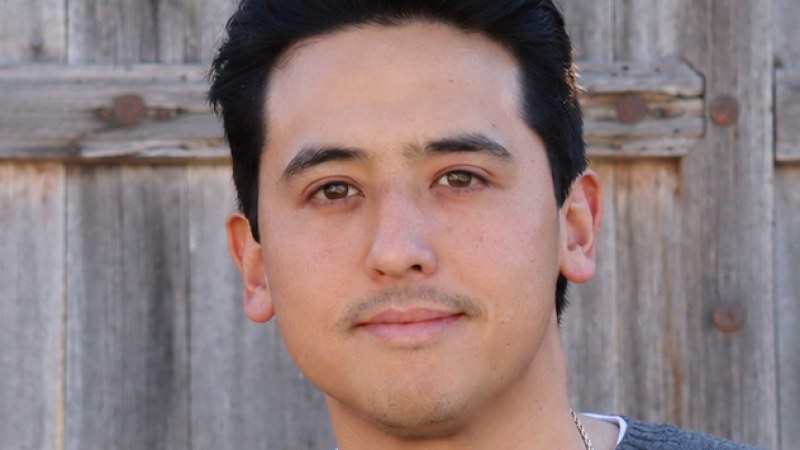
Christian Wiens
Christian Wiens is the founder and CEO of Loman AI, an Austin-based voice AI platform that answers the phone for restaurants. A former restaurant worker who started in a Southern California BBQ joint in sixth grade and later spent a decade in B2B SaaS go-to-market roles, Wiens built Loman to recapture the orders restaurants lose every night when no one can get to the phone. Since launching in 2024, Loman has processed millions of calls and tens of millions in order volume, raised a $3.5M seed round led by Next Coast Ventures, and partnered with SpotOn, OpenTable, Toast and Square.

Quinn Goldstein
Quinn Goldstein is the founder and CEO of YepChat, a Venice Beach-based voice AI platform built exclusively for restaurants. He and his MIT classmate Daniel Ingram launched the company in 2015 to fix the one piece of restaurant technology everyone ignored: the ringing phone. YepChat turns calls into digital orders, routes them intelligently during peak hours, and scores phone health across 18 metrics for brands like Sweetgreen, Tender Greens, Ruth's Chris, and Alfred Coffee. Before YepChat, Goldstein founded the group-activities service Vixzy and spent years as a startup advisor at GCG.