He built the software that finally pulled the neighborhood Chinese restaurant off the paper order pad - and turned it into a technology company running 15,000 kitchens.
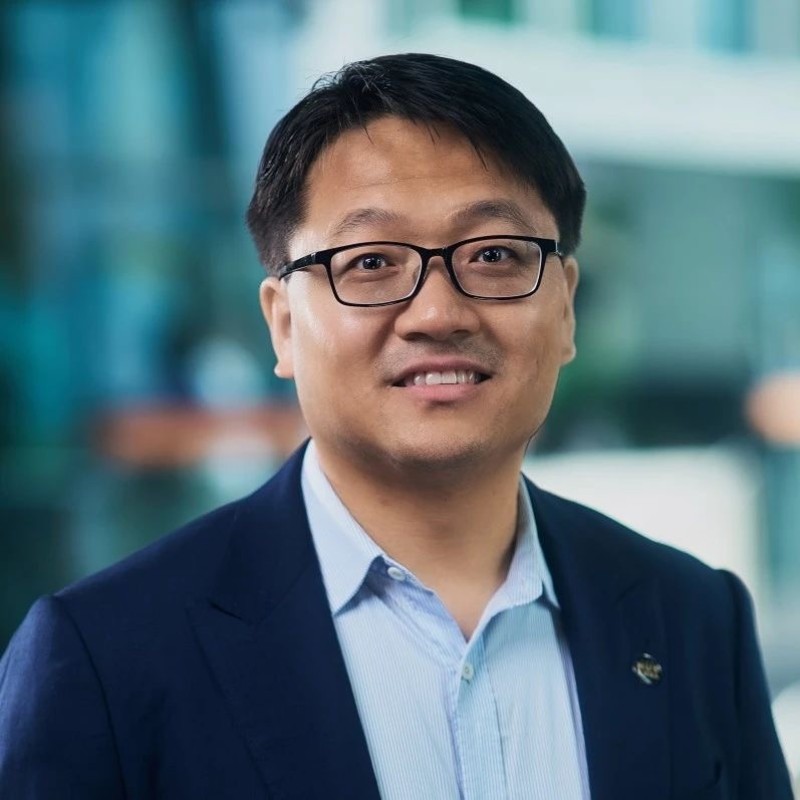
William Wang runs MenuSifu, and MenuSifu runs restaurants. Not one, not a chain - fifteen thousand of them, scattered across every state in the country, from Manhattan noodle counters to strip-mall bubble tea shops. His job title says founder and CEO. His actual job is quieter and stranger: he is the person who decided that the least glamorous corner of American small business deserved software built by people who had actually stood behind the counter.
The pitch is deceptively plain. MenuSifu began as a point-of-sale system - the screen a server taps to fire an order to the kitchen. But over a decade Wang turned that single product into an entire operating stack. There is now a payments arm, an online-ordering and delivery arm, a lending arm that hands restaurants working capital, a community for owners, and a market-expansion unit. Wang's own framing: "We're not just building tools - we're building an ecosystem that grows with you."
What makes the story worth telling is not the size. It is the customer he chose. Big restaurant software went after national chains with procurement departments. Wang went after the immigrant-owned Asian restaurant - the family business that ran on a cash drawer and a stack of paper tickets, the one Silicon Valley couldn't be bothered to learn the vocabulary of. He learned it. Fifteen thousand receipts later, that turned out to be a market.
"MenuSifu was built by restaurant people, for restaurant people. After more than a decade of earning operators' trust, we're proud to expand our leadership into a full ecosystem that helps every restaurant stay ahead of what's next." - William Wang, Founder & CEO, MenuSifu
In 2013, a lot of Chinese restaurants in New York still took orders the way they had for forty years: pencil, pad, shouted to the kitchen, tallied by hand at close. It worked, mostly. It also leaked money at every seam - miskeyed orders, lost tickets, no idea which dish actually made a profit, no way to see last Tuesday's numbers without digging through a shoebox.
Wang and his co-founders looked at that shoebox and saw an entire industry waiting to be digitized. MenuSifu's first decade was, at heart, a translation project: take the automated management systems that chains took for granted and rebuild them for a restaurant where the owner, the cook, and the cashier might all be the same person - and might not run the business in English. Bilingual support wasn't a feature. It was the whole point.
There is an unglamorous discipline in that choice. It would have been easier to chase the flashy accounts. Wang chose the accounts nobody was fighting over and spent ten years earning their trust - one restaurant, one shift, one saved ticket at a time. Trust compounds slower than code. It also lasts a great deal longer.
An ecosystem isn't a strategy slide. It's saying yes to the next problem your customer actually has - and then the one after that.
"Our mission is to make AI and automation practical, accessible, and powerful for every restaurant - no matter where they start or how far they dream of going." - William Wang
In 2025 MenuSifu closed a $40 million Series B - money from Challenjers Capital, Enlight Growth Partners, Lingfeng Capital, Amino Capital and Grandview VC. The check was large. What it funds is more interesting than the number.
Wang is aiming the capital at the part of the restaurant customers never see: the kitchen. AI-driven kitchen robotics. Smart beverage automation. Back-of-house efficiency, where labor is scarce and margins are thinnest. It is a bet that the next decade of restaurant technology happens behind the swinging door, not in front of it - and that the same small operators who once resisted a touchscreen will happily hand a repetitive task to a machine if it saves a wage and a wrist.
The rest of the money extends the fintech story. Restaurants that already run their payments through MenuSifu can now borrow through it too. When you process a business's payments, you understand its cash flow better than any bank - which makes you a very well-informed lender. Wang has quietly built that flywheel while everyone else argued about delivery apps.
His stated motivation stays fixed on the small operator: "We are passionate about the restaurant industry, and the challenges it faces are what drive our innovative solutions." The recognition has followed - MenuSifu is now widely described as the leading POS provider for Asian restaurants in North America, and Wang has been honored as a Person of the Year in the space.
Reported reduction in operating costs for restaurants on the platform.
Reported operational efficiency gain for MenuSifu operators.
Sales growth reported above the industry average.
Start with one product for one overlooked customer. Expand only after you've earned trust. Most founders do the opposite and drown.
The immigrant-owned restaurant was beneath Silicon Valley's notice. Fifteen thousand of them turned out to be a serious business.
"By restaurant people, for restaurant people" is a product philosophy, not a tagline. It shows up in bilingual support and features chains never needed.
Process a restaurant's payments and you understand its cash flow. That understanding is what makes MenuSifu a natural lender.
The real question isn't whether AI can run a big chain. It's whether it can help a two-person kitchen. That's Wang's bar.
MenuSifu grew up embedded in the market it serves - 5th Avenue, surrounded by the restaurants it sells to.
"We are passionate about the restaurant industry, and the challenges it faces are what drive our innovative solutions." - William Wang
Where to read more about William Wang and MenuSifu - the company site, his profiles, and the coverage of the raise.
Sources: MenuSifu, PR Newswire, Yahoo Finance, Restaurant Technology News, The AI Journal, Crunchbase. Figures are as reported by the company and press coverage. Some trackers list MenuSifu's founding as 2013 and others as 2014; both appear in public sources.
William Wang is the founder and CEO of MenuSifu, a New York-based restaurant technology company that started by dragging Asian restaurant owners off paper order pads and onto cloud point-of-sale, and now runs an AI-and-automation ecosystem serving 15,000-plus restaurants across all 50 states. Built 'by restaurant people, for restaurant people,' MenuSifu closed a $40 million Series B in 2025 and is pushing into kitchen robotics, smart beverage automation, payments and restaurant financing.
Last updated: