restaurant-technology
(41)
Flapjack thinks your side dishes deserve a better address
The San Francisco menu-design company charges $299 a month to rethink what diners notice. Its most revealing work starts with the dishes already in the kitchen.

EatClub wants to sell the hour before dinner
An empty table has a sell-by time. EatClub turns that awkward fact into dining deals - and its bet on invisible discounts has become a business spanning Australia and Britain.

Vita Mojo Built a Restaurant. The Software Ate the Business.
The London foodtech company began with personalised lunches and no cashiers. Then restaurant operators made the founders an offer they could not ignore: forget the bowls, sell us the operating system.
Qu Is Rebuilding the Restaurant Stack Around the Moment the Wi-Fi Dies
The restaurant-tech company won enterprise chains by treating downtime, menu sprawl and disconnected orders as one systems problem. Now it is turning that plumbing into an AI and payments business.
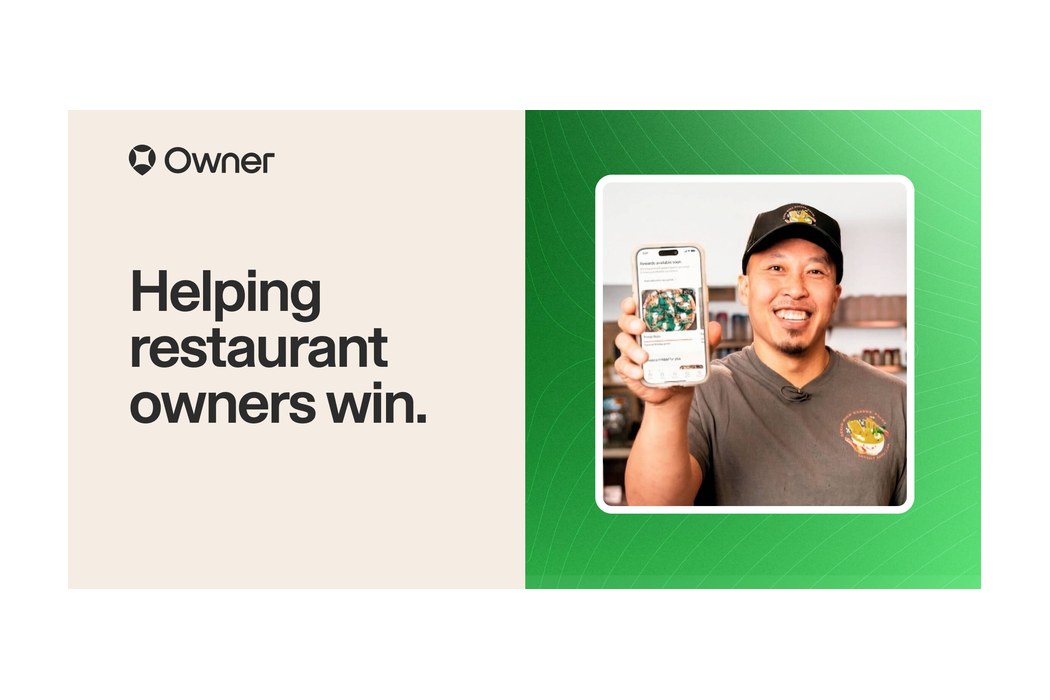
Owner.com Lost Every Dollar of Revenue. Then It Built the Digital Front Door for 10,000 Restaurants
The pandemic erased Owner.com's original business. Six years later, its tightly controlled restaurant stack has crossed $100 million in recurring revenue - by asking operators to trade customization for conversion.

SpotOn Spent $415 Million Going Wide. Its Restaurant Reset Is the More Interesting Bet
The payments unicorn tried to own everything from neighborhood dining rooms to NFL concessions. Then it sold the stadium business, kept the useful code, and returned to a harder, cleaner question: can one system give independent restaurants their margin and customer relationships back?
The $100 Billion Back Office: How Buyers Edge Turned Coffee-Stained Invoices Into Restaurant Leverage
Restaurants came for the rebates. Buyers Edge built its advantage from the mess underneath them: invoices, product codes and purchasing signals that the rest of the industry struggled to read.

Tillster Bet the Restaurant Would Become Software. Now It Quietly Runs 180 Million Orders a Year.
The Los Angeles company spent two decades turning the humble order screen into a commerce engine. Its real trick is less visible: making kiosks, apps, loyalty, delivery and aging restaurant systems behave like one machine.
Pizza Pizza Turned One Bad Digital Stat Into a 750-Store Feedback Machine
Canada’s orange pizza chain discovered that one in three digital-delivery customers had a problem. Its response - simplify the order, test in public and turn every menu launch into measurable theatre - is a playbook operators can actually copy.
The $2.5 Billion Business Behind the Moment a Restaurant Oven Goes Dark
Parts Town turned the unglamorous emergency of a broken fryer, refrigerator or rooftop unit into a high-tech distribution machine. Now it is connecting the part, the repair and the data around both.
Slim Chickens Built a 300-Store Flock on One Surprisingly Sticky Idea: Choice
The Fayetteville chain turned garage-tested tenders, 14 sauces and table-side hospitality into a mostly franchised global business. Its next test is harder: preserving that sense of choice and care while opening in more formats, markets and countries.
The Two-Name Burger Chain Betting Its Future on 570 Square Feet
Checkers & Rally’s built a national burger business by selling the same seasoned fries under two regional names. Now the drive-thru specialist is shrinking the restaurant, widening the freezer aisle and testing how much growth can fit inside a very small box.
The Restaurant Empire That Refuses to Look Like a Chain
For 55 years, Lettuce Entertain You has scaled restaurants without sanding off their personalities. Its real product is a partnership system that lets dozens of distinct ideas share one very large back office.
Papa Johns
Papa Johns sells pizza, but the bigger machine sells consistency - fresh dough, franchise support, digital ordering and a familiar garlic-sauce ritual across nearly 6,000 restaurants. Now that machine is being rebuilt while North American diners pull back.
Inspire Brands
Inspire Brands keeps six familiar restaurant chains visibly different while quietly wiring them to the same machinery. The result is a franchise empire built less like a food court than a hospitality operating system.
Krispy Krunchy Foods
Krispy Krunchy Chicken built a national restaurant footprint without building thousands of restaurants. Its real product is a compact operating system that turns an ordinary convenience store into a fried-chicken destination.
The Wendy's Company
Wendy's turned a square hamburger, fresh beef and a sharp online voice into a global franchise system. Its next act is less nostalgic: make thousands of restaurants feel worth the trip again while the value wars squeeze every drive-thru.
Yum! Brands
Yum! Brands built a $68.3 billion restaurant system by owning the playbook, not most of the kitchens. Now, as Pizza Hut heads for new owners, the fast-food parent is betting that franchises, data and one shared tech stack can make chicken, tacos and burgers travel farther.
Toast
Toast began with a stubbornly specific idea: restaurants deserved technology built for the rush. Now its software, payments, hardware and AI sit at the center of 180,000 locations - turning every order into a useful piece of operating data.

Grubtech
Grubtech is a Dubai-based restaurant technology company that builds a unified operating system for food and beverage and quick-commerce businesses. Its middleware platform, gOnline, connects fragmented software touchpoints - POS systems, ERP, delivery aggregators like Talabat, Deliveroo, Careem and Uber Eats, kitchen displays, dispatch and analytics - into a single dashboard so restaurants, cloud kitchens, grocers and pharmacies can run online and in-store operations without juggling multiple screens. Founded in 2019, the company has raised $33.4M and operates across roughly 18 markets.

TabSquare.AI
TabSquare.AI is a Singapore-based restaurant technology company that builds an AI-powered digital ordering and customer engagement platform for the food and beverage industry. Its SmartTab tablet menus, self-service kiosks, QR-code web ordering and marketing tools use AI to deliver personalized menu recommendations, streamline ordering and payment, and lift restaurant revenue. Founded in 2012 by three INSEAD graduates, TabSquare serves thousands of outlets across Asia-Pacific, the Middle East and Europe, and has been a wholly owned subsidiary of global food-delivery group Delivery Hero since 2021.

Bikky
Bikky is a customer data platform built exclusively for large, multi-unit restaurant brands. It unifies data from point-of-sale systems, online ordering, payments, and loyalty programs into a single guest view, letting operators measure how every marketing, menu, and operational decision affects guest behavior, frequency, and lifetime value. Founded in 2017 and based in New York City, Bikky serves brands like Bojangles, Dave's Hot Chicken, MOD Pizza, and Robeks across thousands of locations.

Botrista, Inc.
Botrista is a San Francisco-based food-and-beverage technology company that builds an AI-driven automated beverage platform. Its flagship BotristaPro machine lets restaurants, campuses, hospitals, theme parks and other venues serve a wide range of craft cold drinks - boba teas, smoothies, refreshers, cold brew, lemonades and more - from a single compact, self-cleaning unit in seconds, without specialized baristas. Founded in 2017 by former Tesla automation engineer Sean Hsu, the company pairs patented multi-ingredient dispensing hardware with cloud-based analytics and demand forecasting, and has raised roughly $126 million to date, including a Series C led by Jollibee Foods Corporation.
Checkmate
Checkmate (ItsaCheckmate.com Inc.) is a New York-based restaurant technology company that connects digital ordering channels to a restaurant's point-of-sale system. Founded in 2016 by Vishal Agarwal, its platform pipes orders from third-party marketplaces like DoorDash and Uber Eats directly into the POS, lets operators manage menus across dozens of channels from one dashboard, and now extends into first-party web and app ordering, self-service kiosks, voice AI for phone and drive-thru, catering, loyalty, and accounting reconciliation. The company reports more than 23,000 live restaurant locations and 130+ integrations, and raised a $10M Series B led by Tiger Global in October 2024.

Hang
Hang is a New York-based software company building an AI-powered marketing and loyalty platform for consumer brands. Marketed as 'the autonomous marketing system,' Hang replaces static points programs with personalized, gamified rewards - branded minigames, dynamic quests and 1:1 offers - alongside self-cleaning customer data, smart segments and AI-driven campaigns. It launched in 2022 as an NFT-powered membership platform backed by a $16M Series A from Paradigm, then repositioned around AI and now serves restaurant, beauty, apparel and e-commerce brands such as Just Salad, Jeni's, Boba Guys and Hattie B's.

MenuSifu
MenuSifu is a New York-based restaurant technology company that builds an integrated cloud POS ecosystem for restaurants, with deep roots serving Asian-American operators across the United States. Founded in 2014, its platform spans point-of-sale, online ordering, kitchen displays, self-ordering kiosks, loyalty and marketing, payment processing, and restaurant financing, now used by more than 15,000 restaurants. Backed by a $40M Series B in 2024, the company is expanding into AI-driven kitchen automation and fintech services for restaurant owners.

Momos
Momos is an AI customer platform for multi-location restaurant and retail brands. It unifies customer service, reviews, reputation, listings, feedback and local marketing into one system so operators can respond to guests, catch problems in real time, and turn reviews and feedback into repeat visits. Founded in 2021 by former Uber and Grab operators, Momos powers tens of thousands of locations across brands including Shake Shack, Baskin-Robbins, Just Salad and Guzman y Gomez.

Sauce
Sauce is a Miami-based restaurant technology company that helps independent restaurants and small chains build a profitable direct online ordering and delivery business. Instead of surrendering 30% commissions and customer data to marketplaces like DoorDash and Uber Eats, restaurants use Sauce to take branded direct orders and fulfill them through a managed, commission-free courier network charged at a flat per-order fee. The platform bundles online ordering, managed delivery, live order support, local SEO, and AI-driven marketing and retention into a single system aimed at turning delivery from a cost center into a margin driver.

Vistify, Inc
Vistify, Inc is a Santa Ana, California restaurant-technology company whose flagship platform, vMenu, turns static digital menu boards into centrally controlled, software-defined menus for multi-unit and quick-service restaurant brands. The cloud platform lets operators design menus with a drag-and-drop Menu Builder, push changes to thousands of screens in real time, sync pricing with point-of-sale systems in under 30 seconds, and monitor what is actually displaying across every location. Founded in 2015 as Embed Digital and rebranded to Vistify in March 2025, the company serves brands including Craveworthy Brands, WaBa Grill, Urban Plates and Urbane Cafe, and is led by CEO Michael Mathieu.

Innowi Inc.
Innowi Inc. is a Santa Clara, California restaurant-technology company that builds an all-in-one point-of-sale and ordering platform. Its stack spans POS, self-service kiosks, tabletop QR ordering, online ordering and delivery, a kitchen display system, marketing and rewards, analytics, and employee management - designed to help independent and multi-location restaurants cut third-party commission fees, sync orders across channels, and run leaner operations.