Pete Filopoulos was ordering sushi when he heard something he wanted for his own pizza business: a calm person answering the phone. No kitchen racket. No hurried exchange. In Tarro’s account of the encounter, Pete asked the restaurant owner what had changed. She had handed the calls to Tarro. A sales demonstration had arrived disguised as dinner.
That is a useful introduction to this company. Tarro sells restaurant technology, but its entry point is an experience almost everyone recognizes: trying to order food from someone who is doing three other things. Its customer buys the possibility that the next caller will get an unhurried answer.
- The job: answer phone orders, arrange delivery and bring customers back with texts.
- The method: trained human specialists, assisted by AI, connected to kitchen printers.
- The buyer: independent restaurants and small chains with meaningful phone-order traffic.
The phone was the first thing to go
To understand Pete’s Pizza, Tarro’s team worked shifts across its nine Philadelphia locations. Their company-published account describes the familiar choreography of overload. Take one order. Put the next caller on hold. Pack a bag. Take a payment. Return to the waiting caller, if the caller is still there.
Delivery made the problem worse. Idle drivers during quiet hours became overwhelmed drivers at dinner. Late food generated complaint calls, which competed with new orders for the same attention. Staff sometimes disconnected the phones to catch up. The restaurant had customers ready to spend and no room left to listen.
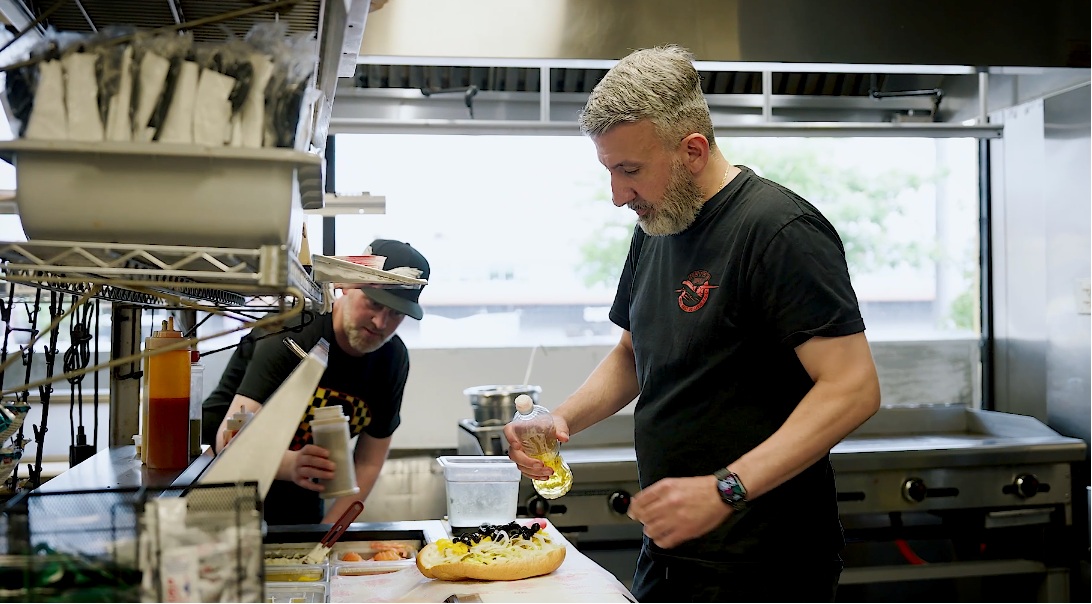
This was a capacity problem with several moving parts. Faster typing alone would leave the driver queue, the packing bench and the ringing second line untouched. Tarro’s opportunity lay in taking responsibility for a connected stretch of work.
A spreadsheet before the software
Steve and Dennis Lin knew the family-restaurant workload firsthand. Steve started working in his family’s restaurant at fourteen, taking calls and making deliveries. Tarro’s origin story dates his decision to leave Harvard to summer 2012. The company’s LinkedIn profile and rebranding announcement give its founding year as 2015.
The early machinery was modest: the founders answered calls themselves and tracked orders in a spreadsheet. That detail explains more than an AI diagram could. They began by performing the task. The software followed a job whose awkward corners they had already encountered.
The former Wonders business expanded into delivery and marketing. Its new name spells out the ambition: Technology All Restaurants Run On. Today it reports more than 3,000 restaurant customers, with Chinese, Japanese and pizza businesses prominent in its pitch.
Company-reported figures. Restaurant count describes the business; training describes the work behind each call.
People on the line, AI beside them
Tarro’s current description is specific: real specialists answer calls, supported by an AI copilot. Its September 2026 FAQ gives an example. A customer asks for a family special involving pizzas and wings; the system highlights keywords and suggests a menu match for the specialist to confirm.
The restaurant keeps its phone number. Calls forward after one ring, and completed tickets print at the appropriate kitchen station. Owners can mark unavailable items in the app so agents see the change. Customers retain a familiar habit while the restaurant moves the answering work elsewhere.
- 01Customer calls
- 02Human + AI take order
- 03Kitchen ticket prints
- 04Pickup or delivery
A simplified view of Tarro’s published workflow.
The specialists also suggest extras. One Frank’s Pizza customer testimonial celebrates a newly popular item: garlic knots. This is where the business becomes pleasantly ordinary. An additional side dish, offered consistently, can matter more to an operator than the sophistication of the software suggesting it.
“We didn’t sell many garlic knots before, but everyone’s getting them now that Tarro is upselling.”Peter, Frank’s Pizza · Tarro-published testimonial
The delivery app behind the direct order
Tarro Delivery contains a useful twist. The company promotes direct ordering as a way around marketplace commissions, yet its pricing FAQ says the delivery network draws from DoorDash and Uber Eats. The distinction is between finding a customer inside a marketplace and finding a driver for an order the restaurant already has.
Restaurants can keep their drivers, use Tarro for overflow or hand over delivery more broadly. Tarro advertises coverage up to fifteen miles. Actual usefulness depends on local driver availability and whether the meal travels well. A larger circle on a map is only valuable if dinner arrives worth eating.
Marketing closes the loop with managed SMS campaigns. Tarro handles the message and timing to encourage another direct order. Its September FAQ describes one free monthly campaign starting in month two. The broader strategy is understandable: answer an existing customer, fulfill the meal, then give that customer a reason to return.
The price of fewer interruptions
Tarro uses customized pricing and says it charges for processed orders rather than general inquiries. Its pricing page offers equipment without setup charges and cancellation without long-term obligations. An owner still needs a written quote to judge the economics of a particular shop.
The arithmetic should include recovered orders, contribution margin and staff hours actually saved. Tarro advertises revenue gains and labor savings, but those are company claims. Extra sales can also create extra kitchen work. A trial should track wrong orders, refunds and delivery delays alongside the top line.
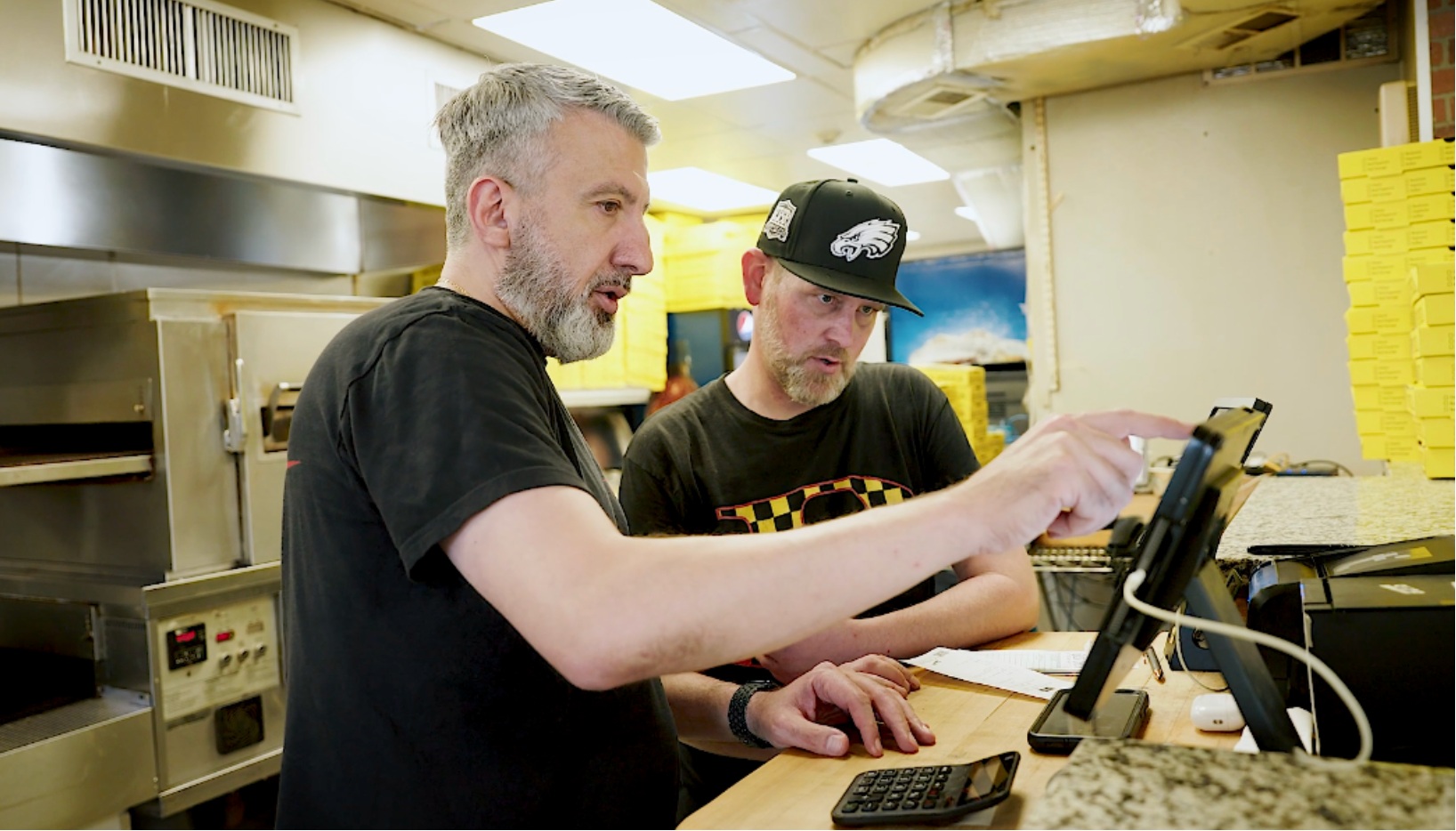
There is another operational cost: Tarro’s September 2026 FAQ says it does not currently integrate with POS systems. Orders and payments live in two systems, requiring reconciliation. A restaurant seeking one consolidated register should put that detail near the top of its evaluation.
Start with the interruption
Tarro sits between outsourced answering services, voice AI tools and restaurant ordering platforms. Its particular proposition bundles people and software around phone-heavy businesses. It will have less to offer a shop whose customers rarely call, or whose kitchen already cannot fulfill its existing orders.
The lesson other businesses can copy is small enough to try tomorrow: count the interruptions that lose customers. Then improve that handoff while preserving the habit customers like. Pete’s sushi order was persuasive because he experienced the result himself. Someone picked up. The conversation was easy. He wanted his own customers to hear that, too.