small-business
(331)
Payoneer and the last mile of money
Finding a customer overseas is only half the job. Payoneer built its business around the awkward part that follows: getting paid, moving currencies, and putting the money back to work.

A bank built around the borrower.
Live Oak started with veterinarians and a simple wager: knowing a business could matter more than having a branch nearby. Its national lending machine now shows both the power and the price of that idea.
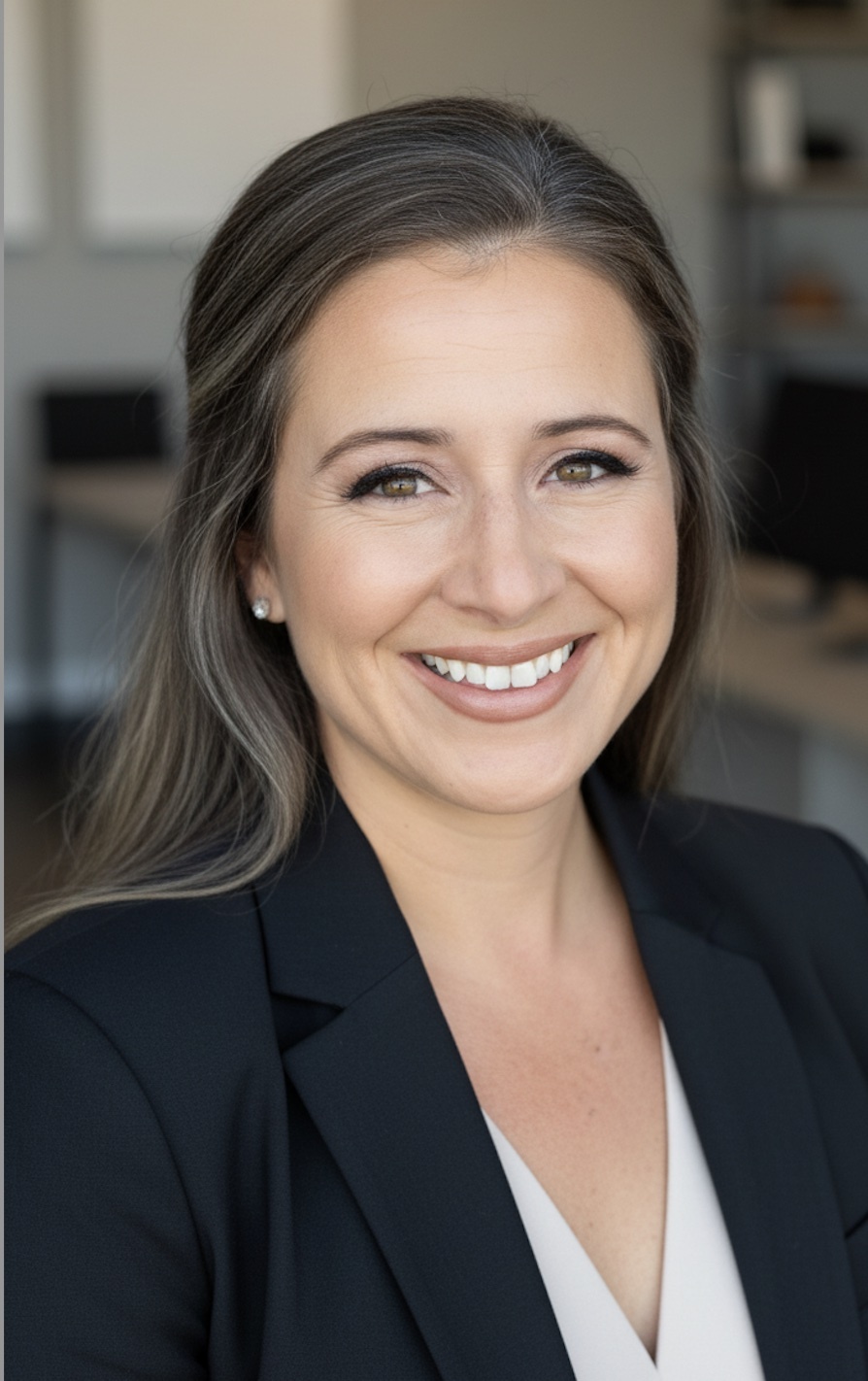
Sabrena Gartland and the Art of Getting Out of the Way
The founder of Frogman Media Group learned to take responsibility for other people’s brands. Building her own agency meant learning how to share it.
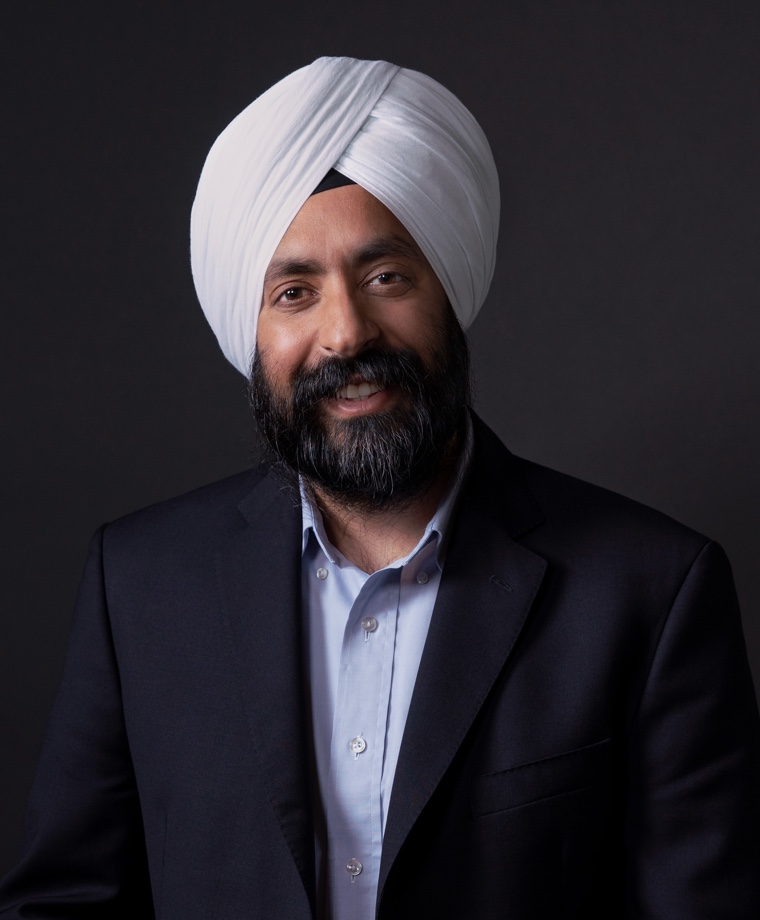
Aman Bhutani and the art of getting better
He once taught Expedia’s engineers to dance. Now GoDaddy’s CEO is applying a craftsman’s habit of daily improvement to the business of helping people begin.

VistaPrint made small orders a big business
A business card looks simple. Making a few hundred affordable took a different kind of factory - and a company willing to rewrite its own instructions.

Itzik Levy and the business of getting your day back
After co-founding a company acquired by Microsoft, Itzik Levy turned to businesses with no IT department. At vcita, a scheduling tool became a long-running attempt to give small business owners more time for the work they chose.

Martha Bitar and the business of being understood
Before Flodesk reached $36 million in annual recurring revenue, Martha Bitar was making coffee for prospective customers in her living room. Her next company asks what those same people might build for themselves.

TriNet makes small companies think bigger
A small employer has big-employer problems. TriNet sells the infrastructure to handle them - and its own numbers reveal the price of making scale work.

Alex Chernavsky and the trouble with the next step
The BusinessRocket founder has built a business around the chores that follow a business idea. His approach comes into focus when the software stops and somebody has to follow up.
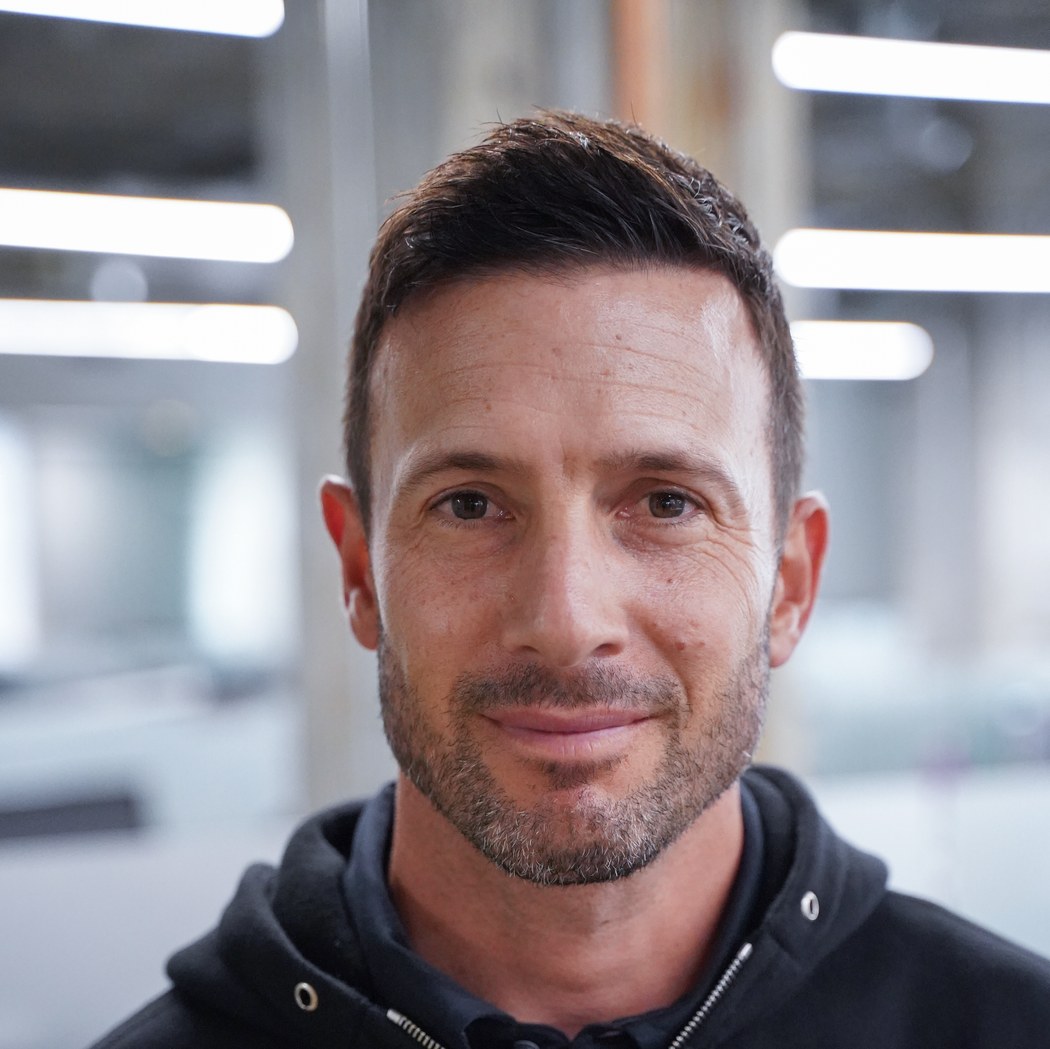
Matt Hyman’s Big Bet on the Small Return
Before SpotOn became a restaurant technology company, Matt Hyman was trying to give local businesses a reason for customers to come back. Two payment-company exits, a stubborn sales problem and a seat at a poker final table help explain the founder behind the counter.

Max Braden Wants to Put the Checkout in Your Pocket
He started selling heating and cooling equipment at twenty. Now the Ottawa founder of CPOS is building payment tools for small businesses, with a family tradition of sales and some hard-earned hiring lessons behind him.
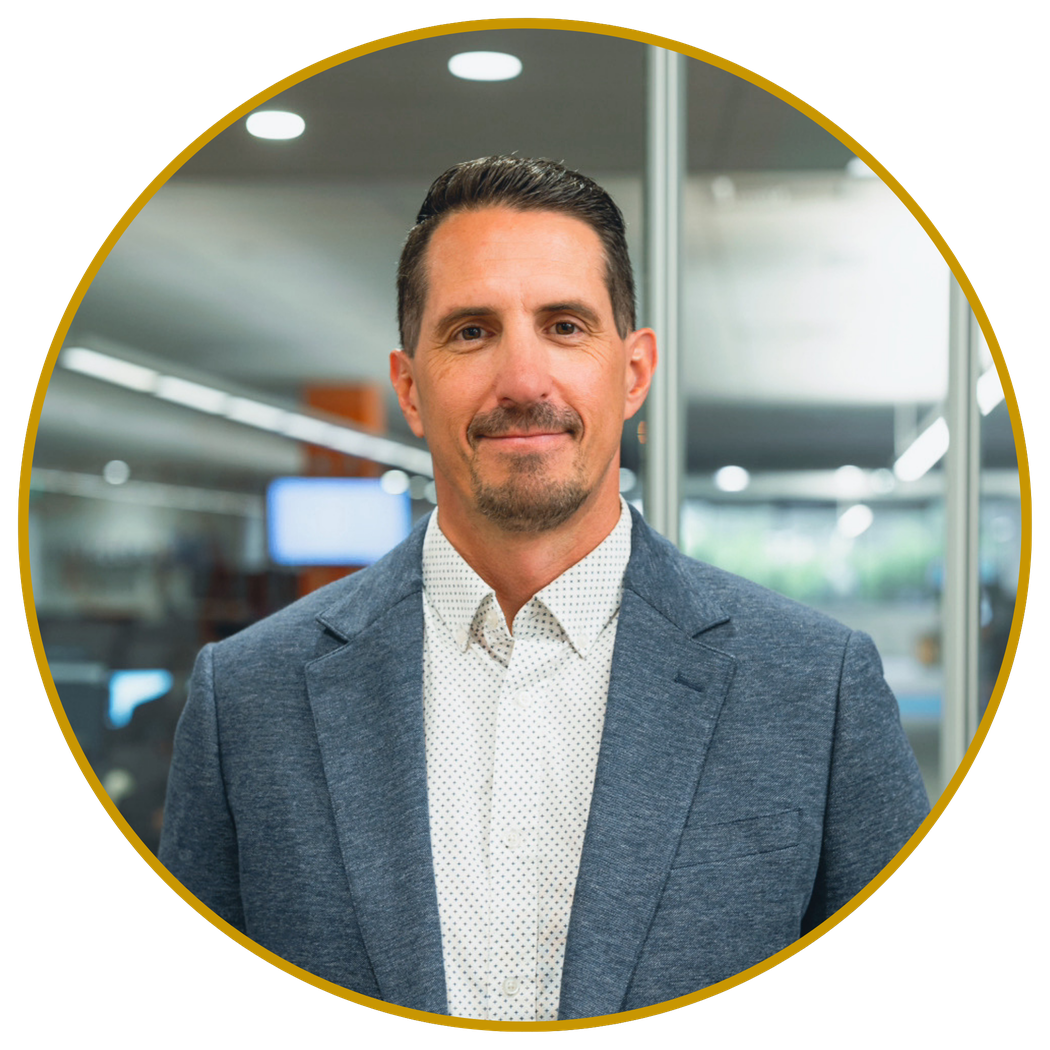
JB Kellogg and the advantage of being a beginner
Before he co-founded Madwire with his father, JB Kellogg talked his way into a website project he did not yet know how to build. That willingness to learn on the job runs through a career shaped by football, small businesses, and family.

Yali Saar and the business behind the logo
He began by helping small businesses look the part. Then Yali Saar discovered how much work stood between a good-looking logo and an actual livelihood.
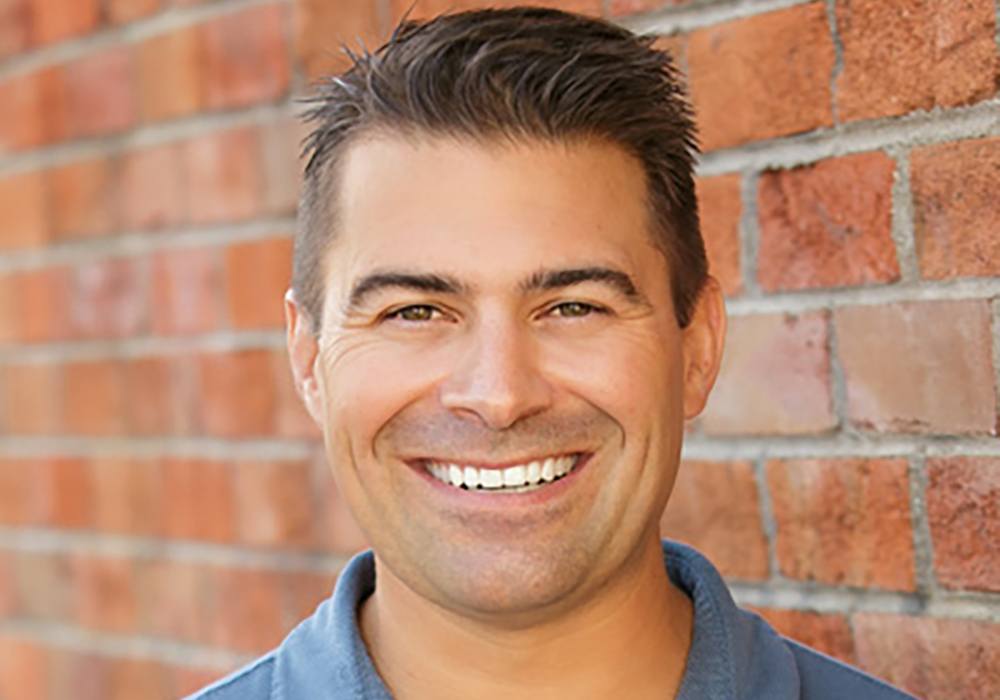
Dan Holt and the business hidden inside the business
He built BillGO to make paying bills easier. The harder lesson was learning which parts of his own company to leave behind.

Daniel P. Maloney Followed the Traffic
A wedding-planning site led Danny Maloney to Pinterest, and Pinterest led him to Tailwind. His career turns on a practical habit: noticing what people need, even when it changes the plan.

Boris Diakonov and the business of getting out of the way
A theology student became a banking technologist, then a founder with a peculiar ambition: give small business owners less to do. At ANNA Money, even the meowing card has a serious job.
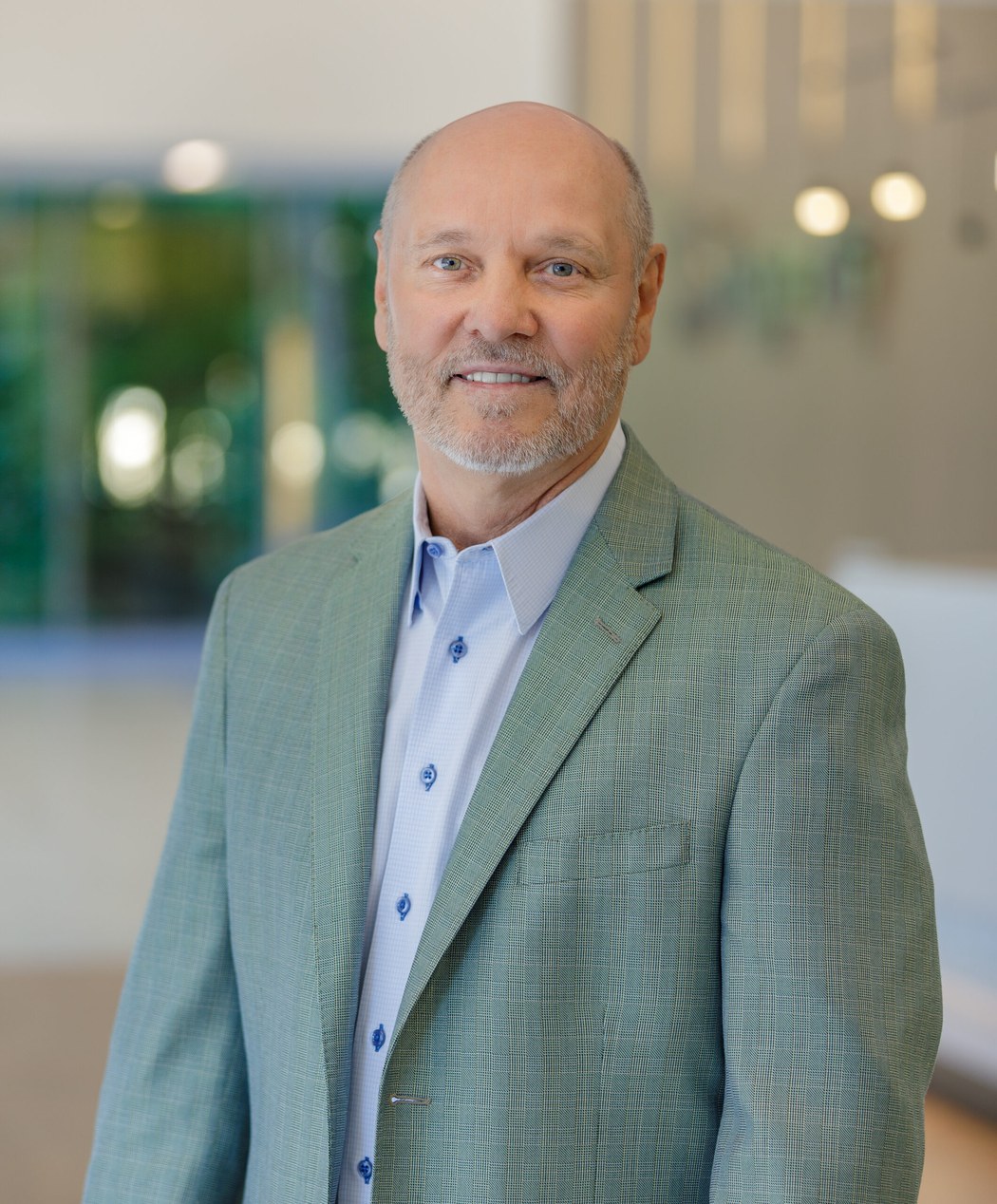
Paul Sarvadi and the value of a second pair of hands
Before he built Insperity, Paul Sarvadi knew what it felt like to run a small business. His answer to the owner’s overflowing desk became a forty-year experiment in how people work together.

Mike Simonds and the value of being new
He spent decades learning how large companies work. At TriNet, Mike Simonds is betting that better technology should give people more room to begin.

The phone book learned new tricks.
American Marketing & Publishing built its business around the neighborhood phone book. Its digital business rests on the same small wager: help an independent shop become the one people choose.

airSlate makes the paperwork move.
The signature is only one stop. airSlate built a business around everything that happens before it, after it, and while somebody is supposed to be looking for it.
Clerk Hotel Management: A room for a second act
A hotelier built Clerk to make small hotels easier to run. Its next chapter starts with a harder problem: turning useful software into a growing business.
FatBrain wants your business to learn from its neighbors
FatBrain built its AI pitch around a simple idea: a small business should learn from businesses like it. Its insurance tools show the appeal. Its acquisition history shows the cost of getting bigger.

Melio lets both sides pay their way
A supplier wants a check. A shop owner wants to use a credit card. Melio built a business in the space between them - and Xero paid $2.5 billion upfront to buy it.

Allan Jones and the cost of doing it yourself
A family mini-market taught Allan Jones how expensive a missing HR department could be. After a clothing startup failed and a marketing career took off, he built Bambee for owners who could not afford one.

Rizwan Kermalli and the arithmetic of a small parcel
He began as a courier driver in New York. With eShipper, Rizwan Kermalli built a business around a useful proposition: small merchants become harder to overlook when their parcels travel together.

V. S. S. Mani and the value of being easy to remember
His first telephone directory venture faltered. His second became Justdial. V. S. S. Mani spent three decades turning a simple request - help me find a business - into a company that outgrew the telephone.

René Lacerte and the paperwork that outlived his grandfather
Four generations of small-business owners taught René Lacerte what happens after the customers go home. At BILL, he has spent two decades trying to give those hours back.

Eddie Machaalani and the $500 website that kept calling back
Five clients were enough to expose the problem: business owners could buy a website, but every small change sent them back to the developer. From BigCommerce to Zarla, Eddie Machaalani has spent his career trying to give them the keys.
Brett L. Prager’s bet on the person behind the numbers
Before CPA2Biz became CPA.com, Brett L. Prager helped build a business around an existing relationship: the one between an accountant and a client. His later return to accounting as an investor gives that early idea a second chapter.

Adam Guild and the Value of Being Useful
He learned to find customers in Minecraft, then put those skills to work for his mother’s dog-grooming shop. The Owner.com co-founder has been following that same problem ever since: how a small business gets a fair chance online.