founder-ceo
(268)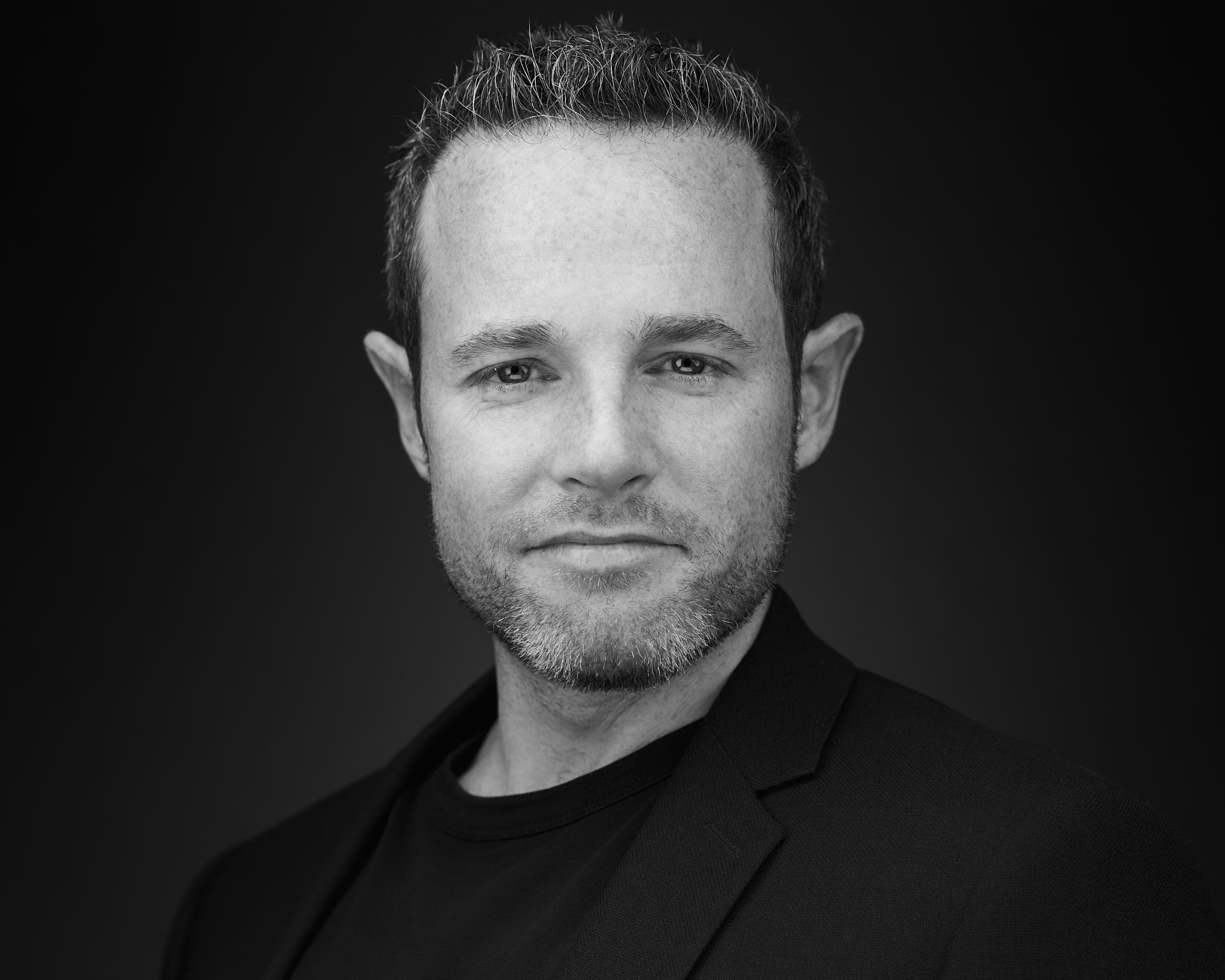
Max Bruner Found Insurance’s AI Opportunity Hiding in the Inbox
After foreign policy, farm drones and pay-per-mile auto coverage, Bruner arrived at a stubborn conclusion: the most useful AI may be the kind that quietly finishes an insurance broker’s work.
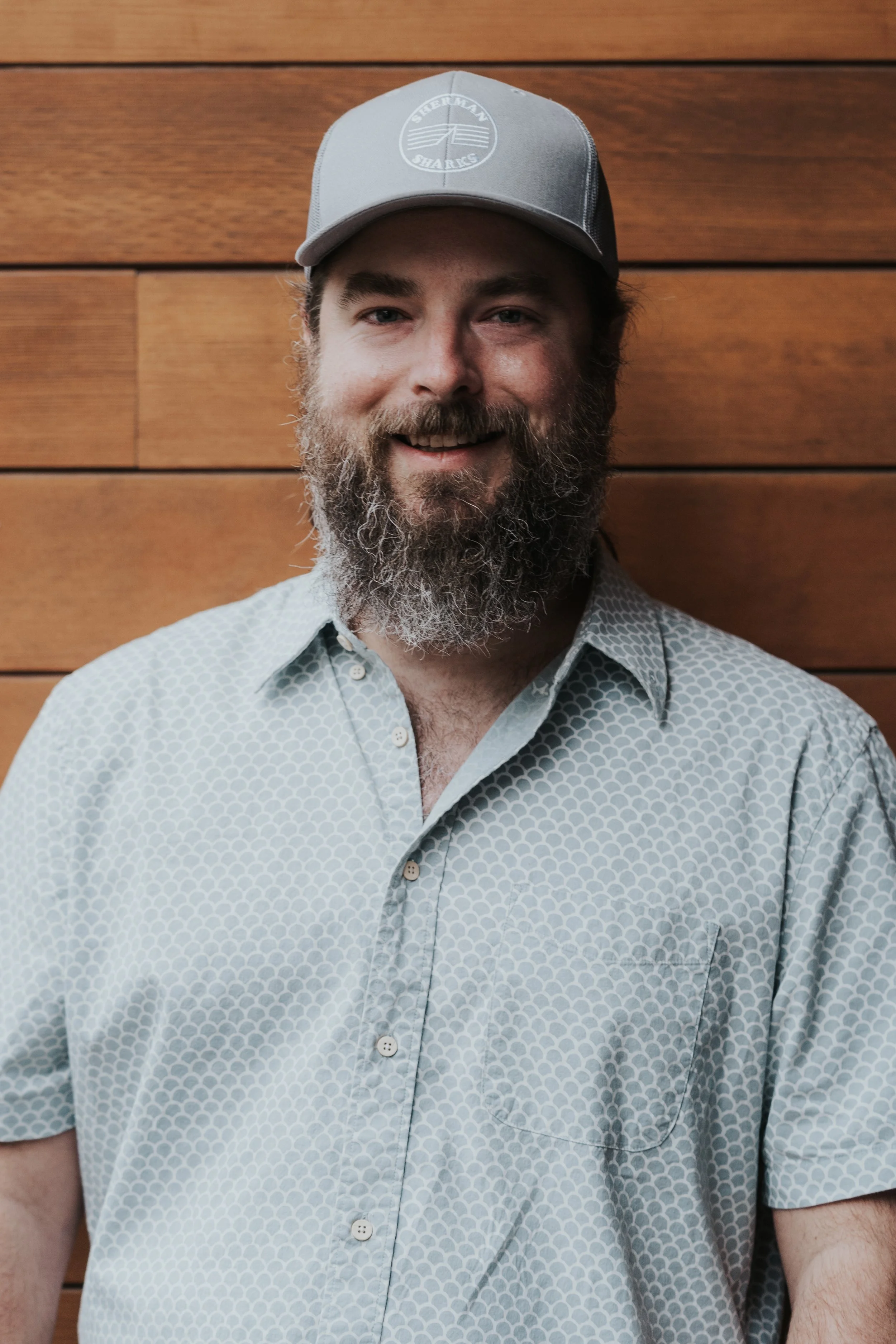
Mike Malone Wants Your Passwords to Expire - Permanently
A sixth-grade C programmer turned a basement full of second-hand servers into a career-long argument: trust should live in cryptography, not in another password someone can copy.
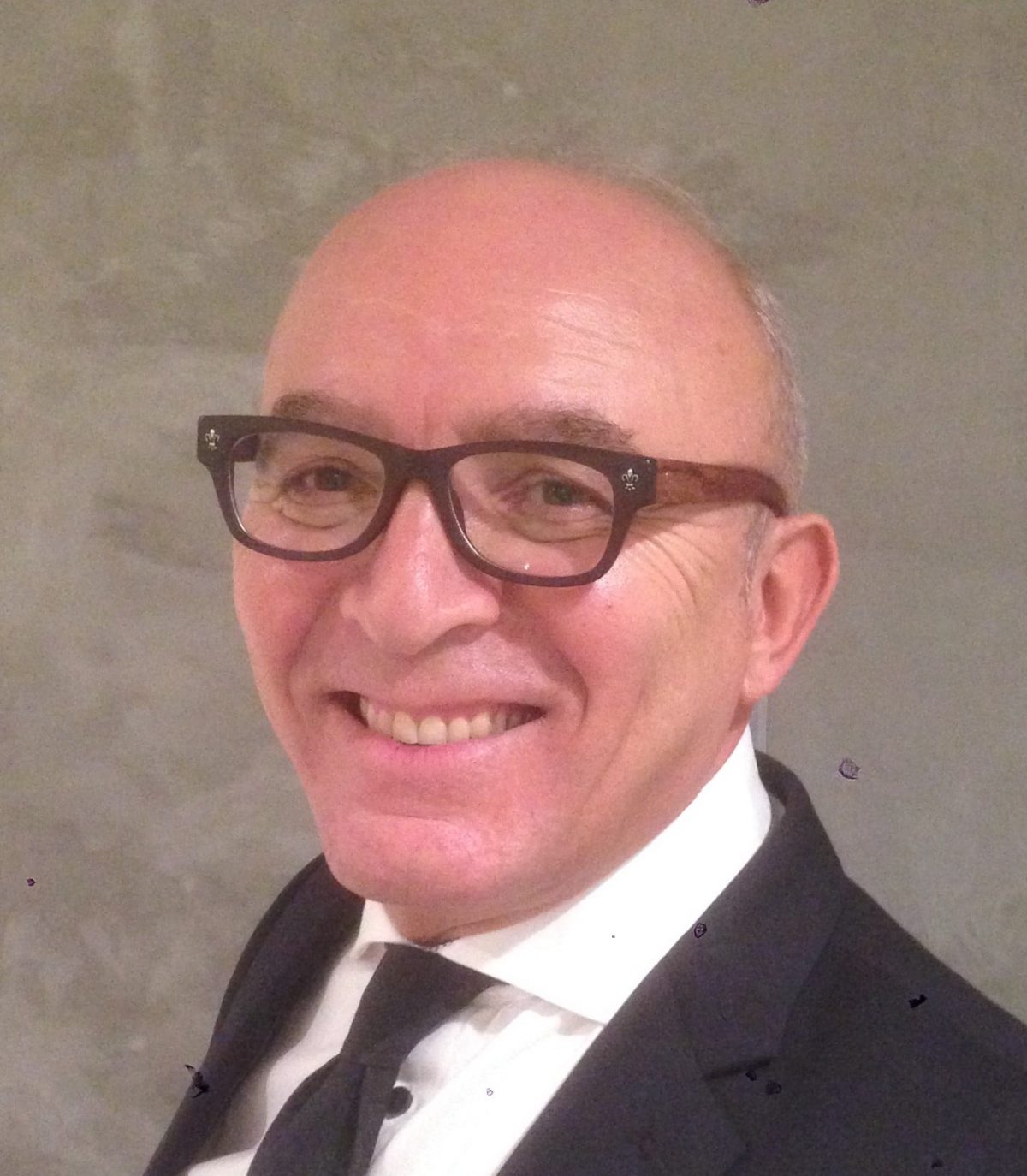
Moustapha Tadlaoui Built a Career Around the Sentence Before the Software
Before code can be tested, shipped or certified, somebody has to decide what it should do. Moustapha Tadlaoui has made a career out of that deceptively difficult first step.
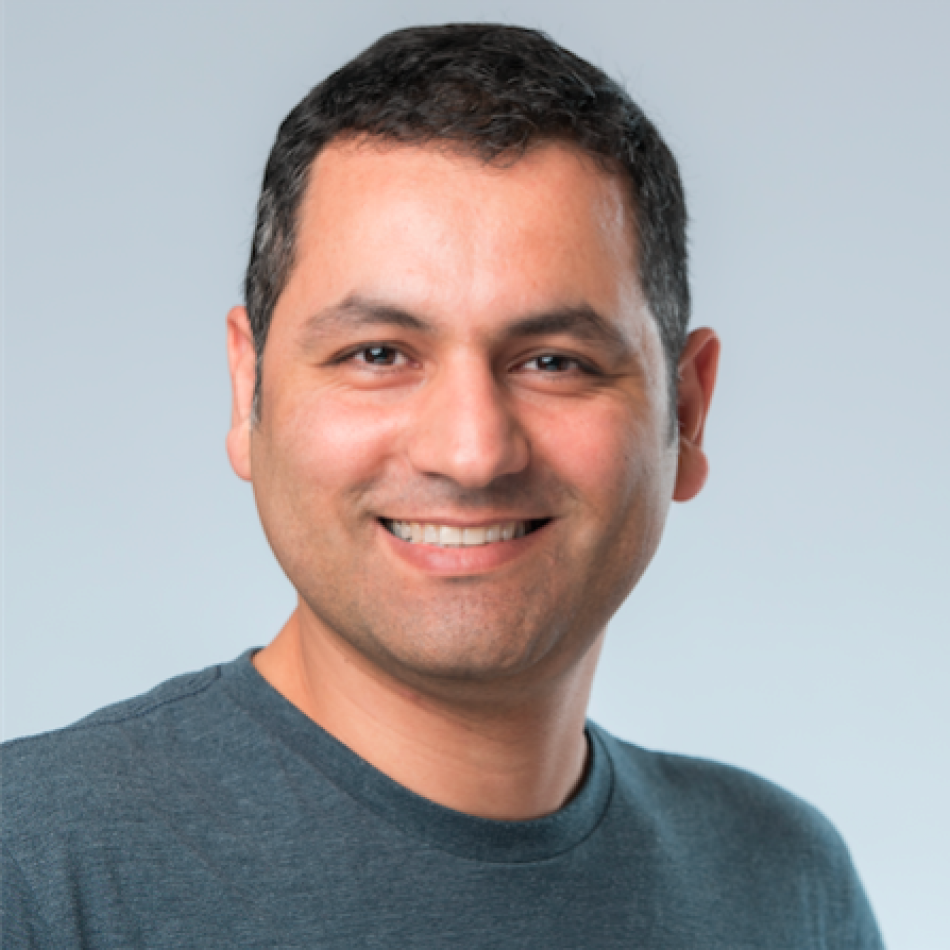
Hojjat Jafarpour Has Spent 20 Years Asking Data to Hurry Up
Long before real-time data became an AI talking point, the DeltaStream founder was studying how information moves. His career is a patient argument that the future arrives continuously - and should be queryable in plain SQL.
Gaurav Saran Built a Business Around the Awkward Journey Back
Most commerce stories end at delivery. The ReverseLogix founder has spent a decade mapping what happens next - and turning retail’s least glamorous handoff into useful infrastructure.

Rajiv Jain Built a Career Asking One Uncomfortable Question: What Could Break?
From object-oriented graphics patents to AI-era quality engineering, the ThinkSys founder has spent three decades turning software's awkward edge cases into an operating philosophy.
Anubhav Guha Is Building the Missing Apprenticeship for Robots
The Sensei Robotics co-founder left an MIT PhD to tackle an unglamorous constraint on embodied AI: machines cannot learn the physical world without enough human examples.
Nick Walker built a company around the shift nobody wanted
Raised by his grandparents and trained in AI, the MochaCare co-founder is turning a missed caregiver shift into an operating system built around showing up.
Antonis Markopoulos Tried to Buy a Plot. The Paperwork Became His Next Company
A bad property search sent a telecoms PhD back to first principles. Prosperty is his attempt to replace real estate's scavenger hunt with data, workflow and a little less wasted time.
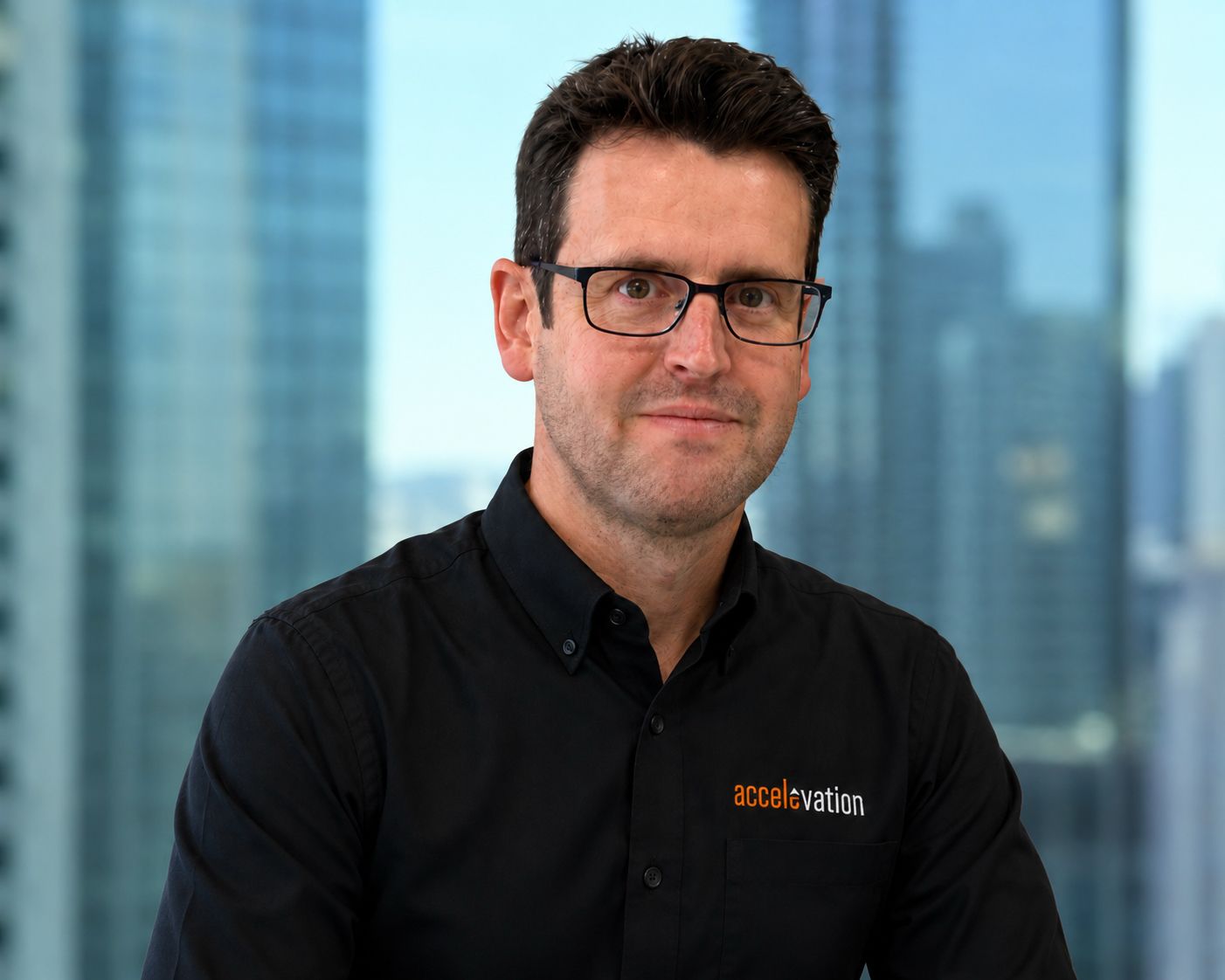
Michael Rubiera Built a Data Center Company at Factory Speed
He started with two Ohio machine shops, prototyped a pandemic pivot in his garage, and found his opening inside the data center. Now the interesting part is not just how fast Accelevation grew, but how Rubiera designed the company to move.
Vijay Krishna Built a Career Around the Second Copy
Before cloud backup became an industry, Vijay Krishna was selling storage in Japan. Now his company protects the working memory inside Google Workspace, Microsoft 365 and a widening shelf of SaaS apps.
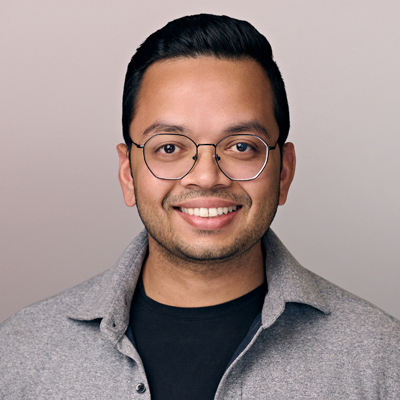
Viswa Colluru Is Building a Search Engine for Nature’s Unread Chemistry
The founder of Enveda turned an old question - what has nature already invented? - into a new kind of drug-discovery company, built across Boulder and Hyderabad and designed to keep learning around the clock.
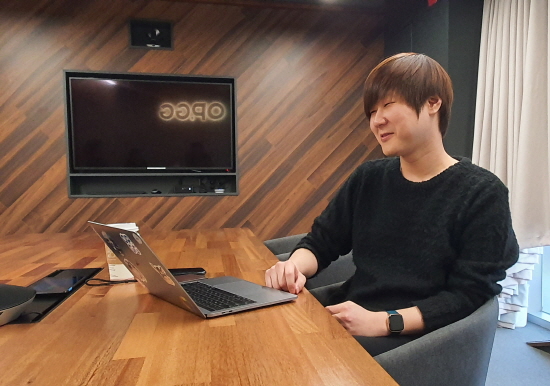
Sangrak Choi Built OP.GG by Treating Every Player Search Like a Product Decision
A childhood habit of building fan sites became a global gaming-data company. The useful lesson is smaller: listen closely, ship quickly, and let real players tell you what deserves to exist.
Mayank Kukreja Took the Expense Report Personally
After nearly 200 days a year on the road, the former engineer, consultant and Myntra operator turned a familiar office annoyance into ITILITE - then learned to rebuild a travel company while nobody was traveling.
Binny Gill Wants the Next Programming Language to Be English
A father-son coding lesson exposed a stubborn flaw in computing: after decades of progress, people still had to think like machines. Gill built Kognitos around the reverse proposition - make the machine learn our language.

Arnold Leitner Has Been Redesigning Power Since He Was 19
A teenage passive-house project became a 35-year argument with the electric grid. Now the physicist behind SkyFuel and Leitnium is betting that homes should make, store, and command their own power.

Amy Williams
Amy Williams built Good-Loop around a stubborn question: if advertising can buy attention, why can’t that attention fund something useful? A decade later, her harder project is proving that purpose belongs in the machinery of business, not at its margins.
Alexander Kuebel
He sold duplicate Panini stickers at seven, met his co-founders at university, and learned to turn ugly integration work into infrastructure. Now Kombo's CEO is taking that very specific obsession from Berlin to New York.
Alex Song
He spent nine years reading markets for Goldman and Bill Ackman. Now he is handing small brands the data science that used to belong only to the giants.
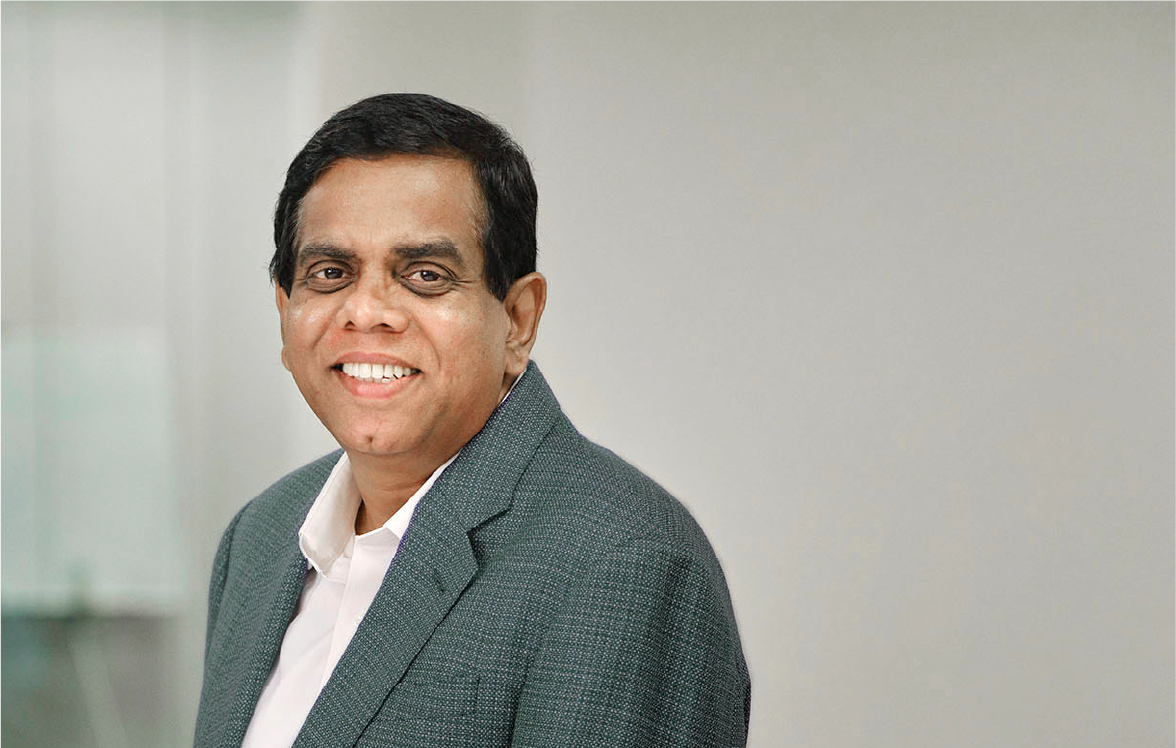
Ajikumar Parayil
He spent years teaching bacteria to build molecules that used to take entire fields of plants. Then he bet a company on getting those microbes out of the lab and into million-liter tanks.

Adam Fields
He left an art marketplace because nobody could figure out how to ship a painting. A decade later his software quietly runs the last mile for fine art, watches, and collectibles across 45 countries.
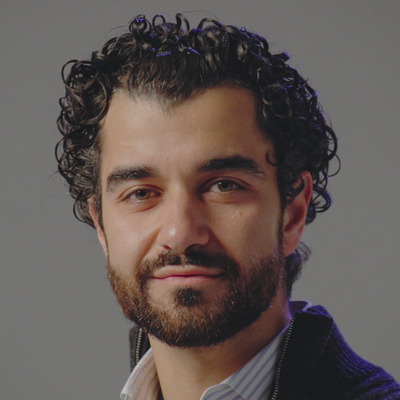
Abdul Al-Asaad
He grew up in a refugee camp and learned finance at Goldman Sachs. Now Abdul Al-Asaad wants to hand ordinary savers the borrowing power that has always belonged to the wealthy.

Vivek Nair
Vivek Nair is the co-founder and CEO of Multifactor (YC F25), an applied cryptography company building zero-trust authentication, authorization, and auditing for AI agents. He earned his Ph.D. in Computer Science from UC Berkeley at 22 as a Hertz Fellow, published landmark work on privacy in virtual reality, and served as a technical lead in cyber units at the Department of Defense and CIA before starting the company.
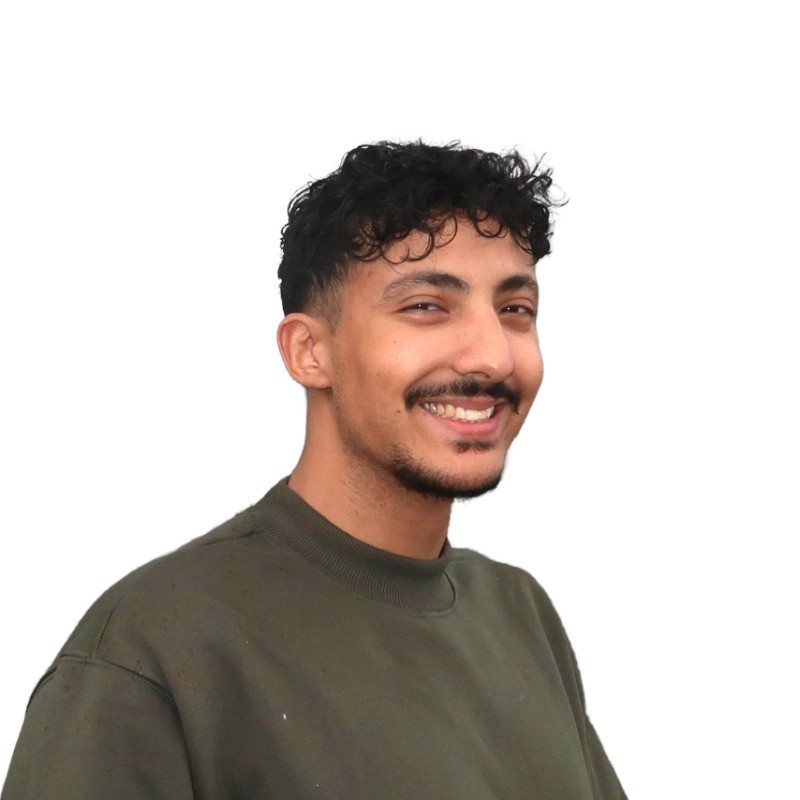
Zakariea Sharfeddine
Zakariea Sharfeddine is the co-founder and CEO of InLoop Robotics (YC P26), a startup building AI-native warehouse fulfillment powered by robotic arms you hire by the month. A KIT-trained informatics engineer who did machine learning work at Bosch and BMW and reinforcement learning research at RoboTUM, he now leads a team deploying bimanual robots that pack, kit, and fulfill orders, with remote human operators stepping in on edge cases so the line never stops.
Rochan Sankar
Rochan Sankar is the founder and CEO of Enfabrica, a Silicon Valley startup building networking silicon to move data between the GPUs, CPUs and memory that power large-scale AI. A 26-year semiconductor veteran who ran Broadcom's data center Ethernet switching business before striking out on his own in 2019, he bet the company on a single idea: that AI's real bottleneck is not compute but the plumbing that feeds it. In September 2025, Nvidia paid more than $900 million to license Enfabrica's technology and bring Sankar and much of his team in-house.
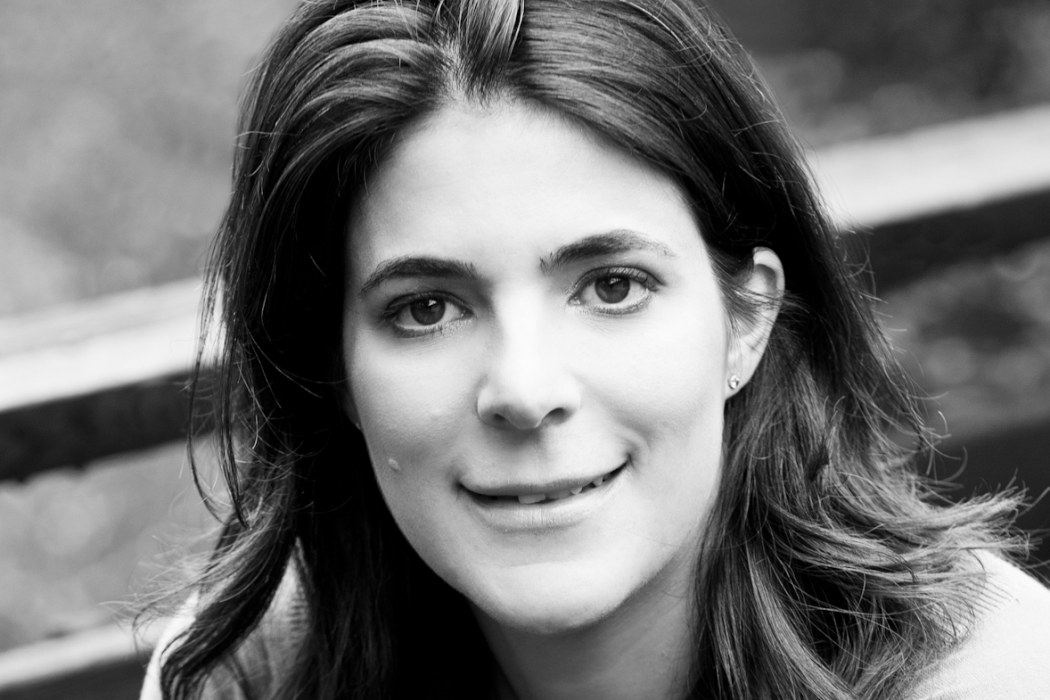
Ruti Zisser
Ruti Zisser is the Israeli-American founder and CEO of RUTI, a slow-fashion label she started in her Palo Alto garage in 2009 after a career in tech. Built on three rules - cool, flattering, practical - the brand grew from imported Israeli labels and living-room trunk shows into a chain of boutiques, a $6M Series A for an opt-in facial-recognition personalization platform, and a viral hit with its 'On the Loose' barrel-leg pants that helped push revenue past the $40M mark and open a Madison Avenue flagship.
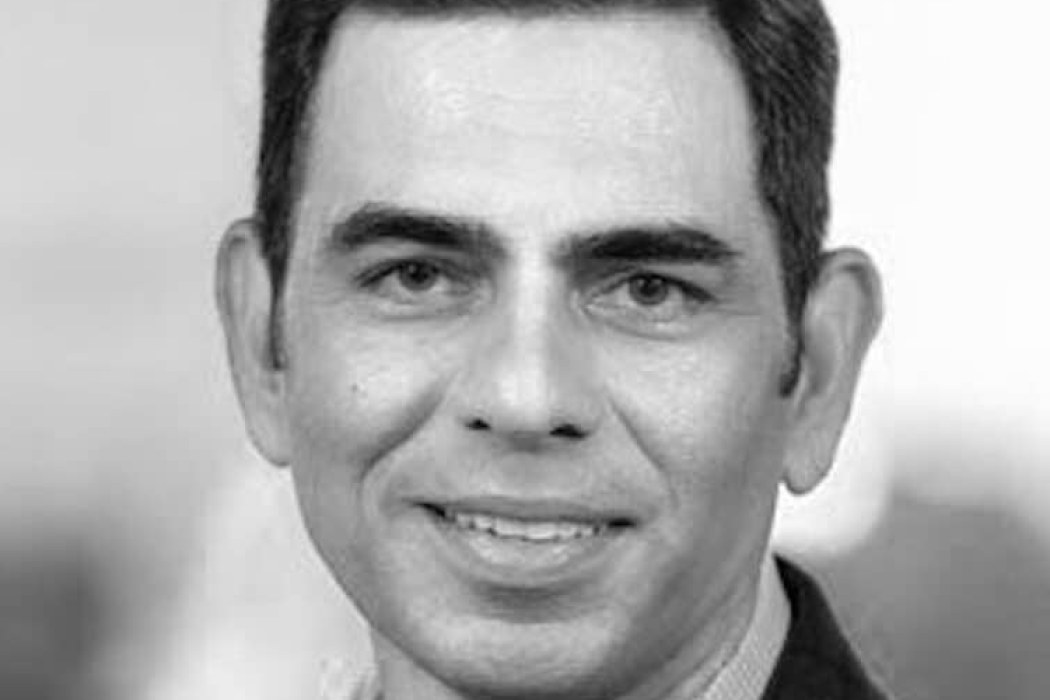
Sam Tyagi
Sam Tyagi is a Silicon Valley serial entrepreneur and the founder, CEO and chairman of KlearNow.AI, an AI-powered platform that digitizes customs clearance and drayage to make global supply chains clearer, faster and cheaper. Before KlearNow he built and exited three IT integration companies, including Softline and Systech, and he is a managing partner at Argean Capital. He often frames his mission as bringing to customs clearance what Uber brought to transportation.
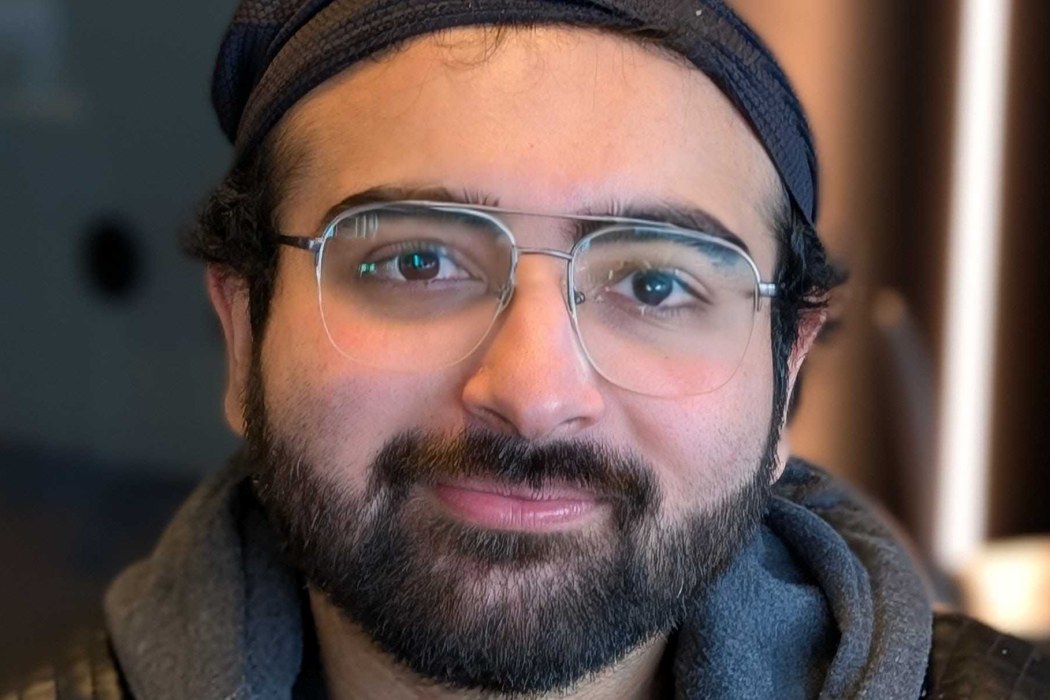
Saoud Rizwan
Saoud Rizwan is the founder and CEO of Cline, an open-source AI coding agent that runs inside code editors like VS Code. He built the first version in June 2024, about ten days after Anthropic released Claude 3.5 Sonnet, as a side project for the company's Build with Claude hackathon. He didn't win, but the project caught fire online and Cline has since passed millions of installs and raised $32M in seed and Series A funding from Emergence Capital and Pace Capital. Before Cline, Rizwan was a prolific iOS and Swift open-source developer. His pitch is unusually blunt for the AI era: Cline captures zero margin on AI usage, shows developers exactly what each request costs, and lets them bring their own models.

Scott McKinley
Scott McKinley is the founder and CEO of Truthset, an Oakland-based data validation company that scores the accuracy of consumer data used across advertising and marketing. A former captain of the 1988 US Olympic Road Cycling Team who walked away from the sport as doping spread, he spent roughly two decades in ad tech and martech - including a stretch as an EVP at Nielsen and CEO of IDify - before starting Truthset in 2019 to bring transparency and accountability to an industry he felt was full of unchecked claims about data.
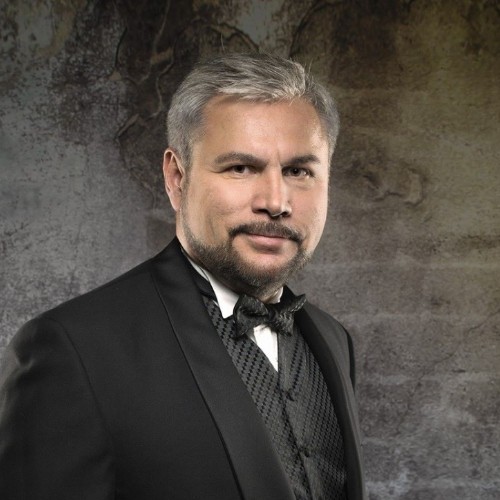
Sergey Savastiouk
Sergey Savastiouk, Ph.D., is the founder and CEO of Tickeron, a Reno-based platform that pairs artificial intelligence with plain-language explanation to give self-directed investors and advisors trading signals, pattern recognition, and automated 'AI robots.' A former applied-mathematics professor at Santa Clara University with two prior startups behind him, he turned the losses of the 2008 crisis into a mission to hand retail investors the kind of algorithmic tools once reserved for institutions.