silicon-valley
(989)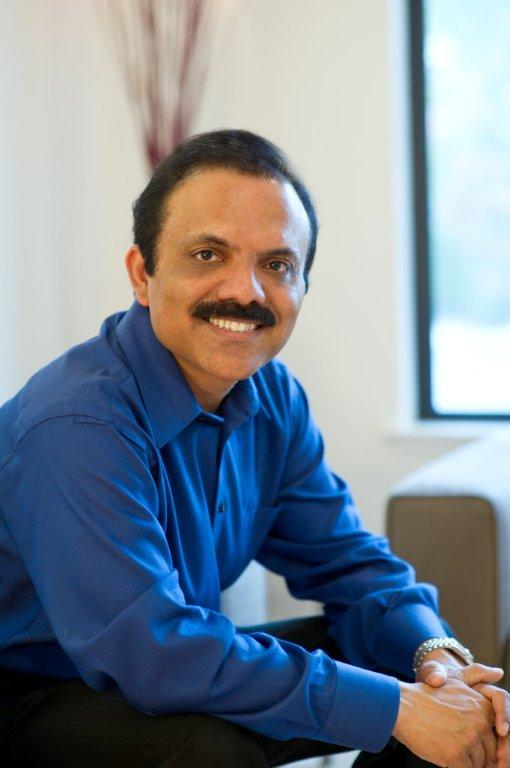
Ajit Gupta and the trouble with standing still
After Speedera, Ajit Gupta tried retirement. Then the Aryaka co-founder and founding CEO took on a familiar irritation: why was connecting offices across the world still such hard work?
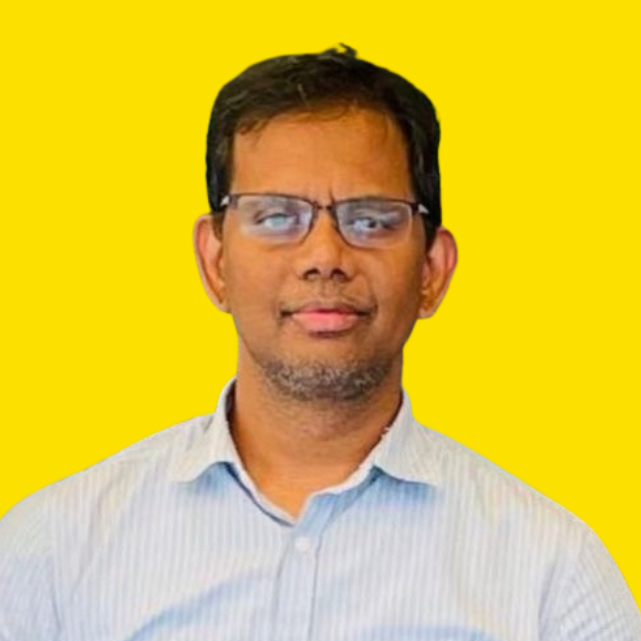
Bharath Mundlapudi and the distance after the first kick
A soccer lesson, a career beneath the software stack, and a founder’s recurring question: how does technical capability become useful progress? Inside Bharath Mundlapudi’s journey from Java and Hadoop to Enterprise Minds.
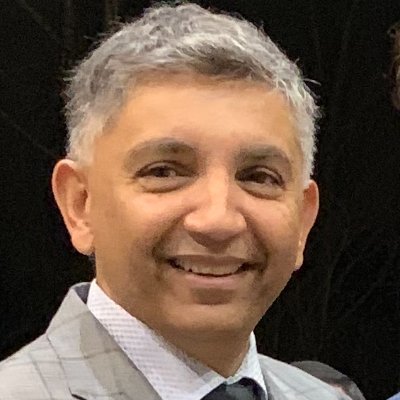
Osman Rashid had the customers. Now he needed the books.
Chegg’s founding CEO learned to buy the textbooks after the orders arrived. From digital books to Pakistani classrooms, Osman Rashid has kept finding new ways to get an education into someone’s hands.
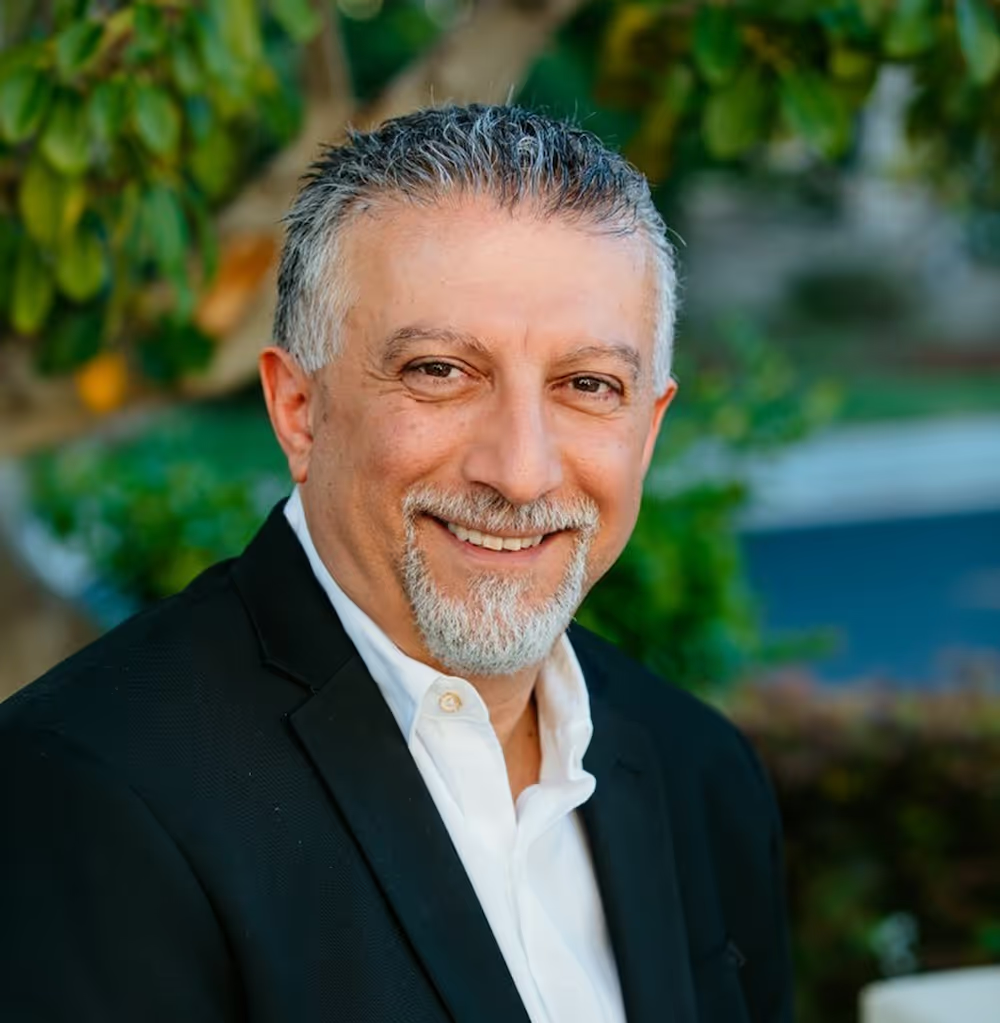
Hamid Kohan and the business hiding inside a law firm
An engineer by training, Hamid Kohan found a second career in the work surrounding the lawyers. His answer has grown from staffing and systems into a bet on how people and AI will share the office.
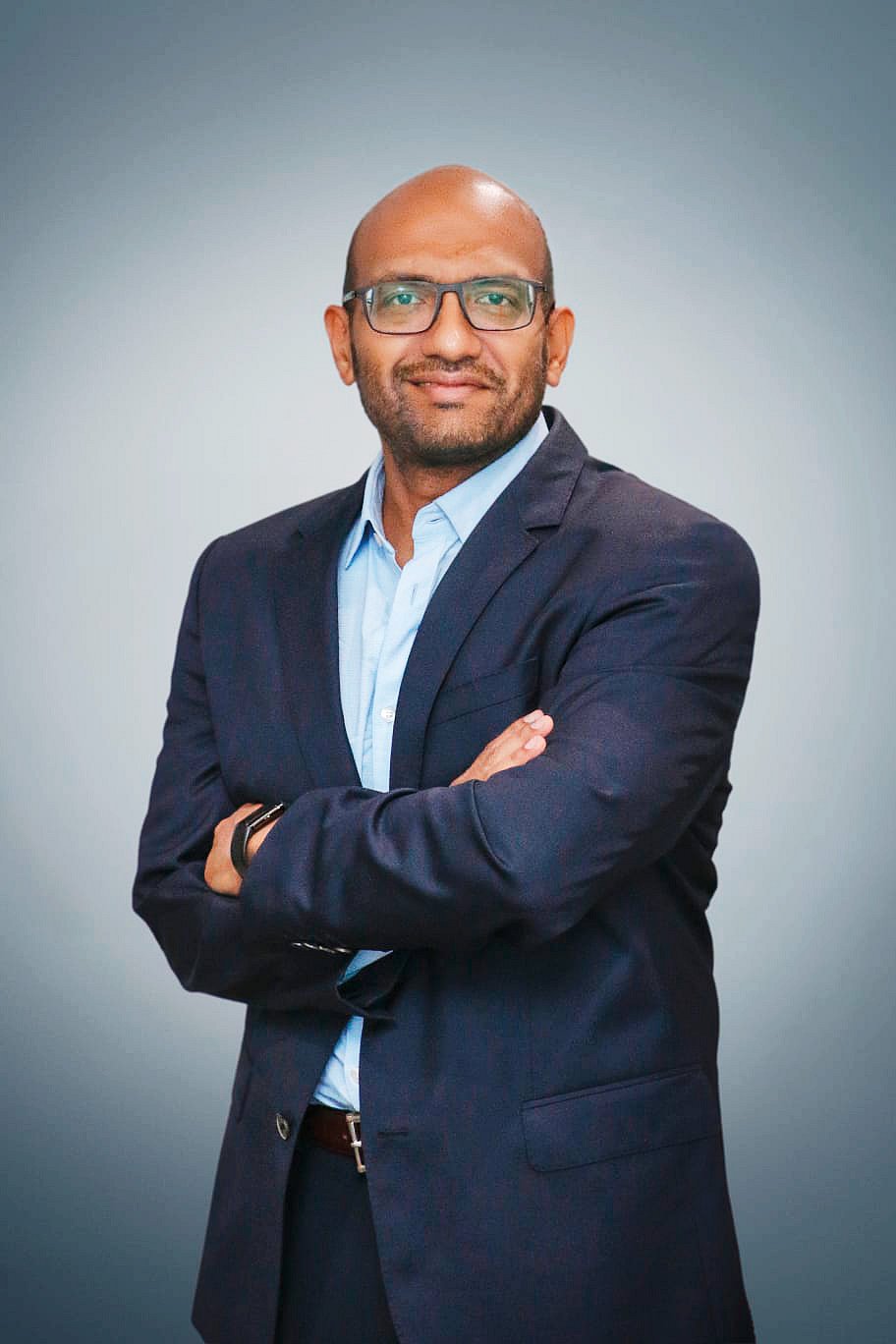
Atif Azim and the value of a small room
Before Careem became a familiar name, four developers in a Karachi conference room were writing its first code. For VentureDive co-founder Atif Azim, the story of building technology keeps coming back to the people around the table.
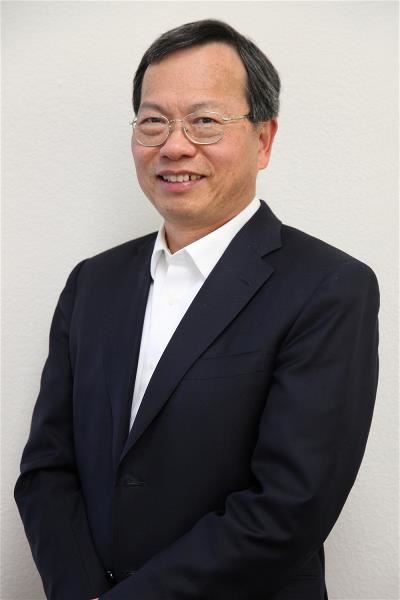
Charles Liang and the twenty-year head start
Long before AI made server cooling a boardroom subject, Charles Liang was counting wasted watts. The Supermicro co-founder’s career runs from Taiwan’s classrooms to the machinery behind the AI boom - with the responsibilities of scale now catching up.
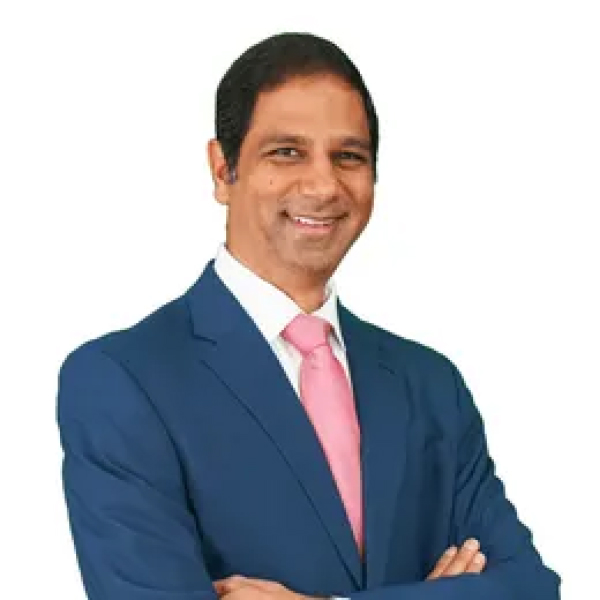
Vijay Shah and the business of staying useful
An early e-commerce venture put Vijay Shah on one side of the startup table. At V2Solutions, he built a business on helping the people sitting on the other side.
Robert H. Swanson Jr. and the future that needed a power supply
He started Linear Technology hoping for twenty years of work. His wager on analog chips became a much longer lesson in keeping engineers, customers and a company together.
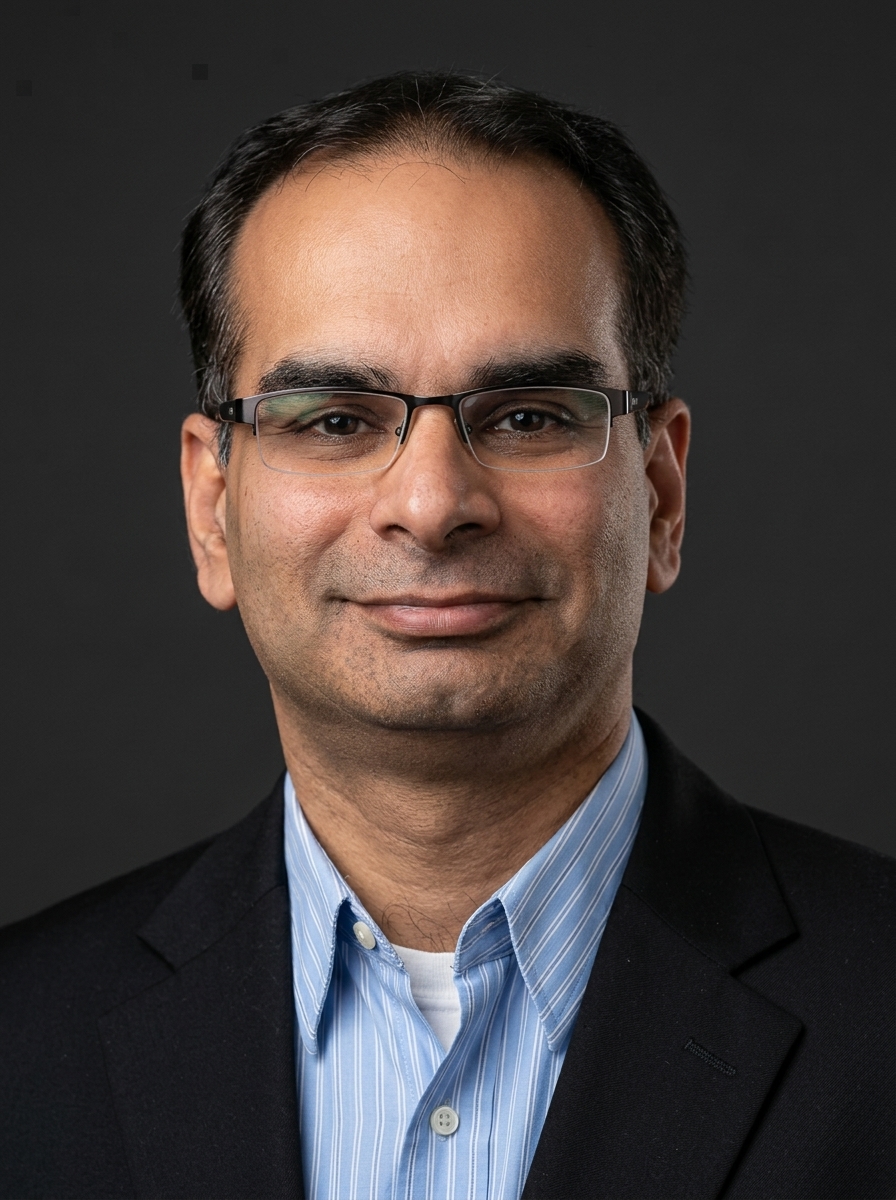
Adnan Lawai’s bet on the other side of the map
In 2005, the MIT-trained engineer moved to Pakistan to lead Folio3. Two decades of software, hiring and shared adventures show how much of his work begins with finding the right people.
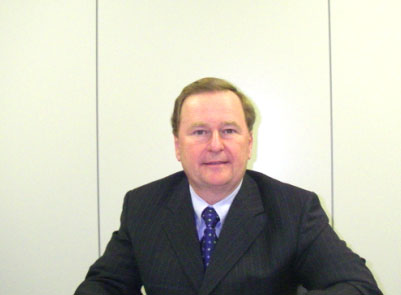
Lothar Maier and the business of taking the long view
At Linear Technology, Lothar Maier built a career around patient engineering, selective markets and products with long working lives. His story runs from model airplanes in Milpitas to a $14.8 billion acquisition and a seat on SunPower’s board.
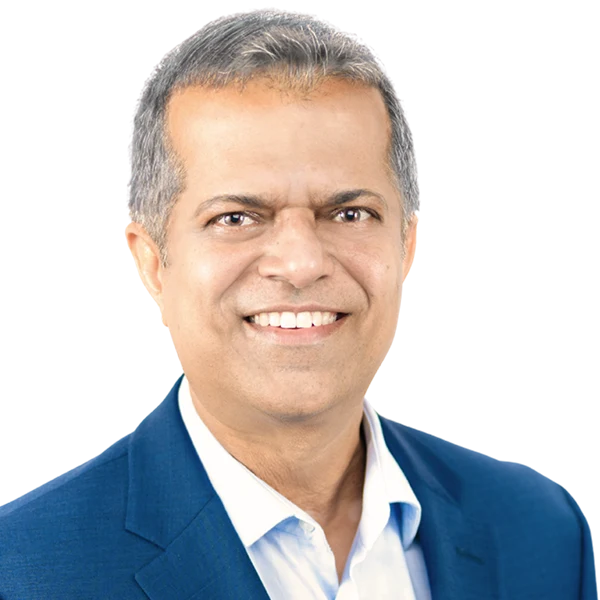
Kash Shaikh and the hard work of making things simple
From software engineering to the CEO’s office at Penguin Solutions, Kash Shaikh has kept returning to the same problem: how to make complicated technology useful to the people who depend on it.

Jessica Powell and the art of taking things apart
She helped Google explain itself, then wrote a novel about Silicon Valley’s absurdities. At AudioShake, Jessica Powell is working on a different kind of deconstruction: giving people access to the sounds inside a recording.

Ofer Ben-Shachar and the Art of Coming Back
He helped build the software behind the early web, then took on the business of buying print. Ofer Ben-Shachar’s career makes more sense when you follow the returns, the handovers and the people who would work with him again.

The chip was small. The idea was bigger.
Linear Technology built a business around the analog problems digital products could not escape. Its most useful lesson was knowing when a better chip was worth paying for.

Altera gives silicon a second chance
Its chips can change their circuitry after they leave the factory. Now, after a decade inside Intel, Altera is making a change of its own.

Rich Skrenta and the problem of too much information
From an office above a trophy shop to a public archive of the web, the Topix co-founder keeps returning to one question: how do we make all this information useful?
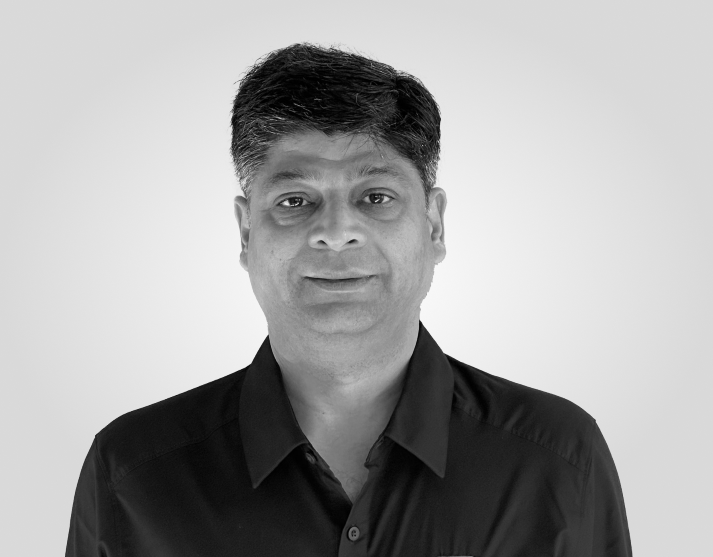
Sachin Gandhi and the distance between two data centers
After two startup acquisitions, Sachin Gandhi is building Retym around an easily overlooked part of AI: the connections between its machines. His route runs through chip engineering, company operations and the patient work of getting silicon into customers’ designs.

Mukundu Kumaran and the three-page plan
After years building advertising technology at Yahoo, Mukundu Kumaran co-founded C1X to make its complicated transactions easier to manage. His career keeps returning to a practical question: can the people using the software get the work done?

Saeed Amidi’s theory of the lucky address
A family office building put Saeed Amidi next door to Google and PayPal. He has spent the years since trying to make that kind of proximity available to entrepreneurs around the world.
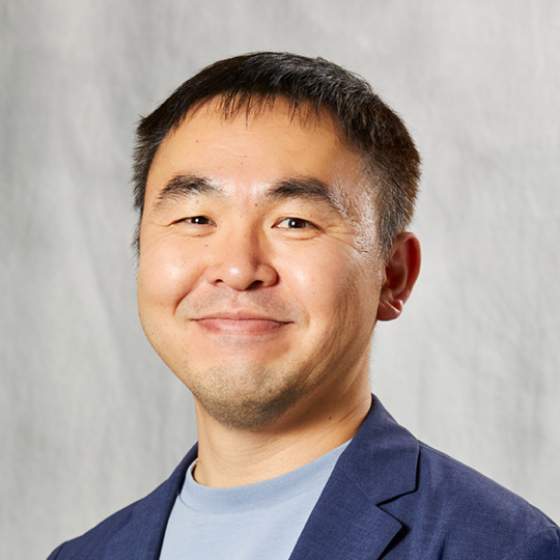
Hironobu Yoshikawa had to get off the bench
He was investing in startups before he had ever run one. Building Treasure Data gave Hironobu Yoshikawa an education he now brings to the other side of the table.

Joanna Kulesa and the art of leaving the band playing
She followed the Grateful Dead west, built a Silicon Valley PR agency, and handed it to two longtime colleagues. Joanna Kulesa’s business story turns on a question of ownership: how much can a founder give away?
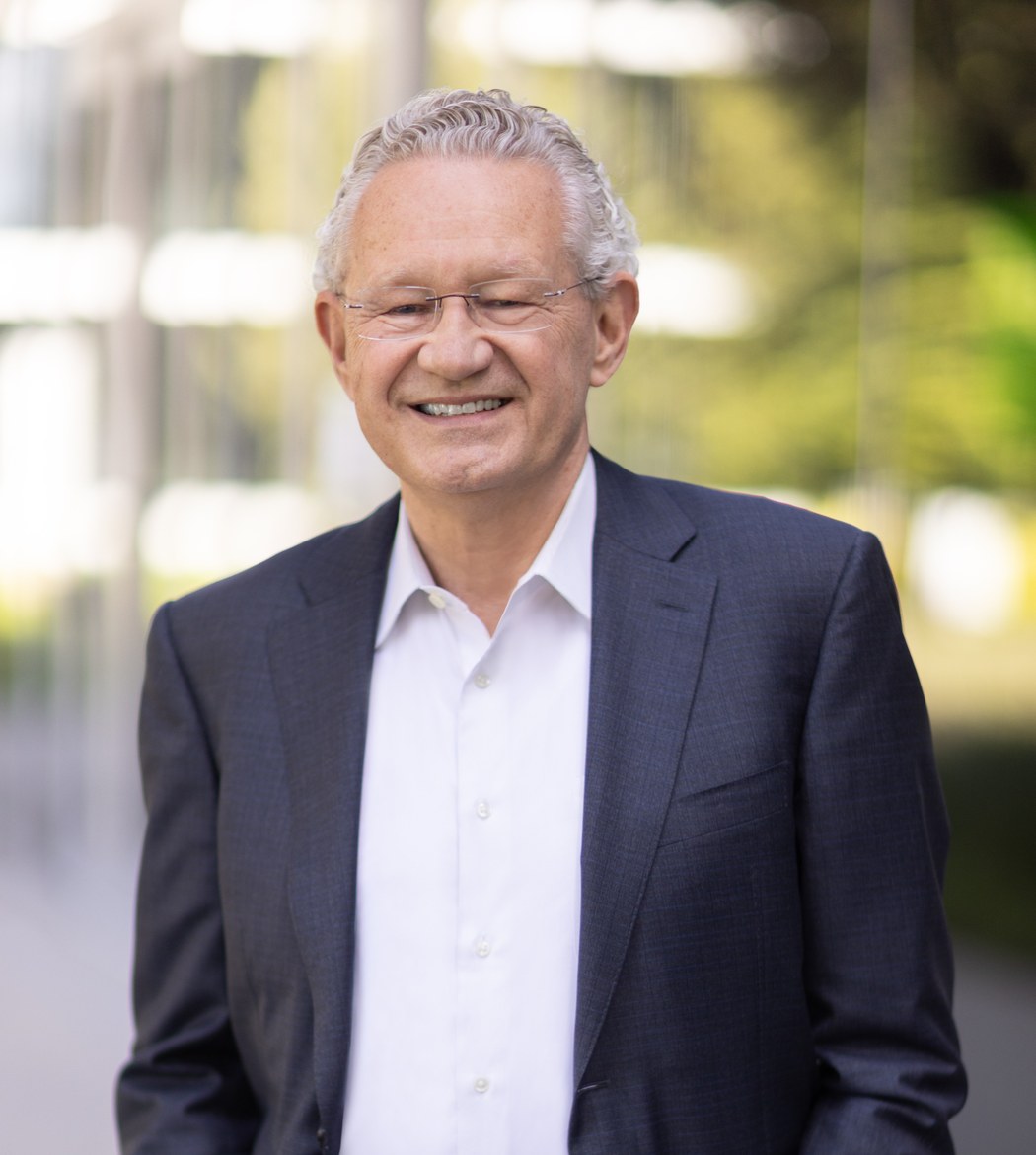
Aart de Geus learned to leave room
He helped teach computers to design chips. But the Synopsys co-founder’s ideas about building a company owe something to a different pursuit: playing the blues.

Ashot Iskandarian’s Expensive Birthday
On his birthday in July 2017, Ashot Iskandarian left his software job to build Shopmonkey. The wager joined a childhood love of cars to a question he and his wife kept asking: who would this business help?
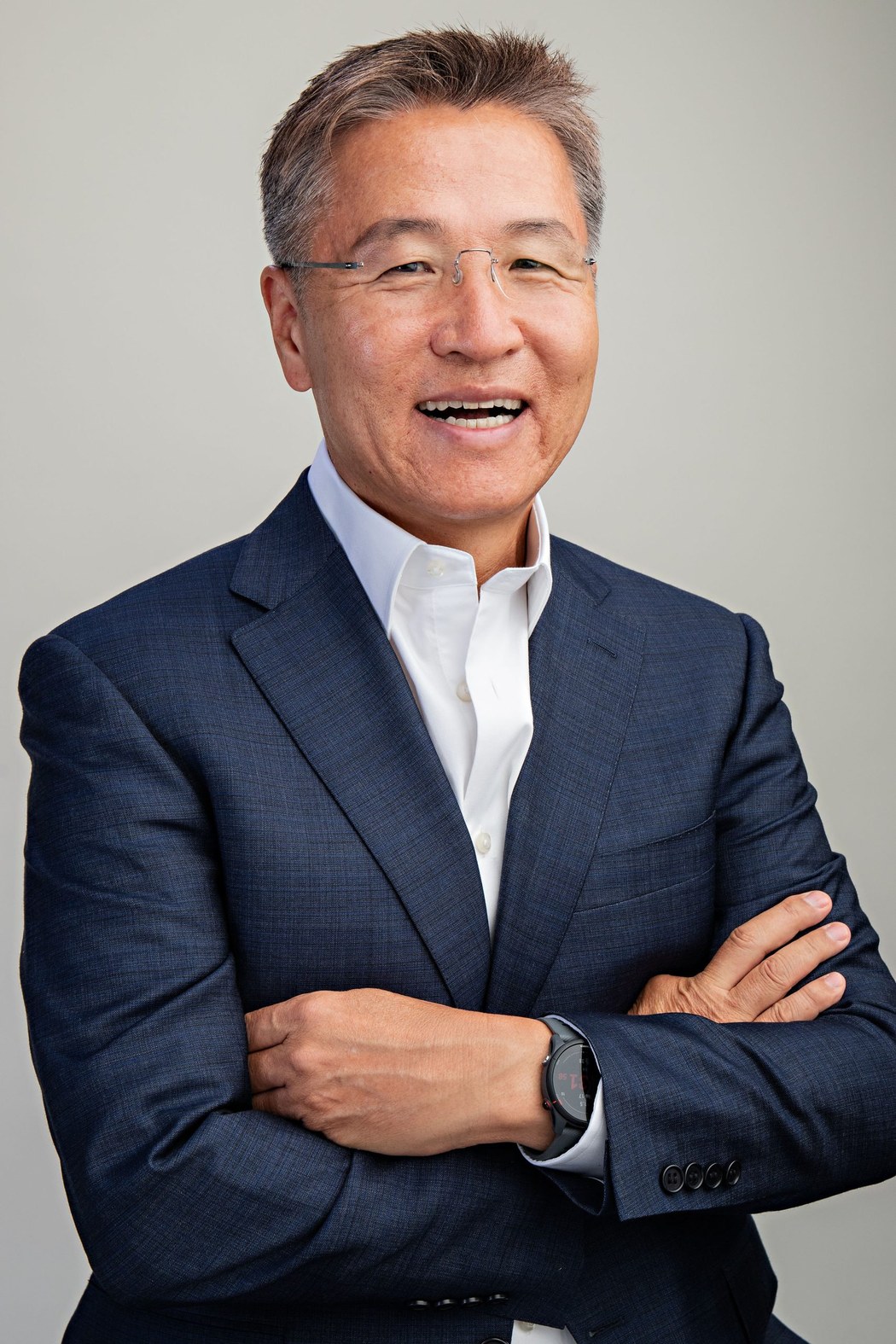
Michael Yang Sold a Shopping Site. A $200 Motorcycle Stayed With Him.
Before mySimon and Become.com, Michael Yang was a teenage immigrant with a used Yamaha. Decades later, long rides across the Americas gave the founder another way to think about ambition, belonging and what comes next.
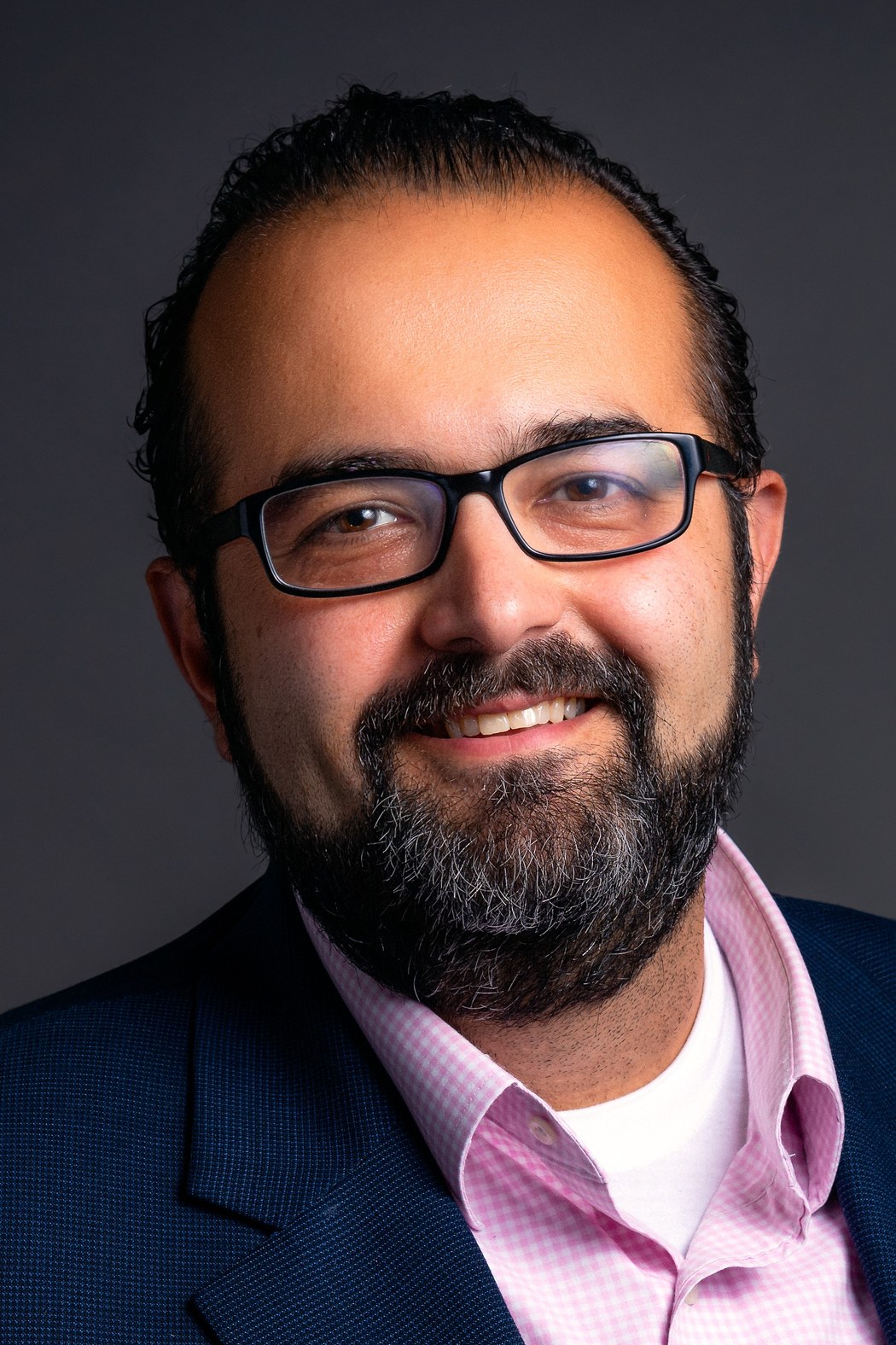
Alaa Halawa and the Six-Month Assignment That Kept Going
A temporary move to Silicon Valley became a career in company building. From semiconductor strategy to venture investing and Salma Health, Alaa Halawa has kept taking on a different part of the job.
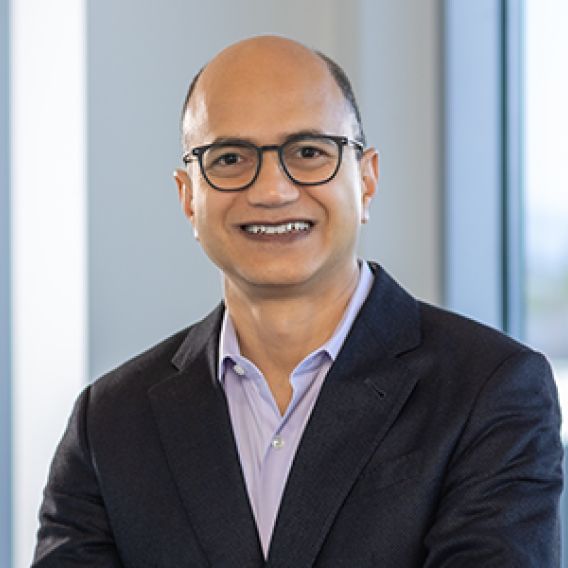
Raghib Hussain and the value of a second beginning
After building Cavium and helping steer Marvell toward data infrastructure, Raghib Hussain took on an older company with a fresh start. At Altera, his wager is that programmable chips need a more predictable business behind them.
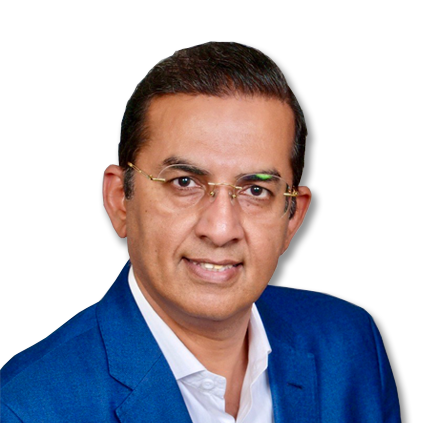
Sanjay Sharma and the Trouble Beyond the Warehouse Door
He built a business around knowing where things were. With Roambee now called Decklar, Sanjay Sharma is pursuing the harder question: what should happen next?
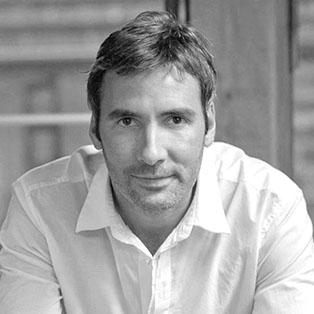
Xavier Verdaguer and the biscuit-tin theory of invention
Before he founded Imagine Creativity Center, Xavier Verdaguer built a rain recorder from an alarm clock and a biscuit tin. He has spent his career finding new ways to turn an unlikely collection of parts into something that works.
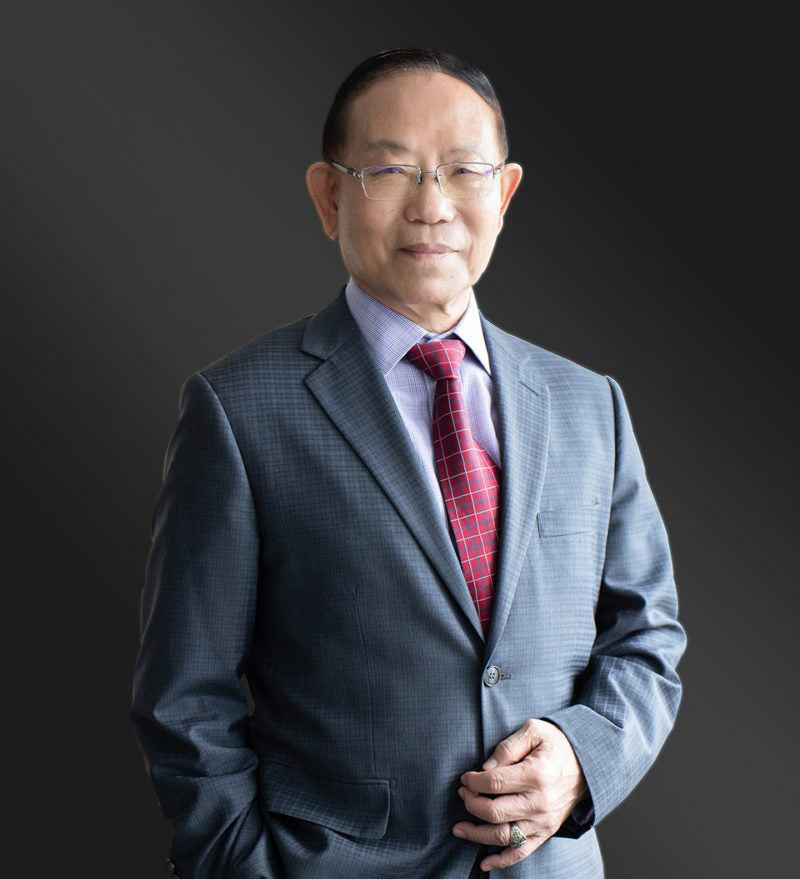
Augie Lien and the Art of Starting Again
He stepped away from Cardiva’s CEO desk years before its acquisition. With Aulisa, Augustine “Augie” Lien began another chapter, drawing on a career that connects Taiwan, Silicon Valley and the practical work of building companies.
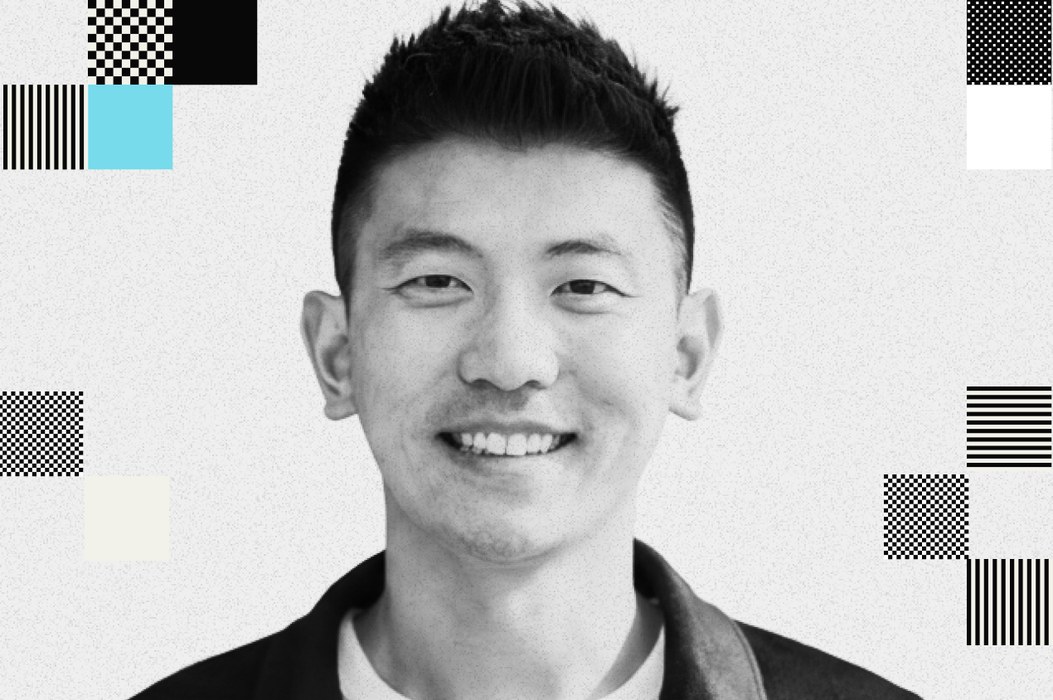
David Zhu and the value of a long memory
At Reevo, David Zhu is betting that sales software should remember what people learn. His founding team has a head start: some of its relationships go back to the schoolyard.