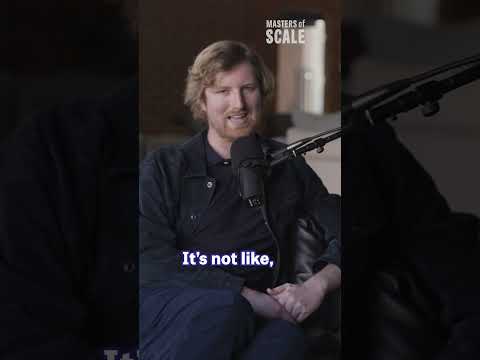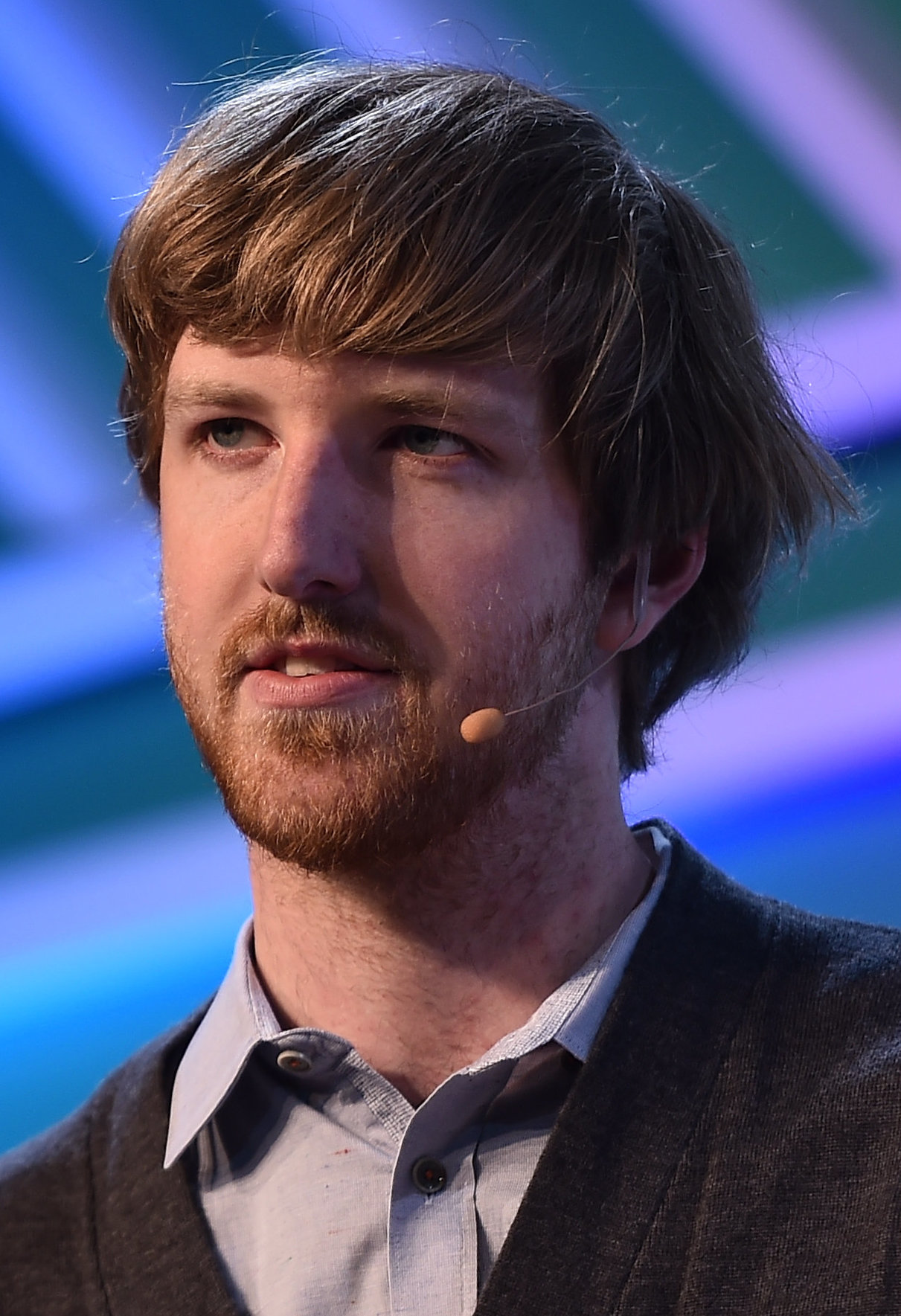
At 11, Austin Russell commandeered his family's garage in Newport Beach, California, and turned it into a working optics and electrical lab. His parents were not engineers. They did not guide him toward photonics or quantum mechanics. By their own account: "You just let Austin do his black magic in the garage and slip food under the door."
That lab produced a groundwater recycling system patent by the time Russell was 15. It produced Luminar Technologies - one of the most significant lidar hardware companies in the world - by the time he was 16. And it made him, at 25, the youngest self-made billionaire in recorded history, when Luminar went public on Nasdaq in December 2020 and his stake hit $2.4 billion on opening day.
The autonomous vehicle industry in the 2010s was characterized by two things: ambitious promises and invisible progress. Waymo insisted full autonomy was imminent. Startups dissolved in waves. Lidar - the laser-based sensor technology that lets vehicles "see" in 3D - was expensive, bulky, and widely assumed to be a transitional technology that would be obsoleted by cheaper cameras and radar.
Russell built something different. He built a 1550nm wavelength lidar sensor - longer wavelength than the industry standard 905nm - which offered longer detection range, better performance in challenging conditions, and critically, safer eye exposure limits. He built it himself, in-house, rather than sourcing components. He kept the whole thing secret for five years. When Luminar finally emerged from stealth in 2017, it had already signed partnerships with major automakers. The technology was real. The hardware existed. The autonomous vehicle industry, used to vaporware, was stunned.