hardware
(200)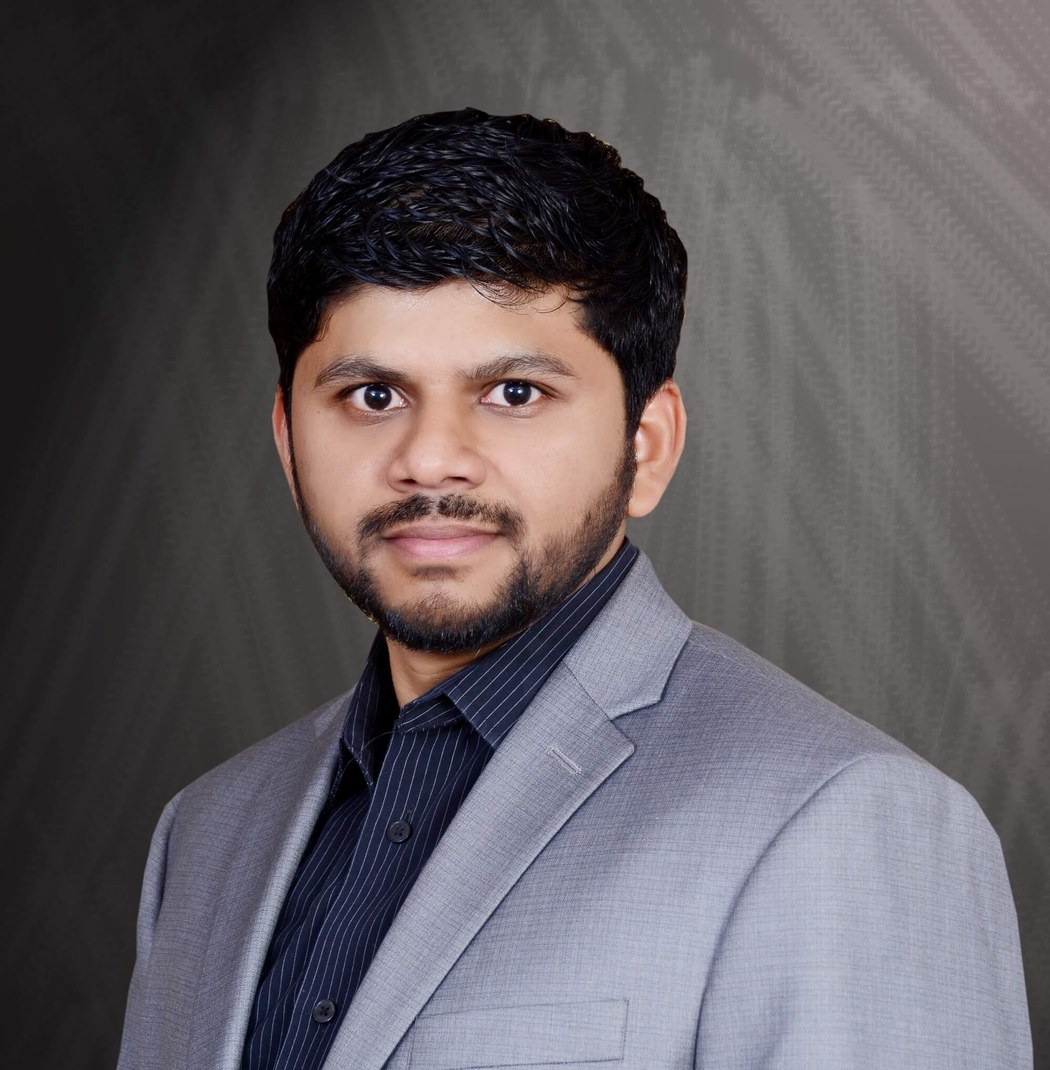
Rohin Parkar and the trouble with doors
After twelve years in the US wireless industry, Rohin Parkar returned to India to build Spintly with Malcolm Dsouza. Their starting point was a room full of controllers, cables and an awkward question about how buildings work.
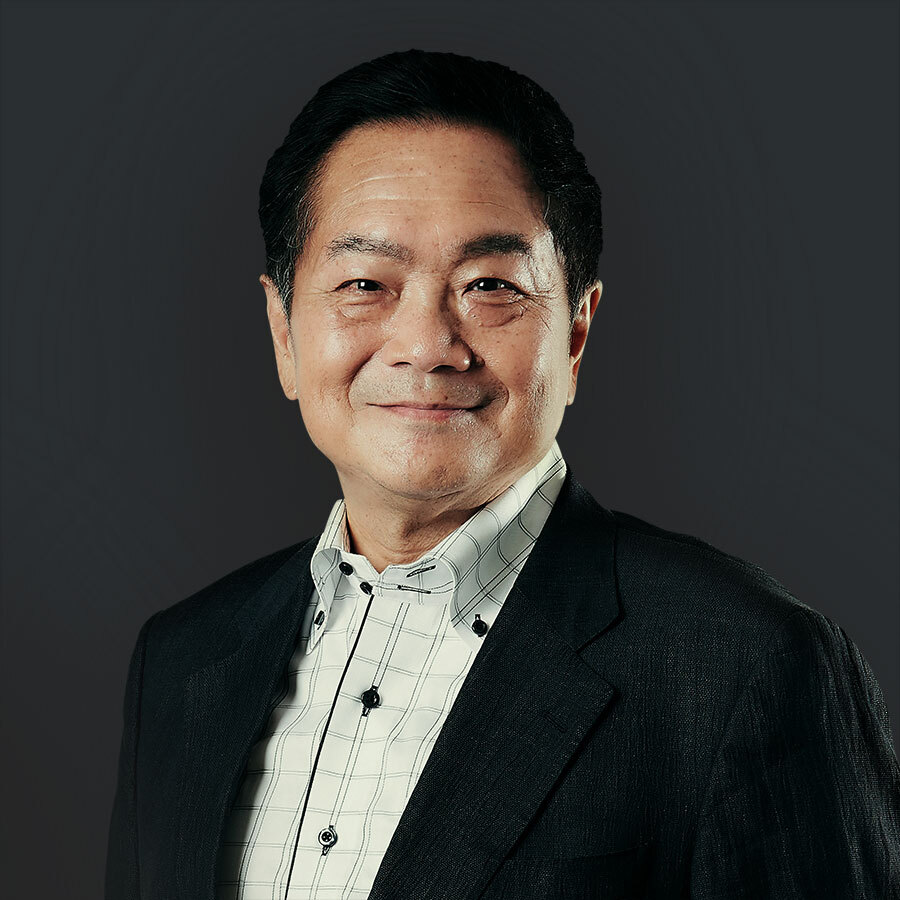
Ken Kutaragi and the trouble with a sensible idea
Before PlayStation, Ken Kutaragi wanted video games to sound better. That small complaint led him into a much larger argument about what computers were for - an argument he is still having.
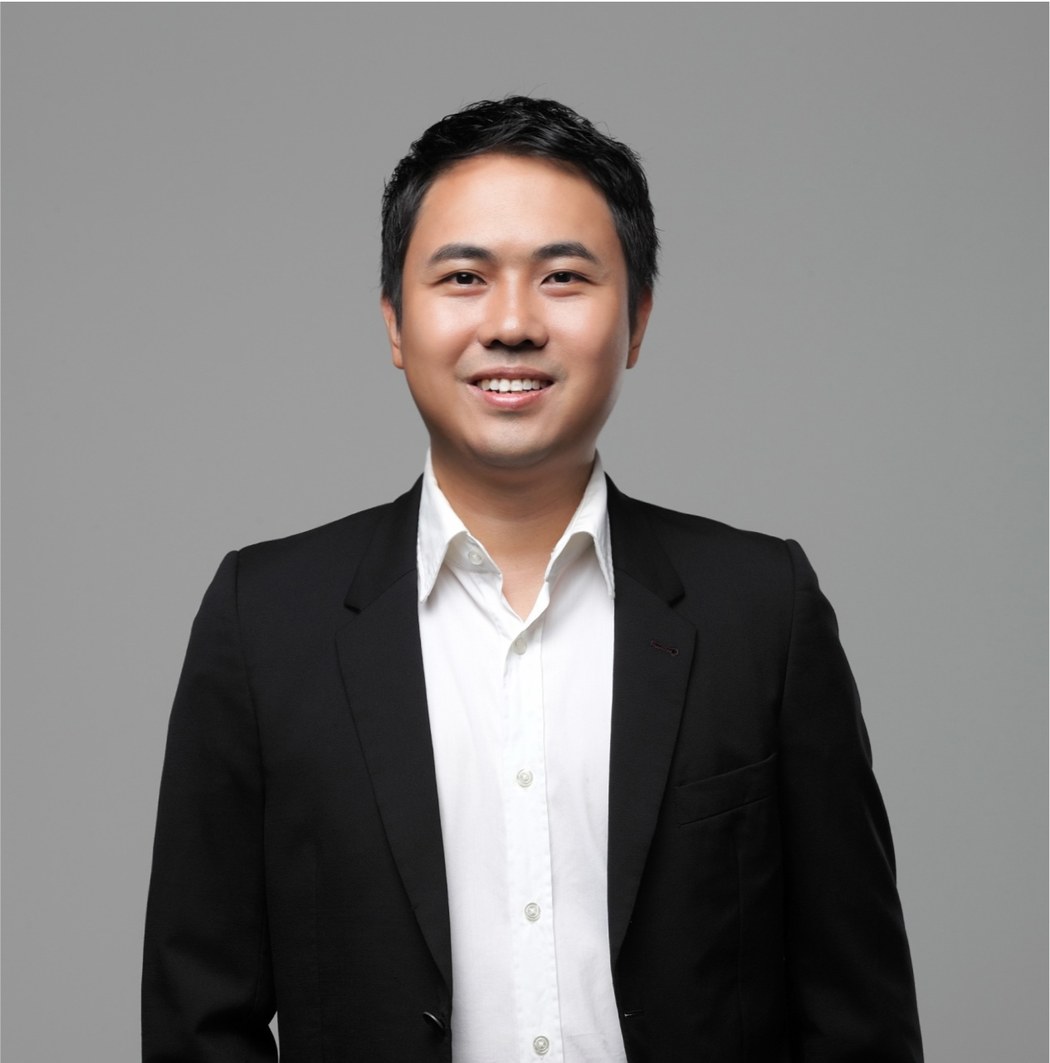
Steven Yang and the fortune in the forgotten plug
He left Google to make a better replacement battery. Fifteen years later, Anker’s founder is asking how much of the home should depend on someone else’s computer.
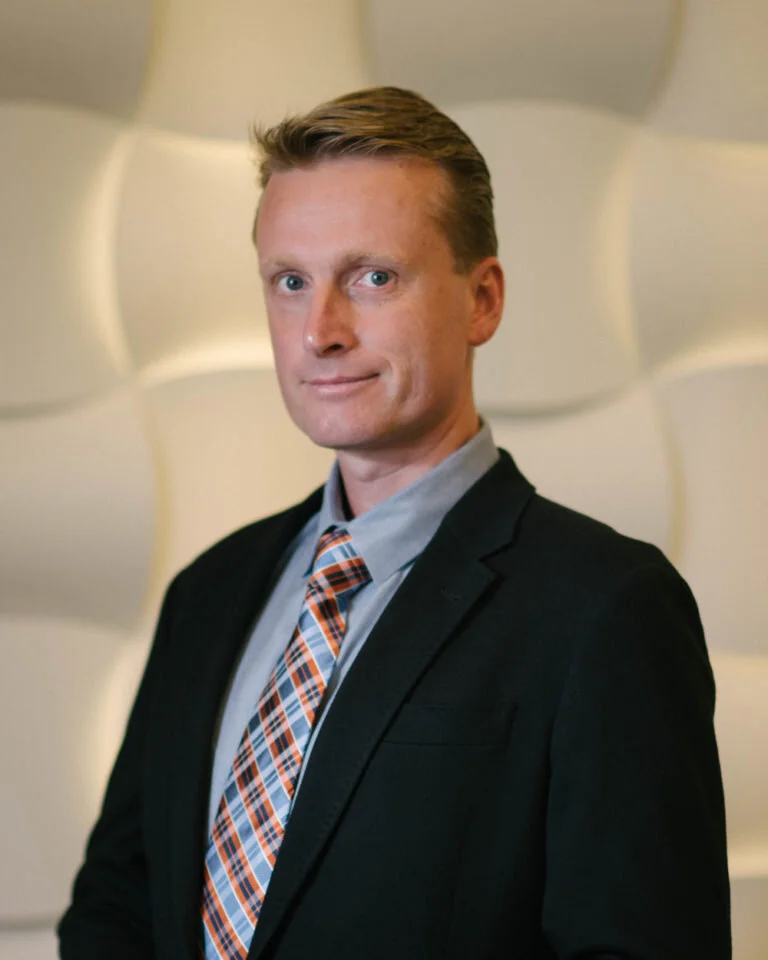
Gary Rayner and the usefulness of a bad day
A damaged windshield helped set Gary Rayner on the road to DriveCam. Broken phones brought him to LifeProof. His career follows the distance between an everyday frustration and a product people will trust.
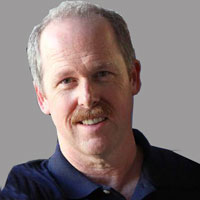
Steve Goody and the number at the side of the road
A family borrowing a roadside speed sign helped inspire Pocket Radar. For its co-founder Steve Goody, shrinking the hardware was only the beginning of learning what coaches needed.
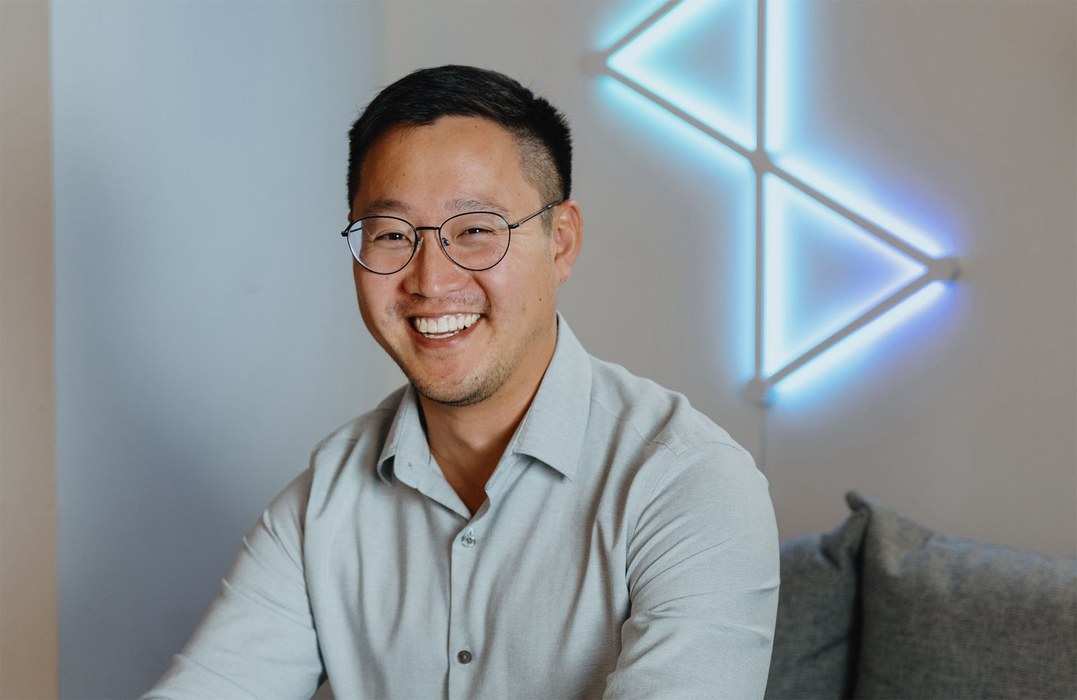
Gimmy Chu and the trouble with a perfectly good light bulb
He set out to save electricity with two friends from a solar-car team. Building Nanoleaf taught Gimmy Chu that a better light also had to give people something worth looking at.

Dave Evans and the Eight Weeks Hidden Inside a Two-Hour Part
At Ford, Dave Evans learned how much time a small part could consume. A kitchen experiment with his brother became Fictiv - and a job rethinking how an entire region buys the things it builds.
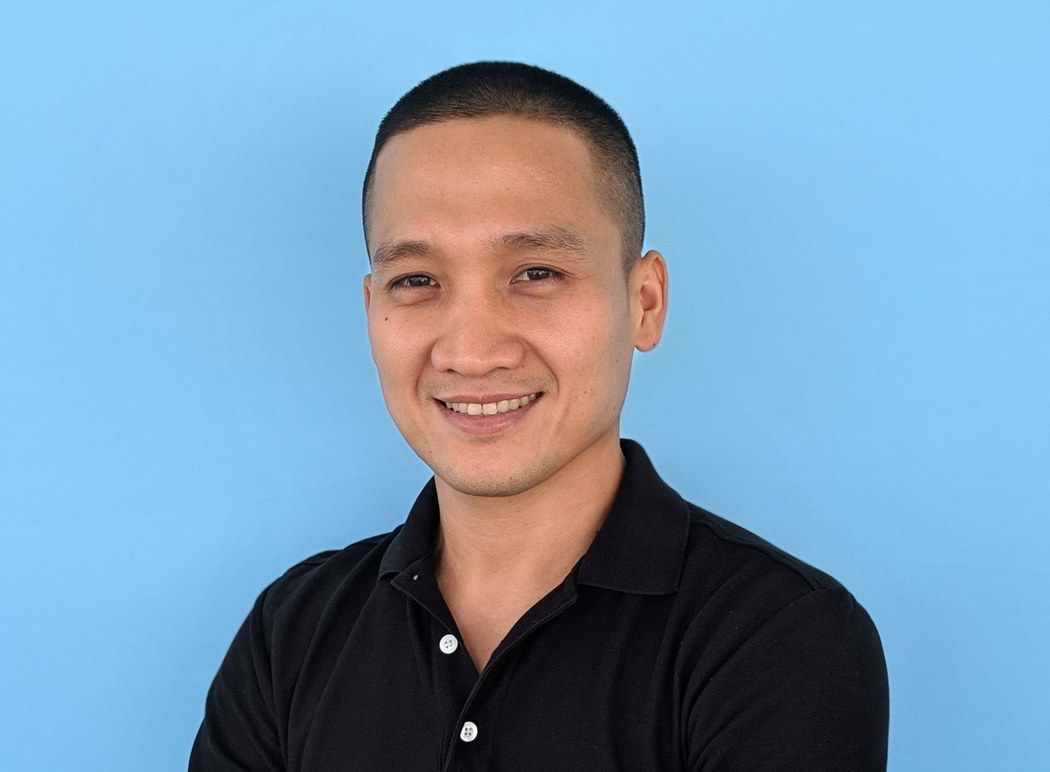
Duy Huynh and the Education of a Desk
He wanted to build a robot that could run the house. A standing desk, a shipping mistake, and some unusually vocal customers taught the Autonomous founder what people would actually buy.
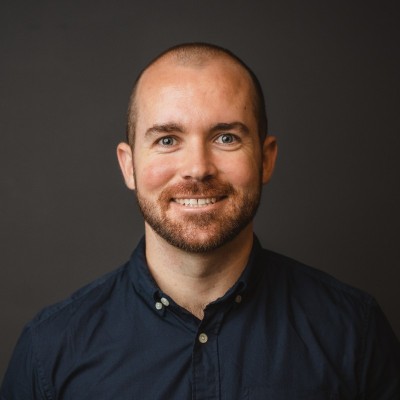
Ryan Olson and the Things That Click
A garage, a 3D printer, and a persistent interest in how things fit together. The MAAK co-founder’s path runs through field equipment, modular power, and the small frustrations that give a hardware business its purpose.
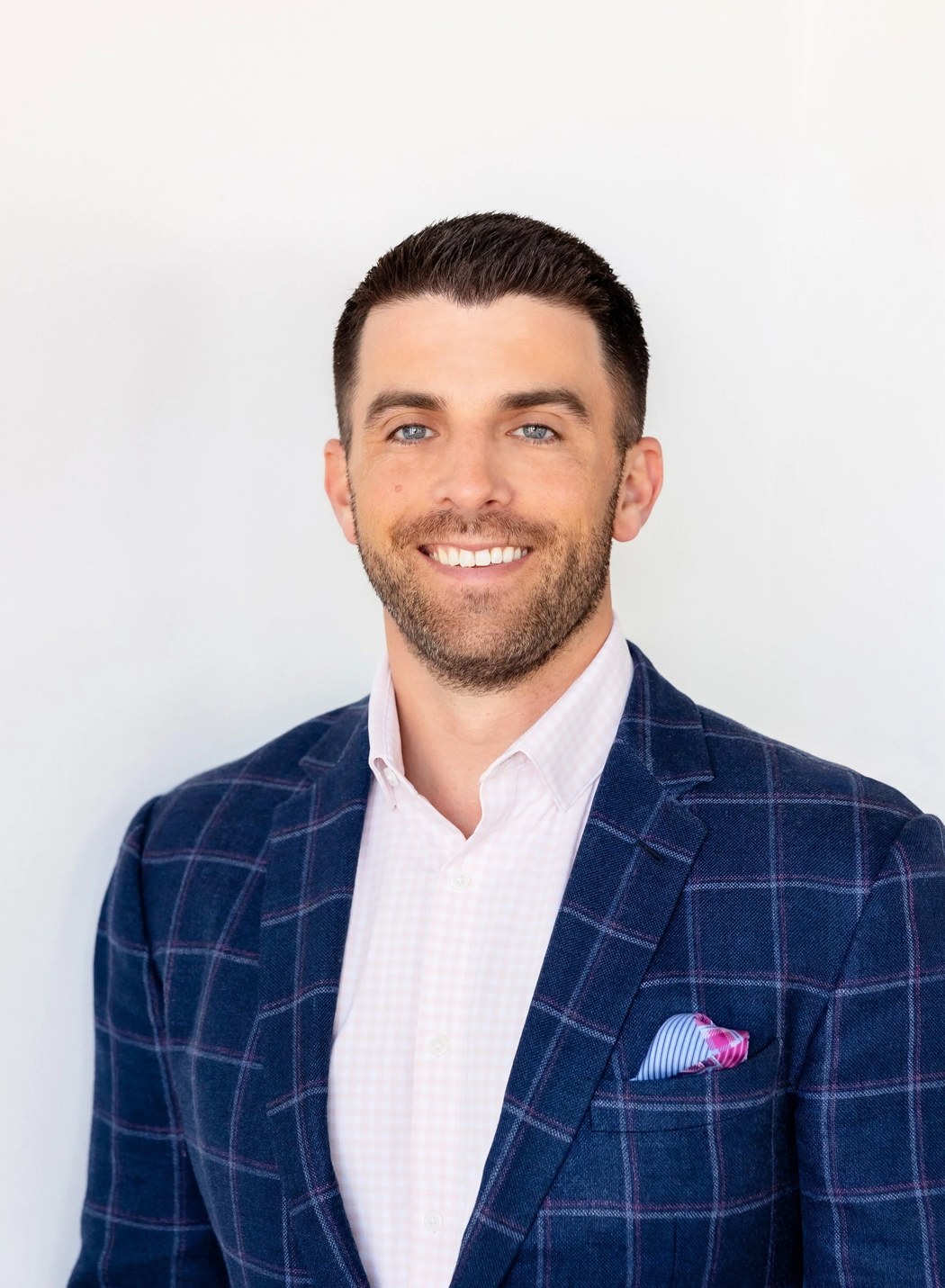
Kevin Lavelle and the trouble with perfectly ordinary things
A dress shirt that moved like a golf polo. A baby monitor that stayed connected. Kevin Lavelle keeps finding business ideas in the small frustrations other people have learned to live with.

Alan Goh and the case for showing up
Before he co-founded NDR Medical Technology, Alan Goh built precision instruments, worked in automotive engineering and helped other startups get started. His own company has grown through a less glamorous technology: relationships that last.
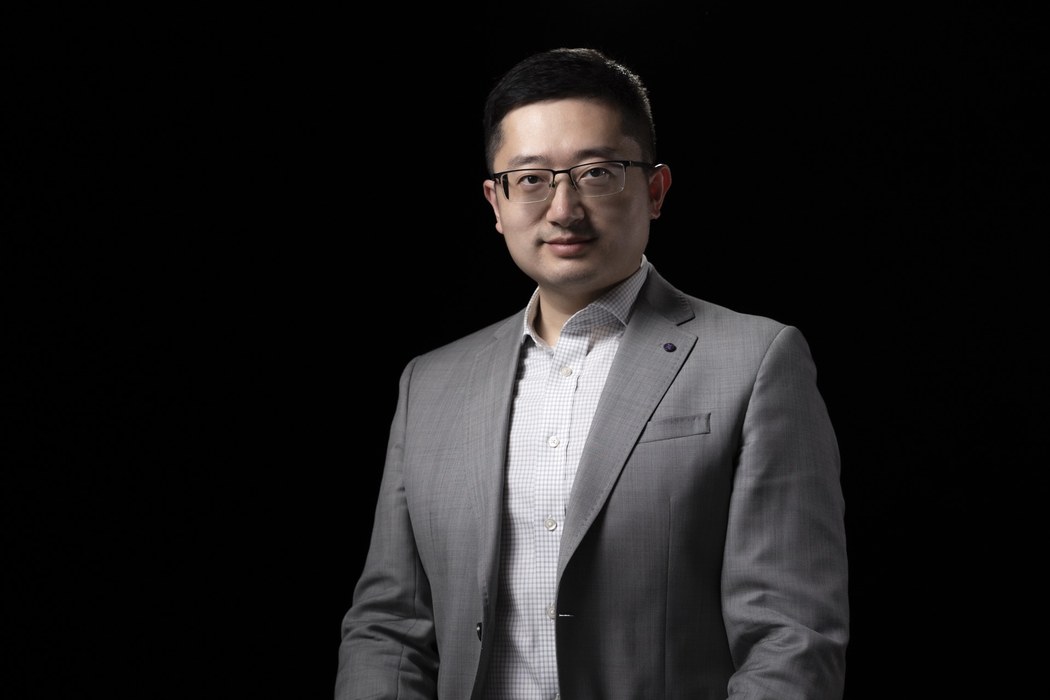
Ian Xie and the Trouble With Following the Camera
The Aputure founder began with camera accessories. Building a lighting company gave him something more valuable than another product to sell: a chance to decide what came next.

Mike Ellenbogen keeps looking through things
First came airport luggage. Then the crowds at the door. Now the Evolv co-founder is taking his imaging experience to the walls around us - and starting over with another small team.
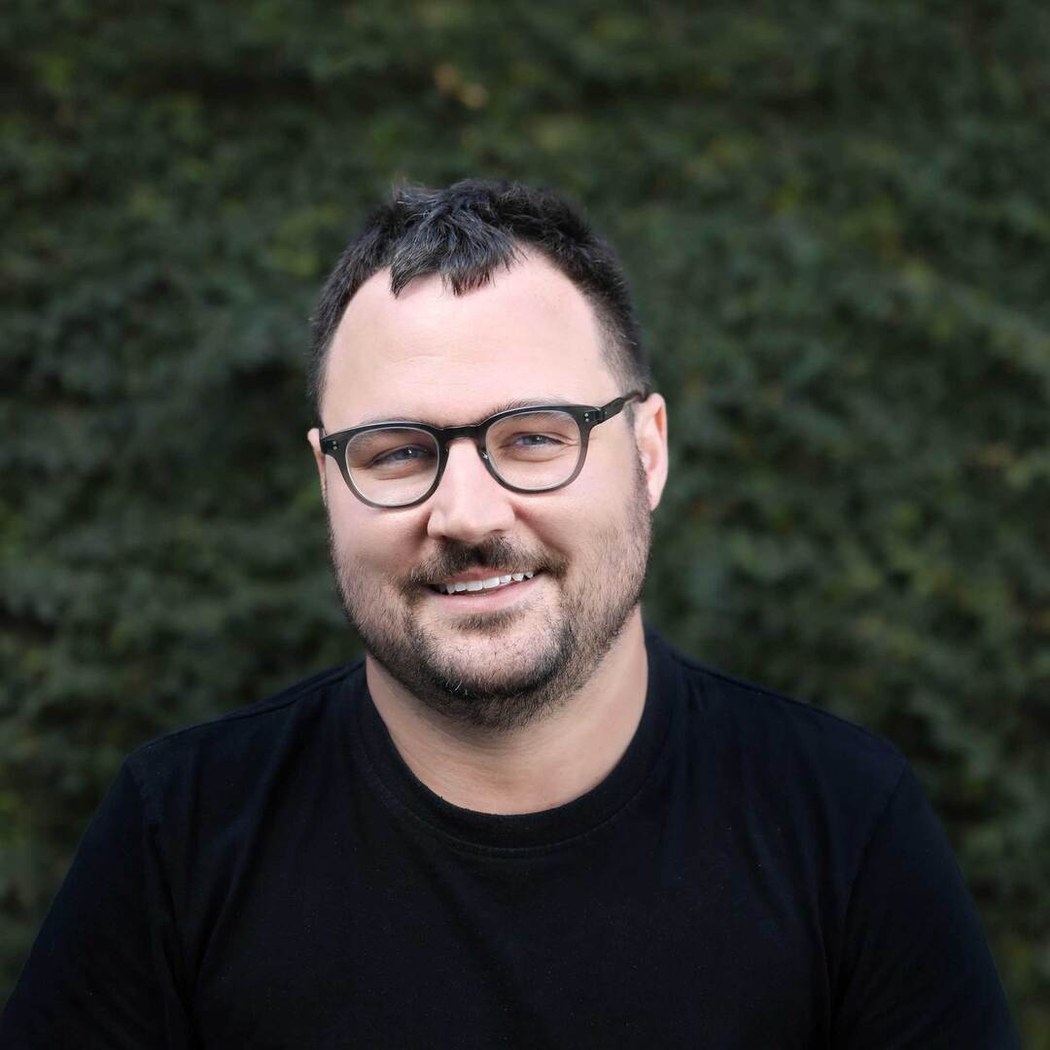
Sam D’Amico’s problem with waiting for dinner
A pizza in Japan sent the former VR engineer looking for more power in the kitchen. At Impulse, his answer is a stove with a battery - and a plan that reaches well beyond the pan.
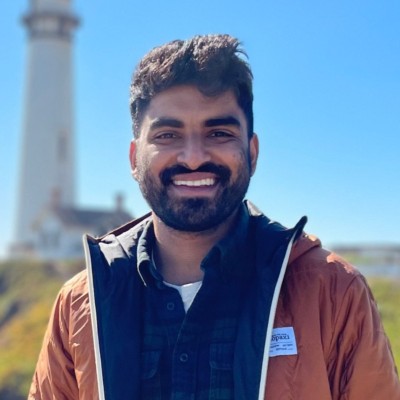
Shan Mohta’s most useful design was a change of plan
He built hardware at Microsoft, Apple, and Skydio. With Vendra, Shan Mohta had to learn a different engineering skill: letting go of a product so he could get closer to the parts.

Zia Hasnain and the education of a checkout line
From mobile engineering at Motorola and NVIDIA to Innowi and AIO, Zia Hasnain has kept returning to a practical problem: getting complicated systems to cooperate when people have work to do.
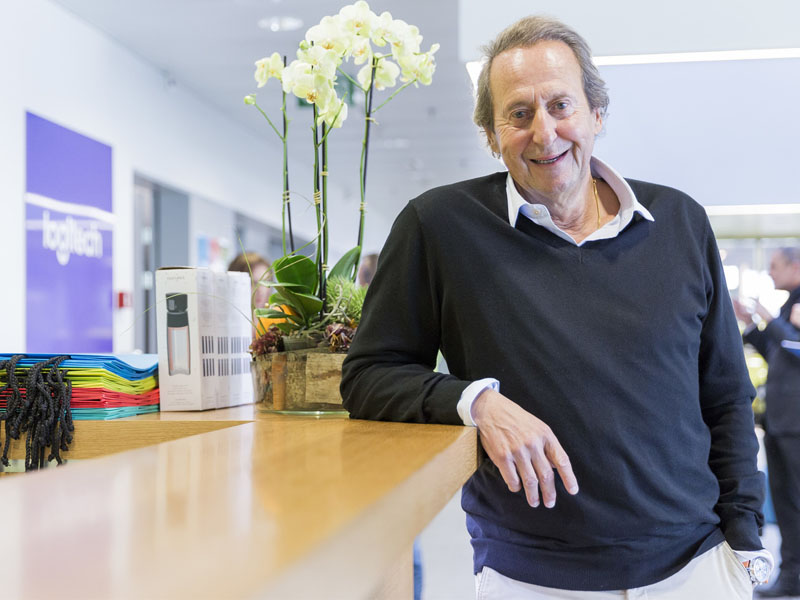
Daniel Borel and the small business of thinking big
Logitech began on a farm in Apples, Switzerland. Daniel Borel helped take it across the world, then discovered that stepping down and letting go were rather different undertakings.
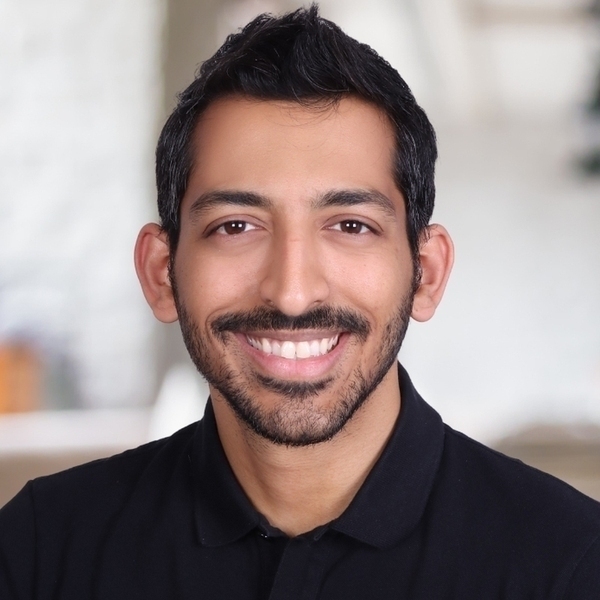
Sujay Suresh Kumar and the distance between an idea and a factory
From circuits for CERN’s ATLAS experiment to two years with manufacturers in Shenzhen, Lilu’s co-founder has followed ideas into the places where they must actually work.
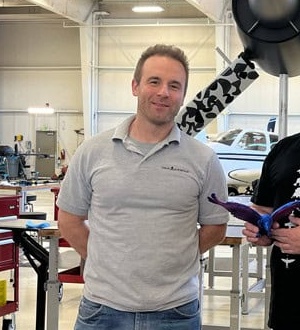
Steve Bofill keeps making the company smaller. The machines are another story.
He built a vending machine with his father, took it onto Shark Tank, and returned to aerospace with WaveAerospace. His career has a curious direction: smaller companies, harder things to build.
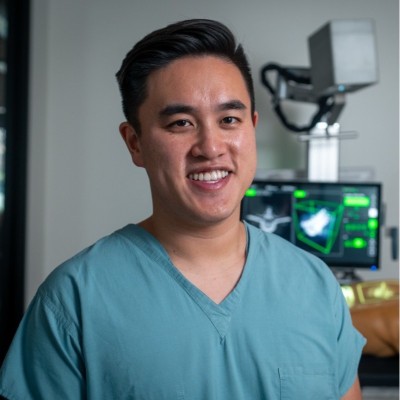
James Hu and the room with no windows
A Stanford friendship became a company in a Boston room barely big enough for two desks. For James Hu, the route to Illuminant Surgical ran through a two-year detour, an unfinished degree, and a very poorly packed suitcase.
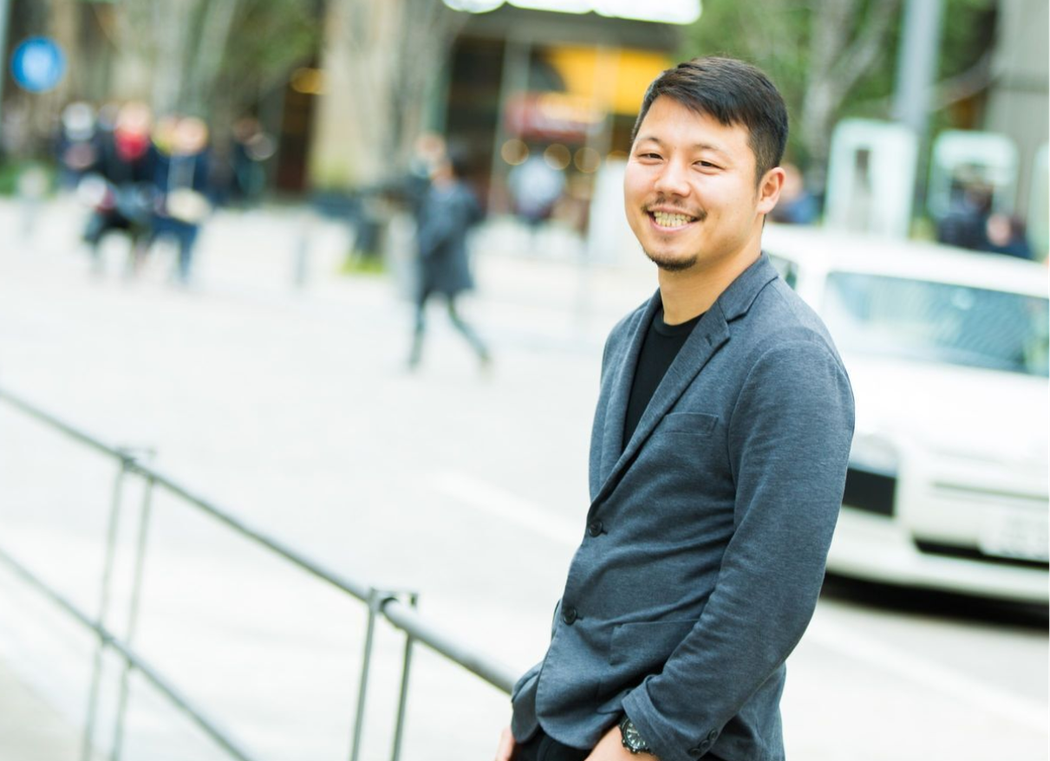
Atsushi Nakanishi and the art of asking for help
Before Triple W, Atsushi Nakanishi tried making jeans from Manila hemp. His route from the Philippines to Berkeley and Tokyo reveals a founder who keeps finding people who know how to do the next difficult thing.
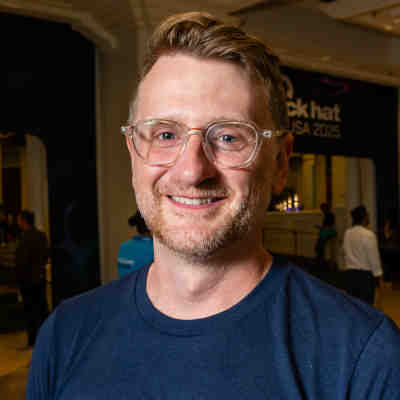
Aaron Walls and the trouble with leaving things unattended
A hot Atlanta apartment helped send Aaron Walls into brewing hardware. After crowdfunding, Shark Tank and years of helping other founders, the Boulder entrepreneur is working on another unruly system: AI agents.
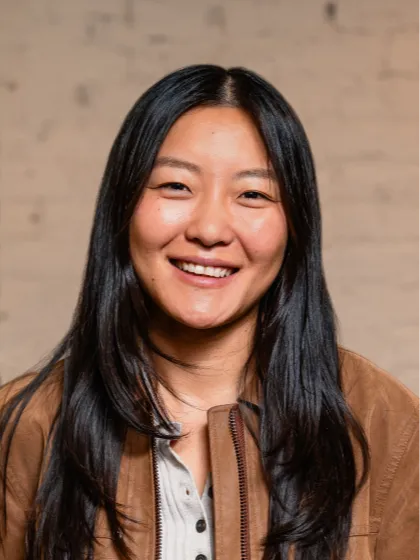
Jamie Niu Serota and the art of making other people wait less
After Tesla, Blue Origin and Bowery Farming, Jamie Niu Serota co-founded Podium Automation to tackle a less glamorous obstacle to hardware progress: the wait for a control panel. Her Brooklyn company is built around a supplier’s most useful promise - getting the work done sooner.
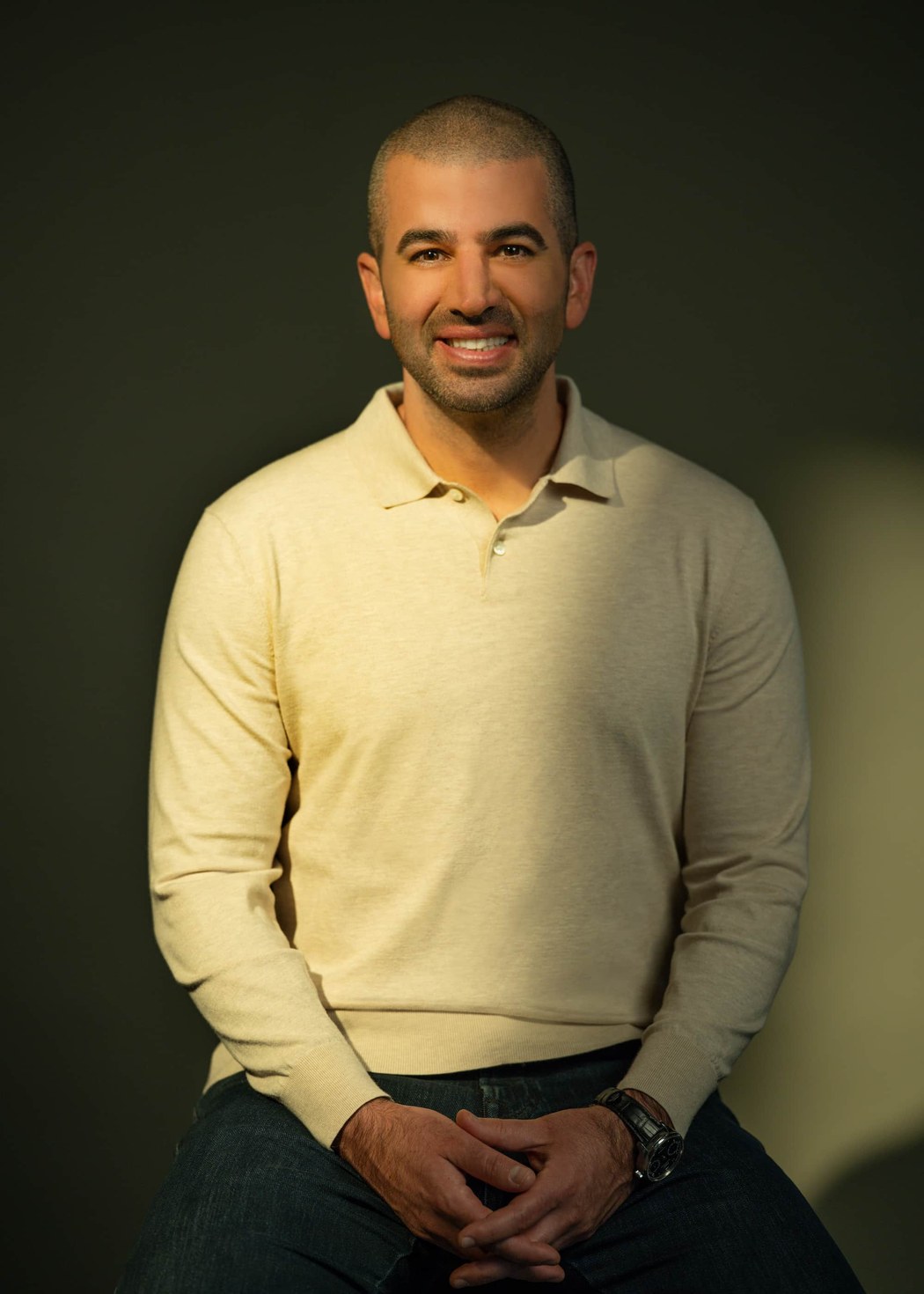
Lior Susan and the unfinished business of the factory
A banana farm, a mobile-network startup, and a factory floor led Lior Susan to Eclipse. His wager: the next generation of technology companies will have to build the physical world, too.
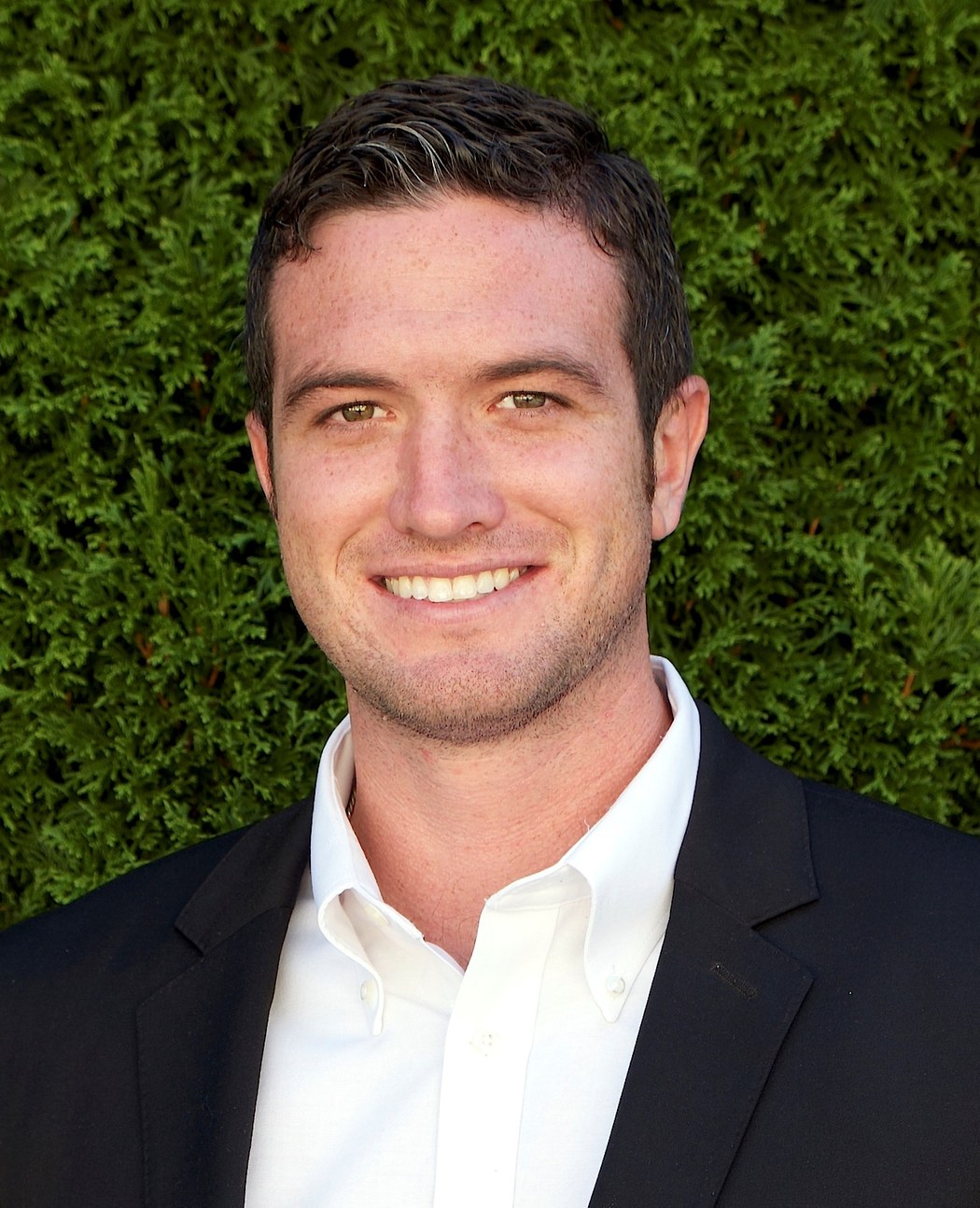
AJ Leahy and the Distance Between a Button and Help
A friend’s death sent AJ Leahy from finance into campus-safety technology. At POM Safe, he has spent the years since working on a deceptively small problem: getting a person, a location and someone who can help into the same conversation.

PENSA and the art of removing the awkward bit
A hospital curtain, a razor, an inflatable dog kennel. The Brooklyn design firm finds its opportunities where everyday objects make people work too hard.

Automatic Labs gave old cars a new voice. Then the line went dead.
A plug-in adapter made ordinary cars report their troubles, remember their journeys and call for help. Automatic’s rise and shutdown reveal the bargain hidden inside a connected device.
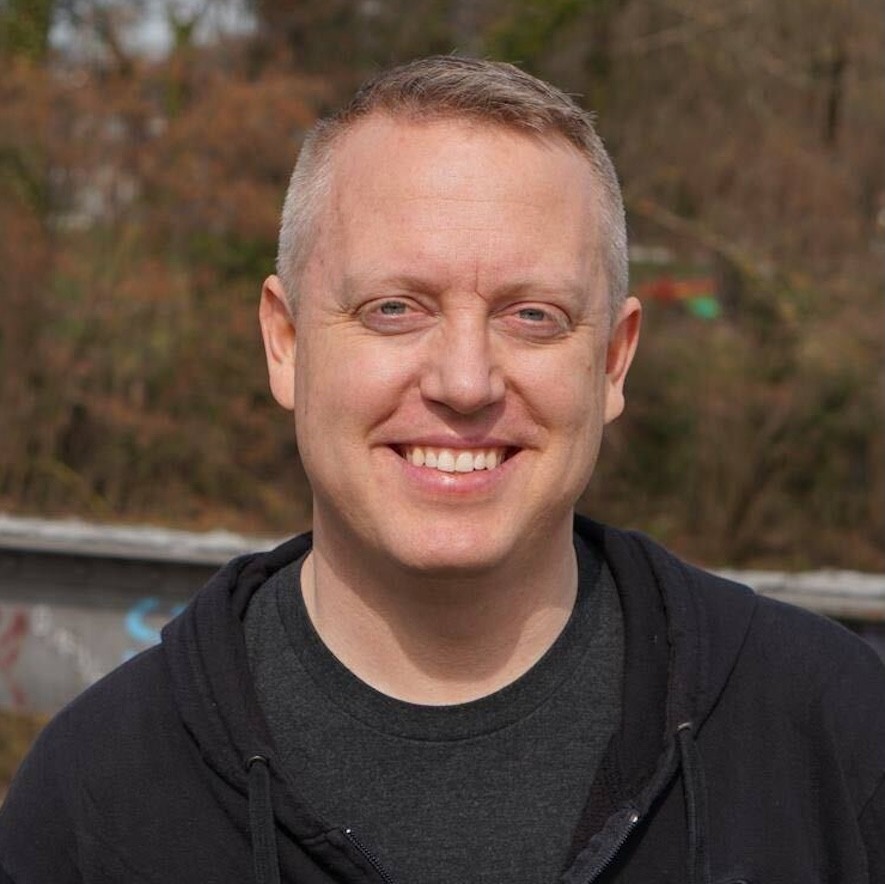
Ryan Brown Is Building a Computer You Can Talk To
After years building devices for virtual worlds, the former Oculus and Meta engineer is helping Sesame put a conversational computer into everyday life. The voice came first. The glasses are still to come.

MOA Ventures takes the long road from lab to market
Electric tractors, diagnostic tools and space startups need more than a pitch deck. MOA Ventures puts industrial partners, investment and hands-on development around the science.

Westcoast sells the kit. The real business is everything around it.
The British distributor turns hardware, software and a thousand small headaches into something a reseller can sell. Its sale to ALSO shows how expensive that useful middle ground has become.