software-engineering
(468)
Smoothstack’s answer to the skills gap: build the hire.
When the right résumé is hard to find, Smoothstack trains someone for the actual job. Its story shows both the promise of building talent and the stakes of deciding who pays for it.

Evince Development and the work nobody sees
A franchise website. A mechanic’s work order. A school’s learning platform. Evince Development builds the connections that make other people’s businesses run.

Maganti IT Resources makes room for the unglamorous.
A sensor manufacturer, a ship registry, and a software firm with a shared problem: the work between the systems. Maganti IT Resources has built its pitch around getting that work under control.

Coderio sells the hours that overlap
A Buenos Aires software business found its opening in the working day. Now Coderio pairs Latin American engineers with enterprise teams tackling payments, old systems and the practical work behind AI.

Starpoint Solutions sold the team. And the work.
Starpoint Solutions built a business around two ways to solve a technology problem: find the people, or deliver the project. Its name has retired. Those two ideas still have jobs.

Kitrum keeps the lights on
The hard part of software begins after launch. Kitrum has built its pitch around the awkward handover, the live migration and the code someone else left behind.
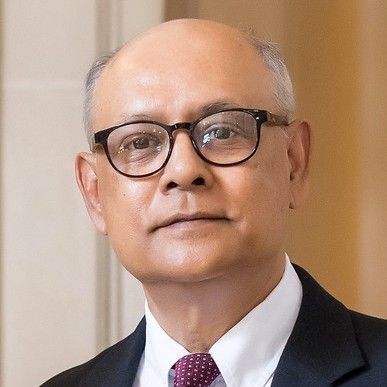
Noor A. Chowdhury and the art of keeping a conversation in the air
Brotecs’ co-founder, chairman and CEO has spent his career in communications. Five US patents with Nahid Hossain reveal the patient engineering behind a familiar wish: a connection that holds.
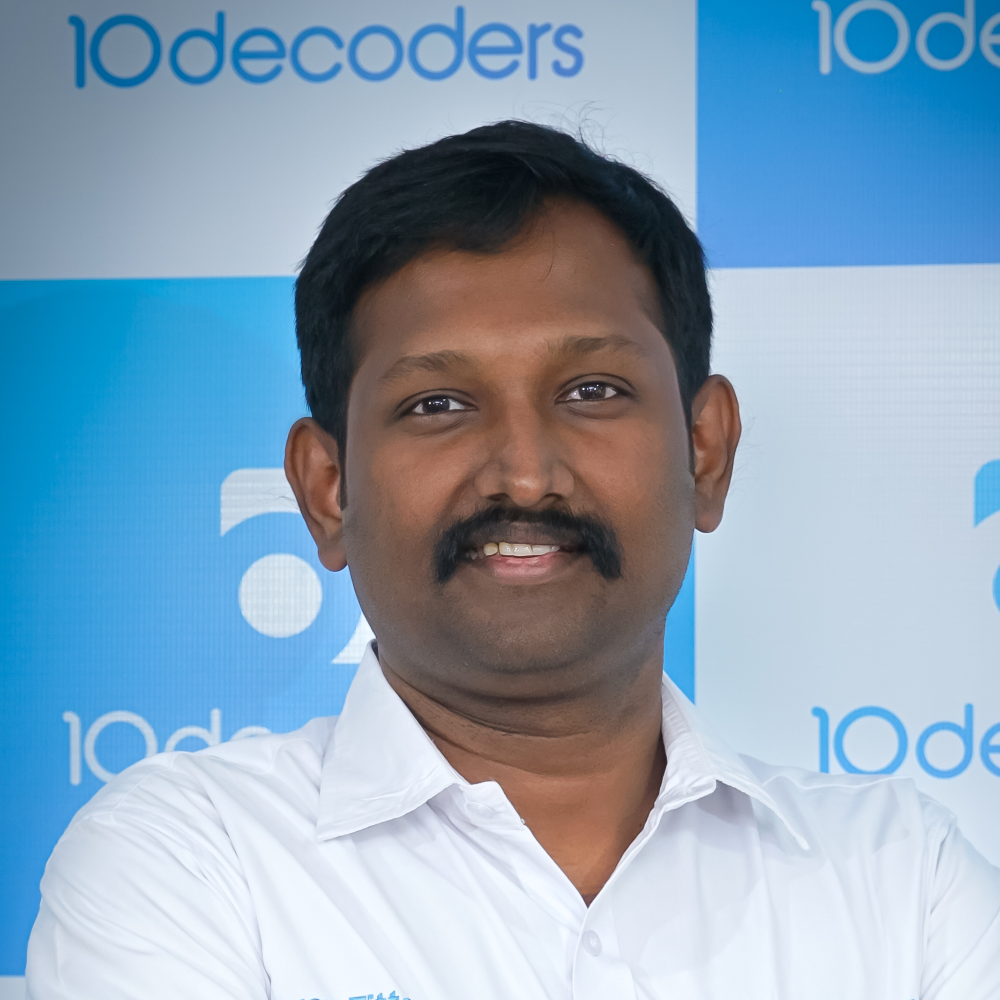
Venkatachalam Dekshinamurthy and the art of letting go
At 10decoders, Venkatachalam Dekshinamurthy has written about a revealing measure of progress: leaders stepping away from daily operations. His story runs from hands-on software problems to the harder work of sharing responsibility.

Opus fixes the machinery behind the money
A payment takes a moment. Rebuilding the systems behind it takes a different kind of patience. Opus sells banks and payment providers the engineering to change without stopping.

908: Small bets. Working software.
Before 908 backed startups, it paid for experiments with client work. Its trail from ringtones to Ukrainian public data shows what happens when the people writing the checks can also write the code.

Igor Tomych keeps returning to the parts that must add up
From building the systems behind Dozens to founding Fintech Garden, the DashDevs CEO has made a career of asking what happens beneath the banking app.

Girish Navani built a company he wanted to keep.
A salary-funded start, a dislike of job titles, and a cricket player’s faith in the team. Inside the choices that have kept the eClinicalWorks cofounder building since 1999.

Michael Wear started with a college bill. He built a business banks would buy from.
A teenage programmer became a repeat founder, found a business partner in education software, and helped take Blankfactor into Globant. His thread through it all: make complicated technology earn its keep.
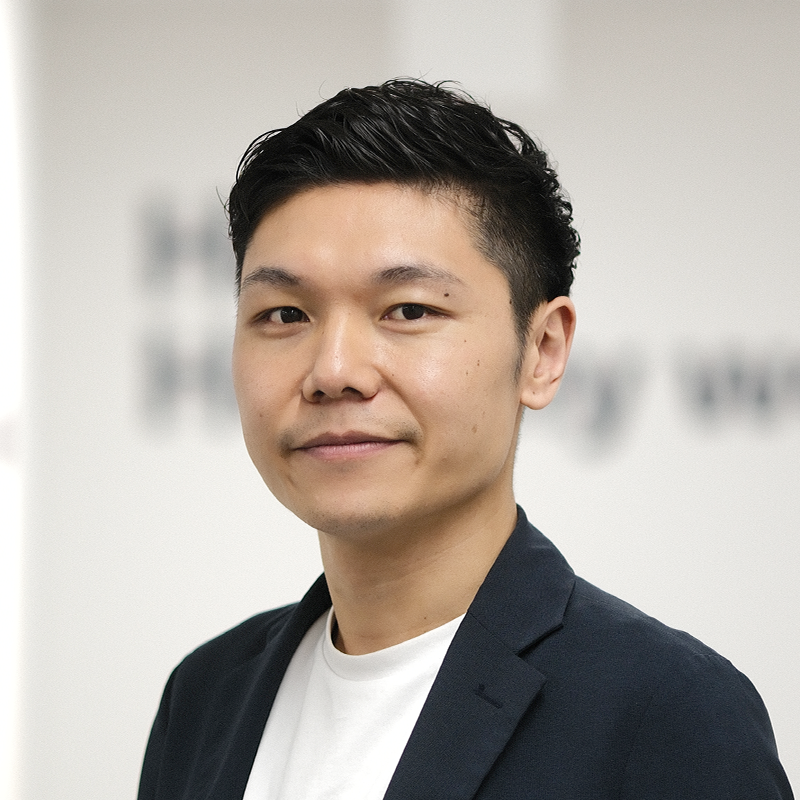
Kota Kubo is starting over. On purpose.
He helped build Ubie in Japan, then moved to New York to become a beginner again. For this engineer and co-founder, the next job is learning which of his old rules to keep.

Karunya Sampath and the business of staying curious
She co-founded Payoda in New York in 2005. Through years of building products, teams and client relationships, Karunya Sampath has kept returning to a practical question: what should we learn next?
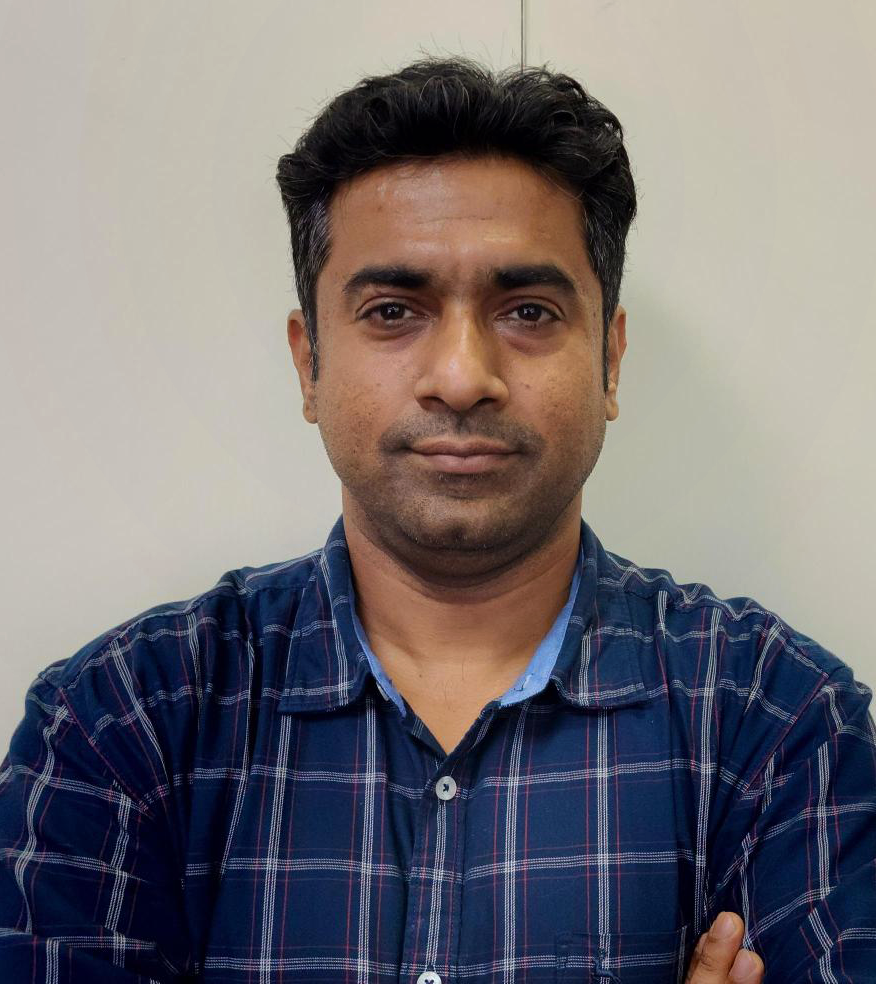
Amitabh Roy built the company. Then he built the tools it needed.
From a one-person operation in Kolkata to Codelogicx and TeamTrace, Amitabh Roy has made a business of fixing the practical problems that ambitious software leaves behind.
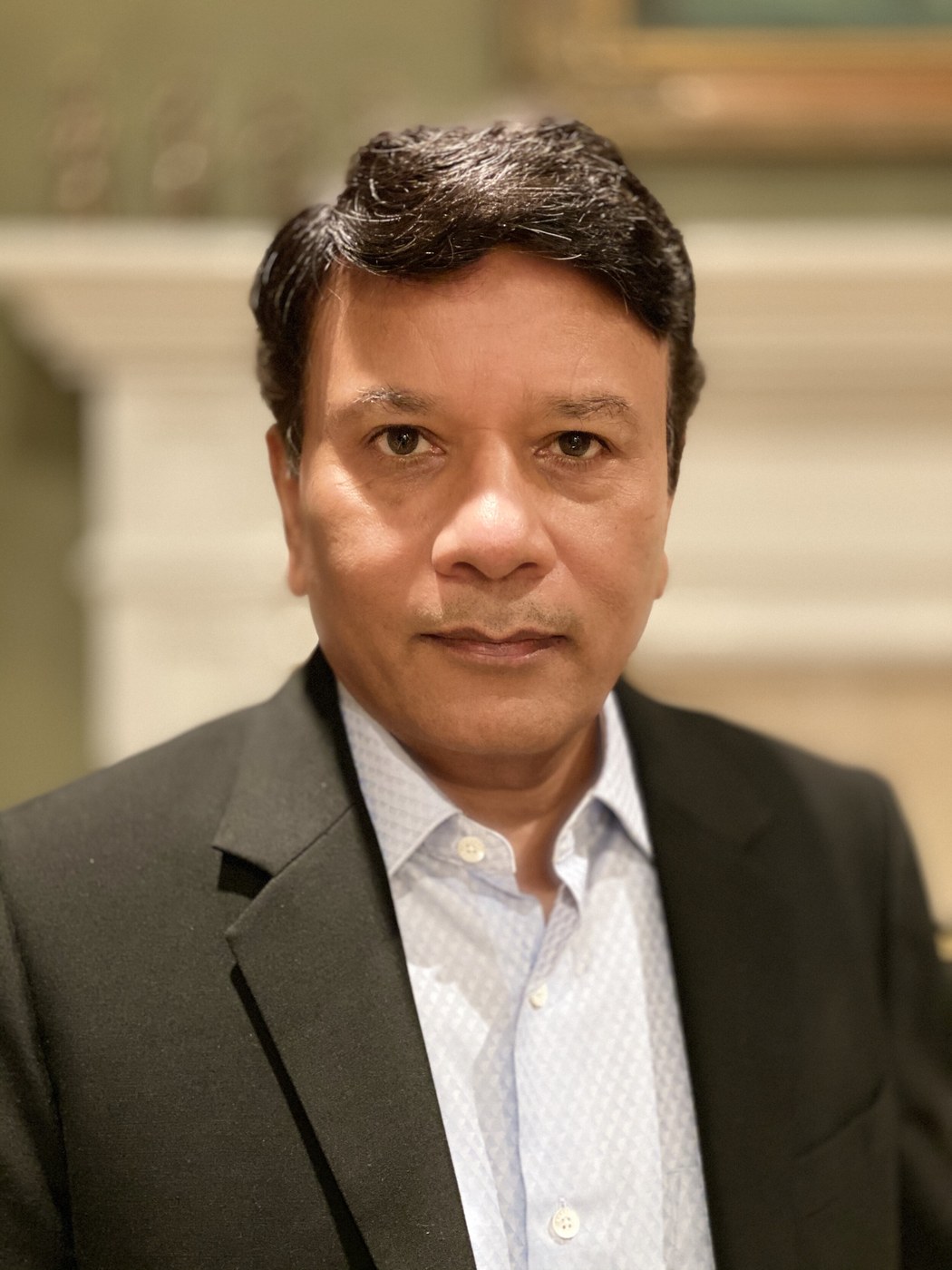
Haresh Kumbhani puts the problem before the platform
The Zymr founder moves easily between cloud architecture, Spinoza and a student’s first business plan. His recurring advice is wonderfully practical: understand what needs doing before deciding what to build.
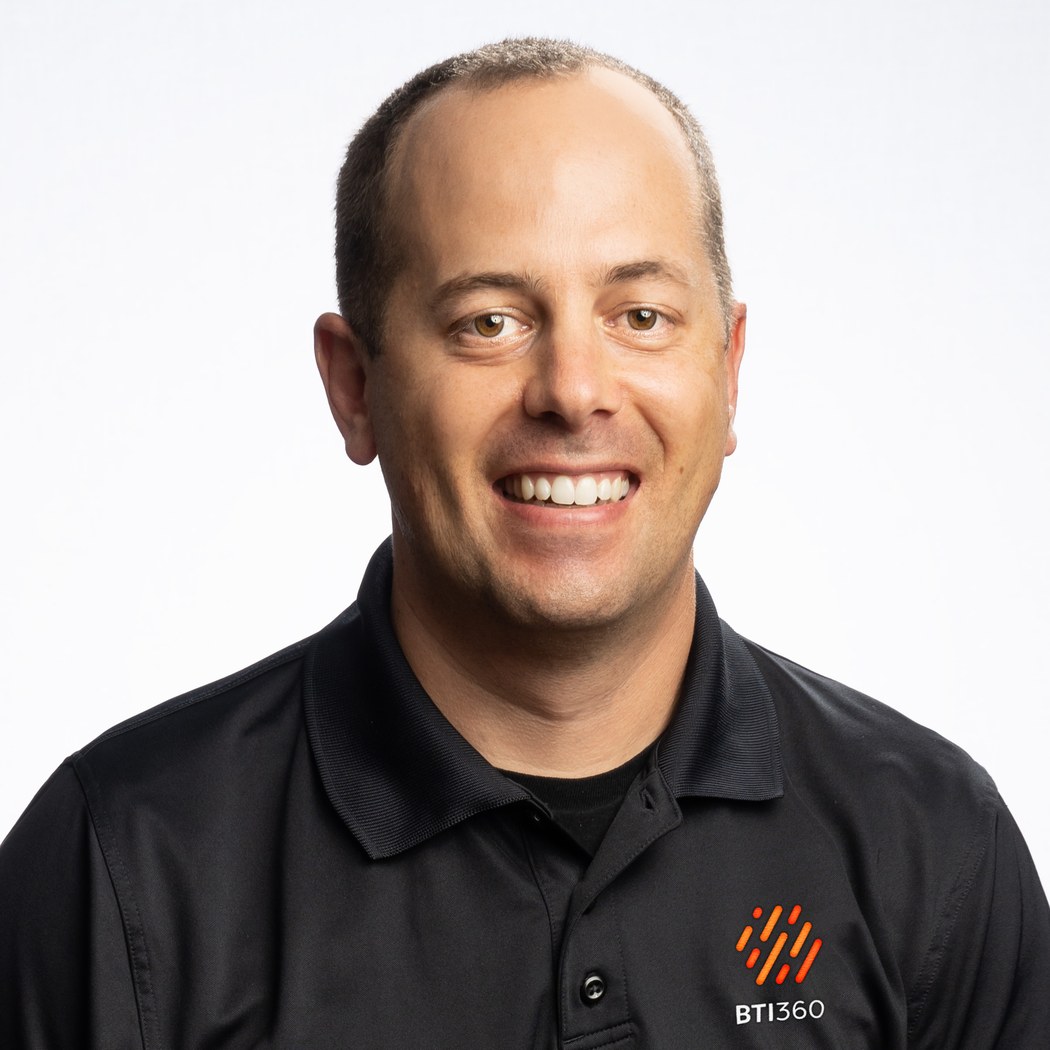
MJ Wivell builds software by investing in the people behind it
A honeymoon book helped send MJ Wivell into business with a childhood friend. At BTI360, his work has kept returning to the same question: how do you help good engineers become good teammates?

John Prince started with a couch. The bookings went global.
The founding programmer of HotelPlanner turned a cumbersome group-booking problem into a career. More than two decades later, John Prince is still finding new ways to get people into rooms.

Emre Varol made a promise. Then he built a school to keep it.
A thesis dedication became a journey to Addis Ababa. With A2SV, the Turkish engineer is turning years of Silicon Valley experience into training, mentorship, and opportunities for African software builders.

Dmitry Trub wants the AI revolution to show its workings
After years building technology for financial firms, Findev’s founder is turning the experiment on his own company. His first discovery: buying AI assistants is easier than teaching them how a business actually works.

Chaitanya Jawale wanted better software. He started with how people build it.
Known to colleagues as CJ, Opcito’s founder brought an engineer’s attention to the business of building software. His essays trace a working life spent asking what happens after the code is written.
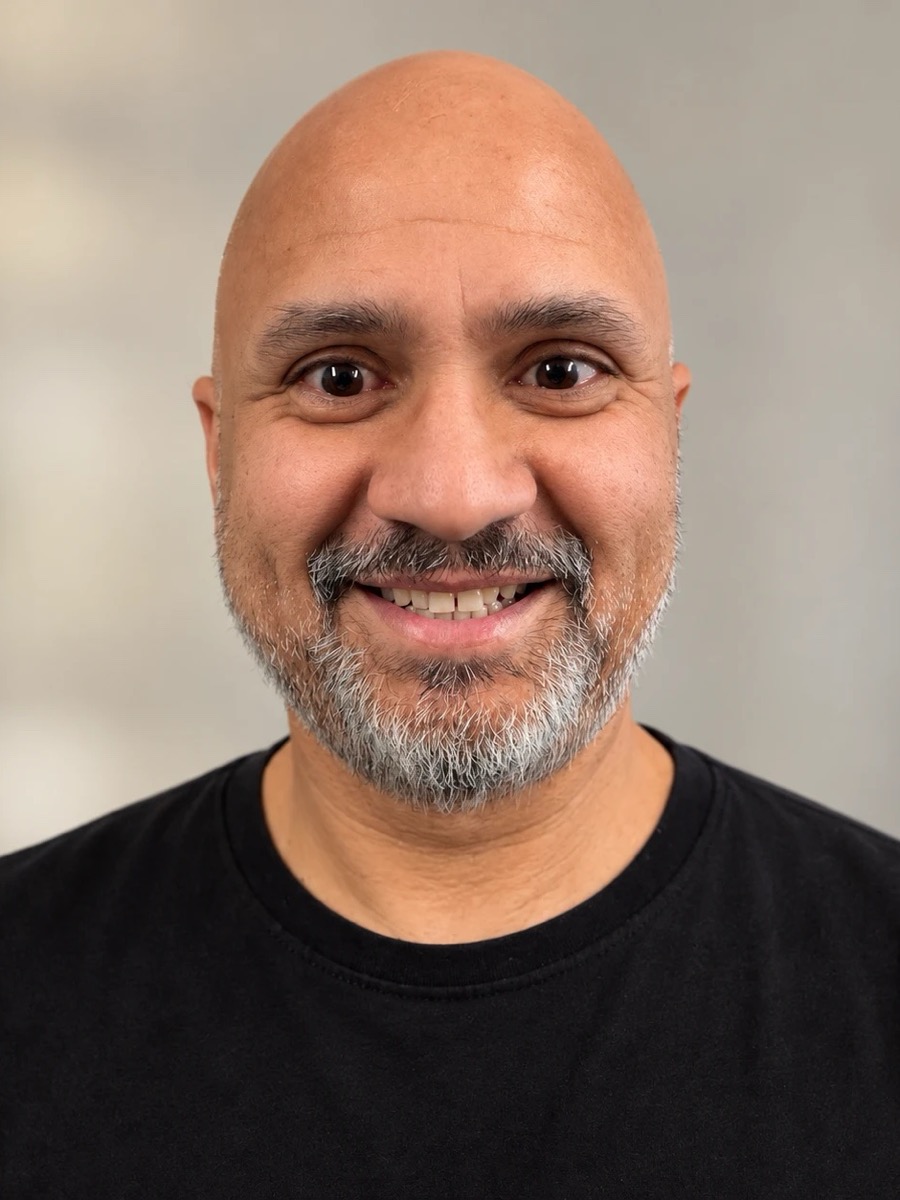
Tarun Upaday wants proof that the job is done
From card payments in Delhi to airline operations at Routespring, Tarun Upaday keeps returning to the awkward space between a system saying yes and a job actually getting done.

Owais Anjum is building a company that can outlast him.
From Silicon Valley software teams to a cricket startup in Islamabad, Owais Anjum has kept returning to the same question: how do you help people build something that lasts? At Emumba, the answer now includes enterprise engineering, AI, and a little time on the football pitch.
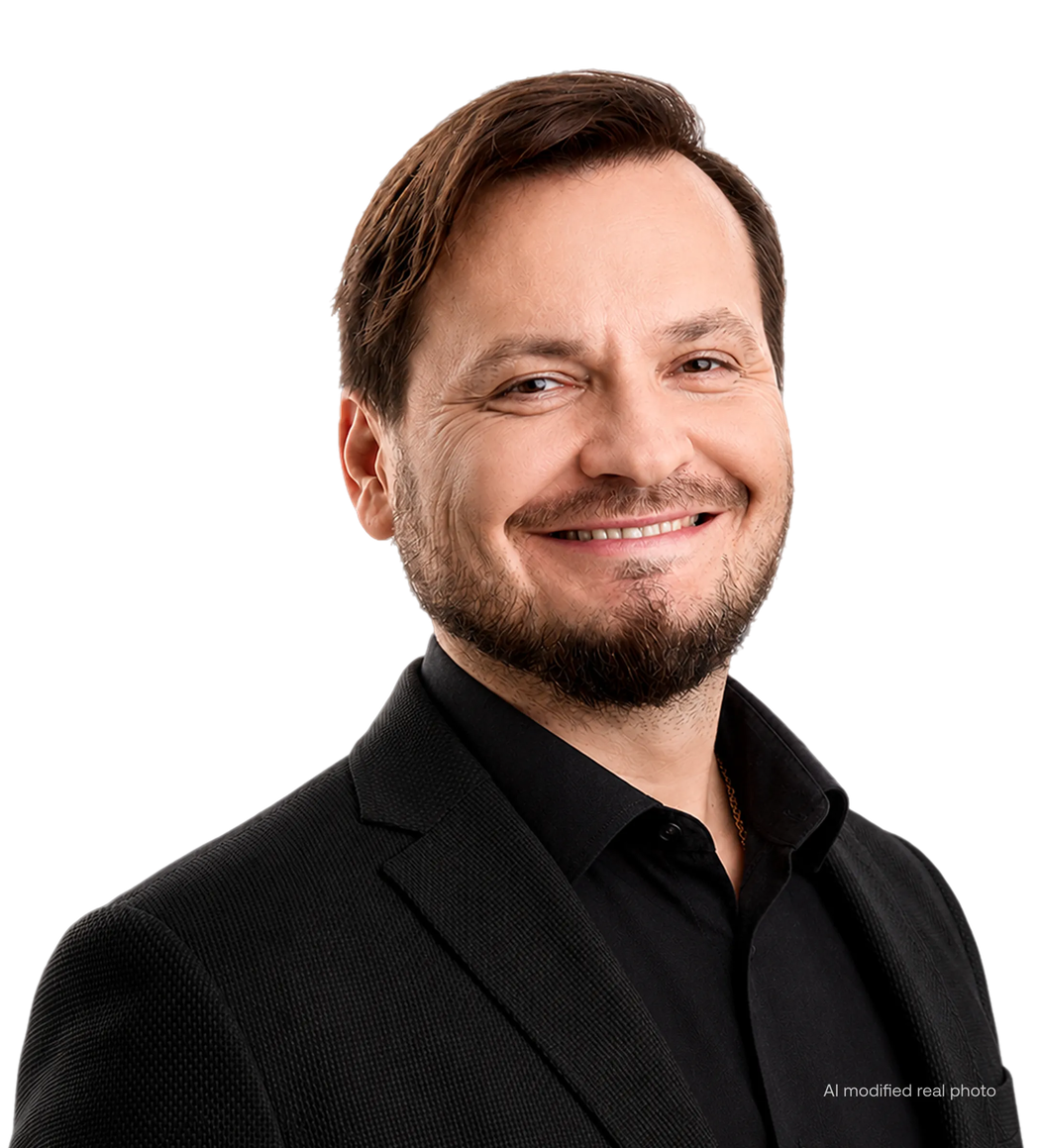
Alexey Spas asks AI to earn its keep.
From student coding sessions in a Grodno garage to a company of 400-plus professionals, the Instinctools co-founder keeps returning to a practical question: what makes the work useful?
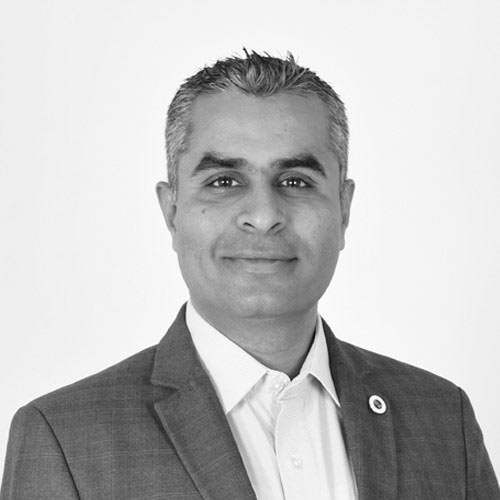
Shardul Bhatt knows what comes before the code: trust
From coffee meetings in Amsterdam to building Tntra with Mehul Desai, Shardul Bhatt has kept returning to one practical question: how do you give people the confidence to build together?

Alexey Khursevich built his career on the unglamorous part
Before the global engineering business came the device farms, deployment problems and late nights. Solvd co-founder Alexey Khursevich’s career follows the work that makes software dependable.
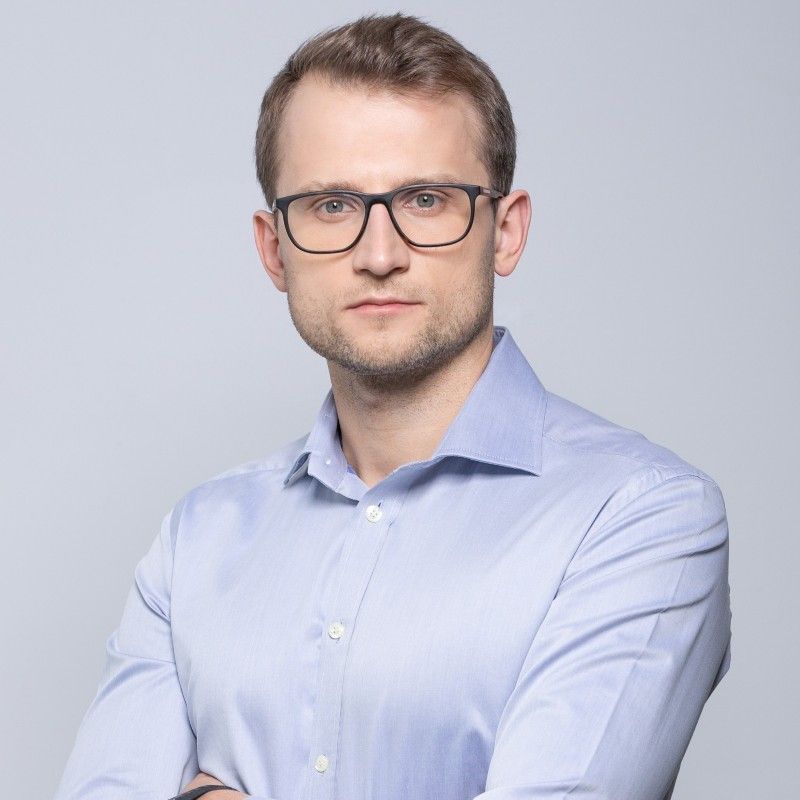
Marek Niedźwiedź built CodiLime to outlast his job title
Fourteen years took Marek Niedźwiedź from CodiLime’s early team to its CEO’s chair. His next move was to recommend a successor and stay involved as non-executive chairman.
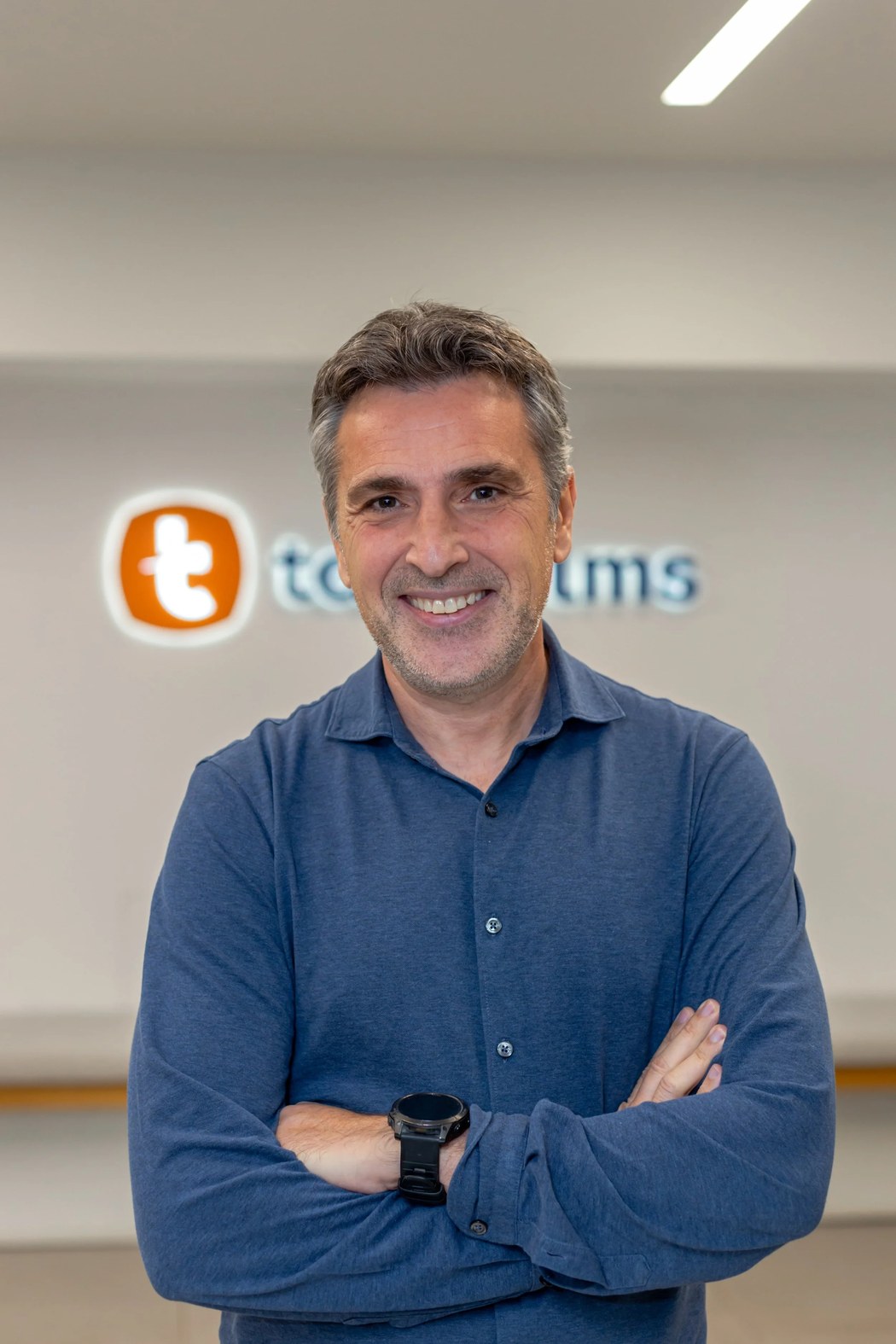
Thanos Papangelis would rather build it himself
The Epignosis co-founder spent years making workplace learning simpler. Now he is making browser games, questioning AI, and finding his way back to the pleasure of building.
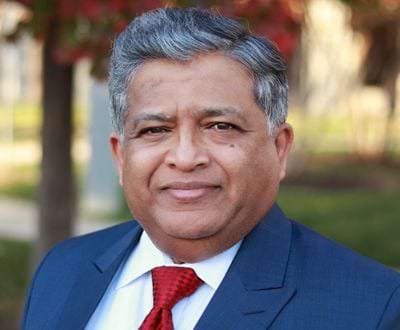
Bangalore Shivacharan and the business of making things work
From telecom software to a Maryland marketplace for farmers and schools, TurningPoint’s co-founder has built a career around coordination. His decade-plus of volunteering at DC Central Kitchen adds another measure of staying power.