california
(474)
Banc of California bets on the boring stuff.
A $400 million capital raise helped remake Banc of California. Its next bet is on the unglamorous work that keeps businesses moving: deposits, payments and bankers who know the industry.
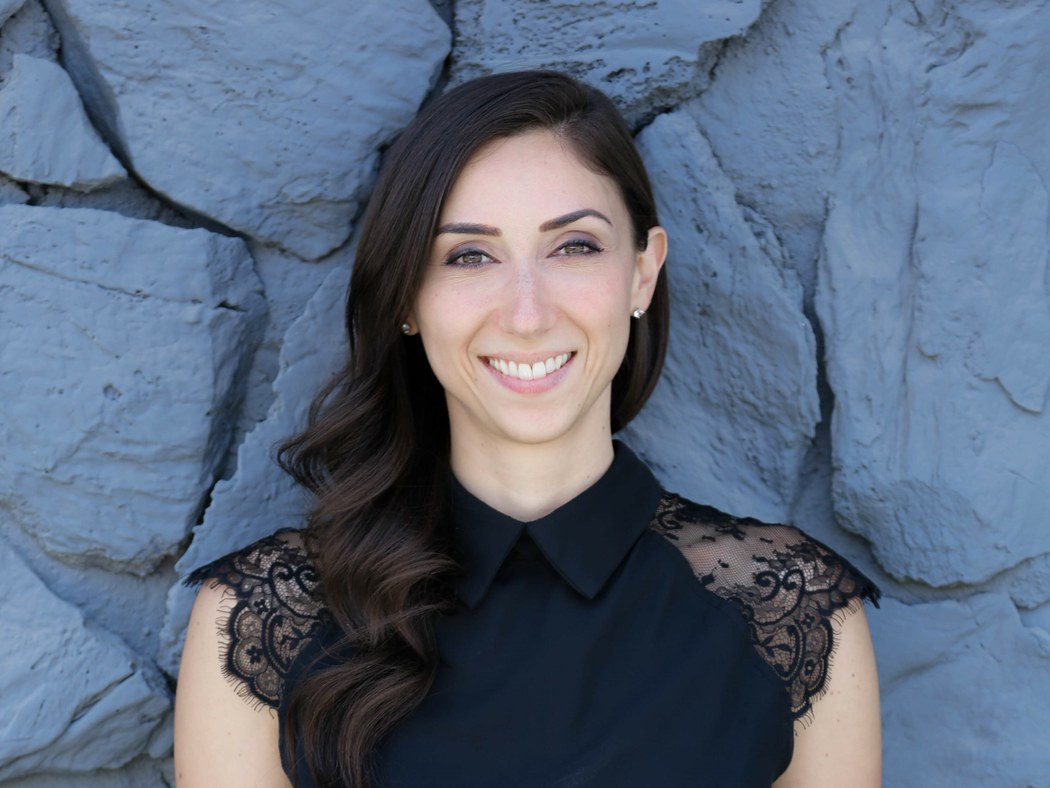
Christie Porter Left Room for Someone Else
A request to design a campus in Mexico helped Christie Porter decide to start ONE NINE Architecture. She built the practice around a question that still shapes its work: who else could this help?

Izu Aginwa and the Business That Kept Asking to Exist
Before he co-founded Riches & Saint, Izu Aginwa kept sending prospective clients elsewhere. His route from a Nigerian childhood and campus leadership to a California agency began with people asking for help he already knew how to give.

Kassy Perry knows when to change course
A last-minute newsroom internship became a career in Sacramento public affairs. Thirty years into running her own firm, Kassy Perry is still competing on horseback - and now leads the business alongside the daughter who once raced her around the ring.

Edison International and the weight of a wire
California wants more of life to run on electricity. Edison International has to make the wires ready - and reckon with the consequences when the system falls short.

Health Net and the space between appointments.
The California insurer is paying for housing and the paperwork behind community care. Its own payment disputes show how much the machinery matters.

Claudia Castillo Ross and the art of making room
From fashion magazines and San Francisco publicity to a working vineyard in Knights Valley, Claudia Castillo Ross has kept returning to a familiar question: how do you bring people together?
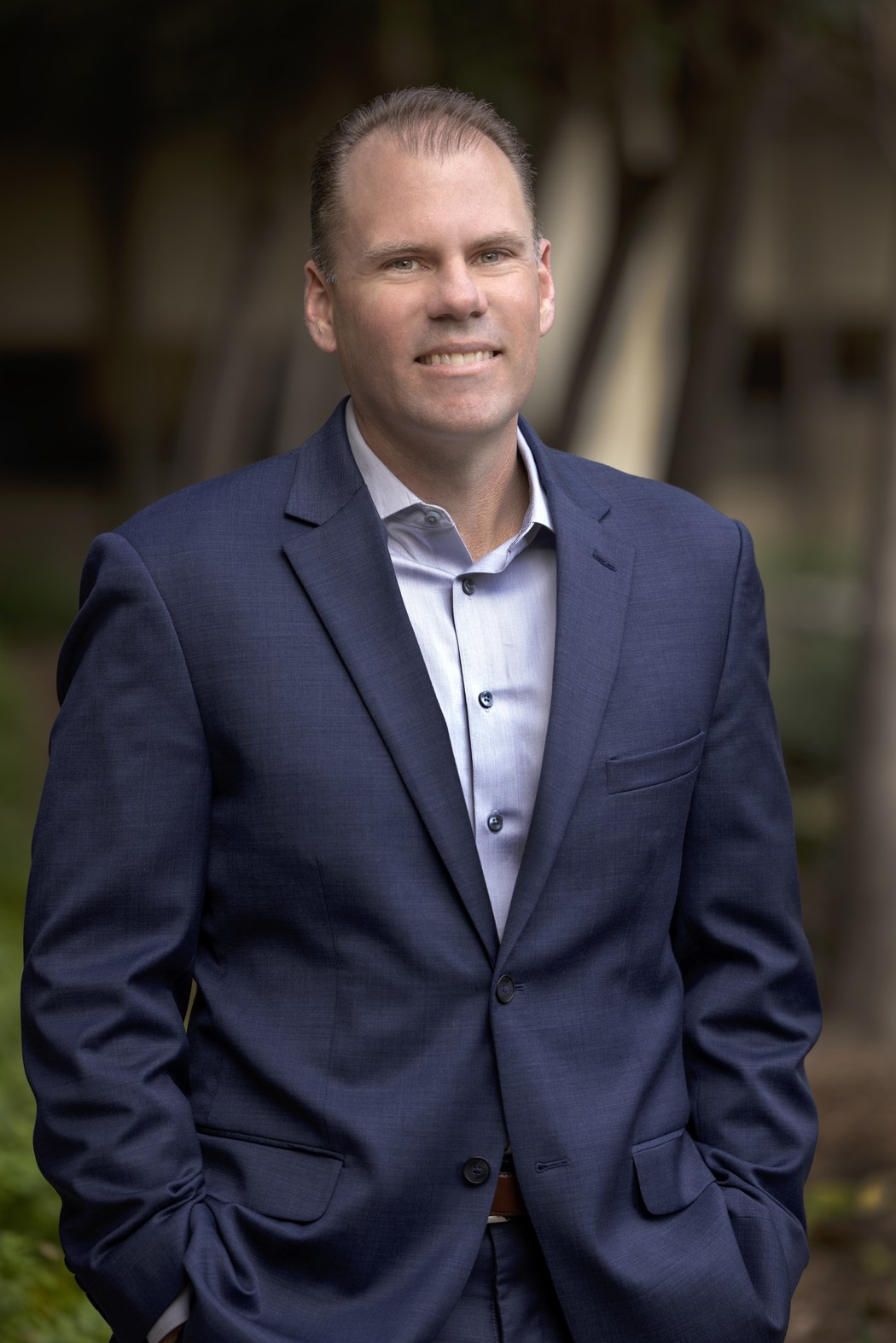
Steven Powell and the Trouble With Tomorrow’s Electricity
He spent two decades learning how Southern California Edison works. Now Steven Powell has to help it grow, rebuild and earn trust - while the lights stay on.
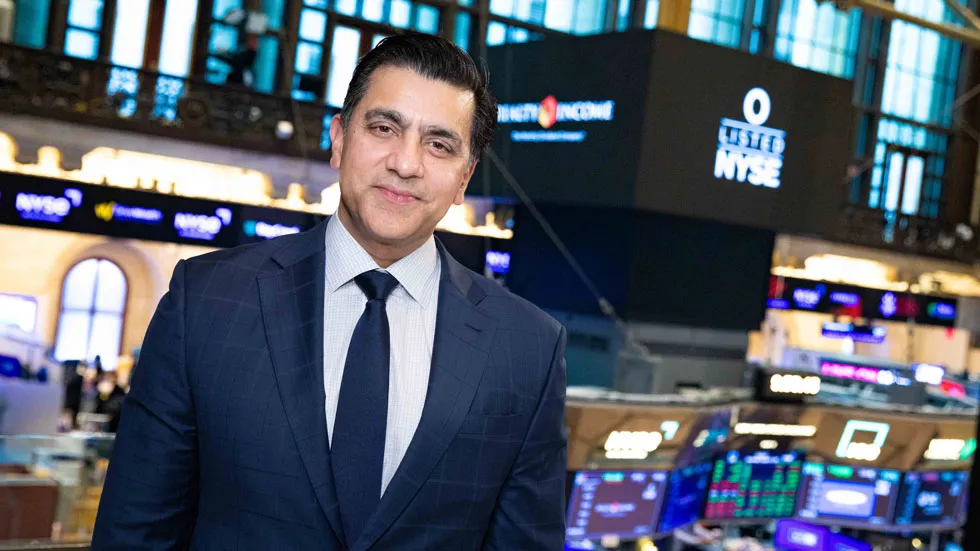
Sumit Roy and the art of making next month ordinary
A computer science graduate became the custodian of Realty Income’s monthly dividend promise. His response has been to change where the rent comes from - and keep asking who will pay it.

Greg Steltenpohl’s second act came in a milk bottle
He started selling juice to keep a jazz band going. Thirty years later, Greg Steltenpohl built Califia Farms by giving another business room to change its tune.
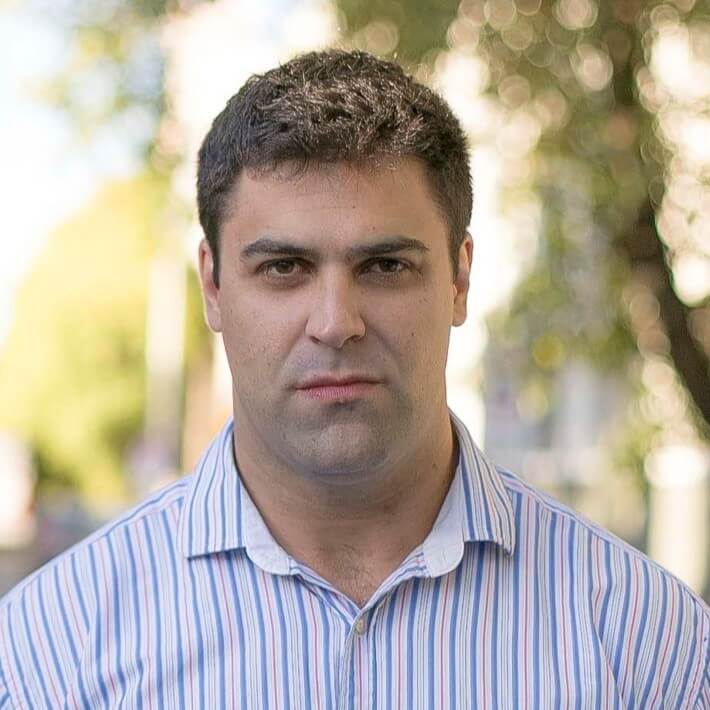
George Gebhart and the long road to an ordinary workday
He started with an electric motorcycle in Paraná. Now George Gebhart is putting his powertrain technology into California work trucks, where the real test begins when somebody clocks in.
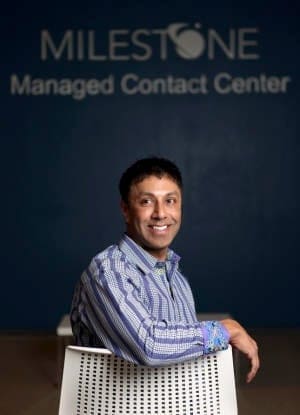
Prem Chand and the business of getting unstuck
A California farm taught Prem Chand to move things. Building Milestone Technologies taught him what keeps a company moving - and why its founder sometimes has to step aside.
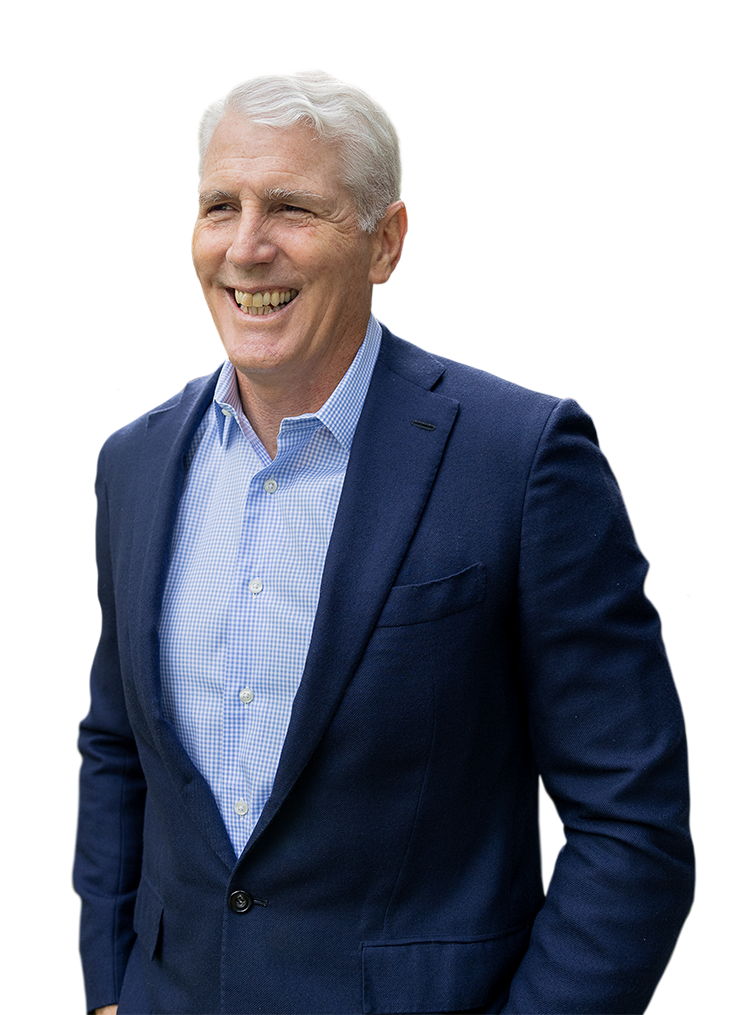
John Pimentel and the business of making the unlikely ordinary
Before co-founding 280 Earth, John Pimentel helped build wind projects and rebuild California freeways. His career keeps returning to the same awkward question: how do you turn a promising idea into something people can actually use?

Propel Fuels Made the Future a Pit Stop
A cleaner fuel is only useful if somebody can buy it. Propel built a business around that small inconvenience - and discovered how much knowledge can hide inside a gas station.

Connected Cannabis Co. bets on the flower
Biscotti made its name. Repeating that quality in another state is the harder trick. Inside the Sacramento cannabis company turning a grower’s judgment into a national business.

FortiFi put the upgrade on the tax bill
A new roof. A stronger window. A bill that arrives with the property taxes. FortiFi built its business around that connection - and its obligations outlast the sale.
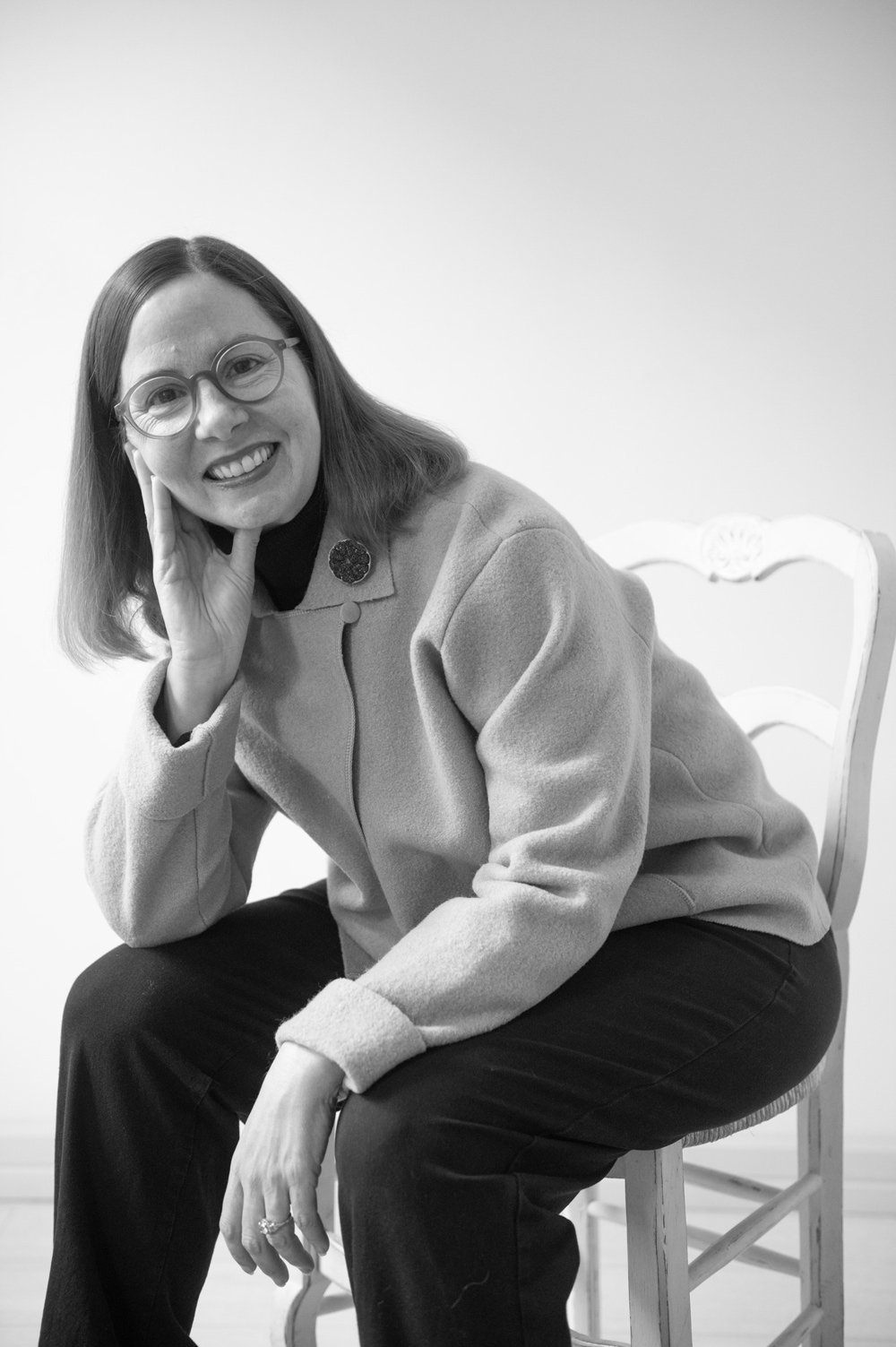
Melissa Marshall and the art of sharing the big chair
She helped bring CommuniCare and OLE together, with Alicia Hardy taking the CEO seat. Melissa Marshall’s story follows the decisions, doubts, and dry wit behind a career in leadership.
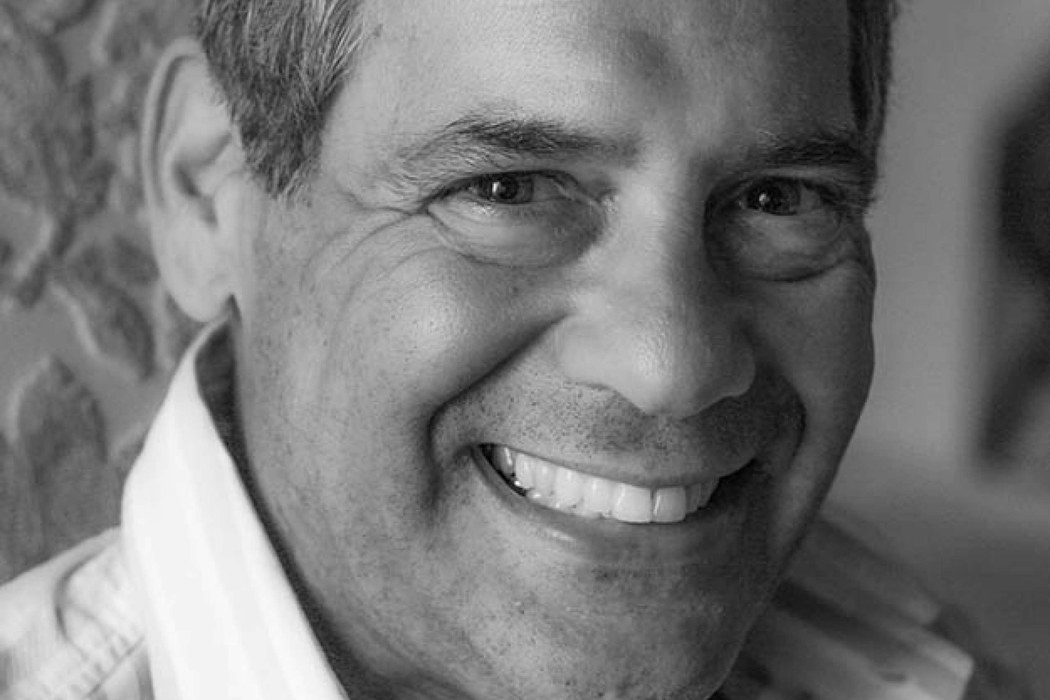
Stanford L. Kurland and the arithmetic of a second act
After 27 years at Countrywide, Stanford L. Kurland started PennyMac in the middle of the mortgage crisis. His second act brought a new business, an old argument and a quieter kind of leadership into the same room.

Gary Goldman and the value of an unfinished education
He built companies before earning his MBA. Now Gary Goldman is building a venture network around the people whose working knowledge rarely makes it onto a pitch deck.
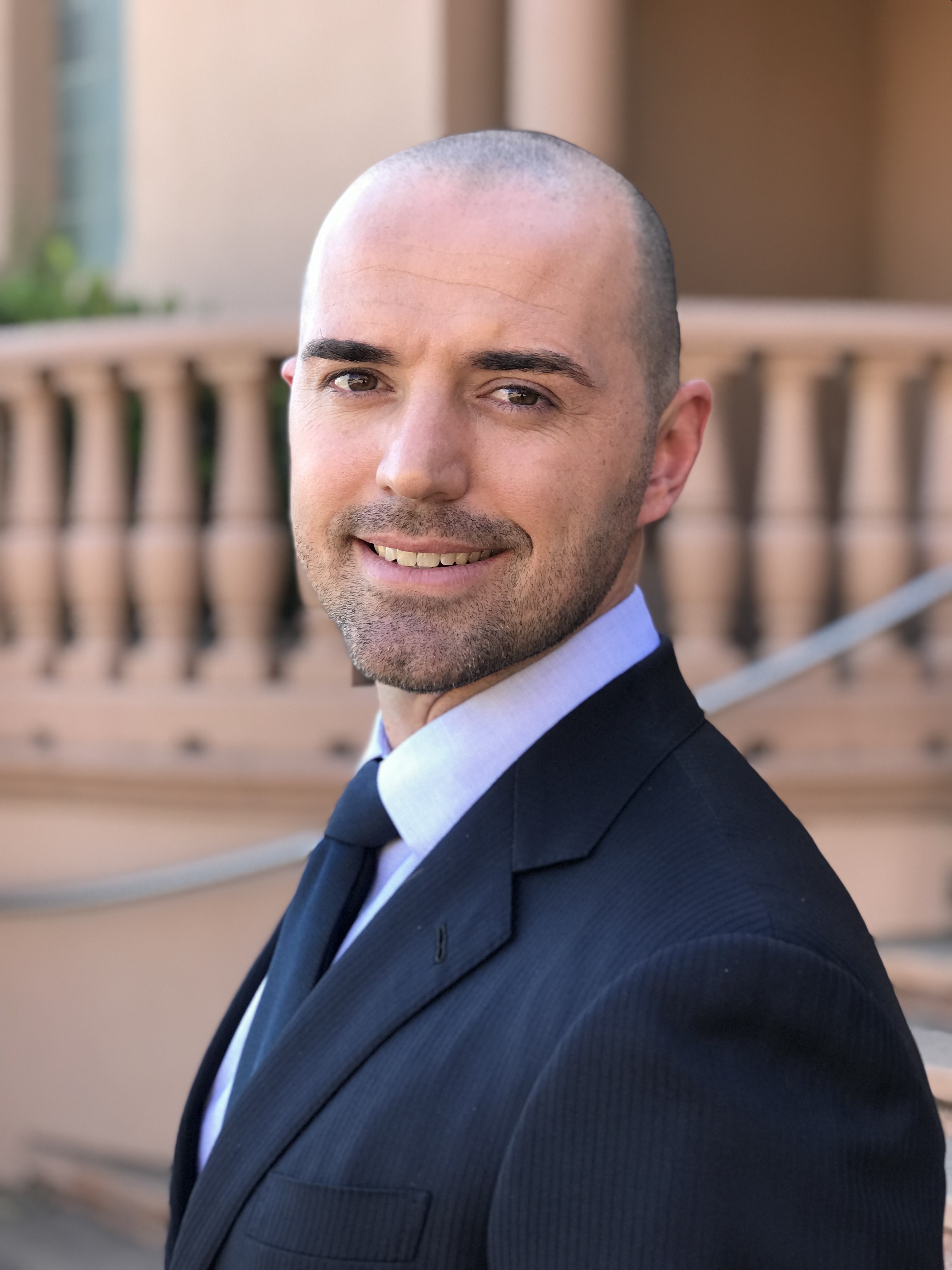
Colin Behring’s two-block theory of a city
A Shanghai internship helped shape Colin Behring’s approach to Oakland: put homes, work and transport close together. His growing Uptown campus now faces a public test over the place of AI computing in the neighborhood.
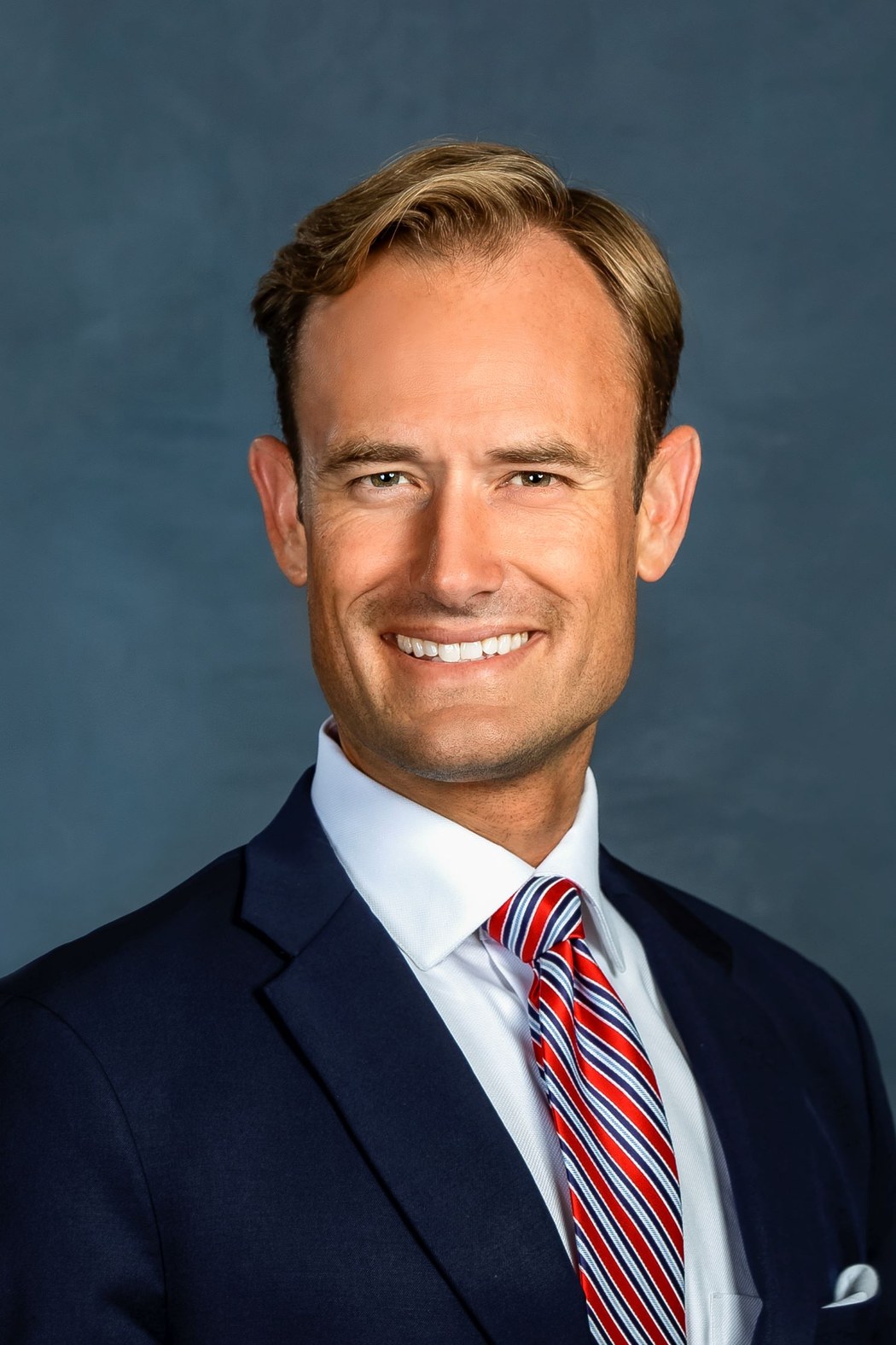
John Keisler and the business of opening doors
Before he led Sunstone Management, John Keisler taught middle school and helped run Long Beach. His route into venture capital begins with a question that has followed him across all three jobs: who gets a chance to start?
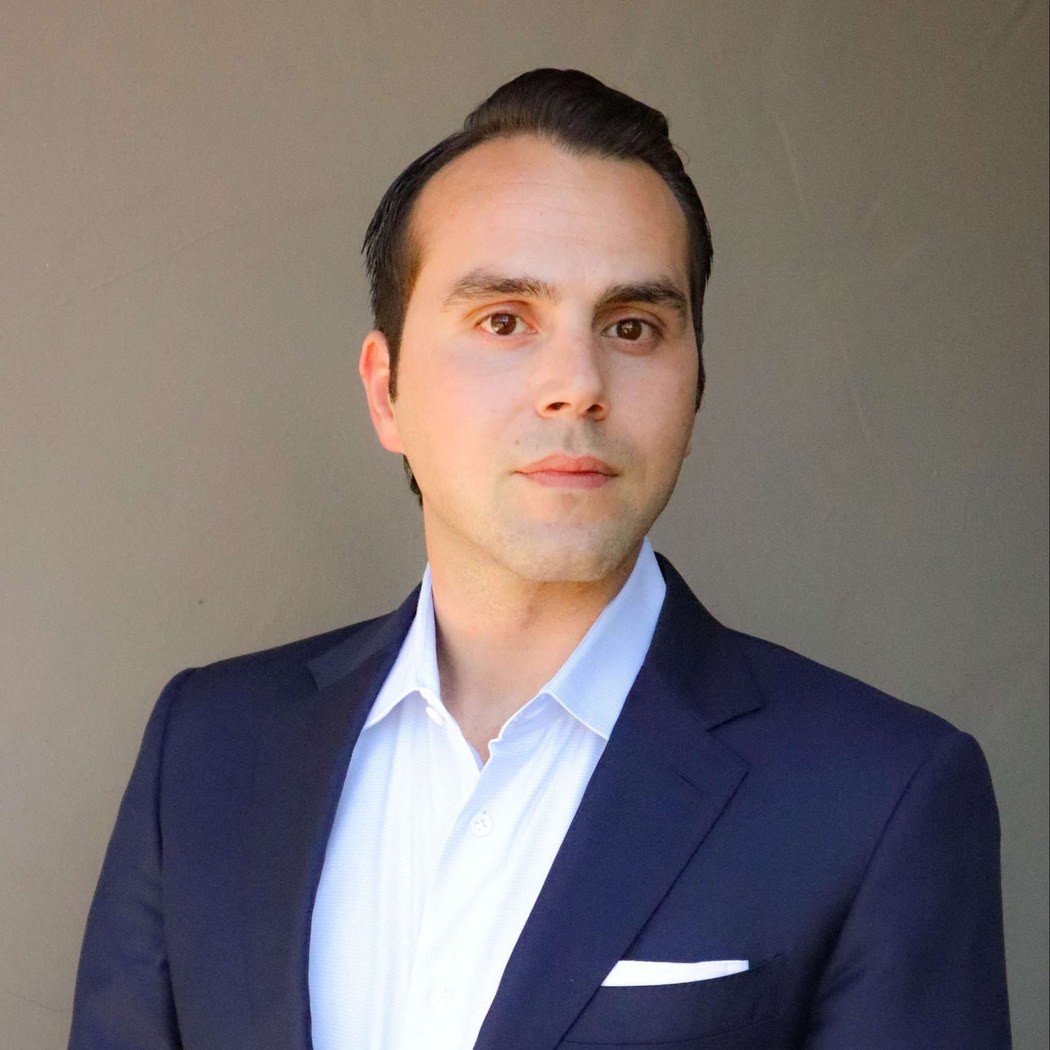
David Wilson and the politics of paying attention
At 22, David Wilson built a business tracking campaign mail, sometimes from dumpsters. Today, RedDog’s president and CEO manages the people and systems that turn political messages into conversations.

Audrey Zagazeta and the work before the groundbreaking
Before a project becomes a place, someone has to examine its consequences. Circlepoint’s president and CEO has built a career in that demanding space between California’s ambitions and the communities that live with them.

Gemini Legal found a business in the paperwork everyone hates
A California records-retrieval company kept building tools to make its own work easier. Now it sells the software, supplies the people, and makes a surprisingly persuasive case for doing both.

Sublime turned a sticky problem into Fuzzies
An Oakland cannabis maker found a product hiding inside a packaging nuisance. Its next chapter shows why a popular brand and the factory behind it can end up on different paths.
Petit Pot and the Million-Dollar Question in a Little Glass Jar
A French pastry chef brought pot de crème to American grocery shelves. The harder trick was learning which parts of the French experience to keep - and which could cost a dollar less.

The Dermatologist in the Camera Roll
A photograph can cross a county faster than a dermatologist. DirectDerm built a practice around that simple advantage, then learned that some answers still need a room, a biopsy and a doctor nearby.

Jacob Warren Has Spent a Career Making Sure the Message Gets Through
For nearly three decades, the California interpreter has worked where language, technology and trust meet. His route from schoolrooms and relay calls to library science and Tive follows one durable idea: access to information changes what people can do next.

The Buildings That Bring People Back
For 67 years, a Fresno architecture firm has practiced a quiet trick: design for the people who stay, then train the people who might return.
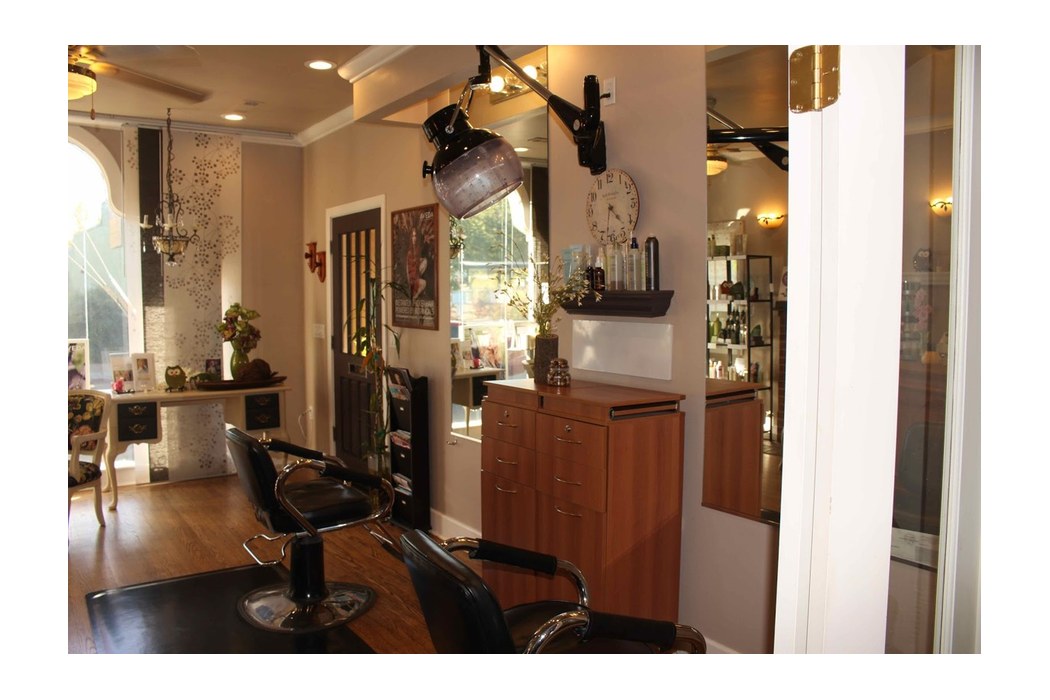
The Two-Chair Salon That Has Outlasted Three Decades of Hair Trends
Panache has survived since 1993 by keeping the room small, the consultations long and the promise legible: understand the person before changing the hair.