devops
(320)
Pawel Hytry and the business of letting go
He built a company across borders, sold it, and nearly declined the introduction that led to Spacelift. Now Pawel Hytry is working on a harder kind of delegation: giving people and machines room to act, with rules everyone can trust.

Kevin Boyle and the art of making yourself useful
An Amstrad, a seven-person team, and a problem hiding inside Salesforce. How Gearset’s co-founder turned an engineer’s instinct for fixing things into the work of running a company.

Mike Baukes and the trouble with knowing what you own
In banking, Mike Baukes saw how little large companies understood their own technology. At UpGuard, he has spent more than a decade trying to turn that confusion into something people can act on.

Kumar Chivukula and the Work After the Code
At Adobe and Symantec, Kumar Chivukula learned how much work stands between writing software and shipping it. At Opsera, he is building a business around that stubborn distance - and watching AI make it matter all over again.

Sam Booth and the business of switching off
Sam Booth built Just After Midnight to keep digital businesses running while their teams went home. After selling it, he returned with a different question: which parts of the cloud should be running at all?
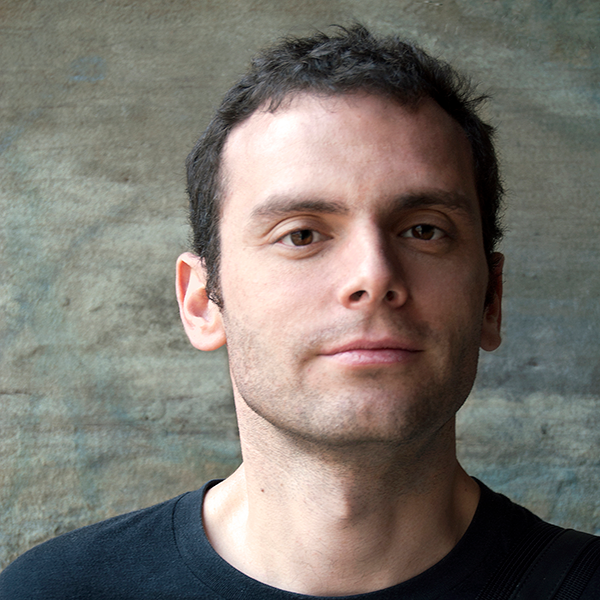
Olivier Pomel would like the bad news first
Before Datadog became a public company, Olivier Pomel and his co-founder had a simpler ambition: get their teams to stop blaming each other. The habit that followed - looking for uncomfortable facts - still shapes how he builds.
iTechArt Group built other people’s big ideas
A water dispenser, a fitness membership, a virtual clinic. Behind very different products, iTechArt found the same business: helping companies build software faster than they could hire.
MSys Technologies: Make the invisible work.
Before it became Aziro, MSys Technologies built its name in the machinery beneath enterprise software. Its move into AI makes that unglamorous expertise surprisingly relevant.

Christine Yen and the Trouble with Knowing in Advance
A Saturday failure helped Christine Yen see what software dashboards were leaving out. At Honeycomb, she has built a career around giving engineers room to ask the next question.

Alex Solomon and the art of handing over the pager
He turned an on-call chore at Amazon into PagerDuty. Then Alex Solomon applied the same practical question to his own job: who should take the next call?
NexTurn and the art of fixing the boring stuff
A handwritten date. A missing shipment. Four million student records. NexTurn builds cloud and AI systems around the small operational problems that become very expensive at scale.

Impressico makes the complicated work.
Before you can rebuild a business, you have to understand the software holding it together. Impressico Business Solutions has made that unglamorous work its business.
Caylent and the art of moving less
Before Caylent could move a customer’s database, it found 1,850 pieces of code that could stay behind. That small act of subtraction explains a lot about its growing AWS and AI business.
CodeVyasa makes the boring bits work.
A software business can look healthy while its testing, cloud bills, and data quietly get out of hand. CodeVyasa has built its pitch around fixing those problems - and carrying the work through to production.

InApp makes old software earn its keep
A food bank, a life-sciences software firm, and an airport have something in common: software too useful to abandon. InApp has built a business helping systems like these move forward.
ATC makes the clever part work
An Iowa technology consultancy is betting that enterprise AI needs more than a model. It needs the people, testing and plumbing that make software useful on Monday morning.

Innovative Solutions makes AI earn its keep.
A Rochester IT business found its next act in the chores nobody wants: sorting surveys, checking claims, and turning meetings into finished work. Its own AI bill supplied the reality check.
Eficens DiscoverCloud wants your cloud bill to make sense.
A cloud bill can tell you what you spent. DiscoverCloud pairs its own tools with engineers who help decide what to change - and then help change it.
Relevance Lab makes the cloud usable
Cloud computing gives you the machines. Relevance Lab builds the controls, workflows and software that help people get useful work out of them - from a genomics classroom to an enterprise AI agent.
Idexcel takes the paperwork out of progress
The hard part of banking AI is the work around it: inconsistent documents, old applications and systems that must keep running. Idexcel has built a business in that gap.
Saven Tech makes the waiting disappear
Four days to onboard a customer. Weeks to prepare a financial report. Saven Tech’s most revealing work starts with the time a business loses between its systems.

Algoworks makes the handoff work
A car rental booking. A patient support call. An AI pilot. Algoworks builds its business where software meets the people expected to use it.
SourceFuse and the art of skipping the rebuild
Every software company needs the plumbing. SourceFuse packages the repeatable parts, then helps customers rebuild the systems that are holding them back.

Steve Semelsberger’s Five-Year Route to the CEO’s Chair
He met Testlio’s founders as a mentor, became an advisor, then invested. Five years after that first introduction, Steve Semelsberger took the CEO job. His next company asks how software teams can keep up with change.
Ohad Maislish and the art of giving up control
He nearly chose the CTO chair, built env0 as its founding CEO, then helped rivals share a new foundation for cloud software. Ohad Maislish’s career keeps returning to a practical question: who gets to act, and who sets the rules?

Vishnu Raju Datla and the art of an uneventful afternoon
After five years of bootstrapping AutoRABIT, Vishnu Raju Datla brought investors into the cockpit. With SimpleTest, he is back at a familiar problem: helping people change enterprise software without making a production of it.

Shlomi Ben Haim and the refrigerator pitch
JFrog’s co-founder built a business around the software most people never see. His story runs from an unlikely investor pitch to a public company, with a stubborn belief that the people you hire early decide what happens next.

Megazone Corp makes complexity disappear
A car manual that reads the dashboard. A television platform rebuilt while viewers keep watching. Megazone’s work starts with the things people should never have to think about.

NetScape Labs and the art of the software handoff
A Mohali development agency sells the work between an idea and a usable product. Its most revealing assignment came from a customer who already knew how to build software.

Vikas Debnath and the art of noticing before the server stops
In New Delhi, Vikas Debnath has built a career around Linux infrastructure and the people who learn to manage it. His OpenPath classroom carries a working engineer’s question: what is the system trying to tell you?