serial-founder
(62)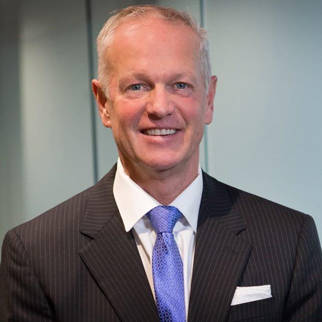
Greg Daily and the art of starting over
He built his career moving money. Across three companies and four decades, Greg Daily kept returning to the same question: what should the next business do differently?
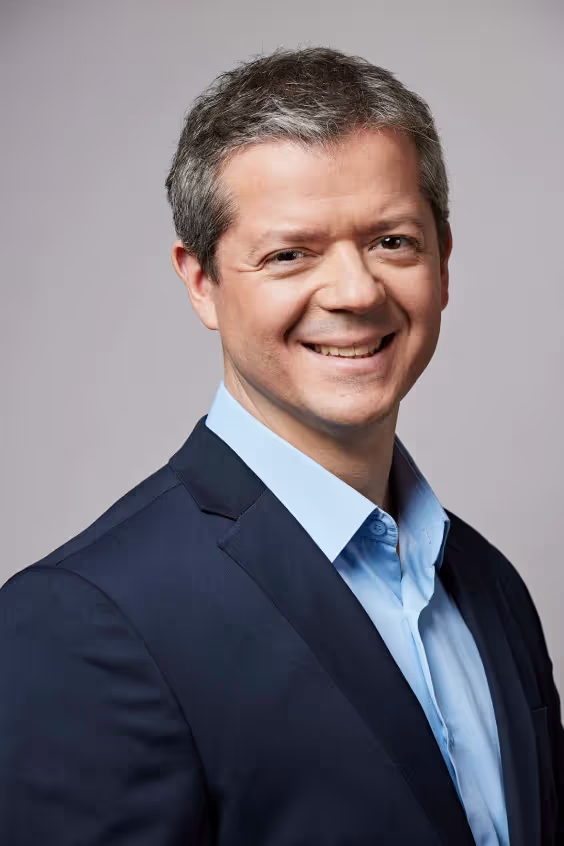
Romain Niccoli and the art of starting again
He helped build Criteo from a Paris incubator to Nasdaq. At Pigment, Romain Niccoli is applying the experience to a problem that follows every growing company: how to make a plan people can actually use.

James Plante and the Value of Fifteen Seconds
Before a fleet manager could change a driving habit, someone had to save the moments that explained it. James Plante helped build SmartDrive around that small, consequential problem.
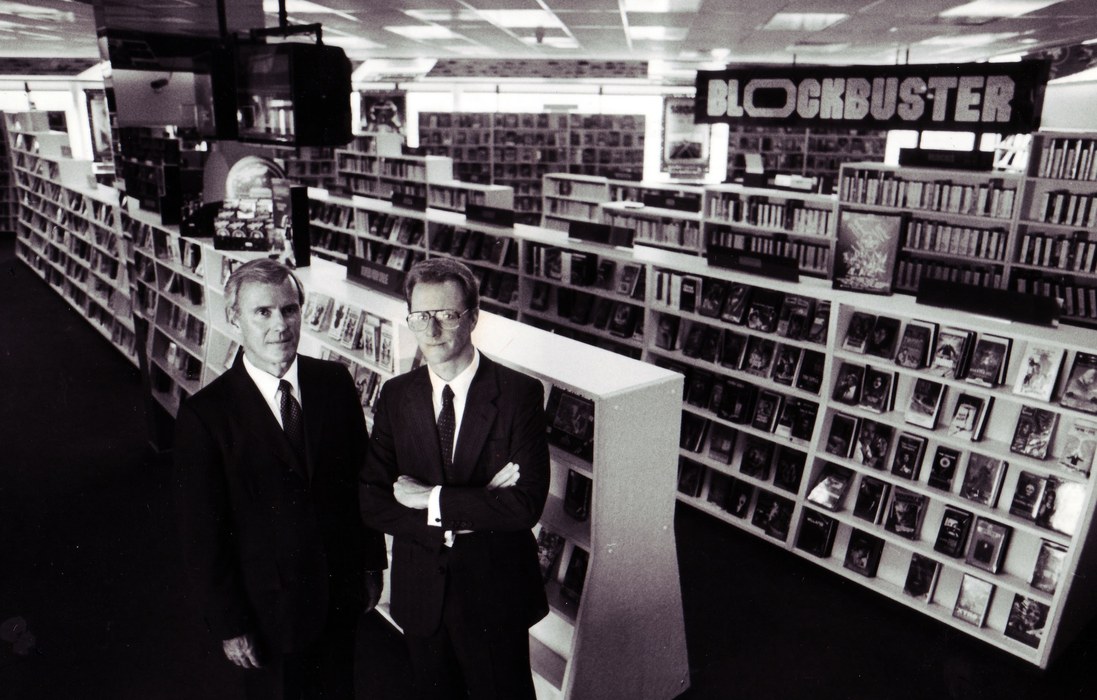
David P. Cook and the machinery behind movie night
Before Zix, David P. Cook put computers behind the video counter and electronic tags on the tollway. His career connects three ordinary transactions with the less ordinary work of making them easier.
Rudy Prince’s fax machine had an escape plan
He co-founded JetFax to improve fax hardware, then helped move the fax into email. Across Linux, Wi-Fi, mobile calling and sensing chips, Rudy Prince’s career traces the awkward gap between a new technology and the world that has to use it.
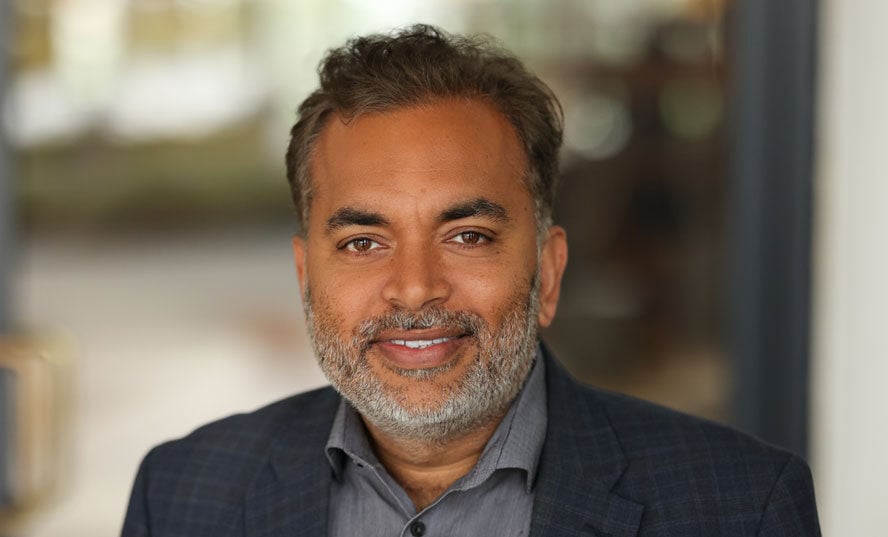
Sachin Nayyar and the trouble with one company
For years, Sachin Nayyar ran Securonix and Saviynt at the same time, with Dallas at one end of his commute and Los Angeles at the other. His career keeps returning to a deceptively simple question: who should be allowed in?
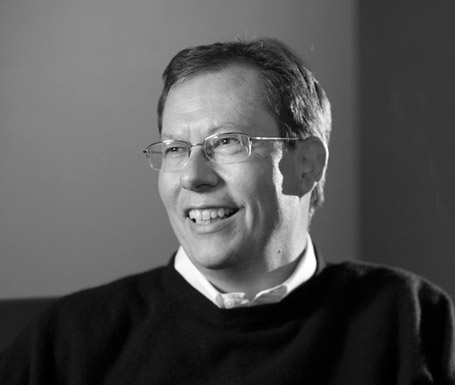
Michael Hatfield and the case for fewer boxes
From Cerent to Calix to Cyan, Michael Hatfield kept finding things that belonged together. His career connects the machinery of the internet with a theater in Indiana and a new generation of founders.
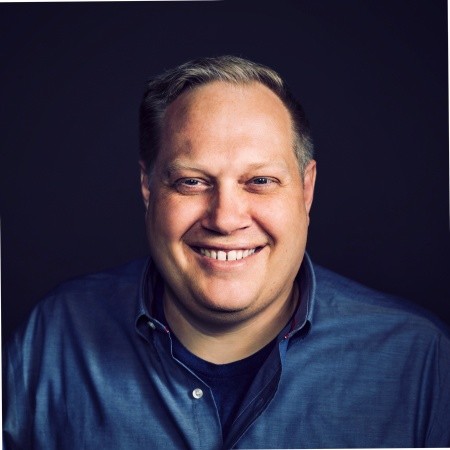
Ry Walker and the trouble with arriving
He co-founded Astronomer, stepped away in 2022, and started again with Tembo. For the Cincinnati software builder, the interesting work keeps moving back to the beginning.
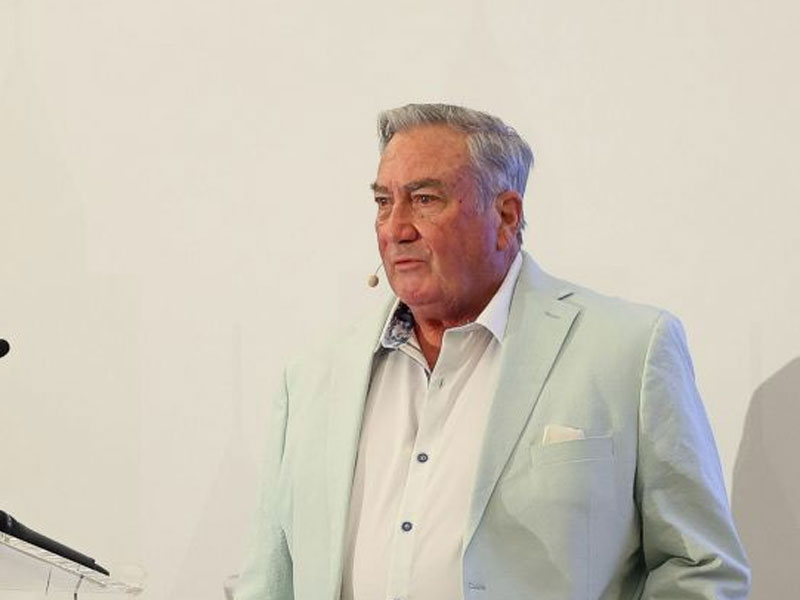
John Martino II and the price of starting again
The synseer founder keeps returning from retirement with another company to build. His advice to entrepreneurs begins with an awkward question: what is this opportunity really costing you?
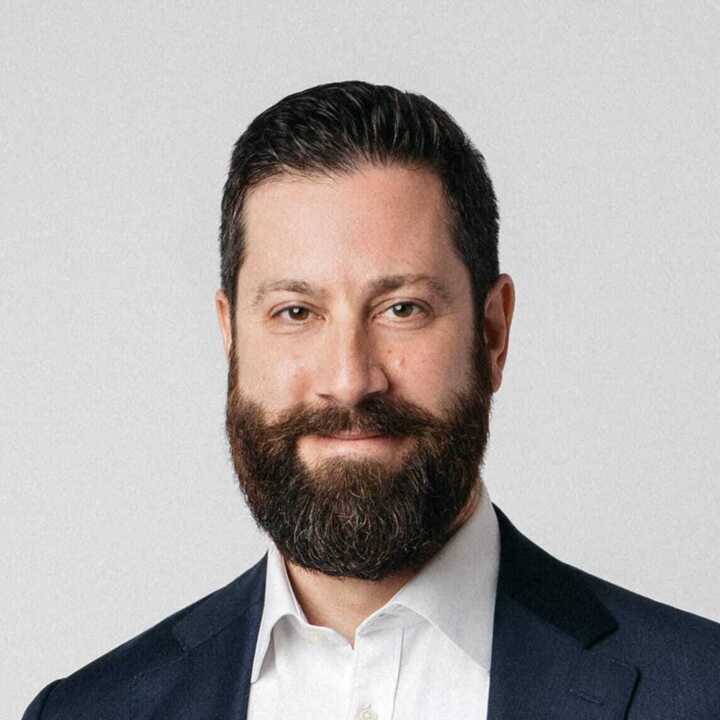
Matt Pavelle and the Art of Getting It Built
From designer clothing to rental rewards, Matt Pavelle has spent his career turning consumer ideas into working software. The Doctronic co-founder now has a pointed question about AI and teams: who owns the outcome?
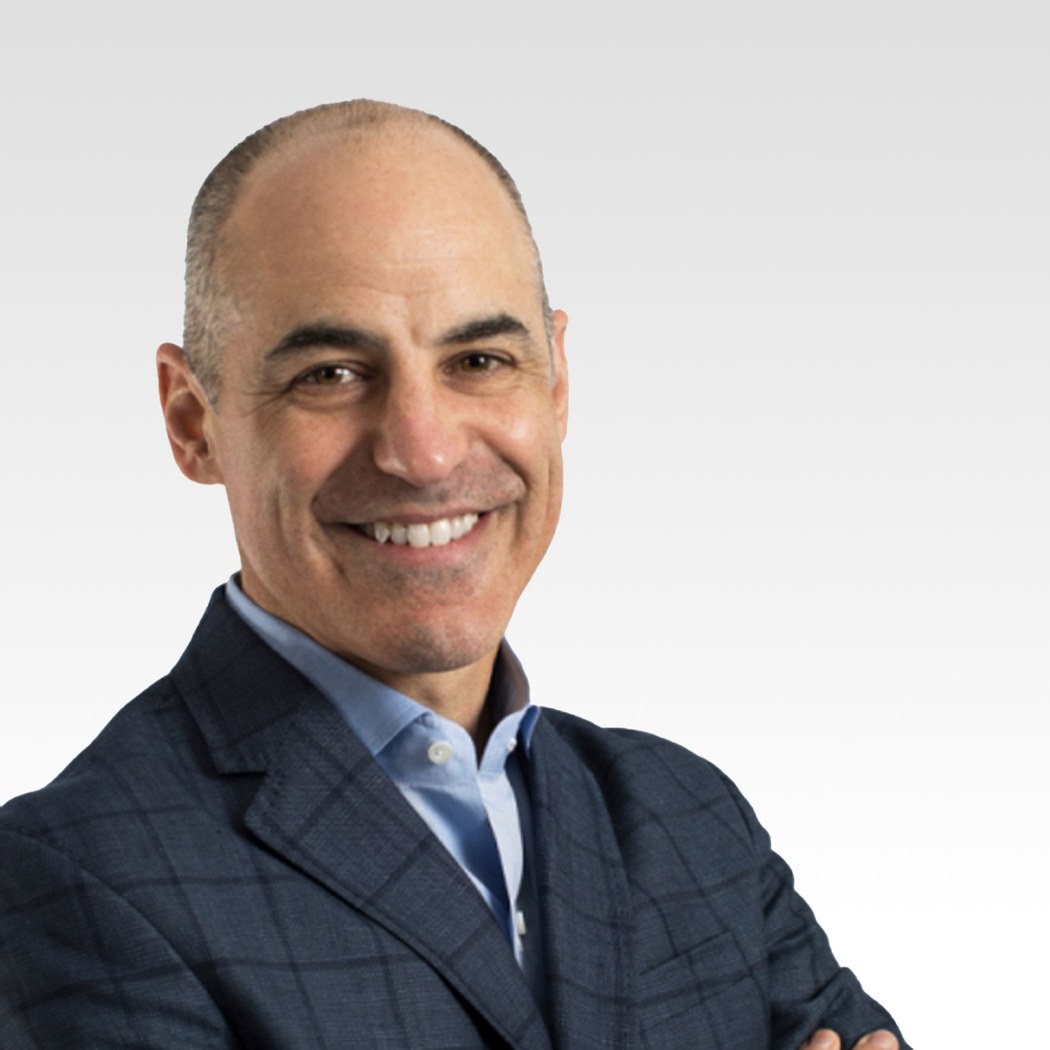
Joseph Ansanelli and the trouble with starting over
He built companies that reached Apple, the public markets and Symantec. At Gladly, Joseph Ansanelli returned to an old problem: why does a customer have to tell the same story twice?
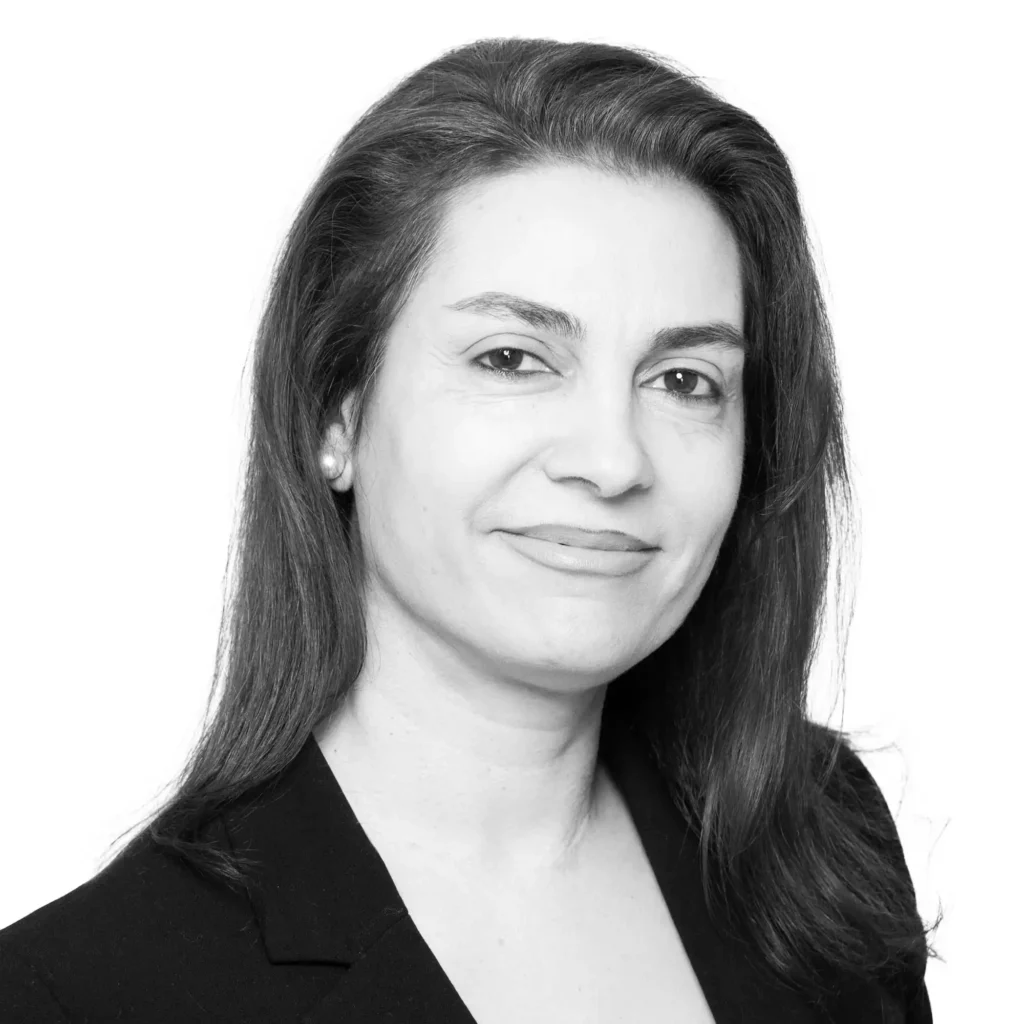
Mojgan Saadat and the business of starting again
Arrinex became part of Stryker in 2019. A year later, Mojgan Saadat co-founded Inquis Medical. Her career connects company launches, shared leadership and the work that begins after a deal closes.
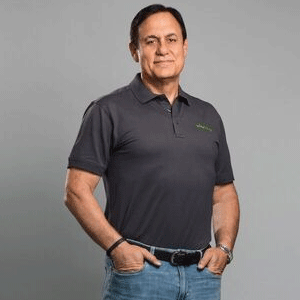
Matthew Rizai’s second act began with paperwork
After building Engineering Animation, Matthew Rizai returned to Ames with people he already trusted. Their next company, Workiva, took on the awkward business of getting corporate numbers to agree.
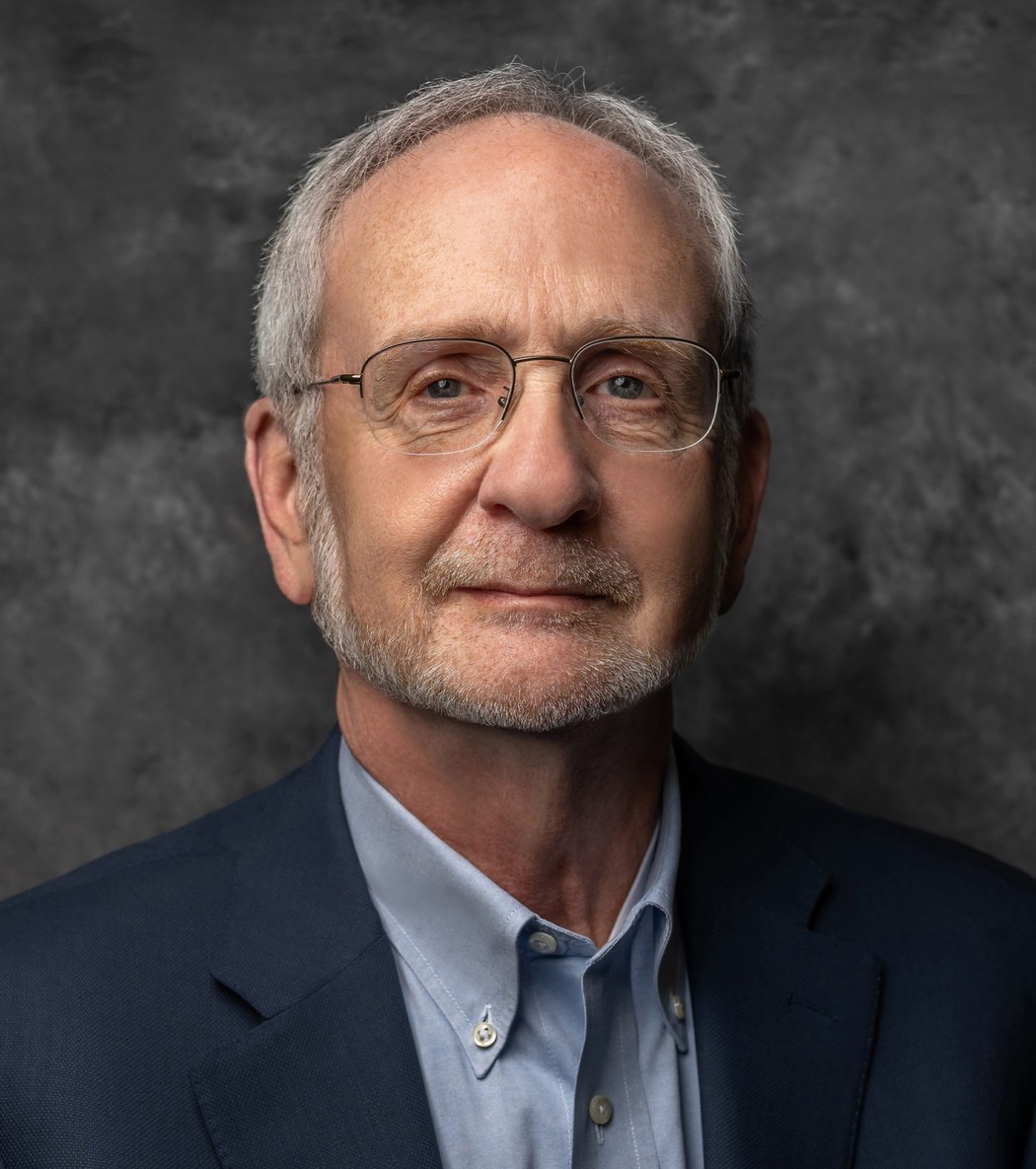
Larry Kaplan and the art of getting television moving
After co-founding Omneon, Larry Kaplan helped build SDVI around a larger problem: all the work that happens before a program reaches its audience. His career follows the connections between engineers, customers, and a well-placed bench in Las Vegas.
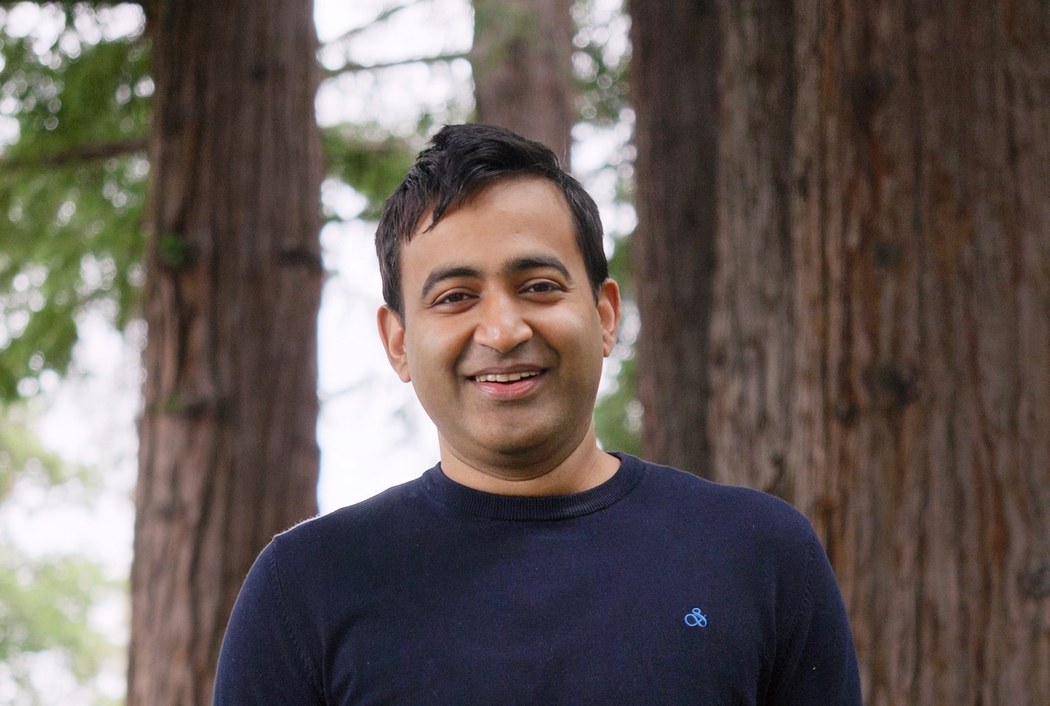
Soham Mazumdar and the value of an unfinished answer
A mathematics medal, Google search, a shopkeeper’s problem, and nine years at Rubrik. WisdomAI’s co-founder has spent his career learning what happens when an elegant idea meets the person who has to use it.
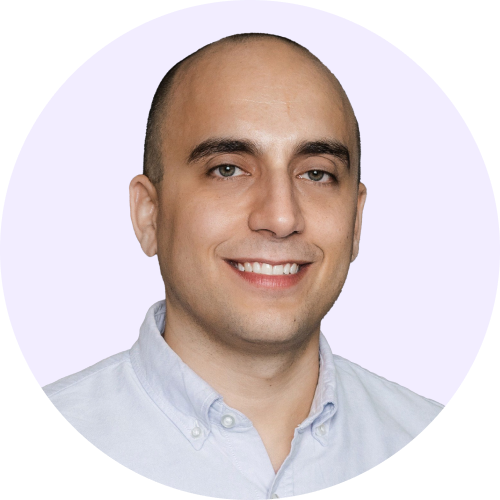
Waseem Daher and the $400,000 promise
Before Pilot could earn a customer’s trust, Waseem Daher spent a third of its early funds on a name. The road to that decision runs through MIT, two acquisitions, and a stubborn belief that someone else should do the bookkeeping.
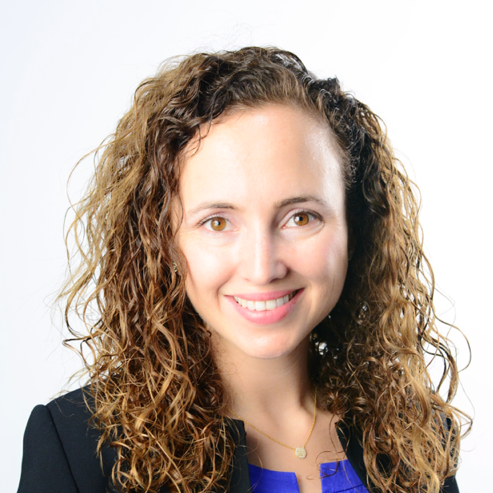
Naama Stauber Breckler and the Art of Trying Again
A childhood cafeteria, six years building defense systems, and four companies later, Naama Stauber Breckler still makes a case for taking the next chance. Her story is also about the people who made that chance feel possible.
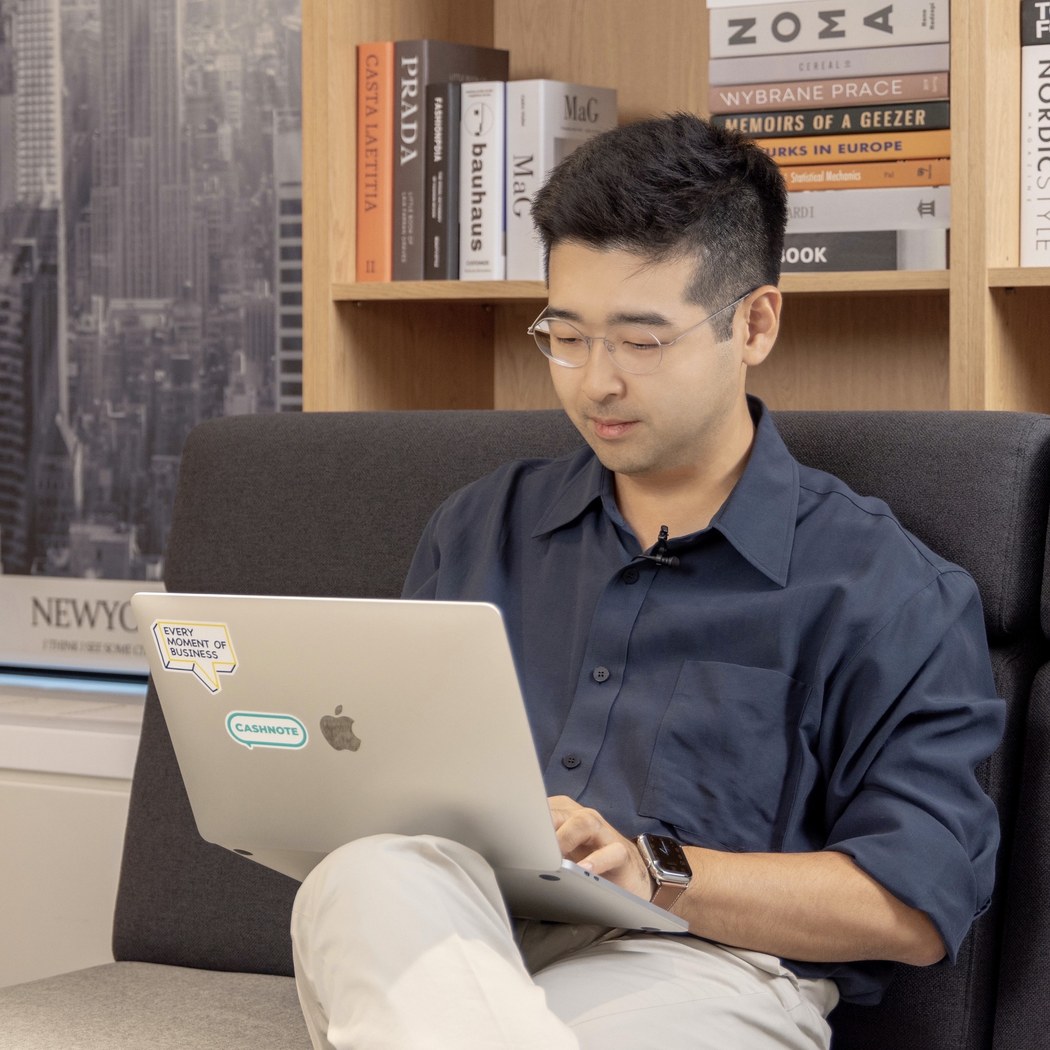
Kelvin Kim and the value of a quiet afternoon
Before Cashnote became a daily tool for millions of Korean businesses, Kelvin Kim went looking for a moment when shopkeepers had time to talk. His second company grew from what he heard between the lunch rush and dinner.
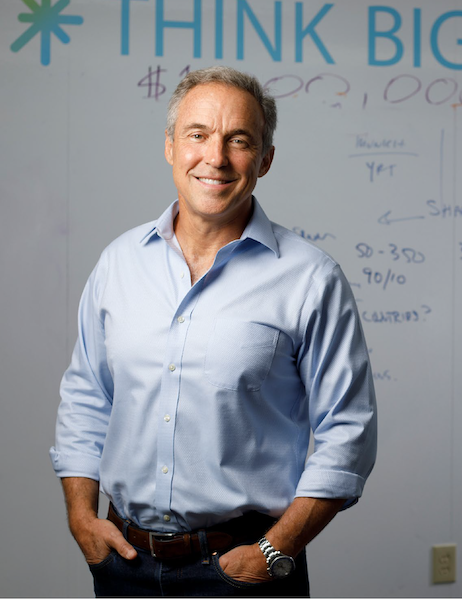
Michael Carricarte Has Spent Four Decades Making a Difficult Promise Easier to Buy
The Olé Life founder inherited an insurance vocabulary, then spent a career rewriting it for Latin America - first through family enterprise, now through software, advisers and a stubborn belief that trust still matters.
James McElhiney Has Spent a Career Building the Systems Behind the Mission
From traded-in phones to primary care, cyber insurance, and virtual treatment, the Cambridge engineer keeps returning to the same hard problem: turning a complicated service into software people can trust.
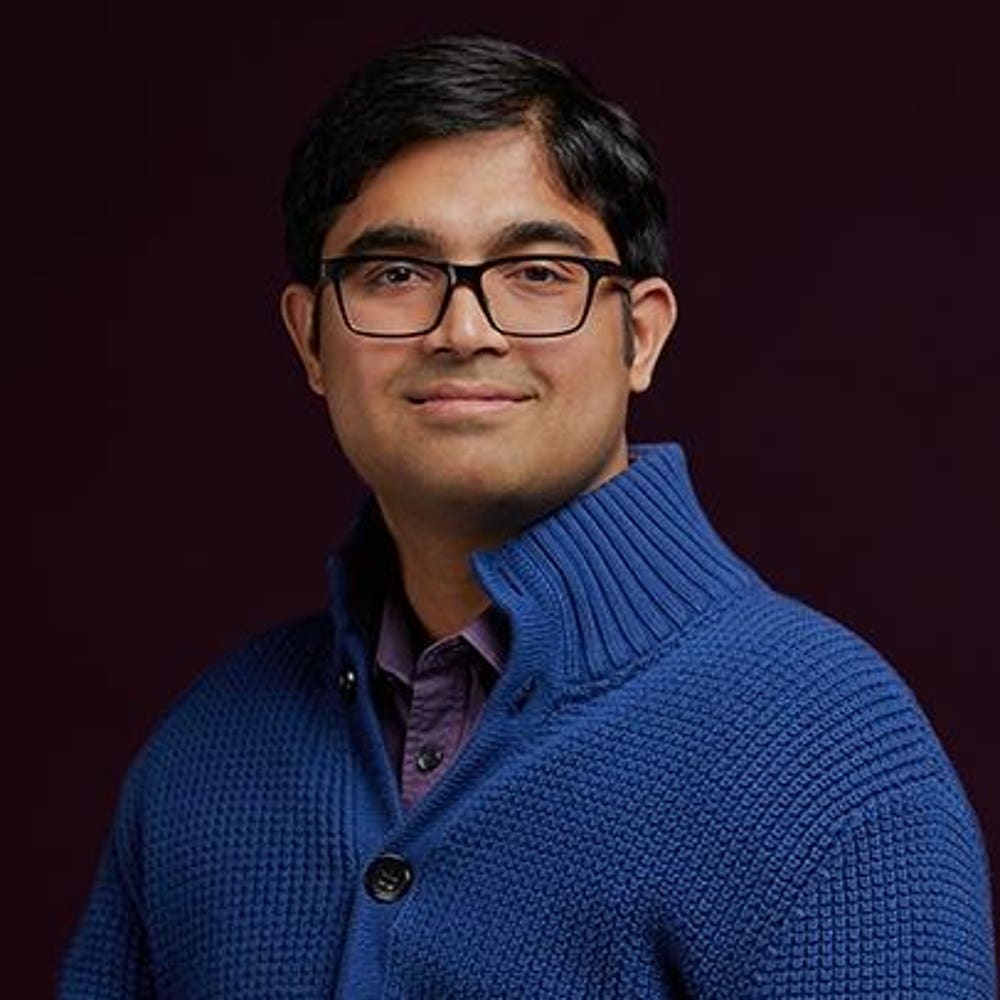
Prasanna Sankar Keeps Choosing the Hard Problem
The coder behind a campus sensation and a $16.8 billion software company has returned to the keyboard. His career is a study in speed, collapse, recovery and the stubborn appeal of starting over.
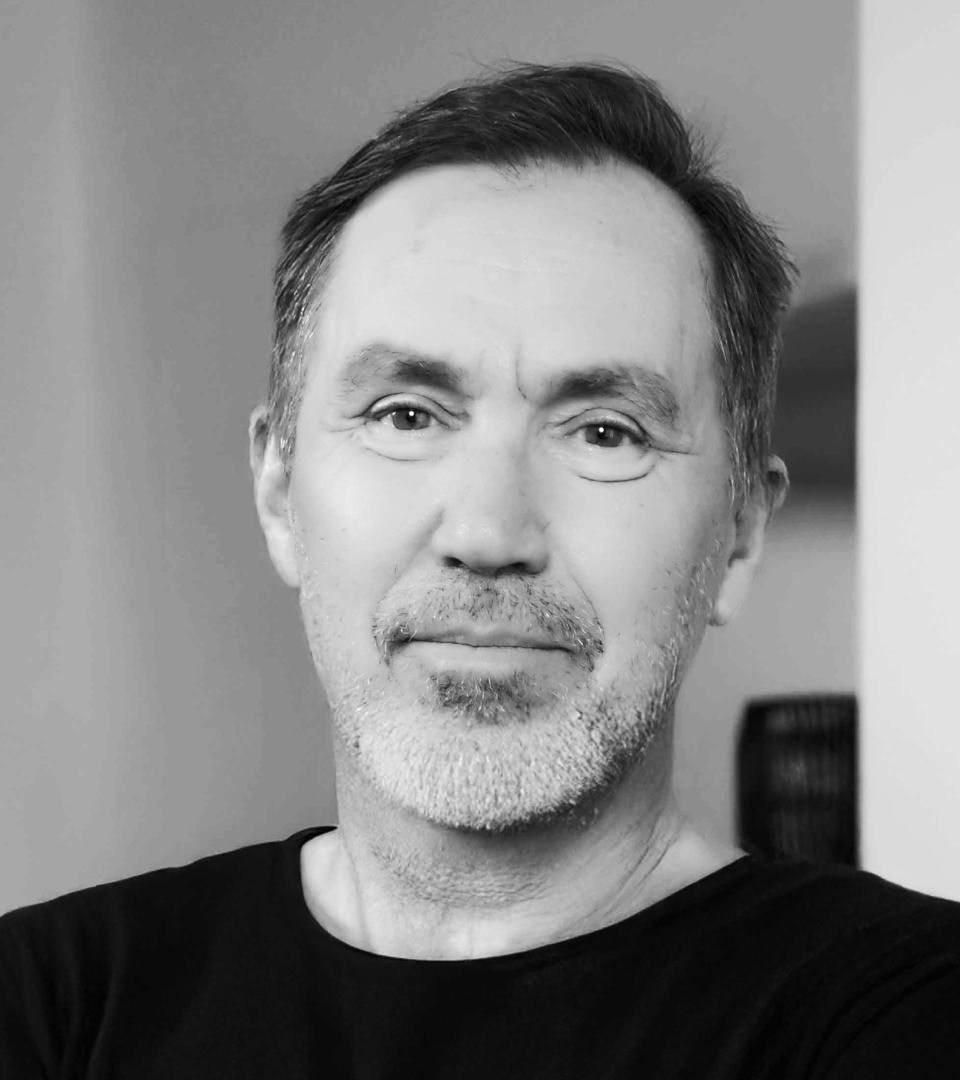
Greg Shove Has Survived Seven Startups. Now He Wants to Rewire the Company.
After 30 years of pivots, exits, bruises and board meetings, the Section CEO is betting that AI will change companies only when their leaders change first.
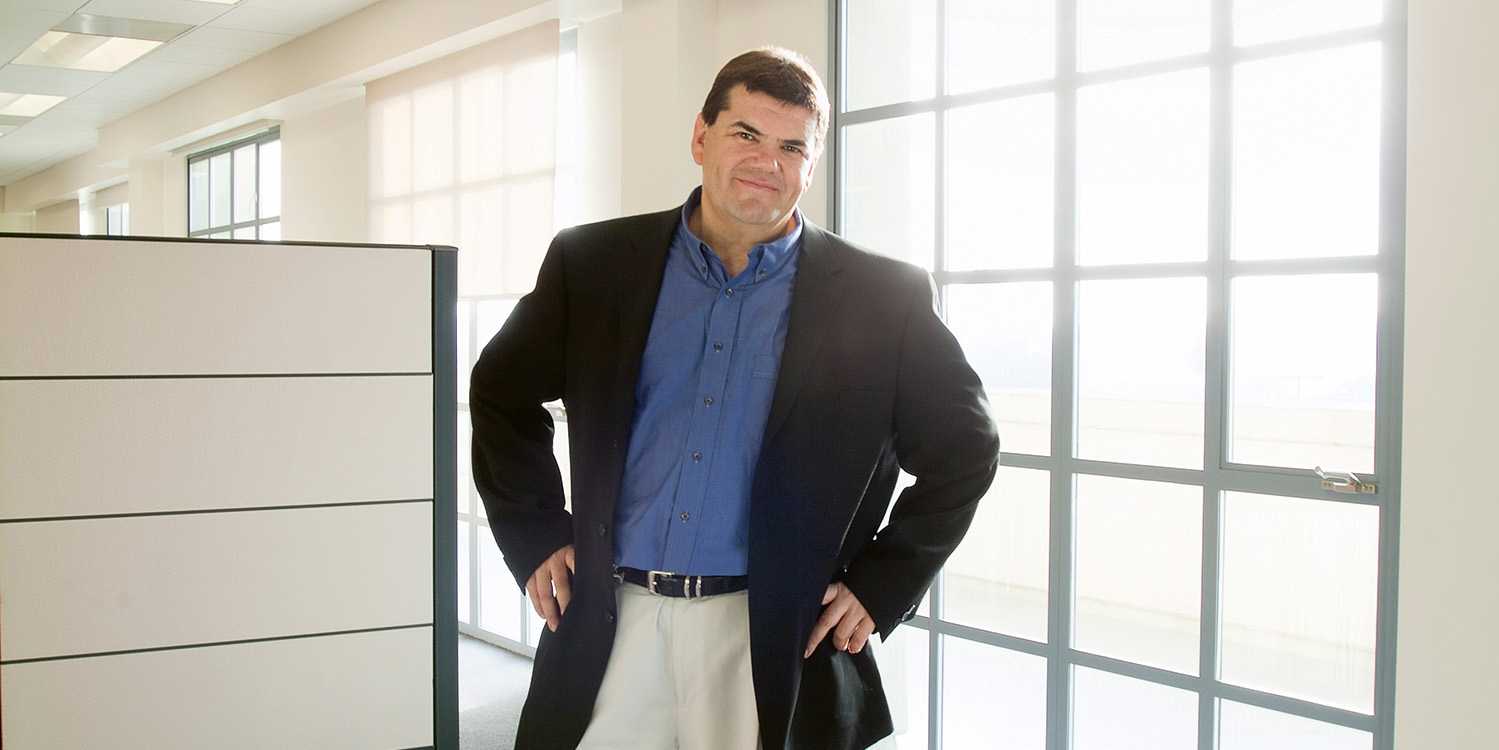
Philippe Kahn Put a Camera in Your Pocket. Then He Kept Going.
A normal curve caught his eye in sixth grade. A newborn photo rewired visual culture. Between those moments, Philippe Kahn built a career by treating invention like music: practice daily, listen closely, and ship before the clock runs out.
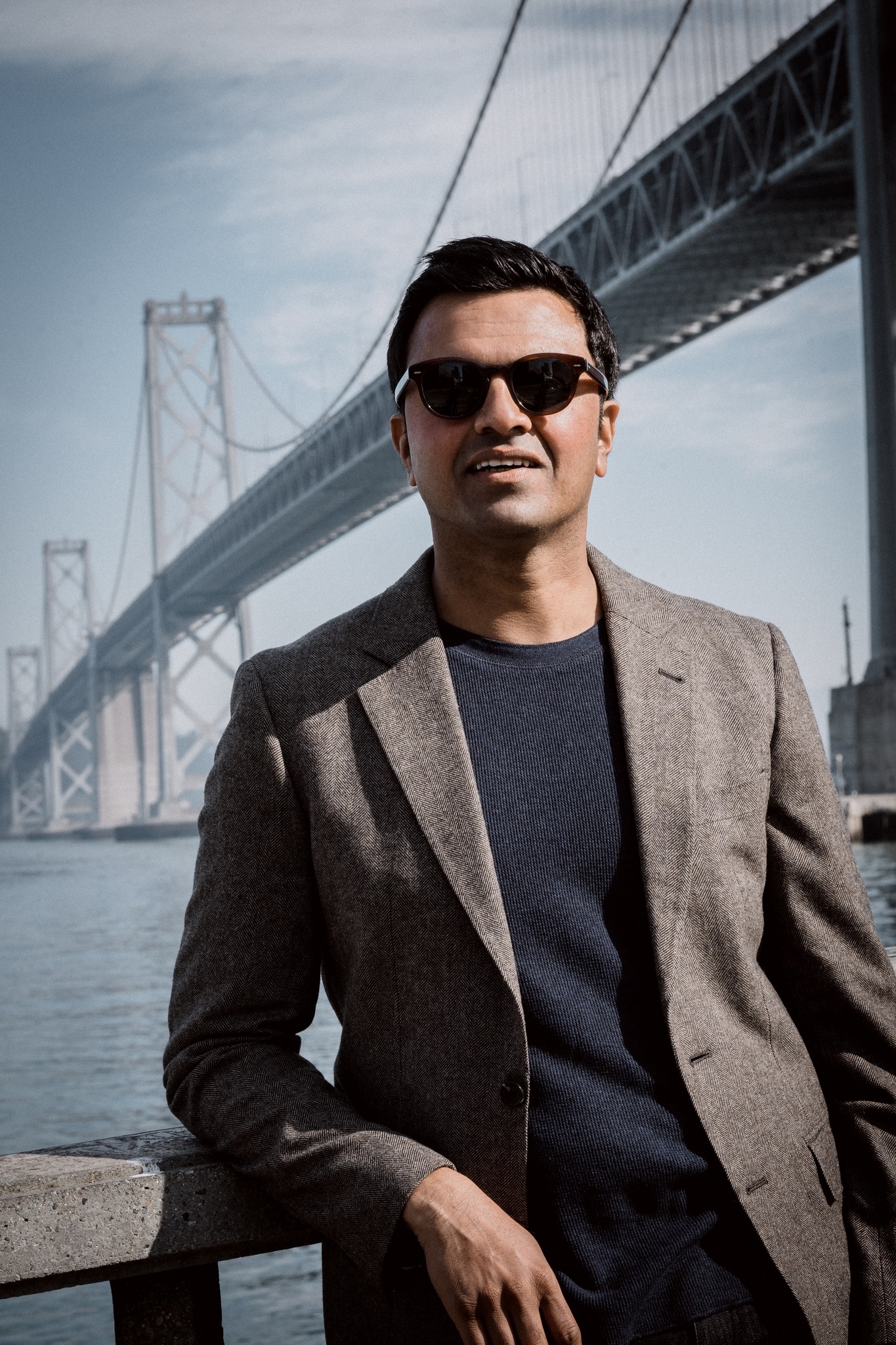
Jitesh Shetty Is Turning Sustainability's Paper Chase Into Software
The Qwiklabs co-founder once mapped influence inside Enron's email archive. Now he is applying the same appetite for structured evidence to corporate climate claims - and asking companies to trade spreadsheet theatre for audit-ready data.

Lucky Zhang Wants You to Stop Scrolling and Start Making
After two acquisitions and a 30-million-user music service, the serial founder is betting that software will become a social medium - made in seconds, remixed in public, and far more participatory than another feed.
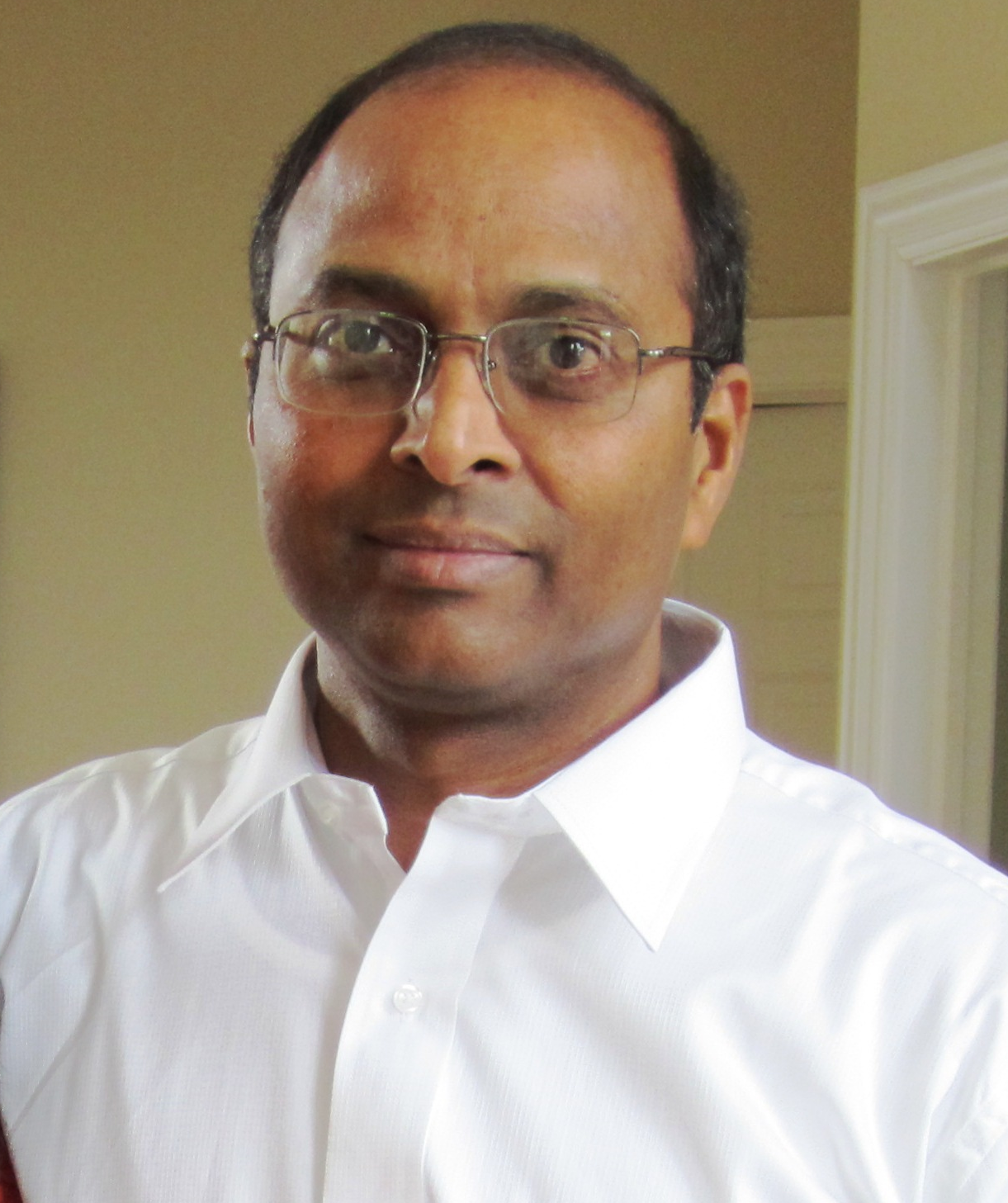
Prasad Rao Built a Career by Finding Better Words for Hard Problems
Before the awards, public listings and decades in enterprise technology, a Telugu-medium engineering student solved a vocabulary problem with three improvised words. That instinct - work with what you have, then make the system better - still explains Prasad Rao's career.
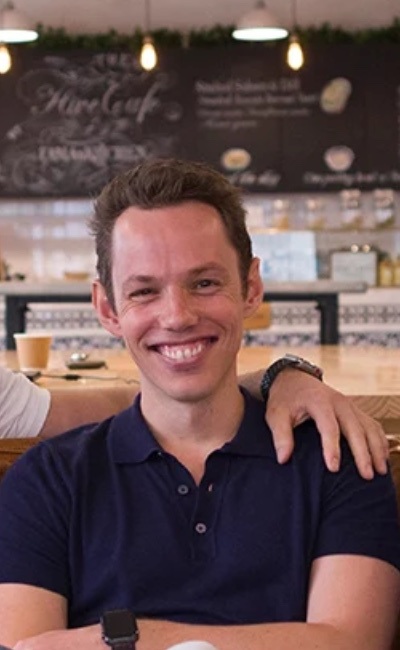
Seb Poole Is Teaching the Help Desk to Finish the Job
After a decade inside startups, Seb Poole has developed a particular dislike for software that records a problem and leaves a human to solve it. His new company, Modern, is an attempt to make enterprise IT software do the work hiding behind the ticket.
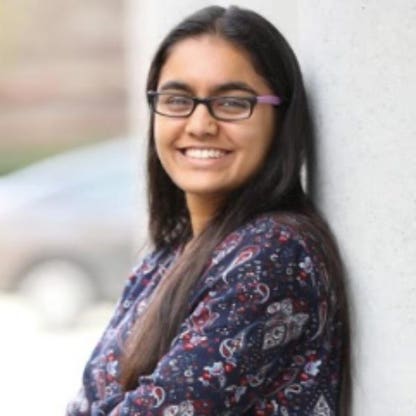
Charu Sharma Keeps Choosing the Rooms Where Trust Is Hardest to Earn
Before Fenrock AI began putting agents inside bank operations, Sharma spent years learning how institutions grant access, absorb risk and decide whom to trust. Her career is a study in choosing difficult rooms - then building a useful way through them.
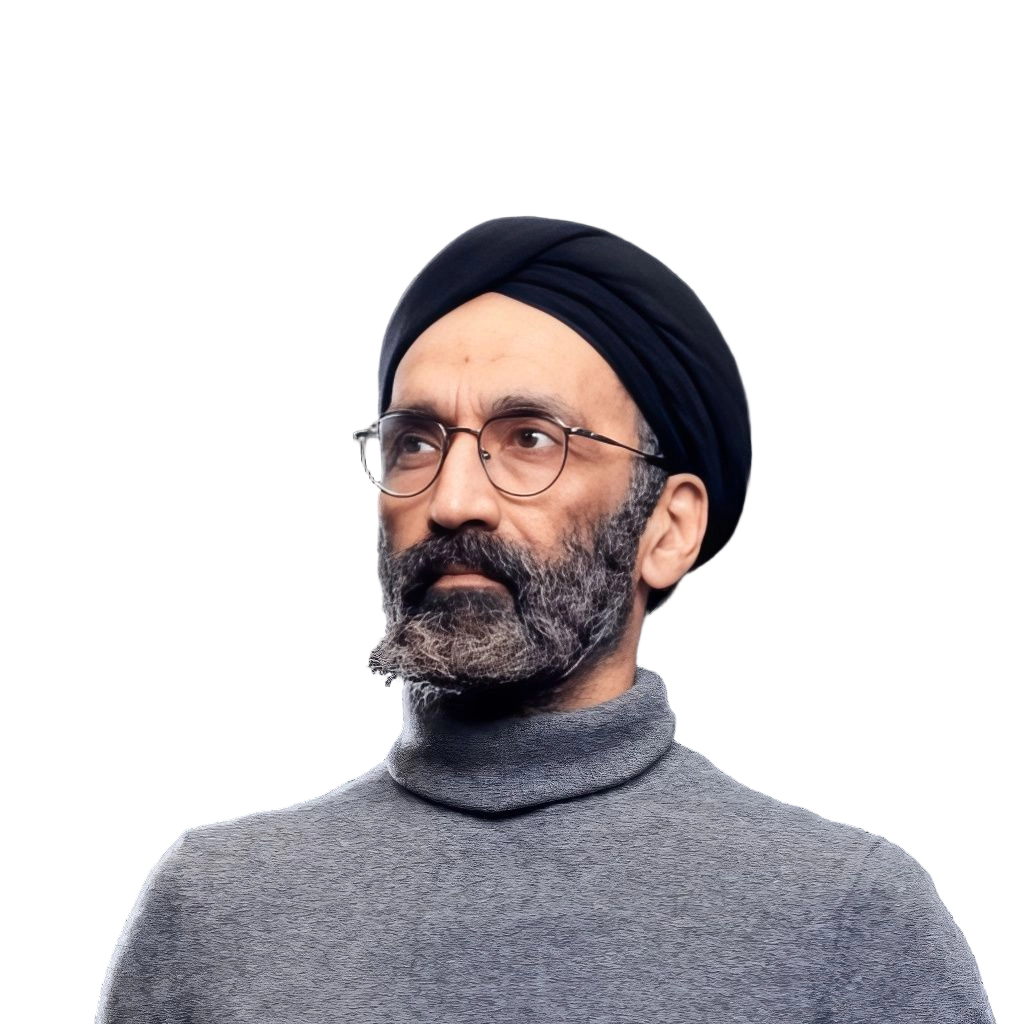
Jagdeep Singh Keeps Choosing the Problem That Might Not Work
After networks, batteries, and seven companies, Jagdeep Singh has arrived at robotics with the same old appetite: find a consequential problem, accept the possibility of failure, and keep building until the laboratory meets real life.
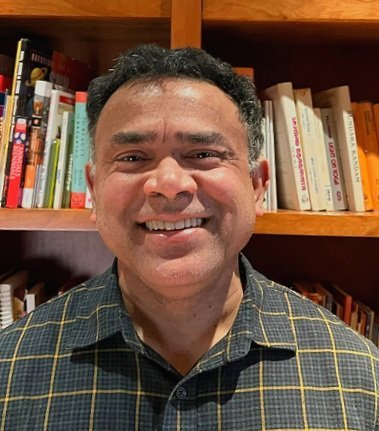
Kumar Ganapathy Has Spent 25 Years Finding the Bottleneck
From voice chips to flash storage to visual AI, Kumar Ganapathy keeps returning to the same useful question: what is stopping the whole system from moving faster? His answer has produced companies, patents, acquisitions, and a second act backing deep-tech founders between India and Silicon Valley.