product-design
(272)
Expa builds companies. Even the playbook gets rebuilt.
Garrett Camp’s company studio puts designers, operators, and capital beside founders. Its most useful lesson came when it stopped asking startups to follow its calendar.
A small check. A seat at the workbench.
Adventure Fund pairs early startup checks with product work, then takes another route into late-stage technology: investing in other funds. Its most revealing investments begin with a problem that money alone cannot fix.
Designer Fund bets on the details
A venture firm built by designers puts money behind a practical idea: the way a product works can be the reason a business wins.

Matevž Petek’s second act began with a different point of view
Before founding Povio, Matevž Petek won World Championship silver in snowboarding. A photo app took him to Silicon Valley; building for other founders gave him a business. Now he is helping lead Slovenian snowboarding into its next chapter.

Kyle Michelson and the art of changing the invitation
Before Getlabs, Kyle Michelson built a live-streaming company that found its audience by changing its pitch. His career keeps returning to the same question: how do you make people want to join in?

Roberto Ortiz knows when to leave a good thing
A job at sixteen. A dream role at Google. A startup that needed a new purpose. Welcome co-founder Roberto Ortiz has made a career of knowing when to stay with the craft and when to change the plan.
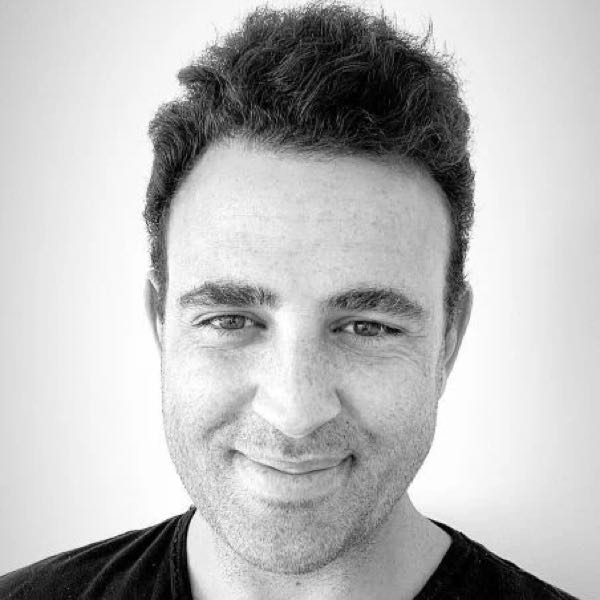
Raad Mobrem turned a dog-toy problem into a $30 million exit.
Before cofounding Intro, Raad Mobrem built software to keep a pet-products business in order. The sale to Intuit gave him a second question to work on: how do you make a useful introduction available to more people?
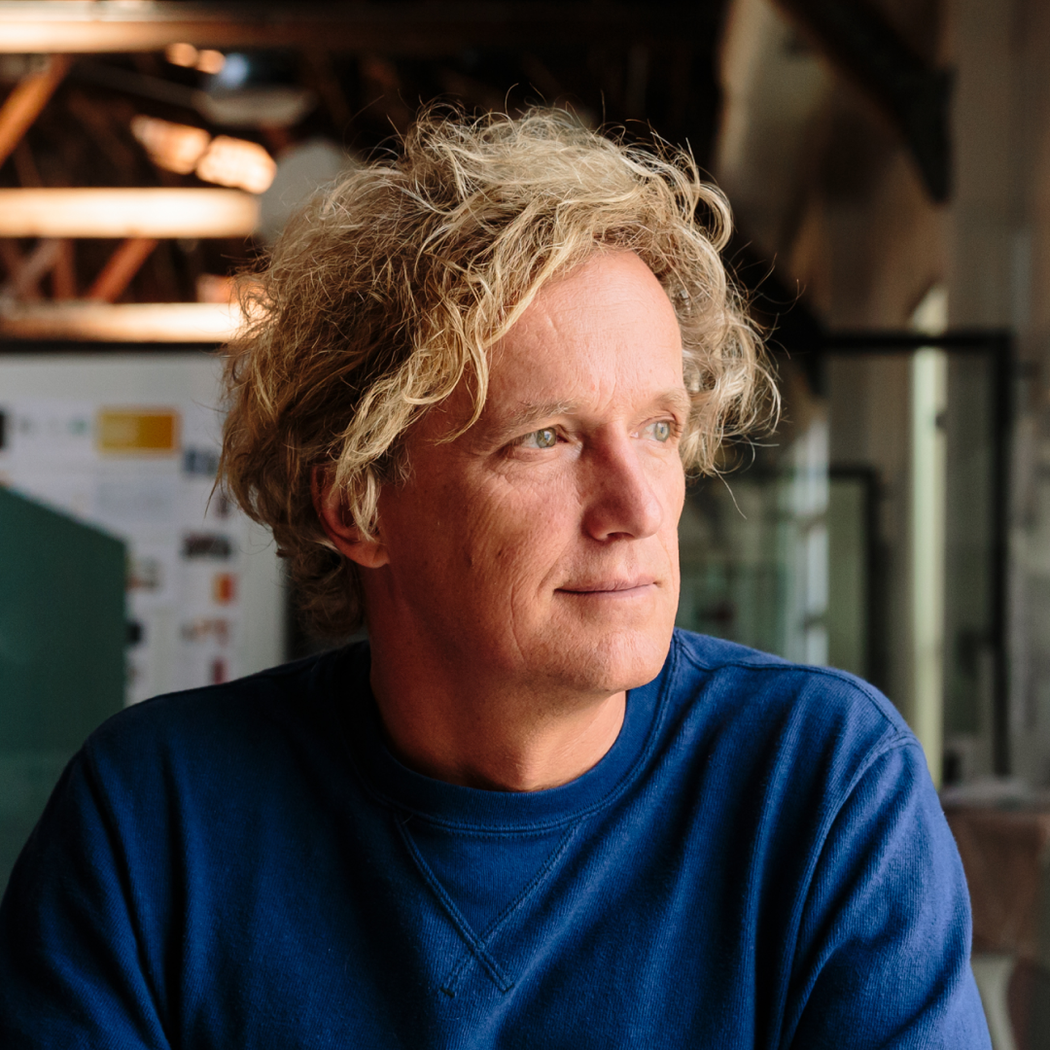
Yves Béhar would like to redesign your assumptions
A basement workbench in Lausanne led to a career questioning what everyday objects ought to do. At fuseproject, Yves Béhar gives those questions a physical form - from a suspension-inspired chair to a pickup that takes up less street.
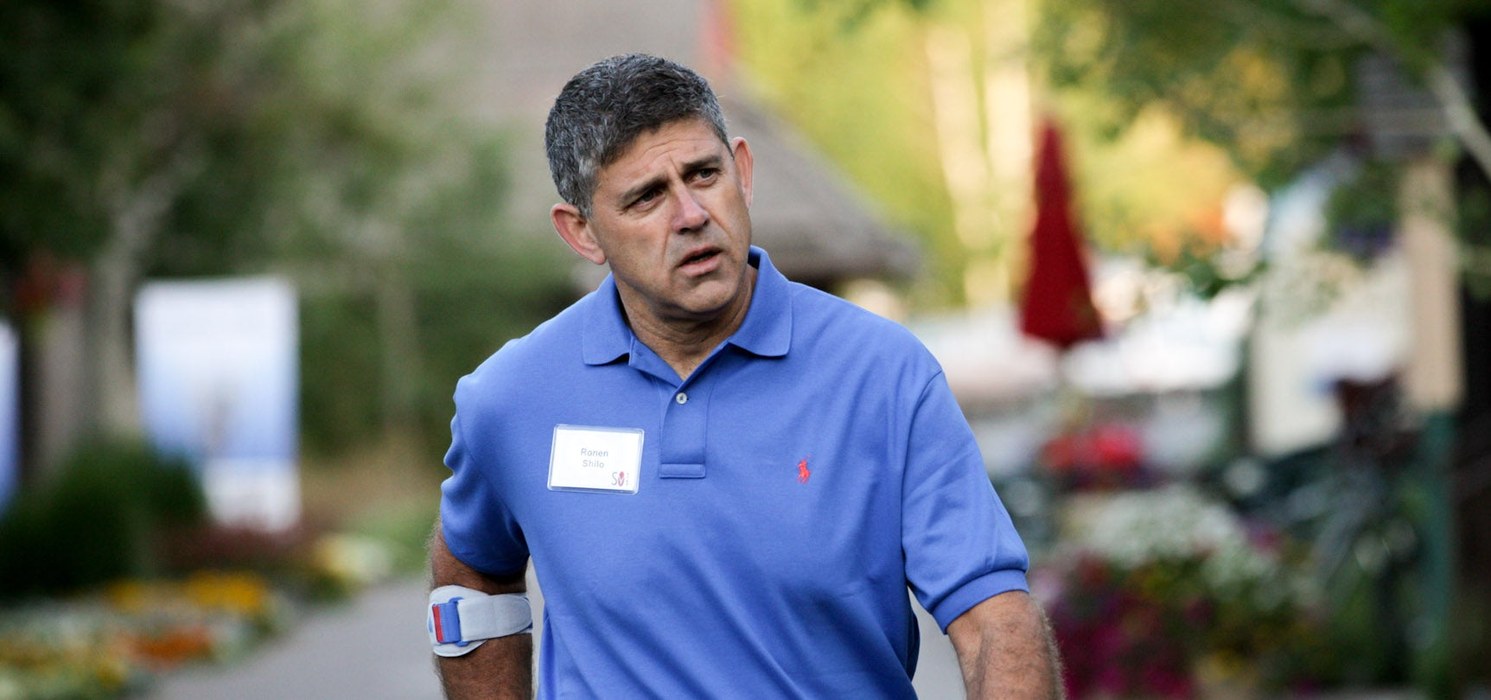
Ronen Shilo keeps finding reasons to come back
From Conduit’s browser toolbars to Como’s customer loyalty business, Ronen Shilo built software around the return visit. With Motiva and Klydoclock, the engineer has brought that fascination home.

Surf found the app inside the paperwork.
A restaurant checklist explains this software company better than a wall of client logos. Surf builds mobile products by looking closely at the work around them.

Joe Thomas and the feature that escaped the business plan
With two weeks of money left, Joe Thomas and his co-founders let a small recording tool go its own way. The experiment became Loom, and changed what it could mean to show up at work.

Ofir Ejnes and the art of waiting to build
After two decades building software businesses, Ofir Ejnes started Elfie with a designer and a pause. His second act began by deciding what had to happen before the first line of code.
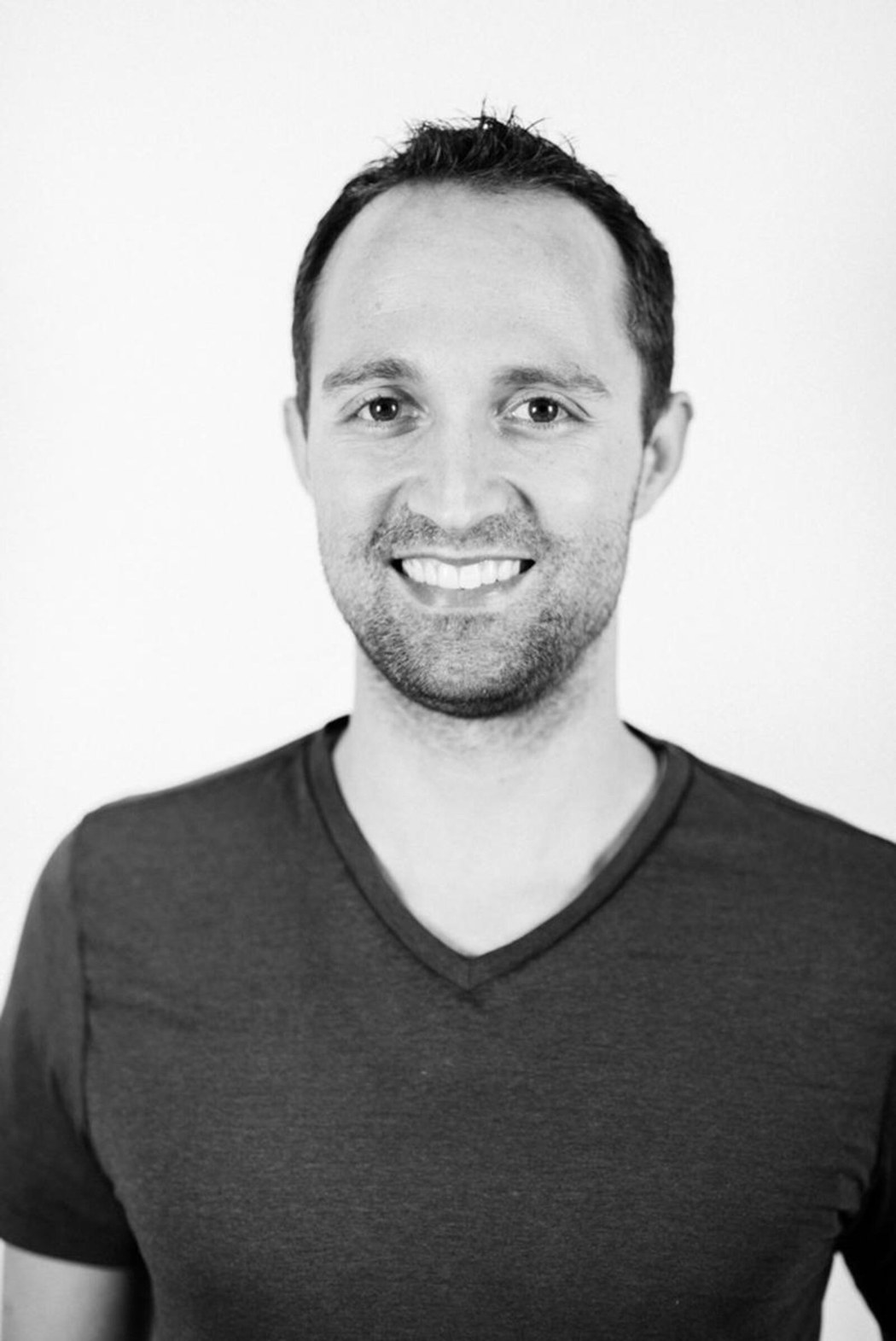
Dustin Freckleton and the trouble with making things small
A wristband, a crowdfunding promise, a ring. The Happy Health co-founder’s career turns on the distance between an elegant idea and something people will actually use.
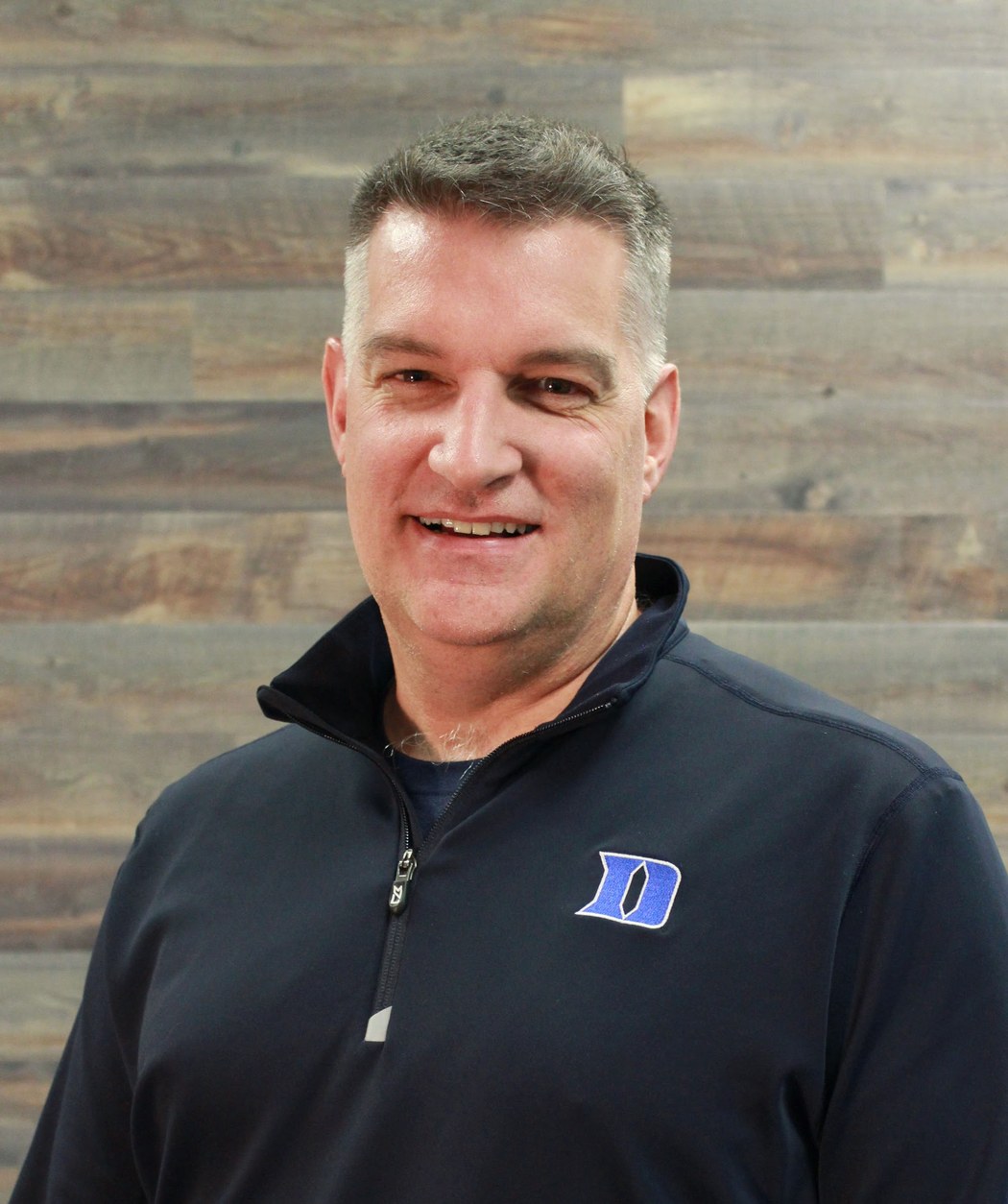
Justin Miller and the pool that wouldn’t take care of itself
He helped bring pool care onto the phone, sold pHin to Hayward, and watched the service close. With Crystal Water Monitor, Justin Miller returned to the same backyard problem with a different design.

Gaspard de Dreuzy and the trouble with the first click
Before co-founding Pager, Gaspard de Dreuzy brought a video-game producer’s instincts to Wall Street. His path through Kapitall, TradeIt and Ulys keeps returning to a deceptively difficult question: how do you help someone begin?
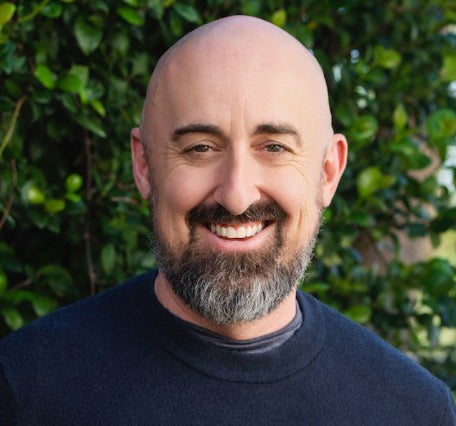
Tony Stubblebine and the habit of starting over
The Coach.me cofounder spent years helping people change what they do every day. Then he took over Medium, where the habits that needed changing belonged to the company itself.

Matteo Lai and the wall that learned to move
Before co-founding Empatica, Matteo Lai helped design a building with walls of water. His route from architecture to wearable technology keeps returning to a deceptively simple question: how should an object respond to a person?

Transcenda makes the wait disappear
A smart-lock update. A clinical-trial platform. A freight booking system. Transcenda works inside the software people already depend on, finding the friction that holds everything up.
The client became the next chapter.
John Keese’s design practice connects shopping apps, convenience stores and corporate tax software. The thread is a willingness to follow a problem beyond the screen.

Virtual Force learned to build less. Then it built more.
A failed first product taught Virtual Force to test the idea before writing the software. Today, that habit travels from startup prototypes to bank payments, city sanitation, and the machinery behind digital worlds.
Eleken makes the next click obvious.
A monthly designer subscription built for complicated SaaS. Eleken’s wager is that the most valuable design work happens where users hesitate - and where pretty screens stop being enough.
Halo Media builds the backstage internet
A thousand artist sites a year. A World Cup checkout across three countries. Halo Media works on the part of the experience you notice most when it stops working.

Rootstrap asks the expensive question first.
Before the code comes the uncomfortable conversation. Rootstrap has built a software business around finding out what should exist - and making sure it survives outside the demo.

Povio’s second act: building yours.
It started with a photo-sharing app. Today, Povio turns other people’s ideas into software - and its most revealing work happens when the first version goes wrong.
Fluxon's big idea: fewer builders.
Google can hire engineers. So can Stripe. Fluxon's bet is that even capable companies sometimes need a small team that knows how to get a difficult product out the door.
TekRevol makes the boring bits work
A truss quote, a field report, a plank workout. TekRevol turns the awkward parts of running a business into software - and is using that engineering business to build companies of its own.

Roko Labs makes the complicated work
A working AI system can still be an expensive mess. Roko Labs builds and repairs the software behind complex businesses, where the real breakthrough often happens between the steps.
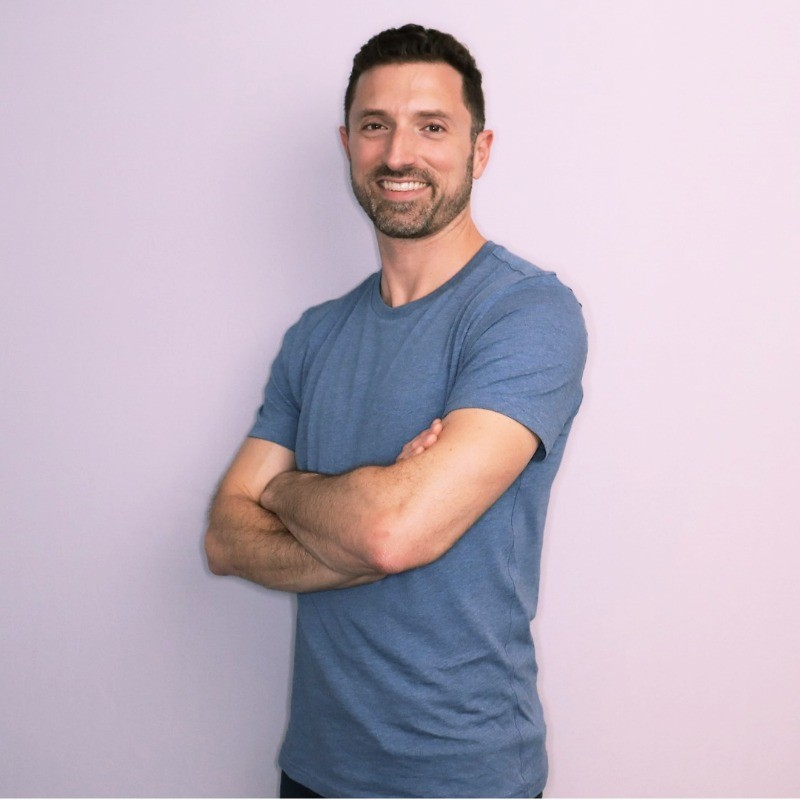
Zel Crampton and the trouble with an ordinary dog crate
A dog named Louise gave Zel Crampton a reason to question a familiar object. Building DIGGS taught the engineer how much work sits between a better idea and a box on the shelf.
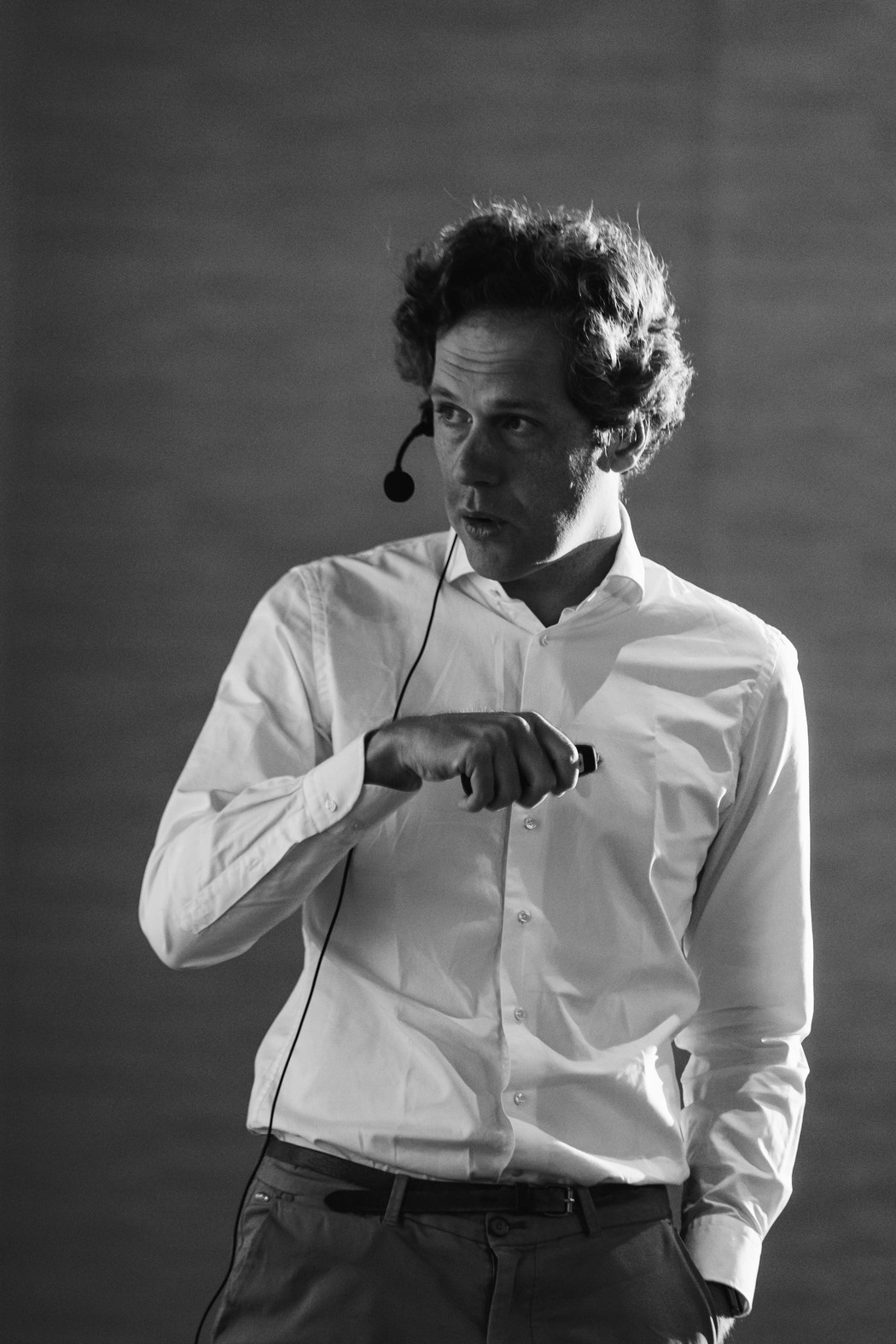
Pieter Omvlee and the art of leaving things out
A drawing tool built for one designer became a business serving a million customers. For Sketch co-founder Pieter Omvlee, the hard part has been deciding what belongs - in the software, in the company, and in a working life.

Phil Libin and the things worth keeping
A stranger helped save Evernote. A camping towel helped start his next company. Now Phil Libin is testing how much of a good life can be built into the things he makes.