b2b-payments
(91)
XTransfer’s big business in small exporters’ money
Selling across borders is hard enough. XTransfer has built a payments business around the next headache: convincing the financial system to let small traders get paid.
IFX Payments wants the complicated customers
The former currency broker is building its business around the payments that need extra attention. Its bet: finance teams will pay for fewer headaches, as well as a competitive exchange rate.
Verto’s bet: the money has to arrive
A poker-table conversation became a payments business built around Africa’s awkward currency routes. Verto’s real product is what happens after the exchange rate looks good.
WEX Europe sells a better way to stop for fuel
Behind the Esso Card is a business built on buying fuel, extending credit and making fleet paperwork behave. Its real test is whether the right filling station is on the driver’s route.
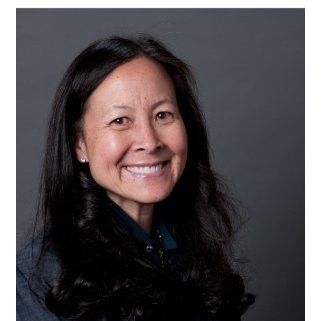
Sheila Dahlgren Has Spent a Career Making the Invisible Feel Obvious
From putting a product within reach on a screen to moving a stubborn paper check into a digital payment, Sheila Dahlgren's career has followed one durable idea: technology wins when people can see the practical difference.
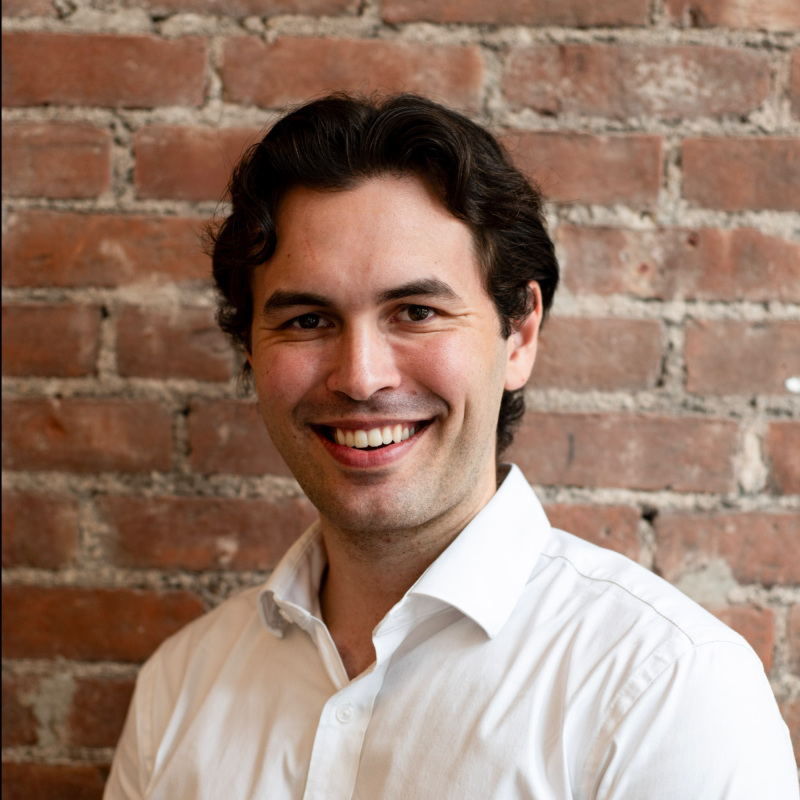
Will Messina Went Looking for Debit-Card Rewards. He Found a $93 Trillion Trust Problem.
A broke college student wondered why debit cards earned no points. The detour that followed led him beneath checkout, into the slow machinery of ACH, and toward a harder question: can a bank payment be trusted before it moves?
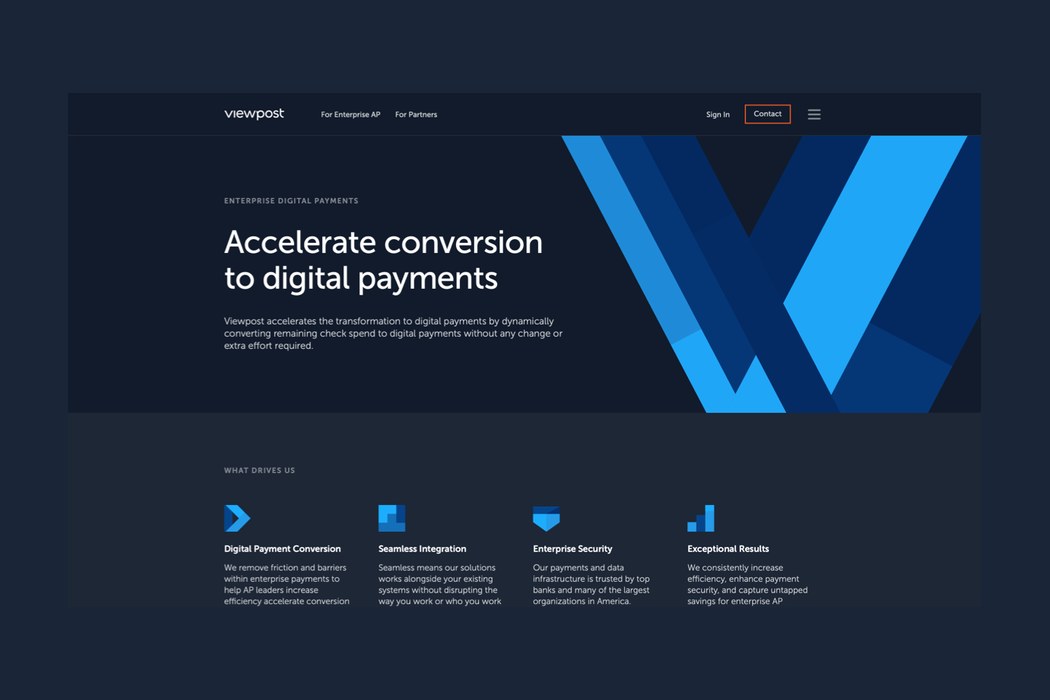
Viewpost Found a Business in the Checks Everyone Else Gave Up On
Most payment companies want to replace the plumbing. Viewpost built its second act around the opposite promise: send the same check file, keep the same partners, and let it hunt for digital payments in the stubborn remainder.

BILL Put the Back Office on Autopilot - Then Turned It Into a $371 Billion Money Highway
Small businesses came for fewer checks and cleaner approvals. BILL stayed to build the payment rails - a network moving more than 1 percent of U.S. GDP while quietly turning accounting chores into transaction revenue.
Priority Commerce Bought a Bankrupt Payments Darling - Then Turned It Into a Cash-Flow Machine
The Georgia fintech started with card processing, paid roughly $37 million for Plastiq after its Chapter 11 filing, and stitched merchant services, payables and treasury into one engine. The bet is simple: the company that sees the whole cash cycle gets more ways to earn.
GrailPay Built the Trust Layer Only After Its First Payment Idea Failed
GrailPay spent years building a cheaper consumer checkout that merchants did not urgently want. The failed pitch left behind something more valuable: payment infrastructure, failure data and a map of the risk hiding inside bank transfers.
Stax Bet Merchants Would Pay a Subscription to Stop Paying Markups. Then It Rebuilt the Payment Stack.
A processor laughed off Suneera Madhani's flat-fee idea. She and her brother built it anyway, reached a $1 billion valuation, and then discovered the bigger business was not one clever price - it was owning more of the machinery behind every swipe.

Elizabeth Bramlage Knows the Hard Part of Fintech Is Making It Feel Simple
Across Amazon, American Express, Klarna, ComplyAdvantage and Versapay, Elizabeth Bramlage has built a career translating financial machinery into stories people can use - and teams can act on.
The $257 Billion Plumbing Job: How Versapay Turned Accounts Receivable Into Software
Versapay spent two decades learning that the hard part of B2B payments is not moving money. It is explaining what the money was for - and getting that answer back into the books without a scavenger hunt.

Omri Mor Spent Nine Months Listening Before He Wrote a Line of Code
A hummus lunch produced a hunch. More than 300 finance professionals, roughly 450 conversations and one very long beard turned it into Routable.

John McLane Is Making the Back Office Impossible to Ignore
The Plooto CEO has spent a career moving between art, private equity, enterprise software and payments. His current bet is that the quiet mechanics of cash flow deserve the same attention as growth.
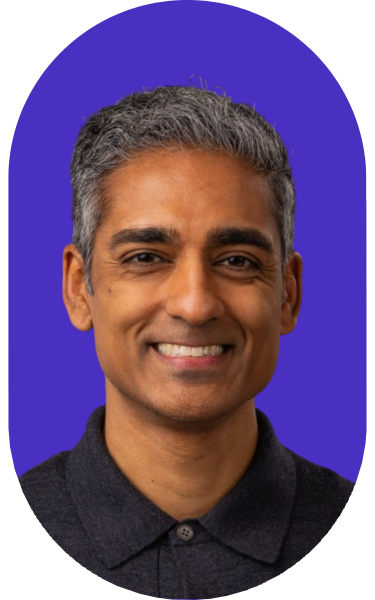
Nagendra Jayanty Is Building a Business Out of the Rules Everyone Else Skips
The former bond investor now runs InterPayments, where the visible fee is merely the tip of an iceberg made of card rules, state laws and customer psychology.
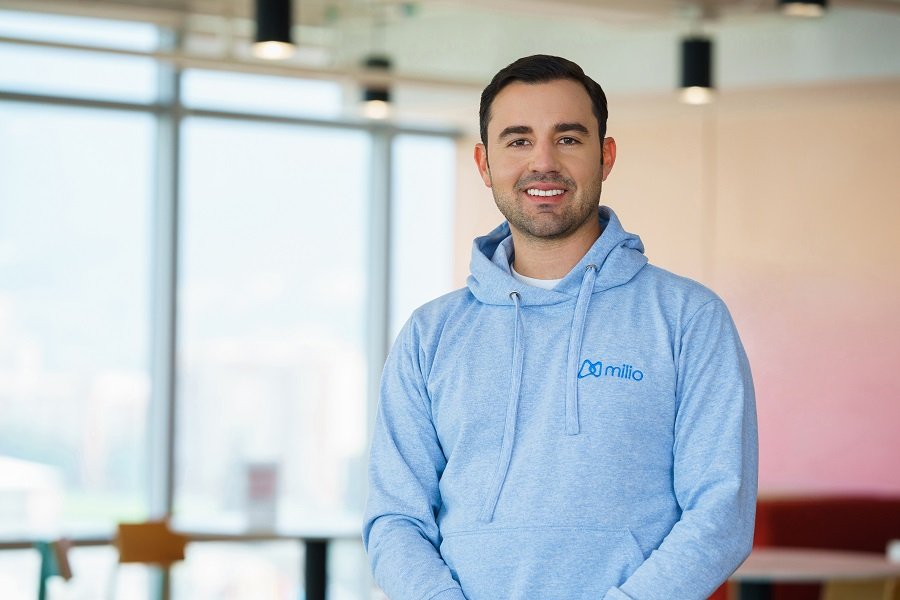
Juan Luis Pérez Escobar Is Connecting Latin America’s Payment Islands
A lawyer from Montería spent years learning how rules and businesses fit together. Now he is building the connective tissue that lets money move between banks, businesses, and borders in real time.

Maxwell Obi Is Building the Financial Plumbing Behind Africa's Global Trade
After an exit, a tour through global remittances, and hundreds of conversations with traders and finance teams, Maxwell Obi chose a gloriously unglamorous problem: helping emerging-market businesses move money on time.

Cristóbal Grinbergs Is Turning the Expense Report Into a Relic
A failed machinery marketplace taught the Chilean founder where to look: not for glamorous problems, but for the stubborn little tasks that quietly swallow a finance team’s week.
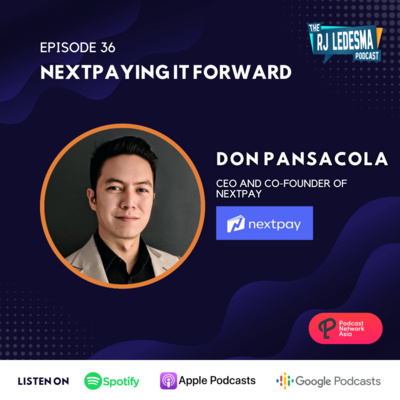
Don Pansacola Is Building the Boring Parts of Money - and the Strange Future of Work
The NextPay co-founder wrote the ledger, hid a few Easter eggs, and helped turn a pandemic pivot into Philippine payment infrastructure. Now he is testing whether an engineering team can share more than a codebase.

Derrick Wolbert Builds for the Messy Middle Where Markets Refuse to Behave
He moved from embedded car computers to global telecom, then into payments, trade credit, and steel - a career built around making complicated markets feel less complicated to the people inside them.
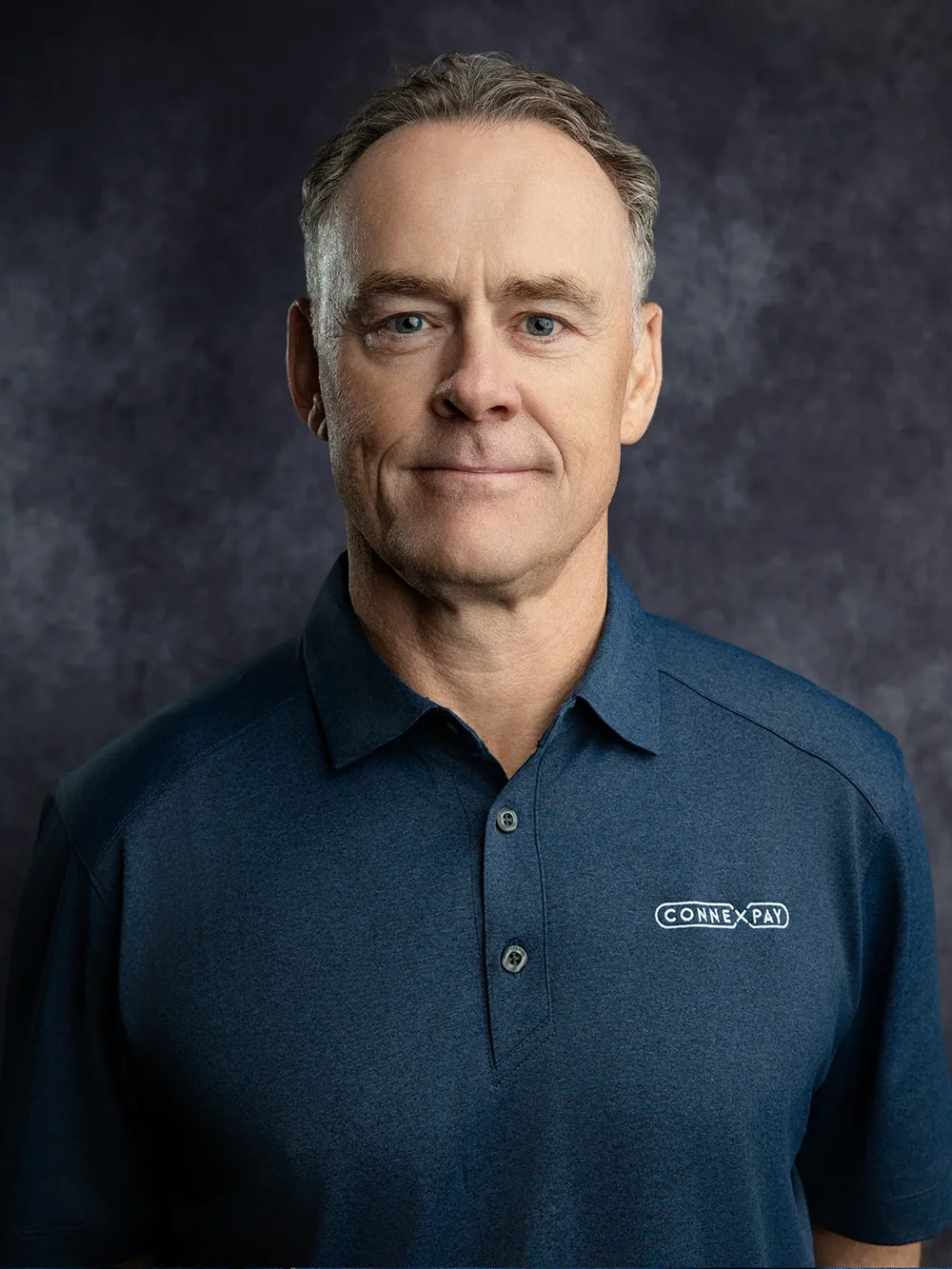
Ben Peters Knows the Most Important Part of a Payment Isn’t the Money
The ConnexPay CEO has spent two decades inside the machinery of business payments. His operating thesis is refreshingly plain: speed matters, but context closes the loop.
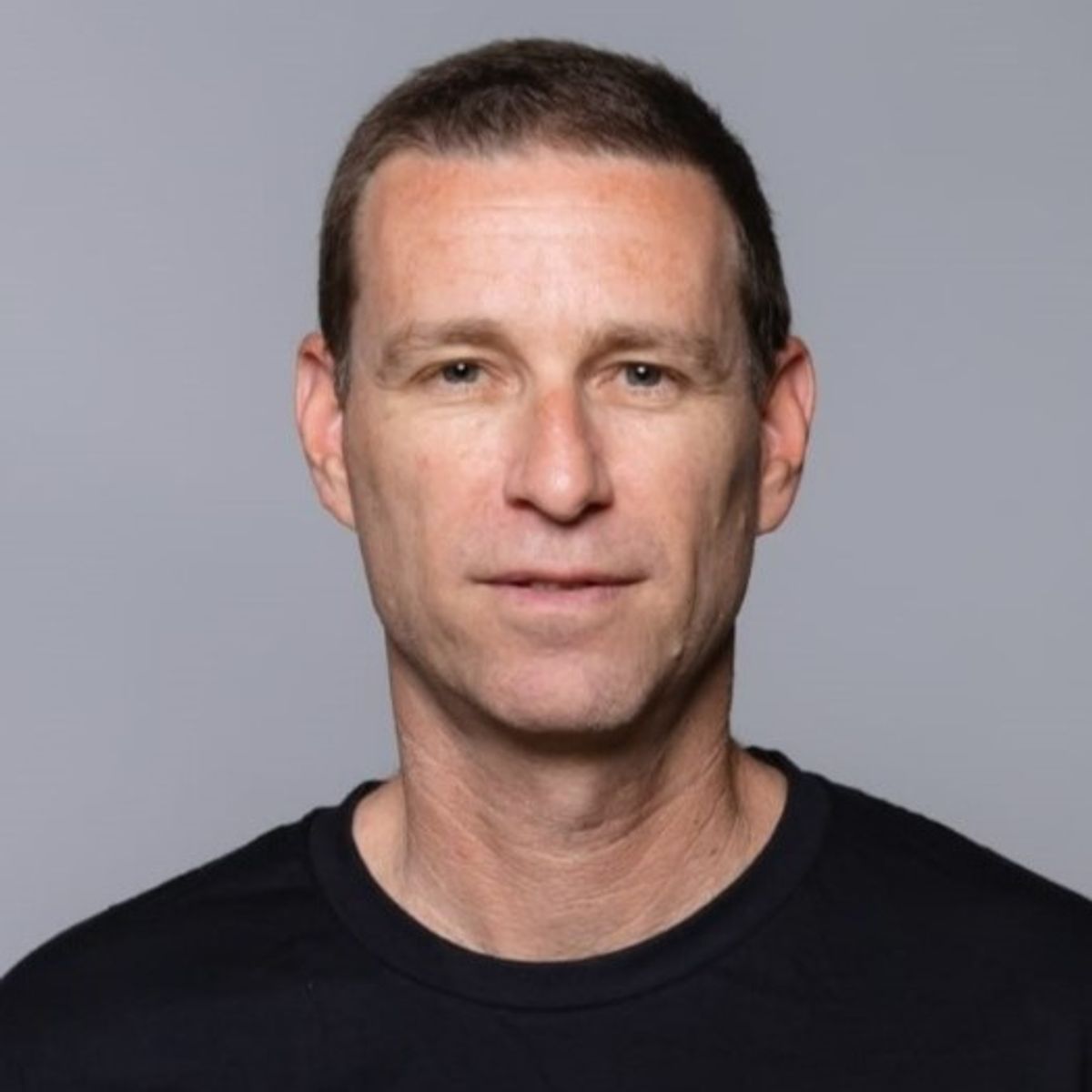
Oded Zehavi Wants Expense Reports to Vanish
After three decades in payments, the Mesh co-founder is chasing an oddly radical outcome: business spending that explains itself before finance has to ask.

Riley Lovingood Has Built a Career Around the Snap
The former Tennessee long snapper now runs PAYRA, a Nashville fintech built for businesses that cannot pause to replace the systems keeping their money moving.
Corpay's $13 Billion Bet: Make Foreign Exchange Boring for Everyone Else
The Toronto payments operator stitched together decades-old FX firms, a global banking network and a very human service model. Mastercard's $300 million investment says the unglamorous plumbing may be the valuable part.
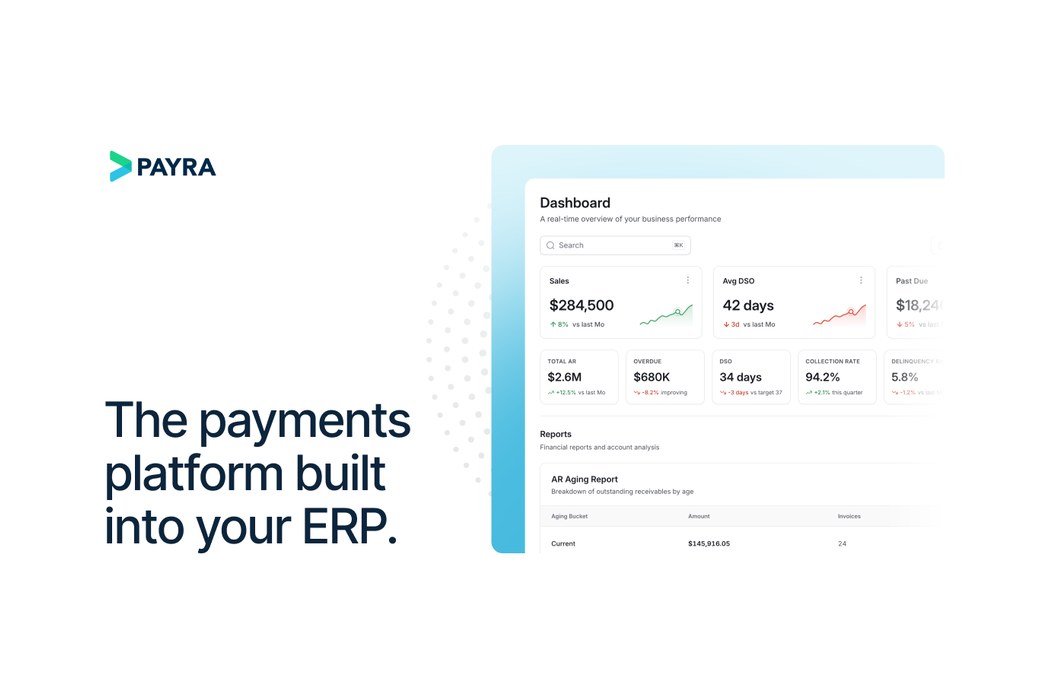
The startup teaching 30-year-old concrete ERPs to take a credit card
Payra bootstrapped its way into a $200 billion corner of the economy that still runs on paper checks and spreadsheets - then took $15 million to speed it up.
The 35-Year Fintech Bet That Made the Bar Tab Boring - and Built a Data Business
Fintech spent roughly 15 years winning state-by-state acceptance for electronic alcohol payments. Now the same plumbing connects 326,000 businesses - and offers a useful playbook for founders who mistake a boring workflow for a small market.

The Back Office That Decided Spreadsheets Were the Enemy
Alek Koenig left Affirm to build the financial plumbing for the soda, skincare and snack brands blowing up your Instagram feed. The pitch is boring on purpose: stop reconciling five systems by hand.
One Rang The Bell. The Other Went Everywhere.
Bill.com took the domestic route and the ticker symbol. Tipalti stayed private and wired money to nearly two hundred countries. Same problem, two very different bets on how businesses pay.

The Payment Company That Fits in a Merchant's Apron Pocket
Once called Cashlez, cashUP rebuilt itself around a simple idea: the smallest shop and the biggest retail chain should accept money the same way. Here is how an IDX-listed payments firm is betting its next chapter on hardware, licenses, and a hard turn toward B2B.