leadership
(235)
Neil Barua and the value of a Friday afternoon
His father lost hours to paperwork. Now PTC’s CEO is betting that better connections between people, products and data can give industrial companies something precious back: time.

Kevin Blair and the arithmetic of staying close
After three decades in banking, Kevin Blair is leading the combined Pinnacle and Synovus. His wager: a larger bank can still feel like a local relationship - if the people inside it know what comes next.
Tom Whicher and the art of changing course
He studied ships, worked on factory floors and co-founded DrDoctor in 2012. Tom Whicher’s working life has become an extended lesson in knowing what to change - including himself.
Jonathan Waldstreicher and the job description that didn’t survive the interview
The Galvanize founder went looking for his opposite and hired someone remarkably like himself. His career offers a closer look at how companies grow through the people who change the plan.
Rebekah Gee and the art of starting again
A chance meeting at Jazz Fest brought Rebekah Gee to New Orleans. Her next act would take her from a $14 billion public institution to the daily work of building Nest Health.
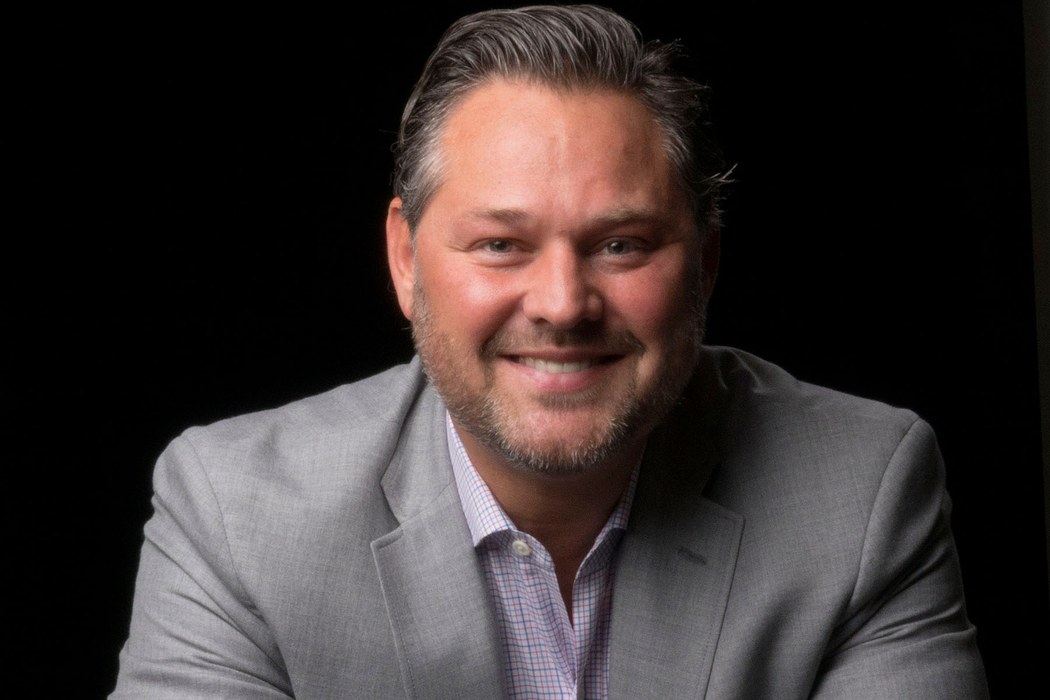
Ken Begasse Jr. and the business of building a team
A college goalkeeper became an agency founder, built a decades-long partnership and joined Accenture Song. Along the way, Ken Begasse Jr. kept returning to the people who make a business work.
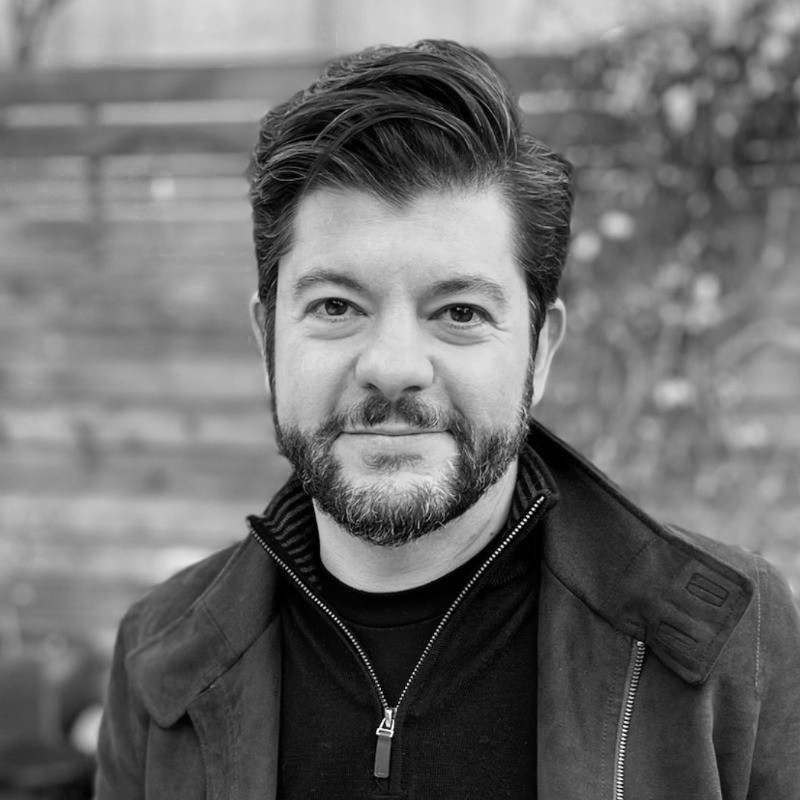
Michael Osborne and the trouble with acting like a boss
An early promotion taught Michael Osborne how quickly authority can become a costume. From Bazaarvoice to Appriss Retail, he has been working out what to keep, what to change, and when to listen.
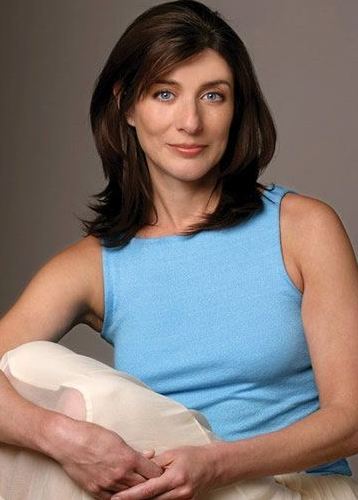
Jan Bruce Had an Audience. Then She Built a Different Business.
She sold a magazine to Martha Stewart, helped its readership more than triple, and moved into enterprise software. Jan Bruce’s career turns on knowing when to change the product and when to stay with the customer.
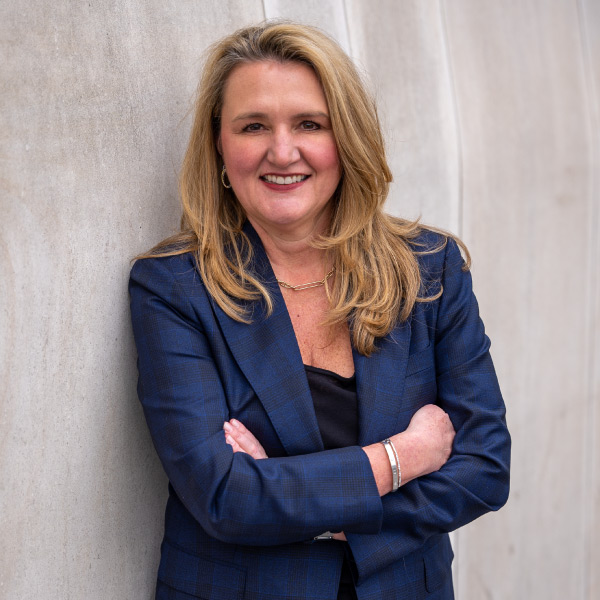
Dan'l Mackey Almy and the Number She Couldn't Sell Away
She built DMA Solutions by helping produce companies tell their stories. Then a 26% leadership approval rating forced Dan'l Mackey Almy to listen to a harder story about herself.

Pippa Begg and the intelligence that gets lost in the room
Pippa Begg built a business around a curious corporate failure: putting clever people together does not guarantee a clever decision. Her answer starts with the board papers, then asks rather more of the people reading them.
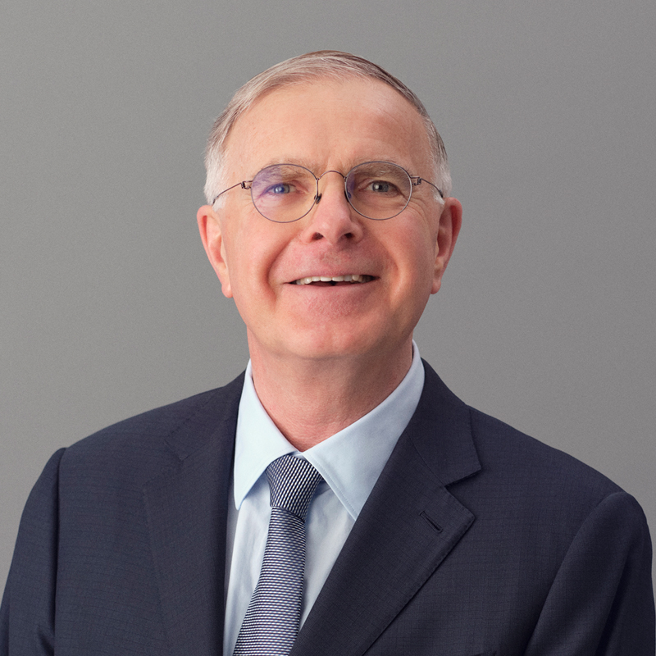
Jan van de Winkel and the company that outgrew the coffee table
He helped start Genmab in 1999 and became its CEO in 2010. As acquisitions expand the company’s reach, Jan van de Winkel keeps returning to a smaller leadership habit: sitting down with colleagues and taking their questions.
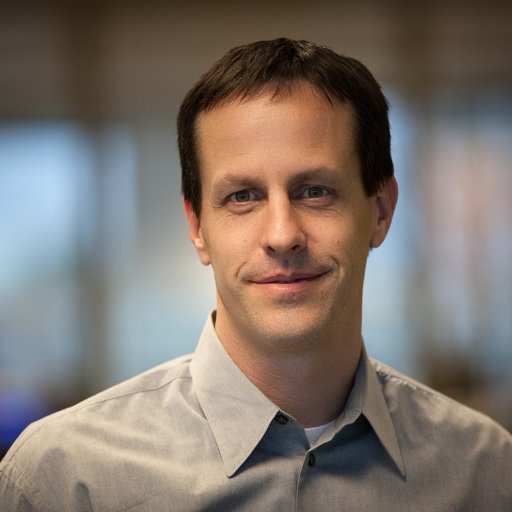
Ben Peterson and the business worth walking away from
Before BambooHR had customers, Ben Peterson and Ryan Sanders agreed their friendship came first. The company they built would test how far that promise could travel.
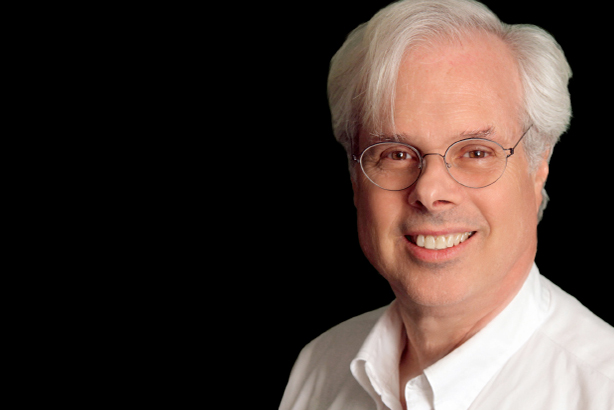
Peter Finn and the trouble with small plans
He promised his father he would stay for a year. Nearly five decades later, Peter Finn has built a global communications firm and, with his wife Sarah, an arts foundation in the Catskills. His plans have a habit of outgrowing their containers.
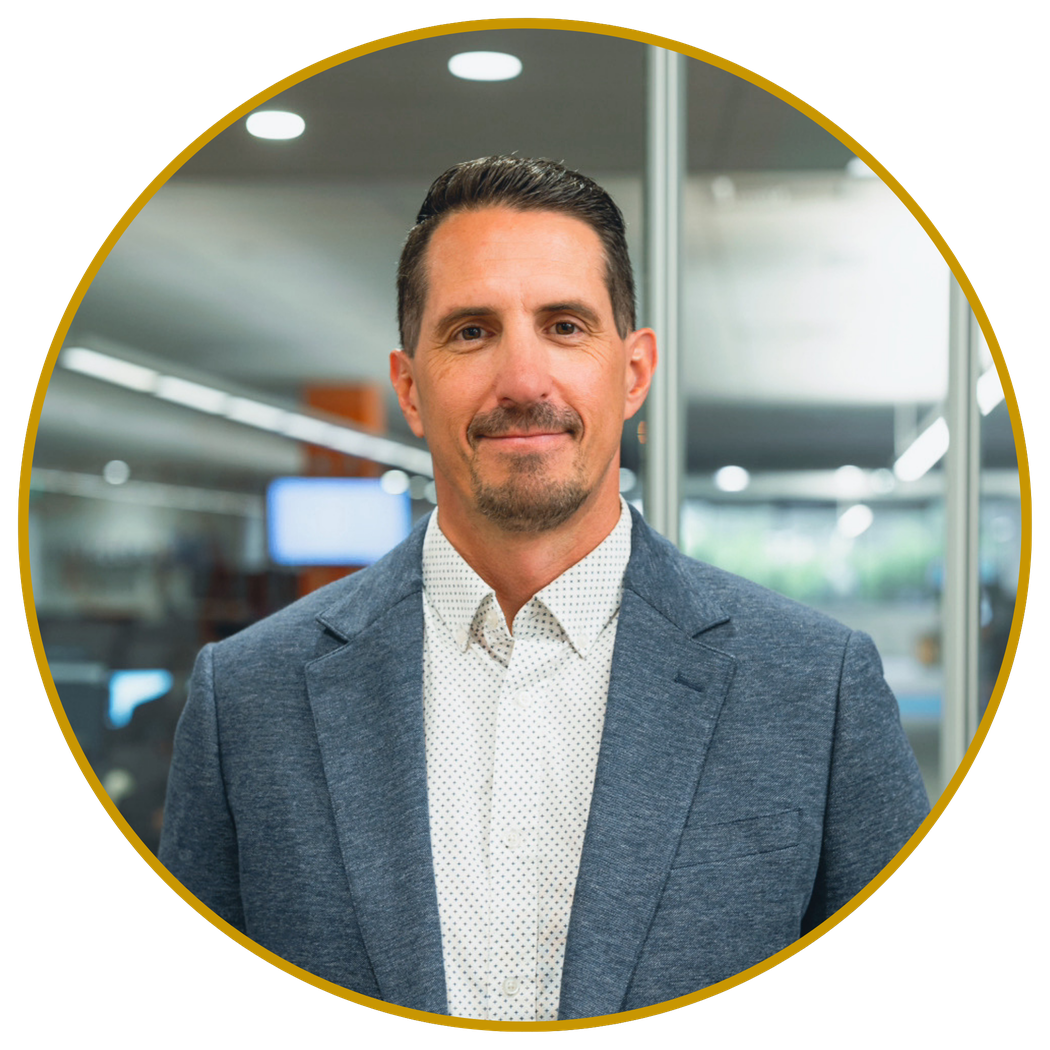
JB Kellogg and the advantage of being a beginner
Before he co-founded Madwire with his father, JB Kellogg talked his way into a website project he did not yet know how to build. That willingness to learn on the job runs through a career shaped by football, small businesses, and family.

Anna Crowe knows what a story is worth
Before she founded Crowe PR, Anna Crowe audited companies, helped market a Jennifer Lopez fragrance and worked at Capitol Records. Her next chapter asks how a business can grow without losing the person who started it.
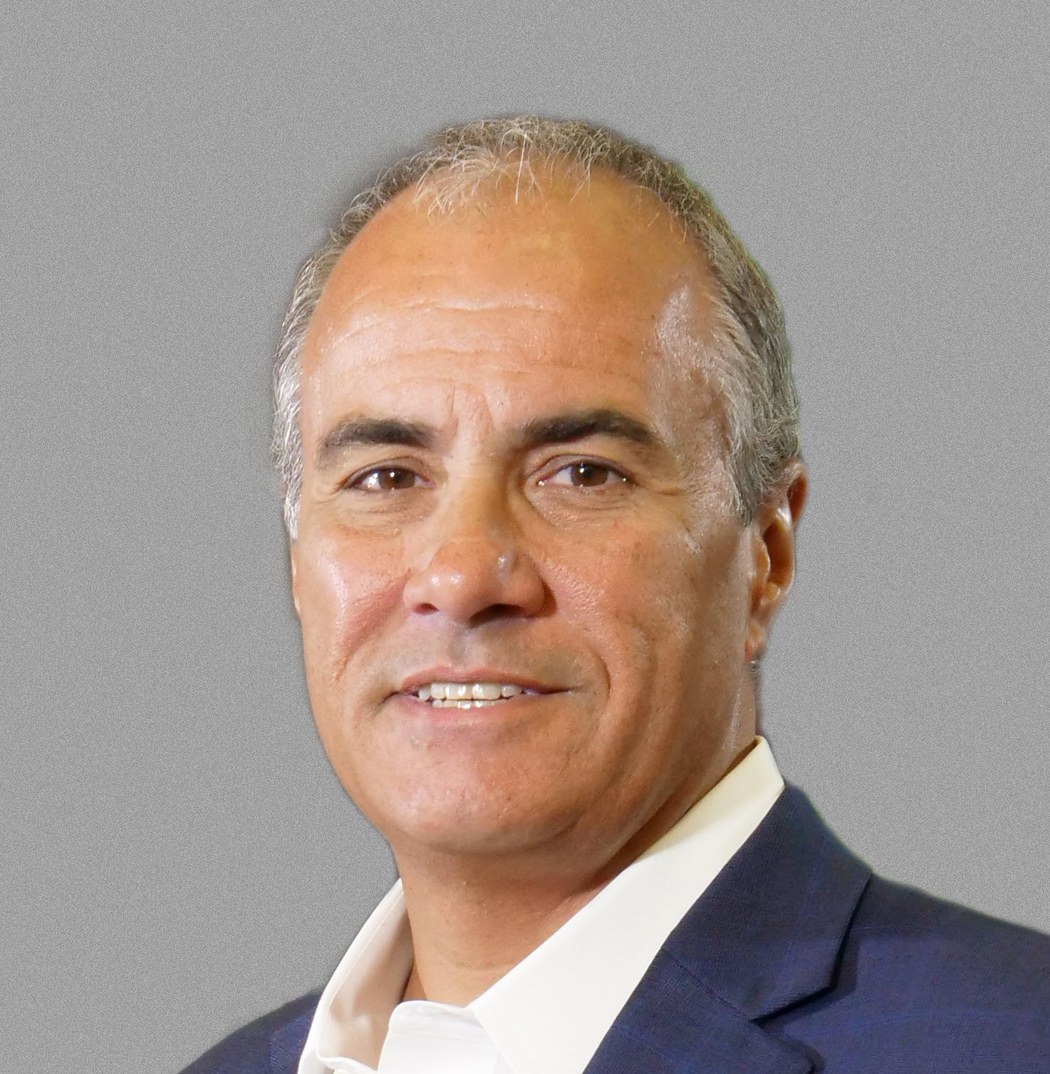
Ron Gaboury and the Art of Getting Out of the Way
He joined Yorktel as CFO in 1995 and helped launch Caregility 24 years later. Along the way, Ron Gaboury developed a demanding rule for hiring: find people who can do the job better than you can, then give them room.
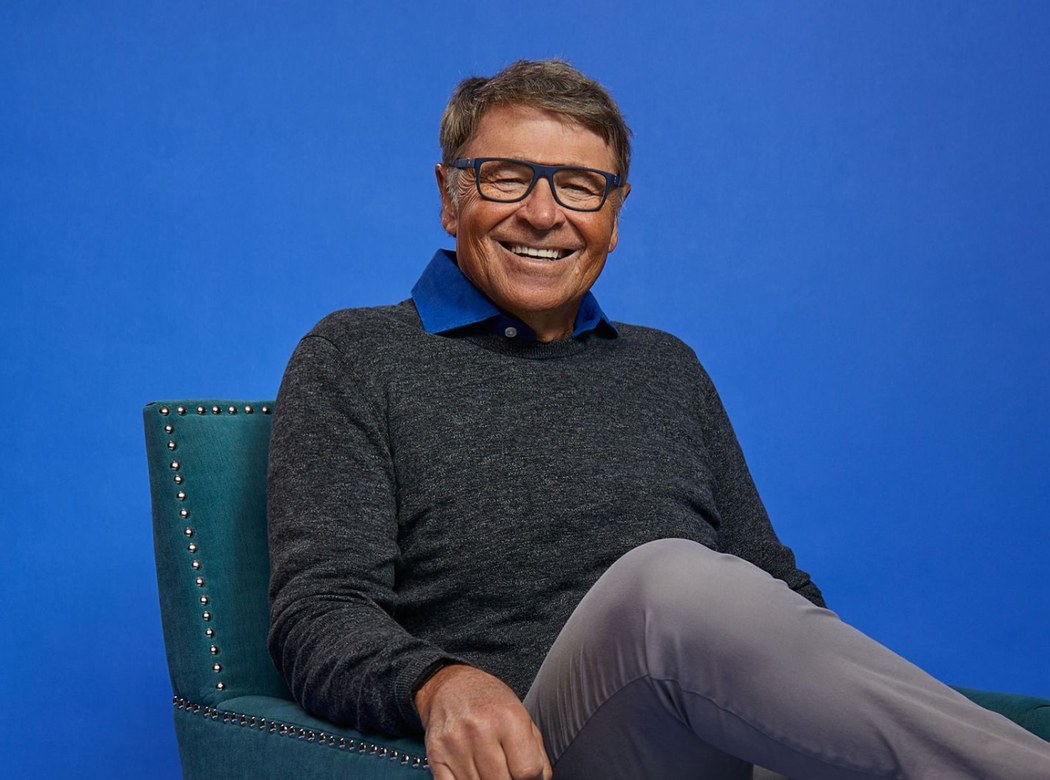
David Novak and the business of being noticed
A Pepsi employee’s tears helped shape David Novak’s approach to running KFC, Pizza Hut and Taco Bell. Rubber chickens, a clear-cola flop and a refrigerator index card explain how he learned to pay attention.

Kirt Walker’s education in the long run
An Iowa farm, a family truck and 33 years inside Nationwide prepared Kirt Walker for the corner office. Now the insurer’s centennial is testing how far those early lessons can travel.

Yasmin Hosseinzadeh and the work of bringing people together
At PayPal, Yasmin Hosseinzadeh works in executive communications and corporate affairs. Her accounts of coaching young footballers, returning to the classroom and working an election-day shift offer a more personal view of how she thinks about participation.

Brian Doubles and the trouble with playing it safe
He expected to spend his career at GE. Instead, Brian Doubles helped take Synchrony public, became its CEO, and made a case for giving people more room to work.
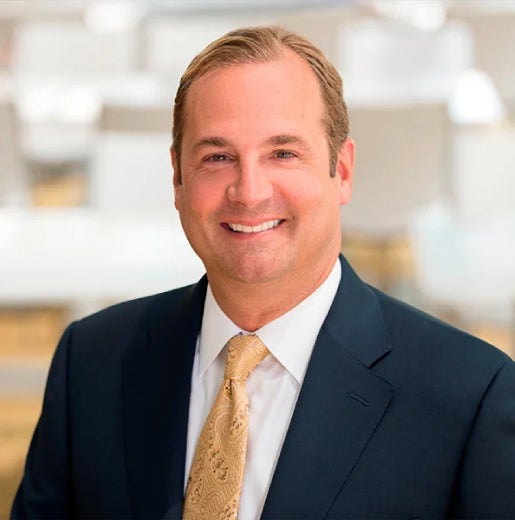
Anthony Capuano and the value of a closed door
Marriott turned him down in 1987. Anthony Capuano kept the letter, learned the business from the kitchen to the deal table, and eventually returned to lead it.
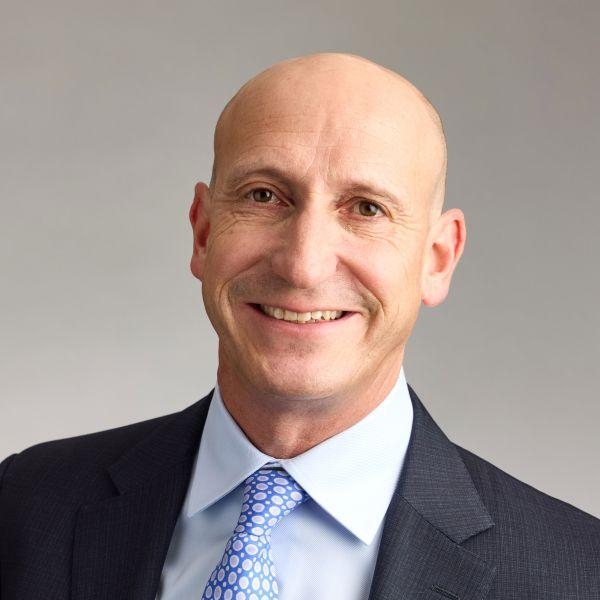
Mike Gitlin and the art of being unprepared
Before he led Capital Group, Mike Gitlin learned to argue a case at the family dinner table and trade across time zones. His career has kept returning to the same question: how much room should you give someone to surprise you?
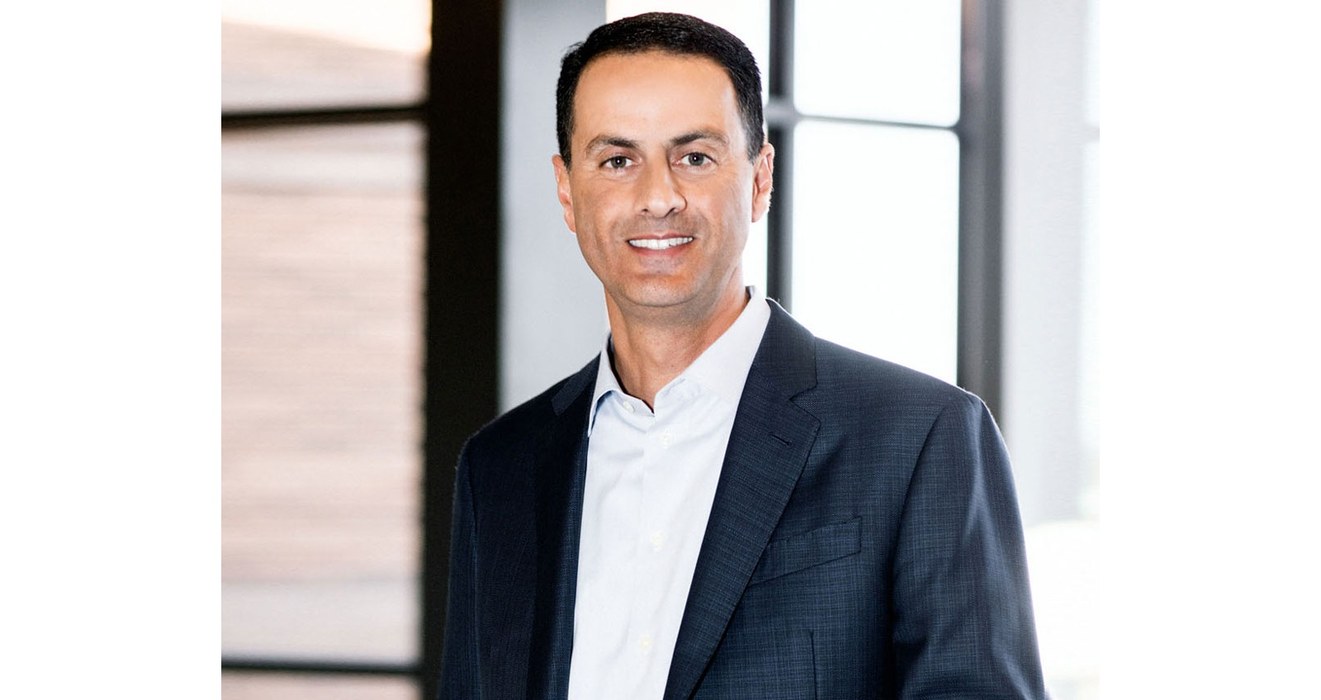
Rob Michael and the 31-year job interview
He entered Abbott through a finance development program in 1993. By the time Rob Michael became AbbVie’s second CEO, he had spent three decades learning the business he would inherit.
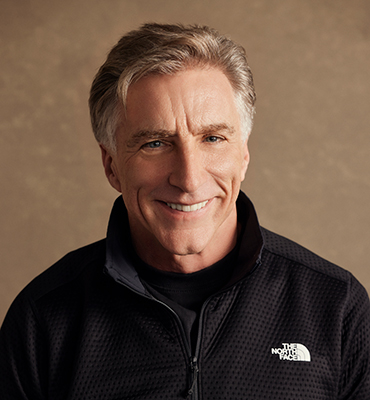
Bracken Darrell and the case for firing yourself
He helped turn Logitech into a design company. At VF Corporation, Bracken Darrell is testing the same restless habit: questioning what a familiar brand could become, including the decisions he made himself.
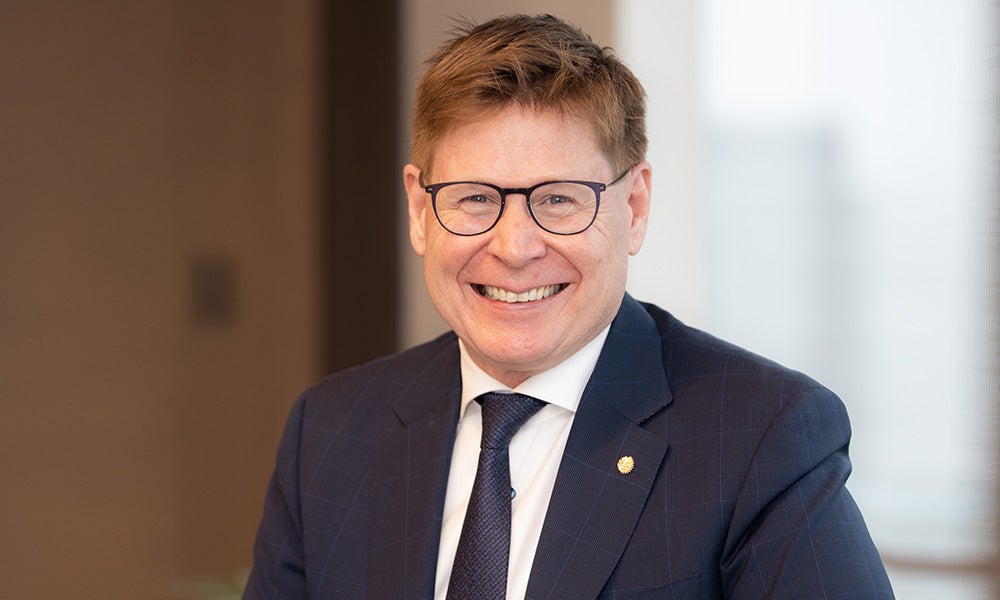
Kevin Strain went east. His ambitions grew.
Five years in Asia changed how Kevin Strain thought about leadership. Now Sun Life’s president and CEO is applying those lessons to a business whose reach extends well beyond its Canadian roots.

Penny Pennington and the advantage of starting over
She left a banking career to open a financial advice practice in Michigan. Now, as Edward Jones’ managing partner, Penny Pennington is asking a century-old firm to learn a few new habits of its own.
Chris Hobson and the art of running together
Before he became Core-Mark’s CEO, Chris Hobson ran on a college cross-country team that finished third in the nation. His long route through convenience retail offers another view of what a team can build.

John Furner and the price of a minute
He started in a Bentonville garden center. Three decades later, Walmart’s CEO is betting that the future of shopping depends on understanding what people would rather be doing.
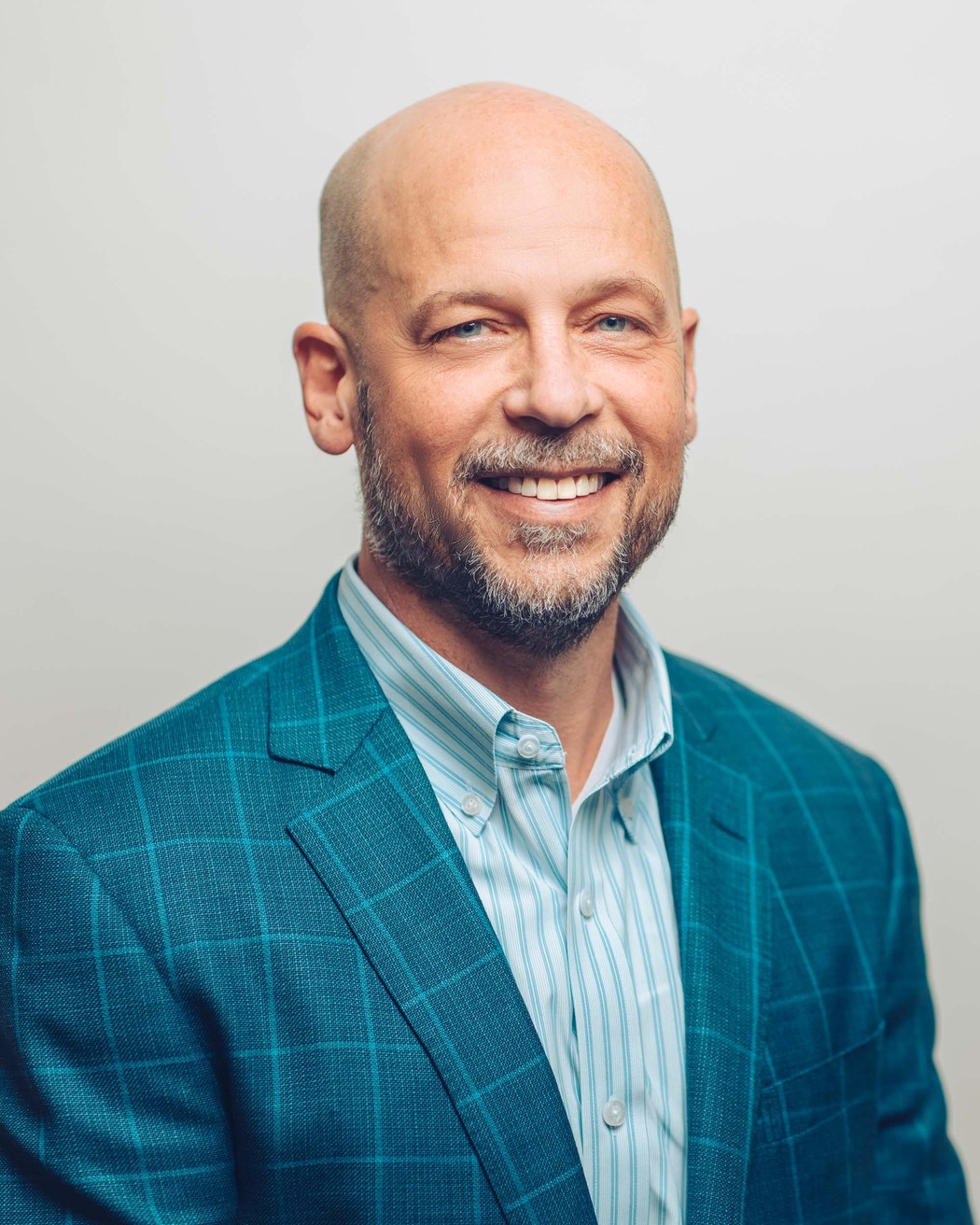
John Pfeifer and the art of making hard work easier
A question about Japanese factories took John Pfeifer across the Pacific. Decades later, the Oshkosh CEO is still working on a deceptively simple problem: how to put more capability into a machine and less effort into operating it.
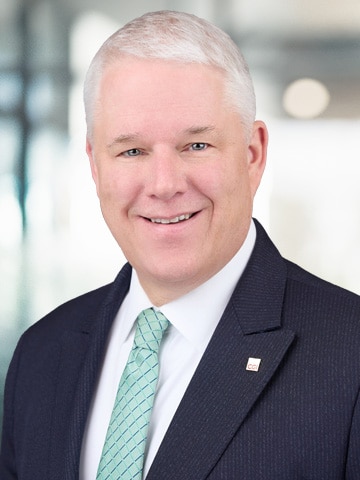
Tim Hurlebaus and the education of a payday
His first assignment helped pay 32,000 people around the world. Now CGI’s CEO, Tim Hurlebaus faces a new test: making the promises of artificial intelligence work where the consequences are real.