product-marketing
(195)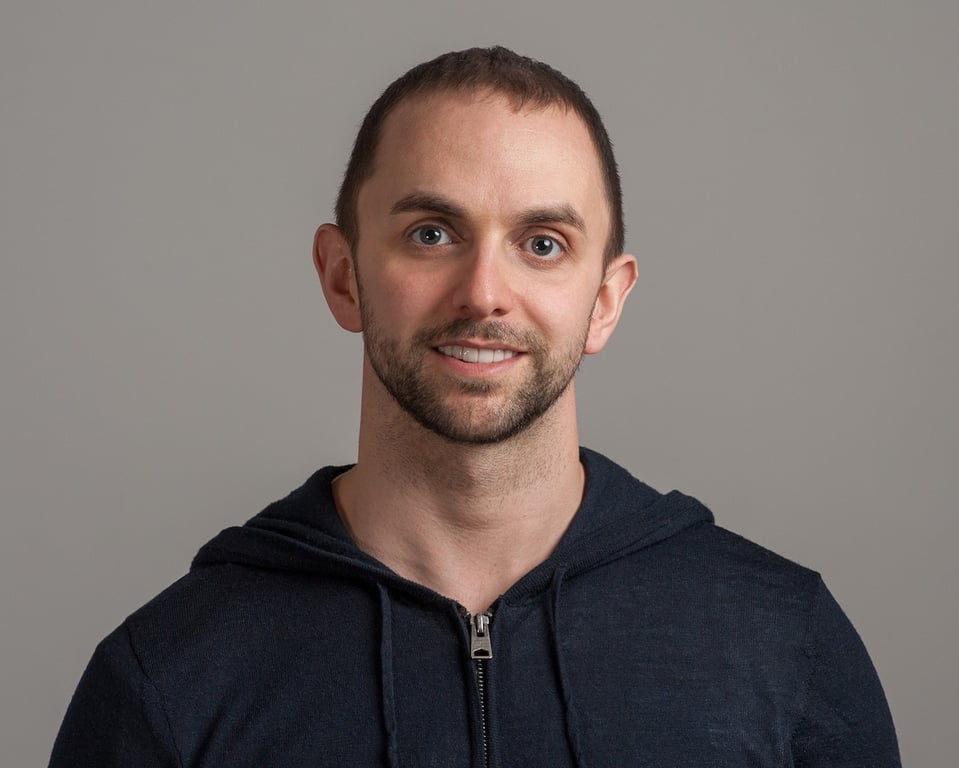
Richard King Asked One Question. It Took Four People to Answer.
A small exchange at a startup exposed a problem Richard King kept finding in product marketing. He built Product Marketing Alliance around the people expected to close that gap.

Varun Shoor and the business that outgrew its inventor
At 17, Varun Shoor could build the software. Growing Kayako meant learning everything else: hiring, pricing, marketing and when to ask for help.
Give buyers a reason to choose.
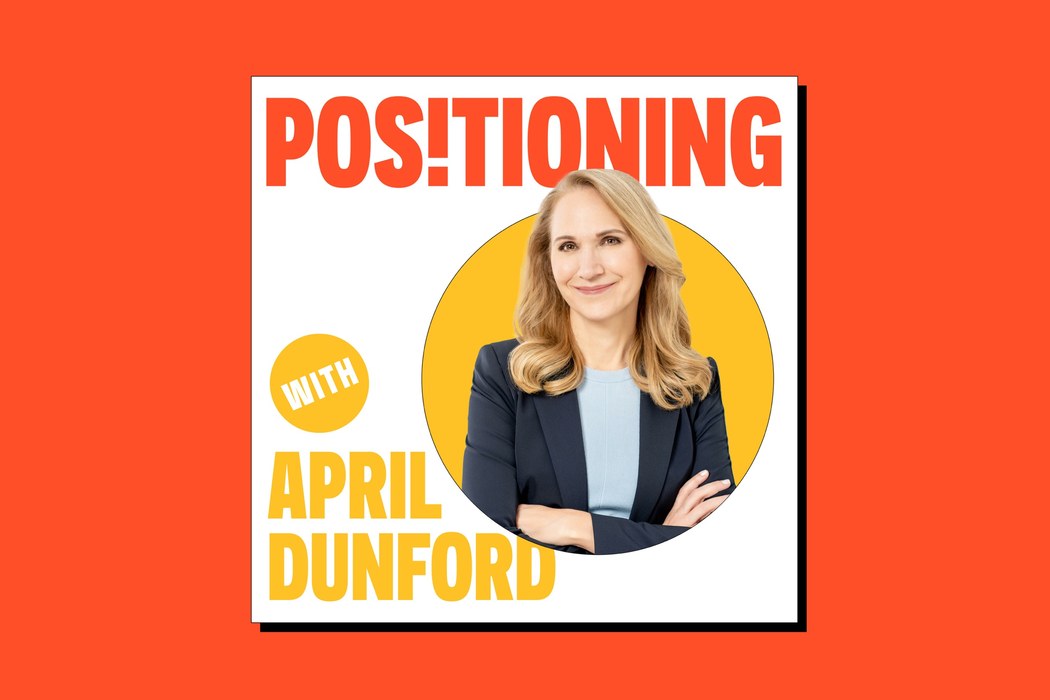
Positioning with April Dunford turns a deceptively simple question - why buy this instead of something else? - into a practical discipline for B2B teams.

Walnut sells the demo without the drama
A software demo can be a tiny theatre of embarrassment. Walnut turns it into a reusable, personalized experience - and gives sales teams a record of what buyers actually explored.

The Agency That Wants to Make Itself Less Necessary
SalientMG built a business by noticing that startups rarely suffer from a shortage of marketing activity. They suffer from doing the right things in the wrong order.
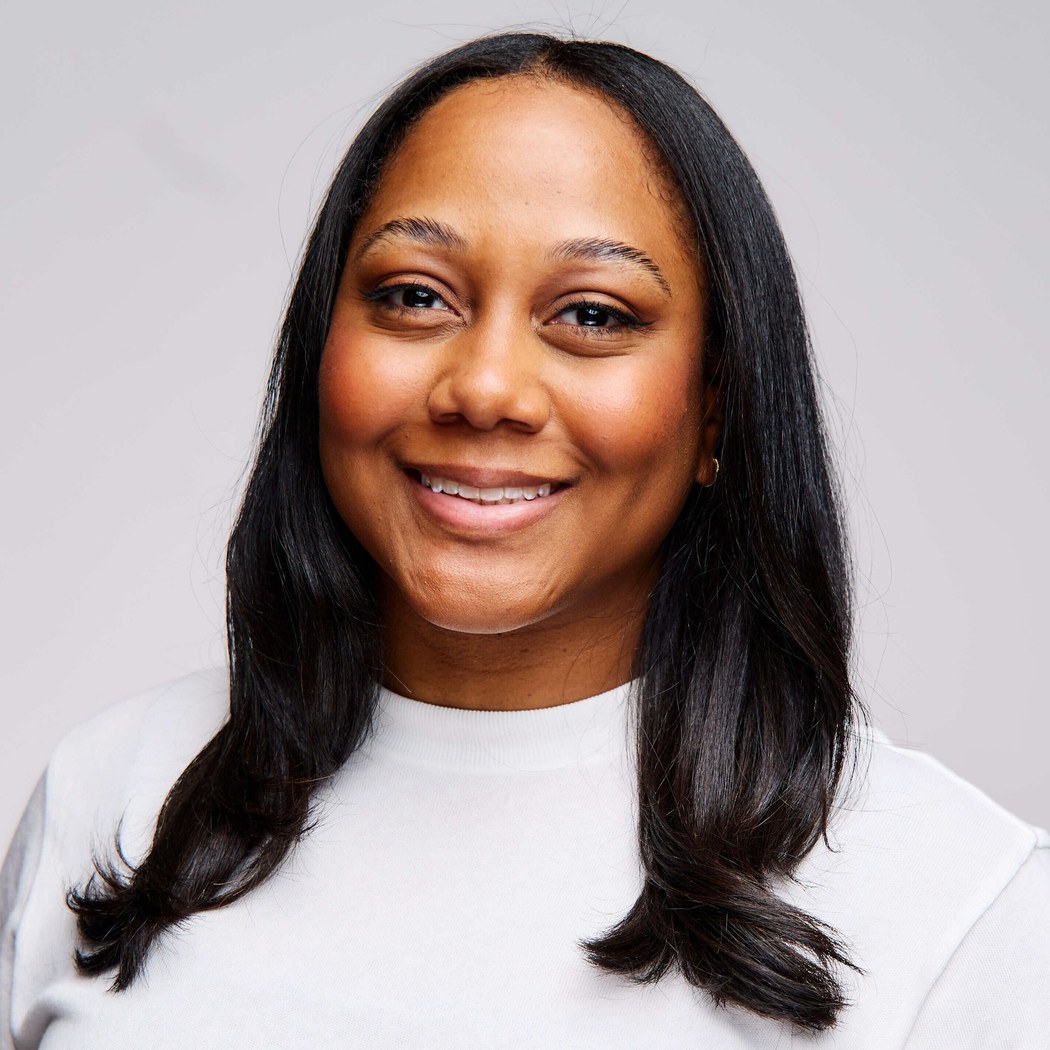
LaRel Rogers Knows the Government Market Is Not a Side Quest
From a federal marketing fellowship to the knotty business of getting commercial software into government, Rogers has built a career translating between two worlds that rarely share a dictionary.
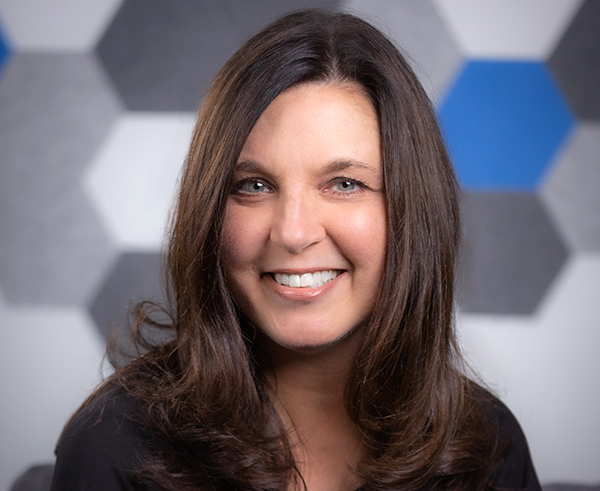
Kim Warnica Makes Complicated Mortgages Legible
After years moving between consumer brands, mortgage lenders and a return engagement at Qualigence, Kim Warnica now has a particularly exacting assignment: explain a cloud-native servicing platform to an industry where clarity carries consequences.
Pollyanna Ma Makes Complicated Companies Easier to Understand
With a law degree, a classics education and a career spanning toys, beauty tech, insurance and workforce software, SnapCare’s chief marketing officer has made a specialty of translating complexity.

Jeffery Chancellor Wants AI to Improve the Decision, Not Just Accelerate It
After two decades in telecom and enterprise software, Oversight’s CMO has arrived at a sober thesis for the AI era: speed is plentiful, but judgment, trust and operating discipline remain scarce.
Tim O’Rourke Is Turning Cybersecurity’s Complexity Into a Clearer Story
After a career that runs from the Marine Corps to Harvard and through some of cybersecurity’s best-known companies, eSentire’s new CMO has a deceptively plain assignment: make a complicated defense business understandable.
Stephanie Buscemi Put Marketing Where the Product Meets the Ledger
She took the long way into technology, then spent a quarter-century turning difficult software into a story customers, developers and finance chiefs could share. Her method is unusually plain: get close to the product, count what matters and listen before speaking.
Melissa Pippine Built a Marketing Career by Listening Before Speaking
Before she became Watermark’s chief marketing officer, Melissa Pippine spent years close to products, customers and the untidy systems between them. Her career makes a quiet argument: good marketing begins long before the campaign.
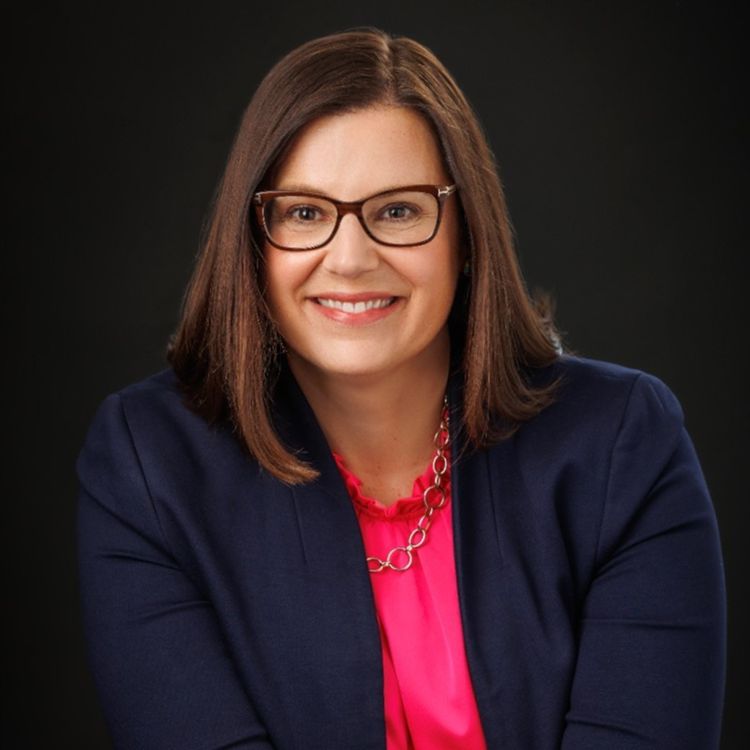
Amanda Hahn Spent Her Career Removing the Friction From Hiring
She started recruiting in her teens, learned the machinery from inside, then spent years making hiring technology legible. Amanda Hahn’s career is a study in what happens when the marketer has actually done the work.

Scott Gainey Learned the Product First. Then He Learned to Tell Its Story.
Before Scott Gainey sold markets on security, he learned to read code, handle escalations and listen to engineers. That technical apprenticeship still shapes the way Checkmarx's CMO thinks about customers, categories and the unruly arrival of AI-generated software.

Lynn Tornabene Puts Marketing in the Product Room
After two decades inside digital advertising's pivotal companies, Lynn Tornabene is joining two jobs that businesses often keep apart - and turning the customer feedback loop into the work itself.
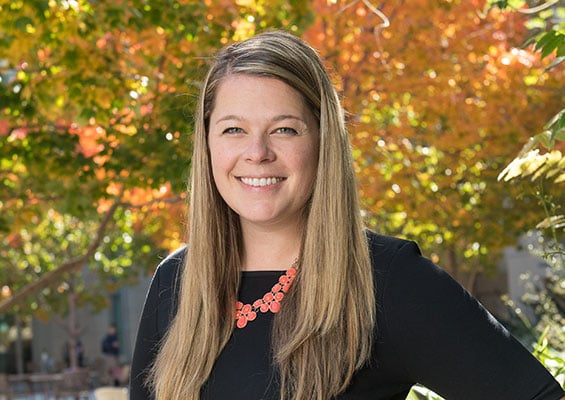
Vanessa Danziger Has Been Asking What People Would Do Since the Sixth Grade
Long before she marketed workforce technology, Danziger won a science fair by studying how children make ethical choices. The same curiosity now runs through a career built around people, data, and purpose.
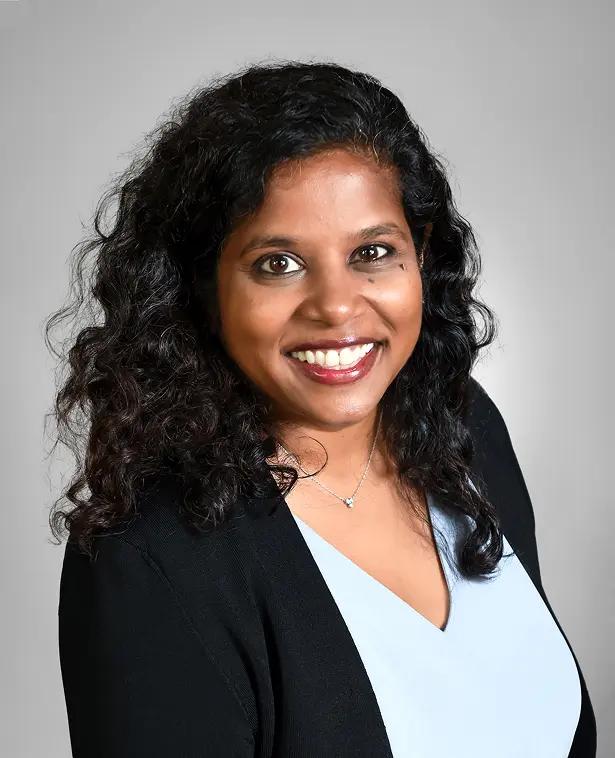
Mini Peiris Has Spent 25 Years Making Complicated Software Sound Human
From an early cloud pioneer to workforce AI, the five-time CMO has built a career by crossing functions, changing categories, and remembering the person on the other side of the purchase order.
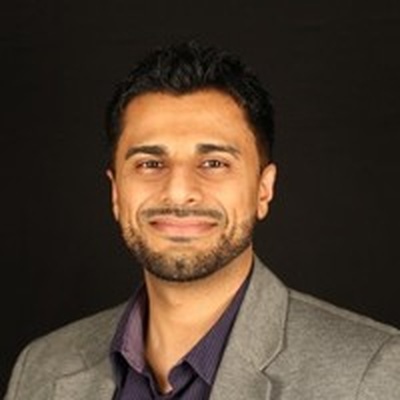
Mohammed Ali Has Spent 26 Years Making Complicated Products Easier to Want
From enterprise computing to photographers' portfolios and photoreal 3D, Mohammed Ali has built a career around a deceptively difficult brief: make sophisticated software feel clear, useful and ready for market.

Navneet Singh Wants Enterprise AI to Remember the Humans
After two decades translating databases, networks and cybersecurity into business stories, Eightfold AI's CMO is applying an engineer's discipline to a deeply human question: can technology see what a person might become?
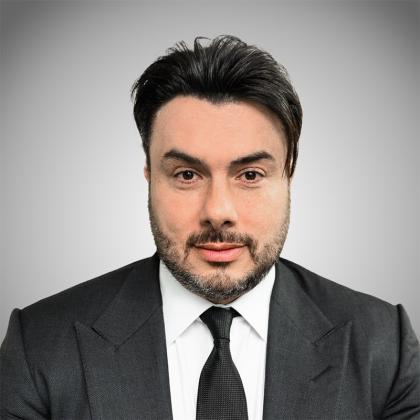
Steve Daheb Counted Computer Parts. Then He Learned How to Sell the Future.
Before Steve Daheb became Flexera's chief marketing officer, he wore three bargain suits to a manufacturing job and counted networking components. The career that followed has been an exercise in seeing the whole machine - product, proof, people and the story that makes them move together.
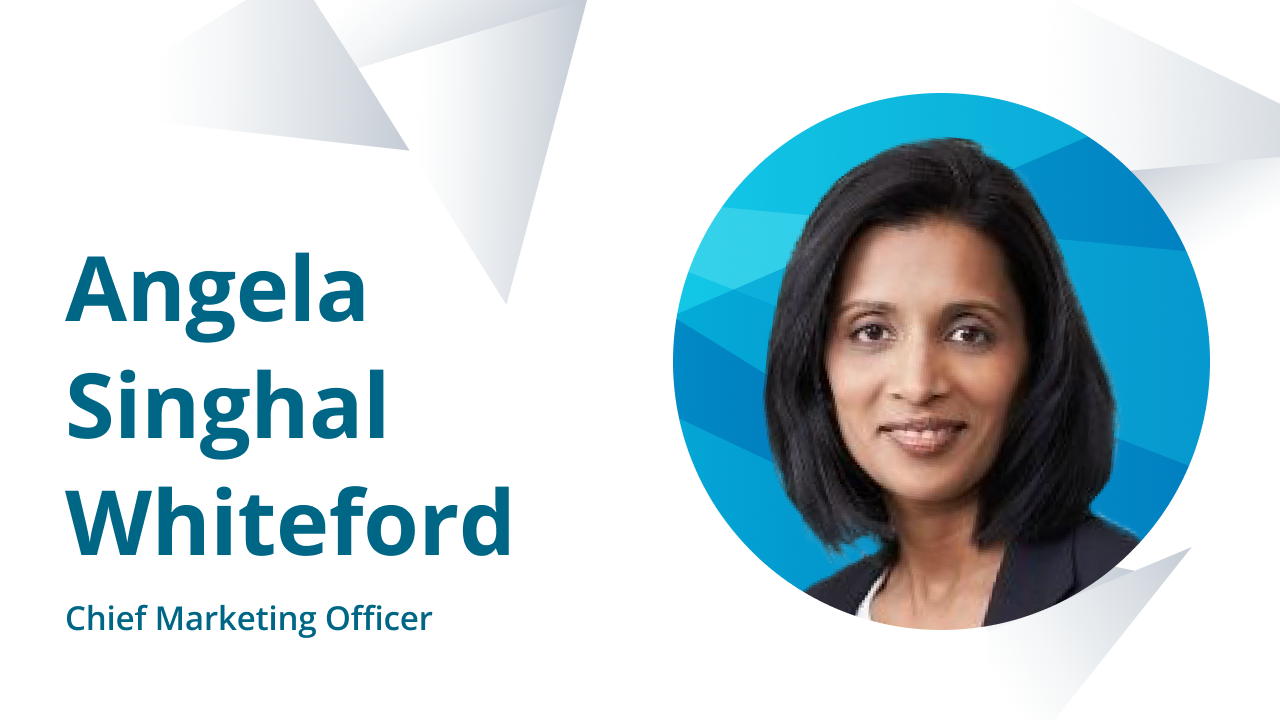
Angela Whiteford Makes Complex Technology Sound Like a Business Decision
The electrical engineer turned repeat CMO has spent more than two decades translating difficult technology into a reason to act. At bolt, her latest assignment is to make insurance distribution simpler, faster, and easier to explain.
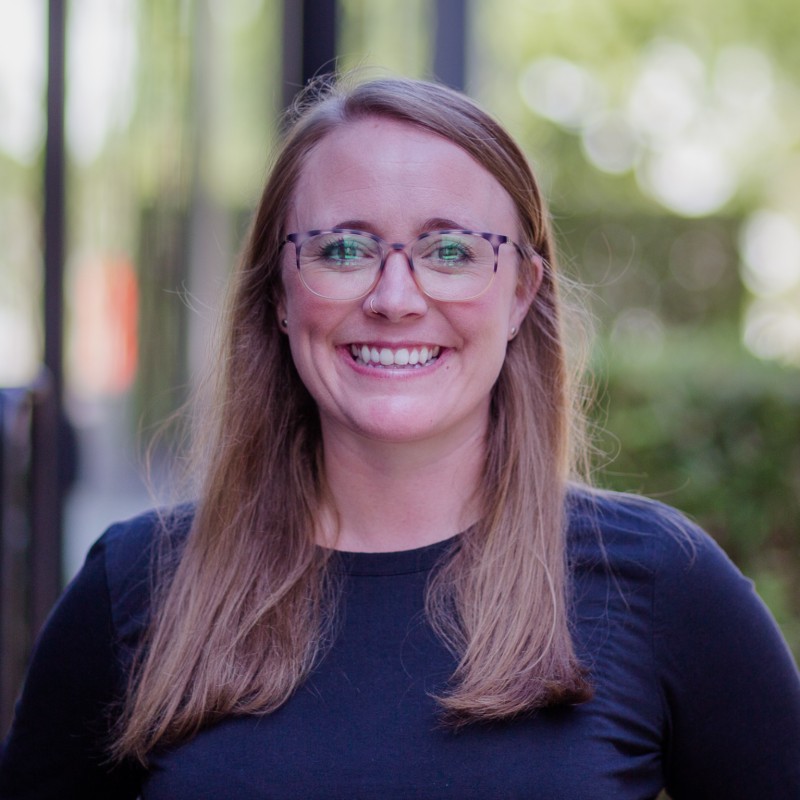
Kayla Fargo Put the Customer in the Marketing Meeting
After more than a decade marketing software, Kayla Fargo has settled on a disarmingly practical idea: give customers the room, skip the pitch, and listen closely enough to make the product story useful.
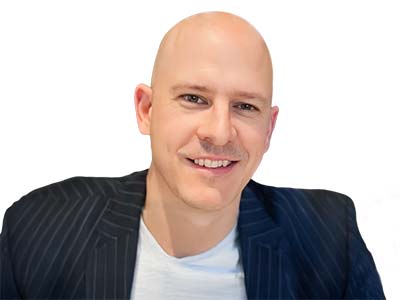
Peter Lavache Would Rather Fund the Product
Avaya's chief marketing officer learned early that the best product does not automatically win. Three decades later, he still insists that marketing begins with product, customers and the unglamorous discipline of execution.

Michael Letschin Learned Marketing From the Server Room
Before he shaped campaigns, Michael Letschin designed data-center systems. That technical apprenticeship still defines his work as a fractional CMO: get close to the product, listen to the customer, and make the complicated useful.
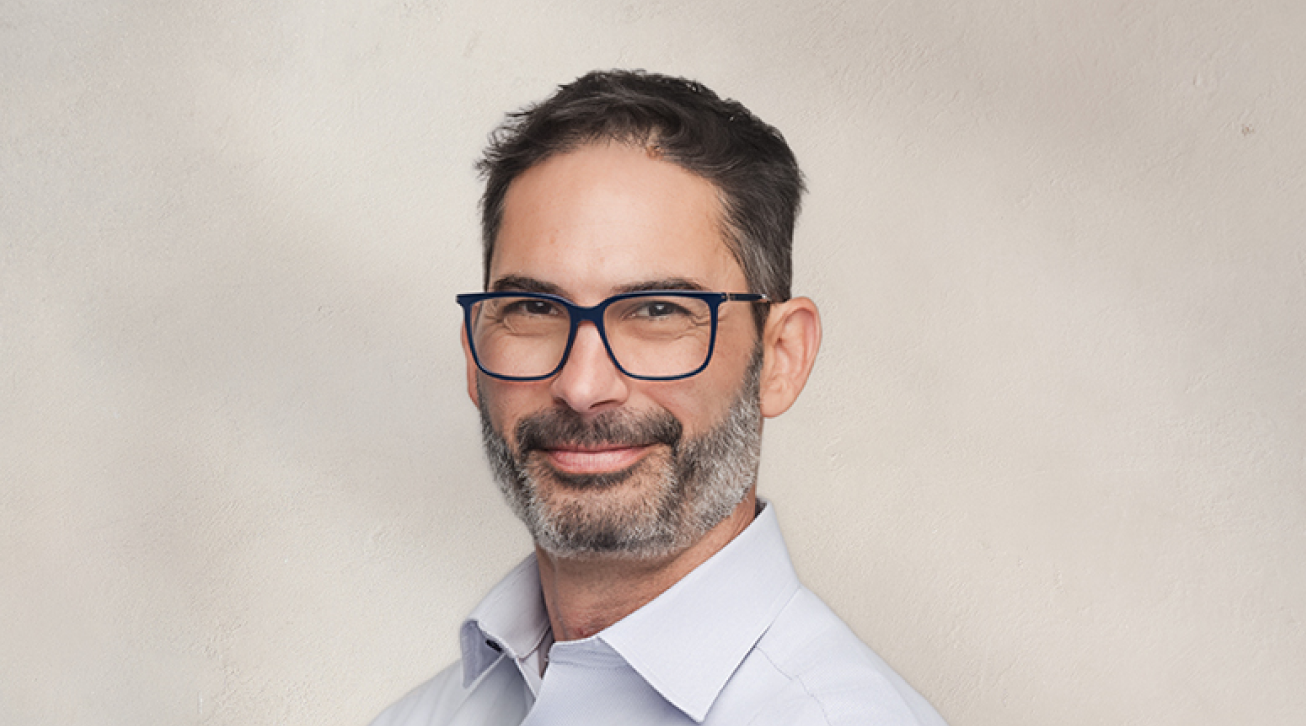
Mark Abramowitz Wants Marketing to Put Its Name on the Number
After 15 years at Salesforce and four at ServiceNow, Dataiku's CMO is turning enterprise AI from a grand promise into a governed, measurable business practice - and asking marketing to answer for revenue along the way.
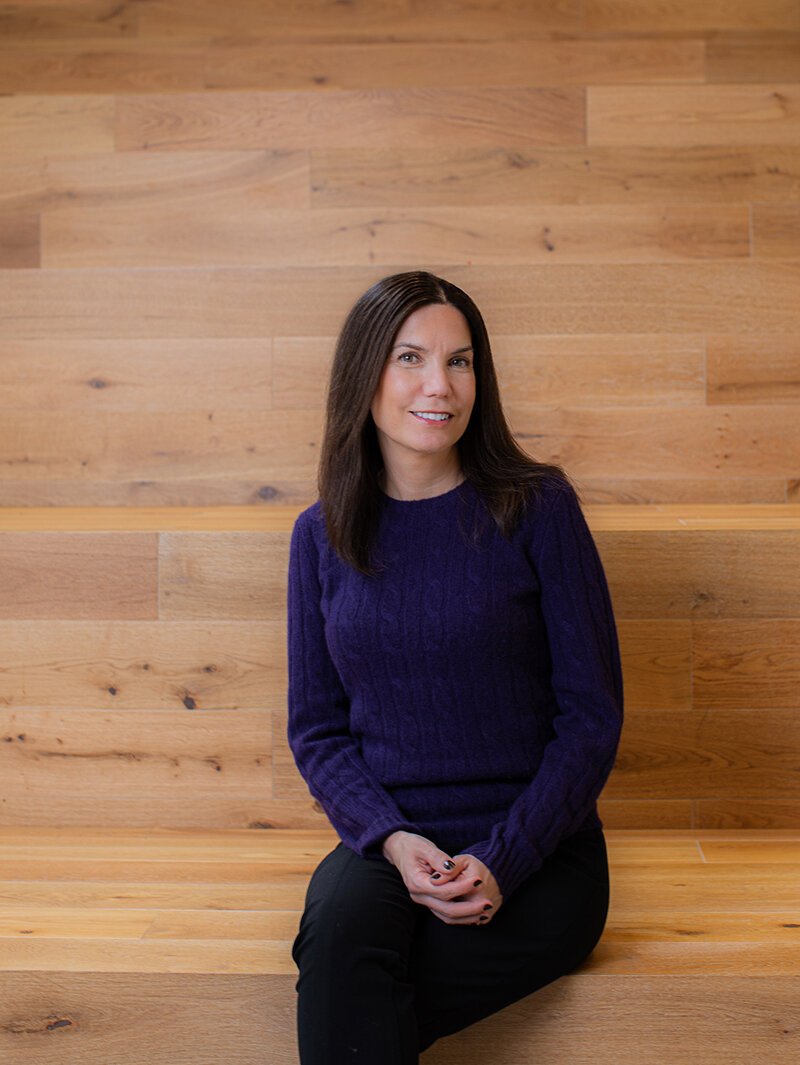
Cristina Rossman Built a Marketing Career With an Engineer’s Blueprint
Across 24 years at Morningstar and Relativity, Cristina Rossman made a specialty of translating complicated products into ideas people could trust - while learning to tell a more complicated story about herself.

Sarah Hospelhorn Makes the Invisible Risks in Data Impossible to Ignore
A physics-and-literature graduate became a builder, product marketer, and CMO by learning the same lesson three times: technology matters only after someone makes its meaning clear.

Saurabh Sharma Has Spent a Career Translating the Machines
Before he marketed AI agents, Saurabh Sharma wrote code, advised technology buyers and judged the middleware beneath modern business. His career is a study in learning the machinery before naming the market.
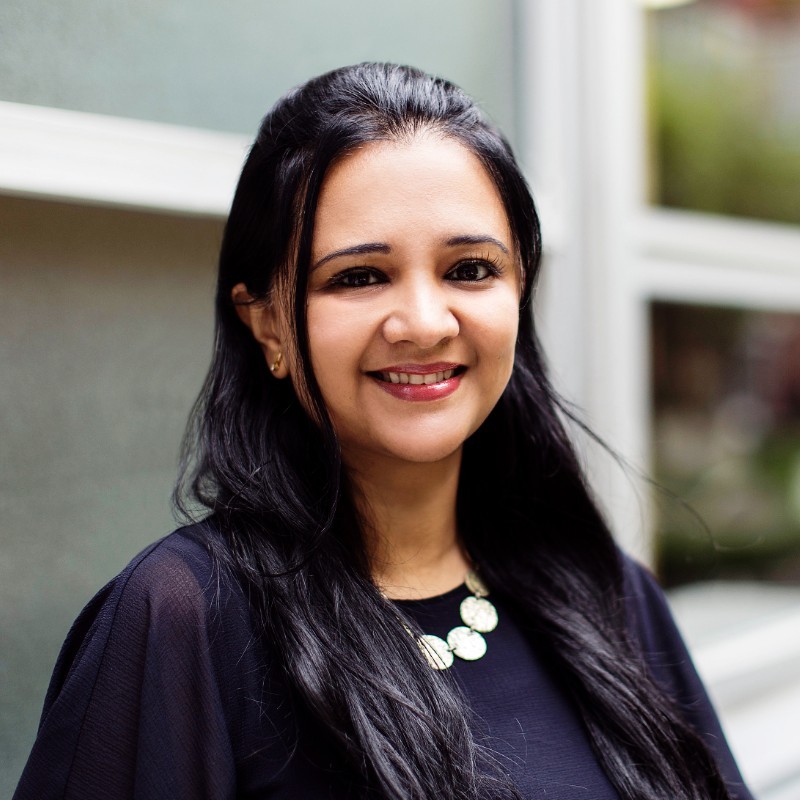
Supriyaa Goswami Makes Difficult Software Easier to Explain
The Whatfix marketing chief has spent two decades moving from people systems to product stories. Her recurring lesson is disarmingly simple: adoption begins when complexity stops asking to be admired and starts making itself useful.
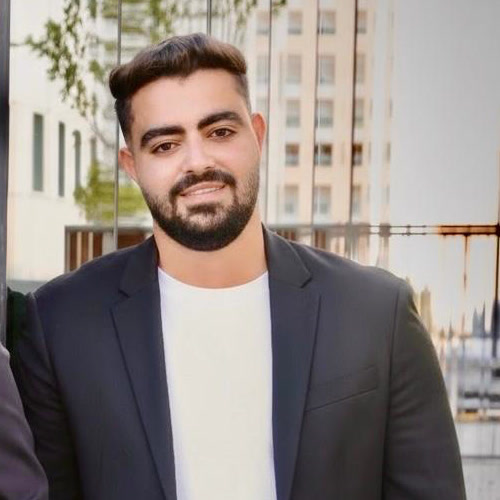
Avia Chen Turned the Refund Nobody Wanted Into the Company Merchants Needed
A beauty brand taught Avia Chen an ugly lesson about online payments. He and his brother built Chargeflow from the paperwork, lost revenue and stubborn curiosity that followed.