Tagged: biotechnology
30 results
Russ Lebovitz
Russ Lebovitz is the co-founder and CEO of Amprion, a precision brain diagnostics company that built the first commercial seed amplification assay for detecting misfolded alpha-synuclein - the protein at the root of Parkinson's disease and other synucleinopathies. An MD/PhD trained at Washington University in St. Louis and a former research physician at Baylor and Fox Chase Cancer Center, Lebovitz spent years chasing prions after the mad cow scare, then pivoted the same detection science toward common neurodegenerative diseases. His SYNTap test won an FDA Breakthrough Device Designation and is now used in clinical trials and patient care to spot brain disease years before symptoms appear.

Evolved By Nature
Evolved By Nature is a Boston-area biotechnology company that turns discarded silkworm cocoons into a liquid, renewable protein platform called Activated Silk. From that platform it builds a library of natural peptides and biopolymers used as petrochemical-free alternatives across three markets: clean skincare and cosmetics ingredients, biodegradable finishes for leather and performance textiles, and injectable biomaterials for medical aesthetics. Founded in 2013 by silk-chemistry veterans Dr. Gregory Altman and Dr. Rebecca Lacouture, the company has raised roughly $190M including a $120M Series C and counts Chanel among its investors and partners.

Number 8 Bio
Number 8 Bio is a Sydney-based agtech and climate startup building BetterFeed, a low-cost feed additive and slow-release rumen bolus that cuts enteric methane from cattle and sheep by up to 90% in trials while recapturing wasted feed energy to lift animal productivity. After pivoting from yeast biomanufacturing to synthetic-chemistry small molecules, the company targets grass-fed grazing systems - about 95% of Australia's livestock - and has raised roughly A$18 million to move toward commercial release.

Steven Everett
Steven Everett is a biotechnology executive and cancer scientist who founded MaveriX Oncology in Palo Alto, California, where he serves as President and CEO. With a background rooted in more than two decades of cancer research at the University of Oxford, University of Dundee and UCSF, he has built his career around a single idea: making cancer drugs that switch on only inside tumors. At MaveriX he is developing conditionally activated small-molecule therapeutics that exploit hydroxylase biology in the tumor immune microenvironment, aiming to hit cancer hard while sparing healthy tissue.

Tao Fu
Tao Fu is the founder, CEO, and president of Attovia Therapeutics, a San Carlos, California biotech developing next-generation biologics for immune-mediated diseases using its proprietary ATTOBODY platform. A biologist-turned-business-leader with more than 25 years across pharma, he built his career at McKinsey, Bristol Myers Squibb, Portola Pharmaceuticals, and Zai Lab before starting Attovia, which has raised roughly $255 million to date, including a $90 million Series C in April 2025.

Wei-Wu He
Wei-Wu He is a scientist, inventor, entrepreneur and investor who serves as Executive Chairman and CEO of Human Longevity, Inc., the San Francisco Bay Area precision-health company that pairs whole-genome sequencing with advanced imaging and blood analytics to catch age-related disease early. Trained as a molecular biologist at Baylor College of Medicine with an MBA from Wharton, he was among the first scientists at Human Genome Sciences before building OriGene Technologies into a major research-tools business. Over three decades he has founded or funded dozens of biotech companies through his venture fund Emerging Technology Partners, and he now channels that experience into the science of extending healthy human lifespan.
Daniel Wagner
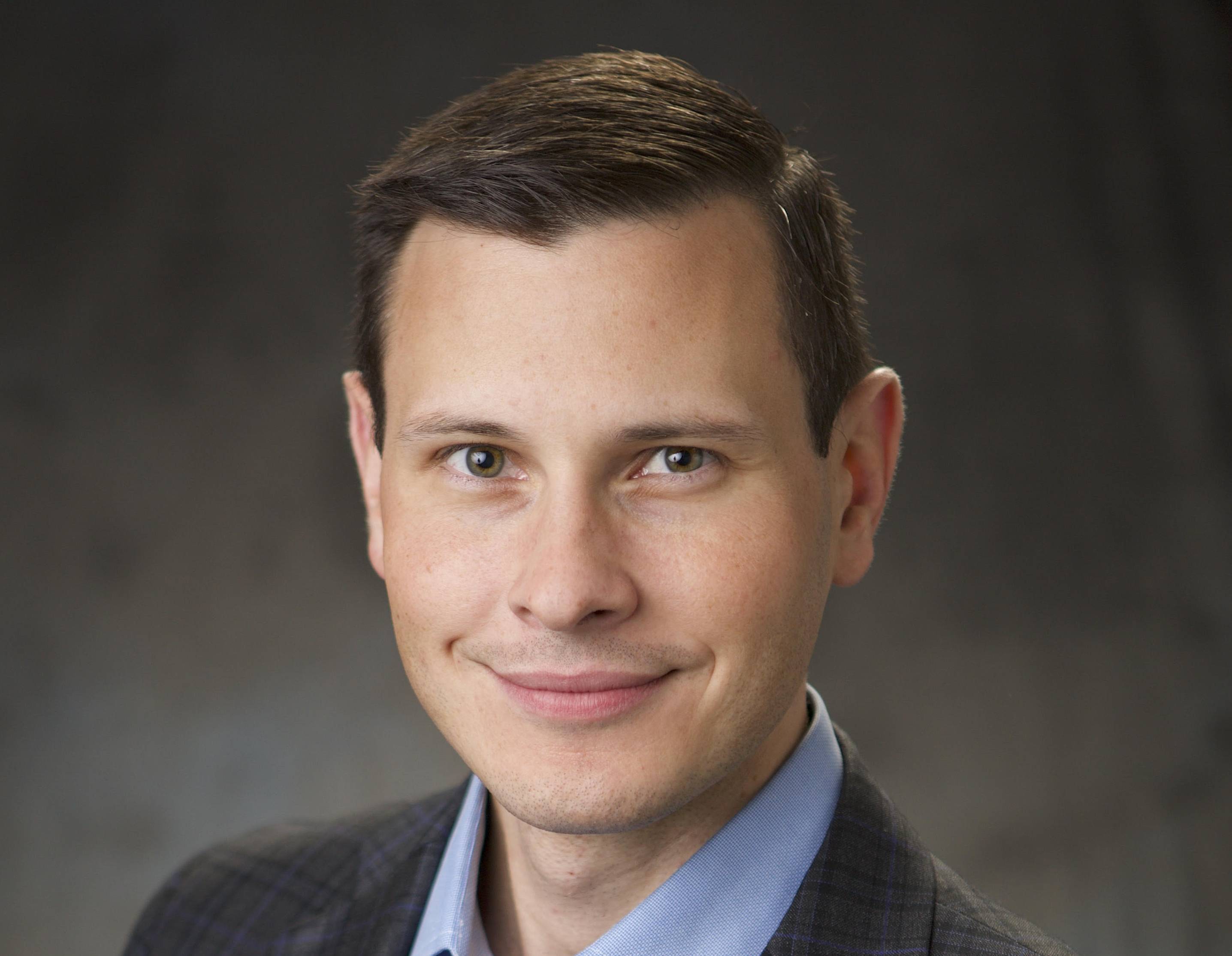
Daniel (Dan) Wagner is a medical device and biotechnology executive who leads Otolith Labs, the Washington, DC company building the OtoBand, a non-invasive wearable that uses patented non-invasive Vestibular Resonance Therapy (nVRT) to address chronic vertigo. With more than two decades of commercial experience spanning 60-plus countries and roles at Spark Biomedical, Olympus Corporation, HeartSciences and Signature Biologics, Wagner advised Otolith for over five years before joining full-time as Chief Commercial Officer in 2024 and now serves as Chief Executive Officer, steering the company's go-to-market strategy toward a planned market launch.

Actithera
Actithera is a radiopharmaceutical biotech developing next-generation radioligand therapies (RLTs) for cancer. Founded in 2021 by medicinal chemist Andreas Goutopoulos and based in Cambridge, Massachusetts and Oslo, Norway, the company uses a proprietary, chemistry-led platform to design covalent small-molecule radioligands that lodge inside tumors, deliver targeted radiation, and clear quickly from healthy tissue. Its isotope-agnostic approach is engineered to match the residence time of a drug in a tumor to the half-life of long-lived radionuclides, with a lead program targeting Fibroblast Activation Protein (FAP). Actithera raised an oversubscribed $75.5M Series A in July 2025.
BioLumic
BioLumic is a New Zealand-founded agricultural biotechnology company that uses precisely tuned ultraviolet light treatments to program desirable traits into seeds and seedlings without genetic modification. Applied in seconds, its patented 'light recipes' switch on plants' natural genetic expression to deliver double-digit yield gains, stronger disease resistance and stress tolerance across crops including corn, soybean, rice and ryegrass. The company partners with seed producers to commercialize non-GMO, climate-smart traits at scale.

Alpha-9 Oncology
Alpha-9 Oncology is a clinical-stage radiopharmaceutical company engineering bespoke, tumor-targeting molecules that deliver alpha- and beta-emitting isotopes directly to cancer cells while sparing healthy tissue. Spun out of the University of British Columbia and BC Cancer in 2019 and now headquartered in Boston with research operations in Vancouver, the company iteratively optimizes each part of a radiopharmaceutical - binder, linker, chelator and radioisotope - to build a pipeline of paired imaging and therapy candidates. Backed by $258M in total funding, including a $175M Series C in 2024, Alpha-9 aims to expand precision radiotherapy across validated oncology targets.

Ankyra Therapeutics
Ankyra Therapeutics is a clinical-stage Boston biotech developing anchored immunotherapy - a platform that physically tethers potent immune-modulating drugs to aluminum hydroxide so they stay concentrated inside a tumor rather than spreading through the body. Its lead candidate, tolododekin alfa (ANK-101), anchors the powerful cytokine IL-12 in the tumor microenvironment, aiming to unlock IL-12's anti-tumor activity while avoiding the systemic toxicity that has historically limited it. Founded in 2019 out of MIT science and led by CEO Howard L. Kaufman, the company is running Phase 1/1b trials in advanced solid tumors, including combinations with immune checkpoint inhibitors.

Axonis Therapeutics
Axonis Therapeutics is a Boston-based, neuro-focused biotechnology company developing first- and best-in-class oral small-molecule medicines that target KCC2, a chloride transporter that acts as the brain's master regulator of inhibitory neurotransmission. Spun out of research from Boston Children's Hospital, Harvard Medical School and Universite Laval, Axonis is advancing its lead candidate AXN-027 - a first-in-class KCC2 potentiator - toward clinical proof of concept in epilepsy, chronic pain and other CNS disorders, backed by an oversubscribed $115 million Series A closed in 2024.

Be Biopharma
Be Biopharma (Be Bio) is a Cambridge, Massachusetts biotechnology company pioneering a new class of therapies called Engineered B Cell Medicines (BCMs). By precisely gene-editing a patient's own B cells - nature's protein factories that can secrete high volumes of protein for decades - Be Bio aims to deliver durable, potentially re-dosable treatments for hemophilia, rare genetic diseases, and other serious conditions. Founded in 2020 out of Seattle Children's Research Institute and Longwood Fund, the company has raised roughly $356 million and, as of early 2025, advanced to a multi-program clinical-stage company led by CEO Joanne Smith-Farrell, Ph.D.

Character Biosciences
Character Biosciences is a precision medicine company developing targeted therapies for progressive polygenic diseases, starting in ophthalmology with age-related macular degeneration (AMD). By pairing human genetics with longitudinal clinical and retinal imaging data from thousands of consented patients - and layering AI-enabled biomarker analysis on top - Character reclassifies broad diagnoses into genetically defined subtypes so it can design drugs that target the root drivers of disease progression. Its lead programs, CTX114 (a complement inhibitor for geographic atrophy) and CTX203 (a lipid regulator to prevent progression to advanced AMD), are advancing toward the clinic on the strength of a Series B that grew past $110 million.

City Therapeutics
City Therapeutics is a Cambridge, Massachusetts biotechnology company engineering the next generation of RNA interference (RNAi) medicines. Founded by pioneers of the RNAi field, including former Alnylam CEO John Maraganore and Nobel-adjacent academic scientists, the company designs novel siRNA trigger molecules and targeting ligands intended to make RNAi drugs more potent, more specific, and able to reach tissues beyond the liver. Launched in October 2024 with a $135M Series A and backed by a further $99.5M Series B in 2026, City is advancing a pipeline led by CITY-FXI for thromboembolic disease and CITY-RBP4 for Stargardt disease, alongside research collaborations with Biogen and Bausch + Lomb.

Conceivable Life Sciences
Conceivable Life Sciences is a New York-based reproductive-medicine company building AURA, described as the world's first AI-powered, automation-assisted IVF laboratory. Using robotics, machine vision, advanced optics and proprietary software, AURA standardizes the 200-plus intricate microscopic steps of in vitro fertilization - from sperm and egg preparation through robotic ICSI, embryo culture and vitrification - to reduce human variability, lower cost, and widen access to fertility care. Founded in 2022 by Joshua Abram, Alan Murray and Dr. Alejandro Chavez-Badiola, the company reported the first live birth from a digitally controlled, remotely operated ICSI system and raised a $50M Series A in 2025 to bring its lab to the U.S.

CORXEL Pharmaceuticals
CORXEL Pharmaceuticals is a clinical-stage biopharmaceutical company developing innovative therapies for cardiometabolic diseases worldwide. Spun out of RTW Investments in 2019 (formerly JiXing Pharmaceuticals) and dual-based in Berkeley Heights, New Jersey and Shanghai, CORXEL is advancing a pipeline led by CX11, a differentiated oral small-molecule GLP-1 receptor agonist for obesity and type 2 diabetes, alongside JX10 for acute ischemic stroke and JX09 for hypertension. In January 2026 the company raised up to $287 million in Series D1 financing to push these programs through late-stage clinical trials.

CREATE Medicines
CREATE Medicines is a Cambridge, Massachusetts clinical-stage biotech building in vivo immune programming - therapies that use an mRNA-lipid nanoparticle platform to turn a patient's own T cells, NK cells, and myeloid cells into chimeric antigen receptor (CAR) cells directly inside the body, rather than extracting and re-engineering them in a lab. Formerly Myeloid Therapeutics, the company rebranded in October 2025 as its pipeline expanded beyond myeloid cells and cancer into autoimmune disease and fibrosis. Its repeat-dosable, off-the-shelf approach aims to make CAR therapy cheaper and more scalable than conventional cell therapy, and the company says it has dosed more than 50 patients - among the largest clinical datasets for in vivo CAR to date.

Cytovale
Cytovale is a San Francisco-based medical diagnostics company that built IntelliSep, an FDA-cleared blood test that helps emergency departments identify patients at risk of sepsis in about eight minutes. Instead of hunting for a pathogen, the test reads the immune response by measuring the biomechanical properties of white blood cells using microfluidic deformability cytometry, high-speed imaging and machine learning. Founded on academic research that began in 2007 and incorporated in 2013, the company is applying its rapid host-response platform to one of medicine's most time-sensitive and deadly conditions.

HERVolution Therapeutics
HERVolution Therapeutics is a Copenhagen-based biotechnology company developing immunotherapies that target human endogenous retroviruses (HERVs) - dormant remnants of ancient viruses embedded in human DNA that can reactivate with age and disease. Formerly named InProTher, the company has engineered a proprietary platform that redesigns these 'dark genome' antigens to break immune tolerance, making them visible to the immune system for the first time. Its off-the-shelf vector-based pipeline, led by IPT-001, aims to treat cancer, metabolic disease, and other diseases of aging.

Illimis Therapeutics
Illimis Therapeutics is a Seoul-based biotechnology company developing protein-based medicines for central nervous system and immune diseases. Its proprietary GAIA (Gas6-mediated Anti-Inflammatory Adaptor) platform builds bispecific fusion proteins that engage the body's TAM receptors to clear misfolded proteins such as amyloid-beta through phagocytosis without triggering the inflammation and ARIA side effects associated with existing antibody drugs. Founded in 2021, the company raised a $42 million Series B in July 2025 and is advancing a lead Alzheimer's candidate, ILM01, toward an IND by the end of 2027.

Made Scientific
Made Scientific is a Princeton, New Jersey-based contract development and manufacturing organization (CDMO) focused exclusively on cell therapies. Formerly BioCentriq, it was rebranded in March 2025 and is backed by South Korea's GC Corporation. The company runs a 60,000 sq. ft. GMP facility with five ISO 7 / Grade B cleanrooms, offering process and analytical development, GMP manufacturing of autologous and allogeneic products, aseptic fill and finish, QC release testing, regulatory consulting, and workforce training, taking cell therapy programs from preclinical development through commercial supply.

Mosanna Therapeutics
Mosanna Therapeutics is a clinical-stage biotech developing MOS118, a bedtime nasal spray for obstructive sleep apnea (OSA). Rather than mechanically forcing the airway open like CPAP, MOS118 is a small molecule pan-K+ channel inhibitor that reactivates the body's own negative pressure reflex - stimulating pressure-sensing nerves in the nasopharynx to increase upper airway muscle tone and reduce apnea episodes. Founded in 2022 and headquartered in Redwood City, California with an office in Basel, Switzerland, the company launched publicly in June 2025 with an $80 million Series A to advance MOS118 through Phase 2.

Neion Bio
Neion Bio is a New York biotech company that genetically engineers chicken eggs into factories for complex biologic drugs. Its Raptor platform aims to make monoclonal antibodies and other glycosylated proteins at a fraction of the capital cost and carbon footprint of conventional cell-culture bioreactors. Founded in 2024 and emerged from stealth in March 2026, the company raised an oversubscribed $23 million Series A in June 2026 and signed an early multi-product biosimilar deal with a major global pharmaceutical company.

Oova
Oova is a New York-based women's health company that brings lab-grade hormone testing into the home. Founded in 2017 as a Mount Sinai spinout by Dr. Aparna (Amy) Divaraniya, Oova combines urine test strips, smartphone scanning, and AI to quantitatively measure LH, E3G (estrogen metabolite), and PdG (progesterone metabolite), giving women personalized daily insights for fertility, PCOS, cycle health, and perimenopause. The FDA-registered platform is used by consumers and integrated with hundreds of fertility and women's health clinics through a HIPAA-compliant provider dashboard.

Paratus Sciences
Paratus Sciences is a biotechnology company decoding the extreme biology of bats to discover first-in-class medicines. Bats live long, tolerate viruses, resist cancer, control inflammation and thrive on high-sugar diets - traits they evolved over roughly 65 million years. Paratus integrates cell biology, comparative genomics and informatics to translate these adaptations into drug targets for inflammatory and cardiometabolic diseases. Launched in 2023 with a $100M Series A and dual sites in New York and Singapore, its lead program PS-1001 is a first-in-class pan-inflammasome inhibitor.

PranaX
PranaX is a Houston-based regenerative medicine biotechnology company developing stem cell-derived exosome products to counter aging, inflammation, and tissue damage. Built on exosome technology exclusively licensed from The University of Texas MD Anderson Cancer Center, PranaX operates an FDA-registered cGMP facility at the Levit Green life science campus and is bringing to market a physician-directed exosome wellness supplement (ExoWELL) and a personal exosome banking service (ExoSTORE). The company closed an oversubscribed $17M Series A in early 2026.

Prolium Bioscience
Prolium Bioscience is a New York-based, clinical-stage biotechnology company developing PRO-203, a bispecific CD20xCD3 T-cell engager designed to deplete disease-driving B cells as an off-the-shelf therapy for severe autoimmune diseases, starting with systemic sclerosis and lupus. Founded in 2025 and backed by RTW Investments, the company in-licensed global non-oncology and ex-Asia oncology rights to the antibody from China's InnoCare Pharma and KeyMed Biosciences, and launched publicly in March 2026 with a $50 million Series A alongside first-patient dosing.

Resonant Sensors Incorporated
Resonant Sensors Incorporated (RSI) is an Arlington, Texas biotechnology company that builds label-free optical biosensor systems based on its patented guided-mode resonance (GMR) technology. Its ResoSens Ultra-Mab Pro benchtop plate reader and disposable Bionetic microarray plates let researchers watch molecular binding interactions in real time, in a standard 96-well format, using tiny sample volumes and no fluorescent labels. RSI targets antibody discovery, epitope binning, hybridoma screening, kinetics and cell-based assays for immunotherapy, diagnostics and life-science research, and also offers analytical contract testing services.

Ring Therapeutics
Ring Therapeutics is a Cambridge, Massachusetts biotechnology company founded by Flagship Pioneering to build a new class of gene therapy delivery vectors from anelloviruses - the most abundant and diverse family of viruses that naturally and harmlessly live inside the human body. Because these commensal viruses evade the immune system, Ring's AnelloVector platform aims to solve gene therapy's biggest limitations: the inability to re-dose patients, pre-existing immunity, and narrow tissue targeting. Through its Anellogy discovery platform and AnelloBricks in-vitro manufacturing technology, Ring is engineering re-dosable, tissue-specific, scalable vectors intended to carry a wide range of therapeutic payloads.