chemistry
(20)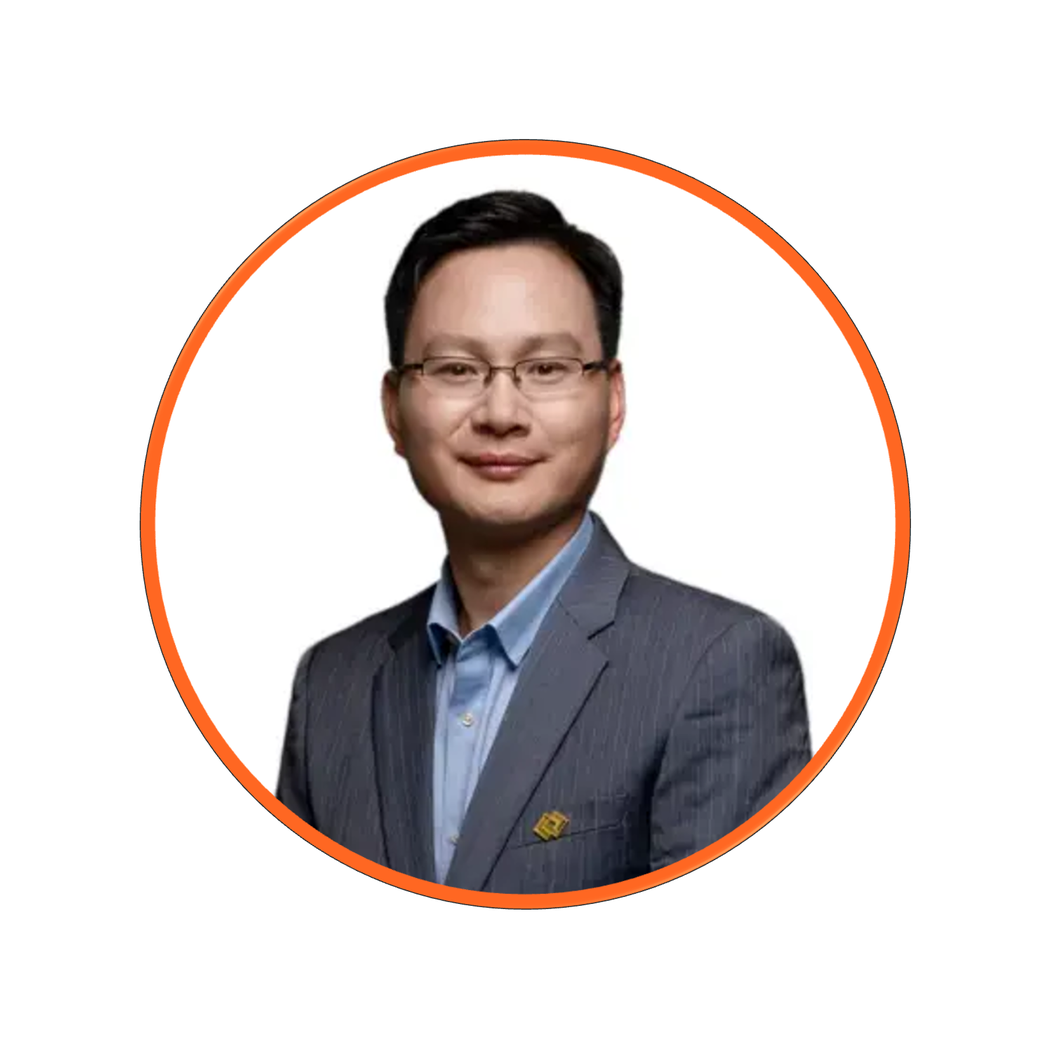
Alex M. Chen and the business of getting the small things right
A chemist leaves Merck, co-founds a company in Suzhou, and keeps widening its scope. Alex M. Chen’s route to Crystal Bio Solutions begins with an unusually close interest in how things fit together.
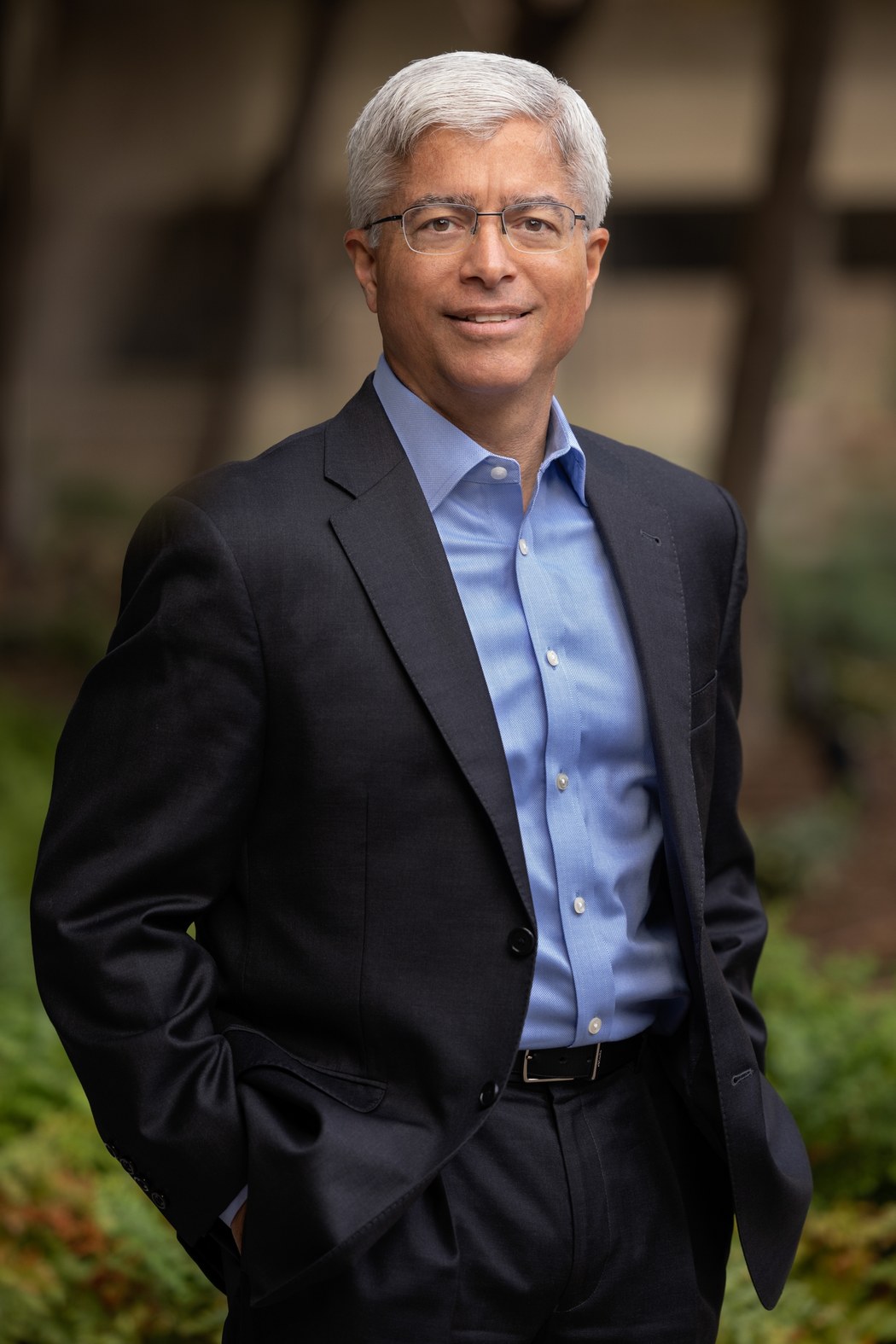
Pedro Pizarro and the trouble with a simple equation
A chemistry PhD became the head of Edison International by following problems beyond the laboratory. Now Pedro Pizarro has to reconcile California’s electric ambitions with the cost, safety and trust of the grid beneath them.
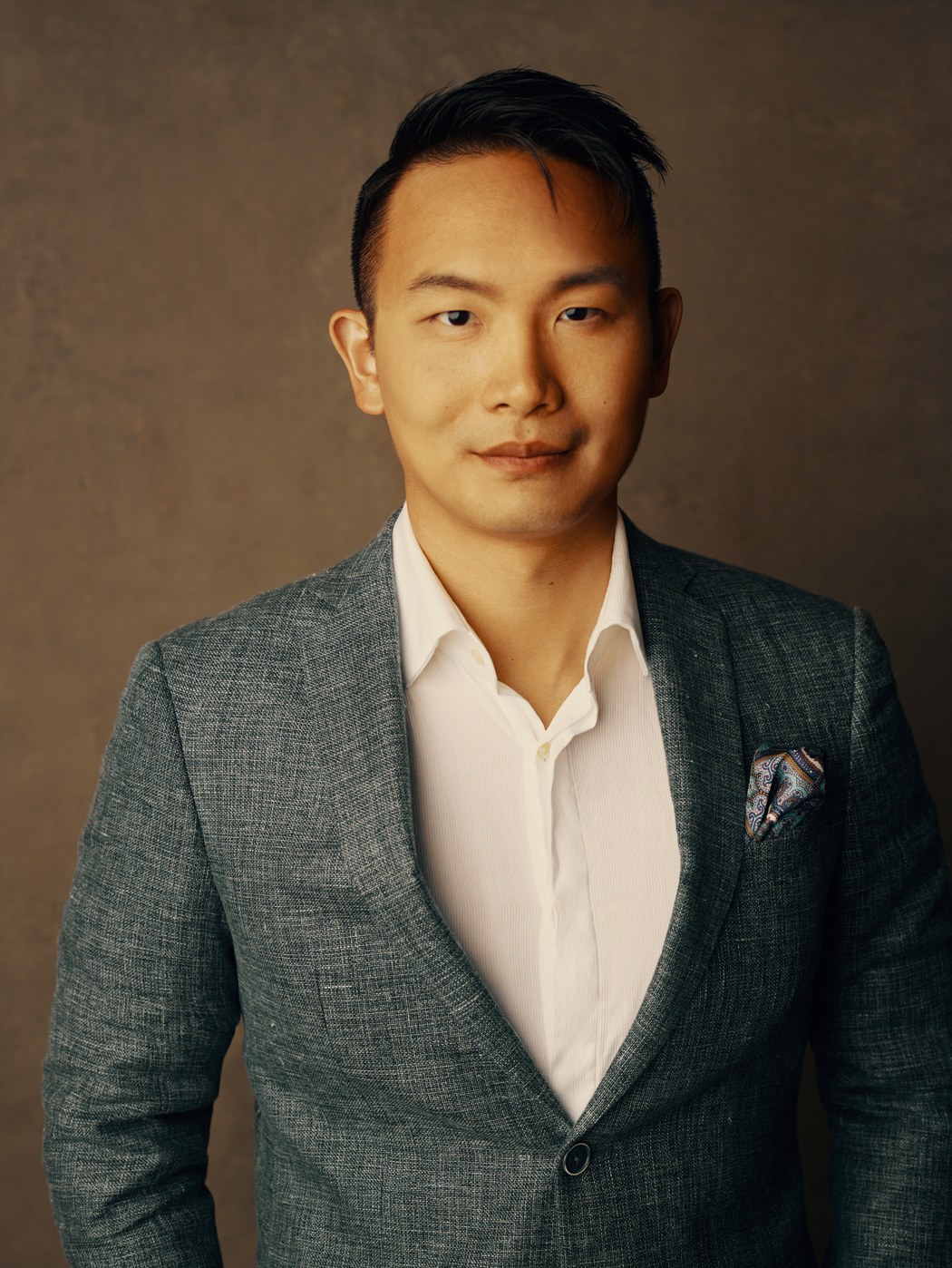
Dennis X. Hu and the problem of knowing enough
A chemist with a habit of helping other people learn turned his reading problem into Drug Hunter. The harder lesson was building a company that could pay for the explanation.
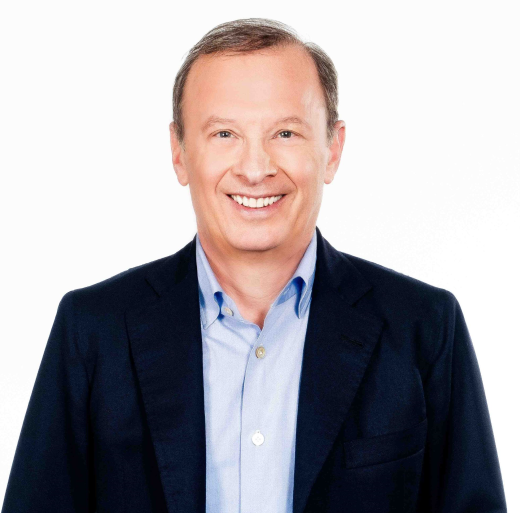
Gary Glick and the art of starting again
Before he built companies, Gary Glick built a life in chemistry. From Michigan classrooms to Scorpion and Odyssey, his career turns on a recurring question: who should be in the room when the next idea begins?
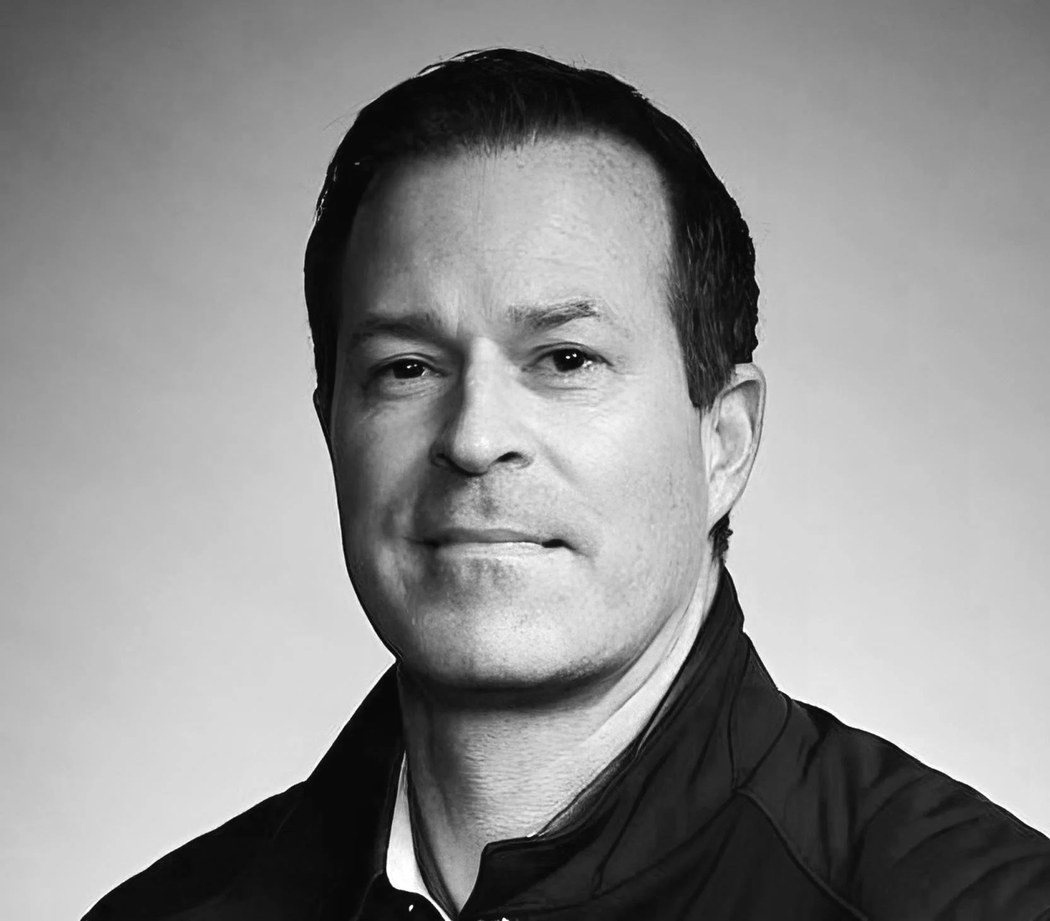
Volker Berl started with atoms. Then came companies.
Before founding New Age Ventures, Volker Berl helped turn chemistry into a board game. His route from Strasbourg laboratories to New York investing still runs through the practical business of putting things together.
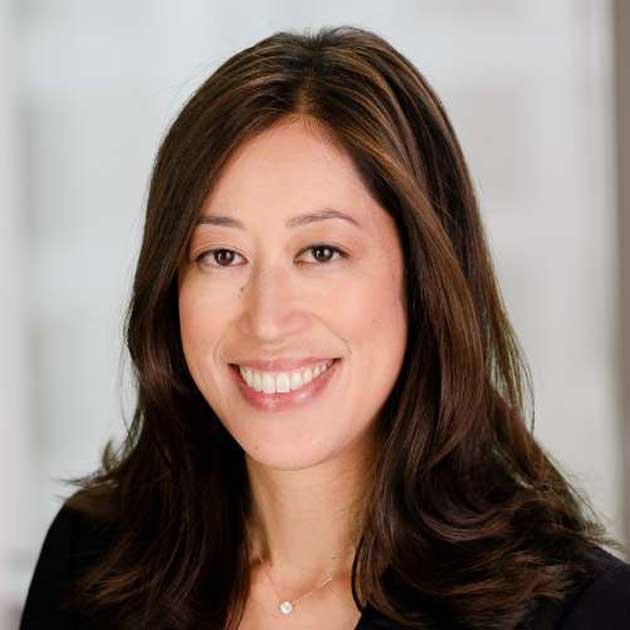
Aetna Trombley Chose the Long Route to a New Kind of Biotech
She spent nine years helping build NGM, then left for science compelling enough to begin again. At Lycia Therapeutics, Aetna Trombley has made patience, partnerships and protein clearance into an operating strategy.

The Only Two Bets BlueYard Will Make: Utopia or Oblivion
BlueYard hands early-stage founders a check between $500K and $5M to chase problems most investors call radioactive - fusion reactors, hypersonic defense, decentralized money, engineered cells. Since 2016 it has backed Solana, Groq, IonQ and Filecoin from a partnership split between Berlin and the US.
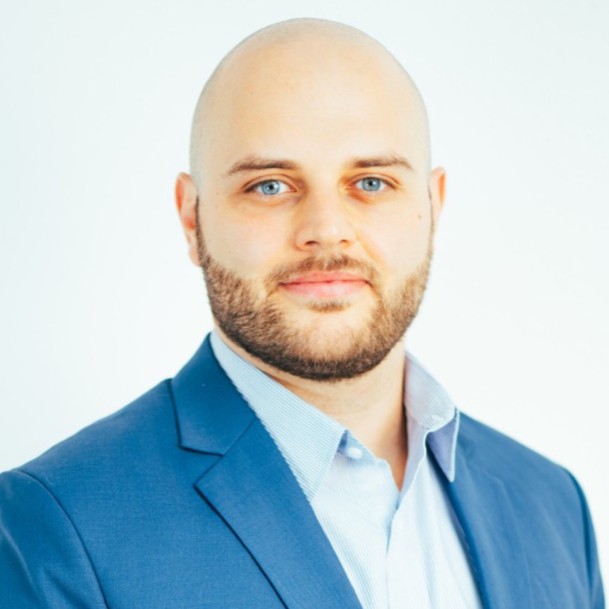
Zlatko Jončev
Zlatko Jončev is the co-founder and CEO of b-12 (b12 Labs), a Y Combinator S25 startup building AI agents that plan and run chemical synthesis for pharma and biotech. A former national chemistry olympiad champion turned organic chemist, he earned a PhD in Basel, trained as a medicinal chemist at Roche, and did his postdoc in EPFL's Lab of Artificial Chemical Intelligence, where he met co-founder Andres Bran. b-12 aims to shrink early-stage drug discovery from years to months by making molecules that are otherwise hard to make.
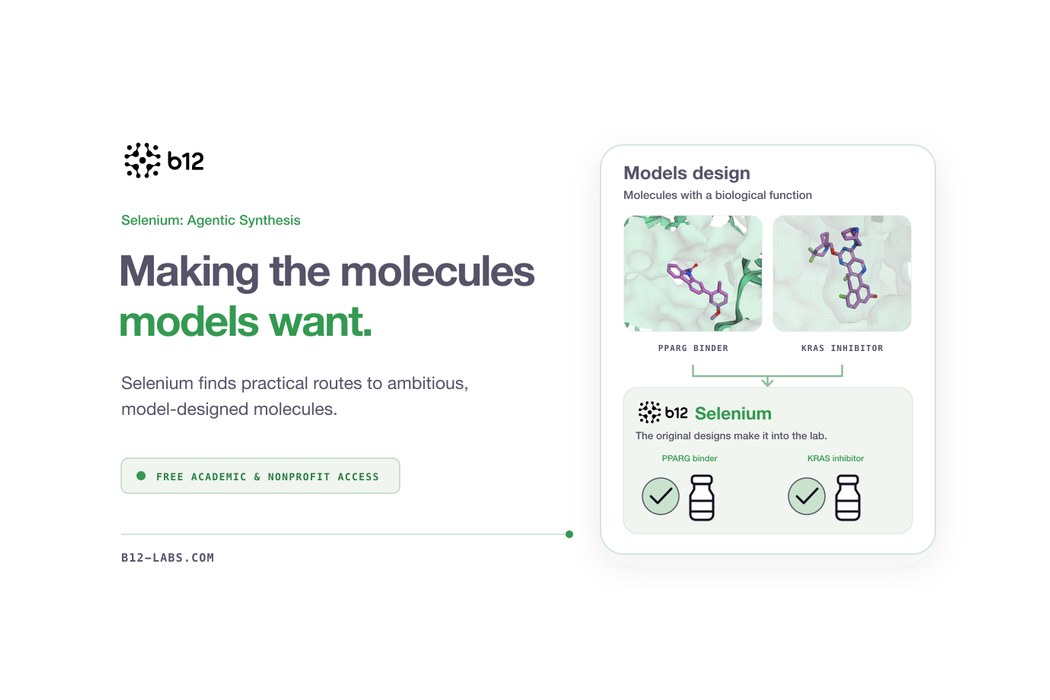
b12 Labs
b12 Labs is a San Francisco startup (Y Combinator S25) building AI agents for pharmaceutical and biotech chemistry. Its platform designs synthesis routes, plans and optimizes reactions, and turns those plans into robot-ready code for automated labs, aiming to compress early-stage drug discovery from years to months. The company was founded in 2025 by chemists Zlatko Joncev and Andres Bran, who met at EPFL's Lab of Artificial Chemical Intelligence.

Integrated Biosciences
Integrated Biosciences is a Redwood City biotech founded in 2022 that fuses optogenetics, chemistry, and AI to discover small-molecule drugs for age-related diseases. Its optogenetic screening platform uses light to control cellular biology at millisecond and micron scale, generating clean data to train an explainable-AI drug-discovery engine. The company has published in Nature - including a new structural class of antibiotics - and raised $17.2M in seed funding led by Sutter Hill Ventures.
Ben Hernandez
Ben Hernandez is the founder and CEO of Numat, a Chicago deep-tech company that treats chemistry like software. Numat designs metal-organic frameworks (MOFs), nanoscale materials that capture, hold, and even destroy specific molecules with atomic precision. Trained as an engineer with a law degree and an MBA, and a former private equity investor, Hernandez turned a Northwestern lab idea into the world's first industrial-scale MOF manufacturing campus, powering safer hazardous-gas storage for the semiconductor industry through its ION-X product and pushing toward industrial decarbonization.
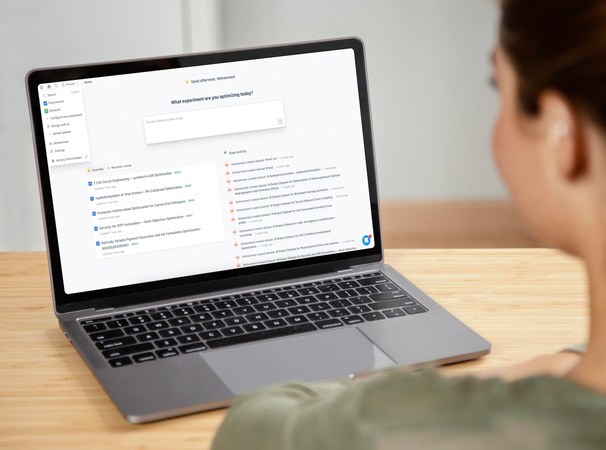
Atinary Technologies
Atinary Technologies is a Swiss-American deeptech startup whose no-code SDLabs platform pairs machine learning with lab robotics to run Self-Driving Labs - closed-loop experiments that learn and adapt on the fly, accelerating R&D in chemistry, materials, pharma and climate tech by orders of magnitude.
Adam Slavney
Adam Slavney is the co-founder and CEO of Pascal, a Cambridge, Massachusetts startup commercializing solid-state refrigerants to replace the planet-warming gases inside air conditioners, heat pumps, refrigerators and data centers. A Stanford-trained chemist who studied perovskite solar cells before a Harvard postdoc in clean-energy economics, Slavney spun Pascal out of Harvard in 2023 around a class of barocaloric materials that respond to pressure two orders of magnitude more strongly than other solids. The company raised an $8M seed round in 2024 led by Engine Ventures, with Khosla Ventures participating, and later added a Series A to scale prototypes. Slavney's pitch is blunt: heating and cooling burn nearly 40% of the world's energy and the refrigerants doing it cause about 2% of global warming, and he wants to keep the cooling while deleting the climate cost.
Andrew Chadeayne
Andrew Chadeayne is the founder and CEO of CaaMTech, an Issaquah, Washington psychedelic pharmaceutical company building safer, patentable psychedelic-inspired medicines. A chemist (PhD, Cornell) and patent attorney (JD, George Washington) who began his career proving sugar is addictive through opioid pathways, he has filed more than 100 patent applications mapping the chemistry of psilocybin, tryptamines and other psychedelics. His strategy is to expand 'the universe of available compounds' rather than bet on a single molecule, giving researchers a toolbox of characterized psychedelics for mental health treatment.
Numat
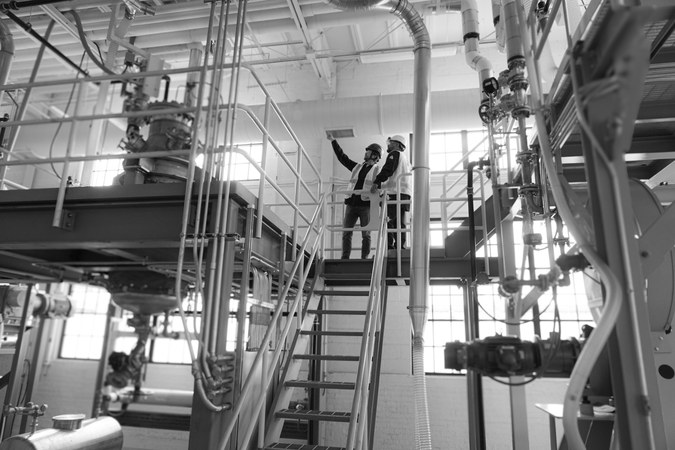
Numat is a Chicago-based advanced-materials company and the first to commercialize metal-organic frameworks (MOFs) at industrial scale. Its molecularly engineered, programmable 'sponges' capture, store, and separate hazardous chemicals for semiconductor, defense, and energy customers, reducing the impact of chemical products and processes on human health and the environment.

Albert Invent
Albert Invent builds an AI-native operating system for chemists and materials scientists, unifying electronic lab notebooks, LIMS, regulatory compliance and predictive AI into one cloud platform that aims to compress decades-long R&D cycles into weeks.
Nick Talken
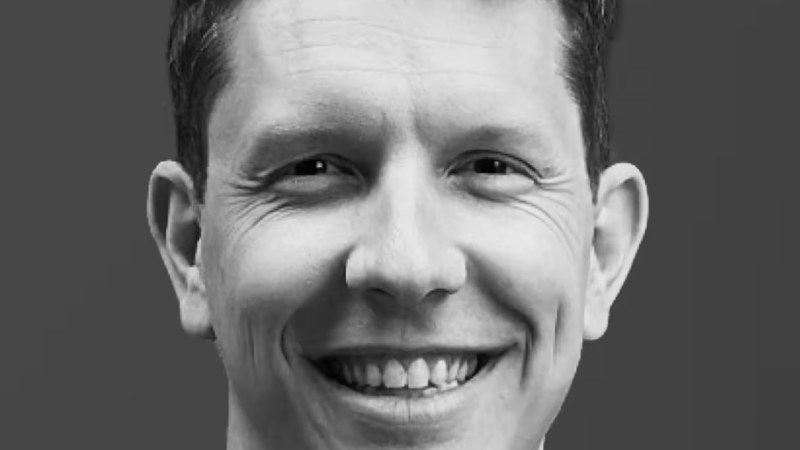
Nick Talken is the Co-Founder and CEO of Albert Invent, an Oakland-based AI platform that is transforming how chemists and materials scientists do research and development. A chemical engineer by training who learned to code, Talken spent years inside Henkel's global R&D organization before spinning out Albert Invent in 2022 with a team of co-founders who built the product from within. The company's platform - used by over 3,000 scientists across 142+ labs in 30+ countries at companies like Kenvue, Henkel, and Chemours - has raised over $52 million from top-tier investors including Coatue, Index Ventures, TCV, and J.P. Morgan Private Capital.
Chris Emerson
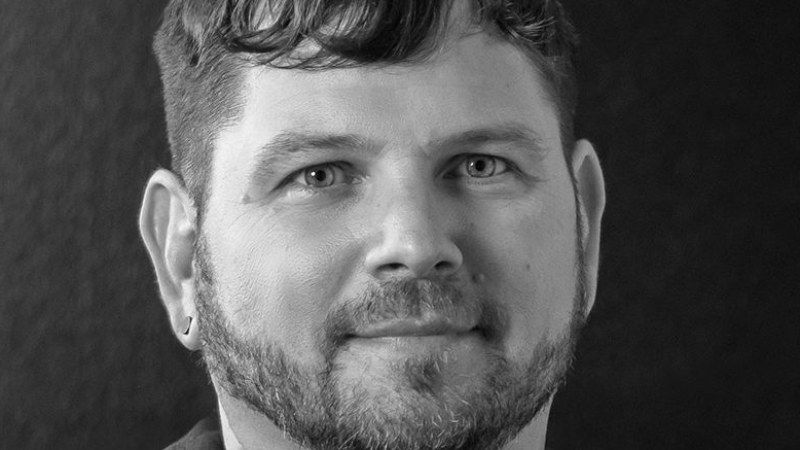
Chris Emerson, PhD, is the Founder, Chief Scientist, and CEO of LEVEL, California's #1 cannabis tablet brand. A US Navy veteran and Chinese interpreter turned small-molecule chemist, he abandoned a Stanford postdoc in 2012 to spend four months living in a tent on a Mendocino cannabis farm - and emerged with a founding thesis that would reshape how the industry thinks about getting high. Instead of chasing THC percentages, he built LEVEL around effects-driven cannabinoid formulations using precise ratios of acidic, neutral, and degradative compounds the plant alone can't deliver. Two US patents, multiple peer-reviewed publications, and an IRB-approved clinical trial later, LEVEL is the top-selling cannabis tablet brand in California, now operating in seven states.
Stig Hansen
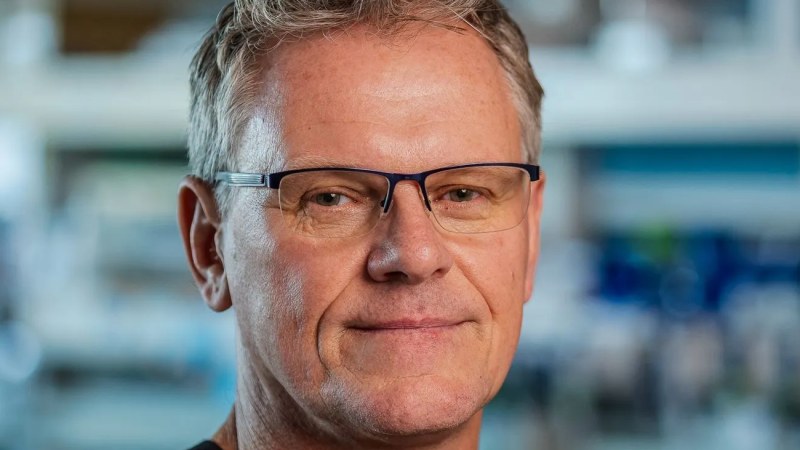
Stig K. Hansen is a Danish-American biochemist and serial biotech founder who co-founded Kimia Therapeutics in 2023, a Berkeley-based precision chemistry company applying machine learning and automated synthesis to drug discovery. He previously co-founded and led Carmot Therapeutics for 15 years, inventing Chemotype Evolution technology that contributed to LUMAKRAS - the world's first FDA-approved KRAS G12C inhibitor for non-small cell lung cancer. Carmot was acquired by Roche for up to $3.1 billion in January 2024. At Kimia, Hansen is pioneering the ATLAS platform (AcTive Learning with Automated Synthesis and Screening), which integrates high-throughput chemistry, genome editing, and AI to map druggable chemical space at unprecedented scale. The company raised a $55 million Series A in December 2023 led by The Column Group and Dimension.
Yoneda Labs
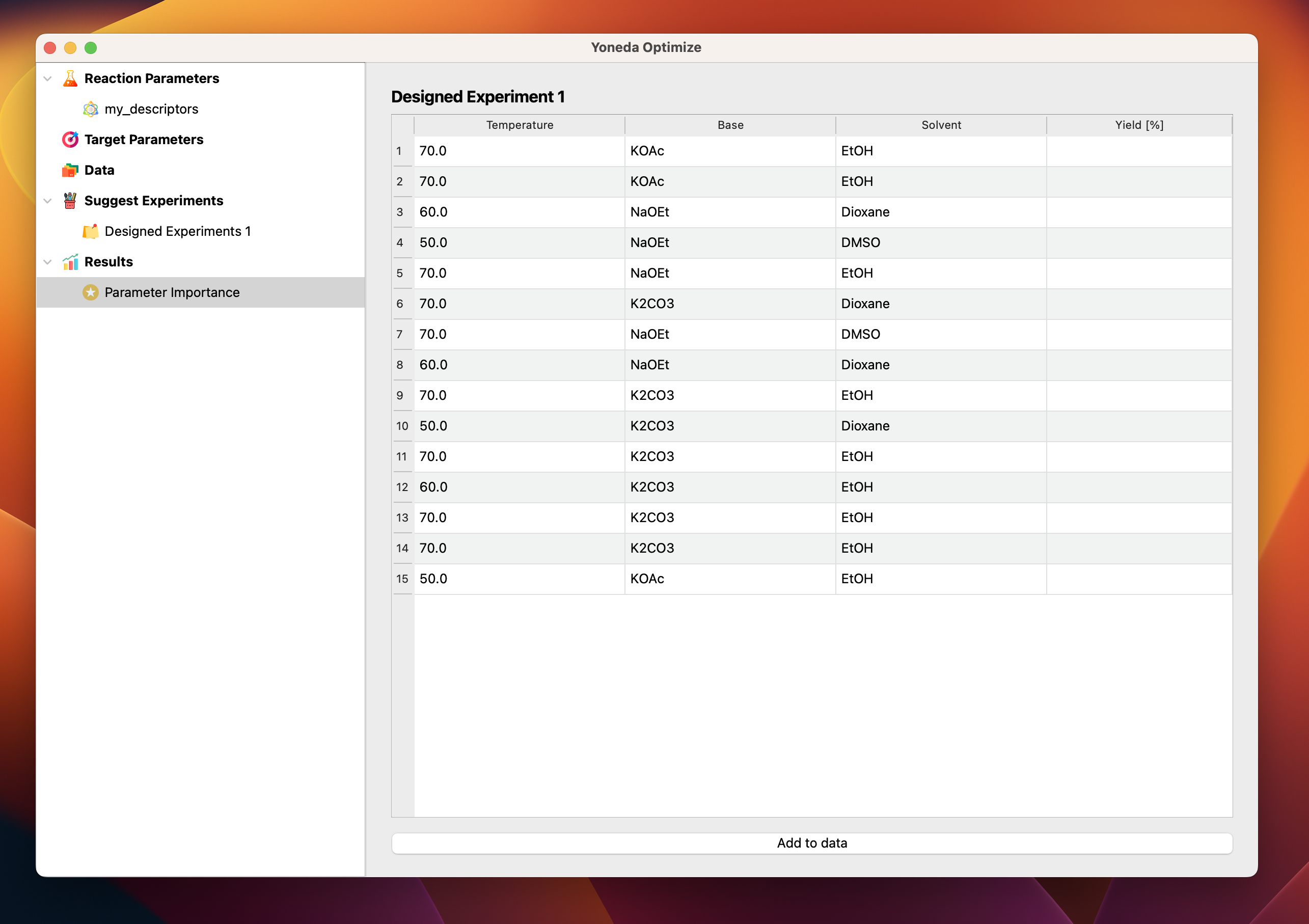
Yoneda Labs is building the foundation model for chemical manufacturing - think of it as the AI brain that tells chemists exactly which conditions to use to make a reaction work, before they spend months running dead-end experiments. Founded by three Cambridge graduates and backed by Khosla Ventures and Y Combinator, the company's software suite (Predict, Optimize, Analyze) compresses reaction optimization timelines from months to days. Their first named partnership with Symeres pushed cross-coupling reaction yields from ~30% to over 90%. The goal: become the universal AI layer for the $5 trillion chemical industry.