google-cloud
(60)
Wayfair’s AI Future Starts With Its Old Code
Thousands of applications stand behind Wayfair’s push for better shopping experiences. Matt Ferrari explains why Pythian’s ability to understand the business—and code alongside his team—mattered to the choice of partner.

Egen’s AI business starts with the work nobody sees
Faster grocery orders. Cheaper cloud operations. A travel agent that tests its answers. Inside the engineering company making AI useful one working system at a time.

Cloudreach and the art of moving less to the cloud
At Kurtosys, Cloudreach identified 39 applications to move and 19 to retire. That tells you more about this cloud consultancy than a wall of partner badges ever could.

Jessica Wesley Makes the Cloud Feel Human
The Onix CMO has spent her career giving complicated technology a clear public face. Her method is less about louder claims than stronger signals: a logo with a job, customers invited into the room, and a small team trusted with a very large story.

Wayne Jin Makes Invisible Software Matter
After Google Cloud, GitHub, AppDynamics, and Grafana, the computer-science graduate has taken on a peculiar marketing assignment: make companies care about the failures they cannot yet see.

Valerie Zlotsky Is Marketing the Hour After the Last Appointment
After more than eight years helping Google Cloud grow, Valerie Zlotsky joined Freed to sell something more intimate than software: the possibility that work can end when the workday does.

Ashley Chandler Has Spent 25 Years Making Complicated Technology Feel Human
Before Peregrine, she helped explain cloud software, payments infrastructure, 3D search, and autonomous delivery. The products changed. Her real assignment did not: make the difficult legible.

Moustafa Noureddine Has Spent Three Decades Making Software Survive the Real World
Before AI became a boardroom reflex, he was studying cloud bottlenecks, shipping collaboration software and teaching engineers how to think. Acksession is the latest expression of a career built around one stubborn question: will the system still work when reality arrives?

Brooks Borcherding Keeps Betting on the Next Technology Shift
After three company sales and decades spent near technology's turning points, the Pythian CEO is applying an old operator's discipline to enterprise AI: prepare the data, bring people along, and move while the opening is real.

Burwood Group Spent 29 Years Fixing Enterprise IT. Then It Sold the Whole Playbook.
The Oak Brook consultancy turned unglamorous infrastructure work into a durable enterprise business - then joined Sikich as AI made the plumbing more valuable, and more complicated, than ever.

When the Cloud Goes Down, Parametrix Cuts the Check in Days
A New York insurtech wrote a policy that pays out automatically when AWS, Azure or Google Cloud stops working. Then, on one July morning, CrowdStrike proved the whole thesis was worth billions.

How Schnucks Put AI to Work Beyond the Cart
At Schnucks, the smartest AI is not a spectacle. It is a practical system that reads the paperwork, checks the apples and gives store teams more time for customers.

AllSaints Cut Cloud Costs 75% Without Going Dark
AllSaints rebuilt its digital backbone on Google Cloud, trading idle servers for elastic infrastructure. The result: lower costs, faster pages and a migration customers never saw.
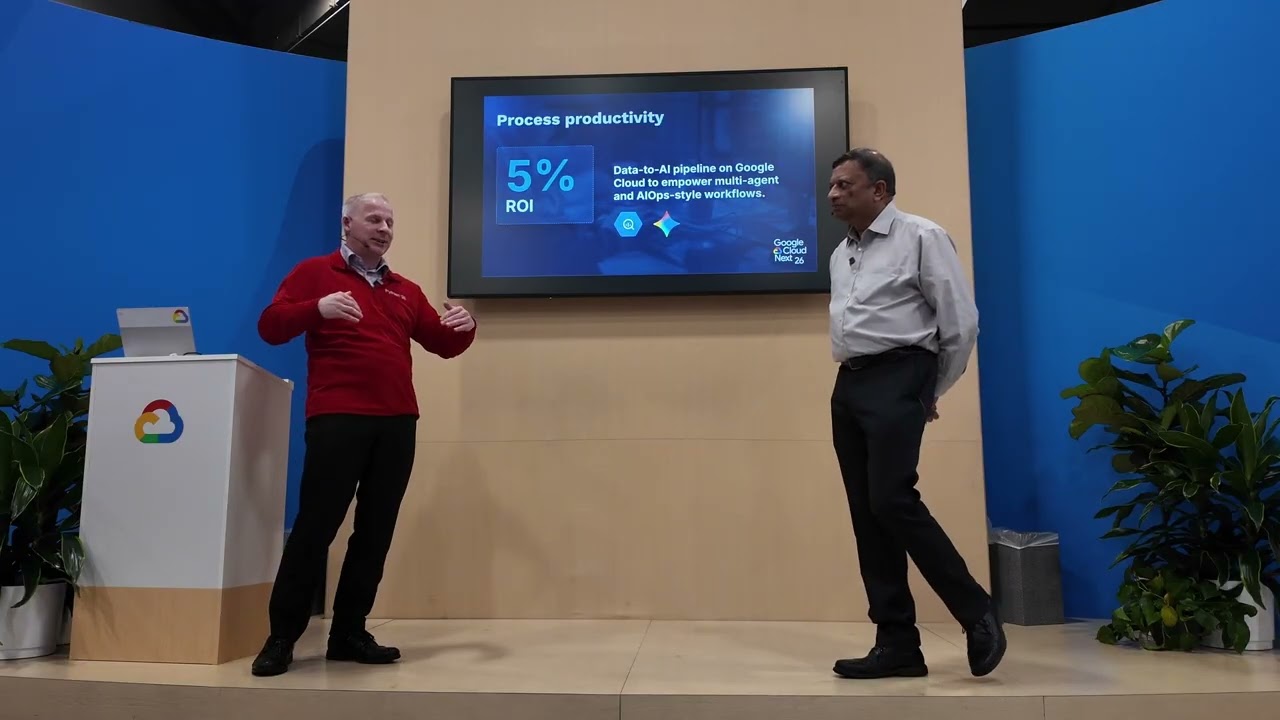
Sanmina’s AI Factory Starts With 350 Hours a Week
Sanmina is threading AI through office work, factory systems and the racks that power the cloud. Its CIO’s advice is refreshingly unflashy: educate leaders, secure the foundation and start small.

Ashish Vengsarkar Builds Networks Like Crosswords: One Connection at a Time
At Bell Labs, in startups and at Google, he learned to make light carry more of the world’s traffic. Now the nEye.ai CEO is applying three decades of optical-networking lessons to the physical limits of AI.

The Database Fixers Who Want to Keep Enterprise AI Alive
Pythian spent nearly three decades learning how enterprise data breaks. Now it is using that operational muscle to move AI out of the demo room and into the systems companies cannot afford to lose.

Kinsta Wants the Boring Parts of WordPress to Stay Boring
The bootstrapped host turned WordPress maintenance into a subscription - wrapping cloud infrastructure, security, developer tools and human support into one unusually tidy control room.

The 34-Year-Old Engineering Firm Behind the Software You Never See
CyberVision has spent more than three decades doing the unglamorous work that makes connected products and data-heavy businesses function - from embedded code and IoT middleware to cloud migrations and machine learning systems.
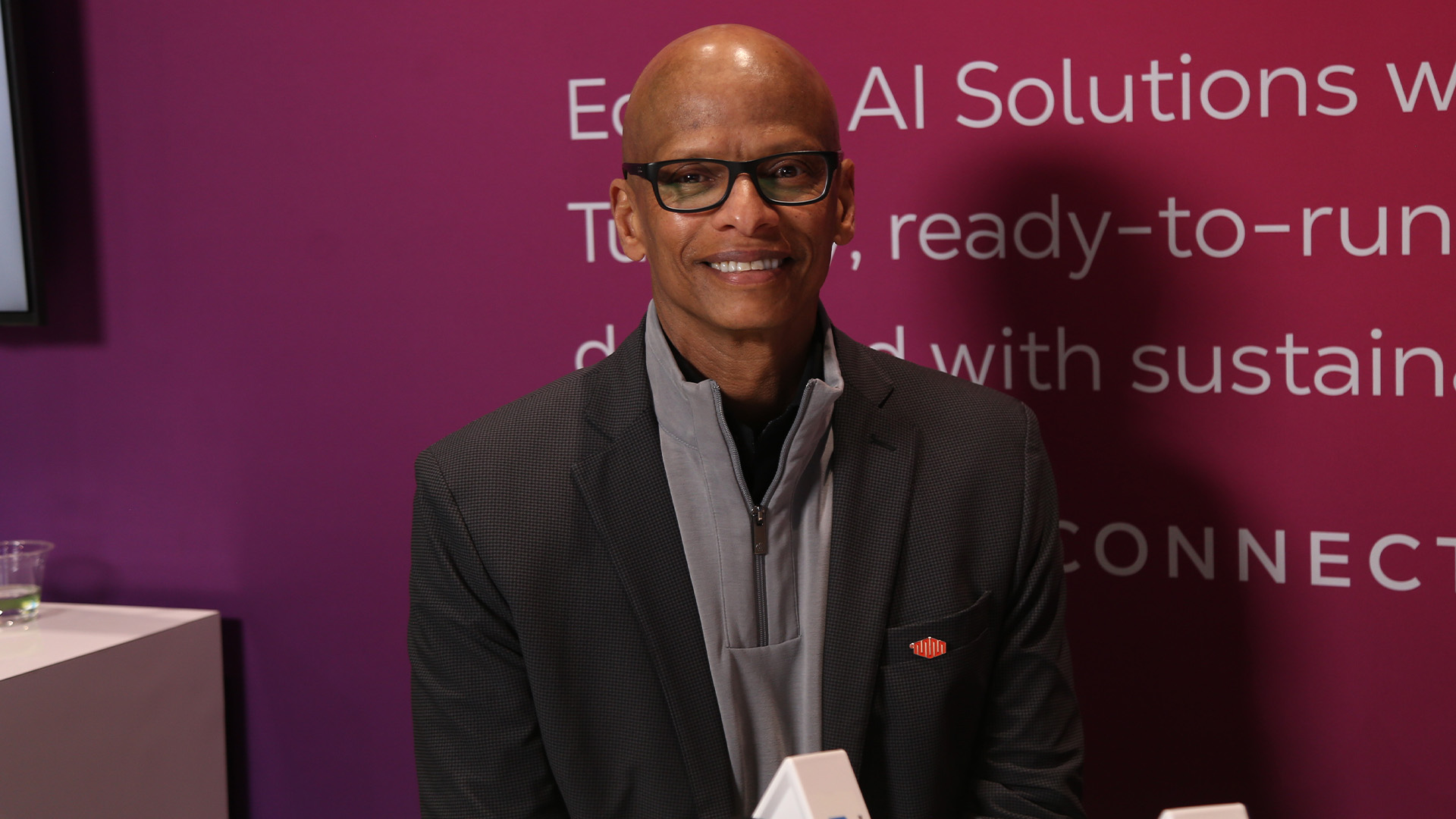
Adam Berlew Keeps Coming Back to the Machines
He wrote his first programs as a teenager, then spent 25 years explaining machines to the people who buy them. Now he markets the buildings where the AI boom actually lives.

The Layer Between Your Database and the Cloud Bill
Kaminario spent a decade selling flash arrays. Then it threw out the hardware, kept the software, and bet the company on a single idea: that the cloud is fast enough for anything - if you put the right layer in front of it.

Alison Wagonfeld
Before taking on NVIDIA's story, Alison Wagonfeld spent three decades learning how technology businesses are built - from a mortgage website and Harvard case studies to venture capital and Google Cloud.

AI Agents Are Quietly Taking Over the Contact Center
Observe.AI, Google, Five9 and Forethought are racing to hand your next support call to software. The prize is a customer-service market worth tens of billions - and the human seat on the other end of the line.

The company that indexed the web is now betting everything on an AI it calls Gemini - and for the first time, the search box has competition it built itself.

UJET Bet Its Whole Company on Being Google's Contact Center
The San Francisco startup rebuilt itself around Google Cloud's AI, handed its founder the chairman's chair, and is now selling the search giant's contact center to the small businesses everyone else ignores.

UJET and GoTo Are Racing to Own Your Next Support Call
One is a San Francisco AI-native wired straight into Google's agents. The other is a Boston software giant with millions of business customers and a contact center to sell them. They are both chasing the same ringing phone.

UJET and Broadvoice Bet the Call Center on Agentic AI
Two contact center vendors are chasing the same idea from opposite ends - software that talks back, thinks, and acts. Here is what UJET and Broadvoice are actually shipping in 2026, and who it helps.

UJET vs Five9 and the Fight for the AI Contact Center
One is a billion-dollar public incumbent, the other a Google-backed challenger a fraction of its size. Both are betting the future of customer service is an AI agent, not a person in a headset.

Alvaria and UJET Wire AI Calling to a 50-Year-Old Dialer
Two contact-center companies - one built on decades of compliant outbound dialing, the other on AI-first cloud - are stitching their stacks together. The bet is simple: enterprises want the smart part without the legal risk.

UJET Is Quietly Coming for the Call Center Giants
The San Francisco startup put a Cisco veteran in the CEO chair, raised $76 million, and decided the best contact center is the one you never have to sit in.

The Google CX Product Maze, Finally Mapped
A plain-language map of Google's confusingly named customer-experience AI portfolio. It untangles CCAI, Agent Assist, CX Agent Studio and Gemini Enterprise for CX, explaining what each one actually is and what a buyer gets. It also clarifies UJET's unusual position: Google Cloud sells Google Cloud CCaaS powered by UJET as a first-party offering, which is a different relationship than being one of many logos in a marketplace.