israel
(109)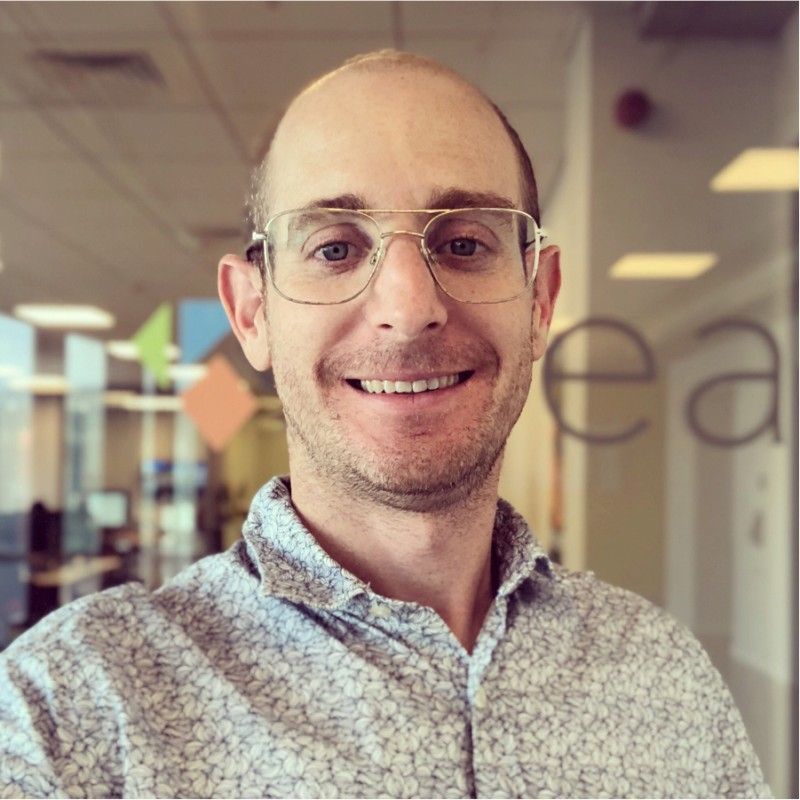
Eytan Avigdor and the trouble with a first impression
He started with a question about whom to follow on Twitter. The Klear co-founder has spent the years since building ways to look more closely at people online.

Eitan Medical closes the distance home
Getting an infusion pump home is only half the job. Eitan Medical is building the connection that lets the care team follow the treatment.

Ofir Krakowski and the things a voice carries
After years building technology for the Israeli Air Force, Ofir Krakowski founded Deepdub with his brother Nir. Their next problem was wonderfully human: getting a story into another language without leaving its feeling behind.

Gaby Diamant and the value of an explanation
At 15, Gaby Diamant placed 29th in an investing competition with more than 10,000 entrants. At BridgeWise, he is working on a different problem: helping investors understand what all those numbers are trying to tell them.
Michael Lewin and the value of a difficult problem
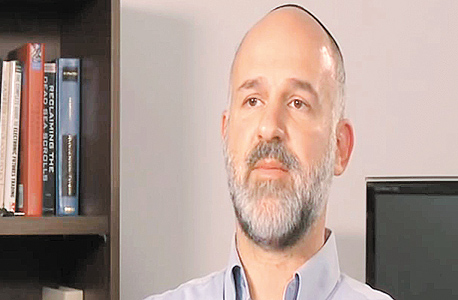
Before co-founding Istra, Michael Lewin helped build software that kept business data recoverable. His move into automated trading put the same raw materials - mathematics, computing and time - to a different use.
Matan Or-El and the trouble with trusting your neighbours
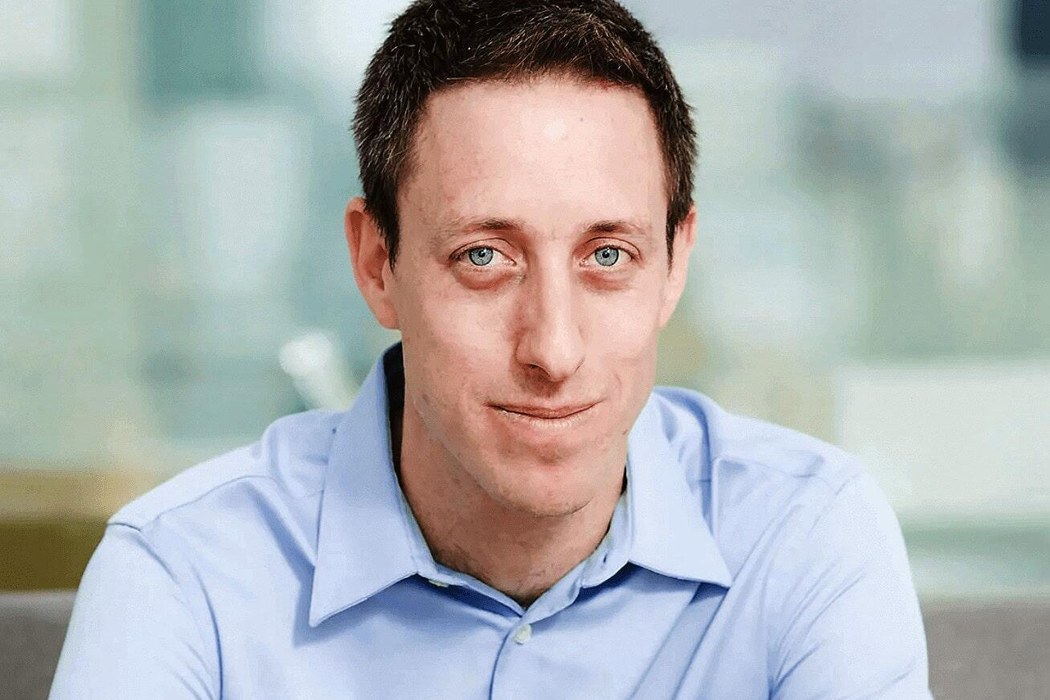
A childhood lesson on the basketball court stayed with Matan Or-El. At Panorays, he is applying the same insistence on showing up to the risks that travel between companies.
Eran Heffetz and the lesson that wouldn’t stick
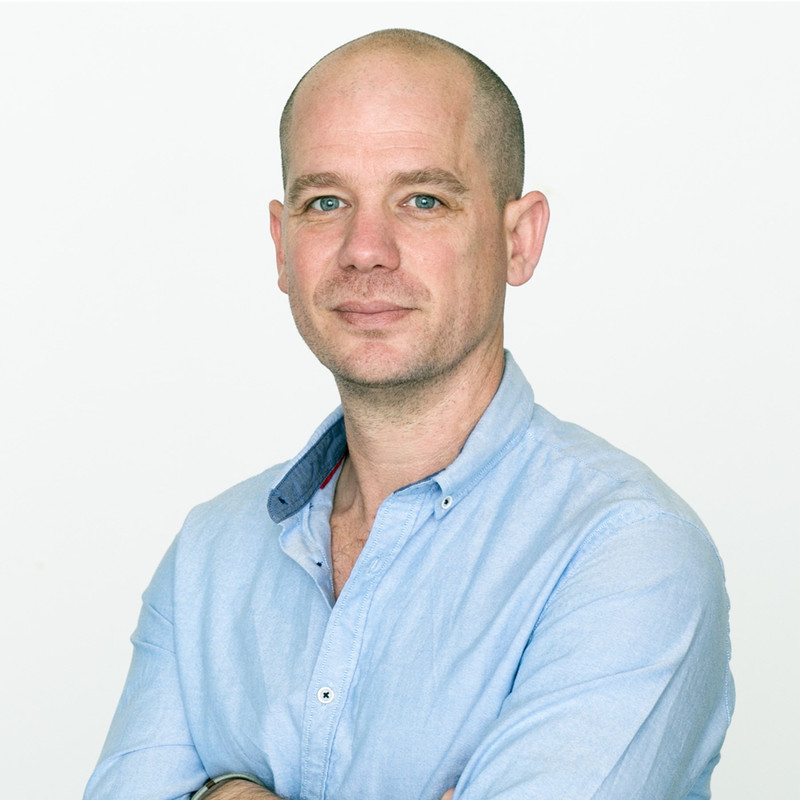
After opening and operating eight restaurants, Eran Heffetz knew how easily instructions could go astray. At Bites, he is building training around the people who have to use it between customers.
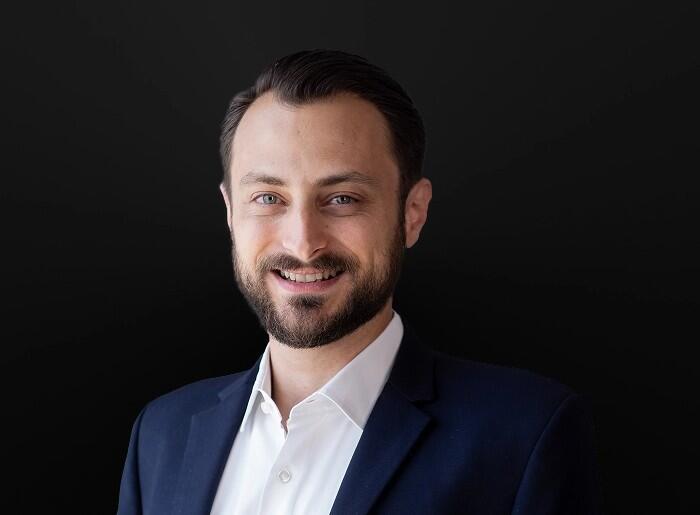
Itamar Sivan and the art of being on time
He left for Paris the day after his military service ended. At Quantum Machines, the physicist turned founder is tackling a timing problem of a different order: getting quantum computers to work.

Ronen Lavi and the art of staying a little naive
After 24 years in intelligence, Ronen Lavi co-founded Navina and entered a business he had to learn from the ground up. His recurring question: when should a founder change course, and when should he keep going?
MAX Security closes the gap between knowing and going
A warning is useful only if someone can act on it. MAX Security connects geopolitical intelligence, local protection teams, and the unglamorous work of getting people home.
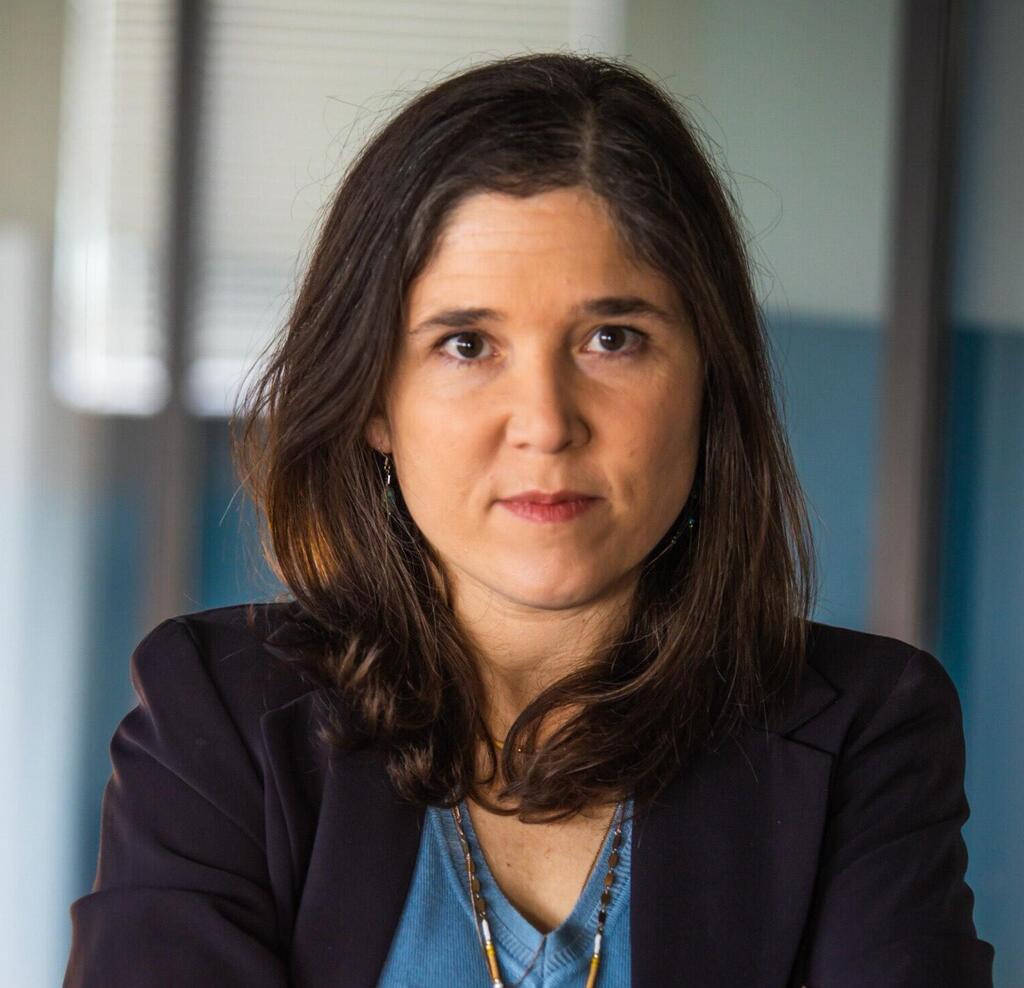
Lili Ben Ami and the problem of before
After her sister’s murder, Lili Ben Ami brought programmers, security specialists and women with lived experience into the same conversation. Her question was simple: what could they build before the next emergency?

Amit Birman and the business of letting go
After years of financing things that get built, Amit Birman took charge of Shikun & Binui. His next move was to ask which businesses the builder could afford to keep.

Mizrahi-Tefahot keeps a banker in the picture
Israel’s mortgage specialist built its pitch around a person you can reach. Its digital tools make that promise more interesting - and its history makes it worth examining.
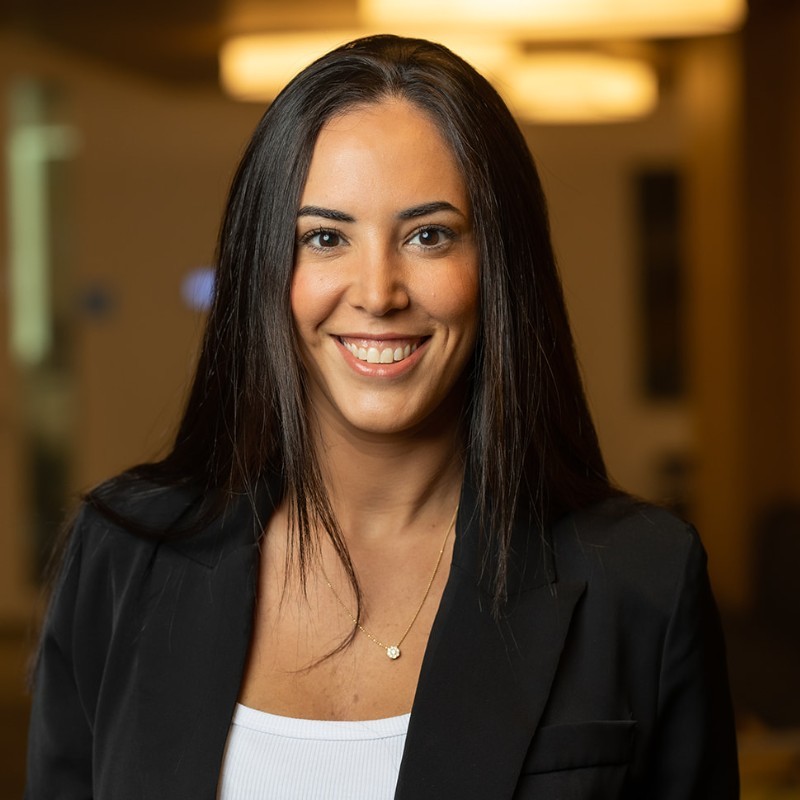
Keren Danziger and the things a prompt cannot buy
From Israeli investment houses to Pagaya’s AI lending network, Keren Danziger has worked where financial models meet human expectations. Her career puts an old question inside a new machine: how do you earn trust?

The builder that stays.
Shikun & Binui builds roads, homes and water infrastructure. Its most revealing projects come with a second job: keeping them working for decades.

Doron Cohen and the customers who changed the plan
He built Covercy to move money across borders. Real estate investors used it to show him a different business - and he followed their lead.
What if safety could stay at home?
Michal Sela Forum brings security experts, survivors and startup builders to the same problem: protecting women before the next attack. Its most revealing innovation is the connection between them.
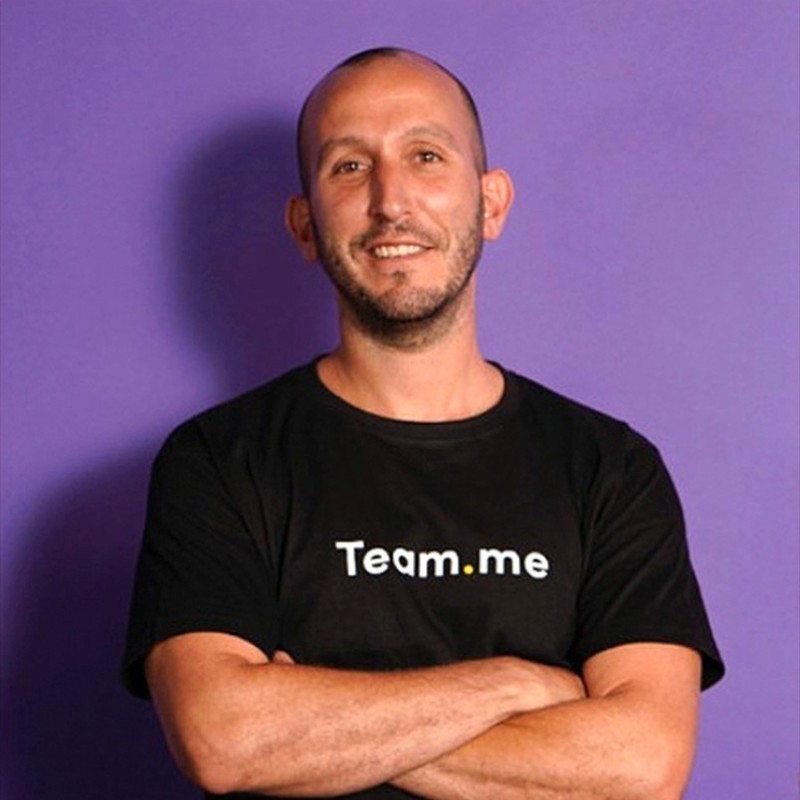
Yotam Tzuker and the value of a good introduction
A student meetup in Be’er Sheva became a career in bringing people together. From Tech7 to recruitment software, Yotam Tzuker keeps returning to the distance between having talent and getting through the door.
ICL Group: The value inside the rock
A fertilizer granule, a plant-based burger, a flame-resistant circuit board. ICL connects them through mineral chemistry - and a costly battery detour shows where that logic reaches its limits.
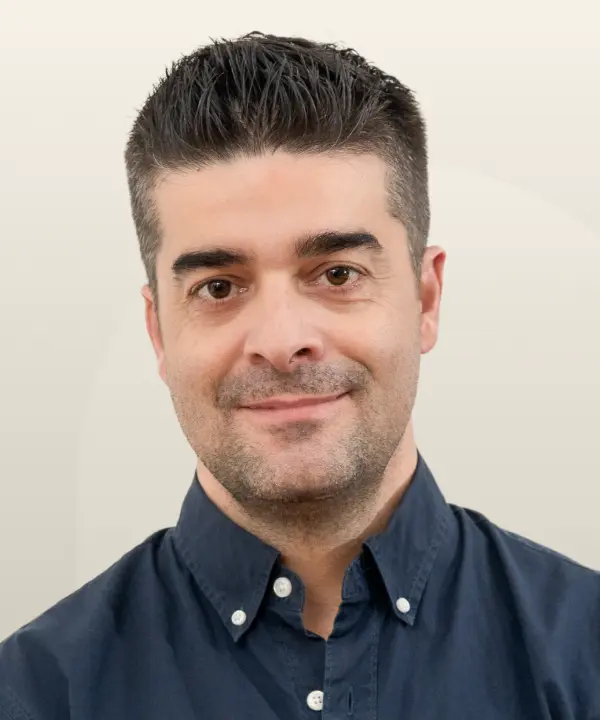
Israel (Srulik) Dvorsky’s education in starting small
Before he led TailorMed, Srulik Dvorsky nearly chose the saxophone and accepted an engineering assignment meant to last 50 hours. His career has kept returning to a practical question: what can you learn by getting close enough to the work?
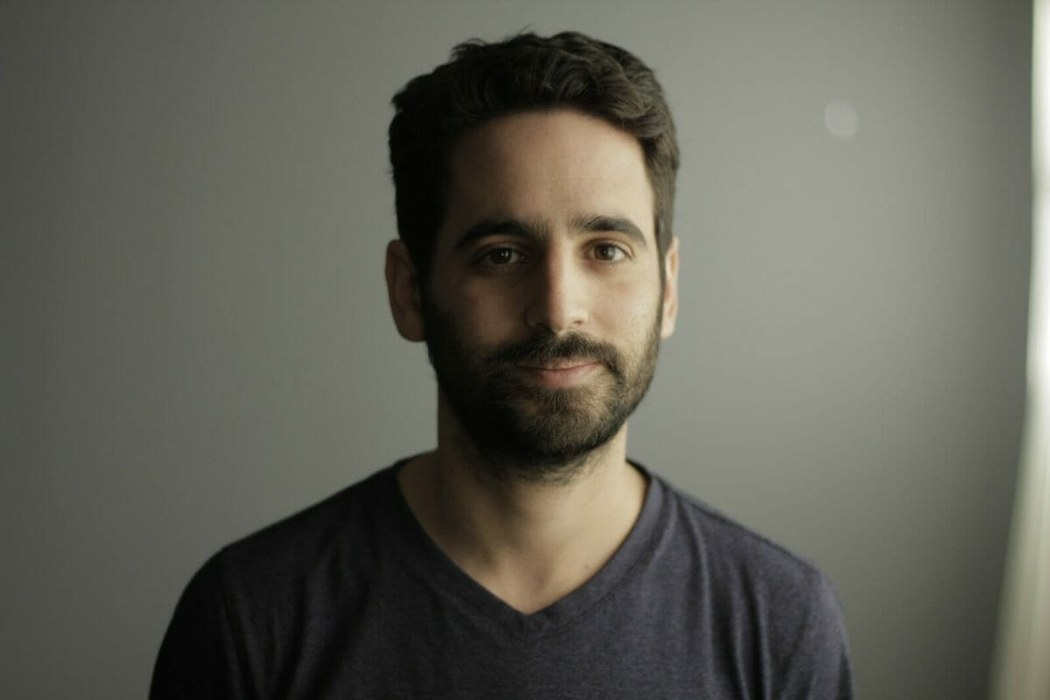
Ira Belsky and the Trouble With a Finished Film
He wanted better music for his videos. A decade after co-founding Artlist, Ira Belsky is still chasing the distance between the film in his head and the one he can actually make.
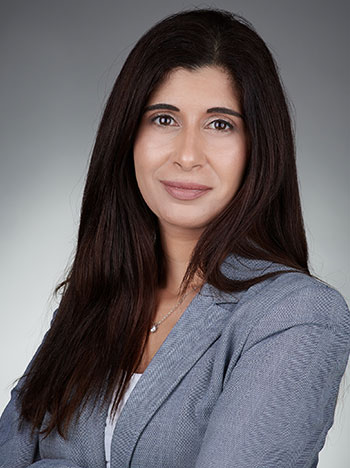
Lilach Geva Harel and the things that have to work
From the arguments inside a boardroom to the shipping lanes that feed farms, ICL’s deputy CEO has built a career around obligations, decisions and their consequences.

Elad Aharonson and the value of knowing what to grow
He spent years running unmanned-aircraft and intelligence businesses. At ICL, Elad Aharonson is applying a different kind of precision: expanding crop nutrition and food ingredients while deciding which ambitions to leave behind.
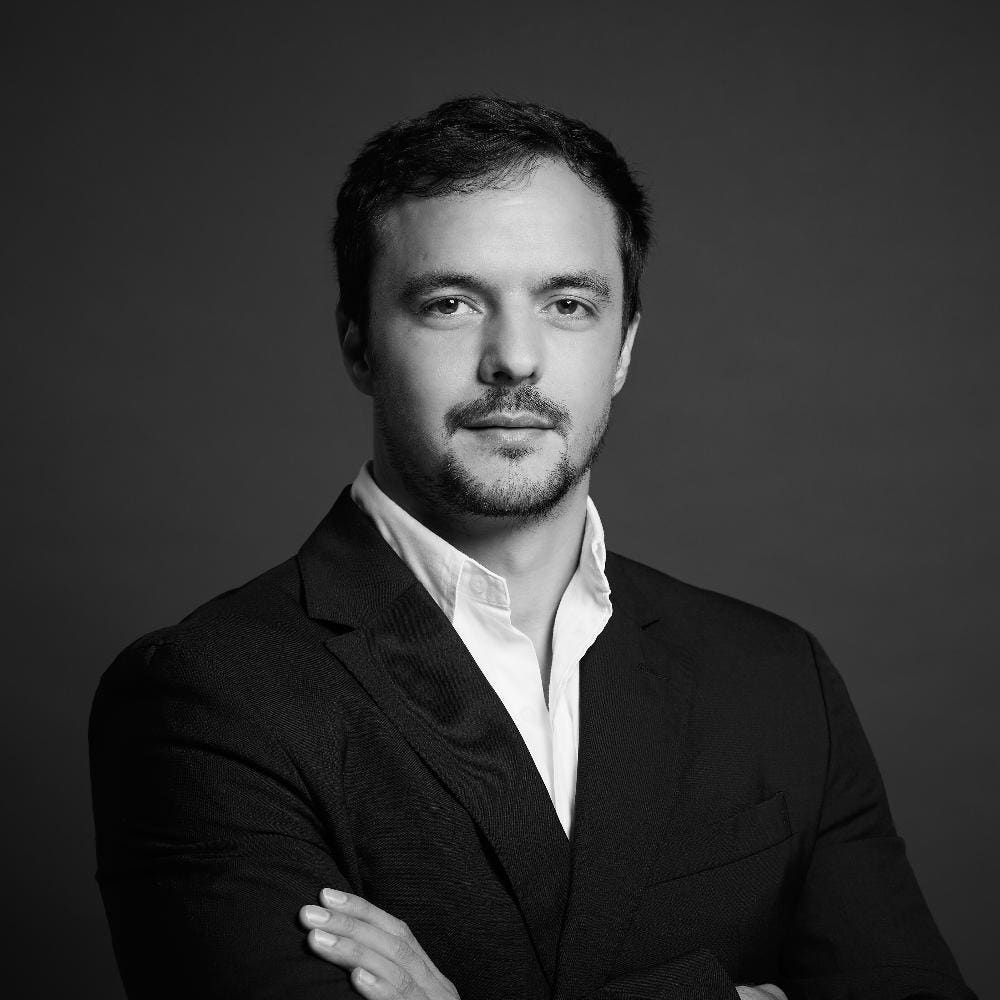
Lior Lamesh and the value of a locked door
A wallet vulnerability sent Lior Lamesh into business with Shahar Shamai. Two acquisitions later, their custody technology is helping Galaxy bring digital assets into the banking system.
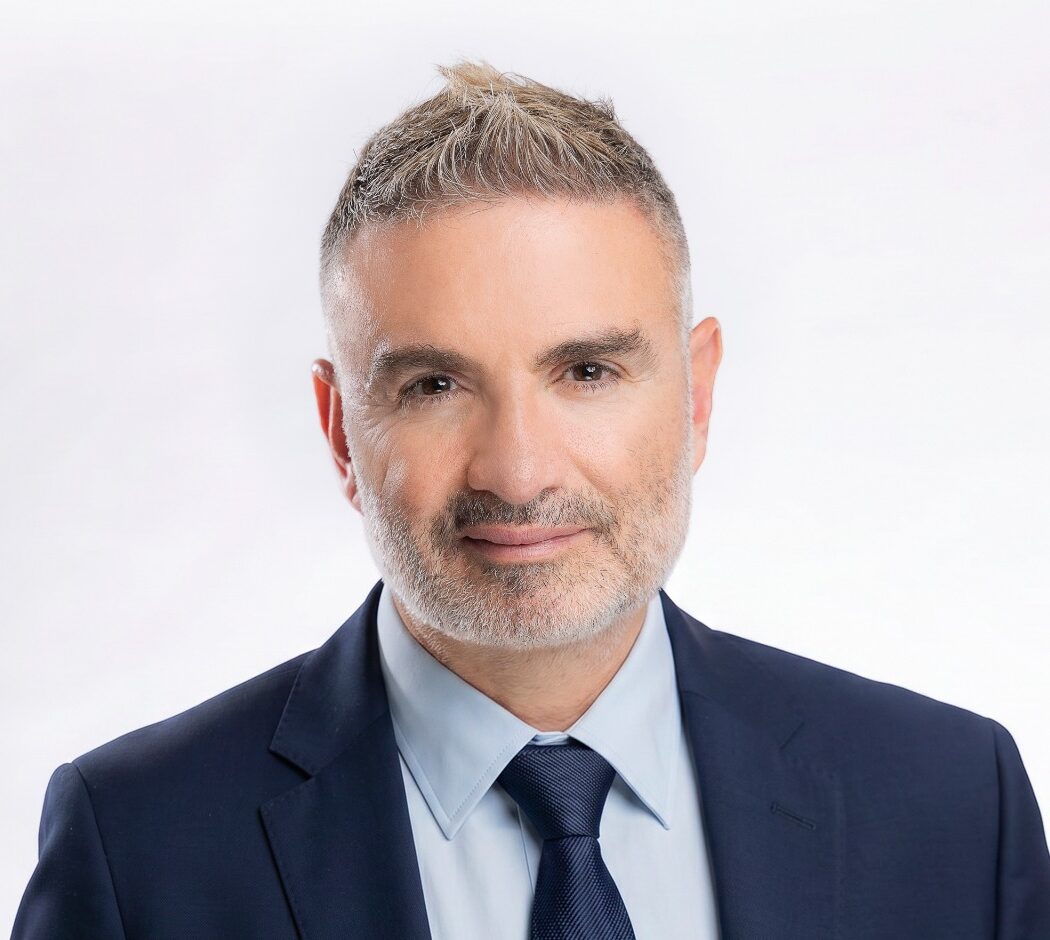
Oren Butansky and the art of starting at the bottom
After leading customer service at El Al, Oren Cohen Butansky joined AIG Israel as deputy CEO. His preferred introduction to a new industry involves the work its newest employees have to learn.

Yonatan Stern and the $25,000 lesson
Before Opster had finished software, Yonatan Stern wanted it to charge $25,000 a year. The ZoomInfo founder now teaches entrepreneurs to put paying customers at the beginning of the story.
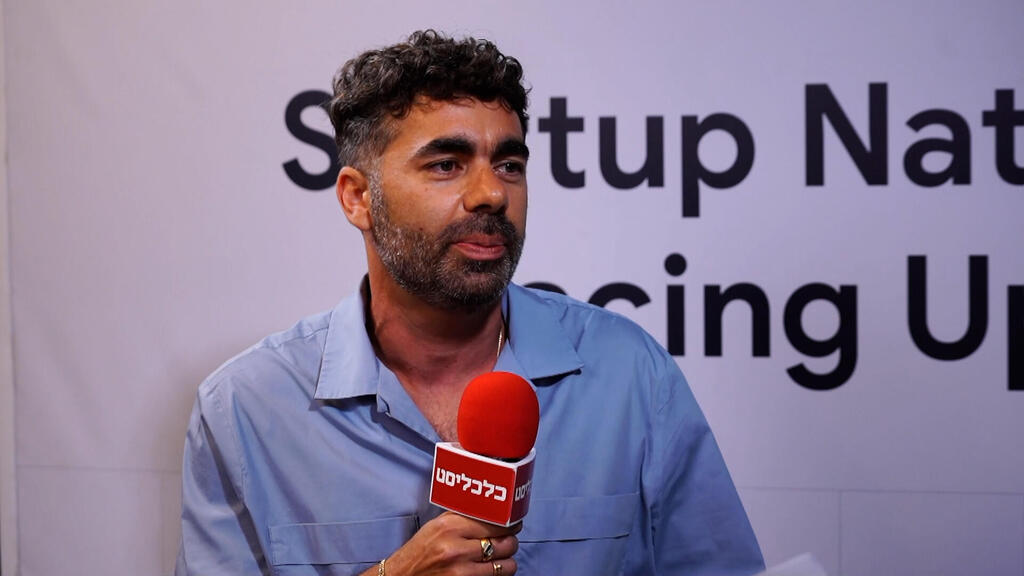
Itzik Elbaz and the art of getting out of the way
He helped turn a music-licensing problem into Artlist. Now Itzik Elbaz is betting that AI video needs more room for human decisions - even as it forces him to remake his own company.
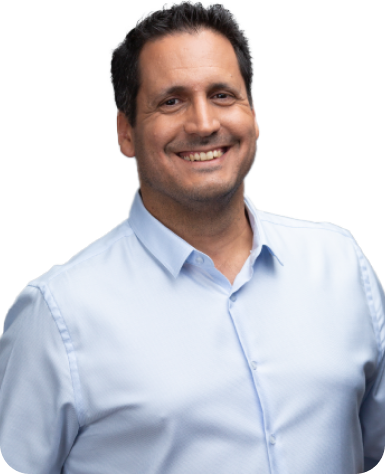
Eyal Elbahary and the Trouble After Yes
Before co-founding DealHub, Eyal Elbahary worked in pricing and enterprise software. His company has grown from a quoting tool into a business trying to keep the promise, the contract, and the bill in agreement.

Udi Dor and the Puzzle That Needed Another Player
A conversation over a Rubik’s Cube sent radio-frequency engineer Udi Dor into the toy business. At Particula, he keeps returning to the same question: what could a familiar object do if it knew how you were playing?
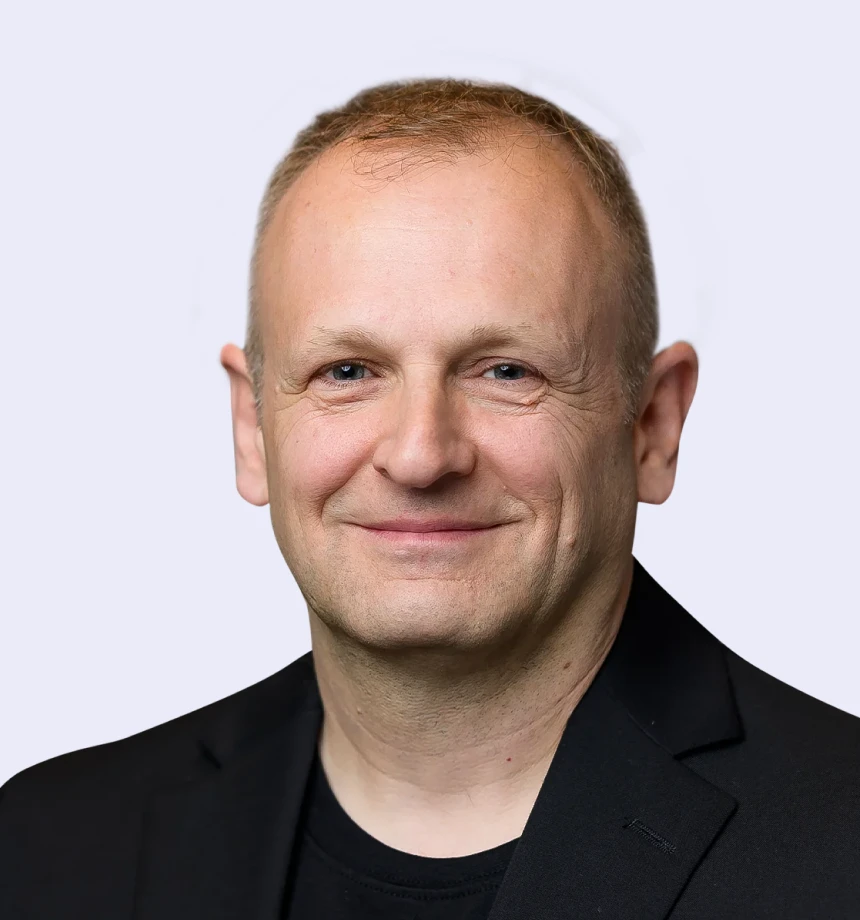
Emmanuel Benzaquen and the business of staying
He helped turn Checkmarx from a two-person venture into a $1.15 billion software-security company. For Emmanuel Benzaquen, the more revealing ambition was to build something that would last.