customer-data-platform
(65)
HMA wants hotels to remember who already checked in
A hotel can collect thousands of guest records and still struggle to recognize a returning customer. HMAº Intelligent Marketing has built its business around closing that gap, from cleaner databases to a better welcome.

Cordial and the art of earning the next email
The enterprise messaging company turns shopping signals into reasons to get in touch. Its most useful idea: a campaign should begin with something the customer did.
Celebrus wants to catch the customer before the click is history
The British software company turns live browsing behavior into marketing decisions and fraud signals. Its bet: the most useful customer data is the data you can act on before somebody leaves.

Dengage wants your customer data to earn its keep
The London company connects customer data to the messages people actually receive. Its retail and banking customers show why the useful work begins long before anyone presses send.

Mapp Bought the Missing Pieces. Now It Wants to Make Marketing Less of a Guess.
Mapp’s pitch is blunt: your customer data should not live in one tool while your campaigns live in six others. Its answer is a merger-built marketing cloud - now sharpened with fashion-specific AI - that tries to turn a shopper’s scattered signals into the next useful action.

Grace Bacon Is Teaching AI to Remember the Customer
After a career spanning Quartz, Showpad, and BlueConic, Grace Bacon has arrived at a useful conviction: faster marketing means little if the machine has forgotten the person.

Redpoint Global’s 20-Year Bet: Fix the Customer Record Before You Ask AI to Use It
Most customer-data vendors promise a smarter message. Redpoint starts one floor lower - with the misspelled name, duplicate household and stale transaction that can quietly wreck the model above it.
BlueConic Spent 15 Years Teaching Brands Who Their Customers Are. Now It Wants the Machine to Make the Next Move
The Dutch-born customer data platform built its name unifying messy first-party data. With Jebbit, Blueshift and a new crop of AI agents, BlueConic is betting that the next valuable layer is not another dashboard - it is the decision made while the customer is still there.

Karen Wood Spent 15 Years Teaching Machines to See Customers. Then AI Changed the Assignment.
The Treasure AI CMO began with creative writing, built a career translating complicated software, and arrived at a useful answer to the AI frenzy: keep learning, keep testing, and distrust anyone who claims the map is finished.

Zeta Global Threw Away Two-Thirds of an Acquisition - and Kept the Piece That Built a $1.3 Billion Machine
The company began by buying customers for brands. Then it bought a software business, sold most of it, and discovered the platform it wanted to become. Now Zeta is asking CMOs to swap a messy stack for one data-and-AI operating system.

Acoustic Inherited IBM’s Marketing Cloud. Now It Wants Marketers to Escape the Legacy Stack.
Born from an IBM carve-out, Acoustic is rebuilding a collection of veteran marketing tools around one sharp idea: the system that spots customer intent should also be able to act on it. The hard part is proving that a legacy inheritance can become the cure for legacy martech.

Karen Stephens Took the Scenic Route to the C-Suite
Before Karen Stephens sold hotel software, she taught French and sang in a Midtown Sacramento rock band. Her route to Revinate's C-suite is a study in useful detours, listening first, and letting talented people become stars.

Tillster Bet the Restaurant Would Become Software. Now It Quietly Runs 180 Million Orders a Year.
The Los Angeles company spent two decades turning the humble order screen into a commerce engine. Its real trick is less visible: making kiosks, apps, loyalty, delivery and aging restaurant systems behave like one machine.
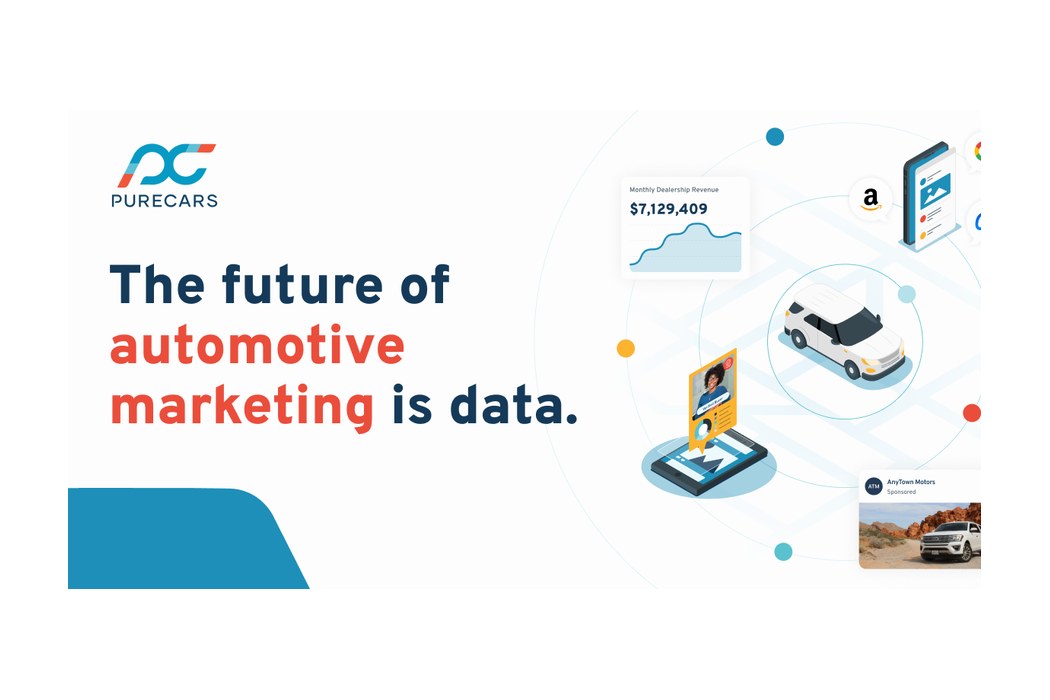
PureCars Found a $250 Million Blind Spot in the Dealership Ad Budget
Car dealers do not lack data; they lack a clean way to act on it. PureCars built a business by connecting the messy records in the dealership basement to the ads, messages and appointments happening upstairs.

Your CDP Choice Is Really a Bet on Who Owns the Stack
Segment and mParticle can both move customer data. The sharper question is whether your team values Twilio-native momentum or the leverage to keep its activation stack contested.
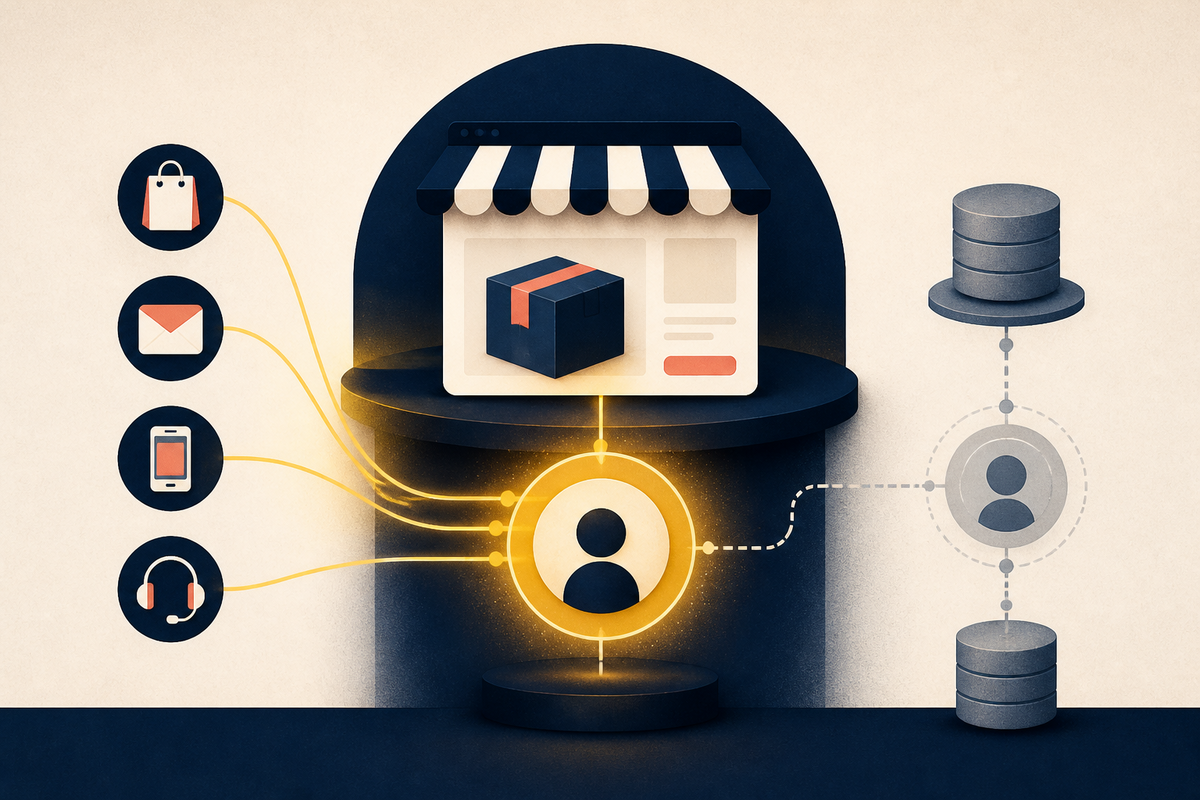
Your Ecommerce Brand Probably Doesn’t Need a Separate CDP
Klaviyo now handles much of the customer-data work that once justified a standalone platform. For ecommerce teams, Segment should solve a specific data problem - not satisfy a vague fear of missing infrastructure.

WebFX Nearly Drowned in Web Design. Then It Built a Machine to Prove Marketing Pays.
A $3 bank balance taught founder William Craig that beautiful websites do not make a durable business. Three decades later, WebFX sells the operating system he wished he had - people, process, and software tied to revenue.
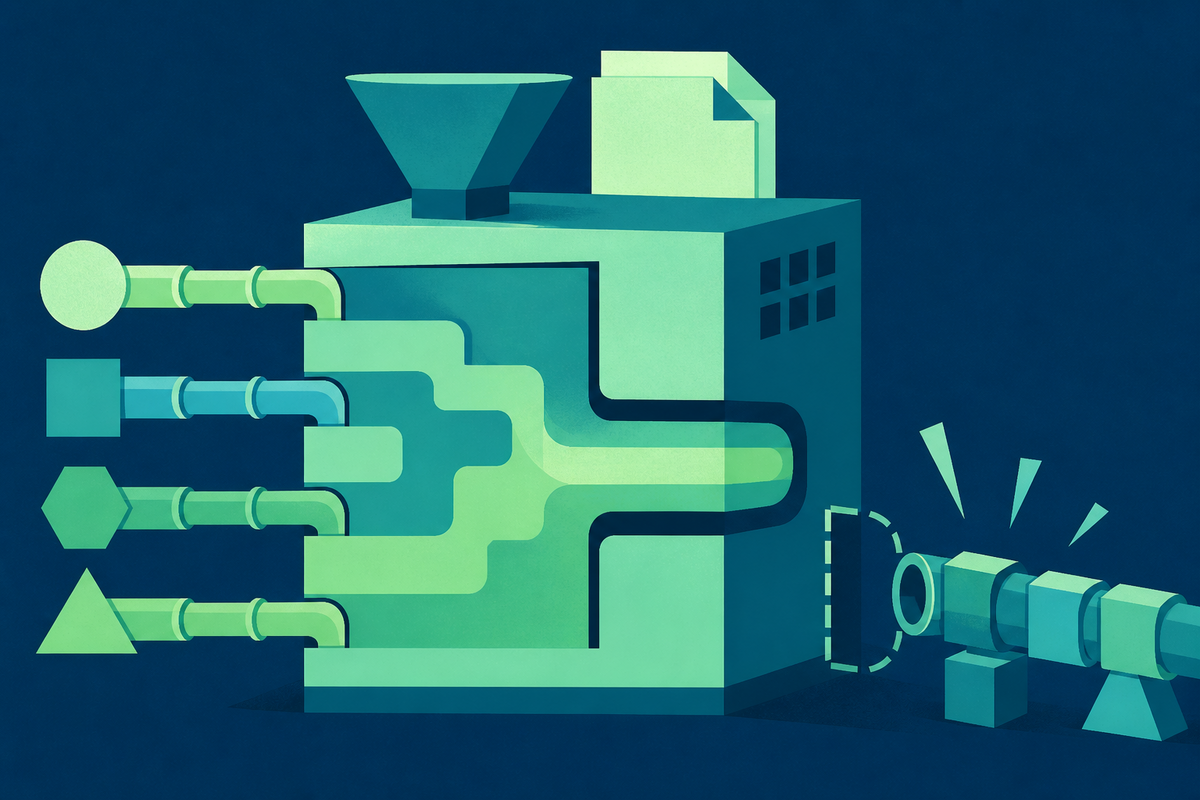
Adobe’s Bundle Is Coming for Segment’s Seat
Adobe can now pitch Marketo Engage and Real-Time CDP as one connected Experience Cloud decision. For teams already paying for Marketo, Segment’s next renewal becomes a referendum on independence itself.
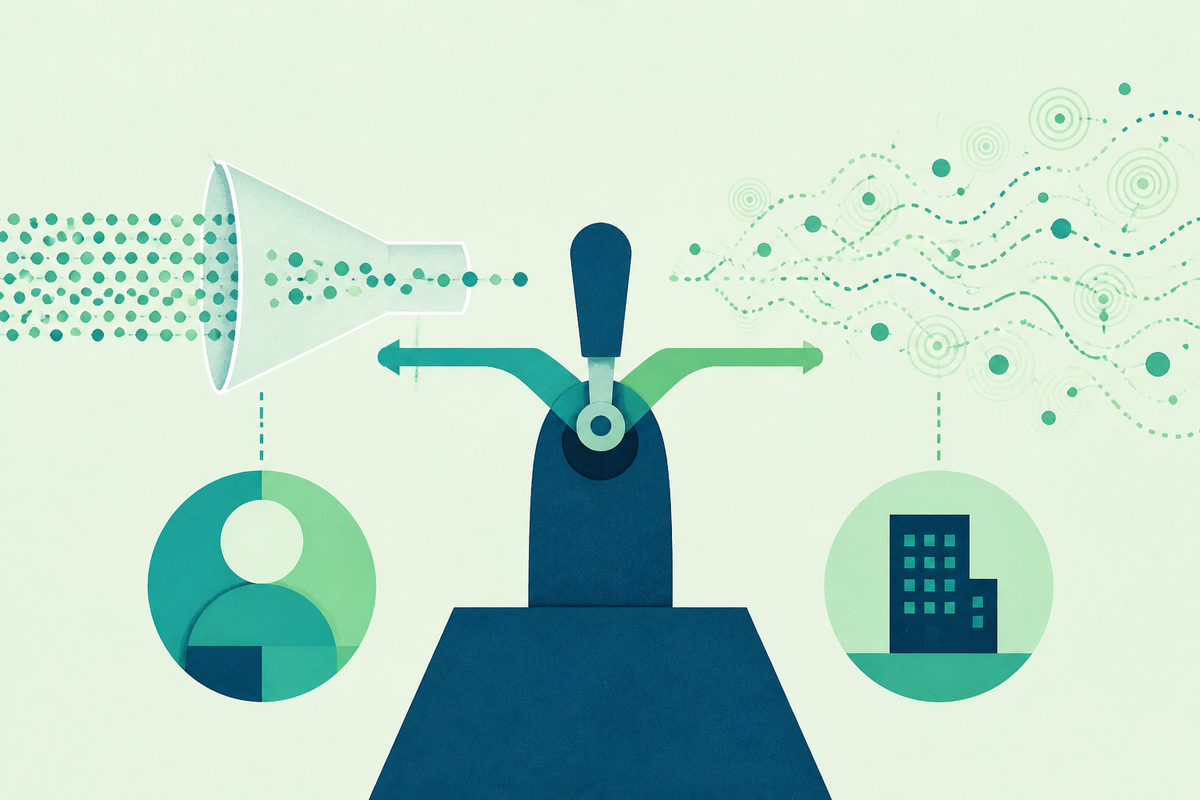
The RevOps Signal You Should Buy First
Segment records what people do in your world. 6sense looks for companies researching beyond it. If the budget allows only one, the right purchase depends on which blind spot is costing you revenue now.

Braze Is Quietly Making Your CDP Optional
Braze built Currents to stream engagement data out of its platform. Now its Data Platform ingests, enriches and activates events natively, and marketers are asking whether Segment is still worth a second bill.
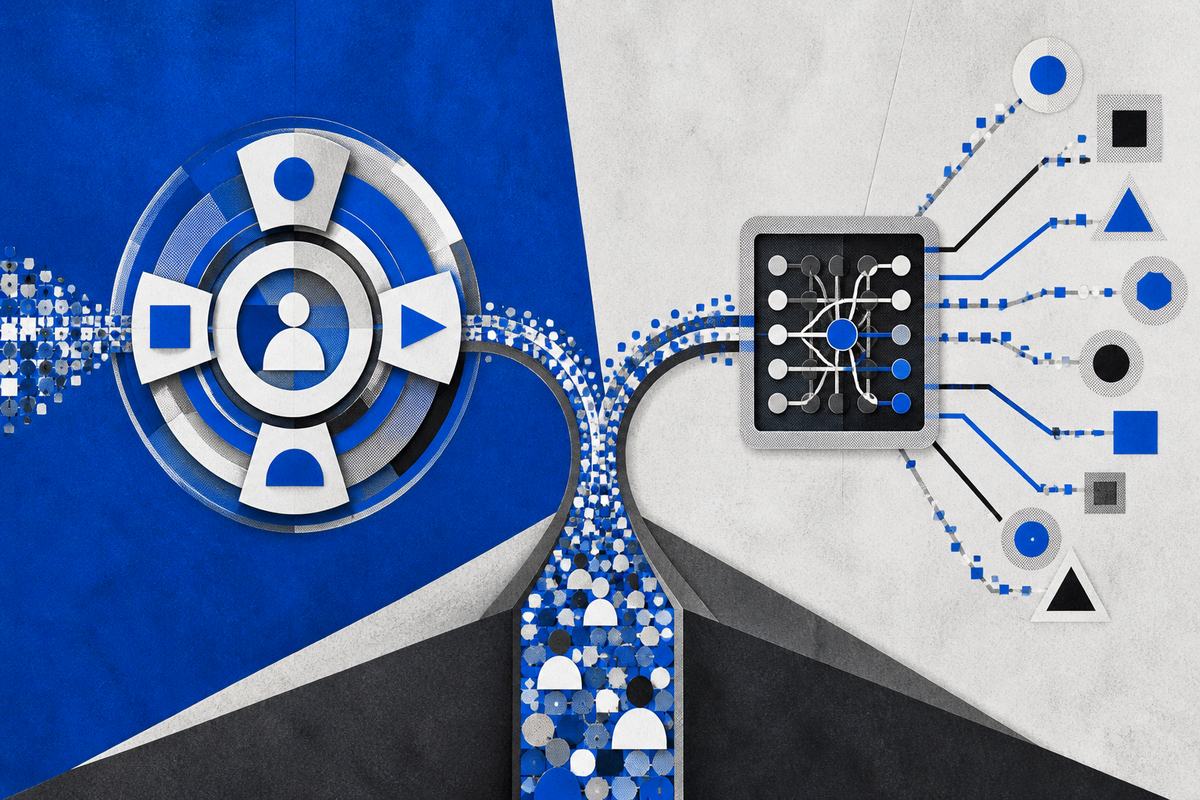
The Customer Data Fork Hidden Inside Your Stack
Segment and mParticle both promise clean, portable customer data. The consequential difference is where each product puts gravity: inside Twilio’s engagement suite or between the many tools you may want to keep.

Bloomreach Wants to Be the Brain Behind Every Shopping Cart
The company that began by fixing bad search results now wants to coordinate every digital conversation between a brand and a shopper. Its wager is that the best commerce AI will know the catalog, the customer, and the merchant's rules at the same time.

The Company Keeping 1.9 Billion Shoppers From Becoming Strangers
Every purchase leaves a clue. Capillary Technologies turns billions of those scattered signals into loyalty programs that can recognize a shopper, choose a reward and act before the relationship goes cold.

Rekha Srivatsan Makes Enterprise Data Feel Human
The engineer-turned-marketer has spent two decades learning how to translate complex technology into stories people can use. Now, as CMO of Salesforce Data 360, she is putting trust, participation and human judgment at the center of the AI-data conversation.

Courtney Keating Wants to Make Data Feel Human
The CMO of Acxiom spent twenty years in mortgages, fintech and real estate learning to translate complicated things into plain language. Now she runs the brand at one of the most data-heavy companies in marketing.

Treasure AI
Treasure Data spent 15 years teaching enterprises to recognize a customer across a maze of systems. Now, under a new name, it wants governed AI agents to turn that memory into action - without asking marketers to babysit another dashboard.
Easyrewardz Software Services
The Gurugram software company has spent more than a decade turning scattered purchases, messages and complaints into a single customer story - then helping brands decide what to do next.

Insider One
Insider One wants to replace the marketer's cluttered tool belt with one operating system - a wager that unified data, a dozen-plus channels and autonomous agents can make customer engagement feel less like campaign assembly.
The Machinery Behind Every Bill, Text, and Postcard You Get
Optimove, Twilio, Lob, Newgen, Windward, and Experlogix rarely land on the same slide. Yet they are all fighting one quiet war - turning a row in a database into a message you actually open.

Planhat
The Swedish company spent seven years bootstrapping a customer platform before the venture money arrived. Now it wants software agents and the humans who run accounts to work off the same page.