customer-data-platform
(44)
HMA wants hotels to remember who already checked in
A hotel can collect thousands of guest records and still struggle to recognize a returning customer. HMAº Intelligent Marketing has built its business around closing that gap, from cleaner databases to a better welcome.

Cordial and the art of earning the next email
The enterprise messaging company turns shopping signals into reasons to get in touch. Its most useful idea: a campaign should begin with something the customer did.
Celebrus wants to catch the customer before the click is history
The British software company turns live browsing behavior into marketing decisions and fraud signals. Its bet: the most useful customer data is the data you can act on before somebody leaves.

Dengage wants your customer data to earn its keep
The London company connects customer data to the messages people actually receive. Its retail and banking customers show why the useful work begins long before anyone presses send.
Mapp Bought the Missing Pieces. Now It Wants to Make Marketing Less of a Guess.
Mapp’s pitch is blunt: your customer data should not live in one tool while your campaigns live in six others. Its answer is a merger-built marketing cloud - now sharpened with fashion-specific AI - that tries to turn a shopper’s scattered signals into the next useful action.

Redpoint Global’s 20-Year Bet: Fix the Customer Record Before You Ask AI to Use It
Most customer-data vendors promise a smarter message. Redpoint starts one floor lower - with the misspelled name, duplicate household and stale transaction that can quietly wreck the model above it.

BlueConic Spent 15 Years Teaching Brands Who Their Customers Are. Now It Wants the Machine to Make the Next Move
The Dutch-born customer data platform built its name unifying messy first-party data. With Jebbit, Blueshift and a new crop of AI agents, BlueConic is betting that the next valuable layer is not another dashboard - it is the decision made while the customer is still there.

Zeta Global Threw Away Two-Thirds of an Acquisition - and Kept the Piece That Built a $1.3 Billion Machine
The company began by buying customers for brands. Then it bought a software business, sold most of it, and discovered the platform it wanted to become. Now Zeta is asking CMOs to swap a messy stack for one data-and-AI operating system.

Acoustic Inherited IBM’s Marketing Cloud. Now It Wants Marketers to Escape the Legacy Stack.
Born from an IBM carve-out, Acoustic is rebuilding a collection of veteran marketing tools around one sharp idea: the system that spots customer intent should also be able to act on it. The hard part is proving that a legacy inheritance can become the cure for legacy martech.
Tillster Bet the Restaurant Would Become Software. Now It Quietly Runs 180 Million Orders a Year.
The Los Angeles company spent two decades turning the humble order screen into a commerce engine. Its real trick is less visible: making kiosks, apps, loyalty, delivery and aging restaurant systems behave like one machine.
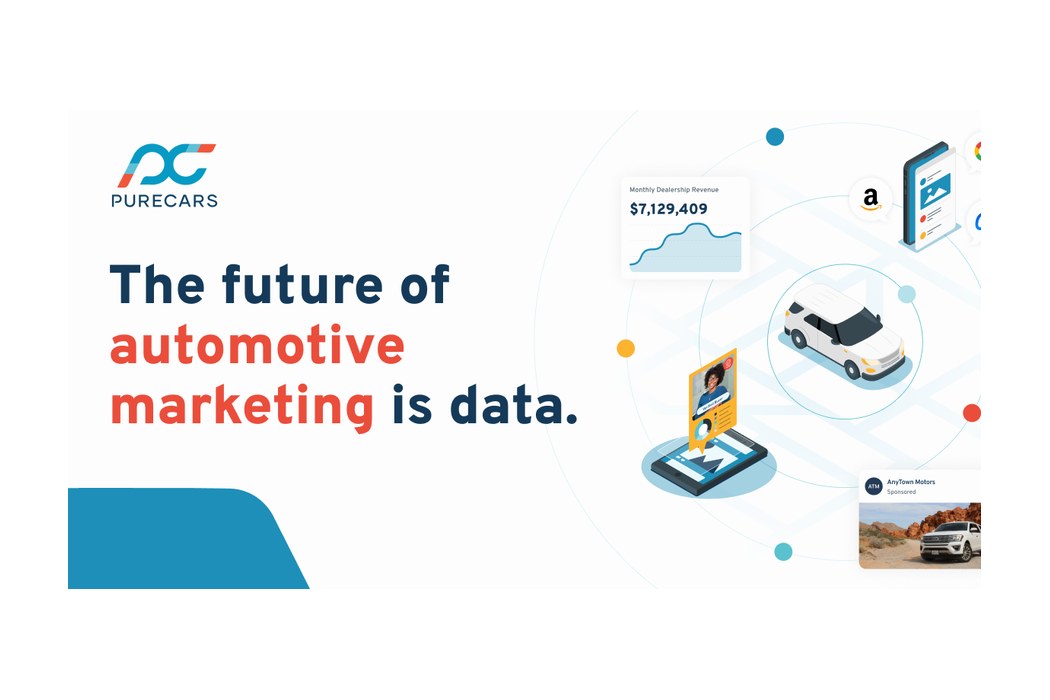
PureCars Found a $250 Million Blind Spot in the Dealership Ad Budget
Car dealers do not lack data; they lack a clean way to act on it. PureCars built a business by connecting the messy records in the dealership basement to the ads, messages and appointments happening upstairs.

WebFX Nearly Drowned in Web Design. Then It Built a Machine to Prove Marketing Pays.
A $3 bank balance taught founder William Craig that beautiful websites do not make a durable business. Three decades later, WebFX sells the operating system he wished he had - people, process, and software tied to revenue.

Bloomreach Wants to Be the Brain Behind Every Shopping Cart
The company that began by fixing bad search results now wants to coordinate every digital conversation between a brand and a shopper. Its wager is that the best commerce AI will know the catalog, the customer, and the merchant's rules at the same time.
The Company Keeping 1.9 Billion Shoppers From Becoming Strangers
Every purchase leaves a clue. Capillary Technologies turns billions of those scattered signals into loyalty programs that can recognize a shopper, choose a reward and act before the relationship goes cold.

Treasure AI
Treasure Data spent 15 years teaching enterprises to recognize a customer across a maze of systems. Now, under a new name, it wants governed AI agents to turn that memory into action - without asking marketers to babysit another dashboard.
Easyrewardz Software Services
The Gurugram software company has spent more than a decade turning scattered purchases, messages and complaints into a single customer story - then helping brands decide what to do next.

Insider One
Insider One wants to replace the marketer's cluttered tool belt with one operating system - a wager that unified data, a dozen-plus channels and autonomous agents can make customer engagement feel less like campaign assembly.

Planhat
The Swedish company spent seven years bootstrapping a customer platform before the venture money arrived. Now it wants software agents and the humans who run accounts to work off the same page.
Optimove
The Israeli-born CRM marketing company spent a decade teaching brands to talk to customers one at a time. Now it wants to dissolve the marketing org chart entirely.
Customer.io
How a lunch-break side project for developers turned into a $100M messaging engine trusted by Notion, Buffer, and thousands of other data-driven teams.
Bonat
The Riyadh startup that turns a coffee-shop punch card into a data engine - and just raised $6 million to teach every merchant in the Gulf how to keep a customer.
Churned
Predictive AI built to prevent churn for high-volume subscriptions. Churned tells you exactly which subscribers are about to leave, what to offer them, and triggers the action automatically.

Lexer
Lexer is a Customer Data and Experience Platform (CDXP) built for retail and consumer brands. It unifies fragmented data from ecommerce, in-store, loyalty, email and SMS into a single customer view, then layers on analytics, predictive intelligence and activation so marketing, sales and service teams can understand and engage customers in a personalized way. Founded in Melbourne in 2010 and now used by 150+ brands including The Iconic, Rip Curl, Zimmermann and Quiksilver, Lexer positions itself as a retail-specialized alternative to horizontal enterprise CDPs.
Lucidya | لوسيديا
Lucidya is a Riyadh-based, AI-native customer experience management (CXM) platform built for Arabic-speaking markets. Using a proprietary Arabic NLP engine that understands 15+ dialects with roughly 92% sentiment accuracy, it unifies social listening, media monitoring, surveys, customer profiles and omnichannel support into a single system, and now deploys autonomous AI agents for customer-facing roles. Founded in 2016 by Abdullah Asiri and co-founders, the company serves enterprises and governments across the MENA region and in 2025 raised a $30M Series B, one of the largest AI funding rounds in Saudi Arabia.

Bikky
Bikky is a customer data platform built exclusively for large, multi-unit restaurant brands. It unifies data from point-of-sale systems, online ordering, payments, and loyalty programs into a single guest view, letting operators measure how every marketing, menu, and operational decision affects guest behavior, frequency, and lifetime value. Founded in 2017 and based in New York City, Bikky serves brands like Bojangles, Dave's Hot Chicken, MOD Pizza, and Robeks across thousands of locations.
Hang
Hang is a New York-based software company building an AI-powered marketing and loyalty platform for consumer brands. Marketed as 'the autonomous marketing system,' Hang replaces static points programs with personalized, gamified rewards - branded minigames, dynamic quests and 1:1 offers - alongside self-cleaning customer data, smart segments and AI-driven campaigns. It launched in 2022 as an NFT-powered membership platform backed by a $16M Series A from Paradigm, then repositioned around AI and now serves restaurant, beauty, apparel and e-commerce brands such as Just Salad, Jeni's, Boba Guys and Hattie B's.

Leadspace
Leadspace is a B2B data intelligence company that unifies buyers, accounts, and buying signals into a single continuously updated data layer for go-to-market teams. Its GTM Data Intelligence Cloud enriches, scores, and activates data across CRM and marketing systems like Salesforce, Marketo, and HubSpot, helping sales and marketing teams find, segment, and prioritize their ideal customers. Founded in 2007 and backed by Jerusalem Venture Partners, the company has raised roughly $111M and counts enterprises such as Salesforce, Zoom, and American Express among its customers.

Total Expert
Total Expert is a Minnesota-based fintech company that builds a purpose-built customer engagement platform for banks, credit unions, mortgage lenders, insurance and wealth firms. Founded by Joe Welu in 2012, its CRM, marketing automation and AI-driven customer intelligence tools help financial institutions unify borrower data, spot lending opportunities in real time, and guide customers across financial milestones. It serves more than 200 financial institutions, including 15 of the top 25 U.S. banks and lenders.
Twilio
Twilio is a cloud communications company that gives software developers programmable APIs to add messaging, voice, email, video, and authentication to their applications. Founded in 2008 and headquartered in San Francisco, it has grown from a pay-as-you-go SMS and voice API into a broad customer-engagement platform that pairs those channels with Segment's customer data platform and a growing set of AI-driven tools. Twilio is publicly traded on the NYSE under the ticker TWLO and serves developers and enterprises across nearly every industry.

GrowthLoop
GrowthLoop is an agentic, composable customer data platform (CDP) that runs directly on a company's cloud data warehouse - Snowflake, BigQuery, Databricks or Redshift - so marketing teams can build audiences, orchestrate journeys, and measure results without copying data into a separate system. Formerly Flywheel Software, the company pitches a 'Compound Marketing Engine' that pairs a no-code, drag-and-drop audience builder with AI 'Growth Agents' that suggest segments, build journeys, and optimize campaigns. It serves large enterprises including Ford, Costco, Albertsons, NerdWallet and major sports organizations.