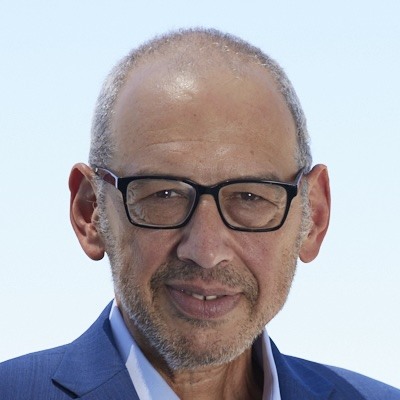
While running Beyond Finance - a debt settlement company he had built into a top-two national operation - Itzik Cohen started noticing something in his enrollment data. Medical debt was growing faster than any other category. Not credit cards. Not auto loans. Medical bills.
Most people in that position would file it as a market insight and move on. Cohen founded PayZen.
That pattern - see the signal in the numbers, act on it directly - runs like a wire through everything Cohen has built. At WebEx, he was reading the early geometry of internet communications and staking his career on video calls before they were obvious. At Prosper, he was building peer-to-peer lending infrastructure when consumer fintech was still a novelty. At Beyond Finance, he was automating debt settlement workflows that were still being run by call centers. Each stop sharpened a specific instrument. By the time he sat down to design PayZen in late 2019, he had a full orchestra.
PayZen's premise sounds almost too clean: patients get interest-free, AI-underwritten payment plans for medical bills. Providers collect more - 30 to 35% more - because the plans are designed around what patients can actually pay, not what the billing department hopes they will. The company takes a percentage of collections. Nobody charges the patient interest. Nobody sells the debt.
We never charge interest, we never charge fees from the patients.
- Itzik Cohen, Co-Founder & CEO, PayZenThe platform integrates directly with EMR and EHR systems - Epic MyChart and others - so the patient experience is embedded in the healthcare workflow, not bolted on afterward. AI underwriting models assess individual financial capacity in real time, generating plans that are personalized rather than standardized. The result is high enrollment, high repayment, and high NPS scores in a domain usually associated with the opposite of all three.
In August 2024, NEA led a $232 million round - $32 million equity plus a $200 million credit facility - that brought PayZen's total capital raised to $452 million. The round was oversubscribed and highly competitive. Mohamad Makhzoumi of NEA joined the board. Existing investors 7wireVentures, SignalFire, and Viola Ventures all recommitted.