event-planning
(26)
The Agency Built Like a Shock Absorber
Most agencies sell attention. CMA Results also runs associations and stages the rooms where industries meet - a deliberately odd mix that has helped it weather nearly four decades of changing media.

VaynerSpeakers and the Price of the Wrong Voice
A famous name can fill a ballroom and still miss the room. VaynerSpeakers built a business around the uncomfortable gap between booking attention and choosing the person an audience actually needs.

The Little Agency That Buys a Very Big Megaphone
A compact Charleston shop has learned to make statewide campaigns feel local, turn media buying into measurement, and treat a collapsing building as a scheduling problem.

The Famous Person Is Not the Product
Worldwide Speakers Group sells famous voices. Its real product is quieter: fewer unanswered emails, fewer travel surprises, and a Plan B before the ballroom doors open.

PROFILES Put One Restaurant Online. Then the Rest of the Chain Followed.
A Baltimore PR shop used one local restaurant as a social-media laboratory, then watched the experiment travel. Thirty-five years after its founding, PROFILES still works the same way: close enough to touch the assignment, broad enough to move the story.

The Gemini Group knows who needs to be in the room
A Stanley Cup tour, a Wrigley Field campaign, a city’s press desk. The Chicago communications firm turns public relations into the practical business of showing up.
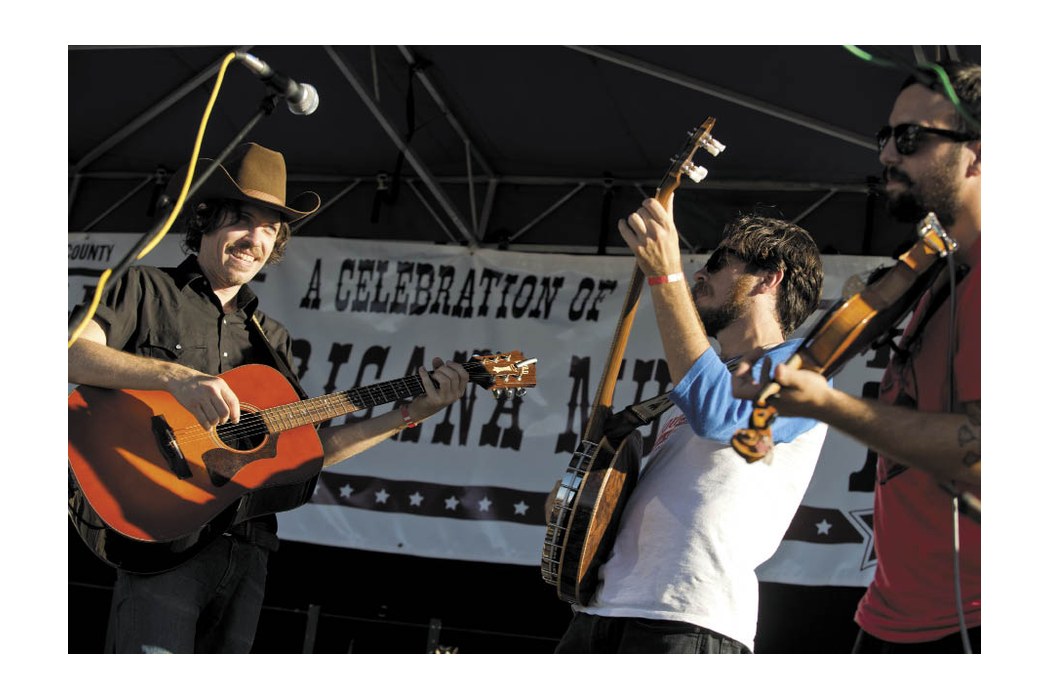
The benefit concert begins with a low-backed chair
Event Planning & Marketing Communications built its public identity around EarleFest, an Americana fundraiser. The interesting work happened where the music, the message and the folding chairs met.

Cross Marketing PR knows who should be in the room
A San Francisco agency connects luxury brands, local audiences, and philanthropy. Its story turns on a deceptively practical question: what should happen after the guests arrive?

AMG Media knows the value of a room worth talking about
The Irvine agency combines public relations, travel publishing and special events. Its most interesting work puts a brand close enough to taste, try or talk about.

Penelope Design gives the fairy tale a floor plan
A Los Angeles family studio turns weddings and quinceañeras into themed worlds. Behind the flowers sits a practical offer: someone to make the design, the budget, and the people work together.

Urban Unity bets on the second invitation
The Los Angeles agency puts repeat creator relationships at the center of its marketing. Its work connects the social feed, the showroom and the people who make a brand worth talking about.

Agency 398 puts the real world on the syllabus
At CSU Northridge, a student-run PR agency gives nonprofits a communications team and students a client to answer to. The exchange is more interesting than the usual promise of “hands-on experience.”

KSP Entertainment puts casting and catering on the same call sheet
The Los Angeles entertainment company advertised a strikingly broad brief: find the talent, support the production, and help get it noticed. Its service list offers a useful way to think about the work between the spotlight and the schedule.

Caterman sells lunch. The real order is peace of mind.
From office lunches to wedding buffets, the San Jose caterer sells a practical promise: food shaped around the guests, and someone else watching the clock.

Tori Ayres Makes the Invisible Work Visible
Seven years of President's Club trips, a climb through Alkami's sales-support ranks, and one career built around the details everyone notices only when they go wrong.

Monica Eads Makes the Big Room Move
Her job lives in the gap between a leader's ambition and a team's Monday morning. After two decades of making plans hold, Monica Eads is taking that operating instinct on a 100-kilometer walk across Spain.
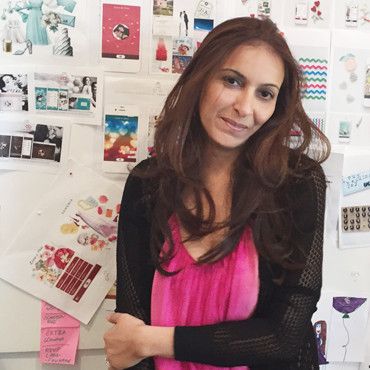
Sharmeen Mitha-Sehgal Put the Wedding Invitation in Everyone's Pocket
An art director watched wedding logistics spill across Facebook and saw a design problem. Her answer became a private, coordinated home for the invitation, the itinerary and every guest with a phone.

Tagvenue vs HeadBox vs Hire Space Isn’t One Contest
Three venue-booking platforms can look interchangeable until the brief gets real. The smartest choice depends on whether you want to search for yourself, hand the job to an enterprise partner or lean on a human concierge.

Tagvenue
Tagvenue is a free-to-use online marketplace for booking event venues, connecting event planners, companies and private hosts with more than 20,000 verified spaces across the UK, US, Canada, Australia, Singapore and Ireland. Founded in London in 2015 by Lancaster University friends Maksims Kondratjuks and Artur Stepaniak, it lets people search, compare and enquire about everything from meeting rooms and restaurants to boats, galleries and converted churches - and only charges venues a commission when a booking is confirmed.
HXE (Huixiaoer)
HXE (Huixiaoer) is a Beijing-based MICE technology platform that lets companies search, compare and book hotel conference rooms, meeting venues and event services online. Marketed globally as Eventbest, it aggregates 150,000+ hotels and event venues, has served more than 400,000 corporate clients, and partners with major hotel groups including Marriott, Hilton, IHG, Shangri-La, Wyndham and Langham. HXE turns a traditionally offline, quote-by-phone procurement process - meetings, conferences, incentive trips and group business travel - into a one-stop digital marketplace covering venue data, price comparison, catering, accommodation and logistics.
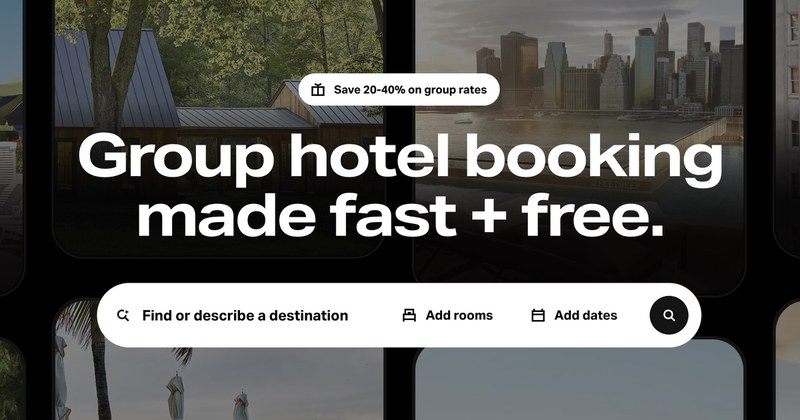
Marco Experiences
Marco Experiences is a San Francisco startup that turns the miserable job of booking a company offsite into something closer to a search box. Its AI scans 4,000-plus vetted hotels, negotiates group rates 20-40% below retail, and lets teams book rooms, meeting space, and meals with no phone calls, contracts, or service fees. Founded in 2019 by Suman Siva and Nick Freeman, Marco started life as a social-events product, pivoted through virtual experiences during the pandemic, and landed on group travel for distributed teams - now used by 5,000+ teams including Figma, Gusto, Ramp, and Notion.

Partiful
Partiful is a free event-planning platform built for the way people actually invite their friends: a link sent over text, a customizable invite page, and effortless RSVP tracking. Founded in 2019 by Palantir alumni Shreya Murthy and Joy Tao, the New York company turned the unglamorous chore of organizing a birthday or a housewarming into something people genuinely enjoy. It became a Gen Z staple, was named Google Play's Best App of 2024, landed on TIME's 2025 list of the 100 Most Influential Companies, and now reaches users in more than 100 countries.

Jenni Ellis
Jenni Ellis is the Executive Assistant to the CEO at CompScience, a San Francisco insurtech building AI control systems that aim to prevent one million workplace injuries by 2035. The right hand to founder Josh Butler, she runs the day-to-day machinery behind a fast-scaling, Series B startup. Before CompScience she logged operations and office-management time across some of the Bay Area's best-known tech names - Replicate, DoorDash, Instacart, and Dropbox - building a reputation as the steady operator who keeps founders and offices moving. Colleagues describe her as vivacious and enthusiastic, a natural leader who keeps tabs on the day-to-day flow of a business.

Shreya Murthy
Shreya Murthy is the cofounder and CEO of Partiful, the text-first party invitation app that became Gen Z's default way to gather. Launched in 2020 during pandemic lockdowns, the New York company has grown past millions of users, raised a $20M Series A led by Andreessen Horowitz, won Google's Best App of 2024, and landed Murthy on the 2025 TIME100 Next list. A Princeton politics grad and ex-Palantir operator, she left mission-fatigued tech jobs to build the social layer for offline life, betting that parties are not frivolous but infrastructure for community.

HoneyBook
HoneyBook is an AI-powered business management platform built for independent service professionals - photographers, event planners, consultants, and creative freelancers. Founded in 2013 in San Francisco with roots in Tel Aviv, the platform combines CRM, contracts, invoicing, payments, scheduling, and workflow automation into a single clientflow hub. With $498M in total funding, a $2.4B valuation, $140M ARR, and more than $12 billion in payments processed, HoneyBook has become the dominant platform for the growing independent economy - helping over 100,000 small business owners run client relationships from first inquiry to final payment without switching between a dozen tools.

Vishal Joshi
Vishal Joshi is the Co-Founder and CEO of Joy, a modern wedding and celebration platform that has helped millions of couples plan their weddings with beautifully designed websites, all-in-one registries, and guest management tools. A former Microsoft Azure product manager who spent nearly a decade helping build cloud infrastructure, Joshi left to co-found Joy in 2014 through Y Combinator's S16 cohort. Joy has raised over $44M in funding from investors including General Catalyst, Sierra Ventures, and celebrity angels Joe Montana and Marc Pincus, and has grown to nearly 500 employees.