insurance
(168)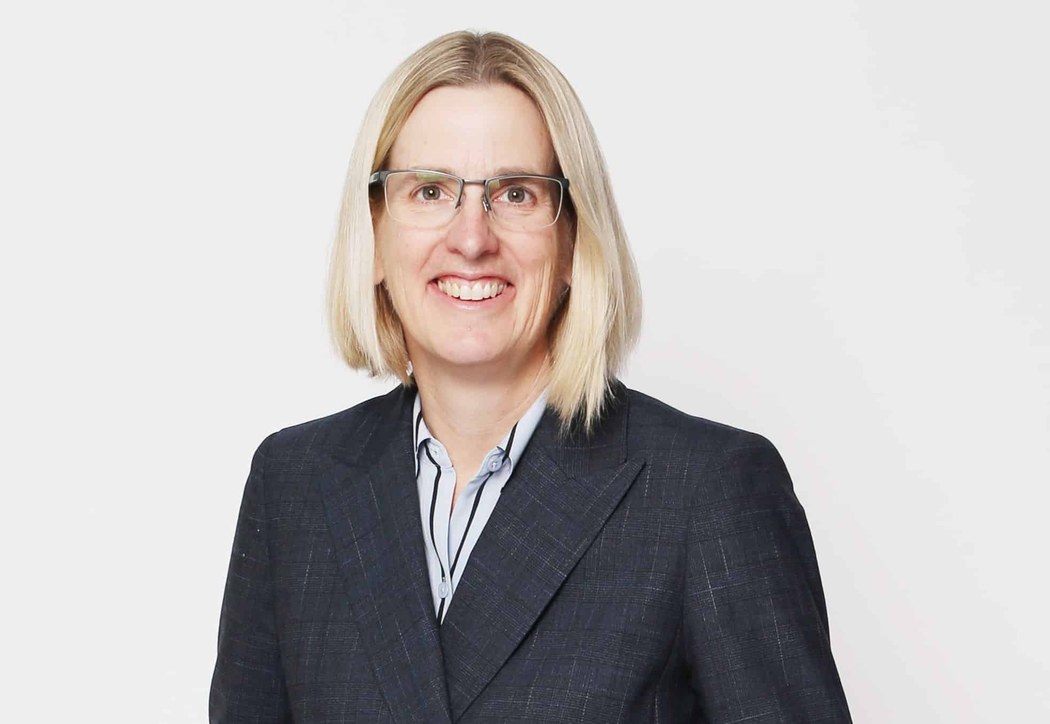
Margaret Meister kept outgrowing the job description
She joined an actuarial team in 1988. Thirty years later, she became Symetra’s first female CEO - after learning how to build a company, steer its finances and take on work nobody had put in her job description.

TowneBank’s big bet on knowing you
Four thousand local shareholders helped launch TowneBank. Now a $22.6 billion regional bank is testing how far a personal relationship can travel.
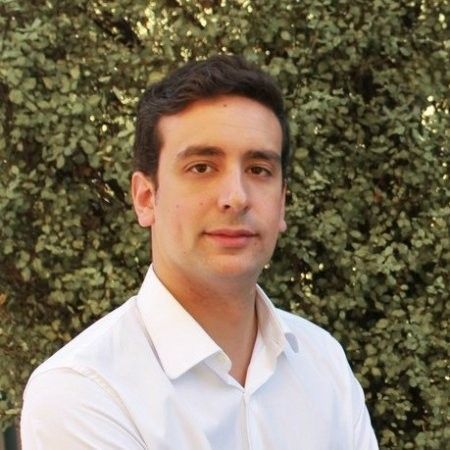
Luis Pino and the Business of Keeping the Middleman
Luis Pino left Berkeley to build technology for independent insurance agents. The paperwork he encountered along the way became the opening for a second business.

F&G sells a paycheck for later.
Retirement turns a lifetime of saving into a question of timing. F&G builds insurance contracts around that question - with guarantees, trade-offs, and a business built to wait.

Selective Insurance: Keep the agent. Fix the math.
A runaway horse helped start Selective Insurance. A century later, its bet on local relationships faces a much less charming test: getting the price of risk right.

Unum and the missing paycheck
A medical bill is only part of the cost of getting sick. Unum has built a business around the income, paperwork and uncertainty that follow someone home.
Genworth and the price of growing older
An insurer built to pay for care is moving into the business of finding it. Genworth’s next chapter begins with an awkward truth: a benefit check does not tell a family what to do on Monday morning.

Brighthouse Financial sells a little less uncertainty.
The MetLife spinoff built a retirement business around a precise bargain: accept limits on growth in exchange for a measure of protection. Its next test is a pending $4.1 billion takeover.

Cincinnati Insurance bets on the person next door
Four independent agents started an insurer with $200,000. Their enduring idea: the person who knows your business should help protect it.
Everest learns the price of a promise
An insurer can sell a policy in an afternoon and spend years discovering what it cost. Everest’s retreat from commercial retail insurance shows why knowing which risks to refuse is part of the product.

Nationwide began with a better question.
Why should a farmer pay city-driver rates? A century after that small objection, Nationwide is still in the business of deciding who shares which risks - and at what price.

Jackson sells a paycheck for your longest vacation.
The hard part of retirement is turning a pile of savings into money you can spend. Jackson builds insurance contracts around that problem - and the fine print is part of the story.
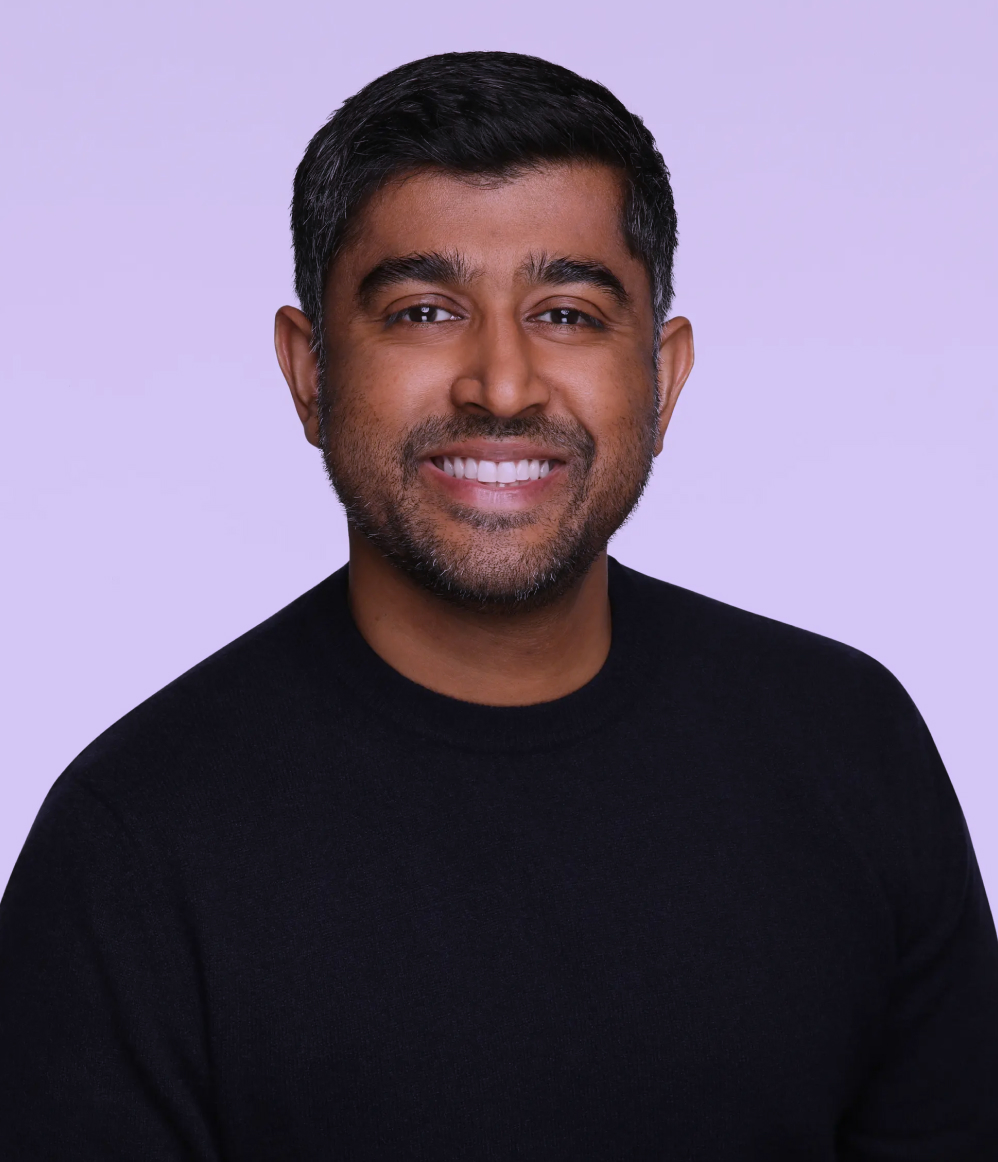
Amrit Santhirasenan and the price of a good decision
He trained in computer science, became an actuary, and built hyperexponential to solve a problem he had lived with for years. His next wager is that better software can give human judgment more room to work.

Nicolas Faquet and the Art of Starting Again
He helped build DirectAsia, left after its sale, and started Roojai in Thailand. Ten years later, Nicolas Faquet is bringing the businesses together around a question he has spent his career answering: how much work should buying insurance require?
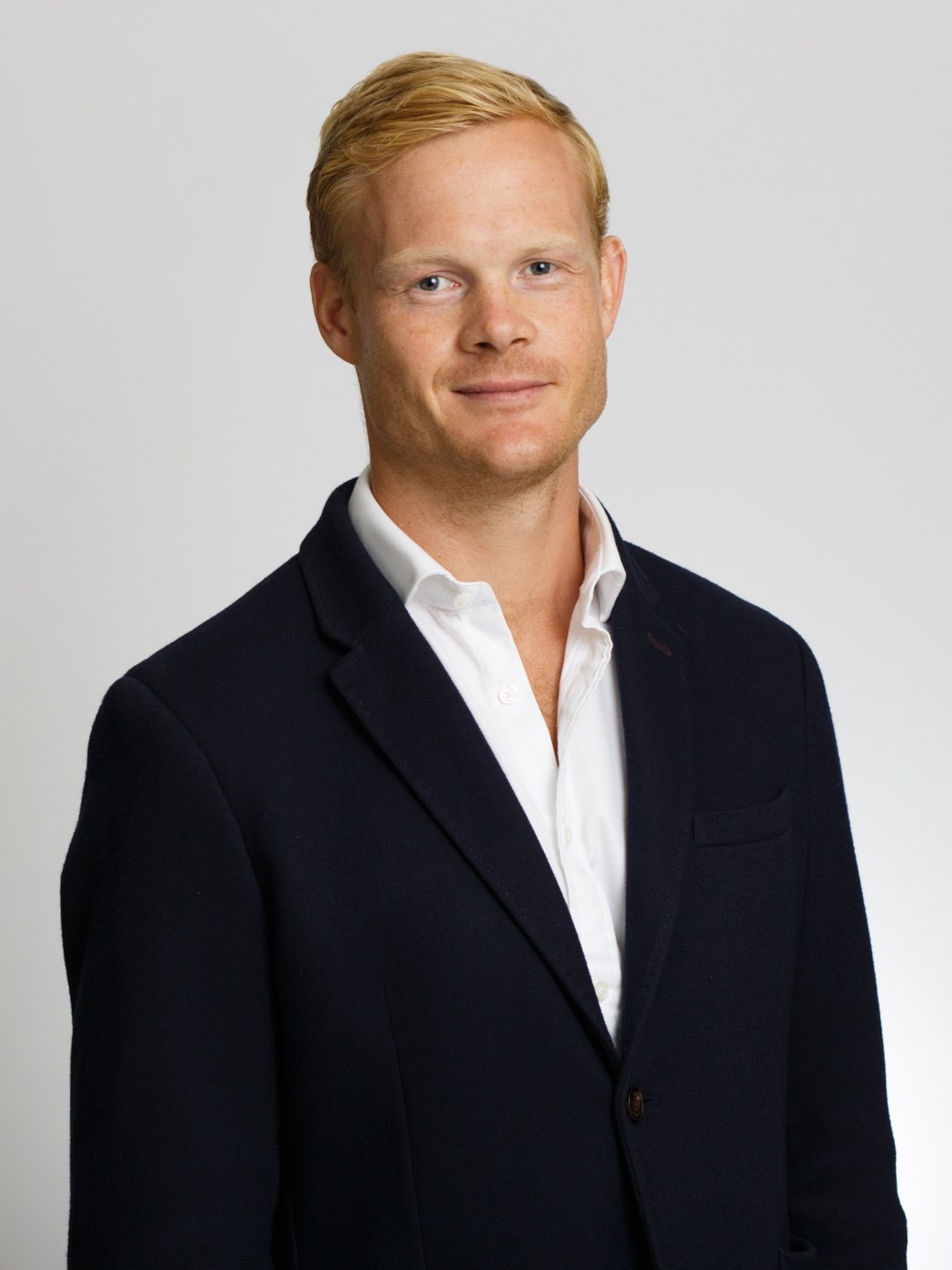
Harry Franks and the price of an hour
At Deliveroo, Harry Franks watched would-be couriers disappear at the insurance question. He co-founded Zego to make cover fit a working shift - and built a career around asking why the rules were written that way.
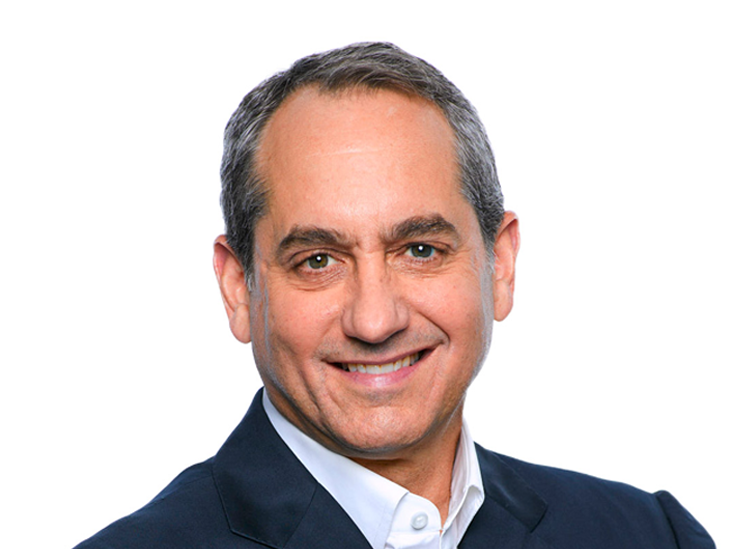
Alan Schnitzer and the risk of staying comfortable
He thought he would retire as a corporate lawyer. Then he joined Travelers. A decade into the CEO job, Alan Schnitzer is still weighing what to preserve, what to change, and when to leave a comfortable position.
Jesús Spínola Grandio and the distance between a policy and a person
RGA’s Latin America CEO came to regional leadership through marketing and business development. His recurring question is what happens when an insurance product meets the person it was made for.
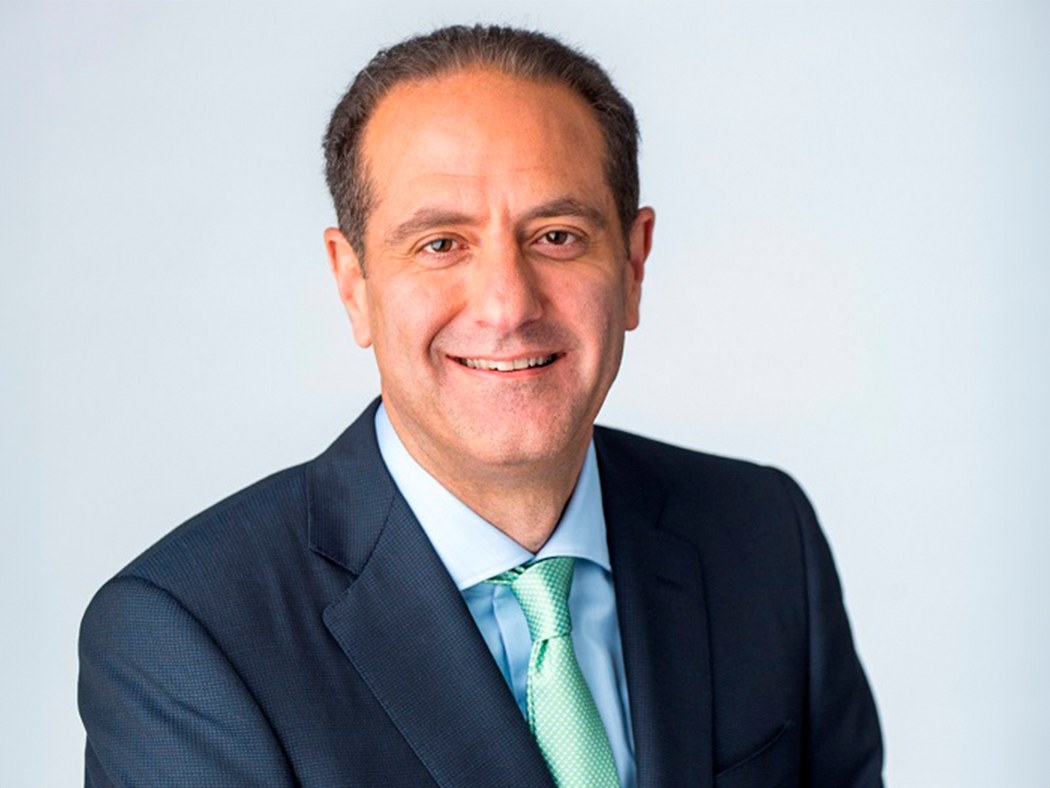
Michel Khalaf and the long way to the sixth floor
Before he became MetLife’s CEO, Michel Khalaf learned the insurance business across countries and continents. Then he brought the executive team 50 floors closer to everyone else.
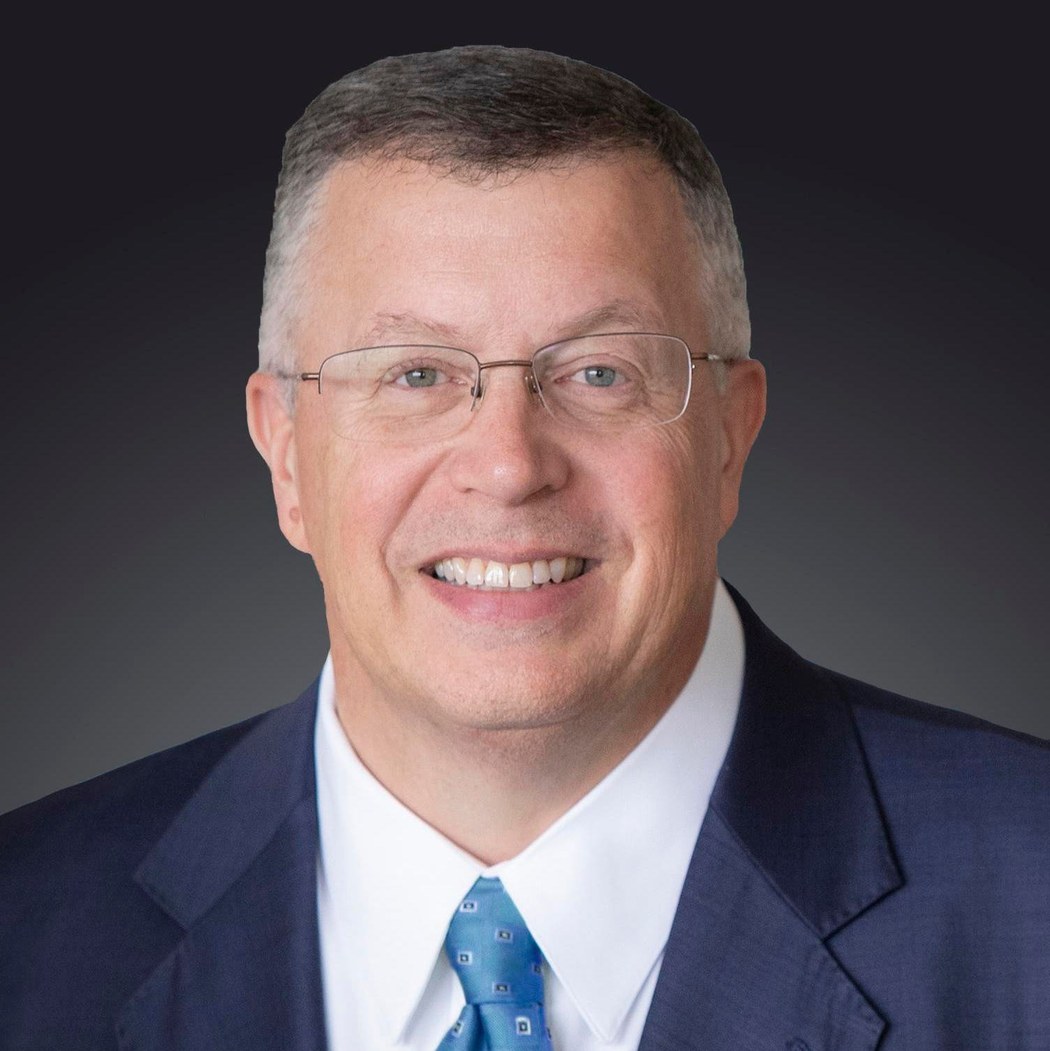
Kirt Walker’s education in the long run
An Iowa farm, a family truck and 33 years inside Nationwide prepared Kirt Walker for the corner office. Now the insurer’s centennial is testing how far those early lessons can travel.
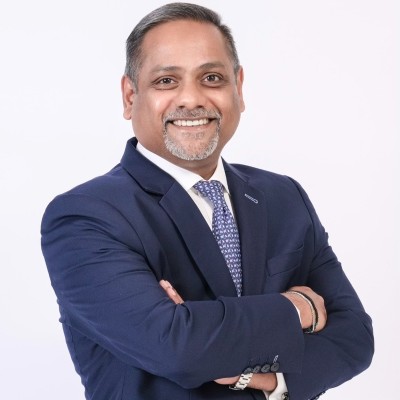
Rakesh Nayar and the distance between a policy and a person
From motor insurance in the UAE to risk conversations in Doha, Rakesh Nayar’s career follows a practical question: how do you make protection fit the people buying it?
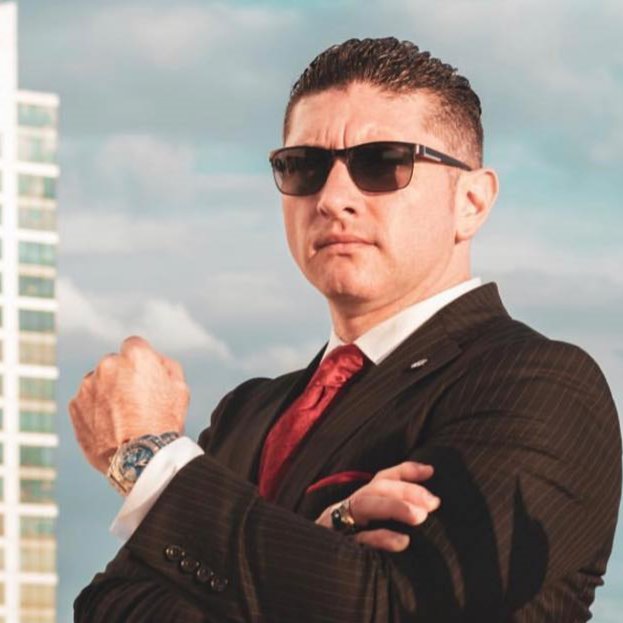
Beto Quintero and the business of starting over
Before he founded Quintero & Partners, Beto Quintero worked on roofs, behind a bar, and in restaurant dining rooms. His insurance career became a study in learning a job, then teaching it to someone else.
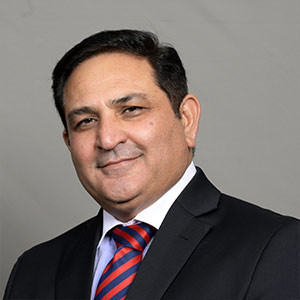
Sunil Sharma and the unlikely education of an insurance chief
He studied physics and entered insurance looking for a job. Three decades later, RGA India’s chief executive is asking how an industry built on complex calculations can make its promises easier to understand.
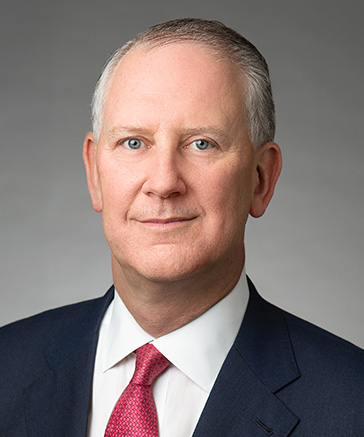
Peter Zaffino and the art of subtraction
He helped rebuild AIG by narrowing its ambitions and sharpening its decisions. Now Peter Zaffino is preparing to take those lessons into artificial intelligence at Palantir.
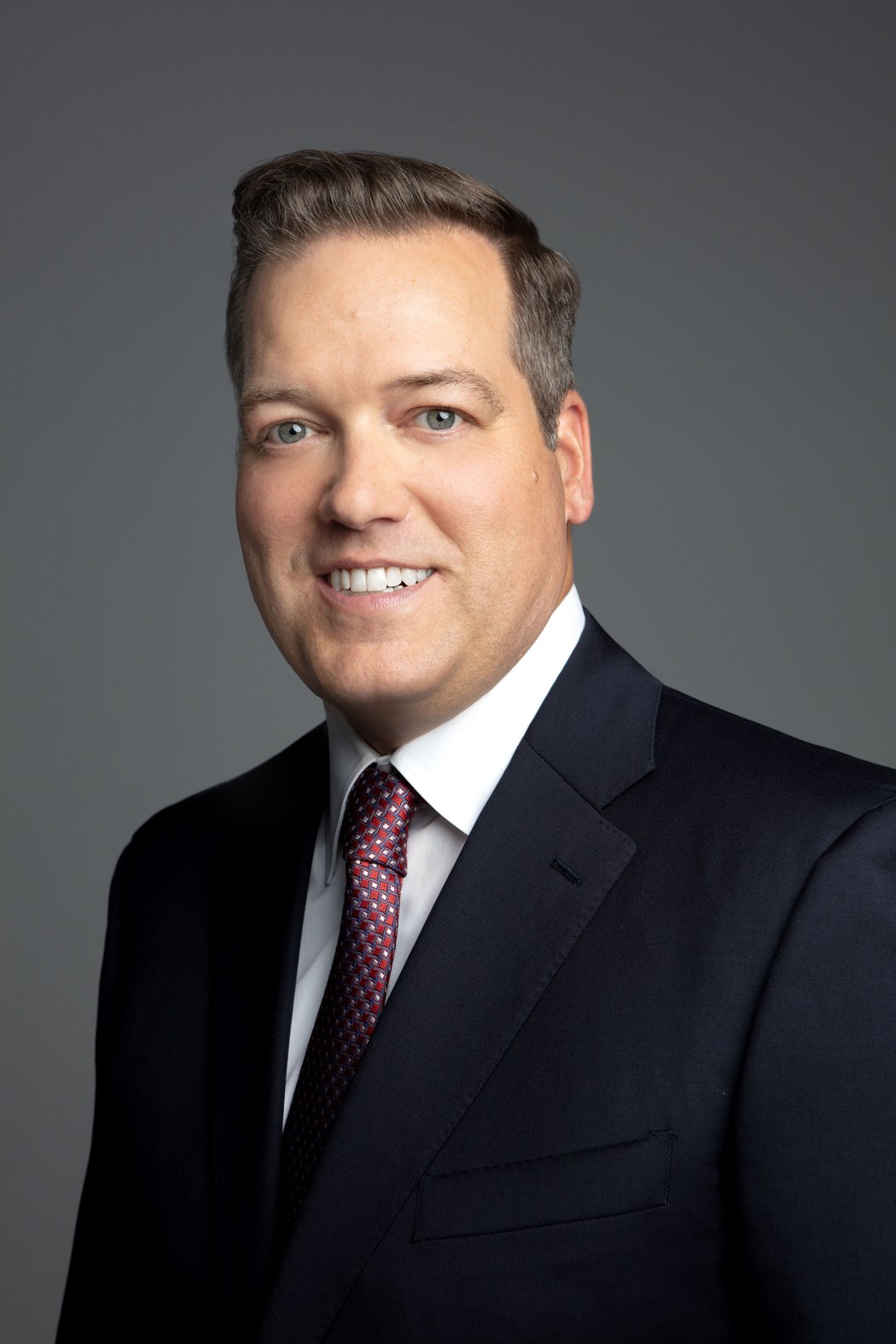
Bill Westrate and the arithmetic of a promise
He joined American Family Insurance to work with numbers. Three decades later, Bill Westrate is deciding which risks a nearly century-old insurer should take - and which it should leave behind.
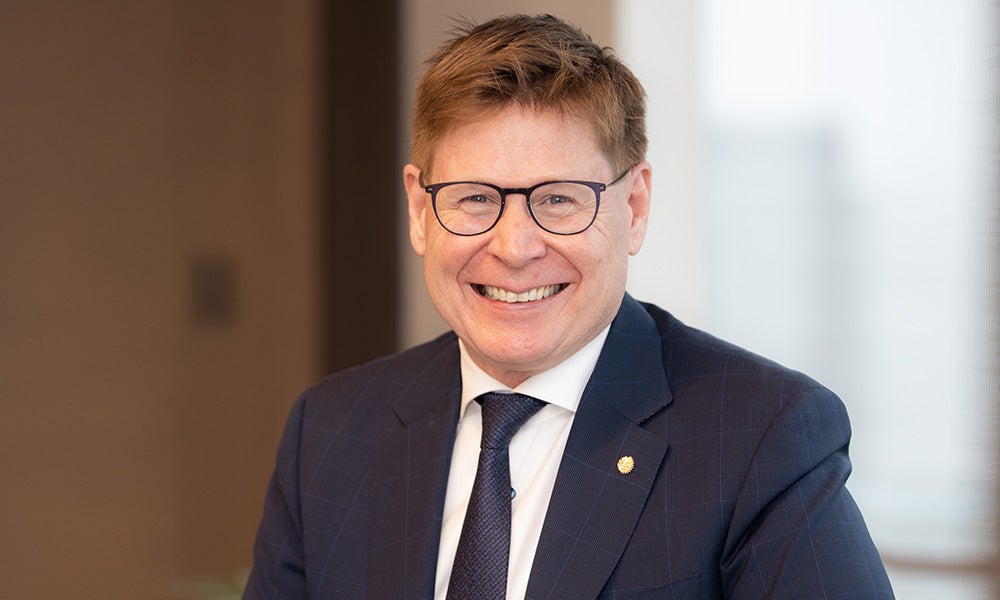
Kevin Strain went east. His ambitions grew.
Five years in Asia changed how Kevin Strain thought about leadership. Now Sun Life’s president and CEO is applying those lessons to a business whose reach extends well beyond its Canadian roots.
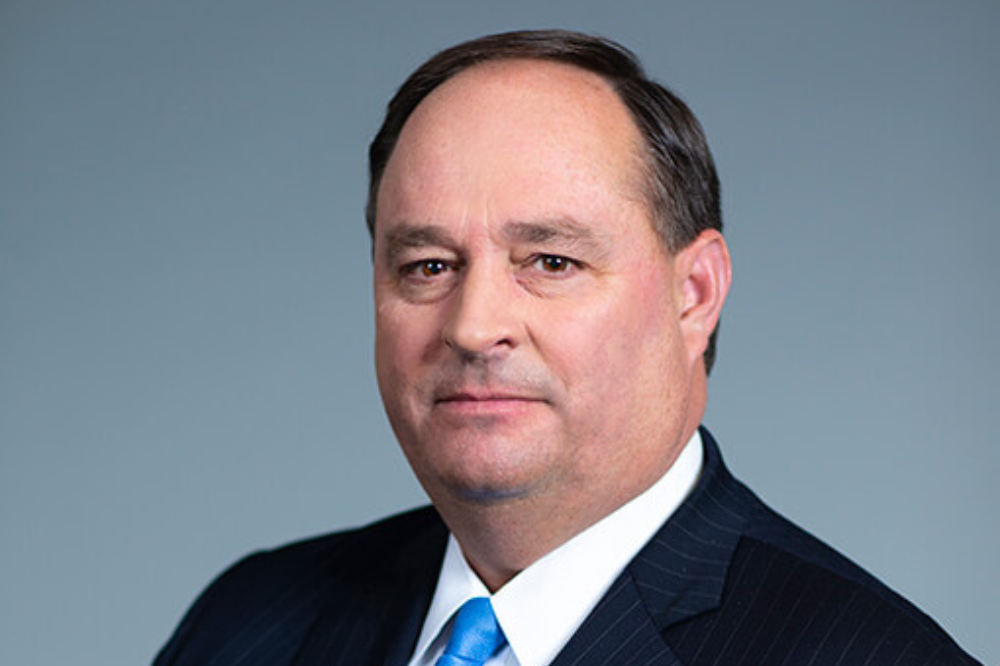
Brooks Tingle and the education of an impatient insurer
Before he ran John Hancock, Brooks Tingle handled agent commissions and customer calls. Those early jobs still shape his argument for changing an old business from the inside.
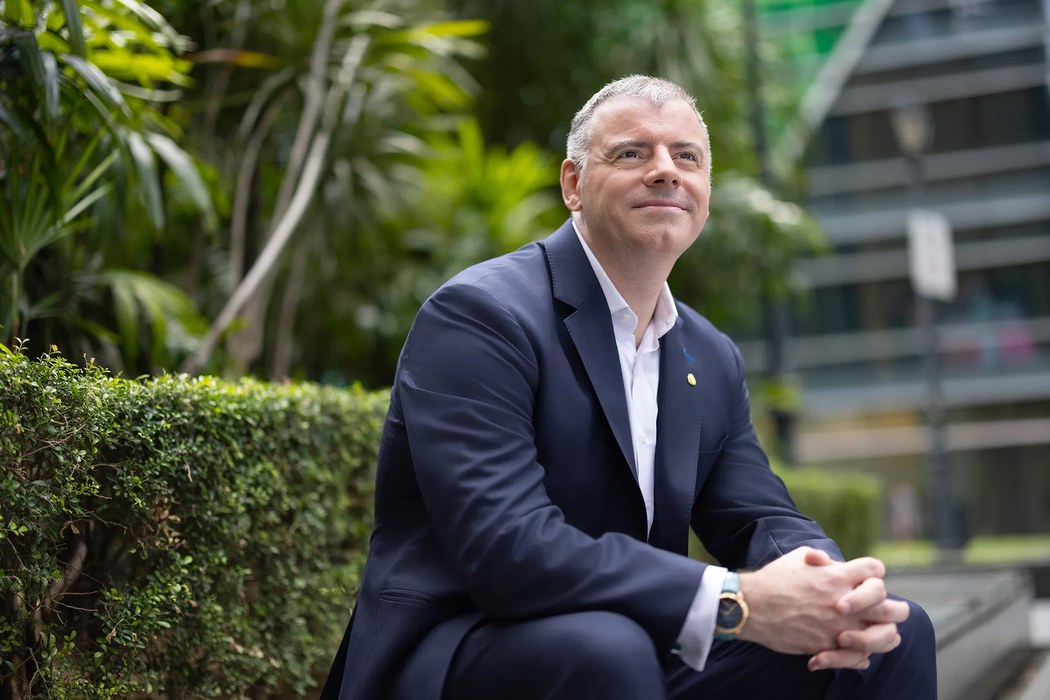
Christopher Albrecht and the problem with a paper fortune
A career across banking, brokerage and insurance brought Christopher Albrecht to Sun Life Singapore. His recurring question: how can a family keep its wealth useful when circumstances change?
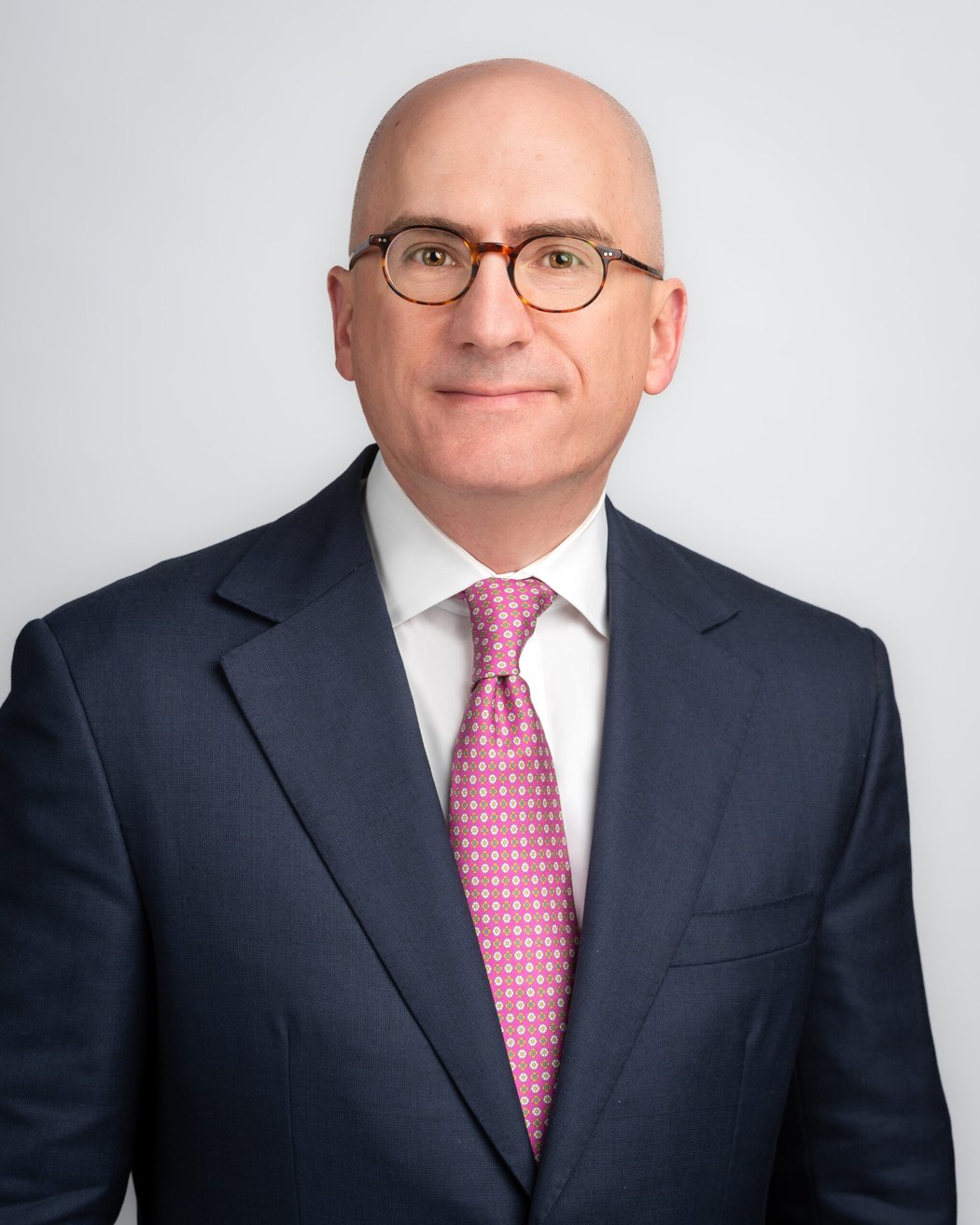
Jim Williamson and the value of walking away
He learned insurance one account at a time. Now, as Everest’s CEO, Jim Williamson is putting a global business through a more selective test: which risks deserve its capital?

Gary Haase and the unfinished business of insurance
From insurance run-off at Catalina to cloud analytics at CNA, Gary Haase has worked on what companies inherit. At Everest, that experience meets a question with consequences: what can the past make possible next?
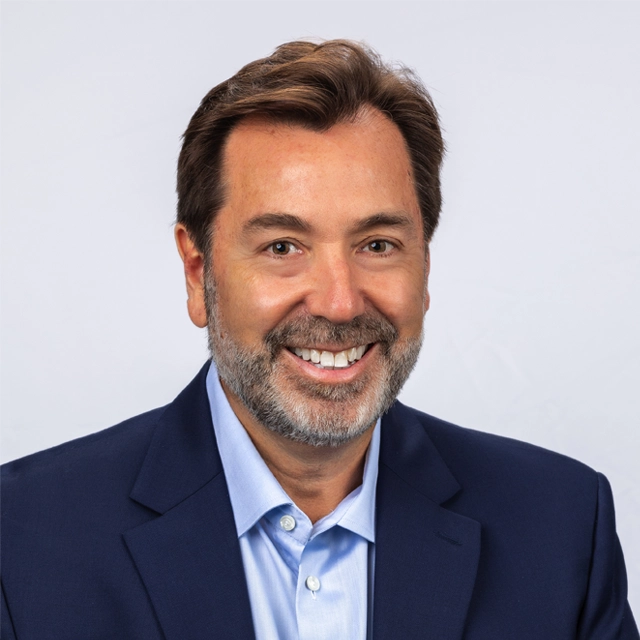
Federico Grosso and the conversation without an agenda
At Assurant Puerto Rico, Federico Grosso brought a finance executive’s discipline to a quieter management habit: making time to listen. His story runs from mobile-sector refinancing to coffee conversations where work was off the menu.