NoahKotlove
Co-founder and CEO of Berry Street, a New York telehealth platform that has become, in a short two years, the largest network of registered dietitians in the world - a claim that is unusual mostly because it is true, and profitable, and the product of a founder who was, before anything else, the customer.
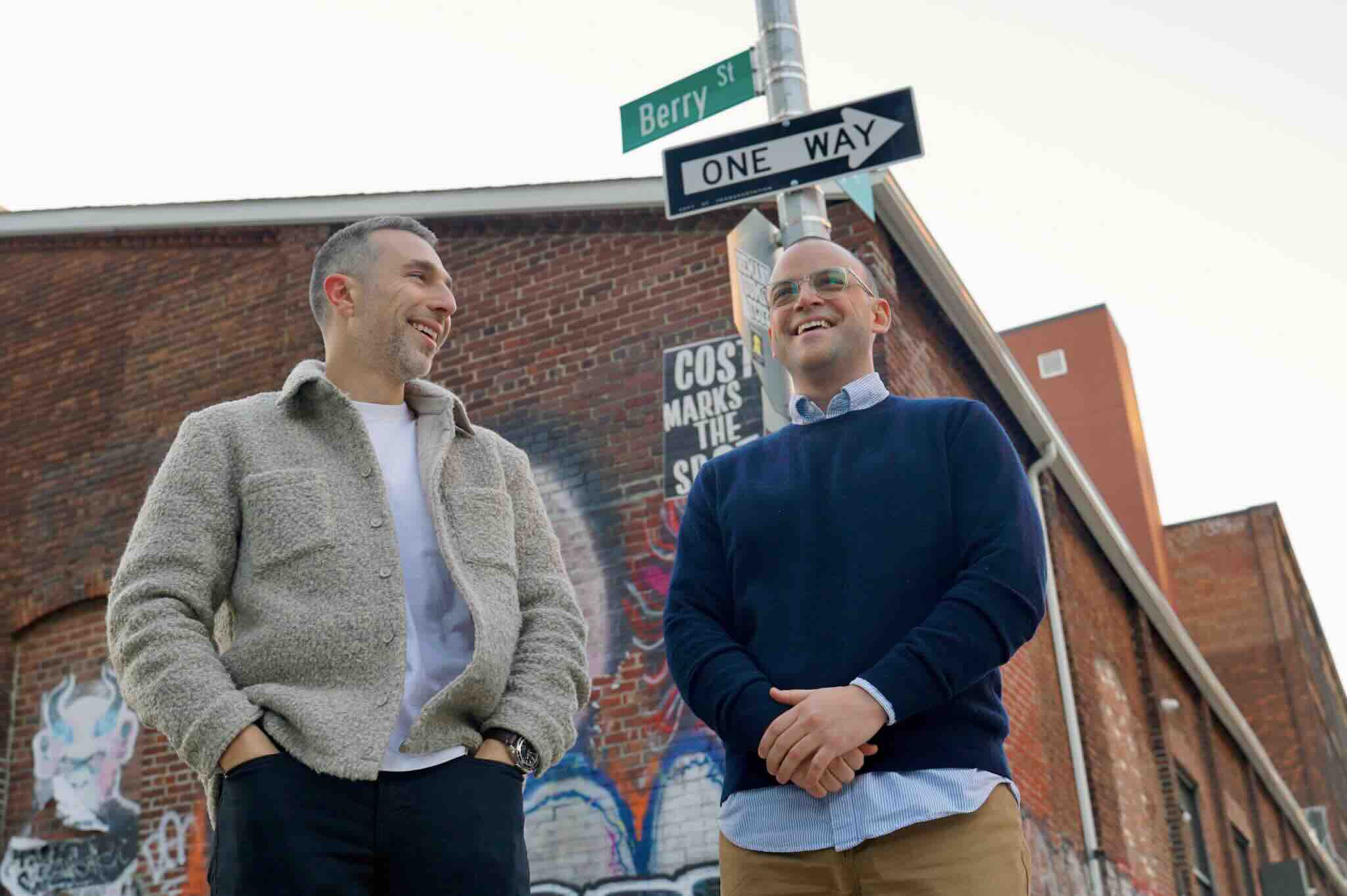
The founding thesis of Berry Street is that most of American healthcare has a benefit it forgot to tell anyone about, and Noah Kotlove found it because his own doctor forgot to tell him first.
The company sits at 19 W 24th Street in New York, forty employees strong, doing something that on the surface looks like a Zocdoc for dietitians and, on inspection, is closer to a business-in-a-box for the country's registered dietitian nutritionists. Berry Street handles credentialing. It handles the eligibility check. It runs the claim. It provides the practice-management software and the analytics dashboard and, increasingly, the AI tooling that makes a clinician's notes write themselves. Then, incidentally, it also has patients on the other side of the app: about 150 million Americans, by the company's telling, live with some form of nutrition-related illness, most of whom will never see a dietitian and most of whom would have had it covered if they had.
Berry Street was founded in 2023 by Kotlove and Jesse Rose, who serves as chief product and chief technology officer. In February 2025 the company closed a $50 million Series B led by Northzone. Sofina and FJ Labs joined, as did a small collection of operator angels of the sort that show up when a healthtech startup is doing something with unit economics that other healthtech startups would like to have: the founder of Revolut, the co-founders of Spring Health and Grow Therapy, the CEO of Found. Total funding stands at about $59 million. The public revenue estimate for the company is $18.5 million.
That is a lot of money moved by an unusually specific story, and it is worth telling it in the founder's own arrangement of it, because he is candid about the arrangement. Kotlove was, by his own account, clinically obese for the first thirty years of his life. He cycled through fad diets, achieved great results, gained the weight back, blamed the restriction, and eventually - at his heaviest - was told by his primary-care physician to go see a dietitian. He was surprised the visit was covered. He kept the appointments. He kept the weight off, sixty pounds of it, and he came out the other end with the observation that would eventually become a company. "It felt a lot like therapy," he told the podcast Creating a New Healthcare, "but instead of talking about my relationship with my family members, or my partner, we were talking about my relationship with food."
The observation - that this professional service exists, that insurance already covers it, that essentially nobody knows - has the elegant quality of not requiring any particular technological insight to state. What it required was somebody willing to build the plumbing. The plumbing, in this case, is the billing engine and the credentialing pipeline and a network of dietitians who, given the option, would rather run their own practice than take a hospital salary. Berry Street's early product insight was that a registered dietitian could launch a practice on evenings and weekends without leaving a day job, because the platform would handle everything a practice needs a practice manager for.
Led by Northzone with Sofina and FJ Labs.
Individual specialists and group practices.
Users of Kotlove's prior addiction recovery app.
The market the company sizes for itself.
An economics degree, a consultancy, a recovery app, a nutrition company.
Kotlove holds a B.S. in Economics from The Wharton School at the University of Pennsylvania. His first stop after that was Accenture, where he worked as a Senior Innovation Consultant. He then founded Sobrietysoft in 2015, an app for people in recovery from alcohol addiction, which grew, over its life, to more than six million users. Berry Street followed in 2023. The through-line is behavior-change software with a very personal reason for existing.
What Berry Street sells, and to whom.
The company is nominally direct-to-consumer, but the pitch is really to the supply side. Below: relative emphasis in the product surface area, based on the technologies and keywords the company markets against.
Why the personal story is also the pitch.
The Kotlove biography is a candid one, deployed candidly. It appears in the TechCrunch coverage. It appears in the podcast interviews. It appears on the funding announcement. This is deliberate: the story is also the market research. If nutrition therapy is the covered benefit that patients don't know about, then a founder who didn't know either - until his doctor happened to write a referral - is the market's evidence for its own opportunity.
The comparison to Spring Health and Grow Therapy is instructive, and not accidental; both companies have people on the Berry Street cap table. Both took a scarce, high-touch, licensed provider (therapists) and rebuilt the practice-management stack around them. Berry Street is doing this for dietitians. The bet is that a registered dietitian is functionally similar to a therapist in terms of insurance dynamics, patient stickiness, and outcomes reporting - and materially undervalued relative to how many Americans could benefit from one.
The GLP-1 line is the other tell. Ozempic and its peers have generated a national conversation about weight that goes back to first principles about what people eat, why, and what a maintainable version of that looks like. Kotlove's read is that this makes dietitians more valuable, not less: the drug does the pharmacology, the dietitian does the plan. It is, from a company-building perspective, a very useful conviction to hold when raising a growth round in the year 2025.
The prior company matters here too. Sobrietysoft, the recovery app, grew to more than six million users. It is the kind of thing a founder does to learn how habit-change software actually works before he tries to hitch it to an insurance rail. Berry Street is what you build when you have already built the behavior-change piece and have decided the missing piece is billing.
Where He's From (Professionally)
Wharton, Accenture, then a solo founder in habit-change apps before Berry Street.
Who He Works With
Jesse Rose, his co-founder, holds both the CPO and CTO titles. Team of roughly 40.
What He Reads Best
Supply-side dynamics: the founder's edge is understanding what the dietitian needs before he thinks about what the patient wants.
The Diet That Worked
Not a diet. A referral. Insurance covered.
Company HQ
19 W 24th Street, Manhattan.
Stack (Selected)
React, TypeScript, Next.js, NestJS, Tailwind, PostgreSQL, Datadog, AWS, Segment, Intercom.
"It felt a lot like therapy, but instead of talking about my relationship with my family members, or my partner, we were talking about my relationship with food."
On the first dietitian visit"It doesn't matter what is going on in your life, nutrition is relevant."
On the market"GLP-1 for dietitians is the biggest tailwind that any single provider type in American healthcare has ever seen."
On the momentWho is Noah Kotlove?
He is the co-founder and CEO of Berry Street, a New York-based telehealth nutrition platform. Before Berry Street he founded Sobrietysoft, an addiction recovery app that grew to more than six million users, and worked as a Senior Innovation Consultant at Accenture. He is a Wharton graduate.
What is Berry Street?
A telehealth platform that connects patients with registered dietitians and gives independent RDs the software to handle credentialing, insurance billing, practice management and analytics. The pitch to patients is that insurance typically covers the visits at $0 out of pocket.
How much has Berry Street raised?
About $59 million in total funding, including a $50 million Series B in February 2025 led by Northzone, with Sofina and FJ Labs also participating alongside a group of operator angels.
Who co-founded Berry Street with Noah Kotlove?
Jesse Rose, who serves as Chief Product Officer and Chief Technology Officer.
Where did Noah Kotlove study?
He earned a Bachelor of Science in Economics from The Wharton School at the University of Pennsylvania.
- Berry Street official site Website
- LinkedIn - Noah Kotlove LinkedIn
- Medium - @kotlove Writing
- Crunchbase - Noah Kotlove Profile
- TechCrunch on the Series B News
- Creating A New Healthcare - Episode 220 Podcast
- Northzone - Investment memo Investor
- Fierce Healthcare coverage News