insurtech
(453)
Tenity puts fintech in the room where banks buy.
A startup needs capital. A bank needs a reason to trust it. Tenity has built a business around getting both sides to work on the same problem.
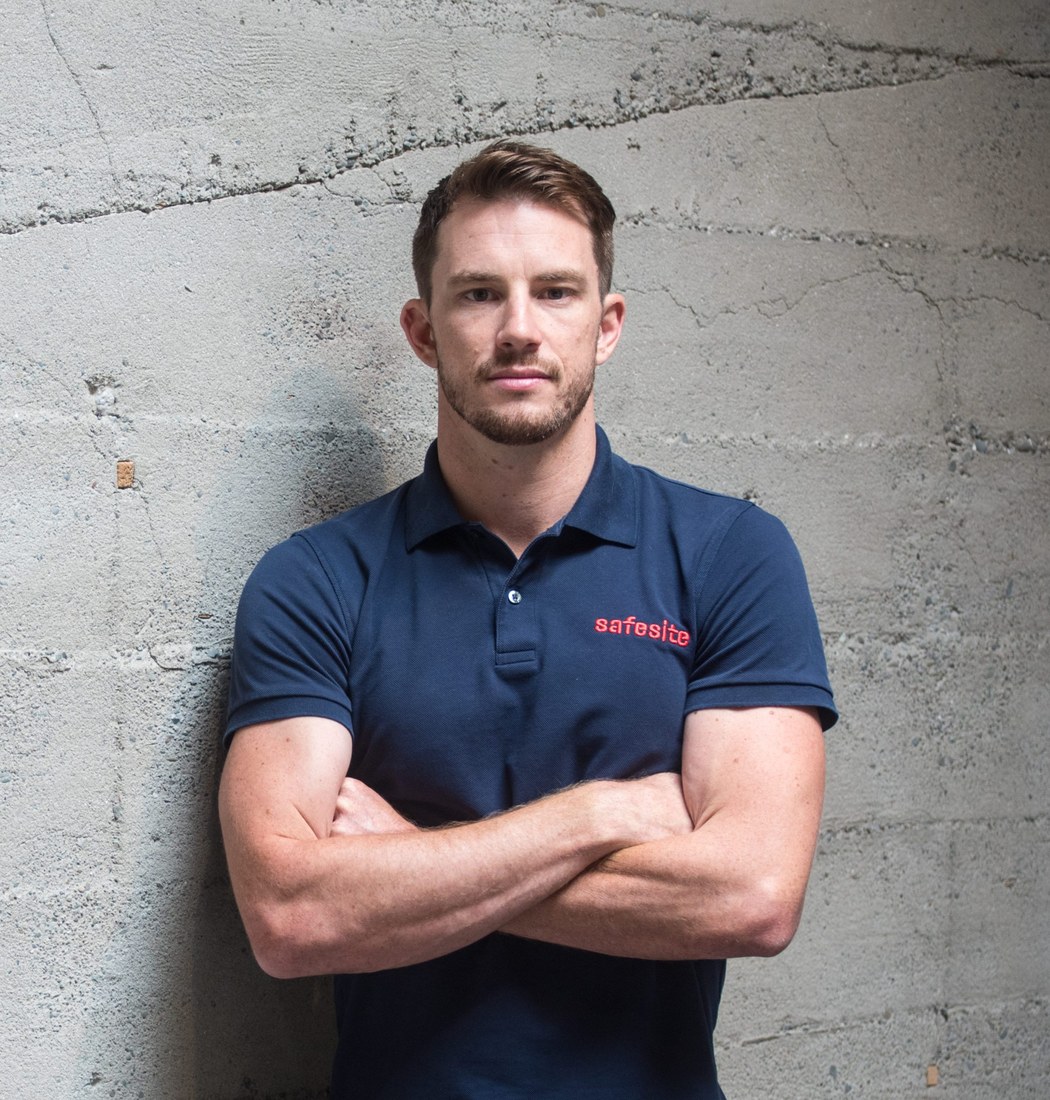
Peter Grant and the Trouble with a Quiet Clipboard
Peter Grant took a construction engineer’s frustration with paperwork into software, then insurance. His career at Safesite follows a deceptively small question: what happens after someone fills in the form?
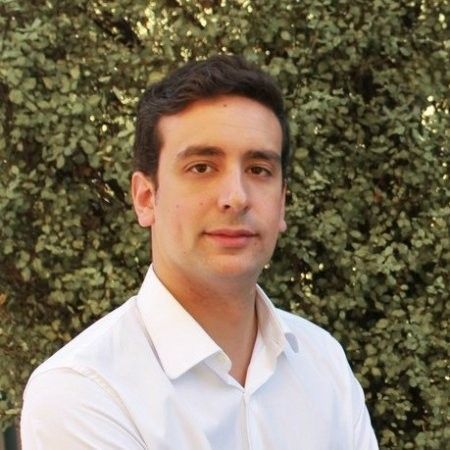
Luis Pino and the Business of Keeping the Middleman
Luis Pino left Berkeley to build technology for independent insurance agents. The paperwork he encountered along the way became the opening for a second business.
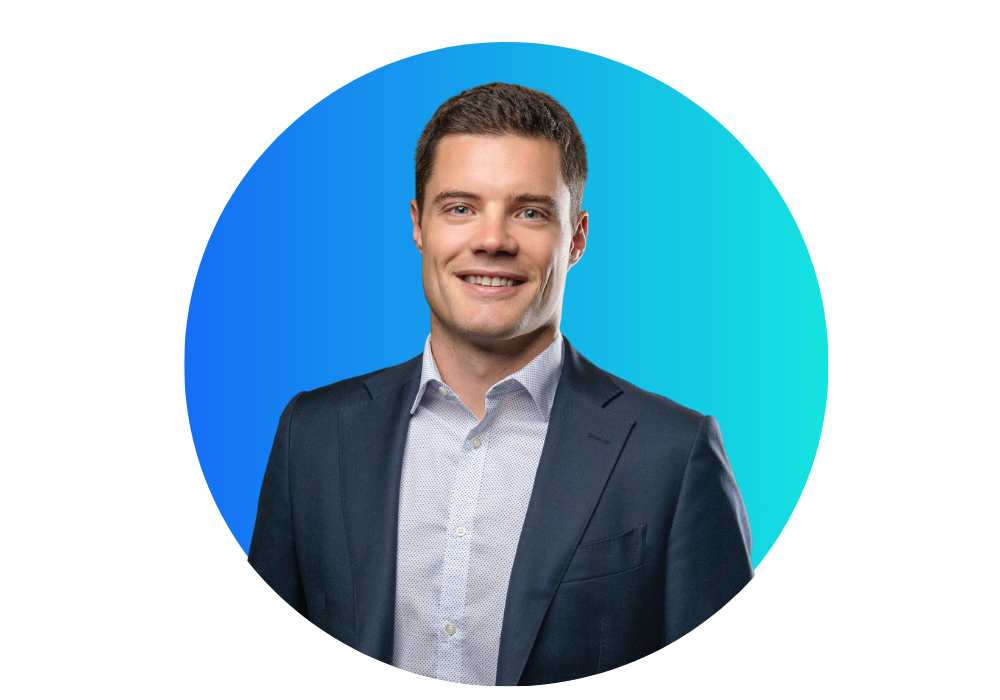
Jackson Fregeau and the cost of a thousand clicks
Before Quandri, Jackson Fregeau was an operations manager teaching himself to build bots. Now he and his brother are asking how much more an insurance agent could do if the paperwork stopped getting in the way.
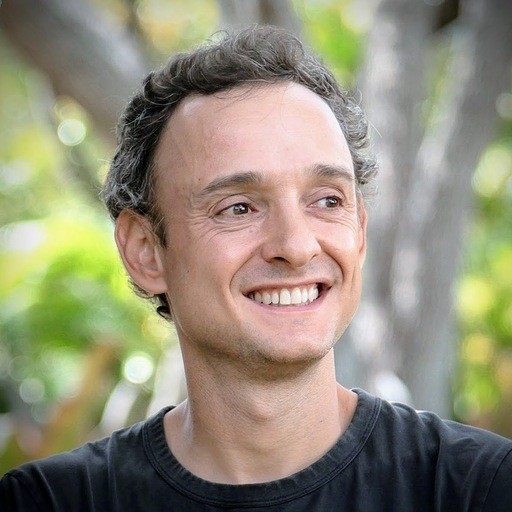
Sebastián Valin and the trouble with a simple question
His brother needed car insurance. Sebastián Valin wanted a straight answer. The company that grew from that search has spent years learning how much work a simple choice can take.
Jonathan Matus and the price of paying attention
He helped put the internet in everyone’s pocket. With Zendrive and Fairmatic, Jonathan Matus turned to a consequence of that success: what happens when the phone comes along for the drive.
Paul Donald and the Case of the Missing Evidence
A job fair in a Waterloo bar helped Paul Donald find his co-founders. A much less sociable problem - getting people to agree on what happened to a building - gave Encircle its purpose.
Amrit Santhirasenan and the price of a good decision
He trained in computer science, became an actuary, and built hyperexponential to solve a problem he had lived with for years. His next wager is that better software can give human judgment more room to work.

Nicolas Faquet and the Art of Starting Again
He helped build DirectAsia, left after its sale, and started Roojai in Thailand. Ten years later, Nicolas Faquet is bringing the businesses together around a question he has spent his career answering: how much work should buying insurance require?
Harry Franks and the price of an hour
At Deliveroo, Harry Franks watched would-be couriers disappear at the insurance question. He co-founded Zego to make cover fit a working shift - and built a career around asking why the rules were written that way.
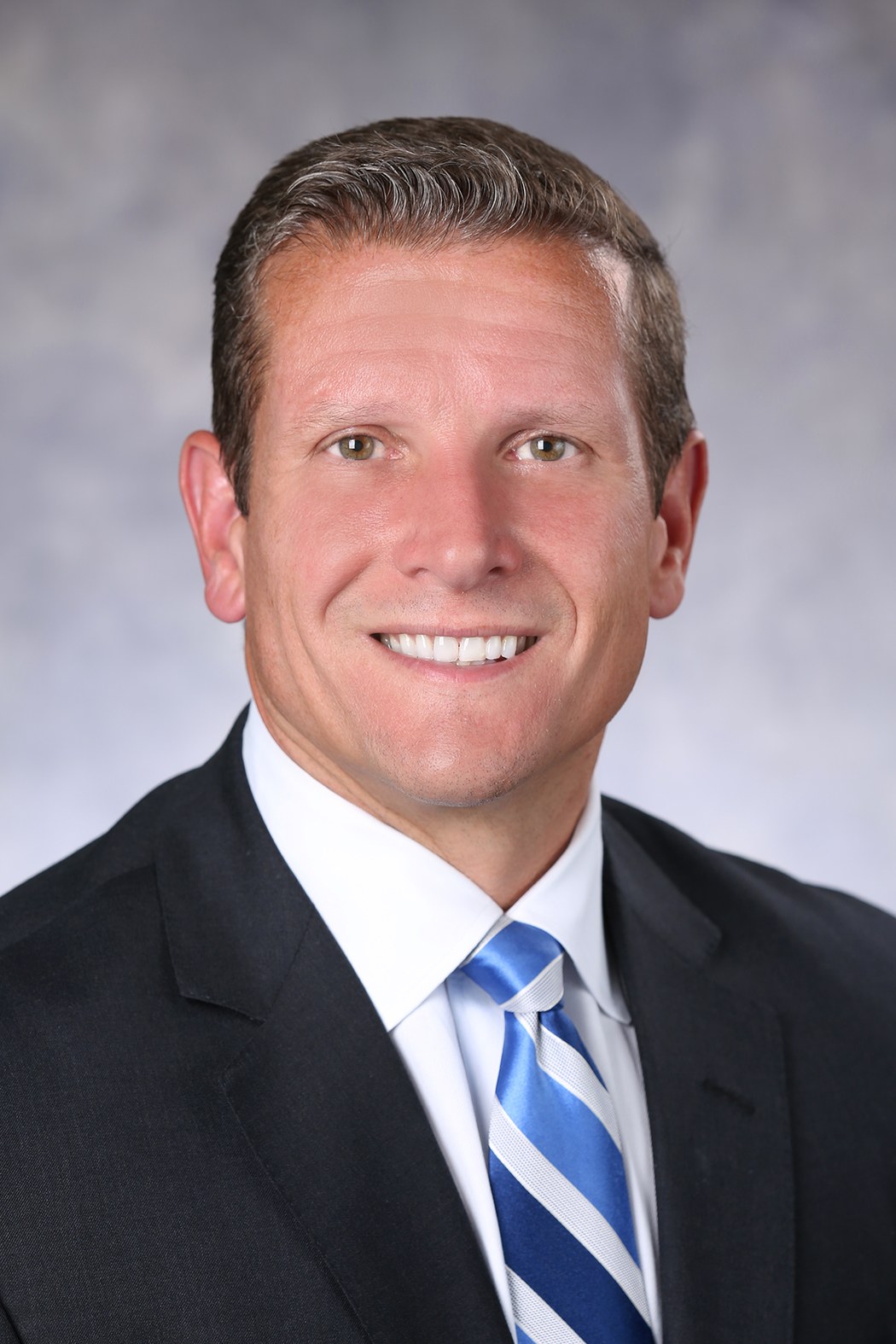
Rob Schimek and the value of an introduction
A chance meeting in a Pennsylvania video store helped set Rob Schimek on his way. At bolttech, the former accountant is building a business around making useful connections at a much larger scale.

Accelerant puts risk on the same page.
Specialist underwriters know their markets. Capital providers have the money. Accelerant is building the exchange that helps them understand each other.

Rex turns property problems into products
A vacant apartment. A missed call. An unpaid invoice. Rex builds software around the everyday friction of running real estate - and tests it on its own properties first.

FatBrain wants your business to learn from its neighbors
FatBrain built its AI pitch around a simple idea: a small business should learn from businesses like it. Its insurance tools show the appeal. Its acquisition history shows the cost of getting bigger.

Adrian Ryan and the information hiding in plain sight
At flydocs, Adrian Ryan helped airlines put aircraft records to work. Now the co-founder and former CEO is building RoadHow around what drivers know - with a familiar team and a different set of wheels.
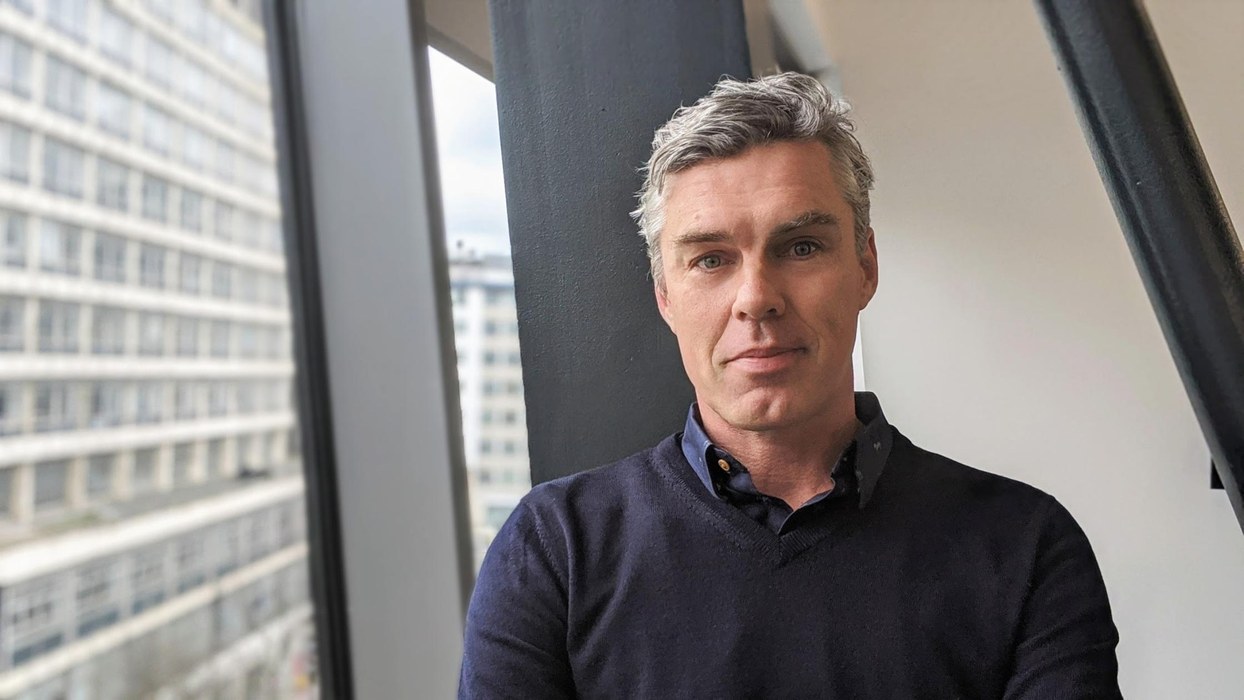
Phillip McGriskin and the money that took the long way home
He helped businesses collect money around the world. Then Phillip McGriskin returned to insurance with a harder question: why was paying people still taking so long?
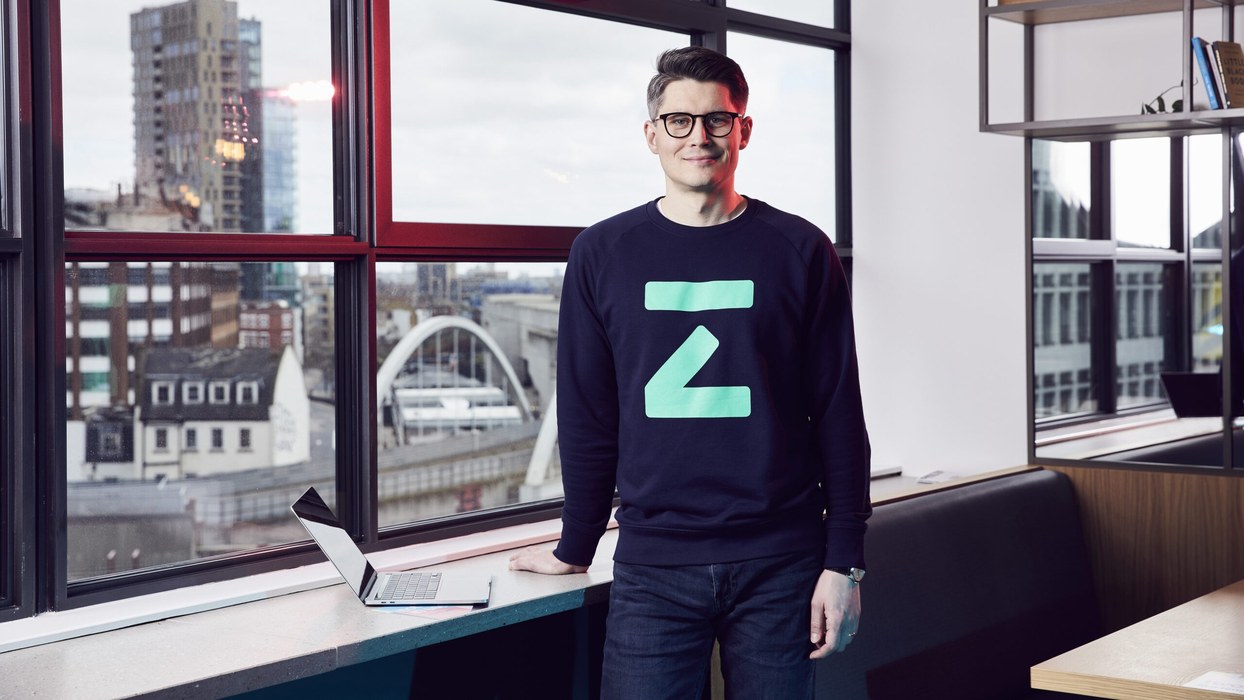
Sten Saar and the price of an ordinary hour
Before Zego, Sten Saar sold school notebooks in Estonia. Then a problem at Deliveroo sent him into insurance, where he began by asking why a few hours of work should require a year of cover.
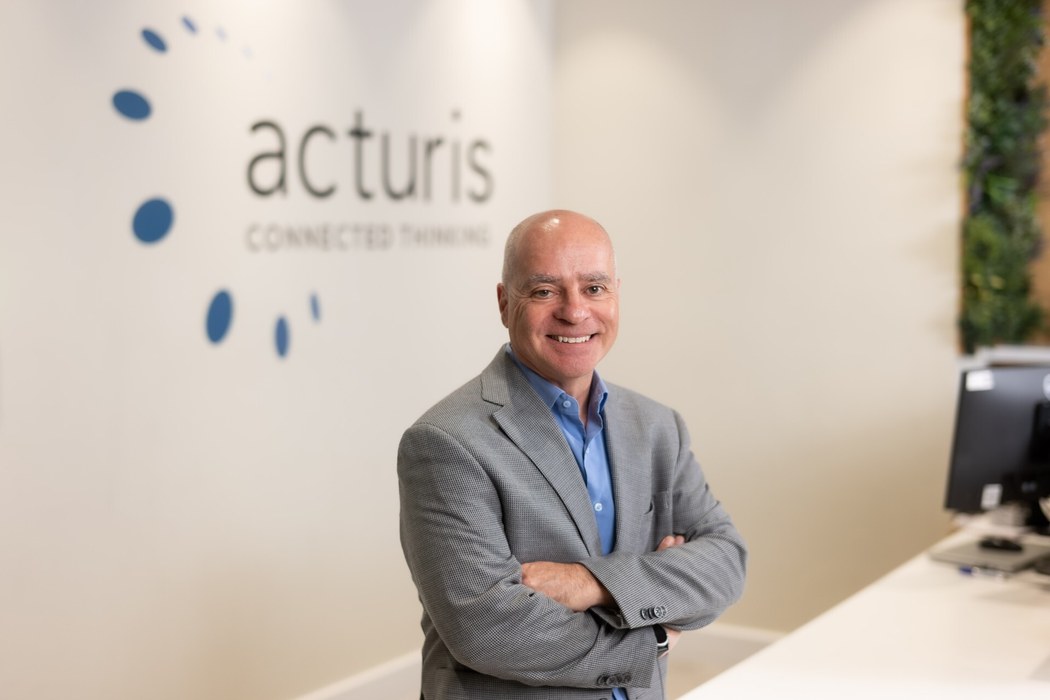
Theo Duchen and the patience of a very particular idea
Acturis began in his basement with a problem insurance brokers knew too well. A quarter-century later, Theo Duchen is still working on the same question: how much of the paperwork can software take away?

Alexandr Dudarev and the price of half an hour
The Insurance Supermarket founder built a business around getting people to an insurance conversation sooner. His career traces the promise, the revisions and the responsibilities of making an old transaction move faster.

Johnny Bridges and the Trouble with Starting Again
A childhood fascination with print design led Johnny Bridges into software, then into the machinery of specialty insurance. At Artificial Labs, the recurring question is how to give good work enough time to become useful.

David King and the art of making things simpler
David King helped turn a digital studio into an insurance technology business. His method involves a narrower focus, better questions and a healthy suspicion of the overstuffed sales pitch.
Todd Greenbaum and the trouble with doing everything yourself
At 16, he taught himself to write the software for his grandfather’s insurance business. Four decades later, the harder job is making sure the answers don’t all live in his head.
Tim Hardcastle and the business of waiting less
He sold a motorbike to help make payroll. Now the INSTANDA co-founder is trying to give insurers something he once struggled to buy for himself: room to move.

David McDonald’s case for doing things once
He brought e-commerce experience to an insurance market buried in manual work. A quarter-century after co-founding Acturis with Theo Duchen, David McDonald is still backing the patient business of connecting people, systems and markets.
Christopher Ewing and the trouble with ordinary things
An insurance payment. A plate of spaghetti. Christopher Ewing has built businesses by getting unusually interested in the things other people put up with.
Sid Jha and the Six-Month, $3,000 Beginning
He grew up near India’s forests, learned to price uncertainty on Wall Street, and founded Arbol to put a number on the weather. Getting the first deal done took nearly six months.

Cover Genius and the art of being there
A rental-car insurance problem became a business inside other people’s businesses. Now Cover Genius is taking the same idea from the checkout screen into the AI conversation.
Kin bets on the house. Even here.
The home insurer went looking for customers in catastrophe country. Its wager: a better picture of each house can change the price of protecting it.

Excellarate made a business of the hard parts
Pharmacy systems. Insurance workflows. Software that has to keep working while it changes. Excellarate built its business inside these awkward problems, then became part of a much bigger engineering story.

Porch found the business inside the house
A home inspection is a report for the buyer. For Porch Group, it is also the beginning of an insurance business built on knowing the house before the policy is written.