circular-economy
(153)
Kickstart Innovation gets startups to the other side of the corporate door
A stalled pitch, a persistent insider and a deal that finally stuck: the Swiss company’s real business is helping startups find someone ready to put their technology to work.
SHONA Wants Better Businesses, Not Better Pitches
In East Africa's crowded accelerator market, SHONA has built its case around an unfashionable idea: make the company work before polishing the pitch. Its wager combines long-horizon coaching, local networks, and loans designed for the awkward middle between microcredit and venture capital.

Anthropia’s startup factory has a price: show up, keep your shares
In a Duisburg villa, Anthropia helps social and green startups turn good intentions into businesses. Its Impact Factory charges no fees and takes no equity, but founders still have work to do.
Impact Hub Harare is building the business after the bright idea
A promising prototype still needs customers, skills and somewhere to work. In Zimbabwe, Impact Hub Harare has made that awkward next step its business.

Cámara Verde Wants Your Green Business to Meet Its Next Customer
Across Latin America, Cámara Verde de Comercio brings sustainable businesses into the same room as mentors, buyers and investors. Its promise becomes most interesting when you look at what a membership actually includes.

DGA turns public funding into a working proposition
From factory pilots to life after coal, the Polish consultancy organizes the work between an ambitious idea and a useful result. Its accounts reveal why managing millions is a different business from earning them.

Impact Amplifier Makes Good Intentions Investable
From Nando’s pepper farmers to businesses turning waste into products, the South African firm works on the awkward middle of impact investing: getting good ideas ready for money, then checking what the money changes.
SMART GREEN gets climate tech closer to its first customer
The Freiburg startup hub connects researchers, founders, investors and industrial buyers. Its most useful offering may be a chance to prove that a clever technology belongs in somebody’s business.

hub.brussels and the art of a cheaper first mistake
Brussels built an agency that helps entrepreneurs test ideas, find funding and cross borders. Budget cuts are now putting parts of that hands-on model to the test.

Neocrete wants your concrete to cost less. The secret is in the ash.
The Auckland company is turning low-performing ash into a useful cement replacement. In Brunei, its first scale customer reports lower carbon and a US$6 saving on every cubic metre.

Intellecap works on what money alone cannot fix
A ₹1 lakh experiment became an advisory business connecting entrepreneurs, investors and industry. Its work reveals how much has to happen before a good idea becomes a business someone will finance.

Södertälje Science Park and the trouble with making things
A working prototype is only the beginning. In Sweden’s industrial heartland, Södertälje Science Park helps hardware founders meet the people, suppliers and production problems that come next.

ISB Global makes rubbish add up
A collection truck, a weighbridge and an invoice ought to tell the same story. ISB Global has spent decades building software to make that happen - and more than £15 million rebuilding it for bigger ambitions.

Sprout Wants Your Old Servers to Pay for Their Next Act
The company that began with discarded electronics now tracks, repairs, and resells enterprise hardware. Its next bet: giving retired AI infrastructure another working life.
ATG wants a cut of your next great find
The company behind The Saleroom and LiveAuctioneers has moved from auction listings to payments, shipping and an $85 million bet on vintage furniture. Its next test is turning all that activity into better profits.

Recycleye’s £40 treadmill became a business that picks through your rubbish
A camera, an eBay treadmill and some borrowed garage space started Recycleye. Its robots and optical sorters now tackle recycling’s awkward arithmetic: recovering materials has to pay.
REEN UK wants your bin crew to make fewer stops
Derby reported 53% fewer visits to trial street bins after adding fill-level sensors. REEN’s bigger proposition is to turn the humble rubbish bin into a better instruction for the people collecting it.

Shields Wants Telecoms to Stop Buying What They Already Own
From precious metals rescued from the drain to a marketplace for retired network equipment, Shields has built a business around an awkward question: is the next purchase really necessary?

Tim Brown Is Selling the Afterlife of Your Phone
The Apkudo revenue chief works in the unglamorous, consequential minutes after a phone is returned - when data, trust and a second life are all still up for grabs.

How Apkudo Turned Returned Phones Into a $72 Million Case for Giving Every Device a Passport
The used-phone economy has a trust problem: nobody agrees on what a device is worth, where it has been or whether the repair worked. Apkudo’s answer is equal parts software ledger, diagnostic lab and robot line - with a decade-long carrier case study showing why the plumbing matters.

James Kawas Keeps Finding the Work Inside Other People’s Closets
Before Flyp became a toolkit for thousands of resellers, Kawas learned the secondhand trade by trying to sell a PlayStation 3, skipping class to send business emails and building a marketplace in two days.
Steve Adams Is Marketing the Unmarketable: What Happens After the Recycling Bin
The former data-storage executive now has a messier brief: explain a village-scale recycling system clearly enough for communities, operators and investors to picture what happens after the blue bin.

Nick Ramsay Wants Your Next Phone to Have a Second Life
The Circular founder is betting that access can beat ownership - and that a phone passed from one careful user to the next can become a better business, not merely a greener one.

Jeevika Makani Keeps Following the Awkward Little Gap
She went from economic regulation to Nairobi fintech, fashion resale and AI app payments by asking the same practical question: where is useful value getting stuck?
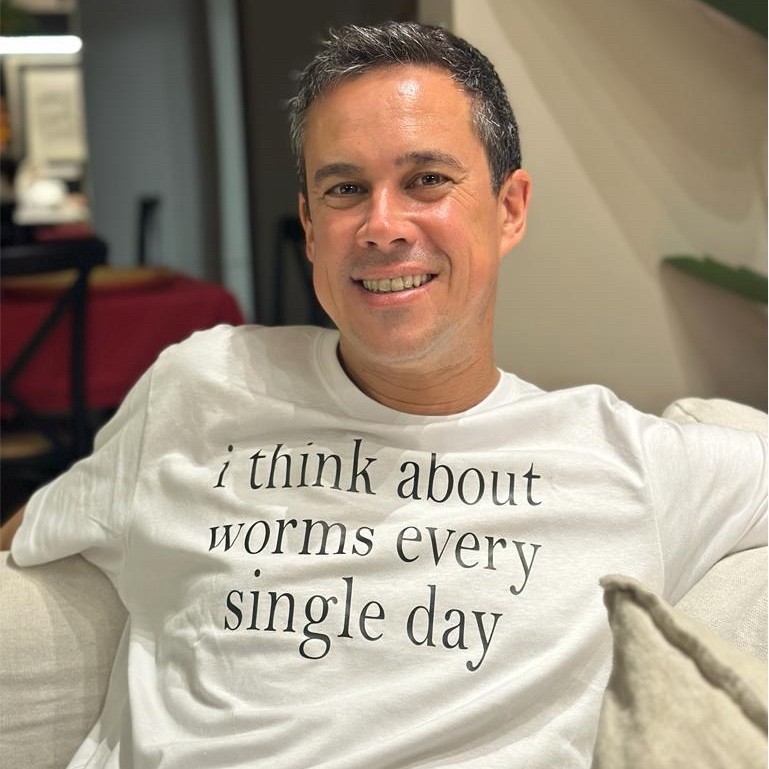
Matias Sjögren Built a Water Company Around Nature’s Unfashionable Workforce
He left a family office after seeing a worm-filled filter at his father’s house. Fifteen years later, BioFiltro is turning that unlikely encounter into water infrastructure financed by long contracts, carbon credits and a $35 million investment.
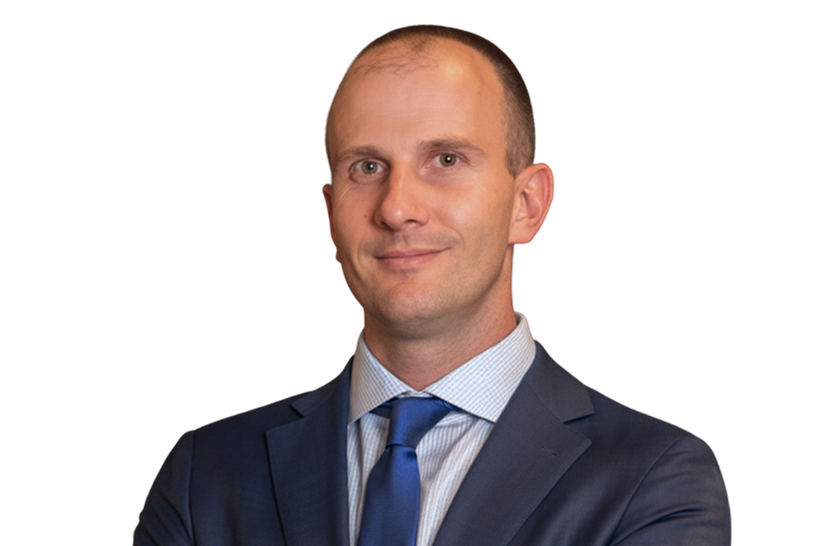
Nicholas Myers Put $7,000 Into a Backyard Experiment. Now He Is Building America’s Rare-Earth Middle.
A physics graduate with no mining résumé helped turn a backyard reactor into a rare-earth business. His wager is that America’s missing industrial link can be rebuilt with cleaner chemistry, patient capital, and a team willing to learn in public.

Chris Sapyta Saw a Freight Train. Then He Rewired the Keg Business.
A railroad crossing gave Chris Sapyta the boxcar analogy that shaped keg pooling. Three decades later, the Keg Logistics founder is still solving the same stubborn problem: how to keep reusable steel moving without making brewers own every vessel.

Dillon Baxter Bet on a Fork That Could Disappear
A college golfer sold straws door to door, quit banking after one month, lost an $8 million commitment, and kept building. Now PlantSwitch is trying to make the useful life of plastic match the life of the thing it serves.
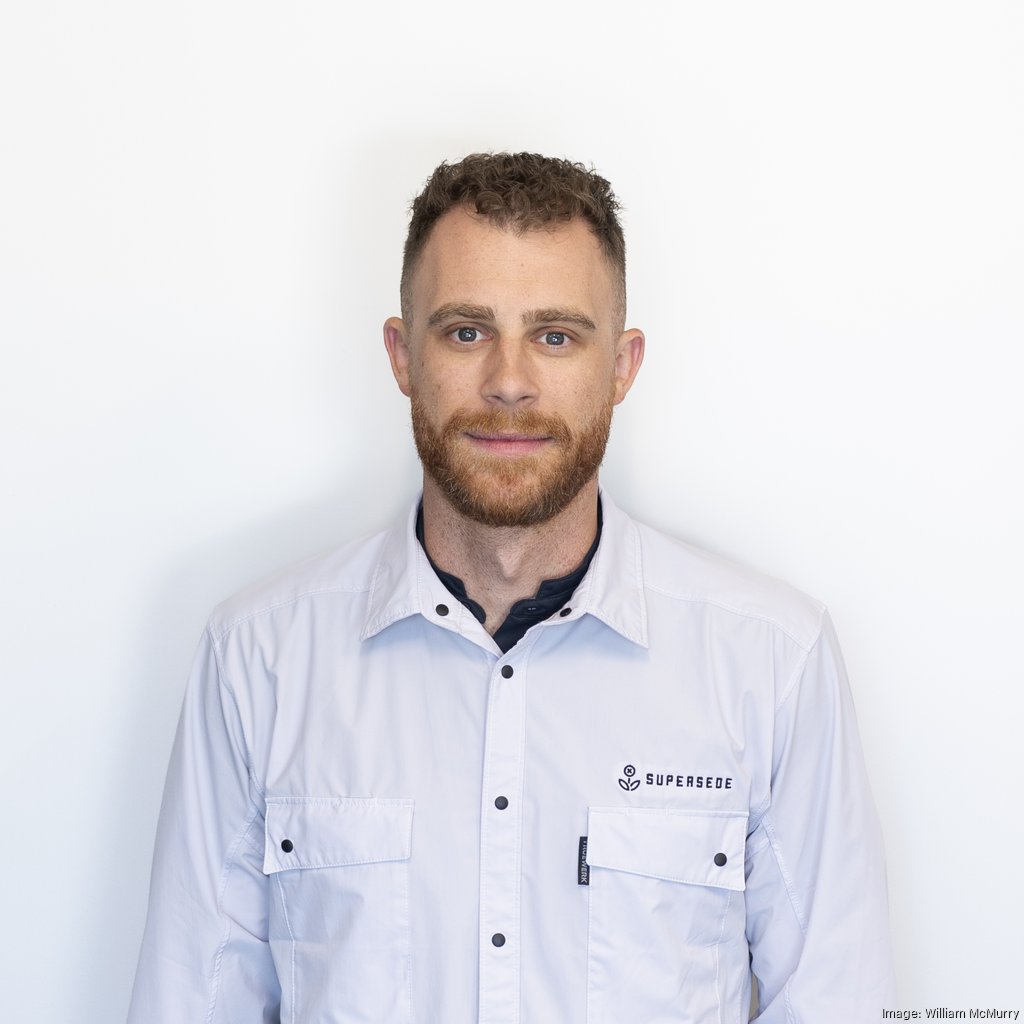
Sean Petterson Wants Plywood to Meet Its Replacement
After turning a student invention into an acquired industrial-safety company, Sean Petterson chose an older adversary: plywood. His second act is a lesson in selling change to factories that have no patience for disruption.

Alex Min Is Turning Yesterday's Grain Into Tomorrow's Ingredients
A former strategy consultant saw hunger on one trip and edible waste on the next. Now his Seoul company is building the cold chains, factories and demand that can make food byproducts useful again.