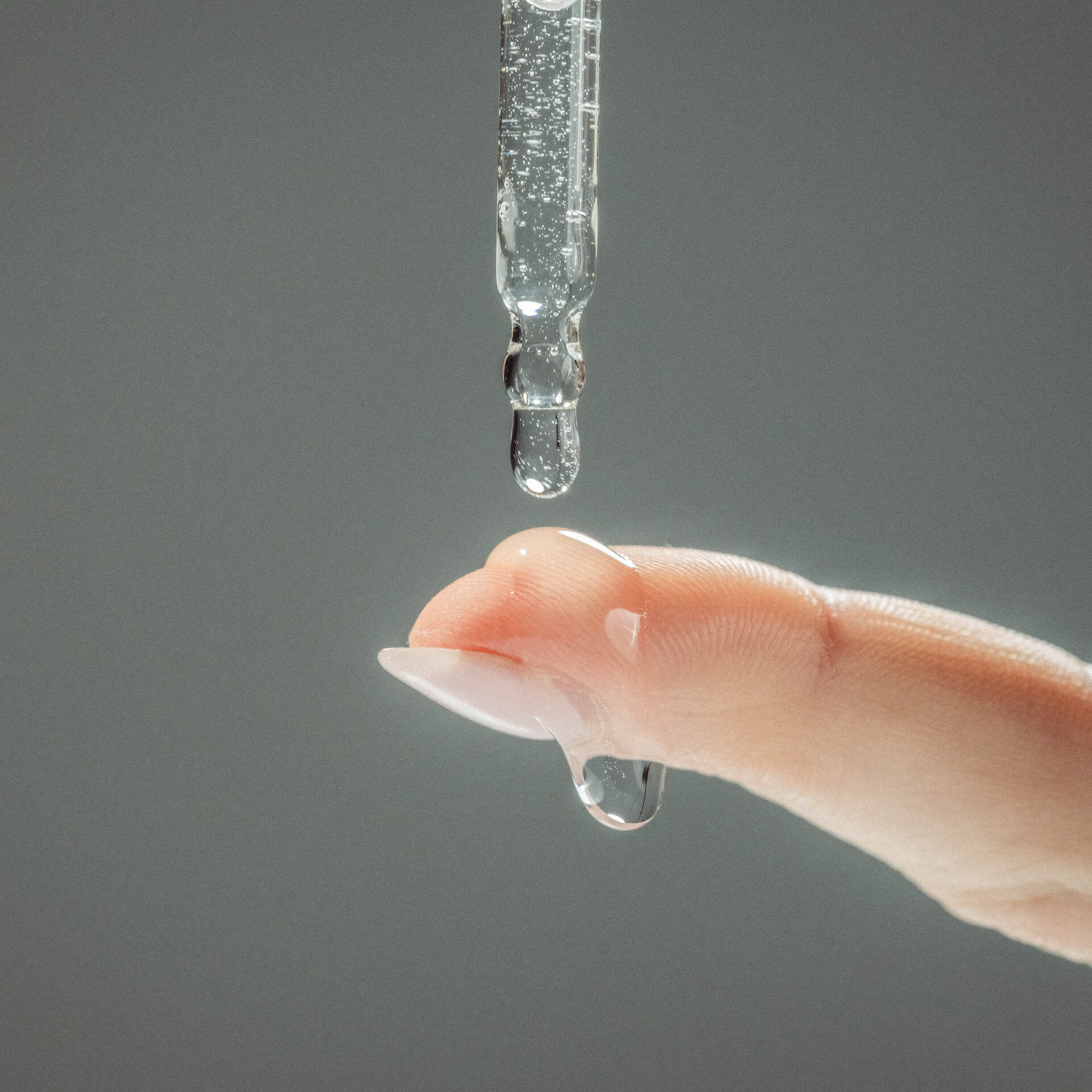
The biotech turning silkworm cocoons into a renewable replacement for the petrochemicals hidden in everyday products.
Silk has been prized for four thousand years as a fabric. Evolved By Nature looked at the same material and saw something different: a chemistry set. Founded in 2013 in the Boston area by Dr. Gregory Altman and Dr. Rebecca Lacouture, the company takes discarded silkworm cocoons - a waste product - and converts them into pure liquid silk protein. From that base it builds a proprietary library of natural peptides and biopolymers it calls Activated Silk.
The pitch is unusually broad for a materials company, and that breadth is the point. The same silk-derived molecules can serve as bioactive ingredients in clean skincare, as biodegradable finishes for leather and performance textiles, and as an injectable biomaterial for medical aesthetics. Where most startups defend a single application, Evolved By Nature is building a platform and letting the applications multiply.
It is a small company - roughly 59 employees - supplying much larger customers: cosmetics formulators, fashion brands, textile mills and leather tanneries. Behind it sits an unusual cap table that includes Chanel, the Ontario Teachers' Pension Plan and a handful of well-known family investors, together backing a simple thesis: the next generation of products should be built from renewable molecules, not oil.
Many everyday products rely on petrochemical chemistry that never appears on the front of the label - the coatings that make leather water-resistant, the finishes that make textiles high-performance, the synthetic actives in personal care. Some contain PFAS, the so-called forever chemicals.
Evolved By Nature's answer is a drop-in replacement rather than a lecture. Its Activated Silk molecules are designed to protect, repair and enhance the barrier function of anything with a surface - skin, leather, fabric - using a protein the human body already recognizes. In skincare, the peptides don't coat over a problem; they support the skin's own production of protective proteins like claudin and keratin, helping with barrier strength, hydration, collagen support and hyperpigmentation. In fashion, the finishes deliver water resistance and moisture-wicking without polyurethane or PFAS, and they biodegrade.
Converts natural silk protein from discarded cocoons into a liquid, tunable library of peptides and biopolymers - the foundation for every downstream product.
Water-soluble silk peptides that support the skin's own protective proteins - boosting barrier function, hydration, collagen and reducing hyperpigmentation.
A biodegradable, PFAS-free leather finishing system that outperforms petrochemical coatings without additional cross-linkers.
Sustainable finishes for performance fabrics delivering water resistance and moisture-wicking without polyurethane or petrochemicals.
Via sister company Silk Medical Aesthetics: an all-natural, biodegradable, reversible injectable in FDA clinical trials for facial wrinkles and folds.
A petrochemical-free direct-to-consumer line - serum, face cream and body products - formulated for ultra-sensitive skin.
Evolved By Nature sells and licenses Activated Silk molecules to beauty, personal-care, leather and textile manufacturers, and sells its own skincare direct to consumers through e-commerce (Shopify Plus). Medical and therapeutic applications advance through sister company Silk Medical Aesthetics. It is, in effect, both an ingredient house and a consumer brand built on one platform.
It occupies the crossroads of green chemistry, bio-based materials and clean beauty - competing on both performance and sustainability rather than treating them as a trade-off. Its differentiator is the single silk platform stretched across industries that rarely share a supplier.
Bio-based materials and protein-engineering peers such as Modern Meadow, Spiber, Bolt Threads and Geno; bio-chemical firms like Genomatica; plus incumbent petrochemical-finish suppliers and conventional cosmetic-peptide makers.
A leading expert in natural silk biomaterials. Earlier co-founded Serica Technologies, whose FDA-approved silk soft-tissue device was acquired by Allergan, where he served as VP of R&D. PhD in Biotechnology Engineering, BS in Chemistry, Tufts University.
Leads development, engineering and operations with a focus on clean solutions for human health. Advanced silk technology at Serica and Allergan; named to the Boston Business Journal 40 Under 40 in 2015. PhD in Biomedical Engineering, BS in Mechanical Engineering, Tufts University.
Altman and Lacouture start an implantable silk medical-device company.
Serica's FDA-approved silk soft-tissue device is acquired by Allergan; Altman becomes a VP of R&D.
The pair launch a company to make pure liquid silk from discarded cocoons in Boston.
The luxury house takes a minority stake as part of a $70M Series B led by Mousse Partners.
R/GA designs the asterisk-inspired name, logo and a custom variable typeface.
Raises Series C to scale manufacturing; sister company wins FDA IDE approval for its dermal-filler trial.
Introduces the PFAS-free Activated Silk L1 leather finishing system.
Waste in, value out. The core raw material is a discarded silkworm cocoon, turned into pure liquid silk.
Same molecule, three lives. The chemistry has become an FDA-approved implant, a face serum and a leather coating.
An asterisk brand. The 2020 identity by R/GA is built around the asterisk - the mark that traditionally hides a footnote.
Perfume house, chemistry stake. Chanel - known for scent and tweed - is an investor and R&D partner.
A 25-year partnership. Altman and Lacouture have collaborated on silk since the late 1990s, across two companies.
Performance, then planet. The claim that draws customers: silk finishes that outperform the petrochemicals they replace.
It's Evolved By Nature's platform that converts natural silk protein from discarded cocoons into a liquid library of peptides and biopolymers, used as sustainable, petrochemical-free ingredients across skincare, textiles/leather and medicine.
Dr. Gregory Altman (Co-Founder & CEO) and Dr. Rebecca Lacouture (Co-Founder, President & COO), both Tufts-trained silk-chemistry scientists, founded it in 2013.
Roughly $190M total, including a $70M Series B (2018-2019) and a $120M Series C in June 2022 led by Teachers' Venture Growth and Senator Investment Group.
Yes. Chanel became a strategic investor in 2019 via the Series B and participated again in the Series C, partnering on material and fabric innovation.
Clean skincare ingredients and a D2C skincare line, biodegradable PFAS-free finishes for leather and performance textiles, and an injectable dermal filler in FDA clinical trials via Silk Medical Aesthetics.
Sources: company site & press; PR Newswire; Genetic Engineering & Biotechnology News; Ontario Teachers' Pension Plan; Forbes; Business of Fashion; BeautyMatter; WWD; Textile World.