biomaterials
(20)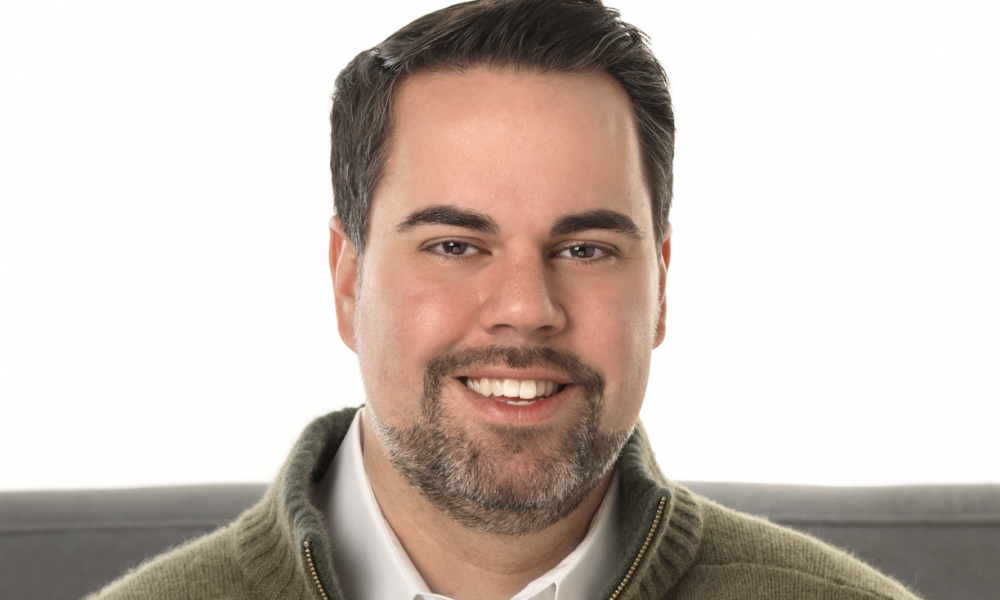
Gregory Altman and the secret life of silk
A former Tufts football captain spent decades studying a material most people reserve for special occasions. Now he wants its less visible properties working inside the things we use every day.
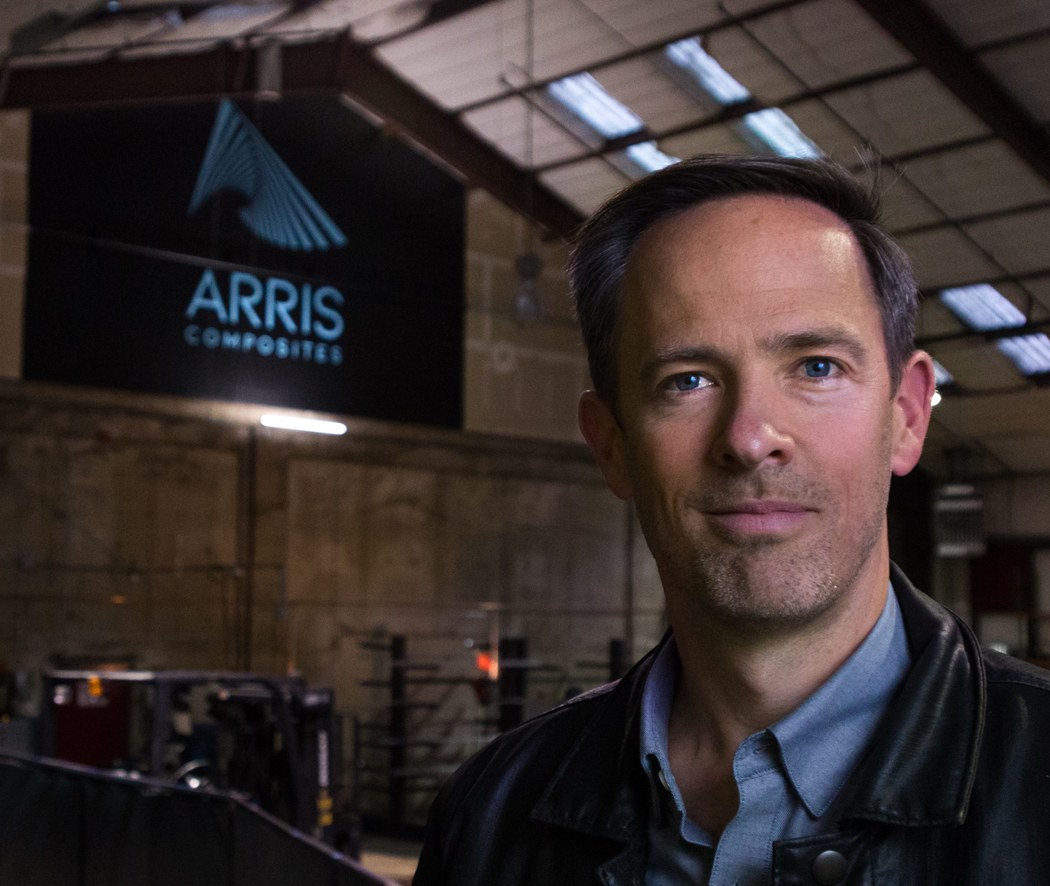
Ethan Escowitz’s unlikely raw material
He helped turn carbon fiber into factory-made parts at ARRIS. Now Ethan Escowitz is working with almond shells, pursuing another change in what manufacturers can make - and what they can make it from.
TYBR Health wants your repaired tendon to mind its own business
A blue gel, a narrow space, and a stubborn surgical problem: TYBR Health is building a business around keeping healing tissues from sticking together.

AIC-JKLU gives startup ideas a factory problem to solve
At a university outside Jaipur, AIC-JKLU connects founders with labs, mentors and industrial partners. Its biomaterials accelerator shows what happens when the startup brief begins with a paper mill.
Deborah Bitterfield Is Taking the Water Out of Biologics - and the Waiting Room Out of the Day
A Duke materials scientist turned one stubborn laboratory technique into a biotech company, a Novartis collaboration, and a practical lesson in building around the minutes people want back.
Adam Kinsey Built His Career in the Space Between the Lab and the Ledger
The Ventrix co-founder trained as an engineer, learned the grammar of patents and then spent more than a decade turning an academic biomaterial into a company built for the long haul.
Cresilon Killed Its Big Launch - Then Built a Bleeding-Control Business the Hard Way
A 17-year-old's algae experiment became a syringe of hemostatic gel. The useful business lesson came later, when blackened batches forced Cresilon to cancel a launch and become its own manufacturer.
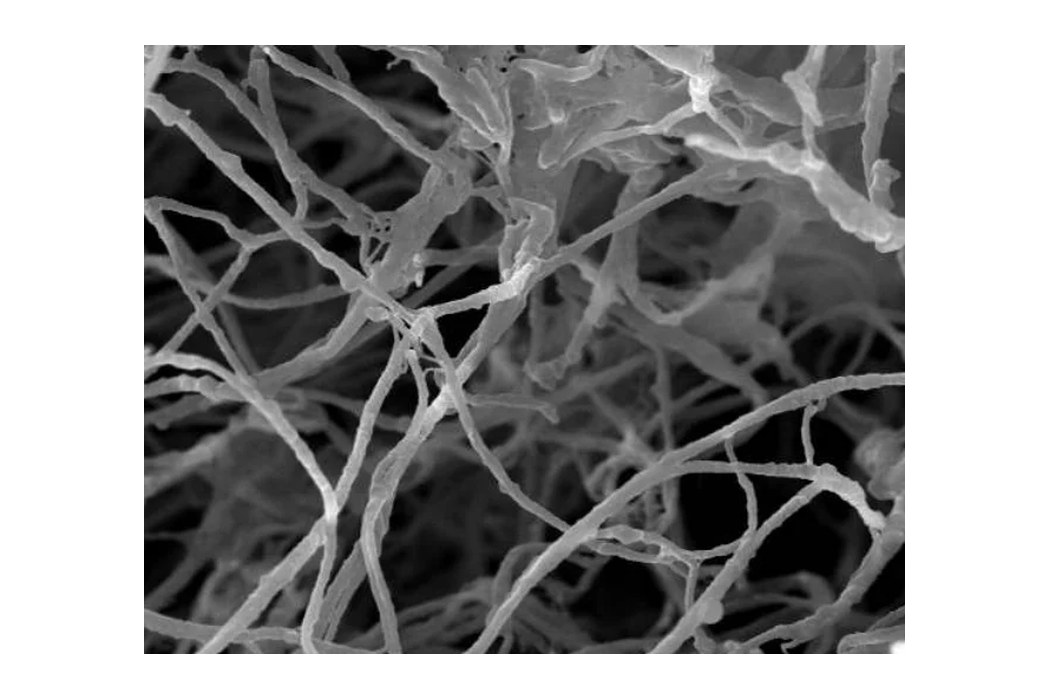
Ventrix Put Pig-Heart Scaffolding in a Catheter. Now Comes the Hard Part.
A tiny San Diego biotech turned the heart's natural scaffolding into an injectable material, survived the first human test, and then redesigned the delivery. The idea is elegant. Proving it works at scale is the expensive part.

The Dumpling Company That Also Grows Plastic
CJ CheilJedang turned Korean pantry staples into a global frozen-food business. Behind the dumplings is a second company built on fermentation, amino acids and a bet that microbes can make better materials.
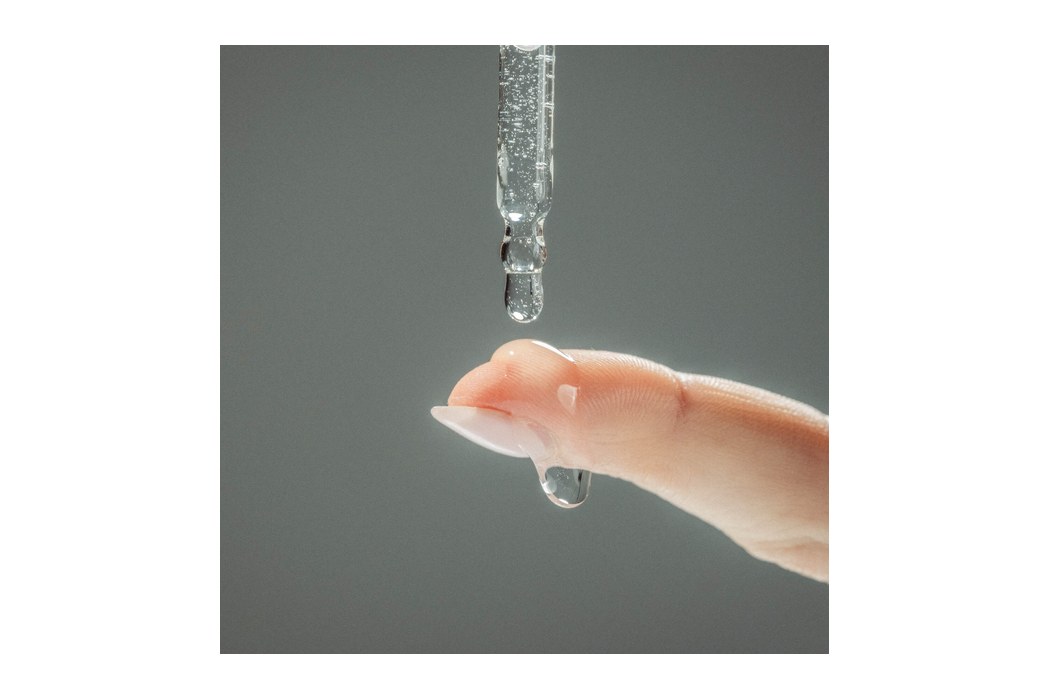
Evolved By Nature
Evolved By Nature is a Boston-area biotechnology company that turns discarded silkworm cocoons into a liquid, renewable protein platform called Activated Silk. From that platform it builds a library of natural peptides and biopolymers used as petrochemical-free alternatives across three markets: clean skincare and cosmetics ingredients, biodegradable finishes for leather and performance textiles, and injectable biomaterials for medical aesthetics. Founded in 2013 by silk-chemistry veterans Dr. Gregory Altman and Dr. Rebecca Lacouture, the company has raised roughly $190M including a $120M Series C and counts Chanel among its investors and partners.
Alafair Biosciences, Inc.
Alafair Biosciences is an Austin, Texas commercial-stage medical device company that makes bioresorbable, plant-based hydrogel implants to protect healing soft tissue after surgery. Built on its patented VersaCore hydrogel technology - a collagen-free, dye-free blend of naturally derived hyaluronic acid and alginate - the company's VersaWrap Hydrogel Sheet and VersaCoat Flowable Hydrogel create a non-constricting gliding interface around tendons, ligaments and peripheral nerves to limit postoperative tethering and help patients regain function. More than 40,000 VersaWrap implants have been used across orthopedic, spine, hand and plastic/reconstructive procedures.

Fount Bio, Inc.
Fount Bio is a Somerville, Massachusetts life-science company that builds long-lasting hyaluronic acid (HA) matrices directly inside living tissue. Its proprietary Flī-HA platform uses Nobel-Prize-winning bioorthogonal (click) chemistry to deliver HA building blocks that self-assemble in situ into a biostable, high-molecular-weight matrix - overcoming the delivery and degradation barriers that have long forced HA to be injected as pre-formed filler. The lead product, Flī-Derm, is a needle-free liquid for aesthetic dermatology that reduced fine lines and wrinkles in a blinded clinical study and won IMCAS 2024's Innovation of the Year. The tunable platform extends toward ophthalmology, joints, mucosal tissue and women's health.

Simplifyber
Simplifyber is a North Carolina biomaterials company reinventing how soft goods are made. Its proprietary natural-fiber liquid, Fybron, is injected into 3D molds to form fabric directly, skipping the spinning, weaving, cutting, and sewing steps of conventional textile production. Founded in 2021 by fashion veteran Maria Intscher-Owrang and Phil Cohen, the company targets fashion, footwear, bags, automotive and aviation interiors, and consumer packaging with a cellulose-based, largely biodegradable alternative to fossil-derived materials. It closed a $12M Series A led by Suzano Ventures in April 2025.
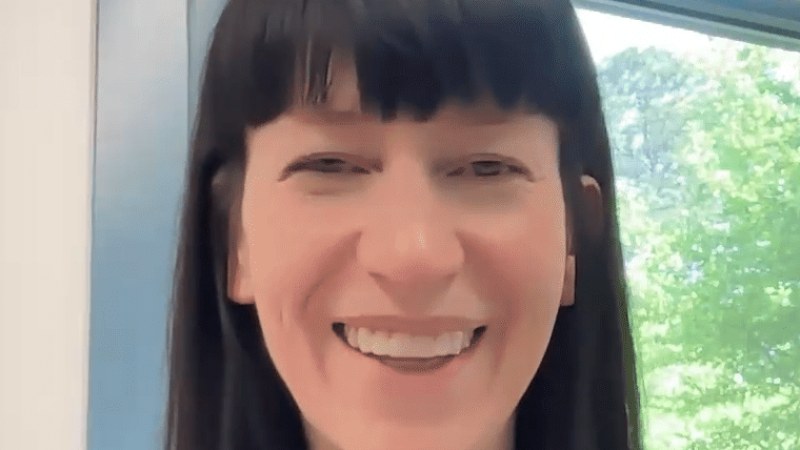
Maria Intscher-Owrang
Maria Intscher-Owrang is the co-founder and CEO of Simplifyber, a Raleigh-area materials startup that molds cellulose-based liquid directly into finished textile and composite parts, eliminating spinning, weaving, cutting and sewing. After more than two decades designing for Vera Wang, Calvin Klein, Dirk Bikkembergs and Alexander McQueen, she left luxury fashion to rebuild manufacturing from the fiber up, landing partnerships with GANNI and Kia and a $12M Series A led by Suzano Ventures.

SweetBio, Inc.
SweetBio, Inc. is a Memphis-based medical device company that bioengineers manuka honey into solid, easy-to-apply wound dressings. Its flagship product, APIS, combines a collagen derivative, UMF-certified manuka honey, and hydroxyapatite into a trimmable sheet that is FDA-cleared and Medicare-covered for managing chronic and acute wounds, including diabetic foot ulcers. Founded in 2015 by sibling co-founders Kayla Rodriguez Graff and Dr. Isaac Rodriguez, the woman-led, Latinx-founded company aims to make advanced wound care accessible and affordable - taking a remedy as old as the ancient Egyptians and delivering it in a modern, standardized form.
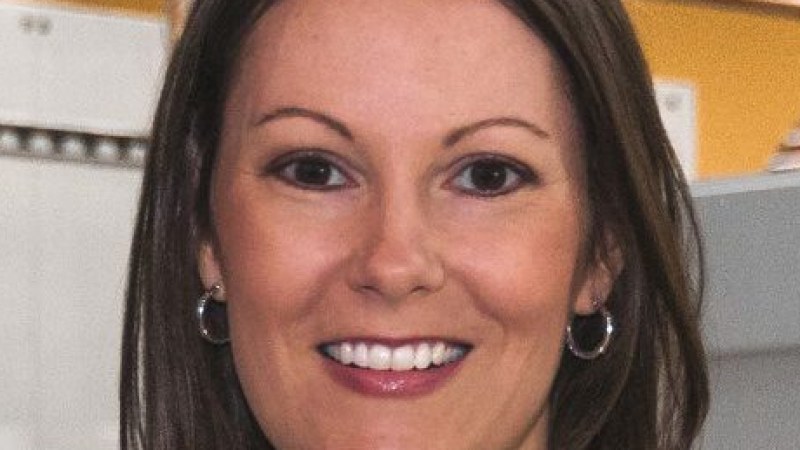
Caralynn Nowinski Collens
Caralynn Nowinski Collens is a physician-turned-entrepreneur and the co-founder and CEO of Dimension Bio (formerly Dimension Inx), a Chicago biotechnology company building regenerative therapeutics that give the body a blueprint to heal itself. Its BioNidum platform fuses materials science, 3D-printing, and digital manufacturing to turn cells into implantable, tissue-like therapies. Before biotech, she spent eight years co-founding and running UI LABS, the innovation collaborative that launched MxD, the U.S. national hub for digital manufacturing. She trained as an M.D./MBA at the University of Illinois at Chicago and has been recognized on Crain's Forty Under Forty, Tech 50, and Notable Women in STEM lists.
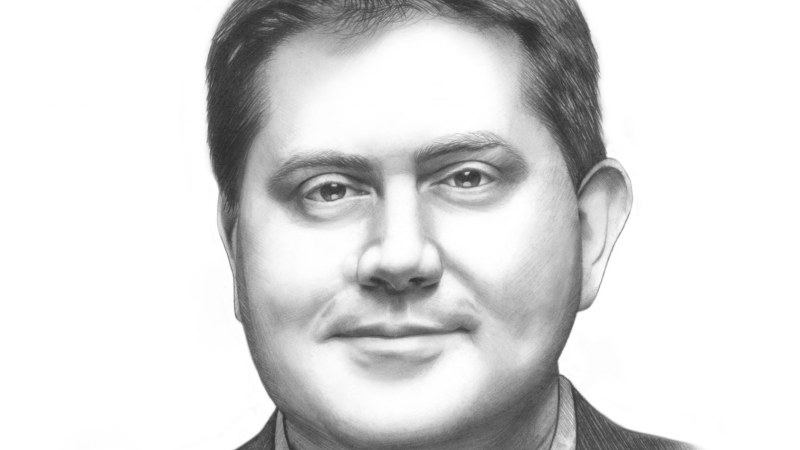
Luis Alvarez
Luis Alvarez is the founder and CEO of Theradaptive, a Frederick, Maryland biotech engineering proteins that latch onto implants and surgical materials to trigger the body to regrow bone, cartilage, and other tissue exactly where it is needed. A retired U.S. Army lieutenant colonel and MIT-trained biological engineer, he traced the idea back to a combat tour in Iraq, where soldiers under his command lost limbs to delayed amputations. Theradaptive has since won multiple FDA Breakthrough Device Designations, raised more than $43 million, and moved its lead protein, AMP2, into human clinical trials.

Adaptilens
Adaptilens is a pre-clinical biotechnology company in Newton, Massachusetts developing the first biomimetic accommodating intraocular lens (A-IOL) - a soft, flexible artificial lens that responds to the eye's natural focusing signal from the ciliary muscle. Founded by ophthalmologist Dr. Liane Clamen, the company aims to replace the cataract-clouded natural lens with one that restores clear vision across near, intermediate, and distance ranges without glasses, contacts, or the halos and glare common to multifocal alternatives. Adaptilens raised a $17.5M Series A in April 2024 to advance its A-IOL toward first-in-human trials.

Dimension Bio
Dimension Bio (formerly Dimension Inx) is a Chicago-based regenerative therapeutics company that turns living cells into implantable, tissue-like therapies. Its BioNidum platform fuses materials science, 3D printing, and digital manufacturing to build three-dimensional microenvironments that help transplanted cells survive, vascularize, and function in the body. A Northwestern University spinout, the company already brought the first FDA-cleared 3D-printed regenerative bone graft (CMFlex) to patients and is now aiming its lead program at acute liver failure - building an engineered, mini-liver-like therapy to stabilize patients and give their own organs a chance to recover.
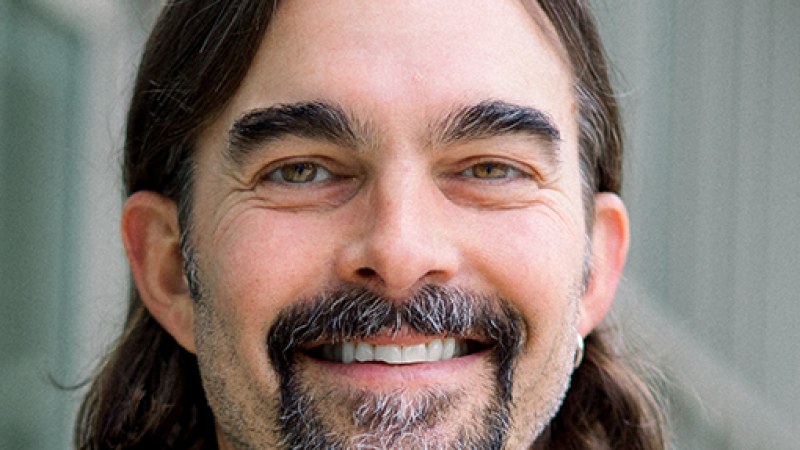
Michael McShane
Michael (Mike) J. McShane is a biomedical engineer who has spent close to 25 years trying to put readable chemistry under the skin. As James J. Cain Professor II and head of the Department of Biomedical Engineering at Texas A&M University, he builds injectable, biomaterials-based optical biosensors - often called 'smart tattoos' - that glow in response to glucose, oxygen and other body chemistries so doctors can monitor patients continuously and minimally invasively. A Fellow of IEEE, SPIE, BMES and AIMBE, past president of the IEEE Sensors Council and founding chair of the IEEE BioSensors conference, he won the 2012 NIH Director's Transformative Research Award and the 2023 IEEE Sensors Council Technical Achievement Award.