pharmaceuticals
(85)
The Best Therapy in the World Still Needs Someone to Say Yes
MEYA Health works in the awkward distance between scientific approval and real-world access - where evidence must become a story that payers, health systems and field teams can actually use.
Lhasa Limited gets drug rivals to share their safety secrets
The Leeds software charity turns chemical knowledge into tools for spotting hazards. Its unusual advantage is persuading competing companies to learn from one another’s experiments.
Qualio Turned the FDA’s Paperwork Problem Into a $64 Million Software Bet
A pharmacist saw life-science teams trying to prove product quality with paper, spreadsheets and disconnected software. Fourteen years and roughly $64 million in funding later, Qualio is betting that audit readiness can become a continuous operating system - with humans still holding the pen.
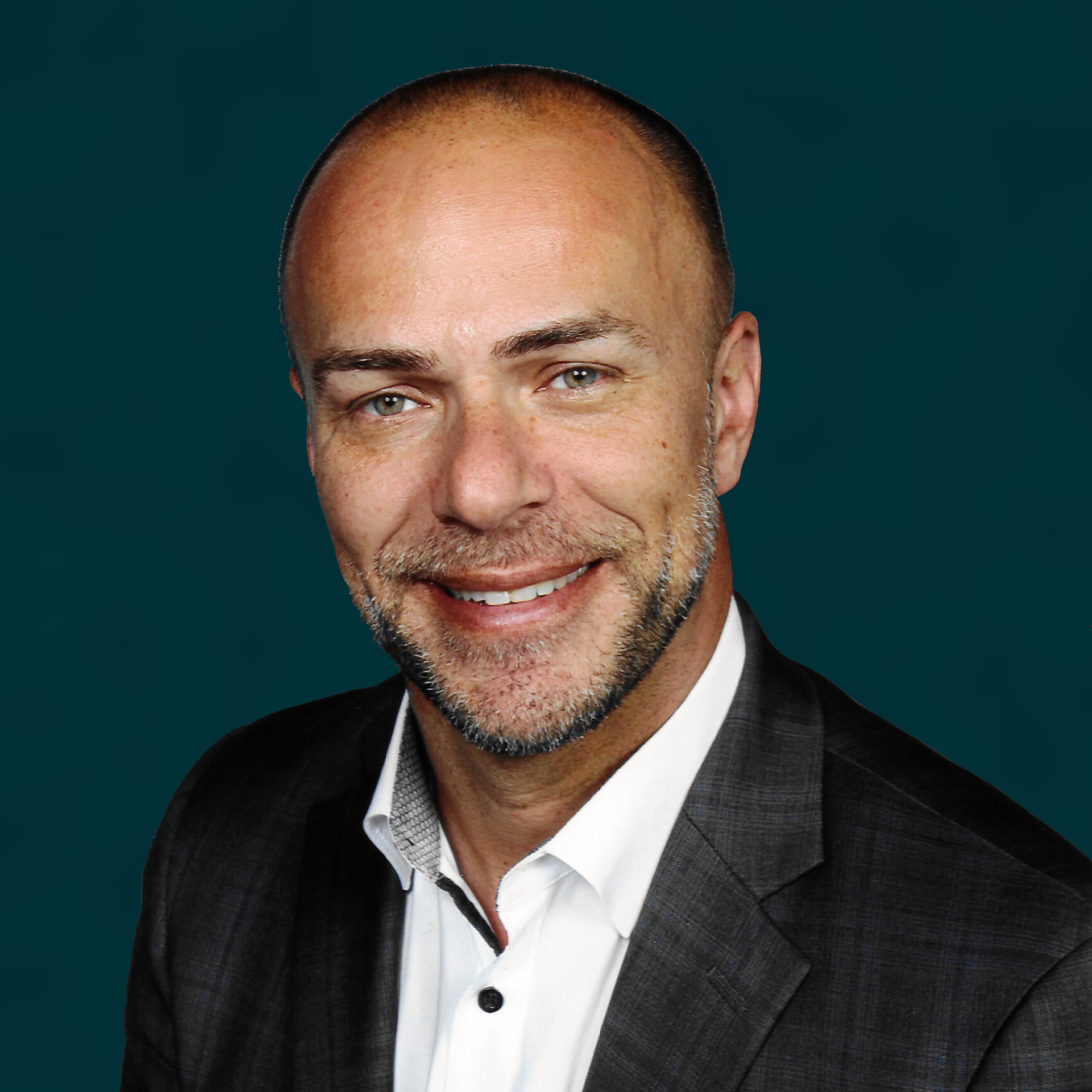
Justin Chickles Is Building a Biotech on the Art of Removing Friction
After more than 25 years moving between large healthcare companies and lean startups, the Glycyx CEO has learned that biotech progress often depends on a less glamorous skill: turning a complicated premise into the next clear, fundable step.
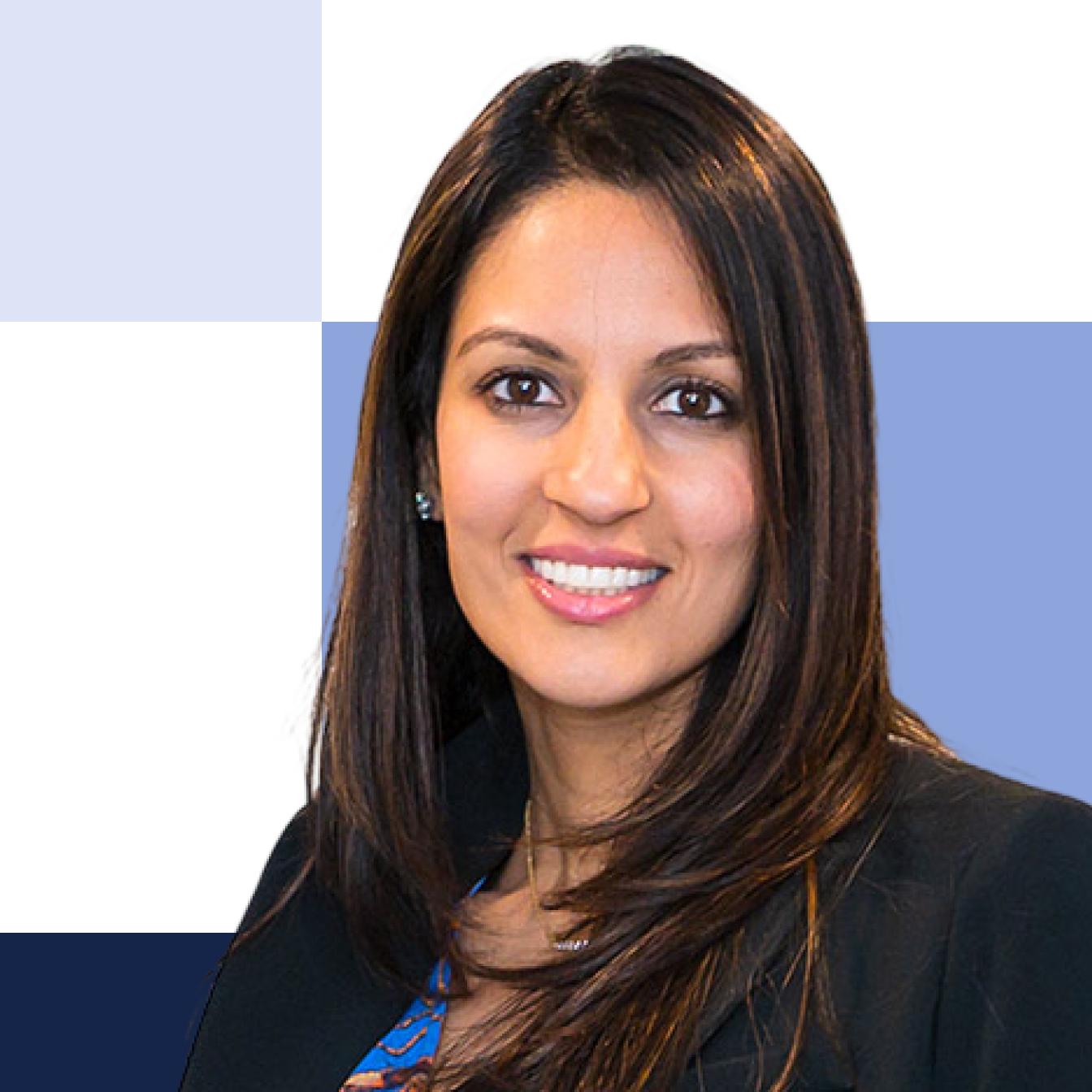
Sonia Veluchamy Is Teaching AI to Respect the Fine Print
The Celegence co-founder spent a decade learning how regulated work actually moves. Now she is building a company where expert judgment and automation share the same desk.
Bausch Health Built a $10 Billion Medicine Cabinet - Now It Has to Outrun a $20 Billion Hangover
Its products sit in pharmacies, dental offices, GI clinics and aesthetics practices across roughly 100 countries. The hard part is not selling medicine - it is turning a sprawling acquisition legacy into a focused healthcare company before debt, patents and price controls set the pace.
Neurelis Put an Old Seizure Drug in the Nose - and Built a $300 Million Business Around the Hard Part
The medicine was familiar. The delivery problem was not. Neurelis spent more than a decade making diazepam work as a practical nasal rescue treatment - then showed how a narrow patient problem can become a platform, a pipeline and a profitable commercial company.
Celegence Found the Unsexy AI Business: Fixing the Paperwork That Keeps Medicine on the Market
Two sisters started with regulatory services, watched their own writers wrestle with hundred-page reports, and built software around the bottlenecks. The result is a useful playbook for enterprise AI: begin with paid work, reject the clever features that cannot be checked, and automate only what experts can defend.
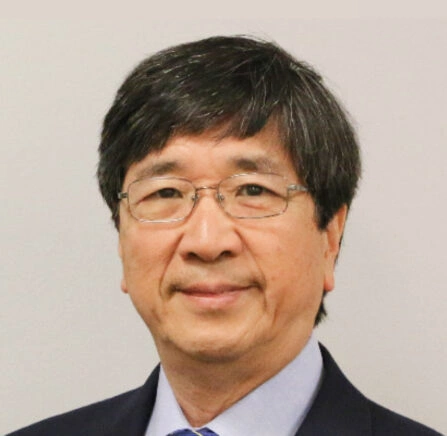
Larry Hsu’s second act runs on patient architecture
After building Impax from a 1995 startup into a public pharmaceutical company, Larry Hsu returned to the beginning: a small team, licensed science, and the long work of turning drug candidates into companies.
Novartis Cut Away an Empire to Bet on Five Ways of Making Medicine
The Swiss giant spent years shedding businesses until only innovative medicines remained. Now its growth depends on turning five scientific platforms into treatments that health systems will pay for - and patients can actually reach.
The quiet engineer keeping Takeda's medicine flowing
He does not develop the drug or run the ads. He makes sure the thing gets made, on spec, on time, batch after batch - across a network of factories Takeda does not own.
The company that survived its own “Kodak moment”
Bankrupt in 2012, betting on chemicals and celluloid in 2026 - how a 140-year-old imaging giant rebuilt itself around print, film and the periodic table.
The 176-Year-Old Startup That Sells Science by the Milligram
It began as a candy-flavored worm medicine in a Brooklyn brick house. Today Pfizer is racing to replace its Covid windfall with cancer drugs and weight-loss pills before the patents run out.
The 245-Year-Old Drugmaker Betting Its Next Act on Six Big Swings
Takeda began as a medicine shop in Osaka in 1781. Now a new CEO must turn a sprawling global portfolio, a $30 billion-plus revenue base and six late-stage programs into the company’s next generation of growth.

GSK
After spinning off toothpaste and painkillers, GSK placed a sharper bet on the immune system. Its next chapter is being written in vaccine vials, long-acting HIV medicine and a newly enlarged cancer pipeline.
Johnson & Johnson
It stopped making the Band-Aid. What is left is a $94-billion bet that the future of Johnson & Johnson is written on a prescription pad and a robotic arm.
Bayer
Bayer is trying to make one science company work at three speeds: the long clock of drug discovery, the seasonal rhythm of farming and the everyday urgency of self-care. Its turnaround will depend on whether that range becomes an advantage rather than a burden.
Eli Lilly and Company
The company that mass-produced insulin now runs on a molecule that helps people lose weight. Inside the 150-year-old Indianapolis drugmaker that became a trillion-dollar bet on metabolism.
Sanofi
The 53-year-old French drugmaker is narrowing its bets to immunology, vaccines and a faster pipeline. The wager is that better biology, selective dealmaking and factory-scale AI can turn scientific focus into repeatable growth.
Merck
KEYTRUDA made Merck an oncology powerhouse. Now the 135-year-old drugmaker is spending, partnering and inventing its way toward a future that cannot depend on one medicine.

Reinilde Heyrman
Reinilde Heyrman has spent decades turning clinical uncertainty into decisions. Her method is neither grand nor theatrical: start with the science, plan for the detour, and make sure someone owns the next move.
Sun Pharma
Sun Pharma became India’s largest drugmaker by mastering generics. Now a portfolio of skin, eye and cancer medicines - and an audacious pending Organon deal - is changing what the company wants to be.
Medpace
The Cincinnati CRO built a $2.5 billion business by taking on clinical trials that young biotechs cannot run alone - and by keeping the scientists, software, labs and logistics under one roof.
UCB
UCB spent decades shedding its industrial past to become a specialist in the brain and immune system. Now five medicines, two ambitious acquisitions and a new Georgia factory are testing whether focus can scale.
Dispatch
Dispatch is a San Francisco hard-tech startup building the return leg of the space economy. Founded by ex-Astranis engineers, it develops refurbishable reentry vehicles and uncrewed, autonomous space stations so that pharmaceutical, semiconductor, and biotech companies can manufacture ultra-high-value materials in microgravity and bring them home affordably. Its first vehicle, Spark 1, targets a demonstration flight in 2027, and the team has already tested a full-scale Mach 20+ heat shield built roughly 100x cheaper than incumbents.
CORXEL Pharmaceuticals
CORXEL Pharmaceuticals is a clinical-stage biopharmaceutical company developing innovative therapies for cardiometabolic diseases worldwide. Spun out of RTW Investments in 2019 (formerly JiXing Pharmaceuticals) and dual-based in Berkeley Heights, New Jersey and Shanghai, CORXEL is advancing a pipeline led by CX11, a differentiated oral small-molecule GLP-1 receptor agonist for obesity and type 2 diabetes, alongside JX10 for acute ischemic stroke and JX09 for hypertension. In January 2026 the company raised up to $287 million in Series D1 financing to push these programs through late-stage clinical trials.
David Weber
David Weber, PhD, is the President and CEO of Mosanna Therapeutics, a Redwood City biotech developing MOS118, a bedtime nasal spray for obstructive sleep apnea that aims to restore the body's natural airway reflex during sleep. A biotech operator with more than 30 years in drug development, capital formation, and corporate strategy, he previously led Otonomy through its IPO and multiple clinical programs, and served as CEO of MacuSight and Oculex Pharmaceuticals. He joined Mosanna in June 2025 as the company launched with an $80 million Series A.

Intelligencia AI
Intelligencia AI is a New York-based artificial intelligence company that helps pharmaceutical and biotech organizations predict the probability of technical and regulatory success (PTRS) for drug candidates. Its patented SaaS platform harmonizes more than 1.5 billion clinical and biological data points to score how likely a drug is to advance through clinical phases and win regulatory approval, with reported prospective accuracy above 80%. The company gives R&D, business development, and portfolio teams transparent, explainable AI to de-risk investment decisions in drug development.

Mosanna Therapeutics
Mosanna Therapeutics is a clinical-stage biotech developing MOS118, a bedtime nasal spray for obstructive sleep apnea (OSA). Rather than mechanically forcing the airway open like CPAP, MOS118 is a small molecule pan-K+ channel inhibitor that reactivates the body's own negative pressure reflex - stimulating pressure-sensing nerves in the nasopharynx to increase upper airway muscle tone and reduce apnea episodes. Founded in 2022 and headquartered in Redwood City, California with an office in Basel, Switzerland, the company launched publicly in June 2025 with an $80 million Series A to advance MOS118 through Phase 2.
Neurogastrx, Inc.
Neurogastrx is a Woburn, Massachusetts biopharmaceutical company developing therapies for gastrointestinal disorders rooted in the enteric nervous system. Its lead candidate, NG101, is an oral, peripherally acting dopamine D2 receptor antagonist (a proprietary mesylate salt of metopimazine) in late-stage development for gastroparesis and for the nausea and vomiting that limit GLP-1 weight-loss and diabetes drugs. Backed by roughly $105-125M from OrbiMed, 5AM Ventures and venBio, the company reported Phase 2 data in 2025 showing sizable reductions in GLP-1-induced nausea and vomiting.