The principal, not the broker
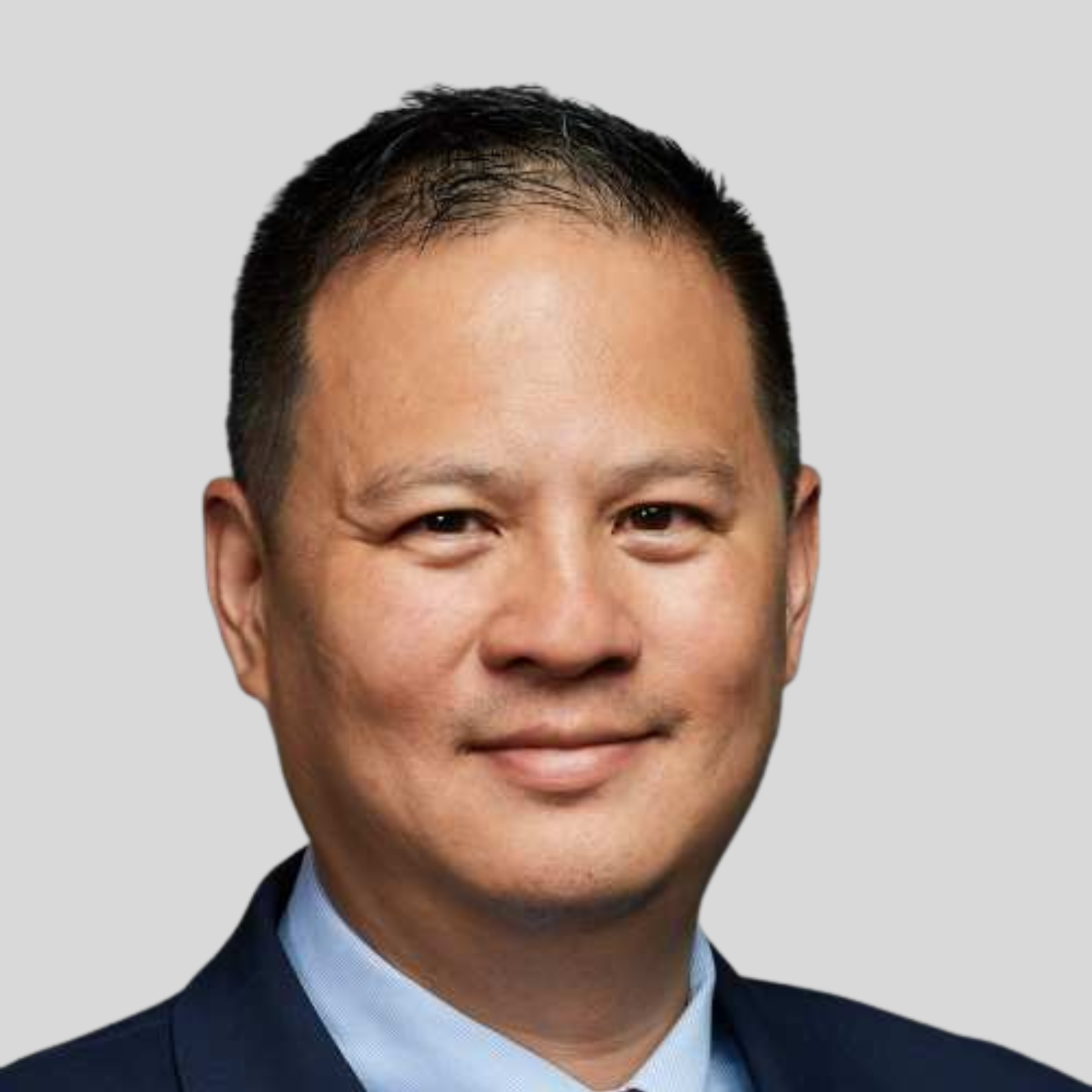
For most of his career, Michael Shih was the person on the other side of the table. He sourced deals, structured them, and negotiated them for some of the biggest names in cancer medicine. In December 2024 he stopped brokering other people's pipelines and started running one of his own. He is the Chief Executive Officer of NeoPhore, a small London company with roughly twenty people and an outsized idea.
The idea is this. Tumors survive partly by staying boring to the immune system. NeoPhore wants to make them interesting. Its drugs go after the DNA mismatch repair pathway, the cell's spell-checker, and the goal is to let mutations accumulate in a controlled way so that a tumor starts flagging itself as foreign. More flags, called neoantigens, mean more for the immune system to attack, and a better shot for immunotherapies to land and stay landed.
Shih arrived at a specific moment, not a vague one. The company had just closed an oversubscribed Series B round backed by Bristol Myers Squibb. The chairman wanted a corporate-development operator to carry the company from lab science toward the clinic. Shih, who had been doing corporate development for two decades, was the answer.
The scoreboard
How NeoPhore picks its fight
You do not need a PhD to follow the logic. The trick is that cancers which already have broken repair machinery, the so-called MMR-deficient tumors, tend to respond beautifully to immunotherapy. NeoPhore's wager is that a small molecule could push other tumors in that direction on purpose.
Inhibit MMR
Small molecules target proteins across the DNA mismatch repair pathway.
Make mutations
New mutations accumulate inside the tumor's own cells.
Flag the tumor
Those mutations create neoantigens - red flags the immune system can see.
Free the attack
Immunotherapies work harder, and the response lasts longer.
The lead programmes go after PMS2 and MLH1, two proteins in that repair pathway. The company spun out of the University of Turin and PhoreMost via the CRT Pioneer Fund, which is a polite way of saying the science came first and the company was built around it.
Biology, then law, then deals
Start with the unusual part. Shih studied molecular biology at Cornell, added a master's in biology from the University of Illinois at Urbana-Champaign, then went to Fordham and became a lawyer. People usually pick one lane. He collected three credentials across two disciplines and then spent his career in the seam between them.
His first chapters were legal. He practiced at New York law firms on intellectual property and transactional work in the life sciences, then moved in-house at Eisai, where he handled mergers and acquisitions, business development and corporate transactions. The lawyer slowly became a dealmaker.
From there the titles climbed. Senior Director of Business Development at Forest Laboratories. Vice President of Business Development at Epizyme. Vice President of Business Development and Chief Legal Counsel at Kastle Therapeutics. Then the larger stages: Head of Global Transactions at Sanofi, Senior Vice President and Head of Business Development at Biogen, and Vice President of Corporate Development at Kite Pharma, the cell-therapy company that helped define modern immuno-oncology.
Read that list again and a pattern shows up. Shih kept moving toward cancer, toward immunology, and toward the moment a science becomes a company. NeoPhore is where those three lines meet.
Kite Pharma
VP of Corporate Development, leading business development at one of cell therapy's landmark companies.
Biogen
SVP, Head of Business Development - sourcing, structuring and executing collaborations and M&A.
Sanofi
VP and Head of Global Transactions, operating at the scale of a global pharma deal machine.
Eisai
Where the lawyer became a dealmaker - in-house counsel plus business development.
How he got to the chair
A company that needed a translator
There is a reason NeoPhore reached for a corporate-development veteran rather than a bench scientist. A pre-clinical company with a novel mechanism has two jobs at once. It has to keep the science honest, and it has to convince partners and investors that the science is worth their money. Bristol Myers Squibb already put its name on the round. Carrying that confidence forward is exactly the kind of work Shih has done his whole career.
It helps that he can read the science he is selling. A lawyer who never studied biology would be taking the lab's word for everything. A biologist who never practiced law would be guessing at the contracts. Shih has done both, which means he can sit in a room of scientists and a room of investors and not feel like a tourist in either.
Things worth knowing
- Three degrees, two fields, one career spent in the gap between them - biology at Cornell, biology again at Illinois, then law at Fordham.
- His resume is a near-complete tour of cancer drug development: Kite, Biogen, Sanofi, Eisai, Epizyme, Forest and Kastle.
- He started in intellectual property law, which in biotech is where the value actually lives. Patents are the product before the product exists.
- NeoPhore did not raise its Series B and then go looking for him - it closed the round first, then brought in the operator to spend it well.
- The company is small enough that the CEO and the science share the same building, the same twenty-odd people, the same goal.