cornell
(101)
Ilya Sukhar and the value of doing less
He built Parse to spare developers the work they kept repeating. From mobile infrastructure to investing at Matrix, Ilya Sukhar has kept returning to the same question: what can we take off the builder’s plate?
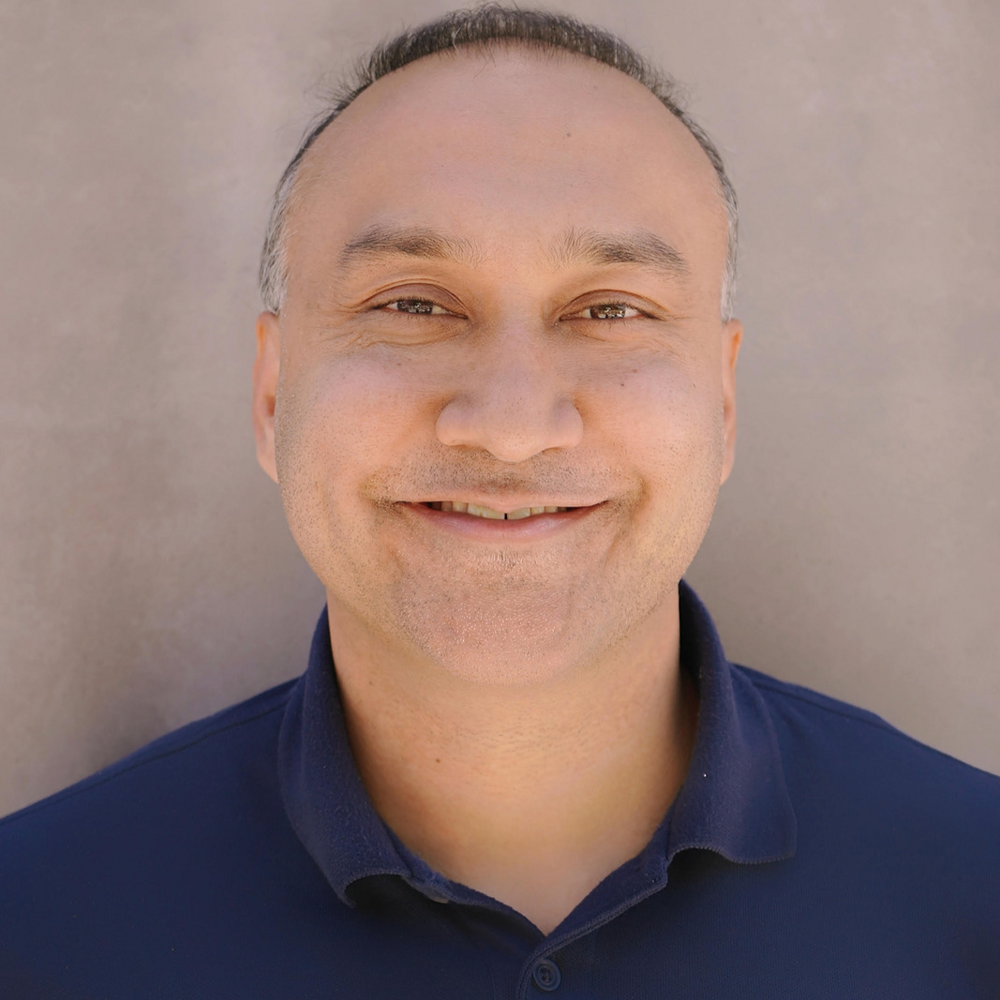
Alok Chanani and the business of getting things unstuck
Before BuildOps, Alok Chanani moved money through Iraq and built property in Southern California. Then he noticed how much skilled work was being held up by the paperwork around it.

Tianyi Jiang and the value of a library desk
Before AvePoint reached two stock exchanges, Tianyi Jiang and Kai Gong worked from a public library in New Jersey. The habits formed there still shape how Jiang builds software, spends money and opens doors for students.
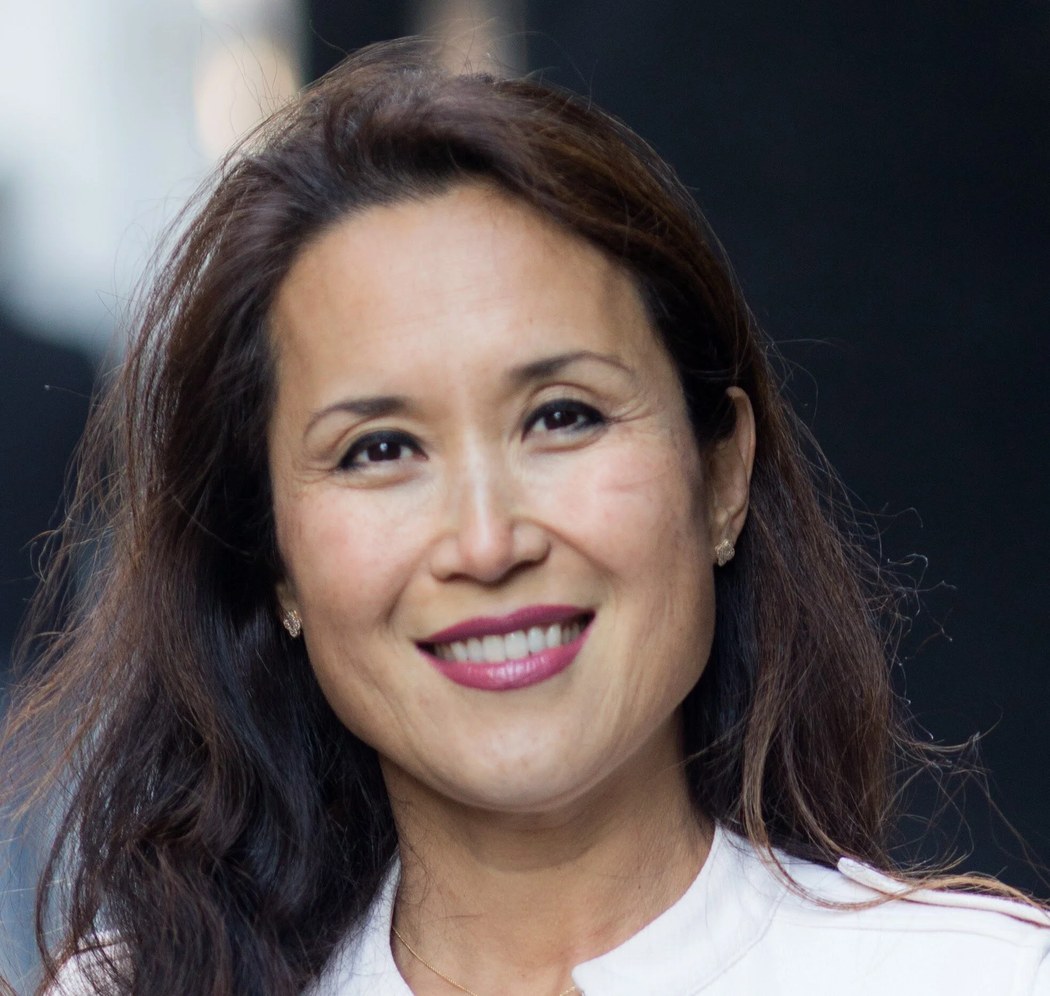
Kristen Koh Goldstein and the Job That Wouldn’t Fit
She had the finance credentials, the startup experience and three children. When the work on offer failed to fit, Kristen Koh Goldstein began building a different arrangement - and discovered that flexibility needed its own machinery.

Derek Chiang and the price of one more click
A basketball-inspired collectibles startup brought Derek Chiang face to face with crypto’s awkward front door. At ZeroDev, and now Ethlabs, he has kept working on what happens between a promising technology and a person willing to use it.

Daniel Terry and the small screen that kept getting bigger
A farm, a cast of fictional characters, a lesson in philosophy. The Pocket Gems co-founder has spent his career finding room for new kinds of experience on a phone.
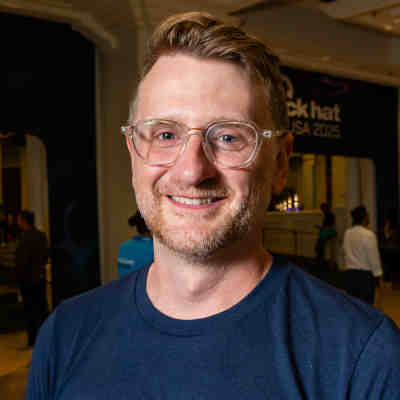
Aaron Walls and the trouble with leaving things unattended
A hot Atlanta apartment helped send Aaron Walls into brewing hardware. After crowdfunding, Shark Tank and years of helping other founders, the Boulder entrepreneur is working on another unruly system: AI agents.

Tom Itin and the business of making things happen
From Mobil’s overseas offices to truck controls, golf stores and technology licensing, Tom Itin has spent his career working where a promising idea meets the practical business of getting it financed, built and sold.

Zachary Ziegler and the Art of Asking the Hard Question
A Goldwater scholar in engineering physics became a language-model researcher, then helped build a search tool for clinicians. Zachary Ziegler’s recurring question is disarmingly plain: is the thing useful enough to earn its place in someone’s day?
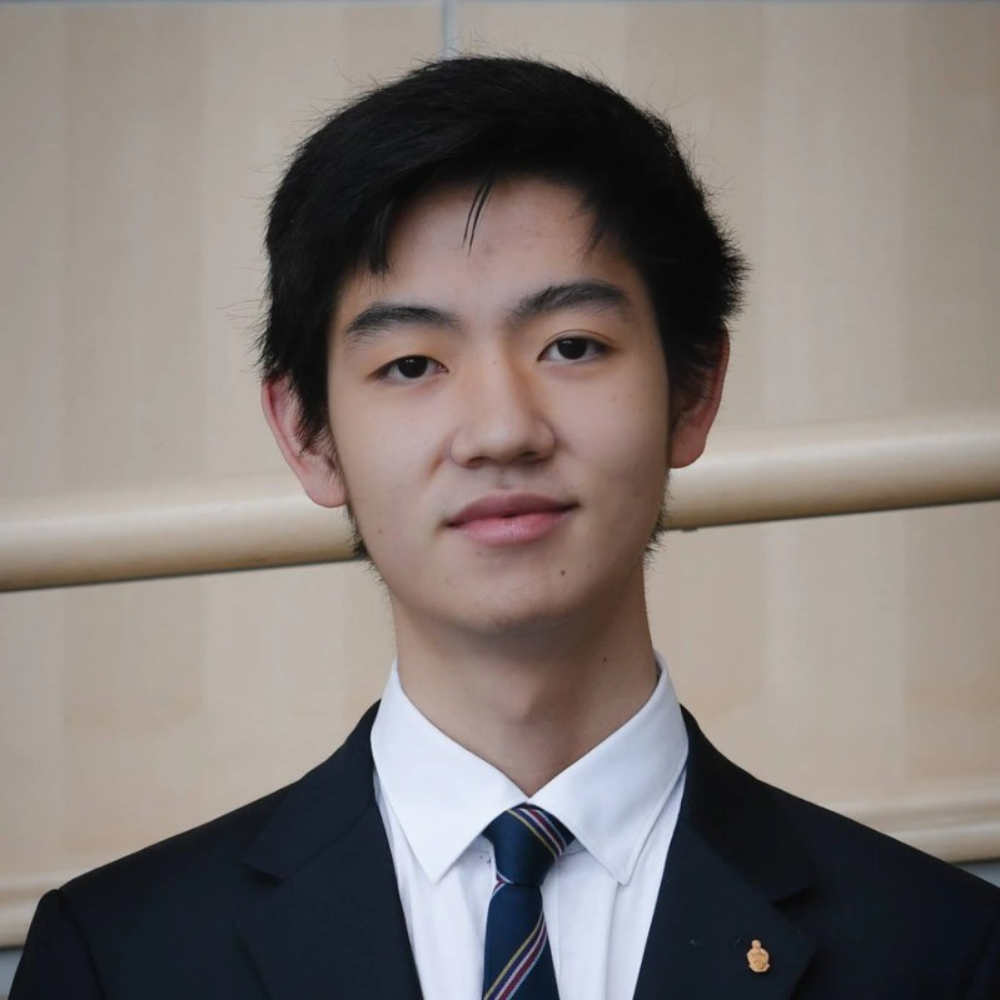
Ben Kim Built an AI Game Engine. Then the Engine Became the Test.
Nitrode began by trying to make games easier to build. Ben Kim and his team discovered a thornier problem hiding inside the engine: AI still struggles to understand worlds that move.
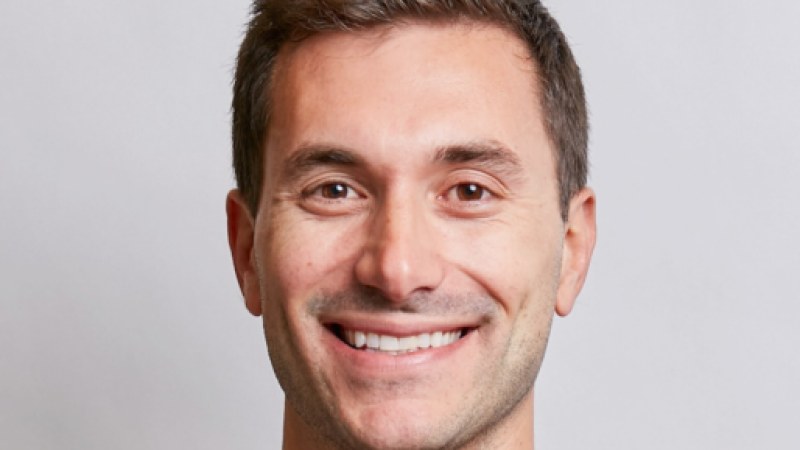
Will Holtz
Will Holtz runs strategy and operations at Prescient AI, the marketing mix modeling platform that tells omnichannel brands where the next dollar should go. He listed as Interim CEO on the company page and VP of Strategy & Operations across recent profiles - a range of hats at a fast-moving Series A startup. A Cornell economics-and-psychology grad with a Wharton MBA, he started in finance at Morgan Stanley and Soros Fund Management before spending a decade in the trenches of DTC operations at Recess, Grove Collaborative, SourceMedium and his own ventures. On the side he co-founded and hosts Don't V*LOOKUP, a podcast about how the best operators actually use their data.

Robbins Schrader
Robbins Schrader is the co-founder and CEO of SafeRide Health, a San Antonio-based technology company that runs non-emergency medical transportation (NEMT) for the country's largest Medicare Advantage, Medicaid, and provider programs. A former US Navy officer and Boston Consulting Group project leader with a Wharton MBA, he started the company in 2016 with his brother Whit Schrader and Ben Salter to fix healthcare's hardest mile: getting vulnerable patients to the care they need. Under his leadership SafeRide now coordinates more than a million rides a year and Schrader was named an EY Entrepreneur Of The Year 2024 Gulf South Award winner.

Jan Seale
Jan Seale is the CEO and co-founder of Out of Office, a Chicago-based travel app that turns recommendations from your own friends and trusted circle into bookable trips across thousands of cities. A Cornell grad who spent years at Gap, Trunk Club, and Havenly before building her own company, she launched a travel startup in the middle of a global pandemic - and became one of the first 100 Black women in the United States to raise more than a million dollars in venture capital. She runs on gratitude, literally: she starts every morning by naming ten things she is grateful for.

Jason Kowalski
Jason Kowalski is the co-founder and CEO of ProductWind, an influencer technology platform built for brands that sell on online retailers like Amazon and Walmart. A former Amazon product lead who built the retailer's self-service marketing platform, Kowalski started ProductWind in 2020 on a contrarian idea: brands should market to retail algorithms, not just shoppers. The company coordinates thousands of micro-influencers to move e-commerce metrics that matter to those algorithms - sales velocity, reviews, organic placement, and Best Seller Rank - rather than chasing likes and reach. Bootstrapped and profitable from day one, ProductWind grew revenue tenfold before raising a total of roughly $5.17M in seed funding.
Jerry Wu
Jerry Wu is the co-founder and CEO of Halluminate (YC S25), a San Francisco startup building synthetic, fully-simulated versions of the internet so AI agents can learn to use computers and browsers reliably. A Cornell computer science and economics graduate who once researched model quantization, he previously led product and research at Capital One Labs, where he shipped one of the first AI agents in financial services and co-authored three patents. With longtime collaborator Wyatt Marshall, he is building what the pair call Westworld: a catalog of realistic sandboxes and expert-annotated evaluations that AI labs use to train and test computer-use agents at scale.
Jessvin Thomas
Jessvin Thomas is the CEO of Auguria, a cybersecurity startup building what it calls the first SIEM designed from the ground up for AI - a 'Security Knowledge Layer' that curates the flood of security logs before analysts ever see them. A Cornell-trained operations researcher who started his career hand-inspecting firewall logs during the dot-com boom, he has spent two decades across Nokia, Blackstone, Optiv, SKOUT/Barracuda, and Adlumin. He is also a Venture Partner at SYN Ventures and, in a twist, the owner of Tenn Street Coffee & Books in Denver.
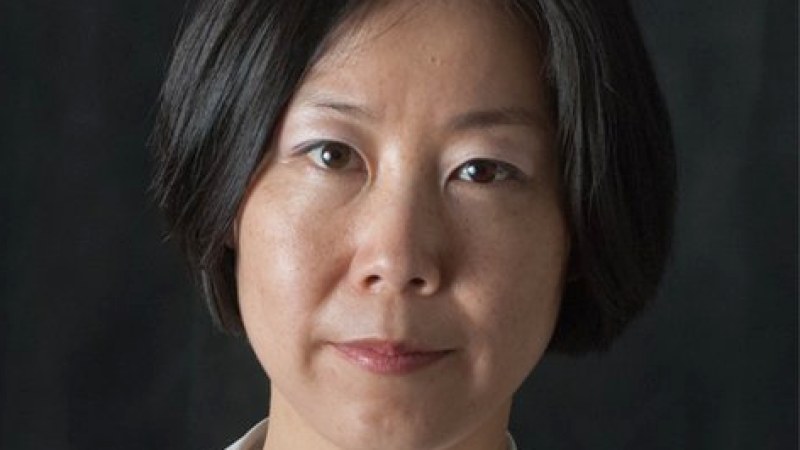
Jing Zhu
Jing Zhu is the Founder and CEO of Duet (Dashboard Story, Inc.), a B2B SaaS platform built for non-emergency medical transportation (NEMT) providers across the United States. A Cornell PhD-turned-Berkeley MBA, she spent a decade in corporate healthcare before founding Duet — first as a neighborhood carpooling app, then pivoting to a full-stack dispatching and billing platform that helps wheelchair, stretcher, and ambulatory transport operators run leaner and get paid faster. Based in San Francisco, Zhu leads a 12-person team and has raised $120K in seed funding.

Julio Casado
Julio Casado is the CEO of ANJA Life, the first adult-use cannabis dispensary in Highland Park, New Jersey, and the founder and managing partner of Full Funnel Growth, a NYC-based growth marketing agency. A Cornell-educated, Bronx-raised operator with a decade-plus background spanning Deloitte, AXA, Success Academy and Bridge Philanthropic Consulting, he now sits at the unlikely intersection of management consulting, e-commerce growth funnels, and a Sanskrit-rooted cannabis brand named for the act of manifesting.

Kusal de Silva
Kusal de Silva is the CEO of AptEdge, an AI-native company focused on solving the hard last mile of enterprise B2B technical support — complex tickets, scattered knowledge, and the engineers who untangle both. A Cornell-trained, Oxford-polished operator with two decades inside enterprise sales orgs at Citigroup and Meltwater, he took the AptEdge helm in 2025 with a sharp position: don't be the fastest answer, be the right one.

Lauren Dachille
Lauren Dachille is the founder and CEO of Nimble, a Y Combinator-backed edtech company building data-driven applicant tracking software that helps K-12 school districts identify, hire, and retain effective teachers. A former DC Public Schools recruiter and StudentsFirst policy hand, she built the system she wished she'd had when sorting through thousands of teacher applications by hand.

Lauren Berson Sugarman
Lauren Berson Sugarman is the founder and CEO of Conceive, a 24/7 fertility and pregnancy care platform she launched in 2021 after her own three-year journey to motherhood. An executive-turned-entrepreneur, she previously held senior roles at Andreessen Horowitz, WeightWatchers, Google, and Citi, and runs Sugarman Ventures as an angel investor with 15+ company investments.

David Feinleib
David Feinleib is a serial entrepreneur, former venture capitalist, and author who is now Founder and CEO of It'sRapid.ai, a Palo Alto AI platform that turns product data and existing assets into finished commerce content for major brands. He has founded multiple companies acquired by EMC, HP, and Keynote Systems, sold Content Analytics to Syndigo in 2019, invested as a General Partner at Mohr Davidow Ventures, and written four books including 'Why Startups Fail' and 'Big Data Bootcamp.'
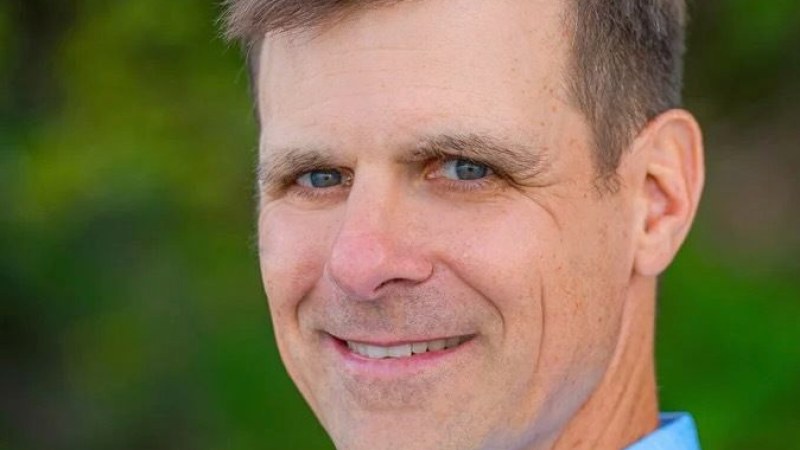
David Krauter
David Krauter is the CEO of Going, the flight-deal company that has saved members more than $1 billion since 2015. A Cornell-trained operator, he spent over a decade at Tripadvisor where he ran SmarterTravel - the portfolio behind Cruise Critic, Jetsetter and AirfareWatchdog - and tripled its revenue. He went on to lead the art-and-collectibles marketplace Invaluable as COO then CEO, ran the social-events company Yaymaker, and built consumer growth engines at Jobcase. Through his firm Shalestone Capital he advises and invests in technology companies. In March 2026 he stepped in to pilot Going's next chapter of growth.
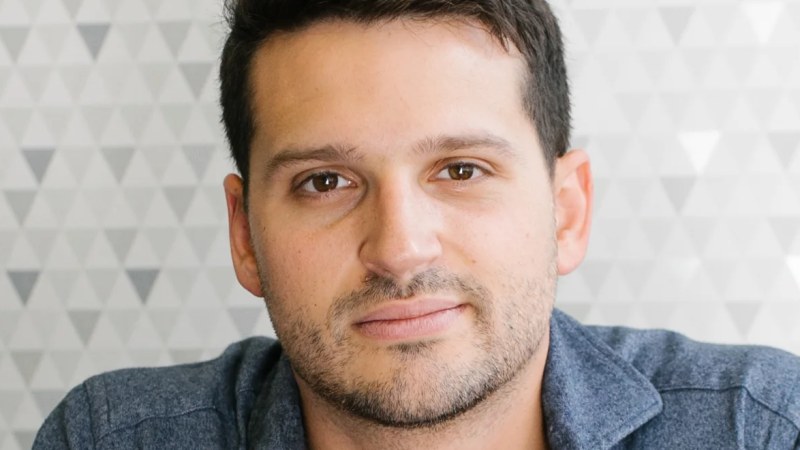
David Roger
David Roger is the cofounder and CEO of Hetal Retail, a New York-based startup that uses computer vision and a crowd of everyday shoppers to tell brands what is really happening on store shelves. Before Hetal, he co-founded and ran Felix Gray, the company that pushed blue light glasses into the mainstream and onto the shelves of Target, CVS and Best Buy before selling in 2023. A self-described generalist who lives at the intersection of analytical and creative, Roger turned the frustrations he felt as a brand operator - expensive, slow, unusable retail data - into the company he runs today.

Eric Chang
Eric Chang is the co-founder and CEO of Claira, a New York fintech building domain-native, agentic AI for private credit and capital markets deal teams. A CFA charterholder with a Cornell engineering degree, he spent nearly two decades inside Goldman Sachs, BlackRock, AQR, and Morgan Stanley before deciding the real problem in finance was not faster analysts but firms that forget what they already know. Claira turns dense legal and credit documents into structured, queryable data and aims to become a firm's permanent decision-making memory. In June 2025 the company raised a $7M seed co-led by Barclays and Citi.
Hakan Unsal
Hakan Unsal is the founder and CEO of Primerli, a Los Angeles area edtech company that compresses how an entire industry works into one-hour, entertainment-quality crash courses. A former BCG principal with a Cornell master's and a Columbia PhD, he started Primerli after years of cramming on unfamiliar sectors before client projects convinced him that slide decks are a terrible way to learn. His pitch: professional training should feel less like a lecture and more like a documentary you actually want to finish.

Taylor Lint
Taylor Lint is the founder and CEO of Swantide, a San Francisco company building an AI infrastructure layer for Salesforce and the broader go-to-market tech stack. An engineer by training, she led the launch of LinkedIn's Talent Insights product and ran engineering and product at Replica, the analytics company spun out of Alphabet's Sidewalk Labs, before starting Swantide in 2020. Her company raised a $7M seed round led by Menlo Ventures and now powers Salesforce work for fast-growing software companies and large service partners like Perficient.

Michael Polk
Michael Polk is the President and CEO of Implus, the Durham, North Carolina maker of footcare, fitness and sporting goods brands like Sof Sole, Spenco, Yaktrax and TriggerPoint. A first-generation American and career consumer-goods operator, he spent decades climbing through Procter & Gamble, Kraft Foods and Unilever before running Newell Brands for eight years, where he led a transformation that roughly tripled enterprise value. Since 2020 he has paired the Implus job with an advisory role at private equity firm Berkshire Partners, trading the glare of a public-company quarter for the hands-on work of building brands shoulder-to-shoulder with a smaller team.

Ryan Li
Ryan Li is the co-founder and CEO of Revert Technologies, a climate-tech company building AI-powered smart power adapters that hunt down 'phantom load' - the electricity devices waste while switched off. A chemical engineer turned energy operator, Li drilled deep-sea wells for Shell, designed green hydrogen plants, and ran Alibaba's US SMB business before building hardware in Maine that he describes as 'the easiest energy decision you'll ever make.' His company measures its own success in one unit: tons of CO2 removed.
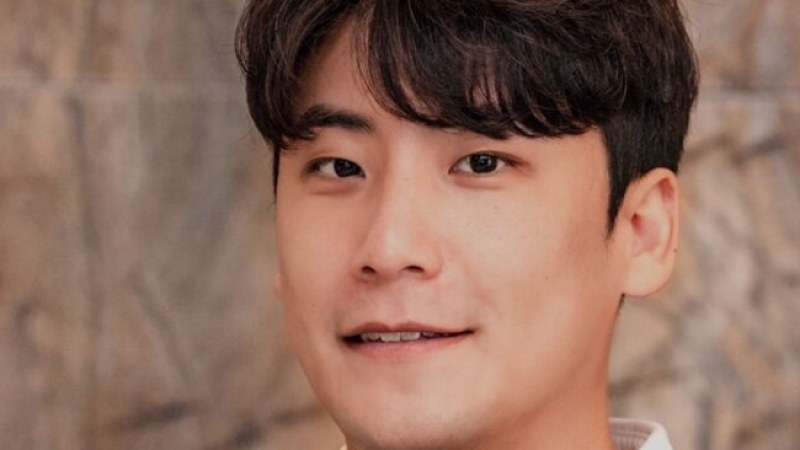
Sang Lee
Sang Lee is the co-founder and CEO of Vibranium Labs, a New York startup building Vibe AI, billed as the first 24/7 AI site reliability engineer. A former Google and AWS engineer who lived through too many 2 a.m. outage firefights, Lee is building an agentic AI teammate that detects, triages, and resolves IT incidents before a human ever wakes up. In September 2025 the company raised $4.6M in seed funding led by Calibrate Ventures and Mirae Asset, with backing from a16z, Franklin Templeton, and others, claiming up to an 85% cut in mean time to resolution and counting Shutterstock among its clients.